这份文字稿的标题栏写着 2016 年。翻开内容,第一段就露馅了:DOGE、1 万亿美元的削减目标、椭圆形办公室新装的金色天花板。2016 年还没有 DOGE,特朗普也还没搬回白宫。
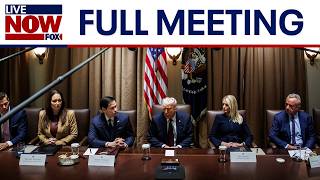
按马斯克自己给出的时间点倒推,这场记者会发生在 2025 年 5 月底。他作为特殊政府雇员(special government employee)的任期只有 134 天,再过几天就到期。特朗普把他请进椭圆形办公室,名义上是告别。
告别只是壳。这场记者会真正的价值,是马斯克第一次把 DOGE 半年来的账本摊开:已经省了多少,目标是多少,卡在哪里,为什么卡住。中间还夹着几个具体到荒诞的案例,以及一句让人意外的判断:改造美国政府,比殖民火星容易。
134 天:身份自带的期限,跟干不下去无关
外界把这次露面解读成马斯克从政府里撤退。他自己的说法完全是另一回事:特殊政府雇员这个身份本身就有法定工作时限,天数一到,人必须走。
我作为特殊政府雇员的时间,必然要结束。这是一件有期限的事。我记得是 134 天,再过几天就到了。(马斯克)
联邦法规对这类临时聘用身份有明确的年度工作天数上限,设立初衷是防止“临时顾问”变成绕开人事程序的常驻官员。换句话说,这场离场跟政治斗争关系不大,联邦法规早就把出口设好了。
马斯克对这个出口的处理方式,是把它定义成起点。他打了个比方,说 DOGE 更像佛教,是一种生活方式,正在渗透进整个政府。这个比喻听着玄,意思其实很实在:一个靠临时授权成立的机构,如果想在授权结束后继续起作用,就必须把方法变成习惯,让各个部门自己会问“这笔钱到底干什么用”。
他也明确了自己的后续角色:不再有正式职位,但会继续做总统的朋友和顾问,继续支持 DOGE 团队。翻译成大白话就是,人走,影响力不走。
这里有个细节值得留意。他说自己“期待时不时回到这个了不起的房间”,还专门夸了椭圆形办公室翻新后的天花板金色装饰,说这间办公室“终于有了它应有的庄严”。一个即将离任的顾问,在告别场合花一分钟夸房间装修,说明这半年他和特朗普之间的私人关系已经相当近。后面那句“只要总统需要我做什么,我随时为他服务”,也就有了着落。
1600 亿已经算出来,1 万亿还在路上
整场记者会最硬的信息是数字。马斯克给了三个不同量级的数,很容易混在一起,得分开看。
已经算出来的部分:1600 亿美元以上。他的表述是按 2025 财年到 2026 财年的差值计算,DOGE 团队目前核算出的节省超过 1600 亿,而且还在往上走,很快会突破 2000 亿。
中期目标:1 万亿美元。这是他反复强调的那个数,指削减掉的浪费和欺诈金额。他说这个目标需要时间,几个月做不到。
阶段性节点:明年年中。DOGE 的官方结束时间是 2026 年年中,特朗普可以选择延长。马斯克说,如果到那时有总统和国会的支持,实现 2000 亿美元的节省,他认为可以做到,“我们正朝着这个方向走”。
这里有个容易被忽略的细节。文字稿里这句是“could we achieve $20 of savings”,少了单位,按上下文只能是 2000 亿美元。语音识别把 billion 吞掉了。
即便还原成 2000 亿,它和 1 万亿之间还差着五倍。也就是说,到 DOGE 正式结束那天,能交出的成绩大概是目标的五分之一。
这个差距马斯克没有回避,他的处理方式是拉长时间轴:短期看 2000 亿,长期看 1 万亿。听的人得自己判断,哪一个才是可以当真的承诺。政府的财政年度是滚动的,明年年中交出的数字如果只有 2000 亿,而公众记住的却是 1 万亿,中间那 8000 亿的空白迟早要有人来解释。
“8 万亿”这个数字,对不上
同一场记者会里,马斯克还说过一句更夸张的话:
我们正在不懈地追求削减 8 万亿美元的浪费和欺诈,这将让美国纳税人受益。(马斯克)
这句话和前面反复出现的 1 万亿差了八倍。它出现在他描述椭圆形办公室翻新之后,语速很快,前后都没有解释。可能是口误,可能指的是更长周期、更大口径的政府总支出,也可能是把某个别的数字说串了。
之所以要专门拎出来,是因为这类数字在传播中最容易被剪成短视频标题。听到“万亿级削减”的时候,先确认三件事:是已实现还是目标,是年度还是累计,是毛额还是净额。这场记者会里,马斯克自己给出的可核查数字是 1600 亿已核算、2000 亿即将突破、1 万亿长期目标。8 万亿没有对应的解释,不该被当作论据使用。
最大的阻力跟国会无关,是几百万条预算明细
有记者问得很直接:你在这里待了一段时间,推进这些削减,最大的路障是什么?是内阁,是国会,还是别的东西?
马斯克的回答没有指向任何一个人或机构。他说,主要是活儿太多。
真的不是某个人,也不是国会。就是要过一遍几百万条明细,然后逐条问:这一条说得通吗?(马斯克)
这个回答听上去像在打太极,其实点出了一个常被忽略的事实:联邦支出不是几个大项目,是几百万条独立的拨款条目,每一条背后都有经手人、合同、法律依据和惯性。削减靠的是一遍一遍过筛子,急不来。
他也承认这部分工作会得罪人,但把话说得很平:
当你削减开支的时候,那些拿钱的人会抱怨,不管他们拿得合不合理。你不会听到有人承认自己拿钱拿得不合适,永远不会。他们一定说自己是为了一个重要的事业,名正言顺地拿了这笔钱。这完全在你预期之内。(马斯克)
这段话给出了一个判断标准。当一项削减引发抗议时,抗议本身不构成这项削减有问题的证据。需要看的是:这笔钱原本要达成什么,有没有达成,还有没有人愿意站出来为它辩护。马斯克说,很多项目根本找不到辩护人,没人知道这笔钱为什么花出去。
几百万个没人用的软件许可证
记者会里最有画面感的一段,是他举的具体例子。
我们发现有些情况是,数以百万计的软件许可证,使用者是零。零。你会想,几百万个许可证,总得有人在用吧?没有。(马斯克)
他说这种情形在整个政府里到处都是。逻辑链条很朴素:既然没人用,就不该续费,那么接下来该走流程终止这份许可协议。
为什么这种明显的事情能拖这么久?因为政府采购的每一份软件许可,都对应着一个当年的立项理由、一个经办的部门、一份多年期的合同。合同签下去之后,验收和使用率的追踪往往没人负责。部门预算按年拨付,钱花不掉会影响下一年的额度,于是“续着”成了最省事的选择。
马斯克说问题不在某一个人身上,道理也在这里。没有人在这件事上犯了明显的错,但几百万个许可证就这么年复一年地续着。系统性浪费的特征是:每一步都合规,合起来荒谬。
没有人会承认自己多拿了钱
记者追问他,“值得吗”。这个问题在这场记者会里出现了两次,马斯克的回答都不长。
我认为这是一件重要的事,一件必要的事,我相信它在未来会产生好的效果。(马斯克)
他给出的理由,藏在另一段话里。他说 DOGE 做的事,本质上是把“钱到底为了什么”这个问题重新提出来。而这个问题在官僚体系里已经被取消了,因为没人有动机去问。
他引了米尔顿·弗里德曼(Milton Friedman)。弗里德曼有个著名的分析框架,讲花钱的四种情形:花自己的钱给自己办事,最省;花自己的钱给别人办事,会省但不心疼;花别人的钱给自己办事,会铺张;花别人的钱给别人办事,既不讲效率也不讲成本,最糟。联邦支出大量落在第四种里:决策者花的是纳税人的钱,受益的是他不认识的人。
马斯克在记者会上的复述压缩了这个框架,但意思没变。他补了一句更狠的:这甚至不能怪具体的人,因为政府运转的底层逻辑就是让抱怨最少。
“抱怨最小化”:联邦开支停不下来的真正原因
整场记者会里最有解释力的一段在这里,值得原样看一遍。
政府运转的方式就是抱怨最小化。政府里有人想阻止一笔钱花出去,通常就会有人来抱怨。然后他的上级会说,不值得为这个惹麻烦,付了吧。这种情况一遍又一遍地发生。(马斯克)
这段话解释了一个长期困惑:为什么那么多明显没意义的支出,年复一年地存在。
答案跟有没有人贪关系不大,问题出在激励上。一个中层官员如果坚持砍掉一笔可疑支出,他要承担的是具体的、立刻发生的成本:有人打电话来投诉,有人找他的上级,可能要写说明,可能要吃官司。他能获得的好处是抽象的、延迟的、几乎不会被记录的:纳税人省了一点钱。
成本立刻兑现,收益无人认领。理性的选择当然是“付了吧”。
马斯克用了一个很重的词形容这种情况,说这是官僚体制的“平庸之恶”,是那种漫不经心的、没有人真正负责的状态。这个词在政治哲学里出自汉娜·阿伦特,用在这里的意思是:恶不需要坏人,只需要每个人都在自己的位置上做最省事的选择。
从这个角度看,DOGE 的真正难点跟找浪费关系不大。浪费满地都是。难的地方在于改变那个让“付了吧”成为默认选项的激励结构。这也解释了为什么马斯克反复强调 DOGE 要变成一种“渗透”进政府的方式,一个临时审计小组解决不了这件事。审计能找出问题,只有流程能防止问题回来。
再往深一层看,抱怨最小化跟体制的问责方式有关。一个官员被追责,通常是因为他做了什么,很少因为他没做什么。多付一笔钱,没有人会来找他;拦住一笔钱被人投诉,麻烦立刻上门。只要问责的方向保持这个倾斜,任何一次削减都会被同样的方式消化掉,换谁来做都一样。
DOGE 成了万能背锅侠
记者问他,如果有机会,会改变什么。他的回答绕到了舆论上。
我们发现的情况是,只要哪里有任何削减,人们就会默认那是 DOGE 干的。我们变成了某种 DOGE 妖怪,任何地方的任何削减都会算到 DOGE 头上。(马斯克)
他举了个具体例子:一个朋友的女儿在乔治城法学院读书,她以为 DOGE 砍掉了参议院的法律实习项目。马斯克说这事跟他们毫无关系,即便真的被砍了,也不是 DOGE 做的。
他还补了一句自嘲:有些被归到 DOGE 头上的削减,连他自己都觉得不合理。
这个现象值得多想一层。当一个新机构被赋予“削减开支”的标签之后,它就成了所有削减行为的默认解释。政府部门在砍项目时不再需要解释理由,只要说“上面的要求”就够了。舆论在报道时也省了核实,因为因果链看起来太顺。结果是 DOGE 既背了它做过的事,也背了所有它没做过的事,而真正做决定的人藏在了后面。
对读者来说,这里的操作含义很直接:看到“某机构砍掉某项目”的消息,先确认消息源是“已确认”还是“据称”。马斯克这个例子说明,连当事人家属都会搞错。
火星比政府改革容易
整场记者会最出圈的一个回答,来自一个略带玩笑的提问:殖民火星和让政府高效,哪个更容易?
这很难说,但我认为殖民火星、让生命成为多行星物种更难。(马斯克)
这句话表面是自嘲,实际上藏着他的方法论。
火星的难点在物理。火箭方程、着陆、生命维持、辐射防护,每一样都不接受谈判,行就是行,不行就是不行。政府改革的难点在人。没有一条物理定律规定某个软件许可证必须续费,也没有一条定律规定某个项目不能砍。所有的阻力都来自人的选择,而人的选择可以变。
这也是他为什么在回答里立刻接上了那句“我们确实预期最终能实现 1 万亿美元的节省,只是没法在几个月内做到”。物理问题需要时间,因为要试错;制度问题也需要时间,因为要说服。
两件事的差别在于反馈。火箭炸了,所有人都知道要改。预算砍错了,只有抱怨的人知道,而且他倾向于不告诉你为什么。
黑眼圈、五岁的 X,和“我不在法国附近”
记者会中间,有人注意到马斯克眼角的淤青。他的解释很随意:
我当时在和小 X 打闹,我说来吧,照我脸上打一拳。他真打了。结果发现,一个五岁小孩打你脸,是真的会留下痕迹的。(马斯克)
他说当时没什么感觉,后来才淤出来,孩子现在跟妈妈在一起。这段话被大量传播,因为它把一个刚刚主导了联邦政府大规模审计的人,拉回到了很日常的场景里。
他还顺势开了个玩笑。记者会前一周,法国总统马克龙在越南被妻子推脸的视频正在流传,马斯克说自己“当时离法国很远”。这个梗不需要解释,现场就笑了。
这类插曲看着无关公共事务,却能说明一个人在巨大压力下的状态。整场记者会他语速偏快,答到预算细节时很具体,答到私人话题时反而松弛。这种松弛感也解释了他为什么能在“朋友和顾问”这个非正式身份上继续待下去:他和特朗普之间的关系,早就不需要靠一个职位来维持。
对左派的批评:同理心给错了对象
记者会后段,话题从预算转到了执法。马斯克主动加了一段,语气比前面任何一段都重。
我认为左派根本的道德缺陷是,对罪犯有同理心,对受害者没有。对罪犯有同理心,对受害者没有。这种情况太多了,必须停止。(马斯克)
他接着把矛头指向司法系统,说存在大量违宪的司法越权,这些权力从来不是制度设计的一部分,正在侵蚀公众对法律体系的信任,“必须停止,已经走得太远了”。
这段话放在 2025 年春末的背景下才好理解。当时联邦法院多次裁定阻止政府的驱逐出境和机构裁撤行动,行政分支与司法分支的冲突公开化。马斯克的表述不是孤立发言,是那场冲突的一部分。
他的论证方式值得多看一眼。他没有讨论具体案件的合法性,直接从“同理心分配”这个道德角度切进去。这是一种把政策争议转化成道德排序的话术:谁更值得同情,决定了政策该往哪边倾斜。它有效,因为它绕开了法律技术细节;它也有代价,因为它把复杂的执法问题简化成了“你站在谁那边”。
需要说明的是,这段话是他个人的立场陈述,不带任何数据支撑。前面讲预算时他一直在给具体案例和金额,到这里换成了纯粹的价值判断。读的时候要把这两类内容分开。
特朗普插话:纽约时报和那个普利策奖
这场记者会不是马斯克的独角戏。特朗普中途插了几次话,最锋利的一次,是冲着台下的《纽约时报》记者去的。
他先是指出房间里的很多媒体机构曾经“扔石头”,然后点名问:
《纽约时报》,就是那家因为通俄门虚假报道拿了普利策奖的报纸吗?是同一家吗?(特朗普)
他接着说,法官刚刚就《纽约时报》关于通俄门骗局的谎言作出不利裁决,他们可能得把那个普利策奖还回去。这段话是特朗普的说法,普利策奖的撤销有独立程序,不由法院裁定。
这个插曲说明这场记者会的真实气氛:它更像一场政治表演,政策复盘只是外衣。马斯克讲数字和流程,特朗普讲对手和叙事。两个人共用同一个舞台,说的是两套语言。
对读的人来说,这也提醒了一件事。同一场发布会里,可以同时存在三类内容:可核查的数据、当事人的判断、纯粹的政治攻防。把三者混在一起读,很容易把攻防当成结论。
这场告别真正留下的东西
把整场记者会拆完,马斯克实际交付的是一份期中报告,远未到能下终局结论的时候。
已经发生的事:134 天的特殊政府雇员任期到期,DOGE 团队留下,方法留下。已核算的节省超过 1600 亿美元,正在逼近 2000 亿。发现的典型问题包括数以百万计零使用的软件许可证,以及大量找不到辩护人的支出条目。
还没发生的事:1 万亿美元的削减目标,目前交出的部分大约是五分之一。它能不能实现,取决于总统是否延长 DOGE 的授权,取决于国会是否配合,也取决于“抱怨最小化”这个底层逻辑有没有被真正改掉。
他给出的最有价值的一句话,其实跟任何数字无关,是那个关于抱怨最小化的描述。它解释了一个很多人困惑的现象:为什么明显荒谬的支出能存在几十年。答案跟有人贪不贪关系不大,问题在于没人有动机去当那个惹麻烦的人。
这个逻辑不只存在于联邦政府。任何一个规模大过某个临界点的组织,都会长出同样的东西:没人追踪使用率的采购、没人敢停的例会、没人说得清为什么要做的项目。区别只在于有没有人愿意花 134 天,一条一条地问“这个到底有什么用”。
下面是几条可以直接用上的判断方法。
- 看到“削减了多少亿”的新闻,先分清是已核算、已宣布还是目标值。这场记者会里三个数字分别是 1600 亿、2000 亿、1 万亿,混着用会得到完全错误的印象。
- 遇到明显离谱的数字(比如那个没有解释的 8 万亿),不要急着引用,先找它前后的上下文。发布会口语里的数字错误率比书面报告高得多。
- 判断一项削减是否合理,别看抗议声量,看有没有人能为这笔支出说出具体用途。找不到辩护人的支出,砍掉几乎不会错。
- 在自己的组织里找“零使用率的许可证”。这类浪费的特征是每一步都合规、每个人都有理由、合起来完全说不通。它比砍人头阻力小得多,收益却很实在。
- 当一个新部门或新团队被贴上“削减”标签后,它会迅速变成所有削减的默认解释。听到“是他们砍的”,先确认一手信息,再决定信不信。
- 想推动任何降本,先看激励结构。如果坚持原则的人承担全部成本、收益归集体,那么“付了吧”永远是默认选项,换谁来做都一样。
- 读高层发布会时,把可核查的数据、当事人的判断、政治攻防分三层记录。混在一起读,最容易把最响的那句当成最重要的那句。
0:12Yeah, at times. Woo-hoo. Come on, guys. Yeah. Yeah, absolutely.
14:52Thank you. Thank you. Thank you. Thank you. Thank you. Thank you. You see the lock? The lock on this is amazing.
15:21Well, let me say perhaps a few words, that this is not the end of DOGE, but really the beginning. My time as a special government employee necessarily had to end. It was a limited time thing. It's 134 days, I believe, which ends in a few days. So, it comes with a time limit. But the DOGE team will only grow stronger over time. The DOGE influence will only grow stronger. I liken to Buddhism. It's like like a way of life. So, it is permeating throughout the government, and I'm confident that, over time, we'll see a trillion dollars of savings and reduction, a trillion dollars of waste and fraud reduction.
15:21The calculations of the DOGE team thus far, in terms of an FY25 to FY26 delta, are over 160 billion, and that's climbing. We expect that number will probably go over 200 billion soon. So, I think the DOGE team is doing an incredible job. They're going to continue doing an incredible job, and I'll continue to be visiting here and be a friend and advisor to the president. And I look forward to, at times, being back in this amazing room. By the way, isn't this incredible? Look. I mean, it's stunning, I think, how the president has just completely redone the Oval Office. It's beautiful. I love the gold on the ceiling.
16:50Yeah. So- Yeah. The Oval Office finally has the majesty that it deserves thanks to the president. So, I look forward to continuing to be a friend and advisor to the president, continuing to support the DOGE team. And we are relentlessly pursuing $8 trillion in waste and fraud reductions which will benefit the American taxpayer. So that's it, really. Thank you, Mr. President.
17:51A lot of the people, some of the media organizations, in this room were the slingers. Oh, wait. Wait. Wait. New York Times, is that the same publication that got a Pulitzer Prize for false reporting on the Russiagate? Is it the same organization?
18:13I think it is. I think it is. I think the judge just ruled against New York Times for their lies about the Russiagate hoax and that they might have to give back that Pulitzer Prize. That New York Times? Let's move on. Next question. Speaker 1 : That's right. Come on. [inaudible 00:18:29]-
22:57Oh, I am. Speaker 1 : So, do you expect to continue advising- I [inaudible 00:23:02]- Speaker 1 : … the president and DOGE informally, or are you going to sort of shift your focus entirely to your companies? Well, I expect to continue to provide advice whenever the president would like advice, if he-
23:15I mean, yeah, I expect to remain a friend and an advisor. And certainly, if there's anything the president wants me to do, I'm at the president's service. Speaker 5 : Mr. Musk, Mr. Elon- Speaker 6 : Mr. Musk. Mr. Musk, [inaudible 00:23:27]- Speaker 7 : Mr. Musk, on DOGE, you said that there was a trillion-dollar promise for cuts from-
23:32Yes. I think we do expect over time to achieve the trillion dollars. Speaker 7 : But what have you found, in your time here, was the biggest roadblock to getting those cuts? Was it the Cabinet, or was it Congress, or something else? What was the biggest roadblock from your work?
23:46It's mostly just a lot of hard work. It's really not any one person or Congress. It's going through, really, millions of line items and saying, "Does each one of them makes sense or does it not make sense?" Obviously, at times, when you cut expenses, those who are receiving the money, whether they were receiving that money legitimately or not, they do complain. And you're not going to hear someone confessing that they received money inappropriately. Never. They're going to always say that they received money appropriately for an important cause. Naturally, that's what you'd expect.
23:46It's just a lot of work going through the vast expenses of the federal government and just really asking questions, "What's this money for? Are you sure it's actually being used well?" Many times we can't even find anyone who defends it. So, for a lot of the expenses, there is actually no defender at all. And then we have to just work through the process of stopping the spending where there's often literally no defender. Nobody even knows why the money's being spent. It's truly absurd. I mean, we find situations where there are millions of software licenses with zero people using them. Zero. Exactly. This is the quizzical expression.
23:46You're like, "Surely, if there's millions of software licenses, someone should be using them." No. And then we've got to go through the process of saying, "Okay, look, if no one's using the software, we need to terminate this software license agreement." Speaker 8 : Mr. Musk- Speaker 9 : Mr. Musk-
25:18That's everywhere in the government, by the way. Speaker 8 : Mr. Musk, what do you think would be easier, colonizing Mars or making the government efficient? It's a tough call, but I think colonizing Mars and making life multi-planetary is harder. And as I said, we do expect to achieve over time the trillion dollars of savings. We can't do it in a few months, but if you say by the… I think the official end of DOGE, which the president may choose to extend, is the middle of next year. If you say by the middle of next year, with the support of the president and Congress, could we achieve $20 of savings? I think so. We're on track to do so. Speaker 8 : Do you faith that Congress has- Speaker 10 : Elon, Elon, [inaudible 00:25:59]-
26:09Yes. Speaker 11 : Was it worth it for you? And what would you change?
26:14Yeah. So, what we found was happening was that if there were any cuts anywhere, then people would assume that was done by DOGE. And so we became like, essentially, the DOGE boogie man, where any cut anywhere would be ascribed to DOGE. A friend of mine's daughter who's at law school at Georgetown thought that DOGE had cut the internships, the legal internships for the Senate, and we have nothing to do with that. So, if they have been cut, it was not to do with us, just as an example. So, it just became a bit ridiculous where anything, any cut anywhere, was somehow DOGE, including things that made no sense and we would agree made no sense.
26:14So, there are many things that occur in the government because it's the banal evil of bureaucracy. It's the, frankly, largely uncaring nature of bureaucracy. As the great Milton Friedman said, money is spent most poorly when it is somewhat else's money being spent on people you don't know. And that's how federal spending is. And then you can't really even blame the individuals, because the way the government works is complaint minimization. So, when someone within the government tries to stop money being spent, there's usually someone that complains. And then their manager will say, "It's not worth the trouble. Just pay it anyway." That happens over and over again.
26:14Speaker 11 : So, was it worth it for you?
27:56I think it was an important thing. I think it was a necessary thing, and I think it will have a good effect in the future.
28:37I got a little shiner here. Well, I wasn't anywhere near France. But- Just making a joke about the [inaudible 00:42:09]. So yeah, I was just horsing around with little X and I said, go ahead, punch me in the face. And he did. Turns out even a five-year-old punching you in the face, actually does-
42:20Yeah. He's with with his mom right now. But I didn't really feel much at the time. And then I guess it bruises up, but I was just horsing around with the kids, basically.
43:02True. If I can add something to that? I think the fundamental moral flaw of the left is empathy for the criminals and not empathy for the victims. Empathy for the criminals, but not empathy for the victims. And there's been way too much of that, that needs to stop. To the President's point, there's been immense judicial overreach that is unconstitutional, that was never intended. And it's undermining the people's faith in the legal system. It needs to stop. It's gone too far.
DOGE团队迄今的计算,按2025财年到2026财年的差额算,超过1600亿美元,而且还在攀升。我们预计这个数字很快可能超过2000亿美元。
The calculations of the DOGE team thus far, in terms of an FY25 to FY26 delta, are over 160 billion, and that's climbing. We expect that number will probably go over 200 billion soon.
我们正在不懈追求削减8万亿美元的浪费和欺诈,这将惠及美国纳税人。
And we are relentlessly pursuing $8 trillion in waste and fraud reductions which will benefit the American taxpayer.
我的意思是,我们发现有些情况下,有数百万份软件许可证,使用人数为零。
I mean, we find situations where there are millions of software licenses with zero people using them.
所以,政府里发生的很多事情,是因为官僚制那种平庸的恶。坦率地说,那是官僚制基本上漠不关心的本性。
So, there are many things that occur in the government because it's the banal evil of bureaucracy. It's the, frankly, largely uncaring nature of bureaucracy.
我认为左派根本的道德缺陷,是对罪犯有同理心,而对受害者没有。对罪犯有同理心,对受害者却没有。
I think the fundamental moral flaw of the left is empathy for the criminals and not empathy for the victims. Empathy for the criminals, but not empathy for the victims.
资源与出处
- 视频在 YouTube 收看
- 视频原始视频文件
- 档案silicon-valley.tech 档案页本页视频与文稿数据来自 Elon Musk Archive
- 精读本篇精读 Markdown 版
相关视频
同频道、同主题或相邻年份 20242:00:15
 202547:00
 201749:17