2020年5月30日,佛罗里达肯尼迪航天中心。猎鹰9号点火升空,把两名NASA宇航员送进轨道。这是人类历史上第一次由商业公司完成载人航天。
发射前几个小时,马斯克跪在地上祈祷。
他不信教。他在访谈里对Lex Fridman说得很清楚:“我不是一个宗教信徒,但我还是跪下来为这次任务祈祷了。”
为什么?因为他比任何人都清楚那枚火箭上有多少东西可能出错。他是SpaceX的首席工程师,几乎所有设计决策都经他签字。火箭炸了,从根本上说是他的责任。
这个细节几乎概括了他做所有事情的方式:把风险看得比别人清楚一百倍,然后照样按下去。
别人看到的是壮观的火箭,他看到的是一张风险清单
Fridman问他:发射那一刻,你还能为太空旅行的魔力感到惊叹吗?
马斯克的回答很诚实:不能。
“别人看到火箭会说,哇,这真酷。我看到的是这样一张清单:这些是风险,这些是问题。我看到的产品和别人看到的不一样。”
这也是他面对高压的方式。成功真正到来的时候,狂喜的成分很少,主导情绪是一种解脱。“高压情境下,我感受到的主要是解脱,兴奋很少。”后面几次宇航员任务他才真正开始享受,尤其是Inspiration4那次全平民轨道飞行,他居然能放松下来看完整个任务。
那一次飞行是人类第一次全平民进入轨道,轨道高度也是阿波罗17号之后最高的,只有哈勃维修任务比它高。
他顺带说了一个让人不太舒服的事实:阿波罗17号是1972年,到现在快半个世纪,人类再没回过月球。“如果阿波罗是人类的高水位线,那将是极其悲剧的事。这会不会意味着我们作为一个文明已经见顶了?”
他的答案是:必须回月球,建一个正经的科研基地,像南极科考站那样。然后去火星。
星舰最难的部分是把发动机造出来
Fridman问他:如果能让星舰上的某一个工程问题被完美解决,你选哪个?发动机?结构重量?还是那个疯狂的着陆控制?
马斯克的答案出乎意料:“占用我时间最多的工作是发动机产能,发动机设计反而排在后面。”
他有一句口头禅:原型容易,量产难。这句话在星舰上体现得淋漓尽致。
猛禽(Raptor)发动机是什么水平?马斯克说,目前人类最好的火箭发动机大概是俄罗斯的RD-180或RD-170,而猛禽是第一个在性能上超过它们的发动机。判断标准他也说得很直白:发动机只有把东西送进过轨道才算数,猛禽还没做到。
关键指标是燃烧室压力。猛禽设计工作在300巴,也就是300个大气压。现役发动机的纪录是俄罗斯RD系列,大约267巴。而燃烧室压力的难度是非线性增长的,“压力提高10%,难度大概提高50%”。
为什么非要这么高?因为高压力带来高功率密度,带来高推重比,带来高比冲。比冲本质上就是发动机喷出气体的速度,效率的直接度量。
代价是制造难度。为了这个发动机,SpaceX不得不发明好几种地球上不存在的新合金。全流量分级燃烧意味着推进剂和高温燃气同时流向发动机的许多位置,每个位置都和其他位置形成递归影响,改一处,别处全变。
“没人做过这个,是有原因的。”
那为什么还要做?因为这是完全可复用火箭的唯一路径。而要节省重量,他们连着陆腿都不要了,计划用发射塔的筷子臂直接把助推器和飞船夹住。
马斯克自己都觉得这事离谱:“这就像用筷子夹苍蝇,只不过大得多。”
第一性原理听起来玄,其实就是把成本拆到原子
聊到思维方式,马斯克给了一个非常物理学的表述:物理是法则,其他都是建议。他说自己见过能违反法律的人,但没见过能违反物理的人。
第一性原理的操作方式:把问题拆到最基础、最确信为真的原理上,建立公理基础,然后从那里往上推理,最后拿结论回去和公理对账。检查有没有违反能量守恒、动量守恒。
另一个他常用的工具是极限思维。他举了制造业的例子:一个零件很贵,你怀疑是产量太低导致的。那就假设年产量是一百万件,还贵吗?如果还贵,规模就不是原因,问题在设计本身,你得去降低复杂度。
他还给了一个更狠的算法,叫“魔法棒数字”:把一个产品里所有原材料,铝、钢、钛、因科镍合金、铜,按重量加总,算它们的原材料市场价。这个数字就是这个产品成本的渐近极限,除非你换材料。假设你有一根魔法棒,把这一堆原材料原子重新排列成最终形状,成本就是这个数。
几乎所有产品,这个数字都低得离谱。真正让东西贵的是“把原子摆成想要形状”的过程。
他顺势批评了一种常见的思维惯性:人们习惯从手头的工具和方法出发去设计产品,能造出什么就造什么。另一种方式是先设想这个产品的柏拉图式理想形态,问“最优的原子排列是什么样”,再倒推需要发明什么工具、什么材料、什么工艺。
不这么想,就会掉进“过去怎么干”的惯性里。
火星时间表:最快五年,最慢十年
Fridman直接问:人类什么时候能登上火星?
马斯克给了区间:最快大约五年,最慢十年。
瓶颈是星舰本身。他称星舰是人类造过最复杂的火箭,复杂度领先一个数量级。而星舰的核心优化目标只有一个:每吨载荷送到火星表面的成本。
“这听起来像个很平庸的目标,但它是唯一需要优化的东西。”因为存在一个临界成本,低于它,火星上的自给自足城市才建得起;高于它,免谈。
现状有多贵?现在把一吨物资送到火星表面,成本大约是十亿美元。这笔钱覆盖的不只是发射,还包括端到端的全部:隔热罩、制导系统、深空通信、着陆系统。
这个价格下,多少钱都买不到一张去火星的票。需要降至少一千倍,理想情况下更多。
什么叫自给自足?他给了一个极其清晰的定义:当地球来的飞船因为任何原因停止到达时,火星城市还能不能活下来。哪怕只缺一样关键物资,就不算数。
他打了个比方:远洋航行,你什么都带了,就是没带维生素C。那只是时间问题,你一定会死。
而要自给自足,你需要半导体晶圆厂、钢铁冶炼厂、一大堆基础设施。马斯克估计最少需要一百万吨物资。火星算不上宜居,它只是太阳系里除了地球之外最不坏的一颗。“但它确实是个需要大修的星球。地球很好,地球很简单。”
去火星等于给生命买保险
为什么非去不可?马斯克给了三层论证。
第一层,地球会遇到灾难。可能是人类自己造成的,比如核战争;也可能是外部的,比如恐龙遇到的那种小行星。
第二层,就算这些都没发生,太阳会膨胀。大约五亿年后地球会热到生命无法存在。五亿年听起来很长,但只比地球已经存在的四十五亿年多10%。
第三层,也是最打动他的一点:地球存在了四十五亿年,而这是四十五亿年里第一次有可能把生命扩展到地球之外。这个窗口可能开很久,也可能很短。
他引用斯蒂芬·霍金的估计:文明终结级别的事件,每世纪发生的概率大约1%。他说霍金可能是对的。
所以多行星物种的本质是什么?“给生命本身买保险。”他自嘲这句话听起来像电视购物广告,但逻辑就是这样。
还有一层他讲得很动情:地球上的动植物没法自己搬到火星。如果不带它们去,等太阳膨胀那天,它们就确定无疑地全部消失。
火星政府:直接民主,法律要能被垃圾回收
Fridman问他,火星上应该用什么政治制度。马斯克的回答很具体。
他建议直接民主,而不是代议制民主。理由:代议制太容易被特殊利益俘获,政客太容易被胁迫。直接民主就是民众直接对法律投票。
配套条件有两条。第一,法律必须短到普通人能读懂。第二,信息必须完全透明,选民要知道自己在投什么。
然后他讲了一套我觉得整场访谈里最有意思的类比。
法律和监管会不断累积,因为它们是永生的。人会死,法律不会。战争在历史上其实起到了一种“规则重置”的作用,一战二战之后都有大规模的规则清理。但现在没有这种清理机制,规则每年只增不减。
结果就是文明被成千上万根小绳子捆住,像格列佛一样动弹不得。
“规则和监管就像运行文明的软件代码。我们只有代码累积,没有代码删除。时间一长,它就变成了陈旧的臃肿软件。”
他给出的机制建议是:任何法律都应该有日落条款,到期自动失效,除非有人公开辩护并重新投票续期。而且废除法律应该比通过法律更容易,比如通过需要60%的票,废除只需要40%。因为法律有惯性,你得用不对称的规则去对抗它。
货币是一套跑在老旧大型机上的数据库
话题转到加密货币。马斯克先讲了他对货币的本质理解,这段值得完整引用。
因为PayPal的经历,他对货币在日常实践层面是什么有很深的认识。他的判断是:现在的金融系统,实际上是一堆异构的大型机在跑古老的COBOL代码,批量模式运行。银行到2021年还在买大型机跑几十年前的COBOL。美联储的系统可能比银行的还老。
政府在这个“货币数据库”上有编辑权限,需要的时候就多写几条记录。这会增加数据库的误差。
所以他主张用信息论的视角看货币:带宽多少,总比特率多少,延迟多少,抖动多少,丢包多少。货币就是这样一个通信系统。
“钱本身没有力量。钱是信息。如果你被困在一个荒岛上,你有一万亿美元也没用,因为除了你自己没有资源可以分配。你带着全世界所有的比特币在沙漠里,也阻止不了你饿死。”(马斯克)
货币是跨时间和空间的资源配置数据库。那么问题就变成:什么样的数据库系统最有效?
他对比特币的批评很具体:交易吞吐量太低,确认延迟太长。按2008年的网络条件,小区块和长同步时间可以理解,但放到今天就说不过去了。
狗狗币为什么有意思?虽然它是个玩笑,但它的交易吞吐能力比比特币高得多,单笔手续费极低,而且每年增发的币数是固定的,意味着通胀率会逐年下降。
增发这一点他专门解释了:如果一种货币预期会升值,人们就不愿意花它,因为持有比花掉划算。适度的稀释反而会鼓励它作为货币被使用。
“我不是说它是理想的货币系统,但我觉得它碰巧比我见过的其他东西都好。”
Fridman问他是不是中本聪。他说不是。追问:如果你是,你会说实话吗?他说会。他认为从思想史的演化看,Nick Szabo对背后那些理念的贡献可能最大。
火星的货币呢?马斯克认为火星必须有一套完全独立的货币体系。原因是光速:最近距离四光分钟,最远二十光分钟。一条一分钟出块的区块链,在二十分钟延迟下根本没法同步。所以火星的货币会是本地化的东西,具体什么样,让火星人自己决定。
自动驾驶真正的难关,是一大堆软件
聊到特斯拉Autopilot,Fridman说他一开始是怀疑的。他在MIT待过,知道计算机视觉有多难,知道DARPA挑战赛的水平。他第一次坐进基于Mobileye的初代系统时,心想这车不可能稳定保持车道。
马斯克的回应很直接:车道保持相对容易,难的是做成几百万人、几十亿英里都能用的产品,而不是一个原型。
他也承认自己低估了难度:“我以为自动驾驶会很难,但它比我想的还要难得多。”
为什么难?因为整个道路系统是为“被动光学传感器加生物神经网络”设计的。人用眼睛和大脑开车,所以要实现自动驾驶,必须在数字世界里复现这套东西:摄像头加先进的神经网络。
“我不认为还有别的路。”
真正的瓶颈在哪?马斯克的回答很朴素:“一大堆该死的软件。”
具体说,是要从图像空间构建出精确的向量空间。摄像头接收到大量光子打在传感器上产生的比特流,系统必须把这个巨大的比特流压缩成向量空间:车、人、车道线、弯道、红绿灯。
一旦向量空间准确了,控制问题就像打电子游戏,类似《侠盗猎车手》或《赛博朋克》。控制不简单,但不是不可逾越的。难的是向量空间本身。
Fridman提到人类感知被严重低估。马斯克接过这个话题讲了一大段:你的视野边缘几乎没有视锥细胞,但你感觉那里有颜色,那是大脑在给你上色。你眼睛里有血管,有盲点,但你什么都看不见,因为大脑把缺失的部分填上了。视觉错觉的科学之所以成立,就是因为大脑做了巨量的后处理。
更关键的是记忆。大脑最弱的功能就是记忆,因为记忆对大脑来说太贵。所以大脑一直在努力遗忘,把看到的东西蒸馏成最小量的信息,只保留相关物体的位置和运动。
“你开车的时候可以内省一下你的大脑在干什么。你的头就是两个架在慢速云台上的摄像头,视力还不怎么样,人还经常分心,发短信、调电台、吵架。你上一次看左右后视镜是什么时候?”
所以自动驾驶需要的是跨时间和空间的内存。他举了一个例子:你开近一辆挡住视线的大卡车,在挡住之前你看到有几个小孩准备过马路。现在你看不见他们了,但你必须记得他们在那里,并且预测他们大概率会从卡车前面走出来。
这就是遮挡下的追踪,也是物体恒存性。他打了个很可爱的比方:婴儿在某个年龄之前没有物体恒存性,你把玩具藏到背后再拿出来,对他来说每次都是新的,所以躲猫猫可以玩一整天。等他建立了物体恒存性,游戏就结束了。“有时候我希望我们从来没搞明白这件事。”
内存是有成本的。记得太久会占满内存,也会留下过期信息。有时限的记忆,和基于空间位置的记忆,需要分开设计。一个行人可能在红灯前等一分钟,这超过了你五秒的时间基线,但不应该超过你的空间基线。
FSD 11:让神经网络吃掉软件
谈到FSD的版本演进,马斯克说11版会是一次根本性重写。
现在的架构是什么样?神经网输出一个“点的大袋子”,每个像素打上标签:这个像素可能是车,这个可能是车道线。然后一大堆C和C++代码负责把这个袋子组装成向量空间。
代码干得不错,但已经撞到局部最优了。
11版要做的是在上面再加一层神经网,直接把点的大袋子蒸馏成向量。神经网直接输出“这是一条车道线”“这是路缘”“这是可行驶区域”“这是行人或骑行者”,C++控制代码拿到的是成型的向量,不需要自己拼装。
用安德烈·卡帕西的话说,神经网络正在吃掉软件。传统软件里的启发式规则越来越少,矩阵运算越来越多。
同时还有几件事要一起做。所有网络都要迁移到环绕视频,现在还有一些遗留网络是单摄像头或非环绕的。所有训练也要迁移到环绕视频。还有一个大重置:所有网络要从处理过的图像迁移到原始光子计数。
为什么要原始光子计数?因为相机为了把照片拍得好看,做了大量后处理。自动驾驶不在乎照片好不好看,只在乎数据。原始光子计数保留了更多信息,暗光下能分辨极小的光子数差异,夜视能力远超想象。
更重要的是延迟:绕过图像信号处理器,每个摄像头能省回大约1.6毫秒,八个摄像头加起来,系统能省回13毫秒的延迟。
延迟之外还有抖动,马斯克认为抖动比延迟更麻烦。固定延迟可以预测和补偿。但如果延迟本身在150到250毫秒之间随机波动,那多出来的100毫秒你就完全不知道该怎么办,控制决策会变得很不稳。
所以特斯拉在把转向和制动的控制器从10赫兹升级到100赫兹,把最坏情况下的延迟从100毫秒降到10毫秒。他们还自己写了C编译器,直接编译到Autopilot硬件上,就为了榨出每一分算力效率。
这些工作没人看得见。马斯克说这些工程师是“无名英雄”,但他们是整件事成败的关键。
时间表呢?Fridman问什么时候能实现L4。“看起来很可能就是明年。”
判断依据是接管率。FSD beta每百万英里的干预次数在快速下降。当事故概率低于人类平均水平,并且显著低于人类平均水平时,就到位了。他的标准是人类的两到三倍安全。
当然之后还要向监管机构证明这件事。
机器人:有用的前提是有点可爱
特斯拉机器人,代号Optimus。马斯克开玩笑叫它Optimus Subprime,因为它不是那种巨型变形金刚。
定位是通用助手机器人。为什么特斯拉能做?因为特斯拉拥有最先进的现实世界AI,这是做自动驾驶逼出来的能力。加上定制硬件和大量底层软件优化,把庞大的神经网络蒸馏到一台低功耗计算机上跑。这件事极难,但特斯拉已经在车上做成了。
“车本质上就是四个轮子的机器人。把它放进一个有手臂有腿、有执行器的机器人里,是很自然的延伸。”
两个硬骨头:一是足够智能,能合理地与环境交互;二是制造能力。特斯拉两样都有。剩下的是开发车用不到的定制电机和传感器。
他描绘了一个更远的图景:工作会变成可选项。很多工作如果没人付钱,没人愿意干。洗碗洗一整天,就算你再喜欢洗碗,也不想每天都干八小时。还有危险的工作、无聊的工作、容易造成重复性劳损的工作,这些是机器人最先创造价值的地方。
配套的当然是全民基本收入。他提到几百亿台机器人在全世界执行各种任务的世界,说自己也没想那么远。
Fridman问了一个很软的问题:机器人能不能缓解孤独?像狗那样。
马斯克说他还真没从这个角度想过,但他觉得会。机器人可以发展出独特的性格,会随着时间演化,去匹配它的主人,就像朋友之间的相处。
Fridman提到日本的侘寂美学:正是细微的瑕疵让事物变得美。机器人的性格瑕疵,匹配人类朋友的瑕疵,可能造就一个了不起的伙伴。
马斯克接得很快:想想R2-D2和C3PO,他们俩缺点一大把,会吵架,会犯傻,会做错事,但正是这些让他们可爱、让人共情。
“在自动驾驶里你不能犯错,那是高风险环境。但在家里,机器人可以笨拙很久,那反而很可爱,你会爱上这些缺陷。”
他还补了一句:我们改机器人的程序比改人的程序容易。如果放任它自己演化,可能会变得抑郁。但你可以改优化函数,把它变成一个乐天的机器人。
他顺带吐槽了《瑞克和莫蒂》里的黄油机器人:你不想让你的烤面包机是个超级天才,因为它只能做吐司,它会恨死这种生活。不要把一个超级智能困在功能极度受限的设备里。
读历史,是为了看清人性里那条线
马斯克是丹·卡林《硬核历史》的听众,还上过那档节目。他原本想聊二战战斗机和轰炸机的技术,结果掉进了兔子洞,研究了一整套“石头剪刀布”的循环:一国造出一种飞机,另一国造出克制它的,再造出克制那个的。
他得出的结论落在别处:决定胜负的是创新速度,以及高质量燃料和原材料的获取能力,飞机设计本身没挡住谁。
德国有惊人的设计,造不出来。缺原材料,缺好油。合成燃料品质极不稳定,发动机得上各种添加剂。美国有稳定高辛烷值的航空汽油,还供应给英国。所以英美能设计出性能极高的发动机,德国设计得出来,烧不了。
“真正的瓶颈落在燃料上。”
Fridman问他,看斯大林、希特勒这些最黑暗的段落,能学到什么。
马斯克的回答有点出乎意料:人类历史的大部分其实是普通人过日子。种地、生活、当个村民。战争是间歇性的,是罕见的,如果不罕见人类早就没了。只是战争会被大量书写,而一个什么都没发生的普通年份没人记录。
他提到关于斯大林的那本书《红色沙皇的宫廷》,他读不下去,太黑暗了。
但历史给他的核心启发是:那条善恶的分界线穿过每个人的心脏。所有人都有作恶的能力,也都有行善的能力。一个魅力型领袖说服你去做某些事,然后对家人、对邻居作恶,这个路径太容易了。所以行善是一种责任,不是默认状态。
他也没把现在当成例外:“现在并不比历史特殊,这一切都可能重演。”
乐观的部分是,生活质量确实在变好。历史上大多数年份,一个好年份的定义是“村里没死太多人”。不是死于瘟疫、饥饿、冻死,或者被邻村的人杀掉,就算不错了。今年只损失了5%,还行。而现在的问题是肥胖。
核辐射没那么可怕,煤电厂危险得多
聊到核能,马斯克的态度很明确:支持。只要不在极端自然灾害频发的地方,核电是很好的发电方式,不该关停核电站。
他认为问题在于恐惧被放大了。大多数人没学过工程或物理,“辐射”这个词听起来就吓人,没法校准它的真实含义。
福岛事故后,加州有人问他该不该担心福岛的辐射。他说一点都不用担心,一点都不。
为了证明这一点,他做了件挺马斯克的事:他飞到福岛,给当地一个水处理厂捐了一套太阳能系统,还上电视吃了当地种的蔬菜。
“我还活着。”
他还讲了一个更好笑的经历:有人问他手机辐射会不会导致脑癌。他反问:你说辐射,是指光子还是粒子?对方不知道。他再问:如果是光子,频率或波长是多少?对方完全没概念。
“你知道所有东西都在辐射吗?所有物体都在不停地发射光子。你要想知道站在核火前面是什么感觉,出门看看太阳,那是个巨大的热核反应堆。你正对着它,你还活着吗?活着,对吧。”
他给了一个量化的对比:煤电厂对健康的危害,比核电站高100到1000倍。所以关掉核电站、启动煤电厂,从任何角度看都不成立。
梗图点评与十五分钟段子
访谈里有一段轻松的环节,Fridman打印了一叠梗图让马斯克打分。
有一张说联合国喊话:马斯克给66亿美元就能解决世界饥饿,你还有三小时。马斯克只给两分。他的解释是,现在全球生产的粮食远超消费量,卡路里不是约束条件。哪里还有饥饿,几乎都是内战、冲突、地缘政治,一方在故意饿死另一方。光靠加钱解决不了。
美国低收入家庭的健康问题反而是肥胖,卡路里太多。
关于大英博物馆那张,他给了六七分。他的看法是:大英帝国确实把各地的文物拿走了,但集中放在伦敦,世界上很大一部分人想亲眼看到这些古物,去一趟伦敦比跑遍各大洲方便得多。他不认为大英博物馆是净负面。
然后是那句更狠的:“如果要道德审判大英帝国,你得把它放在当时所有国家里比较。按相对标准,英国大概能拿个不错的分数。如果你用今天的道德标准去审判历史,所有人都会不及格。”
他没说错。三百年前,没有人能及格。我们这一代人,在后来者眼里大概也一样。
最高分给了那张“有人在西斯廷教堂墙上画满涂鸦”的图,九分。他说人类历史上有绘画能力以来,这个东西就一直是标配,贯穿始终。
Fridman问他会不会去讲单口喜剧。他说没想过,但也许有十五分钟的素材。他在朋友面前即兴讲过,屋顶上那种,朋友会笑,但朋友不算数。一屋子陌生人还笑不笑,得试了才知道。
“我觉得我可能真的攒够了素材。”
给年轻人的建议:做一个有用的人
访谈快结束时,Fridman问他有什么给高中和大学年轻人的建议。
马斯克的回答很短:努力做一个有用的人。
“做对你的同胞、对世界有用的事。这非常难。你能贡献的比你消耗的多吗?你能不能对社会有净正贡献?这才是该瞄准的东西。”
他补了一句关于领导力的话:很多人想当领导是为了当领导,但真正适合当领导的人,往往是那些不想当的人。
关于学习路径,他的建议是读大量的书,先建立一个宽泛的知识地形图。你不知道自己对什么感兴趣,往往是因为你还没在周边探索过。和不同行业、不同职业的人聊,尽量多学。
他自己小时候读过百科全书,这很有用,因为你会撞见一些你根本不知道存在的东西。读百科全书可以跳着读,读几段没兴趣就翻下一章。
然后在这些探索里找到一个交集:你天生擅长的事,和你喜欢做的事,重叠的那一块。有人擅长某件事但不喜欢做,那也不行。
最后他讲了一个我认为最能代表他世界观的观点:不要有零和心态。
很多人做出道德上可疑的事,底层原因是无意识的零和思维。如果饼是固定的,那想多拿就只能从别人那里抢。但经济这张饼在历史上是急剧变大的。真正该做的是把饼做大,创造多于消耗。
他说金融行业里有不少人有点零和心态,其实各行各业都有。
Fridman补充了一个观察:像乔·罗根那样庆祝别人、推广别人的想法,其实是在把饼做大。学术界也一样,很多人觉得科研经费是零和的,但如果所有人都为彼此的研究兴奋,经费总量会变大,所有人都赢。
马斯克同意:正是如此,这适用于几乎所有领域。
爱的位置
最后一个问题关于爱。Fridman问:爱在人类境况里扮演什么角色?对你个人而言,爱让你变成更好的人了吗?更好的工程师?
马斯克说这问题真让人困惑。他引了两句流行歌词,一句是“爱是件光辉的事”,一句是“爱是什么,宝贝别伤害我”。他说后者是伟大的作品之一。
然后他认真回答了:我关心人类成为多行星物种,根本原因是我爱人类。我希望看到人类繁荣、做成伟大的事、幸福。如果我不爱人类,我不会在意这些。
他读过很多历史,包括最黑暗的部分。尽管如此,“总的来说,我依然爱人类”。
谈到生命的意义,他回到道格拉斯·亚当斯的42。
他的解读是:《银河系漫游指南》想说的是,宇宙就是答案。我们真正要搞清楚的,是该向这个答案提出什么问题。问题才是最难的部分。如果你能把问题正确地框定出来,答案相对来说就容易了。
所以,如果你想理解该向宇宙问什么问题,如果你想理解生命的意义,就必须扩展意识的尺度和范围,让人类,包括硅基意识,有能力更好地理解宇宙的本质。
“这是我哲学的根基。我好奇宇宙的本质。我有一天会死,我不知道是什么时候,但我不会永远活着。但我希望知道,我们走在一条理解宇宙本质和生命意义的路上,走在一条搞清楚该向宇宙这个答案问什么问题的路上。”
他把这称为根本的善。
整场访谈近三个小时,聊了星舰、火星、货币、自动驾驶、机器人、历史、核能、梗图、单口喜剧和爱。但贯穿始终的是同一个东西:一个把物理当法则、把其他一切当建议的人,如何一件事一件事地把“不可能”拆成工程问题。
访谈最后,Fridman放了一句马斯克自己的话作为结尾:当一件事足够重要,即使胜算不在你这边,你也要去做。
如果要给读者留下一些能立刻用上的东西,我会这样总结:
- 用极限思维检验成本借口。当有人说“这东西贵是因为量太小”,直接问:假设年产一百万件,还贵吗?还贵,问题就在设计,不在规模。
- 算一次“魔法棒数字”。把你手上产品的原材料按重量和市场价加总,那是理论成本下限。你和这个数字之间的差距,就是你真正要优化的工作量。
- 给任何决策加上日落条款。公司流程、团队规范、个人习惯都算。默认到期失效,需要主动辩护才能续期,废除的门槛要低于新增的门槛。
- 区分延迟和抖动。做任何实时系统或组织流程,固定延迟可以预测和补偿,随机抖动无法补偿。优化优先级上,先消灭抖动。
- 检查自己有没有零和心态。如果你觉得“别人多拿就是自己少拿”,停下来想想这张饼是不是真的固定。绝大多数时候不是。
- 找天赋和兴趣的交集,然后读大量跨领域的书。不读,你连自己真正感兴趣的东西存在都不知道。
- 用“净贡献”当人生指标。你创造的是否多于你消耗的。这个问题很难回答,但值得一直问下去。
0:00the following is a conversation with Elon Musk his third time on this The Lex Friedman podcast yeah make yourself comfortable oh wow okay do you don't do the headphones thing no okay I mean how close do I get each to get this thing the closer you are the sexier you sound hey baby up Can't Get Enough Le you up
0:22baby I'm going to clip that out anytime somebody messages me about body and you think I'm sexy come right out and tell me so so good okay serious mode activate all right serious Mode come on you're Russian you can be serious everyone see us all the time in Russia yeah yeah we'll get we'll get there we'll get there yeah it's gotten soft allow me to say that the SpaceX launch of human beings to orbit on May 30th 2020 was seen by many as the first step in a new era of human space exploration these human space flight missions were a Beacon of Hope to me and to Millions over the past two years as our world has been going through one of the most difficult periods in recent
1:16human history we saw we see the rise of division fear cynicism and the loss of common Humanity right when it is needed most so first Elon let me say thank you for giving the world hope hope and reason to be excited about the future oh it's kind of you to say I do want to do that Humanity has obviously a lot of issues and and you know people at times do do bad things but you know despite all that you know I I love humanity and I think we should make sure we do everything we can to have a good future and and an exciting future and one where that maximizes the happiness of the people let me ask about crew Dragon demo 2 so that that first flight with humans on board how did
2:04you feel leading up to that launch were you scared were you excited was going through your mind so much was at stake yeah no that was extremely stressful no question we obviously could not let them down in any way so extremely stressful I'd say to say the least but we did I was confident that at the time that we launched that no one could think of anything at all to do that would improve the probability of success and we we racked our brains to think of any possible way to improve the probability of success we canot think of anything more and and nor could NASA and so that that's just the best that we could do so then we we had we went ahead
2:54and launched now I'm not a religious person but I nonetheless got on my knees and prayed for that mission were you able to sleep no how did it feel when it was a success first when the launch was a success and when they returned back home or back to Earth it was a great relief yeah it it's for for high stress situations I find it's it's not so much Elation as relief and you know I think once as as we
3:32got more comfortable and proved out the systems because you know we really you know you got to make sure everything works I was it was definitely a lot more enjoyable with the subsequent astronaut missions and I thought the the inspiration mission was was actually very inspiring inspiration for Mission I I'd encourage people to watch the inspiration documentary on Netflix it's actually really good and it really is I was actually inspired by that and I I I so that one I felt I I was kind of able to enjoy the the actual Mission and not just be super stressed all the time so for people that somehow don't know it's the all civilian first time all civilian out to space out
4:18to orbit yeah and it was the I think the highest orbit that in like I don't know 30 or 40 years or something the only one that was higher was the one shuttle sorry Hubble servicing Mission and then before that it would have been Apollo in 72 it's pretty wild so it's cool it's you know I think as you know as a species like we want to be you know continuing to do better and and reach Higher Ground and and like I think it would be tragic extremely tragic if Apollo was the high watermark for Humanity you know and that and that's as far as we ever got and it's it's
5:02concerning that here we are 49 years after the last mission to the moon and so almost half a century and we've not been back and that's that's worrying it's like is that does that mean we've peaked as a civilization or or what so like I think we we got to get back to the moon and build a base there you know a science base I think we could learn a lot about the nature of the universe if we have a proper science base on the moon you know like we have a science base in Antarctica and you know many other parts of the world and so that that that's I think the next big thing we've got to have like a a serious like moon base and then get people to Mars
5:47and you know get get out there and be a space faing civilization I'll ask you about some of those details but since you're so busy with the hard engineering challenges of everything that's involved are are you still able to Marvel at the magic of it all of space travel of every time the rocket goes up especially when it's a crude Mission or you're just so overwhelmed with the all the challenges that you have to solve and actually sort of to add to that the reason I I wanted to ask this question of May 30th it's it's been some time so you can look back and think about the impact already it's already at the time it was an engineering problem maybe now it's becoming a historic
6:28moment like it's it's a moment that how many moments will be remembered about the 21st century to me that or something like that maybe inspiration for one of those would be remembered as the early steps of a new age of space exploration yeah I mean during the launches itself so I mean the thing I think maybe some people know but a lot of people don't know he like I'm actually the chief engineer of SpaceX so the you know I've signed off on pretty much all the design decisions and you know so if there's something that goes wrong with that vehicle it's it's fundamentally my fault you know so so I'm really just thinking about all
7:13the things that like so so when I see the rocket I see all the things that could go wrong and the things that could be better and the same with the dragon spacecraft it's like other people will see oh this is a a spacecraft or a rocket and that's this looks really cool I'm like i' I've like a readout of like this is the these These are the risks these are the pro problems that's what I see like so it's not what other people see when they see the product you know so let me ask you then to analyze Starship in that same way I know you have you'll talk about in more detail about Starship in the near future perhaps you we talk about it now if you
7:50want but just in that same way like you said you see when you see a when you see a rocket you see a sort of a list of risks and that's same way you said that Starship is a really hard problem so there many ways I can ask this but if you magically could solve one problem perfectly one engineering problem perfectly which one would it be on Starship on on sorry on Starship so is it maybe related to the efficiency the the engine the weight of the different components the complexity of various things maybe the controls of the the crazy thing has to do to land no it's actually the by far the the biggest thing absorbing my time is engine
8:34production not not the design of the engine the i i how I've often said prototypes are are easy production is hard so we have the most advanced rocket engine that's ever been designed the cuz I say currently the best rocket engine ever is probably the Rd 180 or Rd 170 that that the Russian engine basically and and still I think an engine should only count if it's gotten something to orbit so our engine has not gotten anything to orbit yet but it is it's the first engine that's actually better than than the the the Russian R engines which were amazing design so you're talking about Raptor engine what makes it amazing what what are the different aspects of it that
9:28make it like what are you the most excited about if the whole thing works in terms of efficiency all those kinds of things well it's bar raptor is a a full flow staged combustion engine and it's at operating at a very high chamber pressure so one of the key figures mer perhaps the key figure of Merit is what is the chamber pressure at which the engine can operate that's the combustion chamber pressure so a Rapter is designed to operate at 300 bar possibly maybe higher that's 300 atmospheres so the record right now for operational engine is the Rd engine that I mentioned the Russian Rd which is I believe around 267 bar and the the the difficulty of
10:24the chamber pressure is increases on a nonlinear basis so 10% more chamber pressure is more like 50% more difficult but that that chamber pressure is that that that is what allows you to get a very high Power density for for the engine so enabling a very high thrust to weight ratio
10:53and a very high specific impulse so specific impulse is like a measure of the efficiency of a rocket engine or it's it's really the the the exhaust the effect of exhaust velocity of of the gas coming out of the engine so with with a very high chamber pressure you can have a a compact
11:21engine that nonetheless has a high expansion ratio which is the ratio between the exit nozle and the throat so you know engine's got like you see rocket engine's got like sort of like a like a hourglass shape it's like a chamber and then it next down and there's a nozzle and the ratio of the the exit diameter to the the throat expansion ratio so why is it such a hard engine to manufacture at scale it's very complex so a lot of what do complexity mean here is a lot of components involved there's a lot of a lot of components and a lot of unique materials that so we had to invent a several Alloys that don't exist in order to make this engine work so a materials problem
12:13too it's a materials problem and in a in a stage combustion full flow stage combustion there there are many feedback loops in the system so you basically you've got propellent and and and Hot Gas flowing simultaneously to so many different places on the engine and they they all have a recursive effect on each other so you change one thing here it has a recursive effect here changes something over there and and it's it's it's it's quite hard to control like there's a reason no one's made this before but and the reason we're doing
13:00a stage combustion full flow is is because it it has the highest the highest theoretical possible efficiency so in in order to make a fully reusable rocket which that's the really the Holy Grail of orbital rocketry you have to have everything's got to be the best it's got to be the best engine the vest airframe the vest heat shield extremely light
13:35avionics very you know very clever control mechanisms you've got to shed mass in in any possible way that you can for example we are instead of putting Landing legs on the booster and ship we are going to catch them with a tower to save the weight of the landing legs legs so that's like I mean we're talking about catching the largest flying object ever made with on a giant Tower with with
14:05Chopstick arms it's like Cy kid with the fly but much bigger I mean pulling something like this probably won't work the first time anyway so this bananas this is banana stuff so you mentioned that you doubt well not you doubt but there there's days or moments when you doubt that this is even possible it's so difficult the possible part is well at this point we'll I think we we'll get Starship to work there's a question of timing how long will it take us to do this how long will it take us to actually achieve full and Rapid reusability because it will take probably many launches before we are able to have full and Rapid reusability but I can say that that
14:59the physics pencils out like the like we're not like at this point I'd say we're confident that that s like let's say I'm very confident s success is in the set of all possible outcomes right it's not set of for for for a while there I was not convinced that success was in the set of possible outcomes which is very important actually but so you're saying there's chance I'm saying there's a chance exactly just not sure how how how long it
15:36will take but we have a very very talented team they're working night and day to make it happen and and like like said the the the critical thing to achieve for the revolution in space flight and for Humanity to be a space Frank civilization is to have a fully and rapidly reusable rocket opal rocket there's not even been any op rocket that's been fully useful ever and this has always been the the the the Holy Grail of rocketry and many smart
16:07people very smart people have tried to do this before and they've not succeeded so because it's such a hard problem what's your source of belief in situations like this when the engineering problem is so difficult there's a lot of experts many of whom you admire who have failed in the past yes and a lot of people you know the a lot of experts maybe journalists all the kind of you know the public in general have a lot of doubt about whether it's possible and you yourself know that even if it's a non-n set non-empty set of success it's still unlikely or very difficult like where do you go to both personally intellectually as an engineer as a team like for source of
16:59strength needed to sort of persevere through this and to keep going with the project take it to
17:17completion a source of strength h i i justes really not how I think about things I mean for me it's simply this this is something that is important to get done and we we should just keep doing it or die trying and I I don't need a source of strength so quitting is not even like that's not it's not in my nature okay and I I don't care about optimism or pessimism fuck that we're going to get it done GNA get it done can you then Zoom back in to specific problems with Starship or any engineering problems you work on can you try to introspect your particular biological neural network your thinking process and describe how you think through problems through different
18:06engineering and design problems is there like a systematic process you've spoken about first principles thinking but is there kind of process to it well you like saying like like physics is a law and everything else is a recommendation like I've met a lot of people who can break the law but I haven't met anyone who could break physics so so first for you know any
18:30kind of Technology problem you have to sort of just make sure you're not violating physics and you know first principles analysis I think is something that can be applied to really any Walk of Life any anything really it's just it's it's really just saying you know let's let's boil something down to the most fundamental principles the things that we are most confident are true at a foundational level and that sets your your sets your axiomatic base and then you reason up from there and then you cross check your conclusion against the the axiomatic truths so you know some basics in physics would be like are you violating conservation of energy or momentum or
19:20something like that you know then you it's not going to work so that's you know so that's just to establish is is it is it possible and then another good physics tool is thinking about things in the limit if you if you take a particular thing and you scale it to a very large number or to a very small number how does how does things change both like tempor like in number of things you manufacture or something like that and then in time yeah like let's say say take an example of like like manufacturing which I think is just a very underrated problem and and like I said it's much harder
20:05to take a an advanced technology product and bring it into volume manufacturing than it is to design it in the first place my ERS magnitude so so let's say you're trying to figure out is like why is this this part or product expensive is it because of something fundamentally foolish that we're doing or is it because our volume is too low and so then you say okay well what if our volume was a million units a year is it still expensive that's what I mean like thinking about things in the limit if it's still expensive at a million units a year then volume is not the reason why your thing is expensive there's something fundamental about design and then you then can focus on
20:45the reducing complexity or something like that in the design change the design to change change the part to be something that is not fundamentally expensive but but like that's a common thing in tree cuz the the unit volume is is relatively low and so a common excuse would be well it's expensive because our unit volume is low and if we were in like Automotive or something like that or consumer electronics then our cost would be lower I'm like I'm like okay so let's say we SK now you're making a million units a year is it still expensive if the answer is yes then
21:19economies of scale are not the issue do you throw into manufacturing do you throw like supply chain you talked about resources and materials and stuff like that throw that into the calculation of trying to reason from first principles like how we're going to make the supply chain work here yeah yeah and then the cost of materials things like that or is that too much exactly so like another like a good example of thinking about things in the limit is if you take any you know any any product any machine
21:52or whatever like take a rocket or whatever and say if you've got if if you look at the raw raw materials in the rocket so you're going to have like I know aluminum steel titanium inconel special specialty Alloys copper and and you say what are the how what what what's the weight of the constituent elements of of each of these elements and what is their raw material value and that sets the ASM totic limit
22:25for how low the cost of the vehicle can be unless you change the the materials so and then when you do that I call it like maybe the magic wand number or something like that so that would be like if you had the you know like just a a pile of these raw materials here and you could wave magic wand and rearrange the atoms into the final shape that would be the lowest possible cost that you could make this thing for unless you change the materials so then and that is always a US almost always a very low number so then the the what's actually causing things to be expensive is how you put the atoms into the desired shape yeah I actually if you don't mind
23:07me taking a tiny tangent had I often talk to Jim Keller who's somebody that work with you as as a friend Jim was yeah did great work at Tesla so I suppose he carries the flame of the same kind of thinking that you're you're talking about now and I I guess I see that same thing at Tesla and and SpaceX folks who work there they kind of learn this way of thinking and it kind of becomes obvious almost but anyway I had argument not argument he educated me about how
23:44cheap it might be to manufacture Tesla bot we just we had an argument what is how can you reduce the cost of scale of producing a robot because so I gotten a chance to interact quite a bit obviously in in the academic circles with robots and then my bosson Dynamics and stuff like that and they're very expensive to to build and then Jim kind of schooled me on saying like Okay like this kind of first principal thinking of how can we get the cost of manufactur down I suppose you do that you have done that kind of thinking for Tesla bot and for all kinds of all kinds of complex systems that are traditionally seen as complex and you say okay how can we simplify everything
24:26down yeah I I mean I think if you if you are really good at manufacturing you can basically make at high volume you can basically make anything for a cost that ASM totically approaches the raw raw material value of the constituents plus any intellectual property that you need to license anything right but it's hard it's not like that's a very hard thing to do but but it is possible for anything anything in volume can be made of like I said for a that ASM totically approaches as raw material constituents plus intellectual property license rights so what'll often happen in trying to design a product is is people start with the tools and and parts and methods that they are familiar
25:13with and then and try to create a product using their existing tools and methods the other way to think about it is actually imagine the try to imagine the platonic ideal of the perfect product or technology whatever it might be and say what is this what is the perfect arrangement of atoms that would be the the best possible product and now let us try to figure out how to get the atoms in that shape I mean it's it sounds it's almost like Rick a Morty absurd until you start to really think about it and it you really should think about it in this way cuz everything else is kind of if if you think you you might fall victim to the momentum of the way things
26:03were done in the past unless you think in this way well just as a function of inertia people will want to use the same tools and methods that they are familiar with they just that's what they'll do by default yeah and then that that will lead to an outcome of things that can be made with those tools and methods but is unlikely to be the platonic ideal of the perfect product so then so that's why it's good to think of things in both directions so like what can we build with the tools that we have but then but but also what is the what is the perfect the theoretical perfect product look like and and that that theoretical perfect product is going to be a moving Target because as
26:41you learn more the definition of or for that perfect product will will change because you don't actually know what the perfect product is but you can successfully approximate a a a more perfect product so the thing about it like that and then saying okay now what tools methods materials whatever do we need to create in order to get the atoms in that shape but people very rarely think about it that way but it's a powerful tool I
27:12should mention that the brilliant Siobhan zillis is hanging hanging out with us in case you hear a voice of wisdom from from from outside from up above okay so let me ask you about Mars you mentioned it would be great for science to put a base on the moon to do some research but the truly big leap again in this category of seemingly impossible is to put a human being on Mars when do you think SpaceX will land a human being on
27:49Mars h best case is about 5 years worst case 10 years what are the determining factors would you say from an engineering perspective or is that that not the bottlenecks you know it's it's fundamentally you know engineering the the the vehicle I mean Starship is the most complex and advanced rocket that's ever been made by I don't know order of magnitude or something like that it's a lot it's really Next Level so and the fundamental optimization of Starship is minimizing cost per ton to over it and ultimately cost per ton the surface of Mars this may seem like a mertile objective but it is actually the thing that needs to be optimized like there is a certain
29:02cost per ton to the surfice of Mars where we can afford to establish a self- sustaining city and and then above that we cannot afford to do it so right right now you couldn't fly to Mars for a trillion dollars doesn't no amount of money could get you a ticket to Mars so we need to get that above you know to get that like something that is actually possible at all but but then but that's that's we
29:30don't we don't just want to have you know with Mars flags and Footprints and then not come back for a half century like we did with the moon in order to pass a very important great filter I think we we need to be a multiplet species that's sounds somewhat esoteric to to a lot of people but like eventually given enough time that something
29:58the Earth is likely to experience some Calamity that could be yeah something that humans do to themselves or an external event like happened to the dinosaurs and but but you know eventually and and if if n if none of that happens and somehow magically we keep going then the sun will the Sun is gradually expanding and will engulf the Earth and probably Earth gets too hot for life in about 500
30:34million years it's a long time but that's only 10% longer than Earth has been around and so if you think about like the the current situation is really remarkable and kind of hard to believe but Earth been around 4 and a half billion years and this is the first time in 4 and a half billion years that it's been possible to extend life beyond Earth and that window of opportunity may be for a long time and I hope it is but it also may be open for a short time and we should I think it was wise for us to act quickly while the windows open just in case it it closes yeah the existence of nuclear weapons pandemics all kinds of threats yeah should should kind of give us some
31:24motivation I mean civilization could get could die with a bang or a whimper you know if it's a if it dies a demographic collapse then it's more of a whimper obviously but and if it's World War III it's more of a bang but but these are all risks I mean it's important to think of these things and just you know think of things like probabilities not certainties there's a certain probability that something bad will happen at on Earth I like I think most likely the future will be good but there's like let's say for AR M sake a 1% chance per Century of of a civilization ending event like that was Stephen Hawkings estimate I think he's he might be right about that so
32:12then you know we should basically think of this like being a multiplan species as like taking out insurance for life itself like life insurance for life W this turned into infomercial real quick life insurance for Life yes and you know we can bring the the the creatures from you know plants and animals from Earth to Mars and breathe life into the planet and and have a second planet with with life that would be great they can't bring themselves there you know so if we don't bring them to Mars then they will just for sure all die when the sun expands anyway and then that'll be it what do you think is the most difficult aspect of building a civilization on Mars
33:00terraforming Mars like from engineering perspective from a financial perspective human perspective to get to get a large number of folks there who will never return back to Earth no they could certainly return some will return back to Earth they will choose to stay there for the rest of their lives yeah many will but you know we we need the space sh back like the ones that go to Mar meet them back so you can hop on if you want you know it's like but we can't just not have the spaceships come back those things are expensive we need them back like to come back and do another trip I mean do you think about the terraforming aspect like actually building you're so focused
33:42right now on the spaceships part that's so critical to get to it's just we absolutely if you can't get there nothing else matters yeah so and like said you we can't get there with at some extraordinarily high cost I mean the current cost of let's say one ton to the surface of Mars is on the order of a billion dollars so because you don't just need the rocket and the launch and everything you need like heat shield you need you know guidance system you need deep space Communications you need some kind of Landing system so like rough approximation would be a billion dollars per ton to the surface of Mars right now this is obviously
34:25way too expensive to create a self-sustaining civilization so we need to improve that by at least a factor of a thousand a million per ton yes ideally less much less than a million ton but if it's not like it's got to be you have to say like what well how much can Society afford to spend or want to just want to spend on a self-sustaining City on Mars the self- sustaining part is important like it's just the the key threshold the the great filter will will have been passed when the city and Mars can survive even if the spaceships from Earth stop coming for any reason doesn't matter what the reason is but if they stop coming for any reason will it
35:12die out or will it not and if there's even one critical ingredient missing then it still doesn't count it's like you know if you're on a long sea voyage and you've got everything except vitamin C it's only a matter of time you know you're going to die so so we got to get Mars a Mars City to the point where it's self sustaining I'm not sure this will really happen in my lifetime but I I hope to see it at least have a lot of momentum and and then you could say okay what is the minimum tonnage necessary to have a self-sustaining city and there's a lot of uncertainty about this you could say like I don't know it's probably at least a million tons because you have to set up a lot
35:52of infrastructure on on Ms like I said you can't be missing any anything that in order to be self- sustained you can't be Miss like you need you know semiconductor Fabs you need iron or refineries like you need all lots of things you know so and Mars is not super hospitable it's it's the least inhospitable Planet but it's definitely a fixer oper of a planet outside of Earth yes Earth is pretty good Earth is like easy yeah and also I should we should clarify in the solar system yes in the solar system there might be nice like vacation spots there might be some great planets out there but it's h too hard to get there yeah way way way way way too hard to say
36:36the least let me push back on that not really a push back but a quick curveball of a question so you did mention physics as the the first starting point so general relativity allows for warm holes they technically can exist do you think those can ever be leveraged by humans to travel fast in the speed of light well are you the thing is is debatable
37:05the we currently do not know of any means of going faster than the speed of light there there is like like there there are some ideas about having space like so so you can only move at the speed of light through through space but if you can make space itself move that that that's like that that's Waring space space is is capable of moving faster than the speed of light right like the universe in the Big Bang the universe expanded at much much more than the speed of light by a lot yeah
37:49so but the if this is possible the the amount of energy required to Wolf space is so gigantic it's boggles of mind so all the work you've done with propulsion how much Innovation is possible with rocket propulsion is this I mean you've seen it all and you're constantly innovating in every aspect how much is possible like how much can you get 10x somehow is there something in there in physics that you can get significant Improvement in terms of efficiency of engines and all those kinds of things well as I was saying like the really the Grail is a a fully and rapidly reusable orbital system
38:33so right now the falcon9 is the only reusable rocket out there but it but the the booster comes back and lands you've seen the videos and we get the nose coal fairing back but we do not get the upper stage back so that means that we have a minimum cost of of building an upper stage you can think of like a two-stage rocket of of sort of like two airplanes like a big airplane and a smaller airplane and we get the big airplane back but not the small airplane and so it still costs a lot you know so that upper stage is you know at least $10 million and then the degree of the
39:15booster is not as reuse is not as rapidly and completely reusable as we'd like in order of the fairings so you know our kind of minimum marginal cost our counting overhead for per flight is on the order of 15 to $20 million maybe so that's that's extremely good for it's by far better than any rocket ever in history but with full and Rapid
39:44reusability we can reduce the cost per T to orbit by a factor of 100 just think of it like like imagine if you had an aircraft or something or a car and if you had to buy a new car every time you went for a drive there would be very expensive every silly frankly but but you in fact you just refuel the car or recharge the car and that's makes your trip like I don't know a thousand times cheaper so it's the same for Rockets
40:23if you very difficult to make this complex machine that can go to all it and so if you cannot reuse it and have have to throw even any part of any significant part of it away that massively increases the cost so you know Starship in theory could do a cost per launch of like a million maybe $2 million or something like that and and put over 100 tons in orbit which is crazy yeah so that's incredible so you're saying like it's by by far the biggest bang for the buck is to make it fully reusable versus like some kind of brilliant breakthrough in theoretical physics no no there's no there's no bring break no there's no it just got to make the rocket reusable
41:11this is an extremely difficult engineering problem got it but no no new physics is required just brilliant engineering let me ask a slightly philosophical fun question got to ask I know you're focused on getting to Mars but once we're there on Mars what do you what form of government economic system political system do you think would work best for an early civilization of humans is I mean the the
41:39interesting reason to talk about this stuff it also make helps people dream about the future I know you're really focused about the short-term engineering dream but it's like I don't know there's something about imagining an actual civilization on Mars that gives people really gives people hope well it would be a new frontier and opportunity to rethink the whole nature of government just as was done in the creation of the United States so I mean I would suggest having direct democracy like
42:14people vote directly on things as opposed to representative democracy so representative democracy I think is too subject to special interests and you know a coercion of the politicians and that kind of thing so I I'd recommend that that there's just direct democracy people vote on laws the population votes on laws themselves and then the laws must be short enough that people can understand them yeah and then like keeping a well-informed populace like really being transparent about all the information about what they're voting for absolute transparency yeah and not make it as annoying as those cies where you have to accept accept cookies like always like
43:01you know there's like always like a slight amount of trepidation when you click accept cookies like I I feel as though there's like perhaps like a like a very tiny chance that it'll open a portal to hell or something like that it's exactly how I feel why why do they why do they keep wanting me to accept what do they want with this cookie like somebody got upset with accepting cookies or something somewhere who cares like so annoying to get keep accepting all these cookies to me this is just great trying accept yes you can have my damn cookie I don't care whatever you heard it from meon first he accepts all of your damn cookies yeah and stop asking me it's annoying
43:41yeah it's it's one example of implementation of a good idea done really horribly yeah it's it's somebody who was like there's some good intentions of like privacy or whatever but now everyone just has to accept cooking and it's not you know you have billions of people who have to keep clicking except cookie it's super annoying then we just accept the damn cookie it's fine there is like I think a fundamental problem that we're because we've not really had a a major like a world war or something like that in a while and obviously we would like to not have C Wars there there's not been a cleansing function for rules and regulations so wars did have you know some sort of lining in
44:25that there would be a a reset on rules and regulations after a war so World Wars 1 and 2 there were huge resets on rules and regulations now as if the society Society does not have a war and there's no cleansing function or garbage collection for rules and regulations then rules and regulations will accumulate every year because they're Immortal there's no actual humans die but the laws don't so the we need a garbage collection function for rules and regulations they should not just be immortal because some of the rules and regulations that are put in place will be counterproductive done with good intentions but counterproductive and sometimes not done with good intentions
45:06so if you just if rules and regulations just accumulate every year and you get more and more of them then eventually you won't be able to do anything you're just like guliver with you know tied down by thousands of little strings and we we see that in you know us and like like basically economies that have been around for for a while and and regulators and legislators create new rules and regulations every year but they don't put effort into removing them and I think that's very important that we put effort into removing rules and regulations but it gets tough because you get special interests that then are dependent on like they they have a you
45:48know a vested interest in that whatever Rule and Regulation and they then they fight to not get it removed yeah so it I mean I guess the problem with the Constitution is it's it's kind of like C versus Java cuz it doesn't have any garbage collection built in I think there should be I I when you first said the the the metaphor of garbage collection I love from coding standpoint from the coding St yeah yeah I it would be interesting if the laws themselves kind of had a built-in thing where they kind of die after a while unless somebody explicitly publicly defends them so that that's sort of it's not like somebody has to kill them they kind of die them themselves they disappear
46:29yeah not to defend Java or anything but you know the C++ you know you could also have great garbage collection in Python and so on yeah so yeah something's something needs to happen or or just the the civilization arteries arteries just Harden over time and and you can just get less and less done because there's just a rule against everything so so
46:56I think like I don't know for Mars or whatever I'd say or even for you know obviously for Earth as well like I think there should be an active process for removing rules and regulations and questioning their existence just like if we've got a function for creating rules and regulations because rules and regulations you can also think of it's like they're like software or lines of code for operating civilization that's the rules and regulations so it's not we shouldn't have rules and regulations but the you you have code accumulation but no code removal and so it just gets to be become basically archaic bloatware after a while and and it's just it makes it hard for
47:36things to progress so I don't know maybe Mars you'd have like an you know any given law must have a sunset you know and and and and require active voting to keep restore to keep it up there you know and actually also say like and these are just I don't know recommendations or thoughts ultimately will be up to the people on Mars to decide but I I think it
48:04should be easier to remove a law than to add one because of the just to overcome the inertia of laws so maybe it's like for argument sake you need like say 60% vote to have a law take effect but only a 40% vote to remove it so let me be the guy you you posted a meme on Twitter recently where there's there there's like a a row of urals a guy just walks all the way across sure yeah and he tells you about crypto list I mean that's happened to be so many times I think maybe even literally yeah do you think technologically speaking there's any room for ideas of smart contracts or so on because you mentioned laws that's an interesting Implement use of things
48:51like smart contracts to implement the laws by which governments function like something built on ethereum or maybe a dogcoin that enables smart contract somehow I don't I don't quite understand this whole smart contract thing you know I mean so I'm too downtown down smart contracts that's a good line I mean my general approach to any kind of like deal or whatever is just make sure there's Clarity of understanding that's the most important thing right and and just keep any kind of deal very very short and simple plain language and just make sure everyone understands this is the deal does everyone is it clear and and
49:38and what are the consequences if various things don't happen but usually deal deals are you know business deals or whatever are way too long and complex and overly lawyered and pointlessly you mentioned that doge is the people's coin and you said that you were literally going SpaceX may consider literally putting a do coin on the moon is is
50:07this something you're still considering Mars perhaps do you think there's some chance we've talked about political systems on Mars that Dogecoin is the the official currency of Mars at some point in the future well I I think Mars itself will need to have a different y because you can't synchronize due to speed of light or not easily so it must be completely Standalone from Earth well yeah cuz the the Mars is at
50:40closest approach it's four light minutes away roughly and then at furthest approach it's roughly 20 light minutes away maybe a little more so you can't really have something synchronizing you know if you got if if you got a 20- minute speed of light issue if it's got a 1 minute blockchain it's not going to synchronize properly so Ms need would I don't know if Ms would have a cryptocurrency as a thing but probably seems likely but it would be some kind of localized thing on Mars and you let the people decide yeah absolutely the future of Mars should be up to the Martians yeah so
51:23I mean I think the cryptocurrency thing is an inter approach to reducing the error in the the database that is called money you know I think I have a pretty deep understanding of the of what money actually is on a practical day-to-day basis because of PayPal you know I really really got in deep there and right now the system actually for
51:58practical purposes is is is really a bunch of heterogeneous main frames running old cobal okay you mean literally that'sit that literally what's happening in batch mode okay in patch mode yeah pretty the poor bastards who have to maintain that code okay that's a as a pain that's pain not even Fortran it's Cobalt yep that's Cobalt like and they still the B banks are still buying mainframes in 2021 and running ancient Cobalt code and
52:34you know the the Federal Reserve is like probably even older than the what the banks have and they have an old Cobalt main frame and so now and so the the government effectively has editing privileges on the on the money database and they use those editing privileges to make more money when if
52:55they want and this increases the error in the database that is money so if I think money should really be viewed through the lens of information Theory and and so it's U you kind of like like an internet connection like what's the bandwidth you know to Total bit rate what is the latency jutter packet drop you know errors errors in the network communication just money like that basically I think that's probably right way think of it and and then say what what system from an information Theory standpoint allows an economy to function the best and you know Krypto is an attempt to
53:41reduce the the error in in money that is contributed by government's diluting the money supply as basically a pernicious pernicious form of taxation so both policy in terms of with inflation and actual like technological Cobalt like cryptocurrency takes us into the 21st century in terms of the actual systems that allow you to do the transaction to store wealth all those kinds of things like I said just think of money as information people often will think of money as having power in and of itself it does not money is is infation and it it does not have power in and of itself like you applying the the physics tools of thinking about things in the limit is helpful if you are
54:38stranded on a tropical island and you have a trillion dollars it's useless because there's no there's no resource allocation money is a database for resource allocation but there's no resource to allocate except for yourself so money is useless if you're tring on desert island with no food you all the Bitcoin in the world will not stop you from starving yeah so
55:14so like I just just think of money as as a database for resource allocation across time and space and and then what what what system is what what in what form should that that database or data system what what what would be most effective now there's a there is a fundamental issue with say Bitcoin in its current form in that it's the transaction volume is very limited and the latency it's the
55:54the latency for for a properly confirmed transaction is to is too long much longer than you'd like so it's not it's actually not great from transaction volume standpoint or latency standpoint so it is perhaps useful as as to to solve an aspect of the money database problem which is a sort of store of wealth or an an accounting of relative obligations I suppose but it is not useful as a currency as a day-to-day currency but people have proposed different technological solutions yeah lightning Network and the layer two technologies on top of that I mean it's it's all it seems to be all kind of a trade-off but the point is it's kind of brilliant to say that just
56:43think about it information think about what kind of database what kind of infrastructure enables that exchange like you're operating an economy and you need to have some thing that it allows for the efficient to to to have efficient value ratios between products and services so you got this massive number of products and services and you need to you can't just bar barter just like that would be extremely unwieldy so you need something that gives you the the a a ra ratio of exchange between
57:18goods and services and and then something that allows you to shift obligations across time like de debt and Equity shift obligations across time then what does what what does the best job of that part of reason why I think there some Merit Dogecoin even though it was obviously created as a joke is that it it actually does have
57:44a much higher transaction volume capability than Bitcoin and the you know the the cost of doing a transaction the the the Dogecoin fee is is very low like right now if you want to do a Bitcoin transaction the price of doing that transaction is very high so you could not use it effectively for most things and nor could it even scale to a high volume
58:11and when Bitcoin was you know started I guess around 2008 or something like that the internet connections were much worse than the rday like order of magnitude I mean there's the way way worse you know to in 2008 so so like having us you know a small block size or whatever is you know and a long synchronization time is made sense in 2008 but to you know 2021 or fast forward 10 years it's like it's it's like economically low you know it's
58:47so and I think there's some value to having a linear increase in the amount of currency that is generated so because some amount of the currency like like if if if a if a currency is too deflationary or or like or should say if if if a if a currency is expected to increase in value over time there's reluctance to spend it because you're like oh I if I I'll just hold it not spend it because it's scarcity is increasing with time so if I spend it now then I will regret spending it so I will just you know hle it MH but if
59:28there's some dilution of the currency occurring over time that's that's more of an incentive to use it as a currency so those coin somewhat randomly has a just a fixed a number of of sort of coins or hash strings that are generated every year so this there some inflation but it's not a percentage base it's it's so that the it's a fixed number so the percentage of inflation will necessarily decline over time so just I I'm not saying that it's like the ideal system for a currency but I think it actually is just fundamentally better than anything else I've seen just by accident so I like how you said around 2008 so you're not you know
1:00:22some people suggested you might be Satoshi Nakamoto you previously said you're not let let me ask you're not for sure would you tell us if you were yes okay do you think it's a feature a bug that he's anonymous or she or they it's an interesting kind of Quirk of human history that there is a particular technology that is a completely Anonymous inventor or creator
1:01:03well I mean you can you can look at the evolution of ideas before the launch of Bitcoin and see who wrote you know about those ideas and then like I don't know exact obviously I don't know who who created bitcoin for practical purposes but the evolution of idea is is pretty clear before that and like it seems as though like Nick zavo is probably more than anyone else responsible for the evolution of those ideas so yeah he claims not to be Nakamoto but I'm not sure that's that's neither here nor there but he he seems to be the one more responsible for the ideas behind Bitcoin than anyone else so it's not perhaps like singular figures aren't even as important as the
1:01:55the figures in involved in the evolution of ideas that led to a thing so yeah yeah it's you know most perhaps it's sad to think about history but maybe most names will be forgotten anyway what is a name anyway it's a name a name attached to an idea what does it even mean really I think Shakespeare had a thing about roses and stuff whatever he said rose by any other name would smell of sweet I got to on to quote Shakespeare I feel I feel like I accomplished something today shall I compell you to a sum day I going to clip that out not more tempered and more [Laughter] fair autopilot Tesla autopilot Tesla autopilot has been through an incredible journey over the past six
1:02:49years or perhaps even longer in the minds of in your mind in the minds of many involved yeah I think that's where we first like connected really was the autopilot stuff autonomy and the whole journey was incredible to me to watch I was because I knew well part of is I was at MIT and I I knew the difficulty of computer vision yeah and I knew the whole I had a lot of colleagues and friends about the Dara challenge I knew how difficult it is and so there was a natural skepticism when I first drove a Tesla with the initial system based on mobile eye I thought there's no way so first when I when I got in I thought there's no way this car could maintain like staying Lane and create
1:03:34a comfortable experience so my intuition initially was that the lane keeping problem is way too difficult to solve oh L keeping yeah that's relatively easy well like but not the but solve in the way that we just we talked about previously is prototype versus a thing that actually creates a pleasant experience over hundreds of thousands of miles Millions yeah so I was we had to wrap a lot of code around the mobile eye thing it doesn't doesn't just work by itself yes I mean there there's part that's part of the story of how you approach things sometimes sometimes you do things from scratch sometimes at first you kind of see what's out there and then you decide to from scratch that
1:04:14was one of the boldest decisions I've seen is both on the hardware and the software to decide to eventually go from scratch I thought again I was skeptical whether that's going to be able to work out cuz it's such a such a diff problem and so it was an incredible journey what I see now with everything the hardware the compute the sensors the the things I maybe care and love about most is the the stuff that Andre kathi is leading with the data set selection the whole data engine process the neural network architectures the the way that's in the real world that network is tested validated all the different test sets you know versus the imag Net
1:04:53model of computer vision like what's in Mia is like real world artificial intelligence so Andre is awesome and obviously plays an important role but we have a lot of really talented people driving things so and aoke is actually the the head of autopilot engineering Andre is so director of ai ai stuff yeah yeah so yeah there's I'm aware that there's an incredible team of just a lot going on yeah I just you know OB people people will give of will give me too much credit and they will give under too much credit so and people should realize how much is going on under the under the a lot of really talented people the Tesla autopilot AI team is extremely talented it's like some of the
1:05:41smartest people in the world so yeah we're getting it done what are some insights you've gained over those five six years of autopilot about the problem of autonomous driving so you leap in having some sort of first principles kinds of intuitions but nobody knows how difficult the the like the I thought I thought the self-driving problem would be hard but it's it was harder than I thought it's not like I thought it would be easy I thought it would be very hard but it was actually way harder than than even that so I what it comes down to at the end of the day is disolve self-driving you have to solve you you basically need to
1:06:25recreate what what humans do to drive which is humans drive with Optical sensors eyes and biological neuronet and so in order to that that's how the entire Road system is designed to work with with a p basically passive Optical and neural Nets biologically and now that we need to so for actually for full driving to work we have to recreate that in digital form so we have to that that means cameras with Advanced neural Nets in Silicon
1:07:02form and and then you it will obviously solve for full sell driving that's that's the only way I don't think there's any other way but the question is what aspects of human nature do you have to encode into the machine right so you have to solve the perception problem like detect and then you first well realize what is the perception problem for driving like all the kinds of things you have to be able to see like what what do we even look at when we drive there's I just recently heard Andre talked about at MIT about like car doors I think it was the world's greatest talk of all time about carard doors yeah the the you know the fine details of carard
1:07:40doors like what what is even an open car door man so like the the antology of that that's a perception problem we humans solve that perception problem and Tesla has to solve that problem and then there's the control and the planning coupled with the perception you have to figure out like what's involved in driving like especially in all the different edge cases and and then the I mean maybe you can comment on this how much game theoretic kind of stuff needs to be involved you know at a four-way stop sign you know our as humans when we drive our actions affect the world like sure it changes how others behave most autonomous driving if you you're usually
1:08:24just responding to the scene as opposed to like really asserting yourself in the scene do you think I think this I think I think these these sort of control logic conundrums are not are not the hard part the you know let's see what do you think is the hard part of in this whole beautiful complex problem it's a lot of freaking software man a lot of smart lines of code
1:08:56for sure in order to have create an accurate Vector space so like you're you're coming from image space which is like this this flow of photons you're going to the camera cameras and and then so you have this massive bitstream in an image space and then you have to effectively compress
1:09:28the a massive but stream corresponding to photons that knocked off an electron in in a camera sensor and and turn that putstream into into Vector space by by Vector space I mean like you know you've got cars and and humans and Lane lines and curves and traffic lights and that kind of thing once you have an accurate
1:10:06Vector space the control problem is similar to that of a video game like a grand theft order of cyberpunk if you have accur accurate ve Vector space it's the control problem is it's I wouldn't say it's it's trivial it's not trivial but it's like it's it's it's a it's not like some insurmountable thing it's just a it's but but having accurate Vector space is very difficult yeah I think we humans don't give enough respect to how incredible the human perception system is to to mapping the raw photons
1:10:41to the vector space representation in our heads your brain is doing an incredible amount of processing and and and giving you an image that is a very cleaned up image like when we look around here we see like you see color in the corners of your eyes but actually your eyes have very few cones like the cone receptors in the peripheral vision your your your eyes are painting color in the peripheral vision you don't realize it but their eyes are actually painting color and your eyes also have like there's blood vessels and all sorts of gnarly things and there's a blind spot but do you see your blind spot no your your your your brain is painting in
1:11:19the missing the blind spot you're going to do these like see these things online where you look look here and look at this point and and then look at this point and it's if it's in your blind spot it it your brain will just fill in the the missing bits cool the peripher vision is so cool makes you realize all the Illusions for vision science is so it makes you realize just how incredible the brain is the brain is doing crazy amount of post-processing on the vision signals from your eyes it's insane so and then and then even once you get all those Vision signals your your brain is constantly trying to Fig to to forget as much as possible so human memory is perhaps the weakest
1:12:00thing about the brain is memory so because memory is so expensive to a brain and so limited your brain is trying to forget as much as possible and distill the things that you see into the smallest smallest amounts of information possible so your brain is trying to not just get to a vector space but get to a vector space that is the smallest possible Vector space of only relevant objects and I think like you can sort of look inside your brain or at least I can like when you drive down the road and and try to think about what your brain is actually doing consciously and it's it's cons it's it's it's it's it's like you'll see a car that's because you're
1:12:45you don't have cameras you you don't have eyes in the back of your head or the side you know so you say like you you're basically your your head is like a you know you basically have like two cameras on a slow gimbal and and what's your and eyesight's not that great okay human and eyes are you know like and people are constantly distracted and thinking about things and texting and doing all sorts of things they shouldn't do in a car changing the radio station so having arguments you know is like
1:13:16so so then like say like like like when was the last time you looked right and left and you know or and rare word or even diagonally you know forward to actually refresh your vector space so you're glancing around and what your mind is doing is is is trying to distill the relevant vectors basically objects with a position and motion and and and then
1:13:44and and then editing that down to the least amount that's necessary for you to drive it does seem to be able to edit it down or compress it even further into things that Concepts so it's not it's like it goes beyond the human mind seems to go sometimes Beyond Vector space to the sort of space of Concepts to where you'll see a thing it's no longer represented spatially somehow it's almost like a concept that you should be aware of like if this is a a school zone you'll remember that as a concept which is a weird thing to represent but perhaps for driving you don't need to fully represent those things or maybe you get those kind of well you indirectly you you need to
1:14:26like establish Vector space and then actually have predictions for that those Vector spaces so like you know like if you know like you drive past say say a a bus and and you see that there's there's people before you drove past the bus you saw people crossing like or some just imagine there's like a a large truck or something blocking site but you before you came up to the truck you saw that there were some kids about to cross the road in front of the truck now you can no longer see the kids but you you you need to be able but you would now know okay those kids are probably going to pass by the truck and cross the road even though you cannot
1:15:11see them so you have to have memory you need to remember that there were kids there and you need to have some forward prediction of what their Position will be it's a really hard problem relevance so with occlusions and computer vision when you can't see an object anymore even when it just walks behind a tree and reappears that's a really really I mean at least in academic literature it's tracking through occlusions it's very difficult yeah we're doing it I understand this yeah so some of it it's like object permanent like same thing happens with the humans with neural net like we're like a toddler grows up like there's a there's a point in time where they
1:15:53develop they have a sense of object permanence so before a certain age if you have a ball or a toy or whatever and you put it behind your back and you pop it out if they don't before they have object permanence it's like a new thing every time it's like whoa this toy went poof disappeared and now it's back again and they can't believe it and that they can play peekaboo all day long because peekaboo is fresh every time but then we figure out object permanence then they realize oh no the the object is not gone it's just behind your back sometimes I wish we never did figure out per yeah so that's so that's an
1:16:29important problem to solve yes so so like an important evolution of the neural Nets in the car is memory C memory across both time and space so now you can't remember like you have to say like how long do you want to remember things for and and it there's there's a cost to remembering things for a long time so you you you know like run out of me memory to if you try to remember too much for too long and and then you also have things that are stale if if if they're remember them for too long and then you also need things that are me remembered over time so even if you like say have like fragant like 5 Seconds of memory on a Time basis but like let's
1:17:15say you you parked at a light and you and you saw use a pedestrian example that people were waiting to cross the cross the road and you can't you can't quite see them because of an occlusion and but they might wait for a minute before the light changes for them to cross the road you still need to to remember that that that that's where they were and that they're probably going to cross the road type of thing so even if that exceeds your your your timebase memory it should not exceed your space memory and I I just think the data engine side of that so getting the data to learn all the concepts that you're saying now is an incredible process it's
1:17:56this iterative process of just it's this this hydronet many hydronet we're changing the name to something else okay I'm sure it'll be equally as Rick and Morty like there's a lot of there yeah we've rearchitecturing the cars so many times it's crazy also every time there's a new major version you'll rename it to something more ridiculous or or memorable and beautiful sorry not ridiculous of course if you see the full the full like array of neural Nets that that that are operating in the car it's it kind of boggles the Mind there so there's so many layers it's crazy so yeah but and we we started off
1:18:46with simple neural Nets that were basically image recognition on a single frame from a single camera and then trying to knit those together with you know it with the c I should say we we're really primarily running C here because C++ is too much overhead and we have our own C compiler so to get maximum performance we actually wrote Our Own C compiler and are continuing to optimize our C compiler for maximum efficiency in fact we've just recently done a new Rev on a on a c compiler that will compile compile directly to our autopilot Hardware so you want to compile the whole thing down and with your own compiler like so efficiency here because there's all
1:19:33kinds of comput there CPU GPU there's like basic types of things and you have to somehow figure out the scheduling across all those things and so you're compiling the code down that does all okay this is so that's why there's a lot of people involved there there's a lot of hardcore software engineering at a very sort of bare metal level cuz you we're trying to do a lot of compute that's constrained to the you know our fullof driving computer so and we want to try to have the highest frames per second possible
1:20:10with with in a s very finite amount of compute and power so we really put a lot of effort into the efficiency of our compute and and so there's actually a lot of work done by some very talented software engineers at Tesla that at a at a very foundational level to improve the efficiency of compute and how we use the the trip accelerators which are basically dot you know doing Matrix math do do products like a Brazillian do products you it's like what what what are new orlet it's like computer wise like 99% dot product so you know and you want to achieve as many high frame rates like a video game you want full resolution High frame rate high frame
1:21:05rate low latency low Jitter so I I think one of the things we're moving towards now is no post-processing of the image through the the image signal processor so like for what happens for cameras is that almost cameras is they there's a lot of post-processing done in order to make pictures look pretty MH and so we don't care about pictures looking pretty we we just want the data we we so we we're moving to just Ro Photon on counts so the system will like the image that that the
1:21:54computer sees is actually much more than what you see if you represented it on a camera it's got much more data and even in very low light conditions you can see that there's a small Photon count difference between you know this spot here and that spot there which means that so it can see in the dock incredibly well because it can detect these tiny differences in photon counts like much better than you possibly imagine so and and then we also save 13 millisecond on a latency so from removing the
1:22:30postprocessing on the image yes yeah it's like because we've got you know eight cameras and and then there's roughly I don't know one and a half millisecs also maybe 1.6 milliseconds of latency for for each camera and So like going to just basically bypassing the image processor gets us back 13 milliseconds of latency which is important and and we track latency all the way from you know Photon hits the the camera to you know all the steps that it's got to go through to get you go through the the various neural Nets and the the C code and there's a little bit of C++ there as well well I maybe a lot but it the core stuff is the heavy duty Compu is len see
1:23:25and and so so we track that latency all the way to an output command to the Drive Unit to accelerate the brakes just to slow down the steering you turn left or right so CU you got to Output a command that's going to go to a controller and like some of these controllers have an update frequency that's maybe 10 Hertz or something like that which is slow that's like now you lose 100 Mill seconds potentially so so then we want to update the the drivers on the like say steering and braking control to have more like 100 HZ instead of 10 htz and you got a 10 millisecond latency instead of 100 milliseconds worst case latency and and actually J Jitter is more of a a
1:24:08challenge than than than latency because latency is like you can you can you can anticipate and predict but if you but if you've got a stack up of things going from the camera to the to the computer through then a series of other computers and finally to an actuator on the the car if you have a stackup of of
1:24:25tolerances of timing tolerances then you can have quite a variable latency which is called jedar and and that makes it a hard to to to anticipate exactly what how you should turn the car or accelerate because you know if you got maybe 100 50 200 milliseconds of Jitter then you could be off by you know up to 02 seconds and this could make this could make a big difference so you have to interpolate somehow to to to deal with the effects of Jitter so that you can make like robust control decisions yeah have to so the Jitter is in the sensor information or the Jitter can occur at any stage in the pipeline you can if you have just if you have fixed latency you can anticipate and
1:25:10and like say okay we know that our information is for argument sake 150 millisecond stale like so 150 I say 150 milliseconds from Photon second camera to where you can measure a change in the acceleration of the vehicle so then then you can say okay well we're going to and we know it's 150 milliseconds so we're going to take that into account and and compensate for that latency however if if you've got then 150 milliseconds of of latency plus 100 milliseconds of Jitter that which could be anyway from zero Z to 100 milliseconds on top so so then your latency could be from 150 250 milliseconds now you got 100 milliseconds that you don't know what to
1:25:57do with and and that's basically random so getting rid of J is extremely important and that affects your control decisions and all those kinds of things okay yeah the car is just going to fundamentally maneuver better with lower Jitter got it and the cause will maneuver with superhuman ability and reaction time much faster than a human I mean I think over time the it tell autopilot full driving will be capable of Maneuvers that you know
1:26:31you know are far more than what like James Bond could do in like the best movie type of thing that's exactly what I was imagining in my mind as you said it it's like impossible Maneuvers that a human couldn't do you know so well let me ask sort of looking back at the six years looking out into the future based on your current understanding how hard do you think this this full self-driving problem when do you think Tesla will solve level four
1:26:59FSD I mean it's looking quite likely that it will be next year and what does the solution look like is it the current pool of FSD beta candidates they start getting greater and greater as they have been degrees of autonomy and then there's a certain level Beyond which they can they they can do their own they can read a book yeah so I mean you can see
1:27:26anybody who's been following the full driving beta closely will see that the the rate of disengagements has been dropping rapidly so like a disengagement be where where the driver intervenes to prevent the car from doing something right dangerous potentially so so the interventions you know per million miles has been dropping dramatically at some point the and and that Trend looks like it happens next year is that the probability of an accident on FSD is
1:28:08less than that of the average human and then and then significantly less than that of the average human so it certainly appears like we will get there next year then then of course that that then there's going to be be a case of okay we now have to prove this to regulators and prove it to you know and and we we we want a standard that is not just equivalent to a human but much better than the average human I think it's got to be at least two or three times higher safety than a human so two or three times lower probability of injury than a human before before we would actually say like okay it's okay to go it's not going to be equivalent it's going to be much
1:28:47better so if you look 10 FSD 10.6 just came out recently 10.7 is on the way maybe 11 is on the way somewhere in the future yeah we were hoping to get 11 out this year but it's 11 actually has a whole bunch of fundamental rewrites on the neural neural net architecture and and some
1:29:12fundamental improvements in creating Vector space so so there is a some fundamental like leap that really deserves the 11 that's a pretty cool number yeah you know 11 would be a single stack for all yeah one stack to rule them all and but but there there're just some really fundamental neural net architecture changes that are that that will allow
1:29:45for U much more capability but but you know at first they're going to have issues so like we have this working on like sort of alpha software and it's it's good but it's it's it's basically taking a whole bunch of cc++ code and and and leading a massive amount of C++ code and replacing it with the neural net and you know Andre makes this point a lot which is's like neural Nets a kind of eting software you know over time there's like less and less conventional software more and more neural net which is still software but it's you know still comes out the Lin of software but let's more more neural net stuff and less you know heris stics basically if
1:30:31if you're more more more Matrix based stuff and less htics based stuff and you know like like like one of the big changes will be like right now the neural Nets will deliver a giant bag of points to the C++ or CN C++ code yeah we call it the giant bag of points yeah and it's like so you go to pixel and and and and something associated with that pixel like this pixel is probably car this pixel is probably Lan line then you've got to assemble this giant bag of points in the C code and turn it into V and does a pretty good job of it but it's it's it's we want to just we
1:31:33need another layer of neural Nets on top of that to take the the giant bag of points and distill that down to Vector space in the in the neural net part of the software as opposed to the heuristics part of the software this is a big Improvement NE on that's all the way down is what you want it's not all NE net but it's it's it's this will be just a g this is a game changer to not have the bag of points the giant bag of points that has to be assembled with many lines of C C++ and and
1:32:08have the and have neural net just sample those into vectors so so that the the neural net is outputting much much less data it's it's it's it's outputting this this is a lane Line This is a curb this is driveable space this is a c this is a you know pedestrian or cyclist or something like that it's outputting it's it's really out outputting prop proper vectors to the
1:32:37the cc++ control control code as opposed to the sort of constructing the the vectors in Inc which we've done I think quite a good job of but it it's it's a we're kind of hitting a local maximum on the how well the SE can do this so this is this is really this really big deal and and just all of the networks in the car need need to move to surround video there's still some Legacy networks that are not surround video and all
1:33:12of the training needs to move to surround video and the efficiency of the training needs to get better and it is and then we need to move everything to raw counts as opposed to processed images okay so which is which is quite a big reset on the training because the systems trained on post-processed image images so we need to redo all the training to train against the the RO
1:33:41Photon counts instead of the postprocessed image so ultimately it's kind of reducing the complexity of the whole thing so reducing reducing lines of code will actually go go lower yeah that's fascinating so you're doing Fusion of all the sensors so reducing the complexity of having to deal with these cameras cameras really right yes same with humans I guess we got ears too okay yeah well we'll actually need to incorporate sound as well because you know you need to like listen for ambulance sirens or you know fire tracks you know somebody like you
1:34:19know yelling at you or something I don't know just there's there's a little bit of audio that needs to be incorpor as well do you need to C bath a break yeah let's true let's take a break okay honestly frankly like the ideas are are the easy thing and the implementation is the hard thing like the idea of going to the Moon is is the easy part but going to the Moon is the hard part is the hard part and there's a lot of like hardcore engineering that's got to get done at the hardware and software level like I said optimizing the C compiler and the just you know cutting out latency
1:34:54everywhere like this is if we don't do this the system will not work properly so the work of the engineers doing this they are like the unsung heroes to some you know but they are critical to the success of the situation I think you made it clear I mean at least to me it's super exciting everything that's going on outside of what Andre is doing yeah just the whole infrastructure of the software I I mean everything is going on with data engine whatever whatever it's called the whole process is is just
1:35:24the sh scale of it is is boggles to mind like the training the amount of work done with like we written all this custom software for training and labeling and to do auto labeling Auto labeling is essential because especially when you got like surround video it's very difficult to like label surround video from scratch is extremely difficult like take a human such a long time to even label one video clip like several hours or the aut labeler basically we just apply he like heavy duty like a lot of compute to the to the video clips to preassign and
1:36:06guess what all the things are that are going on in the surround video and then there's like correcting it yeah and then all the human has to do is like tweet like say you know CH adjust what is incorrect this this is like increase increases productivity by effect 100 or more yeah so you've presented Tesla bot as primarily useful in the factory first of all I think human robots are incredible from a a fan of Robotics I think the Elegance of movement that human that humanoid robots that bipedo robots show are just so cool so it's really interesting that you're working on this and also talking about applying the same kind of all the ideas of some of which we've talked about with
1:36:45data engine all the things that we're talking about with Tesla autopilot just transferring that over to the just yet another robotics problem I have to ask since I care about human robot interaction so the human side of that so you've talked about mostly in the factory do you see it Al do you see part of this problem that Tesla bot has to solve is interacting with humans and potentially having a place like in the home so interacting not just not replacing labor but also like I don't know being a friend or or an assistant I think the the possibilities are you know endless
1:37:27yeah I me it's it's obviously like a it's not quite in Tesla's primary Mission direction of accelerating sustainable energy but it is a an extremely useful thing that we can do for the world which is to make a useful humanoid robot that is capable of interacting with the world and helping in in many different ways so soly in factories and and really just I mean I think if you say like extrapolate to you know many years in the future it's like I I think work will become optional so like there's a lot of jobs that if you if people weren't paid to do it they they wouldn't do it like it's not it's not fun you know necessarily like if you're washing dishes all day
1:38:16it's like H you know even if you really like washing dishes you really want to do it for eight hours a day every day probably not so and then there's like dangerous work and basically if it's dangerous boring it has like potential for repetitive stress in injury that kind of thing then that's really where human right robots would add the most value initially so that's what we're aiming for is is to for for the human to drove us to do jobs that people don't don't voluntarily want to do and and then that we'll have to pair that obviously with some kind of universal B basic income in the future so I think
1:38:59so DC world when there's like hundreds of millions of Tesla Bots doing different performing different tasks throughout the world yeah I haven't really thought about it that far into future but I I guess that there may be something like that so ask a wild question so the the number of Tesla cars has been accelerating there's been close to 2 million produced many of them have autopilot I think we're over 2 million now yeah do you think there will ever be a time when there will be more Tesla Bots than Tesla
1:39:39cars yeah I I you know actually it's funny you asked this question because normally I do try to think pretty far into the future but I haven't really thought that far into the future with the with the Tesla bot or it's code named op Optimus I call I I call it Optimus subprime because it's not it's not like a giant you know transformer robot so
1:40:06but it's meant to be a general purpose help health Orbot and and basically like like the things that we're basically like like Tesla I think is the has the most advanced real world AI for interacting with the real world which we developed as a function of to to make self-driving work and so along with
1:40:32custom hardware and like a lot of you know hardcore low-level software to have it run efficiently and be you know power efficient because you know it's one thing to do neural Nets if you got a gigantic subo room with 10,000 computers but now let's say you just you have to now distill that down into one computer that's running at low power in a humanoid robot or a car that's actually very difficult a lot of Hardcore software work is required for that so so since we're kind of like solving the N navigate the real world with neural Nets problem for cars which are kind of like robots with four wheels then it's like kind of a natural extension of that is to put it in a
1:41:14robot with arms and legs and act you know actuators so like like the the the two like hard things are like you basically need to make the have the robot be intelligent enough to interact in a sensible way with the environment so you need real real world Ai and you need to be very good at
1:41:42manufacturing which is a very a hard problem TS is very good at manufacturing and also has the real world AI so making the human or robot work is basically means developing custom Motors and sensors that that are different from what a car would use but we we we also we have I think we have the the the best expertise in developing Advanced electric motors and Power Electronics so it it just has to be for a humanoid robot application not a car still you do talk about love sometimes so let me ask this isn't like for like sex robots or something like that love is the answer yes there is
1:42:33something compelling to us not compelling but we connect with humanoid robots or even legged robots like with a dog and she shapes with dogs it just it seems like you know there's a huge amount of loneliness in this world all of us seek companionship and with other humans friendship and all those kinds of things we have a lot of here in Austin a lot of people have dogs there seems to be a huge opportunity to also have robots that decrease the the the amount of loneliness in the world or help us humans connect with each with each other so in the way that dogs can do you think about that with testot at all or is it really focused on the problem of
1:43:17of Performing specific tasks not connecting with humans I mean to be to be honest I have not actually thought about it from the companionship standpoint but I think it actually would end up being it could be actually a very good companion and it could I you develop like a personality over time that is that is like unique like you know it's not like they're just all the robots are the same and that personality could evolve to be you know match match the the the owner or the you know I guess the owner well whatever
1:44:00you want to call it the other the other half right in the same way that friends do see I think that's a huge opportunity I think yeah know that's interesting like the because you know like there's a a Japanese phrase are like the wav saavi you know the subtle imperfections are what makes something yeah and the subtle imperfections of the personality of the robot mapped to the subtle imperfections of the robot's
1:44:32human friend I don't know owner sounds like maybe the wrong word but could actually make an incredible buddy basically and in that way the imperfection R2D2 or like a C3PO sort of thing you know so from a machine learning perspective I think the flaws being a feature is really nice you could be quite terrible at being a robot for quite a while in the general home environment or all the in the general world and that's kind of adorable and that's like those are your flaws and you fall in love with those flaws so it's it's a it's very different than autonomous driving where it's a very high stakes environment you cannot mess up and so it's yeah it's more fun to be
1:45:15a robot in the home yeah in fact if you think of like C3PO and R2-D2 yeah like they actually had a lot of like flaws and Imperfections and silly things and they would argue with each other and were they actually good at doing anything I'm not exactly sure they definitely added a lot to the story but but but there's there sort of quirky elements and you know that they would like make mistakes and do things like it was like it made them relatable I don't know endearing so so yeah I think that that could be something that it probably would happen but our initial focus is just to make it useful so so I'm
1:46:05confident we'll get it done I'm not sure what the exact time frame is but like we'll probably have I don't know a decent prototype towards the end of next year or something like that and it's cool that it's connected to Tesla the car so so like it's using a lot of you know would use the autopilot inference computer and a lot of the training that we've done for the four cars in terms of recognizing real world things could be applied directly to the to the robot so it but but there's there's a lot of custom actuators and sensors that need to be developed mhm and an extra module on top of the vector space for love yeah that's me okay we can add that to the car too
1:46:53that's true yeah it could be useful in all environments like you said a lot of people argue in the car so maybe we can help them out you're a student of History fan of Dan Carlin's Hardcore History Podcast yeah that's great greatest podcast ever yeah I think it is actually ites it almost doesn't really count as a podcast it's more like a audio book yeah so you were on the podcast with Dan I just had a chat with him about it he said you guys want military and all that kind of stuff yeah it's it was basically I it should be titled engineer Wars essentially like like when there's a rapid change in the rate of Technology then engineering plays a
1:47:39pivotal role in in Victory and battle do you how far back in history did you go did you go World War II it was mostly well it was supposed to be a deep dive on Fighters and bomber technology in World War II but that ended up being more wide- ranging than that because I just went down the total rout hole of like studying all the the the fighters and bombers World War II and like the constant rock paper sciss this game that like you know one country make this plane then make a plane to beat that and that try make plane to beat that and then and really what matters like the the pace of innovation and also access to highquality Fuel and raw
1:48:23materials so like Germany had like some amazing designs but they couldn't make them because they couldn't get the raw materials and they they had a real problem with the oil and and and fuel basically the fuel quality was extremely variable so the design wasn't the bot neck it was yeah like the the US had kickass fuel that was like very consistent like the problem is if you make a very high performance aircraft engine in order to make high performance you have to the the the the the fuel the aviation gas has to be a consistent mixture and it has
1:49:03to have a high high octane like high octane is the most important thing but also can't have like impurities and stuff because you you'll fou up the engine and and and Germany just never had good access to oil like they try to get it by invading the cuses MH but that didn't work too well never works well C of him umet everybody nice to meet you so there always was Germany was always struggling with SH with basically shete oil and so they could not they couldn't count on a on high quality fuel for their aircraft so then they had to add all have all these additives and and stuff so where whereas the US had awesome fuel and they provided that to
1:49:46Britain as well so that allowed the British and the Americans to design aircraft engines that were super high performance better than anything else in the world Germany Germany could could design the engines they just didn't have the fuel and then also the like the the the quality of the aluminum Alloys that they were getting was also not that great and so you know did you is this like you talked about all this with Dan y awesome broadly looking at history when you look at Jenis Khan when you look at Stalin Hitler the darkest moments of human history what do you take away from those moments does it help you gain insight about human nature about human
1:50:26behavior today whether it's the wars or the individuals or just the behavior of people any aspects of History yeah I find history fascinating there's a lot of incredible things that have been done good and bad that they help just help you understand the nature of civilization and
1:51:03individuals and does it make you sad that humans do these kinds of things to each other you look at the 20th century World War II the cruelty the abuse of power talk about communism Marxism and Stalin I mean some of these things do I mean if if you like there's a lot of human history Mo most of it is actually people just getting on with their lives you know and and it's not like human history is just non-stop war and disaster those
1:51:36are actually just those are intermittent and rare if they weren't then you know humans would soon cease to exist but there just that Wars tend to be written about a lot and whereas like something being like well a normal year where nothing major happened was doesn't get written about much but that's you know most people just like farming and kind of like living their life you know being a villager somewhere
1:52:08and every now and again there's a war and so and yeah I have to say like there aren't very many books that I where I just had to start reading because it was just too too dark but the book about Stalin the cour of the red Zar I could I had to stop reading it was just too too bad dark
1:52:36rough yeah the 30s there's a lot lot of lessons there to me it in particular that it feels like humans like all of us have that Theo soit in line that the line between good and evil runs through the heart every man that all of us are capable of evil all of us are capable of good it's almost like this kind of responsibility that all of us have to to to tend towards the good and so like to me looking at history is almost like an example of look you have some charismatic leader that convinces you of things it's too easy based on that story to do evil onto each other onto your family onto others and so it's like our responsibility to do good it's not like now is somehow
1:53:28different from history that can happen again all of it can happen again and yes most of the time you're right I mean the optimistic view here is mostly people are just living life and as you've often memd about the quality of life was way worse back in the day and keeps improving over time through Innovation through technology but still it's somehow notable that these blimps of atrocities happen sure yeah I mean life was really tough for most of History I mean really for most of human history a good year would be one where not that many people in your village died of the plague starvation freezing to death or being killed by a neighboring Village it's like well it wasn't that
1:54:17bad you know it was only like you know we lost 5% this year that was yeah you know that would be part of the course like just just not starving to death would have been like the primary goal of most people in through throughout history just making sure we'll have enough foods to last through the winter and not get not freeze or whatever so now food is is plentiful I have an obesity problem you know so well yeah
1:54:47the lesson there is to be grateful for the way things are now for for some of us we've spoken about this offline I'd love to get your thought about it here if I sat down for a long form in-person conversation with the president of Russia Vladimir Putin would you potentially want to call in for a few minutes to join in on a conversation with him moderated translated by me sure yeah sure I'd be happy to do that you've shown interest in the Russian language is this grounded in your interest in history of linguistics culture General curiosity I think it sounds cool sounds cool not looks cool so well it's it's you know it's it's a it takes a moment to read
1:55:38cilic once you know what the cic characters stand for actually then reading Russian becomes a lot easier because there are a lot of words that are actually the same like bank is Bank mhm and so find the words that are exactly the same and now you start to understand cic yeah you if if you can sound it out then it's much there's at least some commonality of words what about the culture you you love grade engineering physics there's a tradition of the Sciences there you look at the 20th century from rocketry so you know some of the greatest Rockets some of the space exploration has been done in the Soviet in the former Soviet Union yeah so do you draw inspiration from that
1:56:26history just how this culture that in many ways mean one of the sad things is because of the language a lot of it is lost to history because it's not translated all those kinds of because it it is in some ways an isolated culture it flourishes within its within its borders yeah so do you draw inspiration from those folks from from the history of science engineering there I mean the sovet Union Russia and and Ukraine as well and have a really
1:56:59strong history in space flight like some of the most advanced and impressive things in history were done you know by the Soviet Union [Music] so one can cannot help it admire the impressive rocket technology that was developed you know after the sort of fall of the Soviet Union the there there's the the there's much less that that that happened but still things are happening but it's not not quite at the frenetic Pace that was happening before the Soviet Union kind of dissolved into separate republics yeah I mean I I you know there's Ros Cosmos the Russian agency I
1:57:53I look forward to a time when those countries with China are working together the United States are all working together maybe a little bit of friendly competition but I think friendly competition is good you know governments are slow and the only thing slower than one government is a collectional governments so yeah the Olympics would be boring if everyone just crossed the finishing line at the same time yeah nobody would watch yeah and and people wouldn't try hard to run fast and stuff so I think friendly competition is a good thing this is also a good place to give a shout out to a video titled the entire Soviet rocket engine family tree by Tim Dodd AKA everyday astronaut it's
1:58:34like an hour and a half it gives a full history of Soviet rockets and people should definitely go check out and support Tim in general that guy is super excited about the future super excited about space flight every time I see anything by him I just have a stupid smile on my face cuz he's so excited about stuff I love people like that is really great if you're interested in anything to do with space he's in terms of explaining rocket technology to your average person he's awesome the best I'd say and I should say like
1:59:07the PARTA reason like I switched us from like rafter at one point was going to be a hydrogen engine but but hydrogen has a lot of challenges it's very low density it's a it's a deep cryogen so it's only liquid at a very you know very close absolute zero requires a lot of insulation it's so there's lot a lot of challenges there and and I was actually reading a bit about Russian rocket engine development and at least the impression I had was that that or Soviet Union Russia and Ukraine primarily were actually in the process of switching to meth methyls and there were some interesting test stand data for ISP like they were able to get like up to like a
1:59:583802 ISP with a meux engine and I was like w okay that's that's actually really impressive so so I think we could you could actually get a much lower cost like in optimizing cost per ton to over cost per ton to Mars it's I I think methane oxgen is the way to go and I was partly inspired by the Russian work on the test stands with methalox engines and now for something completely different do you mind doing a bit of a meme review in the spirit of the great the powerful PewDiePie let's say 1 to 11 just go over a few documents printed out we can try let's try this I present to you document numer
2:00:55Uno I don't okay Vlad palor discovers marshmallows yeah that's not bad so you get it because heing things yes I get I don't know three whatever oh that's not very good this is grounded in some engineering some history yeah give this an eight out of 10 what do you think about nuclear power U I'm in favor of nuclear power I think it's in a place that is not subject to extreme natural disasters I think it's a nuclear power is a great way to generate electricity I I don't think we should be shutting down nuclear power stations yeah but what about chobble exactly so I think I think people there's like a lot of fear of radiation and stuff and it's I I guess the problem is
2:02:06like a lot of people just don't un they didn't study engineering or physics so they it's just the word radiation just sounds scary you know so they don't they they can't calibrate what radiation means but radiation is much less dangerous than than you think so like for example Fukushima you know
2:02:33when the Fukushima problem happened to the tsunami the I got people in California asking me if they should worry about radiation from Fukushima and I'm like definitely not not even slightly not at all that is crazy and just to show like look this is how like the danger is so much overplayed compared to what what it really is that I actually flew to Fukushima and I actually I donated a a a solar power system for water treatment plant and and and I made a point of
2:03:19eating locally grown vegetables on TV in Fukushima like I'm still alive okay so it's not even that the risk of these events is low but the impact of them is is impact is greatly exaggerated it's just great human nature it's people people don't know what radiation is like I've had people ask me like what about radiation from cell phones quoting quing brain cancer I'm like when you say radiation do you mean photons or particles like that don't know what what do you mean photons particles do you mean let's say photons what what
2:03:57frequency or wavelength and they're like I have no idea like do you know that everything's radiating all the time like what do you mean like yeah everything's radiating all the time photons are being emitted by by all objects all the time basically so and if you want to know what it's it's what it means to stand in front of nuclear fire go outside the sun
2:04:22is a gigantic you know thermonuclear reactor you're staring right at it yeah are you still alive yes okay amazing yeah I guess radiation is one of the words that can be used as as a tool to to fear Monger by certain people that's it and I think people just don't don't understand so I mean that's the way to fight that that fear I suppose is to understand is to learn yeah just say like okay how many people have actually died from nuclear accidents since like practically nothing and say how many people have have died from you know coal plants and it's a very big number MH so like obviously we should not be starting up coal plants and shutting down nuclear plants just doesn't make
2:05:05any sense at all coal plants like I don't know 100 to a thousand times worse for for health than nuclear power plants you want to go to the next one this really bad it's that 90 180 and 360 degrees everybody loves the math nobody gives a shit about 270 it's not super funny I don't like 20 three yeah this is not you know LOL situation
2:05:42yeah that's pretty good the United States oscillating between establishing and destroying dictatorships it's like a Metro is that a Metro what is yeah yeah yeah it's I know 7 out of 10 it's kind of true oh yeah this is this is kind of personal for me next one oh man is this Leica yeah well no this is or it's like referring to Leica or something as leica's like husband husband yeah yeah hello yes this is dog your wife was launched into space and then the last one is him with his eyes closed and a bottle of AA yeah Lea didn't come back no they don't tell you the full story of you know what what the love the impact they had on the loved ones true that one gets an 11 for
2:06:26me just the Soviet Shad out oh yeah it this keeps going on the Russian theme first man in space nobody cares first man in the moon well I think people do care no I know but there is yar's names will will will will be forever in history I think there is something special about placing like stepping foot onto another totally for on land it's it's not the journey like people that explored the oceans it's not as important to explore the oceans as to land on a whole new continent yeah yeah this is about you oh yeah I'd love to get your comment on this Elon Musk after sending $6.6 billion to the UN to end world hunger you have three hours yeah I mean obviously $6
2:07:18billion is not going to end world hunger so so I mean reality is at this point the world is producing far more food than it can really consume like we don't have a caloric constraint at this point so where there is hunger it is almost always due to like like Civil War or Strife or some like it's it's it's not a thing that is extremely rare for it to be just a matter of like lack lack of money it's like you know it's like some there's a Civil War in some some country and and like one part of the country's literally trying to starve the other part of the country so it's much more complex than something that money could solve it's Pol it's geopolitics it's it's a lot of
2:08:09things it's human nature it's governments it's money monetary systems all that kind of stuff yeah food is extremely cheap these days it's like it's I mean the US at this point you know among low-income families obesity is is actually another the problem it's not like obesy it's not hunger it's it's like too you know too many calories
2:08:35so it's not that nobody's hungry hungry anywhere it's just it's just this is not not a simple matter of adding money and solving it what do you think that one gets just I don't know two just going after Empires world where did you get those artifacts the British museum shout out to Monty Python we found them yeah the the museum is it's pretty great I mean yeah in Middle Britain did take these historical artifacts from all around the world and put them in London but you know it it it's not like people can't go see them so it is a a convenient place to see these ancient artifacts is is London for you know for for a large segment of the world so I think you know unbalance the
2:09:26British museum is a net good although I'm sure the a lot of countries would argue about that yeah it's like you want to make these historic artifacts accessible to as many people as possible and the British museum I think does a good job of that even if there's a darker aspect to like the history of empire in general whatever the empires however things were
2:09:49done it's it is the history that happen you can't sort of erase that history unfortunately you could just become better in the future it's the point yeah I mean it's like well how how are we going to pass moral judgment on on these these things like it's like if you know one is going to judge say the British Empire you got to judge you know what everyone was doing at the time and how were the British relative to everyone and I think there brtish would actually get like a relatively good grade relatively good grade not in absolute terms but compared to what everyone else was doing they were not the worst like I said you got to look at these things in the
2:10:32context of the history of the time and say What were what were the Alternatives and what are you comparing it against yes and I I I I do not think it would be the case that Britain would get a a bad grade in in when looking at history at the time now if you judge history from you know from what is morally acceptable today you're basically going to give everyone a failing grade yeah I'm not clear it's not I don't think anyone would get a passing grade in in their morality of like you go back 300 years ago like who who is getting a passing grade basically no one and we might not get a passing grade from Generations that that come after us what does that one get sure
2:11:20six seven for the Monty Python maybe I always love Monty Python they're great Life of Brian and the quest of Holy Grail are incredible yeah yeah D those serious eyebrows BR you how important you think is facial hair to to great leadership well you got a new haircut is that is that is does how does that affect your leadership I I don't know hopefully not it doesn't is that the second no one yeah the second is no one first there is no one competing with no one too those are like epic eyebrows so sure it's ridiculous give it six or seven I don't know I like this like Shakespeare analysis of memes my he had a he had a flare for drama as well like
2:12:09you know Showmanship yeah yeah it must come from the eyebrows all right invention great engineering look what I invented that's the best thing since ripped up bread yeah cuz they invented they're just sliced bread am I just explaining memes at this point this is what my life has become he's a m m explainer I'm a
2:12:36meme what it like a you know like a scribe that like runs around with the Kings and just like writes down memes I mean when was a cheeseburger inventor that's like an epic invention yeah like like wow you know that versus just like a burger or or Burger I guess a burger in general is like you know then there's like what is a burger what's what's a sandwich and then you start getting it's a pizza sandwich and what is the original it's it's it gets into an ontology argument yeah but everybody knows like if you order like a burger or cheeseburger whatever and you like you get like you know tomato and some lettuce and onions and whatever and you
2:13:12know mayor and ketchup and mustard it's like epic yeah but I'm sure they've had bread and meat separately for a long time and it was kind of a burger on the same plate but somebody who actually combine them into the same thing and bite it and hold it make makes it convenient it's a materials problem like your hands don't get dirty and whatever yeah it's
2:13:37top well that is not what I would have guessed but everyone knows like you if you order a cheeseburger you know what you're getting you know it's not like some obtuse like I wonder what I'll get you know you know fries are I mean great I mean they're the devil but Fries Are Awesome and yeah Pizza is incredible food
2:14:01Innovation doesn't get enough love yeah I guess is what we're getting at great what about the Matthew mccon austinite here President Kennedy do you know how to put men on the moon yet Nas no President Kennedy be a lot cooler if you did pretty much sure 66 or something I suppose and this is the last one that's funny someone drew a bunch of dicks all over the walls cistin Chapel boys bathroom sure I'll give it nine it's super it's it's really true all right this is our highest ranking meme for today I mean it's true like how did they get away with that lots of nakedness I me dickpics are I mean just something throughout history as long as people
2:14:51can draw things there's been a dickpic it's a staple of human history it's a staple consistent throughout human history you you tweeted that you aspired to Comedy your friends with Joe Rogan might you do a short standup comedy set at some point in the future maybe open for Joe something like that is that is that really standup actual just full on standup full on standup is that in there or is that I've never thought about that it's extremely difficult if at least that's what like Joe says and the comedians say huh I wonder if I could I mean only one way to find out you know I I have done stand up for friends just
2:15:34impromptu you know I'll get get on like a roof and they they do laugh but they're are friends too so I don't know if if you got to call you know like a room of strangers are they going to actually also find it funny but I could try see what happens I think you'd learn something either way yeah I kind of love both the when you bomb and when when you do great just watching people how they deal with it it's it's so difficult it's so you're so fragile up there it's just you and you you think you're going to be funny and when it completely Falls flat it's just it's beautiful to see people deal with like that I think I might have enough material to do stand
2:16:17up I've never thought about but I might have enough material I don't know like 15 minutes or something oh yeah yeah do do a Netflix special Netflix special sure what's your favorite Rick and Morty concept just to Spring that on you is there there's a lot of sort of scientific engineering ideas explored there there's the there's the butter robot it's great it's a great show you yeah Dr Mor is awesome somebody that's exactly like you from an alternate Dimension showed up there El yeah that's right that you voiced yeah RI Mor certainly explores a lot of interesting Concepts like what's the favorite one I know the butter robot certainly is you know it's like it it's certainly
2:17:04possible to have too much sentience in a device like you don't want to have your toaster be like a super genius toaster it's going to hate hate life cuz all it could just make is toast but if you know it's like you don't want to have like super intelligence stuck in a a very limited device do you think it's too easy from a if we're talk about from the engineering perspective of super intelligence like with Marvin the robot like is it it seems like it might be very easy to engineer just a depressed robot like it it's not obvious to engineer robot that's going to find a fulfilling existence same as humans I suppose but I wonder if that's like the default if you don't do a good job
2:17:48on building a robot it's going to be sad a lot well we can reprogram robots easier than we can reprogram humans so I I guess if you let it evolve without tinkering then it might get sad but you can change the optimization function and have it be a chery robot you like I mentioned with with SpaceX you give a lot of people hope and a lot of people look up to you millions of people look up to you if we think about young people in high school maybe in college what advice would you give to them about if they want to try to do something big in this world they want to really have a big positive impact what advice would you give them about their career maybe about life in
2:18:38general try to be useful you do things that are useful to your fellow human beings to the world it's very hard to be useful very hard you know are you contributing more than you consume you know like like can you try to have a positive net contribution to society I think that's the thing to aim for you know not not to try to be sort of a leader for for the sake of being a leader or whatever a lot of time people who a lot of time the people you want as leaders are the people who don't want to be leaders [Music] so if you can live a useful life that is a good life a life wor
2:19:35having lived you know and I like I said I I would I would encourage people [Music] to use the mental tools of physics and apply them broadly in life they are the best tools when you think about educ ation and self-education what do you recommend so there's the university there's self-study there is a Hands-On sort of finding a company or a place or a set of people that do the thing you're passionate about and joining them as early as possible there's taking a road trip across Europe for a few years and writing some poetry which which which trajectory do you suggest for in terms of learning about how you can become useful as you mentioned how you can have the most
2:20:24positive impact what i' encourage people to read a lot of books just read like basically try to ingest as much information as you can and try to also just develop a good general knowledge so so you at least have like a rough lay of the land of the the knowledge landscape like try to learn a little about about a lot of things cuz you might not know what you're really interested how would you know what you're really interested in if you at least aren't like doing it peripheral exp exploration of broadly of of the knowledge landscape and and you talk to people from different walks of life and different Industries and professions and skills and OCC occupations like try
2:21:22you learn as much as possible man search for meaning isn't the whole thing a search for meaning is yeah what's the meaning of life and all you know but just generally like I said I I would encourage people to read broadly in many different subject areas and and and then try to find something where there's an overlap of your talents and and what you're interested in so people may may be good at something but or they may have SK skill at a particular thing but they don't like doing it so you want to try to find a thing where you have you're that's a good a good combination of of your of the things that you're inherently good at but you also like doing
2:22:11and and reading is a super fast shortcut to to figure out which where are you you both good at it you like doing it and it will actually have positive impact well you got to learn about things somehow so read reading a broad range I just really read it you know at one point when as a kid I I kind I read through the encyclopedia so that's pretty helpful and
2:22:41also things I didn't even know existed all lights obviously and it's like as broad as it gets encyclopedias were digestible I think you know whatever 40 years ago go so you know maybe read through the the condensed version of the encyclopedia veranica I'd recommend that you can always like skip subjects where you read a few paragraphs and know you're not interested just jump to the next one so read the encyclopedia or skim through it
2:23:14and but you know I put a lot of stock and certainly have a lot of respect for someone who puts in an honest day's work to do useful things and and just generally to have like a not a zero some mindset or or a like have have more of a grow the pie mindset like the if if you sort of say like when when we see people like perhaps including some very smart people kind of taking an attitude of U like like like doing things that seem like morally questionable it's often because they have at at a base sort of aaic level a zero some mindset and and they without realizing it they don't realize they have a a a zero some mindset or or at least they don't realize it consciously
2:24:05and so if you have a zero some mindset then the only way to get ahead is by taking things from others if it's like if the if the pie is fixed then the only way to have more piie is to take someone else's pie but but this is fult like obviously the pie has grown dramatically over time the economic pie so the real in reality you can have overuse this analogy you can have a lot of you can have there lot of pie yeah P Pi is not fixed so you
2:24:39really want to make sure you don't you're not operating without realizing it from a zero some mindset where where the only way to get ahead is to take things from others then that's going to result in you take trying to take things from other which is not not good it's much better to work on adding to the economic P may you know so you know creating like I said create creating more than you consume doing more than you yeah so that that's a big deal
2:25:09I think there's like you know a fair number of people in in finance that do have a bit of a zero some mindset I mean it's all walks of life i' I've seen that one one of the one of the reasons Rogan inspires me is he celebrates all there's a lot there's not not creating a constant competition like there's a scarcity of resources what happens when you celebrate others and you promote others the ideas of others it it it actually grows that pie I mean it every like the the resource the resources become less scarce and that that applies in a lot of kinds of domains it applies in Academia where a lot of people are very see some funding for academic research is zero
2:25:52some it is not if you celebrate each other if you make if you get everybody to be excited about AI about physics above mathematics I think it there'd be more and more funding and I think everybody wins yeah that applies I think broadly yeah yeah exactly so last La last question about love and meaning what is the role of Love In The Human Condition broadly and more specific to you how has love romantic love or otherwise made you a better person a better human being better engineer now you're asking really perplexing questions it's hard to give up I mean there are many books poems and songs written about what is love and what is what exactly you know
2:26:46you know what is love baby don't hurt me that's one of the great ones yes yeah you you've earlier quoted Shakespeare but that that's really up there yeah love is a many Splender thing I mean there's because we've talked about so many inspiring things like be useful in the world sort of like solve problems alleviate suffering but it seems like connection between humans is a source you know it's U it's a source of Joy it's a source of meaning and that that's what love is friendship love I I I just wonder if you think about that kind of thing when you talk about preserving the light of human consciousness and us becoming a multi multiplanetary species I mean to me at
2:27:37least that that means like if we're just alone and conscious and intelligent it it doesn't mean nearly as much as if we're with others right and there's some magic creat when we're together the the Friendship of it and I think the highest form of it is love which I I think broadly is is much bigger than just sort of romantic but also yes romantic love and family and those kinds of things well I mean the reason I guess I care about us becoming multiplet species in a space Fring civilization is foundationally I love
2:28:15Humanity and and so I wish to see it prosper and do great things and be happy and and if I did not love Humanity I would not care about these things so when you look at the whole of it the human history all the people has ever lived all the people alive now it's pretty we're we're
2:28:40okay on on the whole we're pretty interesting Bunch yes all things considered and I've read a lot of history including the darkest worst parts of it and despite all that I think on balance I I still love Humanity you joked about it with the 42 what what do you think is the meaning of this whole thing is like is there a non-numerical representation yeah well really I think what Douglas Adams was saying in hedg guide of the Galaxy is that the universe is the answer and what we really need to
2:29:21figure out our what questions to ask about the answer that is the universe yeah and that the question is the really the hard part and if you can properly frame the question then the answer relatively speaking is easy so so so therefore if if you want to understand what questions to ask about the universe you want to understand the meaning of life we need to expand the scof and scale of Consciousness so that we're better able to understand the nature of the universe and and understand the meaning of life and ultimately the most important part will be to ask the right question yes thereby elevating the role of the interviewer yeah as the most important
2:30:04human in the room AB inter good questions are you know it's a hard it's hard to come up with good questions absolutely but yeah like it's like that that is the foundation of My Philosophy is that I I I am curious about the nature of the universe and you know and obviously I will
2:30:27die I don't know when I'll die but I won't live forever but I would like to know that we are on a path to understanding the nature of the universe and the meaning of life and what questions to ask about the answer of that is the universe and and so if we expand the scope and scale of humanity and and Consciousness in general which includes silicon Consciousness then
2:30:50you know they were that that seems like a fundamentally good thing Elon like I said I'm deeply grateful that you would spend your extremely valuable time with me today and also that you have given millions of people hope in this difficult time this divisive time in this cynical time so I hope you do continue doing what you're doing thank you so much for talking today oh you're welcome thanks for your excellent questions thanks for listening to this convers ation with Elon Musk to support this podcast please check out our sponsors in the description and now let me leave you with some words from Elon Musk himself when something is important enough you do it even if the
2:31:32odds are not in your favor thank you for listening and hope to see you next time
资源与出处
- 视频在 YouTube 收看
- 档案silicon-valley.tech 档案页本页视频与文稿数据来自 Elon Musk Archive
- 精读本篇精读 Markdown 版
相关视频
同频道、同主题或相邻年份 201932:45
 202036:10
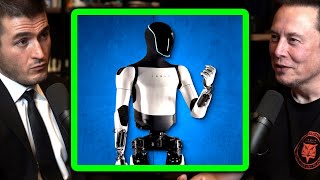 20248:09