达沃斯 2026 年的一场对话,开场就有点尴尬。
主持人上台,底下掌声稀稀拉拉。他停住,说了句"这掌声不够大",退回去重新上台走了一遍,这次掌声才勉强像样。他自嘲说,我们得把这场聊得有意思一点。
接着他问马斯克:这场结束之后,你猜会有多少句你的话被剪出来当标题?
马斯克说:不知道,五句吧。
一家复合回报 21%,一家 43%
对话的另一方是贝莱德(BlackRock)的 CEO。他先摆了一组数字:贝莱德自上市以来,给股东的复合回报是 21%;特斯拉自马斯克带着它上市以来,复合回报是 43%。
他讲这组数字的用意很清楚,是说给欧洲人听的:更多普通公民应该把钱投到成长型资产上。如果当年有一批养老基金在特斯拉上市时就跟着买进去,今天会是什么光景。
马斯克的回答只有一句:特斯拉有一支了不起的团队,原因就在这里。
他刚从加州飞过来。一开口先是个玩笑。他说他听说达沃斯这边搞了个"和平峰会"(peace summit),第一反应是拼写问题:这里的 peace,会不会是 piece?一小块格陵兰,一小块委内瑞拉。
全场笑翻。他把话收回来:我们要的只有和平。
这个玩笑的背景是当天早些时候达成的一项和平协议。主持人开场就提到,达沃斯的意义在于让意见不同的人坐下来谈,谈到理解和解决方案。马斯克用一句谐音梗,把峰会的宏大叙事拽回了地面。
他所有公司都在干同一件事:别让那支蜡烛灭掉
主持人把话题转进正题。他说,马斯克同时在搞 AI、机器人、太空、能源,从工程角度看,这些东西有什么共同点?
马斯克的回答分两层。第一层,它们都是极难的技术挑战。第二层,他这几家公司的总目标只有一个:最大化文明拥有美好未来的概率,把意识扩展到地球之外。
以 SpaceX 为例,就是把火箭技术推进到能把生命和意识送出地球的程度,先到月球,再到火星,最终到其他恒星系。
接下来他讲了一段整场对话里最像哲学的话。
他说,我们应该始终把"我们所知的生命和意识"看成脆弱而珍贵的东西。因为直到今天,我们并不知道宇宙里还有哪里存在生命。
他经常被问:外星人是不是就在我们中间?他的回答是:我就是。台下又笑了,他说,但他们不信。
玩笑开完,他给了个认真的推论。SpaceX 现在有 9000 颗卫星在轨,从来没有一次为了避让外星飞船而机动过。如果真有外星人混在我们中间,那应该是我先知道。
所以他的结论是:只能假设生命和意识极其稀有,可能整个宇宙只有我们。
我脑子里的画面是:一片巨大的黑暗里,有一支很小的蜡烛。这支蜡烛就是意识,它随时可能熄灭。(马斯克)
这就是他做多行星物种的理由。地球上来一次天灾或者人祸,意识就断了。让生命存在于第二个星球上,这是 SpaceX 存在的目的。
特斯拉那部分,他说是可持续技术,现在使命里又加了一条:可持续的丰裕(sustainable abundance)。
AI 加机器人,是消灭贫困的唯一路径
话题转到丰裕。主持人一直在追问一个问题:技术带来的增长,是宽的还是窄的?是所有人都能分到,还是只在少数人手里?
马斯克的回答很直接。人们总在讨论怎么解决全球贫困,怎么让每个人都有很高的生活水平。他认为唯一的办法就是 AI 和机器人。
这句话他补了限定条件。AI 和机器人不是没有风险的东西,需要非常小心,谁也不想活在詹姆斯·卡梅隆(James Cameron)的电影里。
他自己把《终结者》说出来了,还补了一句:他的电影很棒,我很喜欢,但我们不想成为终结者。
前提是 AI 和机器人变得无处不在、成本接近于零。真到了那一步,全球经济会出现一次前所未有的扩张。
主持人追问这个扩张到底怎么发生。马斯克说,AI 公司会拼命找尽可能多的客户,AI 的成本已经很低,而且在快速下降。下降速度快到什么程度?他说,几乎每个月都在变。
开源模型到处都是。开源模型比闭源模型大概落后一年。所以他相信,AI 公司为了抢客户,会把 AI 供给全世界。
产出等于机器人数量乘以单个机器人的生产率
马斯克给了一个很工程师的算法。
他说,如果有一大批人形机器人,经济产出就等于单个机器人的平均生产力乘以机器人的数量。这个公式简单到没什么可争的。
他的预测是:在良性的未来情景里,机器人和 AI 会生产出多到把人类所有需求都填满的东西。
填满到什么程度?到你想不出还能让机器人干什么。商品和服务多到那种地步。
他补了一句:机器人的数量会超过人的数量。
这句话听着像科幻,但拆开看并不玄。全球人口大约 80 亿,如果人形机器人真的像他说的那样"每个人都会有一个,而且都会想要一个",那数量就是几十亿台起步。工业革命以来,人类一直在给机器配人,这一次是给每个人配机器。
丰裕和人的意义,只能二选一
主持人接得很准:机器人比人多的世界,人的意义在哪里?
马斯克先承认没有完美答案。然后他给了个不太好听、但逻辑很硬的推论。
你不能同时拥有两样东西:一件必须有人去干的活,和所有人的极大丰裕。
理由是这样的。如果一份工作是必须完成的,而只有一部分人能干,那结果必然是窄的,不可能丰裕。他把这个逻辑说得很直白:丰裕和"必须有人干活"这两件事,天然冲突。
所以他选择放弃后者。
如果有几十亿个人形机器人,我认为地球上每个人都会有一个,而且都会想要一个。(马斯克)
他举的例子很日常。前提是足够安全,谁不想让一个机器人看着孩子、照顾宠物。
还有老人。他说他很多朋友都有这个问题,父母年纪大了,照顾起来非常难。
主持人接了一句:而且贵。马斯克说,对,而且贵,更要命的是年轻人根本不够用。照顾老人的人手是缺的。
如果能有一个机器人替你看护年迈的父母,那会是件非常好的事。
他说他对未来的整体判断是乐观的,我们正在走向一个物资极大丰富的未来。
他还说了一句:我们正处在人类历史上最有意思的时期。想了想又改口:比最有意思还有意思。
衰老可能有一个同步时钟
主持人问了个私人问题:在这样的未来里,你我能不能逆转衰老?还是只能眼睁睁看着?
马斯克说他没在抗衰老这件事上花太多时间。但他认为这是个可解的问题,而且一旦解开,会发现答案惊人地简单。
他的推理是这样的。你身体里所有细胞几乎是同一个速度在变老。他这辈子没见过一个人左胳膊老、右胳膊年轻。
这说明身体里一定有一个时钟,一个同步时钟,在给你身上 35 万亿个细胞对表。
找到这个时钟,就找到了衰老的开关。
他也提了死亡的另一面。人不活那么久是有原因的。如果人真的能活很久很久,社会有僵化(ossification)的风险,很多东西会被锁死在原位,失去活力。
话说回来,延长寿命、甚至逆转衰老,他认为很可能会实现。
主持人说,我很期待。
卡住 AI 的不是芯片,是电
主持人把话题拉回工程。AI 模型、自主机器、火箭,都要靠算力暴涨、能源暴涨、制造规模暴涨。瓶颈在哪?
马斯克的答案是:限制 AI 部署的根本因素是电力。
他给了一组对比。AI 芯片的产能是指数增长,电力上线的速度一年最多 3% 到 4%。
这个差距撑不了多久。他的判断是:很快,也许今年晚些时候,我们造出来的芯片就会比我们能通电的多。
有一个例外:中国。中国的电力增长非常猛。
主持人提了一句,中国正在建 100 吉瓦(gigawatt)的核电。马斯克纠正了这个印象:中国真正的大头是太阳能。
中国的太阳能,顶得上美国一半的用电
他给了一组数字。中国的太阳能产能大约是每年 1500 吉瓦,实际部署超过每年 1000 吉瓦。
1000 吉瓦的光伏板,折算成 24 小时稳定出力,要除以 4 到 5,大约是 250 吉瓦。配上电池,这就是稳定电源。
250 吉瓦是什么概念?美国全国的平均用电是 500 吉瓦。中国光靠太阳能加电池,就能顶美国一半的用电。
他强调了一句:太阳能是迄今为止最大的能源来源。
太阳占太阳系 99.8% 的质量
接下来这段,是马斯克式的物理课。
他说,太阳占太阳系质量的 99.8%,木星占大约 0.1%,剩下所有东西加起来是零头。
所以算能量的时候,太阳四舍五入就是 100%。
他甚至做了个思想实验。就算把木星扔进热核反应堆烧掉,太阳产生的能量还是四舍五入 100%,因为木星只有 0.1%。
再狠一点。如果往太阳系里再传送三个木星,把这三个木星连同太阳系其他所有东西一起烧了,太阳的能量还是四舍五入 100%。
结论是:一切都在太阳身上。
这也是 SpaceX 未来几年要做的事,发射太阳能 AI 卫星。
太空的好处是不占地。地球上的地再便宜也是有限的,太空里的空间不值钱,可以一路扩到每年几百太瓦(terawatt)。
160 公里见方,够整个美国用电
主持人问了个很具体的问题:如果要用太阳能给整个美国供电,需要多大一片地方?
马斯克的答案:100 英里乘 100 英里,也就是 160 公里乘 160 公里。
换算一下,大约 2.5 万平方公里。放在犹他州、内华达州或者新墨西哥州的一个小角落就够了。
他说当然不会把全国的电站都堆在一个地方,但这块地占美国国土面积的比例非常小。
欧洲同理。西班牙和西西里那些人口稀少的地区,拿一小块出来,就够整个欧洲的用电。
主持人追问:那美国为什么不干?
马斯克的回答是关税。美国对太阳能板的关税极高,人为地把太阳能的经济性搞坏了。原因很简单,全世界几乎所有太阳能板都是中国造的。
那要商业化地建这么大的规模,需要什么?
他说他能讲自己打算干什么。SpaceX 和特斯拉两个团队,各自在美国建设每年 100 吉瓦的太阳能制造产能,大概要三年。
他鼓励别人也这么干。美国的关税政策他管不了,但对其他国家,他的建议很直接:中国的太阳能电池板便宜得离谱,值得大规模上。
这组数字值得停一下。100 吉瓦是核电大国的全国装机量级,而两家私营公司要在三年内各自建出这么多太阳能制造能力。放在任何一份能源规划里,这都是个不寻常的目标。
擎天柱明年年底卖给公众
主持人提到他去过工厂,看过那些机器人。他问:机器人进入制造业,能多快?
马斯克给的节奏很清楚。
现在已经有部分特斯拉擎天柱(Optimus)机器人在工厂里干简单的活。
今年年底之前,它们会开始干更复杂的活,但还在工业环境里。
明年年底之前,特斯拉会把人形机器人卖给公众。
敢卖的前提是三条:可靠性足够高、安全性足够高、能干的活足够多。
他说的"足够多",标准是可以让它做任何你想让它做的事。
从工厂到家庭,中间隔的不是技术演示,是可靠性。一个在产线上重复同一个动作的机械臂,和一个在你家看孩子的机器人,容错率差了不止一个量级。他把售卖时间点定在"高可靠性、高安全性"之后,说明这个门槛他自己也认。
自动驾驶已经是解决了的题
主持人问特斯拉车上那套软件。马斯克说,全自动驾驶(FSD)软件有时候一周更新一次。
最近的进展是保险公司给的。有些保险公司说 FSD 已经安全到,用它的客户可以拿到半价保险。
主持人追问:保险公司能监控这个?这是协议的一部分?马斯克说,对。
他的判断很干脆:自动驾驶到这一步,基本算是解决了的题。
特斯拉已经在几个城市推了 robotaxi 服务。今年年底之前,美国范围内会非常普及。
欧洲的监督式全自动驾驶批准,他希望在接下来一个月拿到。中国大概也是类似的时间。
主持人确认了一遍:真的这么快?马斯克说,对。
半价保险这个细节,比任何技术指标都有说服力。保险公司是靠定价活命的,它们愿意打对折,说明理赔数据已经站在了软件这边。
星舰完全复用,成本降 100 倍
话题转到太空。主持人说,太空历来是资本密集型行业,历来是政府在做,SpaceX 把整个模式改了。
马斯克说,SpaceX 今年要拿下的关键突破是完全复用。
这件事从来没有人做到过。火箭能不能复用,直接决定进入太空的成本。
猎鹰 9 已经做到了部分复用,助推级可以回收,到现在回收了 500 多次。但上面级还得扔掉,再入大气层时烧毁。
上面级值多少钱?他说,相当于一架中小型喷气式飞机。
星舰不一样。它是有史以来最大的飞行器,飞月球、飞火星,也用来大批量送卫星。
如果今年能证明星舰完全复用,进入太空的成本会下降 100 倍。
他打了个比方。就像可重复使用的飞机和一次性飞机。每飞一次就把飞机扔掉,机票会贵到什么程度。如果只需要加油,那成本就只剩油钱。
他的估算是把进入太空的成本压到低于航空货运,每磅低于 100 美元,轻松做到。
注意这个参照物。他没有跟过去的火箭发射价格比,而是跟航空货运比。意思是进入太空这件事,要从"国家工程"变成"物流生意"。
太空里的太阳能,效率是地面 5 倍
成本降下来之后,能做的事就变了。
马斯克说,太空里的太阳能效率是地面的 5 倍左右。原因是那里永远是白天,没有昼夜循环,没有季节,没有天气。
还有一个因素是大气。地面上的阳光穿过大气会被衰减,太空里没有这一层损耗,能多拿 30% 的电。
合起来,同一块太阳能板在太空里发的电是地面的 5 倍。
那能不能把电传回地球?他更看好另一个方向:干脆在天上建 AI 数据中心。
太空还有一个好处,冷。背对太阳的一面只有 3 开尔文。太阳能板对着太阳,散热器背着太阳,这就是一套效率极高的冷却系统。地面上给数据中心降温有多费电,做这行的人都清楚。
所以他的结论是:放 AI 最便宜的地方会是太空。这个判断在两年内成立,最晚三年。
AI 时间表:今年年底超过任何人,2030 年超过全人类
主持人问了一个十年二十年的问题:怎么定义 AI 和太空技术的成功?
马斯克说他不知道十年后会发生什么,但 AI 的推进速度是可以说的。
他的预测分三段。
第一段:今年年底之前,我们可能会有一个比任何人类都聪明的 AI。最晚不超过明年。
第二段:到 2030 年或者 2031 年,也就是从现在算五年后,AI 的智能会超过全人类加起来的总和。
这些数字被他说得很平。现场的反应是"哇"。
把这两个时间点和前面的话连起来看,会看出他的逻辑是自洽的。他一边说 AI 的最大瓶颈是电,一边说 AI 智能五年内超过全人类,同时又在建每年 100 吉瓦的太阳能产能、在准备把数据中心搬上天。在他那里,能源和智能是同一件事的两头。
他小时候读科幻,现在想把科幻变成事实
主持人说时间不多了,想把马斯克"人化"一下,问他是什么支撑了他的好奇心,有没有某个顿悟时刻。
马斯克的回答很朴素:小时候读了大量的科幻、奇幻和漫画。他一直喜欢技术。
他说他没想到会走到今天这一步,这事看起来极不可能。
真正影响他的是那些讲未来的书。他有个想法:把科幻变成科学事实。
他想要真的星际舰队,真的《星际迷航》里的企业号,真的巨型飞船在星际间穿行,去别的行星,去别的恒星系。
主持人插了一句玩笑:我只想被传送回纽约,不想坐飞机。
马斯克说自己有一套"好奇心哲学"。他想搞明白生命的意义,想知道标准模型物理学对不对,想知道宇宙怎么开始、怎么结束。
他说还有一类问题更重要:有哪些问题是我们不知道该问、但其实该问的。AI 会帮上忙。
他的原话大意是:我就是想知道我们是怎么到这里的,到底发生了什么,什么是真实的。
如果飞船真的飞到别的恒星系,可能会遇到外星人,也可能只会遇到一大堆早已死去的文明。但他还是想知道答案。
这一段解释了前面所有的数字从哪里来。太阳能、星舰、机器人、抗衰老,在他看来不是四个生意,是同一个问题的四个侧面:人类能不能搞清楚自己是怎么回事,并且活得久一点。
火星单程 6 个月,每两年一个窗口
主持人问他会不会在有生之年去火星。
马斯克说会。主持人以为单程要三年,马斯克纠正:6 个月。
麻烦的是行星对齐。地球和火星每两年才有一次合适的窗口。
他提了一个被问过好几次的问题:你想死在火星上吗?
他的回答是:想,但不要是撞击那一刻。
做一个乐观而错了的人
主持人收尾时说了一段话。他说关于马斯克有太多传闻,但他认识的马斯克是个很好的朋友,他一直在从这个人身上学东西。
他说他被马斯克的愿景打动了,并不觉得那个未来有多糟,他同意那种乐观。
马斯克最后的话很短:鼓励大家对未来保持乐观和兴奋。
然后他补了一句,这大概是整场对话里最像人生建议的:
就生活质量而言,做一个乐观但错了的人,也好过做一个悲观但对了的人。(马斯克)
这句话听起来像鸡汤,但放在这场对话的语境里,它有很具体的意思。他给出的每一个数字都很激进:今年年底 AI 超过任何人类,明年年底人形机器人开卖,三年内建成每年 100 吉瓦太阳能产能,两三年内太空成为 AI 最便宜的落脚点。这些数字大概率不会全部兑现。但他认为,押注乐观的人即使错了,日子也比押注悲观而对的人过得好。
整场对话里,最值得带走的不是那些时间表,是他拆问题的方式。谈 AI 先谈电,谈电先谈太阳的质量占比,谈太空先谈复用带来的成本变化。每一个宏大叙事,最后都落到一个可以查证的物理量上。
以下是这场对话里可以直接拿走的几条判断,供你对照自己的工作:
- 如果你在评估 AI 相关的投资、就业或创业方向,把注意力从芯片往下游挪一段,去看电力、变压器、储能、电网接入这些慢变量。芯片产能是指数曲线,电力是每年 3% 到 4% 的直线,两条线的交点就是下一轮瓶颈出现的位置。
- 把"机器人什么时候进家庭"当成一个可跟踪的指标,而不是一个话题。跟踪点很具体:擎天柱在特斯拉工厂承担的任务复杂度,以及特斯拉什么时候开始向公众销售。这两个信号出现的时间差,就是行业的时间差。
- 如果你在欧洲或中国做自动驾驶相关业务,把监管批准当成首要变量。马斯克给出的欧洲监督式 FSD 批准时间是"下个月",中国"类似时间"。这个时间点一旦落地,会重新定价一整条产业链。
- 关注星舰的完全复用测试。它的意义不在航天,在物流成本。一旦进入太空的单价压到每磅 100 美元以下,卫星互联网、太空制造、轨道数据中心的商业模型都要重算一遍。
- 太阳能的经济性在不同市场差异极大,主要变量是关税而不是技术。评估任何一个太阳能项目前,先看清楚它所在地区的贸易政策,再谈度电成本。
- 对自己做一次时间表压力测试。假设 AI 在 2027 年底超过最聪明的人类,你手上哪件事会变得没意义,哪件事会变得极其值钱。这个练习不需要你相信马斯克的预测,只需要你承认它有概率。
0:05[music] [applause] That was not a That was not a large applause. Start again. [applause] That's better. Thank you.
0:32Yeah, we're going to make this interesting. [laughter]
0:36How many how many quotes are you going to want that are going to be after this session? [snorts]
0:43I don't know. I mean five.
0:46Okay. [laughter] So, good afternoon everyone. It's great to see everybody here. it's been an amazing week here in Davos. hopefully everybody saw that we are having conversations here. Hopefully everybody agrees. There are some conversations that we may disagreed. There's many conversations we may have agreed but through those conversations and I think today's result with a peace agreement earlier today the world economic forum is here to have those conversations to have understandings and also resolution. So,
1:22it's an important component of who we and what we are, and I'm thrilled, to have Elon Musk here. he came all the way from California to be here to see all of you. So, thank you, Elon.
1:37you're most welcome. [applause] Yeah.
1:41I mean I heard I heard about I heard about the formation of the the peace summit and I was like is that is that P I E C [laughter] you know little piece of Greenland, a little piece of Venezuela. [laughter] We got one. All we want is peace.
2:03Okay. I'm going to as I said, I'm a pretty proud CEO of Black Rockck since we went public. the compounding return of Black Rockck to our shareholders with 21%. since Elon took Tesla public, his compounded return is 43%. This is I just another advertisement for everybody, especially for Europeans.
2:29This is why more citizens should be investing with growth, investing with their countries. Imagine if a lot of pension funds invested with Elon when Tesla went public and how much return with the all the pension funds that invested side by side with Elon and the growth. So, a spectacular return. There's very few companies, well, I don't think there's any other company as large as Tesla today that has that compounded return. So, congratulations. Thank you. It's a good measurement.
3:04Well, we have an incredible team at Tesla and that's the reason.
3:08So, I want to get into the dirt, the the meaningful component about technology, the possibilities. I want to talk about AI and robotics, energy, space and the progress ultimately coming down to engineering engineering discipline scale execution. and few few people if not anyone has the experience and the fortitude to confront these issues headon. Not just the ideas but the execution across so many different technologies. Elon and that's why I thought it was important for us to have this dialogue here in Davos. So you're [clears throat] presently building on AI, on robotics, on space, on energy all at the same time. When you look across those
3:57efforts, what do they have in common from an engineering standpoint?
4:03well, they're all very difficult technology challenges. but the the overall goal of my companies is to maximize the future of civilization like basically maximize the probability that civilization has a great future and to [clears throat] expand consciousness beyond earth. So take SpaceX for example that SpaceX is about build advancing rocket technology to the point where we can extend life and consciousness beyond earth. to the moon, to Mars, eventually to other star systems. And and I think we should always view consciousness life as we know it as as precarious and delicate. because to the best of our knowledge, we we we don't know of life
4:54anywhere else. You know, I'm often asked are there aliens among us? And I'll say that I am one, [laughter] but
5:03or you're from the future. They don't believe me. Okay.
5:06so, but I I I [clears throat] think if anyone would know if there are aliens among us, it would be me. and, we we have 9,000 satellites up there, and not once have we had to maneuver around an an alien spaceship. So, I'm like, I don't know. It's bottom line is I think we need to assume that life and consciousness is extremely rare and it might only be us and if that's the case then we need to do everything possible to to ensure that the the light
5:41of can the light the light of consciousness is not extinguished because we're effectively the way I view it is the image in my mind is of a a tiny candle in a vast darkness is a tiny candle of consciousness that could easily go out. and that's why it's important to make life multilanetary such that if there is a natural disaster or a man-made disaster on Earth, that consciousness continues.
6:09That's the purpose of SpaceX. te Tesla is obviously about sustainable technology and and and also at this point we've we've sort of added to our mission sustainable abundance. So with robotics and AI this this is really the path to abundance for all. If you say you know people often talk about solving global poverty or essentially how how do we make give everyone a very high standard of living? I I think the only way to do this is AI and robotics.
6:51which which doesn't mean that it is without its issues. I mean there's we need to be very careful with AI. We need to be very careful with robotics. We don't want to find ourselves in a James Cameron movie. you know Terminator
7:09he's he's great movies. Love his movies but but we don't want to be in Terminator obviously. but [snorts] but if you have ubiquitous AI that is essentially free or close to it and ubiquitous robotics then you will have an an explosion in the in the global economy an expansion in the global economy that is truly beyond all precedent.
7:35Elen can that expansion be broad? Yes.
7:39Or is it narrow and how can that be created? How can it broaden the global economy?
7:46Yeah, it's I mean [sighs and gasps] I mean a way to think of it is that if you have a large number of humanoid robots the economic output is the average productivity per robot times the number of robots,
8:02right? and and actually my prediction is in the in the benign scenario of the future that we will the robots will actually make so many robots in AI that they will actually saturate all human needs. meaning you won't be able to even think of something to ask the robot for at a certain point like like there will be such an abundance of goods and services because the [clears throat] my prediction is there'll be there'll be more robots than people. So
8:34but how do you then have human purpose in that scenario? Yeah, I mean, you know, there is nothing nothing's perfect, you know, but [laughter] but I mean I mean it it is a a necessary like you can't have both. You can't have work that has to be done and amazing abundance for all.
9:00because if it's if it's work that has to be done then then then you and and only some people can do it then then you you you can't have abundance. It's narrow. It's narrow. Exactly.
9:10So, but if you if you have billions of humanoid robots, and I think there will be, then I think I think everyone on Earth is going to have one and going to want one. because, you who wouldn't want a robot to, you know, assuming it's very safe, watch over your kids, take care of your pet. if you have elderly parents,
9:37a lot of friends of mine said they have elderly parents. It's it's very difficult to take care of them. Expensive.
9:42Yeah, it's expensive and it's expensive and there just aren't enough people to take care of the there aren't enough young people to take care of the old people, right?
9:49so if you if they if if you had a robot that could take care of and protect an an elderly parent, I think that would be great. That would be an amazing thing to have. and and that I think we will have those things. So I mean overall I'm I'm very optimistic about the future. I think we're headed for a future of amazing abundance.
10:13which is very cool. and and and definitely we [clears throat] are in the most interesting time in history. I think there's more a more interesting time in history.
10:26Can we can you and I reverse aging in this new history or or or Are we going to see it?
10:34You know, I haven't I haven't put much time into the aging stuff. I I do think it is a very solvable problem like like you can I think when when we find figure out what causes aging,
10:48I think we'll find it's incredibly obvious. It's not a subtle thing. the reason I say it's not a subtle thing is because all the cells in your body, you know, with some pretty much age at the same rate. I've never seen someone with with an old left arm and a young right arm ever in my life. so why is that? It that that means that there must be a clock, a synchronizing clock, right,
11:12that is synchronizing across 35 trillion cells in your body. and you know, the benefit to death by the way. It's like there's there's a reason why we don't actually have a longer lifespan. because if you if you have if people do live forever for a very long time, I think there's some risk of an oification of society of of things just getting kind of locked in place. and
11:48you know it it just may become stalifying just not lack lack vibrancy. but but that that said do I think we'll figure out ways to extend life and and maybe even reverse aging. I think that's highly likely.
12:10I'm looking forward to that.
12:12Yeah. so in the future that you talk about AI models, autonomous machines, rockets depends on massive increases in compute, massive increases in energy, expensive energy, manufacturing scale, what are the bottlenecks to to get there? And then once again with all that expenditures again, how can we make sure that it's broadened, not narrow?
12:44[clears throat] I I just think the natural thing is it's going to be very broad because AI companies will seek as many customers as they possibly can and the cost of AI will get is already very low and it's it's plummeting every year. I mean you almost the cost of AI is almost ch meaningfully changing on a month-to-month basis.
13:07There's open there's open models now everywhere. Yeah.
13:10Yes. very there's open models and the open models only lag they're maybe a year behind right the the private the sort of closed models
13:20so so I I think the the the ai companies will seek as as many customers as possible which means they'll seek they'll provide AI to the world
13:30but the cost of getting to there the compute the chips the fab the powering that to me what are the what are the you know those are huge
13:44the limiting factor yeah I think the limiting factor for AI deployment is fundamentally electrical power
13:50it's just right [clears throat] it's energy
13:53yeah yeah I mean we're seeing the the rate of AI chip production increase exponentially but the rate of electricity being brought online is 3% 4% a year max
14:06yeah it's clear that we're we're for very soon, maybe even later this year, we'll be producing more chips than we can turn on except for China. China China is China's growth in electricity is is tremendous.
14:20They're building 100 gawatts of nuclear as we speak.
14:24actually solar is the biggest thing in China. So China's I believe China's production capacity on solar is 1500 gawatts a year. and they're deploying over 1,000 gawatts a year of of solar. now you know for continuous solar load you divide that by roughly I don't know four or five co that's around
14:49250 gawatt of steady state power paired with batteries and that that's a very big number that's half of the average power usage in the US right
15:01so US US power usage on average is is 500 gawatt China just in solar just like just in in in in solar that can provide steady state power and batteries can do half of the US electricity output per year just with solar. Solar is by far the the the biggest source of of of energy. and actually when you look beyond or even even on Earth but certainly beyond Earth u the sun rounds up to 100% of all energy. This is an important thing to consider. so this the sun is 99.8%
15:44of the mass of the solar system. Jupiter is about.1% and everything else is miscellaneous. now even if you were to burn Jupiter in a in a thermonuclear reactor the sun the amount of energy produced by the sun would still round up to 100% because Jupiter is only.1%. If you teleported teleported three more Jupiters into our solar system, the and and burnt three more Jupiters and everything else in the solar system, the sun's energy would still round up to 100%.
16:21So, it's really all about the sun. and that's that's why one of the things we'll be doing with SpaceX in within a few years is launching solar powered AI satellites, right? because the space is really the source of immense power and then you don't need to take up any room on earth. there's so much room in space and you can scale to enormous I mean you can you can scale to I think ultimately hundreds hundreds of terowatts a year.
17:00We you and I have had these conversations before, but why don't you tell the audience, what would it take for the United States and what type of geography would it take to have that solar field to electrify the United States? And and then let me ask a question. Why aren't we doing it?
17:17Yeah. So I mean I guess rough way to think about it is 100 miles by 100 miles we'll call it I60 kilometers by 160 kilometers of of [clears throat] solar is enough to power the entire United States. So you 100 mile by 100 mile area is is I mean you could take basically a small corner of Utah, Nevada,
17:40Nevada, New Mexico. Obviously, we wouldn't want it all in one place, but you can it's it's it is a very small percentage of the area of of the US to generate all of the electricity that the US uses. and the same is true actually, I mean, for for Europe. You you could take a small part you could take relatively unpopulated areas of say Spain and Sicily and generate all of the electricity power that Europe needs.
18:09So why don't you think that there's a movement towards that here and in the United States? well there is as it is in China.
18:18Well unfortunately in in the US the the the tariff barriers for solar are are extremely high. [clears throat] and that makes the economics of deploying solar so artificially high because China makes almost all the solar and and the that
18:37what would it take for Europe or the US to build it commercially if it's that scale? Yeah, I I think I think well, I can tell you what what we're going to do, you know, SpaceX and Tesla was is we're we're building up large scale solar, right?
18:55So, the SpaceX and Tesla teams both separately are working to build to 100 gawatts a year of solar power in the US of manufactured solar power. and that'll probably take us I don't know about three years or something.
19:11But this that's these are pretty big numbers. Mhm.
19:14and you know I'd encourage others to the to do the same. we obviously don't control the you know US tariff policy. but for for for other countries I would re you know that there's China makes solar cells that are incredibly low cost and I think it would be worth doing large scale solar.
19:45So, [clears throat] I know you are you're going to be having a couple big announcements on robotics and what it can do. I mean, when I went to the factory, you showed me those robots. Yeah.
20:01how quickly you talked about the billions of robots, but how quickly and how quickly can they be deployed in a manufacturing setting? How quickly can they be utilized and be functional and be create that that abundance that you talked about? [clears throat]
20:20Well, humanoid robotics will advance very quickly. I think we we we do have some of the Tesla Optimus robots doing simple tasks in the factory. except probably later this year by the end of this year I think they'll be doing more more complex tasks and and but still deployed in an industrial environment [clears throat] and and probably sometime next year I'd say that
20:53by the by the end of next year I I think we'd be selling humanoid robots to the public. that that's when we are confident that the it's very high reliability, very high safety and the range of functionality is is also very high. You can basically ask it to do anything you'd like. [clears throat]
21:14You're already seeing that in Tesla cars is the software changes that you're doing and what is it every quarter now a software change that upgrades the the ability of the robot within the car.
21:25yes, the Tesla full self-driving software we update it sometimes once a week. and recently [clears throat] some of the insurance companies have said that it is actually so safe when where Tesla full full self-driving is so safe that they're they're offering customers half price insurance if they if they use Tesla full self-driving in their car
21:51and that can be monitored by the insurance company. Can they is that part of the agreement then?
21:54Yeah. but I I think [clears throat] self-driving cars is essentially a solved problem at this point,
22:06right? and te Tesla's r rolled out sort of robo taxi service in a few cities and right
22:14will I be very very widespread by the end of this year within the US and then we we hope to get supervised full self-driving approval in Europe hopefully next month. Really that quickly?
22:29Yeah. And then [clears throat] maybe a similar timing timing for China hopefully. I want to move to space because historically space is very capital intensive. It historically been done by governments. Obviously SpaceX changed the whole model. but we've seen it slow to scale and now I'm starting to see it ramping up in what you're doing and other things.
22:54talk to us about the resil you know the automation and AI how it's changing the economics in building and preparing for us in operating in space. sure. well [clears throat] the key breakthrough that tells that that's the the major breakthrough that SpaceX is hoping to achieve this year is full reusability. [clears throat] so no one has ever achieved full reusability of a rocket which is very important for the cost of access to space. we've achieved partial reusability with Falcon 9 by landing the boost stage. We've now landed the boost stage over 500 times. but we we
23:35have to throw away the upper stage. The upper stage burns up on re-entry for Falcon 9. So, and that that the cost of that is equivalent to a small to mediumsiz jet. So, but with with Starship, which is a giant rocket, it's it's the largest flying machine ever made.
23:53That's a rocket that you using for the idea of going to Mars, right?
23:56Yeah. Mars and the moon. as well as for high volume satellite stuff. So Starship hopefully this year we should prove full reusability for Starship which will be a a profound invention because the cost of access to space will drop by a factor of 100 when you achieve full reusability. right.
24:25It's it's the same sort of economic difference that you would expect that between say a reusable aircraft and a non-reusable aircraft. Like if you have to throw your aircraft away after every flight, that would be a very expensive flight. but if you only have to refuel then it's the cost of the fuel. And so that's really the
24:49the the fundamental breakthrough that gets the cost of access to space we think below the cost of of freight on aircraft. so you know under under $100 a pound type of thing easily. so it it it makes [clears throat] putting large satellites into into space very low very very cheap. and then when you have solar in space you you get five times more effectiveness maybe even more than that than solar on the ground because it's it's always sunny. It's cold and
25:29it yeah it's it's it's always well it's always sunny so you don't have a dayight cycle or seasonality
25:35or weather. and you get about 30% more power in space because you don't have atmospheric attenuation of the power. Right?
25:45The the net effect is solar is five times more any given solar panel will do five times more energy in space than on the ground.
25:56Is there any capacity in doing that and and then taking that power and bringing it back to earth? Is there any way of doing that or or you're just taking that power and utilizing it for the needs like building u AI data centers in space? I I I think the the case it's it's a no-brainer for building AI solar powered AI data centers in space.
26:20because as you mentioned it's it's also very cold in space. If you're if you're if you're in the shadow then it's it's very cold in space. Just three degrees Kelvin. So you just have you have solar panels facing the sun and then a radiator that's like point like pointed away from the sun. so it has no sun incident and then it's and then it's just cooling. It's a very efficient cooling system. So net net effect is that the lowest cost place to put AI will be space and that and that'll be true within two years maybe three three at the latest.
26:56Wow. So looking 10 or 20 years out what would how would you describe success with AI or space technology and where do you see it is that can you are you more certain what's going to happen in the next three years or or five or 10
27:14I don't know what's going to happen in 10 years but the rate at which AI is progressing I think we [clears throat] we're we might have AI that is smarter than any human by the end of this year. and and I would say no later than next year. Wow.
27:32and then probably by 2030 or 2031, call it 5 years from now, AI will be smarter than [clears throat] all of humanity collectively.
27:46We only have a number of minutes left, but I want I want to humanize you for a second
27:51so there's no speculation about peace.
27:54Right. Right. I want to [laughter] I mean I would frame this question by you are the most successful entrepreneur industrialist in the 21st century maybe beyond I want to so I want to really get this you know what inspired you who inspired you what was the foundation of of your curiosity and and importantly what was the what was it was there a aha moment epiphany at any time in your life and career
28:25Well, I mean, as a kid, I read a lot of science fiction, sci-fi, fantasy books. Yep. We talked about
28:32u, and, comic books. and I always like technology. I didn't expect to be where I am today. Seems incredibly implausible. but, yeah, I was I was inspired by reading about books about the future, about science fiction. And and I guess I want to make science fiction not fiction forever. At some point turn science fiction to science fact.
28:58and you know we want to have like Starfleet and Star Star Trek really for for real like where we actually have giant spaceships traveling through space going to other planets traveling to other star systems. I'm just interested be beamed up to go back to New York.
29:18You know, I I'd like to just be beamed back to New York instead of flying. Yeah. [laughter] talk about Star Trek.
29:29No, I guess my my central I what I would call the philosoph philosophy of curiosity. I'd like to understand the meaning of life. you know the is is the standard model of is the standard model of physics correct
29:44regarding the beginning of life beginning of existence and the end of the universe what what questions do we not know to ask that we should ask and AI will help us with these things so I'm just trying to understand how do we get here what's going on what's real are there aliens maybe they are and if if we've got if we got spaceships that are traveling to other star systems we may find we may encounter aliens and or we may find many long dead alien civilizations, but I I I'm just I just I just want to know what's going on. I'm curious about the the universe and that's my philosophy.
30:25Do you see yourself ever going to Mars in your lifetime?
30:30yeah. I mean, I would say like, you know, I
30:33That's a long commitment. I've been asked.
30:35Isn't that 3 years each way? it's 6 months.
30:396 months. That's all it is.
30:40Yeah, 6 months. But the planets only align every every two years. Okay.
30:44So, [clears throat] yeah, I've been asked a few times like, "Do I want to, you know, die on Mars?" And I'm like, "Yes, but just not on impact." [laughter] That's a good That's a good answer. Anyway, we're out of time. I hopefully everybody enjoyed this. I mean there's so many myths around Elon Musk. I could tell you he's a great friend and I constantly learn so much from him. and I'm totally inspired by
31:17what he's what he has done. I've been inspired who he is and I'm totally inspired by his vision of the future. and I don't think it's such a bad future and I agree with his optimism. So Elon, thank you. Any last words?
31:36well I think generally I think my last words would be I would encourage everyone to be optimistic and excited about the future.
31:45Good. and and and generally I think for quality of life it is actually better to on the side of being an optimist and wrong rather than a pessimist and right. [laughter] On that note [applause] you know I think you need it.
32:24Heat. Heat. Heat. Heat. N.
资源与出处
- 视频在 YouTube 收看
- 档案silicon-valley.tech 档案页本页视频与文稿数据来自 Elon Musk Archive
- 精读本篇精读 Markdown 版
相关视频
同频道、同主题或相邻年份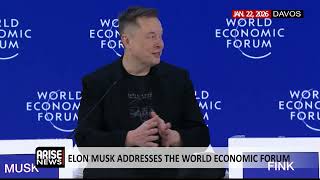 202631:12
 202632:41
 202628:45