2007年,马斯克站在休斯顿的讲台上,对着美国航空航天学会(AIAA)的听众讲了一个多小时。SpaceX成立刚满五年,员工三百来人,猎鹰1号(Falcon 1)飞了两次,两次都失败。他自己算过账,前后花掉的钱远超一亿美元,其中自掏腰包大约一个亿。
他给这家公司定的成功标准,跟赚钱关系不大。
如果SpaceX最后只是又一个卫星发射商,或者人均入轨成本只做到跟联盟号差不多,那也还行,但在我这儿不算成功。(马斯克)
他真正想要的,是让人类在地球之外建立永久存在,让生命成为多行星物种。这篇文章把他那天讲的技术细节、失败复盘和长期判断整理出来,不少话放到今天看仍然有信息量。
猎鹰1号是用来犯错的
SpaceX的第一个市场选得很务实:小型的政府和商业卫星,用猎鹰1号去接。
这款小火箭真正的任务是当缩比模型。马斯克的原话是,先在小尺度上把技术跑一遍,犯了错也是小尺度的错误,总比一上来造大火箭、然后犯一个贵十倍的错误划算。
他把可靠性排在成本前面。只降成本不管可靠性,等于白搭。公司内部的排序一直是可靠性优先,成本其次。
猎鹰1号这个缩比平台干了多少活?从一张白纸开始,三年之内把整枚火箭推上发射台,绝大部分设计、测试都在公司内部完成。一级的推进剂质量分数做到94.5%,残余量大约0.2%,他当时认为这可能是世界上最高的级质量分数。之前这个记录由德尔塔二号的一级保持,而且那个数字里还没算回收系统。猎鹰1号的一级带降落伞回收系统。
上面级是压力馈送,两级之间有自己的分离系统。主发动机Merlin 1A,是大约25年来第二种进入飞行的美国助推发动机。上一种是德尔塔四号的RS-68,再往前是航天飞机主发动机。如果按碳氢发动机算,它是1960年代以来美国第一种新研制、真正飞起来的型号。
上面级的Kestrel发动机也是自己做的,压力馈送,可以多次重启,比冲不错。航电系统因为设计于21世纪,用的也是21世纪的电子器件,这块占了便宜。
还有个容易被忽略的细节:猎鹰1号是第一种被靶场安全部门批准的、采用非爆炸式飞行终止系统的轨道火箭。出了状况按下停止键,它只是把发动机关掉,不会把火箭炸掉。
把发射场从加州搬到太平洋中间的一座岛
公司原本在范登堡空军基地建发射场,后来被迫搬走。这一搬,等于把整个发射体系重做了一遍:两个发射场,两个控制中心。
新家选在夸贾林环礁。从2005年5月到11月,团队在岛上从零搭发射设施。岛上原本只有丛林,什么也没有,水要自己运,RP-1煤油要自己运,所有增压气体要自己运,办公室也得自己搭。
最麻烦的是液氧。夸贾林离加州五千英里,离夏威夷两千多英里,最近的液氧来源在夏威夷。
2005年感恩节,他们完成了第一次倒计时。2006年3月,第一次试飞。
马斯克在演讲里特意放了时间线,因为他觉得很多人没意识到:公司成立三年,飞行器就已经设计完、可以发射了。发射场的问题又拖了一年。
第一次失败:一颗铝制B型螺母
首飞失败的复盘报告由Pete Worden共同主持的失败审查委员会出具。结论是:发动机上一个铝制B型螺母(B-nut)腐蚀开裂。
位置在一级液氧泵入口的压力传感器附近,起飞前大约400秒开始漏煤油。现场没人看见,因为风一直在吹,而煤油被风吹散之后基本看不出来。
泄漏出来的燃料在点火前几秒被点燃,火在整段动力飞行期间一直烧。飞行大约25秒后,火焰烧穿了一根气动管线,氦气增压随之丧失,主推进剂阀门关闭,发动机熄火。
除此之外,火箭表现好得有点过分。飞行器一直沿着设计弹道飞,偏差在0.2度以内,一级系统和全套航电都工作正常。
总体设计没有问题。问题出在一颗螺母上。
纠正措施:监测变量从30个变成800个
针对那颗螺母,SpaceX做的事很直接:把能取消的接头全部取消,改成轨道管焊接;把铝制接头换成不锈钢接头。
换不锈钢有质量损失,但有意思的是,不锈钢接头比铝接头还便宜。顺带还省了钱。
流程上也加码了。操作规程写得更细,参与的人更多,所有飞行硬件都要三重签字:技术员、责任工程师,再加一个独立的质检。公司还在那一年通过了ISO 9001认证。
真正的重头戏在软件。
原来的发射监测只盯大约30个变量。改造之后盯800个,飞行器和地面支持设备都算在内。马斯克说得很直白:如果当时有这套系统,那次燃料泄漏会被抓住。
倒计时也改成了全自动化,减少人为失误的空间,也让团队能把注意力放在数据上。结果是QA那边加了人,发射操作这边减了人,因为原来有些岗位只是在做计算机已经能做的事。
第二次飞行:二级液氧箱里少了一组挡板
2007年3月,猎鹰1号第二次发射。和客户一起做的首飞评审刚刚结束,结论是唯一的严重问题是二级液氧贮箱里没有防晃挡板(slosh baffles),导致推进剂晃动模态和控制频率耦合。
遥测和视频都拿到了完整数据。当时有三座地面天线同时跟踪,其中某一座信号会掉,但任何时刻总有一座是好的,把数据拼起来就拿到了全时长记录。
这次飞行还验证了一件事:响应速度。加注推进剂到点火,一共70分钟。客户和SpaceX都认定这是一次成功的试飞。
后面排着的活儿:年内发射头两颗业务卫星,一颗属于美国海军研究实验室,一颗属于马来西亚的航天机构。当时排期上有5次猎鹰1号任务和5到9次猎鹰9号(Falcon 9)任务,他预计年内还能再签4次猎鹰1号或者2次猎鹰9号,加起来总共20份发射合同,其中包括已经飞过的两次。
猎鹰9号为什么要用九台发动机
总有人问,一级装九台发动机是不是太多了。
马斯克的回答方式是把土星1B搬出来。土星1B一级八台发动机,猎鹰9号九台,多一台而已。要说底部推力室的数量,土星五号一级五台F-1,每台一个涡轮泵。俄罗斯人数发动机只数涡轮泵,按这个定义,猎鹰1号的上面级根本没有发动机,因为Kestrel是压力馈送,压根没有涡轮泵。
九台发动机的真正理由是冗余。一级从设计之初就按发动机失效也能完成任务来做,具体能丢几台要看飞行阶段,某些阶段丢多台照样能入轨。
另一个细节是防火。猎鹰9号发动机之间会包Kevlar隔热毯,万一某一台爆炸或者起火,能保护旁边的发动机不被牵连。
Merlin 1C的研制指标是海平面推力92000磅、真空比冲299秒。实际做到了海平面94000磅,真空比冲也略微超出,并且跑完了全任务循环。7月完成鉴定,8月开始整级和发动机的联合测试。点火从一台开始,然后三台、五台,最后九台。首飞那一级在运到发射场之前,会先做一次全级压紧验收试车。
发动机本身的结构:燃烧室是铜合金衬里,外面电铸镍钴闭合,喷管是钎焊管束式。这个架构跟航天飞机主发动机(SSME)类似,成本低得多。涡轮泵简单到不能再简单,一根轴,两个泵,装的时候天然同时装好。喷注器用针栓式,抗污染,没有已知的燃烧不稳定问题。
寿命目标是翻修前至少25个循环,理想状态是主要部件更换前跑到100个循环左右。对付外来物吸入,他们无意中已经做过几次非正式测试,表现还行,后面会做正式的吸入试验,验证吸入一块铝片、钢片或者有机物之后发动机不会熄火。
他顺口报了一个数字:SpaceX当年生产的助推发动机数量,会超过除俄罗斯之外的任何一个国家。总共大约30台,5台Kestrel,25台Merlin。
二级就是缩短版的一级
猎鹰9号降成本的一个根本设计,说出来简单得有点不像话:二级就是一级的缩短版。同样的穹顶,同样的材料,同样的工装。
这在火箭行业并不常见。据他所知,没有别的火箭这么干,因为每一级通常都被当成一个独立的航天器来设计。
好处很直接。造二级几乎不花时间,它实质上就是两段筒体。首件五个月完成,第二年可以做到每两个月一件。
二级用的是一级的同一款发动机,加一个真空喷管延伸段,钟形喷管做得很大。航电和猎鹰1号有大量继承关系,理论上猎鹰1号的航电除了软件改动几乎能直接飞,但他们会升级到三冗余表决,向载人标准靠拢。同时要加一级的多发动机控制,电子器件也要换成抗辐射等级更高的,因为有些任务时间很长,会飞出范艾伦带。
一级筒段用铝锂合金,穹顶用2219标准铝。当年的产能规划是:今年两架飞行件,明年六架,后年最多12架,具体看需求。
龙飞船:按载人设计,先跑货运
龙飞船(Dragon)的结构是一个密封的铝制压力容器,主载荷路径用铝锂合金,鼻锥和热防护罩的支撑结构用碳纤维复合材料。结构飞行制造测试件在那年年初完成,用的是和飞行件一样的工艺、一样的材料。
推进系统有18台SpaceX自研的Draco发动机,Draco的意思是“小龙”。每台大约90磅推力,推进剂是四氧化二氮和一甲基肼。轨道机动用连续模式,姿态控制用10毫秒的脉冲模式。这台发动机比较特别,用了相当先进的喷注器设计,能做到很细的脉冲控制精度。热设计上它可以连续工作。
推进剂贮箱是钛合金的,带推进剂管理装置。发动机在那年夏天开始测试。
热防护罩的主材料换成了PICA,原因是它做过完整的电弧风洞测试,从耐烧蚀角度是合格的。备份方案是SLA-561的升级版。马斯克解释这个东西的时候用了个比喻:说白了就是刹车片。
猎鹰9号的二级也会用SLA材料做热防护罩,因为整枚火箭按可重复使用设计,二级要再入就得有罩子。但这块罩子不打算做电弧测试,理由是可回收是可选项目,不是必须项。他的原话大意是:成了很好,不成也没关系。
降落伞是和Irvin公司合作的。三个主伞加两个减速伞,丢一个主伞还能正常降落,着陆速度大约每秒20英尺,跟跳伞运动员落地差不多。这个速度让从海上回收过渡到陆地回收变得容易。
龙飞船从第一批任务开始是货运,但所有结构都按载人载荷设计:能承受逃逸火箭的载荷,能承受高过载,甚至还留了窗户,货运版根本不需要窗户。载人构型最多七个人,四个小座椅加三个大座椅。连接飞船和火箭的裙段用来装非加压货物,太阳能板和散热器也在那儿。飞船顶部是对接空间站的机构,对接前鼻锥抛弃。
把一磅货物送到空间站要多少钱
现场有人问运价,他给的数字是:初期到空间站大约每磅一万美元。这说的是送到空间站的价格,送到初始轨道另算。
猎鹰1号送到初始轨道大约是每磅1300美元,但那是卫星的算法。送东西到空间站要加上龙飞船,而龙飞船本身会吃掉大量有用载荷。
整体算下来,大约3.5吨货物、7000万美元上下。他强调这是估算,最终定价还要看实际情况。这个价格里没有算重复使用,如果可重复使用能做成,价格会低得多。
“我没做过市场调研,这可能正是我做成这件事的原因”
有人问他做没做过市场调研,他的回答挺有意思。
我确实没做任何市场调研,这可能正是我做成这件事的原因。要是当初做了调研,大概就不会做了。(马斯克)
他解释了自己的判断逻辑。他读过世界上有哪些火箭、都在发射什么,知道最起码SpaceX能在现有市场里竞争,能有一门生意,哪怕不那么激动人心。
没有任何市场调研能回答“如果你真把成本降这么多,会不会多出这么多发射需求”这个问题。这种事只能先做,然后希望它成真,同时确保有个备用计划:即使没实现全部潜力,起码对现有市场有价值。
这就是SpaceX的战略排序。先服务现有的卫星发射市场,再争取空间站货运,就算只做到这些也不算太糟。如果真把成本和可靠性改进了,市场会大幅扩大,到时候自然会有别的公司进来抢这块生意。
他拿航空业做类比。最早的飞机是一种危险的兜风玩具,经常死人。1920年代,林白飞行之前,你问街上随便一个人能不能从自己的城市直飞欧洲,对方会说不可能,太荒唐了。今天的休斯顿到伦敦往返机票500美元,这个价格在早年根本不存在,即便存在也是十倍价钱。
所以下注的时候得留一点开放空间。
问答环节里的那些实话
有人问能不能把猎户座飞船装在猎鹰9号上。他说要看猎户座的质量。猎鹰9号基础版到近地轨道是10吨,正在开发的重型版带侧面助推器,思路类似德尔塔四号重型或者阿特拉斯五号,能力大约25吨,所以是有可能的。
有人问火箭的重复使用次数。他说很难精确预测,得看回来的时候是什么状态。发动机的目标是翻修前至少25个全任务循环,理想是100个。猎鹰9号其余部分也照这个方向定。维护计划会像飞机那样分级:有的部件每次飞行都换,有的每五次换,有的每十次换,还有的在合理时间尺度内根本不会磨损。此外还有检查计划,就像喷气发动机有热端检查。
他的原话是,不指望做到飞机那个水平,但方向要往那儿推。
有人问最大的风险是什么。他承认自己答不上来。
我不知道最大的风险是什么。风险有很多,但我没法给它们排序。第二次演示飞行那次,二级晃动模态和控制频率耦合,在动力学控制风险清单上排第11位。要是把所有结果合并起来排,可能排到120位。结果出问题的就是它。(马斯克)
判断哪个风险真会咬你,是件非常主观的事。好在这类低级错误只会犯一次,二级不装防晃挡板这种事,以后不会再有了。
载人认证那一块他坦言不熟,公司正在学,也请了外部公司帮忙,包括Odyssey的人和负责安全事务的顾问。
有人问起花了多少钱。他的回答是大约一亿美元出头,实际花掉的远超这个数,因为前两次发射收到了付款,后面几次发射也拿了预付款,还有些别的事情。他自己的投入大约是1亿美元。具体数字他倾向于当作商业机密。
有人问他想不想坐自己的火箭上天。他说最终肯定会,那会很有趣。也有人觉得他搞火箭是绕个弯子把自己送上太空,他的回应是:买张票便宜多了。但他还是会去飞。
谈到NASA的商业轨道运输服务项目(COTS),他评价很高。公司本来就想往那个方向走,靠自己挣钱走过去要花很久,也用不上NASA造可靠飞行器的经验。很多人说跟NASA打交道会被闷死,他的实际体验是没什么可抱怨的,合作很顺。
范登堡那次被迫搬迁,他只说了句“说来话长,一直都不公平,但事情就是这样”。
谈到发射响应速度,猎鹰1号从签约到发射最快9个月,前提是长周期物资已经提前备在库里。猎鹰9号因为助推器有连续生产线,希望做到6到9个月。真正的瓶颈常常来自别处:卡纳维拉尔角能不能排得开,那个靶场习惯提前12到24个月排期。
时间表上,猎鹰9号加龙飞船的首次飞行安排在次年年底,之后两次演示飞行分别在那之后一年的夏天和年底。第三次演示会做货物转移和返回。现阶段只能叫“演示货物”,否则会触犯某些采购法规。如果进度不严重滑期,2010年可以开始正式运货。载人要看COTS选项B什么时候激活,那一步会加上逃逸塔、生命支持系统、座椅,以及乘员在紧急情况下接管飞船的能力。他估计2011年初能送人上空间站。
有人问Bigelow的可充气空间站。他说如果那东西真能建成可用,非常乐意送人上去,两边很互补。猎鹰9号的排期上确实有一次发射,载荷大约是三分之二缩比版的可充气站。不管全尺寸版本后来做得怎么样、能不能卖出去或者租出去,这次发射都在。
关于帕戈振荡(pogo),九台发动机每台都配了抑制装置,还请了外部专家帮忙设计。他的态度是这事必须认真对待。
关于供应链,他的思路很清晰:快断接头、调压器、控制阀这些用现成的,大部分控制阀来自给航天飞机供货的厂家,龙飞船上也用不少现成的卫星部件。但大件必须自己造。原因不复杂,买现成的准货架产品,等于同时继承了它的成本和它的传统,成本根本降不下来。所以发动机、箭体、航电、地面设备,全都自己做。
有人问他本科学的是什么。他说是理论实验物理,研究生原本读材料科学,研究方向是用于电动车的超高能量密度电容器。
如果有人能把电容器的能量密度提上去,那会是电动车的最优解。循环寿命长,日历寿命长,充放电倍率极高,充电能比加油还快。(马斯克)
同一场演讲里,他还提了一句特斯拉的进展:Roadster首款量产车预计夏末下线,可能9月底也可能10月。公司在研发一款5万美元级别的四门五座豪华轿车,对标宝马。
写博客这件事他也提了。以前写得挺勤,现在家庭和生意占掉太多时间,博客掉到优先级最底下,不更新的时候他会觉得内疚。他打算继续写短篇,也想拉几个SpaceX的同事一起写。
这场2007年的演讲,今天还能拿走什么
整场讲下来,参数会过时,他处理失败的方式不会。
一颗腐蚀开裂的铝螺母毁掉一次发射,他没有把原因归结为“航天就是高风险”,而是把监测变量从30个加到800个,把倒计时全自动化,把接头数量减到最少。第二次失败的原因是二级少了一组挡板,这种错误在风险清单上排第11位,合并排序可能到120位,他也照样把“判断风险优先级非常主观”这句话说出来了。
还有一点值得琢磨:他反复强调猎鹰1号是缩比模型,先在小尺度上犯错。这个思路听起来简单,执行起来需要克制,因为小火箭不赚钱,大火箭才有合同。
他对市场调研的态度也可以换个角度理解。他不反对了解市场,反对的是用调研去论证一个还不存在的需求。能论证的部分是“现有市场容得下我们”,不能论证的部分是“降价之后市场会变大多少”。后者只能靠做出来验证,所以必须留后手。
- 把试错成本写进产品路线图。先做能承受失败的小版本,验证完技术再放大,别一上来就压上全部资源赌一个贵十倍的原型。
- 复盘要落到可执行的改动上。螺母腐蚀的结论最后变成了取消接头、换材料、三重签字、监测变量翻二十多倍,一条结论对应一串具体动作,这才叫闭环。
- 能自动化的判断尽早自动化。人工盯30个变量已经是极限,800个变量靠人根本看不过来,把计算机能做的事交出去,人去看数据。
- 找那种“继承成本”最低的复用方式。二级直接用一级的穹顶、材料和工装,省下的不只有钱,还有排期。评估复用的时候,先问继承的是能力还是包袱。
- 对颠覆性的成本假设,别指望调研给答案。能做的是确认现有市场容得下你,然后设一个即使失败也不至于归零的备份方案。
- 维护计划像飞机一样分级。每次换、每五次换、每十次换、基本不磨损,四档分清楚,寿命管理才有可操作性。
- 遇到自己不懂的领域,直接承认。载人认证那一块他说自己不熟,请外部公司帮忙,这种坦白比硬撑更省时间。
0:09please give a warm texas welcome to elon musk [Applause] all right thank you for having me here i appreciate the invitation and i suspect i'll be visiting houston quite frequently in the future given the classic contract so we've got a great city and i always support visiting so we'll talk about spacex give you a little bit better background tell you about the the last launch that we had and i'm gonna tell you about where things are going long term and at least i leave some time for questions because i find that's often the best part of any presentation allows me to interact and really address anything you're curious about so spacex was founded about five years ago
1:10the long-term goal was to provide to really dramatically improve the content and the reliability of space transportation it doesn't help if you just improve the cost that the liability suffers so reliability is in fact has been a privately focused and cost secondary the initial market was small government commercial satellites with the falcon one and the idea behind the falcon was that one was that it would serve as a scale model as something where we could test out the technologies and when we make mistakes they're made at a smaller scale rather than jump to immediately to a large rocket and make mistakes which cost 10 times as much so that's really that's the strategy
1:56we've been executing and i think it's worked out reasonably well so far but it's worth noting that the plan for spacex from the very beginning was always human transportation so can we really make some progress in in helping humanity become a true space-bearing civilization where a large number of people can afford to go to space and where it's not limited to just a really small number of people of the year so if we can help set space transportation on a path of continuous improvement in cost reliability as we saw with aviation the early days of aviation were extremely risky extremely expensive but over time that improved and you know to the point where today you can buy
2:53a non-stop flight from from houston to london for the return ticket for 500 i think that didn't even used to be possible and then even when it was possible initially used to cost 10 times that amount and now now it's very affordable so that was brought about by there being constant improvement in aviation over time and so if we can help make that happen then i would consider spacex to be successful if we if all we do is you know be yet another satellite launcher or something like that or or ultimately our only you know about as good as soyuz and cost per person to orbit i mean that would be okay but but really not not a success in my book so
3:41the long term holy grail is if your account spacex help establish a permanent presence beyond earth personally i think if we can if humanity can help establish life on another planet and extend life to make it multi-planetary i think that really would be one of the most important things that we could possibly achieve if you think about the important milestones in the history of life itself and that means going beyond the protocol concerns of humanity you know initially there was single cell blacks and then there was multicellular life and then things required skeletons and then some of those things transitioned from the ocean to land you get the development of mammals and
4:25it's probably that 10 or 12 really big milestones in the history of life itself and i think on that same scale would fit life becoming multi-planetary and it could be at least as important as life going from the oceans to land and arguably more important to invest for knowledge life exists only on earth so if we don't at some point propagate beyond that then you know with some calamity that falls alive here that will extinguish it and before we know that maybe the extinguishment of life itself so i think it's really important that we try to do this and if there are if humanity is one able to do this it will require really orders of magnitude
5:08reduction in the cost of space transportation and much more reliable space transportation as well so spacex operates on a silicon valley type of mode of operation it's a flat hierarchy close pack cubes high internet to manager ratio lots of prototype iterations and cut update on the best idea one type of velocity where what matters is the notes of the argument not the argument the status of the argument so we started with three people five years ago now over 300 and i think we'll probably be you know over 400 within 12 months so we're going pretty quickly we're currently a hundred thousand square feet of office in manufacturing space in near lax about two miles
5:57south of lax and we're expanding to half a million square feet later later this year we have a big propulsion structural test facility here in texas just halfway between austin and dallas if you everyone know here there's a little town called mcgregor that's where our test facility is and then we've got launch complexes in clarksville and currently our primary launch facility we have a dormant facility at vandenberg and you may have read that we recently were awarded launch pad 40 at cape canaveral which is a great launch paddock so it was used to launch the titanfall heavy lift vehicle until about a year ago so this is what our first building looked like
6:44five years ago this is what the building looks like that we're moving to later this year that gigantic thing there the ceiling height is about 60 feet it was used to build 747 fuse lodges until last year there's some pictures of our texas test facilities so we have a number of propulsion test stands and structural test stands
7:20these these are stock nine test stands so the one on the left is where we'll be doing the stage hold down firings of falcon 9 so you can see a very very big stand and the fan the top of the concrete is about 130 feet and then the what we call the stability heaven which is this narrow narrow stairwell it goes up about another hundred feet it's the tallest thing for i know 20 or 30 miles so we have to put an faa beacon on top so planes don't fly into it and there's a construction elevator along the one leg and then the plumbing goes up the other leg and on the right hand side is the structural stand for the pelvic thrust frame so that it's what takes the nine engines
8:12of the falcon 9 and that those hydraulics are capable of pushing down with about a million and a half pounds of force so it's very very staff structure just thinking about the you know the spacex track record today which is i think is a good predictor of a future performance the the token one was really developed from a clean sheet being on the launch pad in three years and that includes entire vehicles so the traffic was designed and and tested at spacex almost i mean there were a few pieces that will procure it outside but we have a very high mass production first stage so ninety four and a half percent propellant national action first stage
9:05there's about a about 0.2 residuals included in that which i think may be the highest mass fractional host stage in the world currently i think the previous record was helped by the patented first stage and that includes a recovery system so there's a parachute system included there the upper stage is pressure fed both the pairing stage synthetic separation systems it's worth noting that the mowing 1a engine made this the main engine on falcon 1 is only the second american content booster engine to see flanking about 25 years the the other one was the rs-68 or delta 4 and before that was the space shuttle main engine it's actually the first new american
9:55hydrocarbon engine to see flights in i think since the 60s so and then there's also kestrel which is the upstate engine that we developed and that's a pressure pad engine rechargeable pretty good isp and what other class avionics system which has the advantage of since this was designed in the 21st century as being a 21st century using 21st century electronics so the guidance control the the falcon 1 is the first non-explosive orbital flat termination system approved by range safety so we actually don't the rocket when the release at the opposite presses the stop button it just shuts off the engine for action it doesn't explode the locking and we initially set up at vandenberg
10:48and then we're forced to move to kwajalein so we did two launch sites and control centers and sort of looking at the price we started at a price of roughly seven million dollars four years ago and we've kept that price constant which is actually a decline when you take inflation into account
11:12so this is two years after starting a company we have the qualification article of falcon 1 on the launch pad at vandenberg and then about six months later we did a static fire
11:50all right we have sounds but i guess that's not what i think for some reason so unfortunately we're forced to move from vandenberg to quietly and so we yeah from may of 2005 to november 2005 we were able to set up a launch facility at kwajalein which is quite difficult because we the island we were given in the quarterly answer always just we had nothing on it which was jungle so we're bringing our water rt kerosene all the pressuring offices you know that sort of thing and bit definitely had some challenges with liquid auction in particular since the quartz one is five thousand miles away from california and about over two thousand miles away from
12:48hawaii which is the nearest source of liquid oxygen but we managed to get our first countdown of right on thanksgiving 2005 at tokyo
13:10to get to the first test flight which was in march of 2006.
13:27i need to edit this video because like 60 seconds worth of precursor but yeah so i think it's worth seeing this this timeline because a lot of people don't realize that we actually have the vehicle designed for ready to go three years off starting company and unfortunately the launch site issues caused us to delay by another year effectively the this this like i'll talk hopefully it'll thing will take off anymore
14:05but the unfortunately the sad thing is that the issue that caused the problem with the first flight was a collision issue due to the quad's climate so there's some probably that would have occurred if they've launched out of vanderbilt
14:40what's up later so the planetary basically showed that there was a kerosene leak at the top pump inlet pressure transducer which started about 400 seconds prior to liftoff you couldn't see it because the wind was blowing and kerosene is actually vertical to sea simply if it's when the wind's blowing you can't actually see that it's leaking the failure review board which was actually co-chaired by p warden once aimed i concluded that it was due to corrosion's first portion cracking of aluminum bnf on the engine that leak ignited a few seconds prior to start and the power basically learned during the entire powered flight and about 25 seconds into the flight
15:46the is going through a healing pneumatic line resulting in loss of helium pressuring and that caused the apparent pre-valve to shut and essentially turning off the engine and other than that everything would look good the vehicle was proceeding along its design trajectory within 0.2 degrees or first stage system is phenomenal and all avionics
16:15so we take a bunch of corrective actions we include they call robustness by eliminating as many settings as possible and going to orbital tube welds by replacing aluminum fittings with stainless steel that's a slight match penalty actually the stainless settings cost less than the aluminum settings so this was a cost savings i suppose
16:43and there are a number of changes we also added more detailed procedures it's more personnel for the process so a triple sign-off is required by all one more work both the technician will be technically responsible engineer and an independent keyway but some work i applied sign up for all working online hardware and then closed our photos and we also went through iphone 9001 certification last year the biggest single change is we massively improved the software help monitoring and launch automation
17:23we were monitoring approximately 30 variables we went to monitoring 800 including both the vehicle and the grounds ford equipment and we would have caught the fuel leak if we have the system in place and the countdown is also now fully automated which reduces the potential for human error and allows initiatives focusing the data it also allows us to take some number of personnel out of the countdown process people that were just basically doing the job that the computer was doing so although we added people on the qa side of things we were able to reduce people on the launch upside by having increased automation so iso certificate
18:13so as far as gamma flight 2 which took place in march we just finished the first flight review with our customer that shows that the only over critical issue was lack of slash baffles in the second stage the lux tank and of course the coupling of the control and flash modes we did obtain full symmetry and video while passing nominal integration there were actually three dishes following the vehicle and although some some dishes fortunately at any given point there was one dish with a good signal so we were able to splice together telemetry and video to get a full formation duration so all systems and fighters tested demonstrated highly responsive launch if
18:58you were following it closely to reel to light the engine they bought the tranquility tank and launched in 70 minutes i was considered a successful test flight by adoption and by spacex and we will be launching our first two operational satellites later this year the first will be catch that for navy research lab and the second will be in october and then second will be a malaysian space agency satellite in december we have a total of five pokemon missions and six five and nine missions on our upcoming schedule and we expect to close probably four more falcon one or two more falcon 9 missions in the next through the balance of this year and that should that will bring us to 20
19:46launch contracts in total including the two that have taken place so you talking and there's information on our website if anyone's curious as well but it's designed to nasa safety margins veterinarians and margins of daily tolerance it's roughly 840 pounds of plus 840 thousand pounds of plastic liquid with a mass maximum mass of about 700 000 pounds so so on the order of the soyuz inside 12 with the main body diameter ryzen 10k put with the large fairing i actually don't have a picture of the vehicle with a large variant but it's kind of a big fairing you'd see on saying atlas 5 or duffel it tickles 150 put with dragon 180 with
20:37the launch bearing the nine engines on the first stage are being carefully designed to provide engine out capabilities so if we lose managing you can still complete your mission successfully and depending on the phase of flight you can actually lose multiple engines and slow complete the mission and basically it's a sort of a 10 controlled type of vehicle
21:05so as people are worried about the number of engines that i think it's worth seeing pictures of what the sawyers looks like on the base end there's quite a few flush chambers there but the russians have a definition of engine which would only count things by the number of turbo pumps but that's kind of a silly definition because by that definition the falcon one doesn't have enough stage engine
21:33so i think you're going to count by the number of thrust chambers so and each flex chamber is mansion so australia has 32 engines on the base seven one has or had eight engines on the base so those each have an individual turbo pump so falcon 9 is really quite comparable to saturn 1b you got one extra engine basically
22:04so the basic concept of operations for falcon 9 with the dragon spacecraft is real simple it's two stage vehicles so the falcon 9 drops the dragon open over and the dragon goes from that parking little bit maneuvers are going to turn power to the space station where it's captured by the arm and earth to the station and then re-enters you know same way that the apollo capsules 300 floods body re-entry lands in the ocean although we have the ability to have a land on land as well we're just starting off with the ocean because it's easy to get the regulatory approvals and that there's mostly ocean so if you need to get down in a hurry you better be prepared around the ocean
22:52as far as arcanine itself we finished serial number one of the first stage primary structure which just to that i think much of this we're shooting after texas texas testing science in a few weeks we'll be starting to push flight units roll number two in three weeks it's made of aluminum lithium in the barrel sections and 2219 sort of a standard standard aluminum in the in the domes this year we'll probably produce probably i think two flight units and next year we'll be producing probably six year after that as much as 12 it really depends on what the demand is we have achieved our low inc development goals and actually exceeds them slightly the
23:41goals were 92 000 pounds of sea level trust and 299 vacuum icp we've gotten to 94 000 pounds of trust at sea level and clear to maximize fee full full mission duty cycle and we'll expect to finish qualification of the normal one c in july here we have trillion material in place for 25 of the engines this year at 40 or so next year we'll start doing integrated stage and engine testing in august most likely and this could be a progression of multi-engine firings done with one three five and then probably nine but and we will do a full stage hold down the acceptance test of the first flight stage before we defend the launch pad
24:35actually so this is the only one see just a recent recent firing of the 101c [Applause] goes on for a while [Applause]
25:32so you can get actually supported here so there you can see the the whole engines on the stand there the the chamber is a mold coupler liner with a nickel cobalt electrical plate at the nickel carbon closeout and the nozzle is a braze tubal nozzle it's actually an architecture it's similar to ssme that's way way less expensive it's interesting
26:10so the mother one is isn't designed for a man rating so it's got a few percent margin above flight loads and it's actually more than what's new for nominating it's also qualified against foreign object ingestion and we'll be doing our objects and have done actually inadvertently some foreign object tests and so far it's held up quite well but we'll be doing a formal set of fine injection tests to verify that if you if it reflects on a piece of aluminum or steel or some organic or something like that that it doesn't cause the ancient become applied we want to try to reach 25 or more cycles before any refurbishment and ideally it's only an order of 100 cycles
27:01before the primary elements need to be replaced the total pump assembly is about as simple as you can have a turbo pump system it's a single shaft with two pumps on it and sort of installed at the same time by definition i'd use a pimple injector which is in terms of contamination no known combustion instability issues and let me talk a little bit about the chamber nozzle we will be having kevlar slap jacketing between the engines of the falcon 9 so even if you mentioned this compound explosively or in a fire it would protect it against damaging any of its neighbors
27:50oh it's worth noting that spacex will produce more booster engines this year than any country except russia so we'll be producing about a total of 30 engines roughly five castrol engines and 25 million engines and i think that's more than a country in life except russia certainly more than the rest of us production to
28:14mine this picture of the off nine first stage primary structure we're a little cramped in that kind of building and only this gets out by a few inches as far as the second stage one of the ways in which we've designed self line to be fundamentally lower cost is that the second stage is simply a shortened version of the first stage so it's the same dome same material same tooling in a passion line and which may seem like a pretty obvious move but as far as i know there's no rocket out there that takes this approach each stage is designed like a unique spacecraft so it really it takes us almost no time to make the second stage because it's really just two bowel sections and if we
29:03don't we should finish the first unit in five months and no problem things of one every two months by next year it will have a a more than one c vacuum version as the engine so same engine that you fill there but with a vacuum skirt extension it's a very big bell nozzle the avionics guidance control there's quite a lot heritage from falcon 1.
29:32interior we could fly the falcon 1 avionics and apart from some changes to the software it would work but we'll be upgrading this to the triple redundant voting to the national mandating standards we're also going to add multi-engine controls the first stage obviously and then we'll be upgrading the economics to higher radiation tolerance for missions at a long duration will pass beyond the battle and balance and then the preparing all my tooling is done we should have our first production quarter section in a few months and have the pool party in about six months
30:11so as far as dragging is concerned looks like all things are good for demo and cdr in august the basic structure is an isolated aluminum pressure vessel with aluminum lithium for the primary load path elements the nose cone and heat shield support structure of carbon fiber composite we finished a structural flash manufacturing test unit earlier this year which was made in the same using the same methods the same materials as the as the flight unit and all materials are ordered for the plant unit the propulsion system of dragon will use 18 spacex draco engines dracula means little dragon they're roughly 90 pounds of thrust each using nitrogen nitrogen oxide and body
31:00methyl hydrazine and it will be used in continuous mode for all the changes and 10 millisecond pulse mode for attitude control so this was a a fairly unique engine and that pretty advanced uses a face shuttle pencil to achieve extremely fine fault nerd capability and then from a thermal standpoint it's designed to run continuously and continuously so let's see we'll be using titanium propellant tanks with the propellant management device and it composition tanks from rda and we'll start testing the engines this summer the heat shield will change to pica as the primer in the trail which is
31:53to switch to that because it is fully octet tested so it's qualified for an object standpoint and we have it's like updated version of sla 561 as backup there's very technical stuff so a lot of people don't know what that means but basically this the brake pad so we will actually be using the sla material on the top nine second stage so the falcon 9 recommendation that the falcon 9 is designed to be reusable as well as as well as dragon so the first line second stage needs a heat shield in order to be able to re-enter and survive and the heat shield we will be using on that is is actually an sla e shield but we do not plan on object testing that because recovery of
32:43the falcon 92 is an optional thing it's not required so we feel confident enough to actually fly the second stage re-entry with the sla that hasn't been off dead tested if it works great it doesn't work well nothing at all and then parachutes we're working with the urban there'll be three main ring sales and two drugs so you can lose either remain using losing lane and you can look at those and pay this to locate very low normal percent later 20 feet per second which is about what a parachutist would come down at and that allows us to transition from the ocean to land pretty pretty easily
33:28so on the left there is the structural test unit that i mentioned you can see the machined eye secret door and although the first missions for dragon are cargo we're designing everything for manned loads so it's it's designed to take loads of an escape rocket and to take high g of bullets and all that stuff and it's also got windows which carver does not need
33:57and then on the right you can see what it looks like with the engines when the engines are on so left is like kind of cargo configuration on the basic dragon that the sleeve that connects drag into the booster we use that to carry unpressurized cargo and also it'll contain the solar and the radiator and on the right you can see in the crew configuration so we're designing it to have a maximum of seven through with two with a w small c from the big c so four small seats and three big seats
34:46and then you can see the converting mechanism that interface at the top is where it will go to the space station so the nose cone gets tossed away and that there's space station on that a interface more pictures of it and you can see it stuck on a little section of the space station and that's it and there's actually also more videos and pictures and whatnot that you can see on the spacex website yeah i should also say you know where do i see the future of commercial spaceflight well i think it's gonna i think really entering a new era that's very exciting for commercial spaceflight there's a lot of things happening on the suburban front with jeff bezos
35:32and blue arjun he's got some obviously blood retardant scale composites virgin galactic and we've got john carmack who's here in texas with armadillo air states i think john's gonna do really well and and then on the orbital front we've got ourselves some rocket flanking i think we'll see some of the companies that are doing several work transition at some point to overall activity so i think it's pretty exciting and if all goes well spacex will be flying and supporting the space station for for many years to come and
36:17you know also potentially supporting things like the bigelow space station and as you know all sorts of other things that will develop so i'm really really bullish on the future of the space flight and yeah so i'm really excited about it are they is the question is it possible to put orion on top of the falcon 9 to get it forward well it sort of depends on what the mass of the line is considered to be so i think if it was the capability of the basics of 9 is 10 tons to leo so but there is a heavy version of alkaline that will be developing with the side bleachers which are similar to the double full heavy the conversible approach i believe that you may be able
37:09to put a line into a little bit because that's capabilities on the order of 25 megatons so it's just i think within enough possibility well i actually did i didn't do any market research so maybe that's my that's why i did it if i had that market research that would probably got done so no i i i i do think there's a market for what we're building i don't think i didn't do any of my research i certainly you know read about what what rockets exist in the world what are they launching and that kind of thing so you know i knew that at a minimum we should be able to go and compete in the existing market and have some kind of a business even if it wasn't
38:00you know really feel anything like that so yeah i mean there's you know i don't think there's any kind of market research you could do that would say okay if you really believe it if you can reduce the cost by this amount then there will be you know this extra number of launchers that occur as yourself that reduced price i think you just have to do it and i hope it turns out to be true and then make sure that there's a backup plan that's used at least of some value even if you don't achieve the full potential that you've useful that's some bodybuilding process capability the existing market and that's really the strategy that spacex has had it would at least serve the existing
38:51satellite launch market and and hopefully the space station and even if that's all that happens well it's not a terrible thing but hopefully by lowering the costs improving the liabilities we can we can expand the market substantially and and then i think we do it all the others that enter the market and compete for that business in order to sell the current airline business you know there's a time where no one could possibly consider aircraft as a transportation mechanism i mean the things that you maybe got a little joyride in or you know and they're very dangerous and much people die all the time and then you know if you sit in 19 1920 well probably any time before
39:35lindbergh even asked your average person on the street you think you'll be able to fly you know from your city to europe non-stop in an aircraft they would have said no way that's ridiculous so if i think you have to go on your purchase with some degree of you know open space yes dragon will be grabbed by the shuttle flight mother station on with the basic standard example picture
40:12yeah i can talk to any cv import so well i know how it's going to be any cd import i think there's one in particular that we're supposed to talk about but in theory look at any cdmp oh well there's there's multiple videos we're probably we've got 18 cameras various places on board cameras ground cameras tracking cameras so what i showed is just a tiny sampling there's a lot more on the website actually
40:43the cost of sound to the space station well i guess probably i mean initially initially i think it's probably like ten thousand dollars a pound am i thinking correctly yeah about that that's about ten thousand dollars a pound and that's called it to the space station as opposed to cognition as far as first in master orbit the master orbit of falcon line is about thirteen hundred dollars a pound
41:18but but that's so that's that's if you're a satellite or something so the thing to get stuff to that's to be a space station you need to add dragging to the equation and then you need to basically say well that eats up a ton of useful cargo as well i think that yeah so it's roughly you know approaching three and a half tons for roughly 70 million dollars ish
41:50we have to see how the i mean we're not pricing estimates but we have to see what the final pricing turns out to be now to point out the data seems to zero reusability so if we are able to make it reusable to economics work that price could be substantially lower [Music] well we expected probably a lot of commercial fights to geosynchronous solid you know hopefully some you know launching some planetary missions you know stuff to mars or the moon or you know that sort of thing okay it's your failures okay more questions so it actually is getting harder and harder for me to write blog pieces i used to like this quite frequently and now i've got a pretty big family and
42:39business things that take up a lot of time so the blog stuff tends to pull to the bottom of the priority list and a lot of times that i feel really guilty about not updating the blog so i would like to try to continue to make a short blog pieces and also try to get a few other people at spacex to light bulk pieces and it has where a lot of people like bug pieces so i don't know i only like them occasionally that's why tesla is concerned the first production car of the roadster should be out at the end of summer so end of september maybe maybe october and then we'll tesla is working hard on a model 2 which is a 50 000 luxury sports event and that's the four-door five passenger
43:30public finances by chase bmw and with a targeted debut at the end of [Music] oh yeah pogo we have power suppressors on each of the nine engines the individual plug this lectures so yeah that that should hopefully do the trick we have a couple of outside experts that are looking at our pogo suppression devices and helping us design them you guys showers and you may know him a few familiar other stuff and there's a few other people bringing on board as well to look at that but probably certainly something we take seriously
44:22well thank you [Applause] biggest risks i don't know what the biggest risk is actually there are lots of lots of risks but i'm not sure how to order them exactly to say which one is the biggest one you know the last demo by two this watch mode coupling with the with the control frequency of the second stage was number 11 on the on the dynamics control risk list number 11.
45:09if you were to merge all the results i don't know would have been number 120 and that's the one that went wrong so how do you know it's a very subjective thing to figure out what the what the real risk is that's going to bite you in the bus fortunately with the knowledge that we'll gain from falcon 1 and we're not going to make in retrospect in elementary that are like not having slash battles on the stage so i think we'll be faded from that sort of stuff
45:44yeah it's possible we could have some challenges getting to the through the birthing process i don't know that much about it the type of area where i'm all that familiar with some we're learning a lot at spacex and we have some outside companies that are very familiar with the process helping out so i think dave over there from odyssey so and harold is helping us with the safety stuff so
46:21well i wish i could give you a really good i can't i don't know i don't know what the biggest risk is they're just they're all really big and we'll take a lot of attention sorry actually i didn't even know it was the 100th anniversary good news you've written some good books the i like the the new english mistress that's a good one we've certainly made some use of existing hardware such as quick just impact many other things you mentioned quick disconnects regulators certainly control valves most of our control valves are from mirada which is you know provide control valves for the shuttle we you know we use continual event relief valves we use a standard new legs
47:16and a lot of your existing satellite componentry in dragon the big stuff has been developed from scratch we kind of have to do that because if we were to buy if we would cover together stuff from existing you know quasi off the shelf components then you will be unable to reduce the cost because typically that you inherit legacy components you also while you may inherit their heritage course you'll find out that cost and so we're i'm necessarily forced to make the major items like the engines and the stages and the avionics and the launch apps and all that do that from scratch
48:07well i think that's at 100 million approximately a little more than that we've spent more than that so that's the capital but we spent more than that because we received our payments for launch we got the first 2001 launches we received advanced payments on a number of the other launches we passed some quite smile things so i'm not sure exactly i'd have to think about it to i'd probably probably consider that proprietary but we've certainly spent well in excess of a well in excess of 100 billion dollars thus far although i've only invested 100 roughly 100 million dollars yeah i thought i think it would be functioning to ride mcdonald at some
48:53point some people sometimes think that yeah this is a roundabout way of getting me personally to space but it would be a lot cheaper to buy right on the toys but that'll definitely make you fly at some point it'll be great yeah cost has been really helpful in speeding things up i mean we wanted to go in that direction one time anyways that we were taking us a long time would have you know we'd have to sort of earn our way there and and also we won't be able to take advantage of the expertise that nasa has which has been quite helpful in designing a reliable vehicle so i think the cost program has been really super helpful yeah it's been great dealing with
49:46everyone there and you know a lot of people sort of say well you know isn't necessarily going to smother you of course you deal with something efficient things and really that hasn't been the case i mean it's with no complaints this bottle it's been great the vanderbilt story is a long and fast way but yeah we i don't know it's always been unfair but these things happen yeah actually the spacex manifest is on the website so if you're curious about the upcoming you know which satellites are being launched and who's the customer and when they're being launched there's actually an updated launch manifest on our website i think probably
50:35well for falcon one be under 12 months maybe nine months the what we're doing is we're actually buying long lead items ahead of time so we have an inventory of the long read stuff and so once you have longer stuff in hand it can take us for as little as nine months to get going and get getting launched off well falcon 9 well it's probably a little premature to make claims at this point but for the booster at least we will we do plan on having a continuous production line of the booster so here it should take very little time to get that going you know go from a contract to a launch you know hopefully six months could be hopefully nine months it couldn't be six
51:22months but it really depends on how the manifest is falling out there may be other constraints which are not related to spacex directly such as can cape canaveral handle that launch or the other stuff scheduled for that time frame they really like to see that's when you schedule 12 months or even 24 months in advance so so we already need to have a really short time ideally between the contract and launch and if we're able to make reusability work then and we have a constant stream of vehicles coming back and getting refrigeration flying and we're flying every month or even more frequently than that then it's going to be relatively easy to somebody in
52:11actually our schedule matches pretty well to the planned end of the shuttle in 2010 we have our first female flight of falcon 9 and woods dragon at the end of next year and then we got two more demonstration flights one in summer of 2009 and another at the end of 2009. and that that third flight will actually culminate in the transfer of i guess demonstration cargo and the return of demonstration cargo back to earth and probably cannot at this point so the real cause there has to be demonstration card there because otherwise it would violate some sort of law based acquisition or something like that effect but so if that schedule remains true
52:58or doesn't slip too much then in 2010 we should be able to start delivering cargo and and then depending upon when the constant option b gets exercised which is what adds the escape to the escape tower the life support system the seats all the crew related stuff plus the ability for the crew to take over an event of emergency so depending on when class 3 gets activated we should be able to i think do
53:35you know take people to the space station well probably yeah early 2011 something like that it really depends on where things get going well if if bigelow has just you know puts up a workable private space station absolutely we'd love to take people down back so i think that will be super synergistic we do have a regular launch on the falcon line manifest for launching i think it's a two-thirds scale version or something that approximately that size of is one of the inflatable space stations so yeah so irrespective of what happens with the full scale version or how well that does and you know whether it's able to sell you know tell people space station or lease it or
54:31whatever we do have one launch on falcon 9 with big globe all right so how many launches can falcon 9 take before it has to be currently retired i think it's really hard to make an exact prediction we really have to look at the how what condition it is and when it comes back you know the engines were aiming for at least 25 full emission dirty cycles before any refurbishment is required of significance and ideally upwards of 100 cycles so we'd like to get something like that out of the rest of the falcon 9 as well so it's going to target 20 at least 25 hopefully as many as a hundred but it really it's gonna really depend you know on how much condition things come back in
55:25and i think like the jet you know we'll have a maintenance schedule so there'll be some things that need to be replaced every flight some things that need to be replaced every five flights some every 10 flights some that really are just never going to wear out you know any in any kind of reasonable time frame and then we'll have an inspection schedule so just like if you a jet engine has a hot section inspection every certain number of hours and you replace this component every certain number of hours will have something similar for the market so we want to try to overall just sort of drive things in the direction of the way that get aircraft cooperated
56:04so i don't think a lot of you get as good at that but we just want to try to push in that direction well yeah i actually yeah i mean i always lived in front of space but well first of all i grew up in south africa so you know there's not really much space stuff happening here and then i only got my citizenship like last year and that was five years after i got my green card so i've only actually been allowed illegally to look in space for five and a half years i apologize for not getting that last six months but that's yeah that's literally i could only legally look in space for the last five and a half years yeah it was just general theoretical
56:55experimental physics i was undergrad only you know i actually originally was in adoption and did a phd standpoint in the material science symphonics of pioneer genocide capacitors so actually very applied almost really engineering and that was for use in electric vehicles so i think there's potential to do some very interesting things with if you can drive the energy density of the capacitor up high enough then it's really the ideal solution for electric vehicles it's another quality influence causes cycling calendar life and extremely high charge discharge rate really would you be able to you know recharge your car faster you can vote with gasoline so
57:35that would be i think it's if somebody can pick up the capacitors enough good enough energy density and that will really be the optimal solution for electric cars [Music] right [Applause] you
资源与出处
- 视频在 YouTube 收看
- 档案silicon-valley.tech 档案页本页视频与文稿数据来自 Elon Musk Archive
- 精读本篇精读 Markdown 版
相关视频
同频道、同主题或相邻年份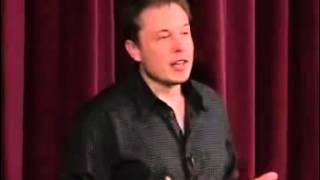 200346:34
 20147:43
 20128:32