2014 年,麻省理工学院航空航天系办百年研讨,压轴请来的是马斯克。台下坐的多半是航空系的教授和学生,几个小时的对话从可重复使用火箭一路滑到火星殖民,最后一刻落到人工智能。
有人问他怎么看 AI。马斯克说,如果让他猜人类最大的生存威胁是什么,答案大概是这个。然后他补了一个比喻:这是在召唤恶魔。
你听过那种故事吧,一个人站在五角星里,拿着圣水,信誓旦旦地说自己能控制住恶魔。结果呢,控制不住。(马斯克)
这句话后来被引用了无数遍。放回 2014 年的语境里看,它显得格外超前。那年深度学习才刚起步,距离 ChatGPT 发布还有八年多,把 AI 称作存在性威胁的人屈指可数。
这场访谈真正有分量的地方不止那一句。马斯克把 SpaceX 的技术路线、火星殖民的成本账、特斯拉的电池产能、招聘哲学,连带着对 Hyperloop、太空电梯、光束推进的判断,全部摊开讲了一遍。十年过去,其中很多数字和推理依然站得住。
那枚火箭有 14 层楼高,倒下去就是一记肚皮拍水
开场放的是 SpaceX 的宣传片,慢镜头太多,马斯克自己都嫌拖。片子里是猎鹰 9 号(Falcon 9)和龙飞船(Dragon),还有可回收版本最早的几次试验。
当时的进展是:助推器在海上软着陆成功过两次,但每次都立了几秒钟,然后翻倒爆炸。
马斯克把这件事讲得很形象。助推器有 14 层楼那么高,一栋 14 层的楼倒地,那是结结实实一记肚皮拍水。想重复使用它,就不能让它这么倒。
解决办法是落在海上的浮动平台上,或者干脆返航落回发射场。他没有一上来就试返航,原因是精度没验证过。发射场周边全是昂贵设施,万一落偏了,砸坏的东西比火箭本身还贵。所以得先在海上反复练习精确着陆,练到稳定,再考虑回陆地。
平台正在路易斯安那州的船厂里造,长 300 英尺,宽 170 英尺。这个尺寸放在太空视角下小得可怜。火箭的着陆腿展开跨度是 60 英尺。
平台靠发动机维持海上位置,大西洋的浪和 GPS 误差都会让它漂。
马斯克当场给了概率:下一次发射尝试落平台,首次成功的可能性大概五成或更低。但未来 12 个月至少有十几次发射,其中有一次成功着陆并完成复用,概率大概 80% 到 90%。
这种把失败率直接报出来的习惯,贯穿了整场对话。
火星上没有跑道,所以只能练反推
有人问,为什么不搞机翼、轮子、跑道,像航天飞机那样滑回来?
马斯克的回答直接把话题拉到了火星。
SpaceX 的长期目标是造出在火星上建立自给自足城市所需的技术。机翼和跑道在别处根本用不上。月球没有大气,也就没有跑道。火星倒是有大气,但极其稀薄,想靠机翼着陆几乎得用超音速进场,同样行不通。
只要目的地换到地球之外,反推着陆就是必修课。
即便只在地球回收,这笔账也不亏。他现场做了个粗略演算:算一下终端速度,算一下需要多长的点火时间、多大的推力,就能把速度降到零。
还有个巧妙的设计。着陆腿本质上就是巨型减速板,展开时阻力剧增,终端速度直接减半,用来刹车的那部分推进剂也跟着减半。所以这套方案在质量上的代价并不高,换来的是精确着陆和可重复使用。
降落伞和水上溅落确实更省质量,但回收后的翻修成本会把省下的全吃掉。
二级复用要等下一代火箭
有人追问二级能不能复用。马斯克的回答很干脆:猎鹰系列不做。
原因在燃料。煤油体系的比冲不够高,而 SpaceX 大量商业任务是地球同步轨道,能量需求极大,从那么远的地方把二级收回来极其困难。
下一代火箭会换成深冷甲烷氧系统,把推进剂冷却到接近凝固点,密度提上去,完全复用才有可能。这套系统的目标不止近地轨道,而是一整套火星往返运输能力。
时间表?他说自己是个乐观的人,五到六年能看到试飞。但那会是大得多的飞行器。
发动机也要换代,从现在的开式循环换成全流量分级燃烧循环。
他顺带纠正了一个流传很广的说法。外界常说发动机是 SpaceX 的短板,准确讲是比冲略差,大约比同级的分级燃烧发动机低 10%。但推重比是全球最高的,可能是有史以来最高的。
一家 12 岁的公司,凭什么和波音、洛克希德掰手腕
SpaceX 当时只有 12 岁,却已经在一些指标上和波音、洛克希德、欧洲的运载火箭正面竞争。马斯克把原因归结为创新速度。
大公司和小公司比,小公司通常创新更快。这是达尔文意义上的必然:不创新就活不下去,因为客户会习惯性地继续买大公司的产品。
那为什么 SpaceX 特别快?他说这里有一套超级工程驱动的文化,运行的是“硅谷操作系统”。
怎么描述这套系统?他打了个比方:Linux 比某些操作系统更高效,但你很难一句话讲清楚为什么,得钻进去看细节。
落到组织上,是扁平层级、快速沟通、最好的想法胜出,决策建立在理性基础上,跟提出者的职位高低无关。工程问题让资历最高的人拍板,本身就错得离谱。
选管理者也一样,他更愿意让工程能力强的人去管人,反过来则要慎重。
现场他讲了一句让全场鼓掌的话:我们确实招过一些 MBA,不过招他们的理由,通常跟那张文凭没什么关系。
把飞机做成一次性,看还有多少人愿意飞
有人问:可重复使用的前提是足够的发射频率,市场在哪?
马斯克说,这事是典型的先有鸡还是先有蛋。航天需求低,因为价格贵得离谱。总得有人先把它做便宜,然后看会长出什么新应用。
他的类比很省事。
假如飞机是一次性的,一架 747 造价 2.5 亿到 3 亿美元,往返要两架,一张来回票就是五亿美元,还有多少人会从波士顿飞伦敦?大概只剩科研和军事用途,数量极少。那时候如果有人看着这个市场说“航空业太小了,人们还是喜欢坐船”,纯属胡扯。
火箭同理。完全复用加上合理的发射频率,太空运输成本有望降一个数量级。
一个数量级够吗?对火星不够。他给了一组参照:四人火星任务的较低估算在 1000 亿到 2000 亿美元量级,要让这事真正可行,需要大约一万倍的降幅。
听起来像天方夜谭,但他紧接着说,即便只朝那个方向走一小步,靠发射卫星和空间站补给这类业务,SpaceX 已经是一门能活下去的生意。
他还顺口提了一句,因为报价比同行低太多,不少火箭公司现在联合起来对付他们。
火星方案里没有新物理,只有质量效率
被问到需要哪三项关键技术,马斯克的回答是:如果能挖出颠覆物理学的新东西当然好,但按今天已知的物理,基础材料已经齐了。
方案是深冷甲烷氧火箭加在轨加注。把飞船送上地球轨道,再发一批加注任务把油箱填满。地球和火星的窗口每 26 个月开一次,这段时间足够攒出一支殖民船队,在最佳转移点集合。
重点在质量效率,不在新原理。更好的可复用防热盾、更轻的结构、火星上的推进剂工厂,哪一样都需要大量工程苦功,但路是通的。
辐射呢?
他认为辐射的影响被严重夸大。阿波罗计划的人在深空待过两周,奥尔德林现在还活着,现场观众里也坐着当年的参与者。空间站上有人连续待过一年以上,身体也没出大问题。
能做的防护也有,比如把水箱布置在朝向太阳的那一侧。
真正的难题在别处:火星上怎么发电。带核反应堆去,燃料太重;用轻质太阳能,可能要搞大面积充气式太阳翼。还有怎么利用火星的二氧化碳大气和地下冰,就地生产甲烷和氧气,这条路能省下巨额补给成本。
机器人先行。火星车上已经有机器人在跑,接下来还要验证自动化推进剂工厂,把返程燃料在地面上先备好。
单程票其实是个伪命题
现场举手,问有多少人愿意单程去火星。一片手臂竖起来,马斯克说“看来够凑几次任务了”。
然后他把问题拆开:单程去然后死掉,和单程去但会持续补给,是两码事,差别巨大。
他认为这个问题最终没有意义,因为飞船太贵,不可能扔在火星不管。想回来的人可以回来,但飞船得返回地球。
随着时间推移,火星上会积累起一支舰队,这才是殖民的物理形态。
阿波罗的教训:别只做一次壮举
有人问,会不会重演阿波罗的剧本:去一次,激动若干年,然后半个世纪不再出门。
所以他强调,目标必须写成“自给自足的火星文明”,写“一次火星任务”远远不够。一次任务会刷新高度纪录,会有漂亮的照片,会被写进教科书,但它不改变人类的长期命运。
他给出的资源分配逻辑是这样的。地球上的问题当然是首要的,绝大部分资源应该投在那里。但可以拨出很小一块,不到 1%,用来让生命变成多行星的。
它没法和医疗保健相提并论,但比化妆品重要。我不反对化妆品,挺好的,不过口红和火星殖民地,哪个更值?(马斯克)
核心逻辑是冗余。人类的未来会分成两支:单行星物种和多行星物种。后者的延续时间会长得多。把所有鸡蛋放在一个篮子里,有些风险我们始终无法化解。
为什么是现在?因为技术窗口在人类历史上第一次打开。
他举了反例。古埃及人能建金字塔,后来忘了怎么建,连自己的象形文字都读不懂了。罗马人有引水渠和道路,后来也忘了,连带室内管道一起丢失。
技术从来不是单调上升的直线,更像一条起伏的正弦波。这个窗口会开多久,谁也不知道。
拿一个百分点的资源,给全人类的生命买一份保险。
全世界一年的锂电池产量,不够一家车厂满产
话题转到特斯拉和电池超级工厂(Gigafactory)。马斯克说这是“最不坏的方案”。逻辑简单到不能再简单:想造电动车,就得有电池。
数字是这样的。全球锂电池年产量加起来大约 30 吉瓦时。特斯拉弗里蒙特工厂满产的目标是年产 50 万辆车,30 吉瓦时全拿来也不够,何况手机、笔记本、平板还要分走一大块。
再往远看。全球每年新车产量约 1 亿辆,在路上的汽油车和柴油车有 20 亿辆。做一遍基本算术就会明白,光满足新车生产就需要 200 个超级工厂,而且这还是假设只按现在的换车速度替换车队,平均 20 年换一轮。
所以必须自己建。
供应链的切分很有意思。原材料从矿上出来,经过先期加工企业做成前驱体,松下负责把正负极材料和电解液做成电芯,特斯拉接手做成模组,加上电子件、封装、导体、安全机制、冷却回路,模组装成电池包,电池包带碰撞结构,最后装车。特斯拉在这条链路里既是甲方,也是整栋楼的房东。
除了火箭,一切都会电动化
有人问电动飞机。马斯克的判断是:一切都会电动化,除了火箭。
卡点在能量密度。现在真正能用、没有致命短板的电芯大约 300 瓦时每公斤。做到 400 瓦时每公斤,只要电芯质量占比够高,就能有相当不错的航程。
他给了具体门槛:电芯占飞机总重的比例到 70% 出头,400 瓦时每公斤,可以做到很体面的航程;提到 75% 以上,能跨美国东西海岸。航空器的电芯质量分数很难做到火箭那么高,但 70% 到 80% 是可以努力的。
他觉得这个目标可达,因为飞机上有太多“不必要的东西”:垂尾、方向舵、升降舵。火箭靠万向支架摆动发动机来控制姿态,飞机为什么不能这么干?
他承认自己断断续续在设计一架电动超音速垂直起降飞机,很想做,但脑子会炸掉。现在已经被电动车和火箭占满了。
造机器的机器,比机器本身难十倍
有人问制造业回流。马斯克主动澄清了一个误解:SpaceX 和特斯拉一开始都想尽量少自己造,找最好的供应商。找着找着,能外包的越来越少,只好自己做。
火箭还有个额外限制,它被归类为先进武器技术,不能随便外包到别的国家。
然后他给了一段值得单独记下来的判断。
很多人把制造理解成重复复制的过程。其实制造是造那台造机器的机器。如果你认为机器重要,那么造机器的机器同样极其重要。
他的经验是,制造比设计难十倍。在特斯拉,做一辆样车很容易,做几千辆质量稳定、成本可控的车,难上十倍不止。在 SpaceX,量产火箭并保持高频发射,可能比设计一枚火箭难一个数量级。
所以他说,应该有更多聪明人去做制造,这事挺好玩,只是这些年名声不太好。
一个 150 磅的泵,输出一万马力
一位在轨道交通行业工作过的观众问特斯拉电机:250 马力,70 磅,这个功率重量比他从来没在别的电机上见过。
马斯克的回应是:如果你对功率重量比感兴趣,火箭涡轮泵才是真正的极端案例。梅林发动机上的涡轮泵输出 1 万马力,重 150 磅,一个人能抱起来,工作条件接近把分子撕开的边缘。
至于电机,设计良好的交流感应电机天生就有很高的功率重量比、很低的响应延迟和很小的纹波电流。真正的挑战是散热,尤其是转子。Model S 的转子在 18000 转下运转,必须主动冷却,才能维持长时间高功率输出。
短期峰值功率容易,持续功率难;某个工作点效率高容易,在整个复杂工况循环里保持高效难。这是他们真正在较劲的地方。
创办 SpaceX,不是为了自己去太空
一位博士生问,创业是不是因为你想上天。马斯克说,最容易的路,是买一张联盟号(Soyuz)的票,像其他人一样去空间站,那件事随时能办。
他真正想解决的是怎么让生命走出地球。
最初的计划跟造火箭没什么关系。他想做一个公益项目:往火星表面送一个小温室,让公众看到另一个星球上的第一个生命。他觉得人对“第一次”会有本能反应,这会推动 NASA 预算上涨,然后阿波罗时代的梦想就能重启。
后来他想明白了:如果火箭本身不够好,预算涨了也只是去一次火星,然后可能再也不去。所以才有 SpaceX。他当时预期会失败。
龙飞船不需要飞行员
有人问龙飞船二号(Dragon V2)会不会组建自己的宇航员队伍。
马斯克的回答是:飞船运的是科学家和工程师,飞行员没必要存在。龙飞船带着 40 只老鼠上天的时候,没有老鼠在驾驶。
他的理想是像坐飞机一样坐飞船,不用长时间训练就能上去。这句话的分量不小,等于把航天员的职业门槛整个拿掉。
顺带对比了波音。龙飞船二号的路线是精确反推着陆,算第三代方案。第一代是降落伞落海,第二代是机翼加起落架,第三代是精确反推。他开玩笑说,如果科幻片里的外星人是靠降落伞掉进海里登陆的,那也太奇怪了,没什么好怕的。
波音用的是气囊在沙漠里着陆,本质上还是一次撞击式硬着陆。他认为未来必须走精确反推,因为去月球、去火星、去太阳系任何地方,都得靠这个。
多个殖民地,比一个国家包办要好
一位国际学生问:火星殖民地会不会变成美国的殖民地?
马斯克说,他希望火星上有多个殖民地。SpaceX 没有排他性打算,先想办法把人送上去,之后谁想建基地都可以。
他甚至认为竞争优于合作。国际空间站那种各国绑在一起同步前进的模式,效率并不高。更好的画面是奥运会式的良性竞争,各自较劲,讲体育精神,最终的整体结果反而更好。
所以应该鼓励其他国家的航天机构投资火星,包括中国。竞争比强制同步更能推进事情。
火星上的资源运回地球,永远是赔本买卖
有人问火星资源开发。马斯克的回答很干脆:火星上采出来的东西,只能给火星用。把东西运两亿英里回地球,在任何情况下都不划算。
他的原话是,就算火星上有一批预先打包好的可卡因码在托盘上,运回来也不值。
月球同理。月球基地采的资源是给自己用的,运回地球毫无经济性。
光束推进、太空电梯、Hyperloop
一位刚创业的博士做的是光束能量推进,用微波或激光从外部给火箭供能,换取很高的比冲。
马斯克先说这值得研究,值得试着把东西送上轨道或做出很高的速度增量,看看实际表现如何,他特意强调这个前提,免得后面的顾虑被理解成劝退。
然后才提问题。把猎鹰 9 级别的载荷送上轨道,所需功率大得离谱,差不多是整个东海岸电网的量级。你不可能让佛罗里达所有人关灯,所以得配巨型电站、巨型电容组或超高功率密度电池阵列。接着还要算这些设备的成本,和“自己带着氧气飞、比冲低一点”的方案比,哪个更划算。
太空电梯。日本一家建筑公司放话说 2050 年要建。马斯克的反应是:真建成当然很棒,但我不会屏息以待。
他的类比是,我们连一座碳纳米管人行桥都还没造出来,现在谈六万英里长的太空电梯太早。在这之前,洛杉矶到东京的桥都是更容易的问题。
Hyperloop。一位大一学生做过模型,卡在管道公差上。
马斯克给了具体建议。舱体截面积和管道截面积的比例大约 1 比 2,别做得太紧,要留出空气流过舱体的空间。表面不平整的问题可以在管道完工后用打磨设备过一遍,把内壁抛光,消除起伏。热膨胀也得处理,350 英里的管道升温 20 度会伸长 450 英尺,所以终端必须留伸缩空间,支撑塔架也要允许沿轴向滑动,不能硬约束死。
火星一号买不起一艘龙飞船
有人问 Mars One 那个真人秀式的单程火星计划。
马斯克说,看他们的效果图,用的是 SpaceX 的火箭和龙飞船。想买就卖给你,没问题。
但他判断对方连一艘的钱都筹不到,所以不现实。而且用龙飞船去火星本身就不合适:就算飞得很快也要三个月,正常要六到八个月,让人在相当于一辆 SUV 内部空间的地方待这么久,太难受。他建议等下一代技术。
超级充电站最后会长成什么样
有人问超级充电网络的能源来源。长期目标是 100% 可再生能源。目前为了快速铺开网络,没有强制每个站点配套光伏,只有少数几个装了板子。
长远形态是光伏加固定储能电池。白天光伏给电池充电,用电高峰时电池放电。因为充电站的使用曲线非常尖,周五晚上和周日晚上是出行高峰,周三上午则很空。有了本地储能做缓冲,即使电网断了,车也能充上电。
他的说法是,这样就算世界末日之后,你还能开车到处跑。
特斯拉开放了专利,但电池产能才是天花板
有人问怎么对待新兴电动车公司。马斯克提到特斯拉那年开放了专利,这本身就说明了态度。只要对推广电动车有帮助、又不分散造车主业的精力,他们愿意做。此前也给奔驰和丰田供过电池包和动力总成。
根本约束还是电池产能。不解决这个,电动车的规模上不去,所以才有超级工厂。剩下的事就是把车做得足够有吸引力、足够便宜,这是他口中的圣杯。
科幻小说给的是方向感
一位学生问科幻作品的影响。马斯克说自己从小泡在科幻和奇幻里,电影、书、什么都看,哪怕很烂的也看。
《星际迷航》他喜欢,因为那是少见的乌托邦式未来。他吐槽末世题材实在太多了,能不能多来几个好的。
《星球大战》是他进电影院看的第一部片子,影响自然大。《魔戒》大概是他最喜欢的书,虽然托尔金骨子里反技术,奇幻文学大多如此。《基地》系列是阿西莫夫的巅峰。《2001 太空漫游》(2001: A Space Odyssey)和海因莱因也在名单上。有人推荐伊恩·M·班克斯的“文化”系列。最后他自己提到《月亮是严厉的女主人》(The Moon Is a Harsh Mistress),说这大概是海因莱因最好的一本。
SLS 就算先到火星,也不会改变 SpaceX 的方向
最后一个问题:如果 NASA 的 SLS 在 SpaceX 之前把人送上火星,会改变你们的重点吗?
马斯克说不会,SpaceX 会继续把火箭技术做得更好。SLS 送人上火星的时间表相当远,真做成了那是好事。
但真正需要的是一套能把大量人口和货物送往火星的系统。送一次任务是件很酷的事,可它不会改变人类的未来。真正重要的是建立自给自足的文明,而这件事,他说他没看到除 SpaceX 之外还有谁在尝试。
他补了一句:这并不代表 SpaceX 一定会成功,只是确实没看到别人在试。
这场十年前的对话,能拿走什么
把整场访谈拆开看,马斯克反复在做的其实是同一件事:先算清楚物理和成本的上限,再倒推现在该干什么。海上平台着陆、甲烷火箭、超级工厂、电动飞机,都遵循同一套算法。
他给的所有数字都是可以验证的:30 吉瓦时、200 个工厂、400 瓦时每公斤、一万倍降幅、1% 的资源比例。这些数字未必全对,但它们把讨论从情绪拉回了算术。
至于那句“召唤恶魔”,放在 2014 年是一句孤立的警告。十年后再读,它更像一次准确的预演。
- 判断一个技术方向值不值得投,先去算它的物理上限和成本结构,再看今天的产品形态。马斯克谈电动飞机时先报 400 瓦时每公斤这个门槛,谈火星时先报一万倍降幅,都是这个顺序。
- 面对“市场太小”的质疑,先分辨它是需求真的小,还是价格把需求压住了。一次性飞机的类比可以直接搬到任何高价低频的行业。
- 把制造当成独立的设计问题。如果你在做硬件,问自己一句:造这台机器的机器,我设计过吗?
- 技术窗口不会一直开着。古埃及和罗马的例子说明能力会丢失。手上如果有依赖长期积累的硬科技项目,早做比晚做便宜。
- 招聘和组队时,把“这个人如何影响周围的人”放进评估表,权重不低于智力。马斯克自己复盘出的最大失误就是这个。
- 做决策时用理性依据排序,别用职级排序。工程问题让资历最高的人拍板,是组织退化的开始。
- 看到某个参数“高得离谱”时,先找一个基准做对比。250 马力 70 磅的电机很惊人,1 万马力 150 磅的涡轮泵更极端,基准换了,判断就变了。
0:06good afternoon over the last three days we have been celebrating of MIT aerospace innovation we've looked at the lessons learned from the past the excitement of the present and speculated about the future the common thing underlined is incredible hundred years has been the passion of the visionaries people like ham soccer do Leto garner Draper and Simmons who better than Elon Musk to add to this roster of visionaries and culminate this symposium and join us as we launch our second century of aerospace at MIT Ellen is an innovator and an inspiration to a new generation of engineers and entrepreneurs first of all alone thank you very much for coming so pleasure to
0:49have you here and welcome to MIT summer has a light to start and ask you if you could elaborate a little bit on what we've seen on the video okay that's quite a lot well I mean what we're saying there is and and I just like like our communications team put it together so I just like sword for the first time in the back there like probably a bit too much slow-mo so the but you know
1:24what we're seeing there is our Falcon 9 rocket and dragon spacecraft and then we're seeing some of the initial tests of the reusable version of Falcon 9 that is capable of taking open landing which is reusability is relating the critical breakthrough needed in rocketry to take things to the next level what do you think you might be able to fly an operational the usual first stage well we've been able to soft land boost the
2:00rocket booster in the ocean twice so far unfortunately you know sort of SAT there for several seconds then tipped over and exploded question yeah just quite difficult to reuse the point but the unfortunately the unit circle it support it's as tall as a 14-story building so you know when a 14-story building pulls over it's quite a quite a belly flop and
2:31so what we need to do is to be able to eat the land on a floating platform or ideally boost back to the launch site and land back to the launch site but before we rush back to the launch site and try to land there we need to show that we can land with precision over and over again otherwise you're bad could happen but if it doesn't bruise back to where it's where we intended so we fully for the upcoming launch I think we've got a chance of landing on on a floating landing platform we actually have a huge platform that's being constructed at a shipyard in Louisiana right now which is plus huge huge ish I mean it's about 300
3:20feet long by 170 feet wide that looks very tiny from space and and the leg span of the rocket is 60 feet so you know you bet and this is going to be positioning itself up in the ocean with you know with with with engines that'll keep it and it will try to keep it in a particular position but it's tricky you've got these big rollers and you know and GPS error so but you know such
3:50contests on anchored because it's like on the bloody Atlantic so so that that's that's we're we're going to we're going to try to land on that on the next flight and if we land on that that I think we'll be able to reef light that booster but I'd probably little maybe not more than a fifty percent chance or less of landing it on the platform for the first time but there's a lot of launches that will occur over the next year so there's at least a dozen launches that will occur over the next 12 months and I think I think it's quite likely probably eighty ninety percent likely that one of those flights will be able to land and refi so I think we're
4:34quite close I'm curious to know why you chose to go with the red with rushed rocket for landing as opposed to jazz wings and wheels and ran around London I run away like like the Chateau see ya there's a couple reasons the like the long-term ambition of SpaceX is to develop technologies necessary to establish a self-sustaining city on Mars or civilization on Mars and wings and a
5:10runway don't really work if you're going somewhere other than earth the moon doesn't have an atmosphere so wings and a wheel with wings wheels are you know there's no run there's no runways in there's no atmosphere not a good choice for the mayor and then on Mars there are also no runways and the atmosphere is very thin and so unless you you know like you know try to land something at supersonic velocity so unlike it's just not a good choice for Mars either so so you really have to get good at the pulse of landing if you want to go someplace other than Earth which was why you have rockets because obviously aircraft work quite well on earth so and then but even for
5:52Earth recovery you you know when you really look at it even if other planets had atmospheres the actually the penalty for propulsive landing is quite low like you can just do it gives easy calculation of what's the terminal velocity and there how long have to fire the engine at what tree level to get 200 velocity and and then if you do some interesting things like if you look at our landing gear they're essentially like giant body flaps so the drag when
6:28we deploy the landing gear the drab drank massively increases and so we have dual use of landing gear as giant body flaps and as Len as Lenny gear and it actually cuts the terminal velocity in half and therefore that you know fuel though with propellant that we need to stop this vehicle in half and actually it's quite an efficient method of of landing precisely that you can use less mass if you want to do parachutes or water landing but then reusability is negatively affected and any near-term plans for a reusable second stage doctor
7:06the next generation vehicles after that the Falcon architecture will be designed for full reusability I don't expect the Falcon line to have a reasonable upper stage just just because the it with with a kerosene base system the specific impulse isn't really high enough to do that and a lot of the missions we do for commercial satellite deployment are just geostationary missions so that we're really going very far out these are high Delta blessed emissions so to try to get something back from that is really difficult but with the next generation of our vehicles which is to be a sub cooled methane
7:59oxygen system where the propellants are cool too close to the freezing temperature so if you increase the density we can definitely do a full reusability and that system is intended to be a fully reusable Mars transportation system so not merely to low-earth orbit but all the way to Mars and back whatever useful 18 years huh
8:22I'm an optimistic person but always IM you know i think we could start to see some test flights in the five or six year time frame but we're talking about a much bigger vehicle a vehicle to that yeah and that we're also going to be upgrading to sort of a new generation a harder engine cycle which is a full flow staged combustion so what we have right now is an open cycle engine so I mean
8:58right now say like engines are our weakest point that's basics but there will be become as strong as the as the structures and avionics in the next generation okay thank you app so let me change a SpaceX is only 12 years old and you have shown that in some aspects you can compete head-to-head with much more established launch service providers like locket and Boeing and the Europeans what do you ascribe its ability of a young and conventional company to take on the establishment sure and actually was clarified point like like right now our weakest point is engines with respect to specific impulse but not with respect to thrust to weight we actually
9:38have the highest thrust to weight of any engine I think maybe ever but but our specificity halls the efficiency of the engine is about ten percent worse than the Dennis stage combustion engine of was using the same propellant the it tows about competitiveness I think the I think it removes comes down to a pace of innovation our pace of innovation is much much faster than that the big aerospace companies or the sort of country driven systems and this is generally true if you look at innovation from large companies from smaller companies smaller companies generally veteran innovating than the larger companies and it has to be that way from a Darwinian standpoint because you sort
10:30of all companies would would just die if they didn't try innovating because otherwise people just keep buying the product from the big company so but I mean enter then why is basics more innovative I think it's probably because we've got I could as a super engineering driven culture I mean it's really good we're running kind of the Silicon Valley operating system it's a little it's kind of hard to describe like it's like how do you describe Linux like like you know like Linux is more efficient than some other operating systems totally main vein less like it could exactly why I was like you really have to get into the weeds and but reddit units you have a
11:14fairly flat hierarchy you promote rapid communication the best ideas when my best ideas wins culture as opposed to this you know they're having the seniority of the person decide the solution which I mean that should never be the case in engineering choice be you know a rational basis and and I also
11:39believe that the in terms of leadership level I I'd much rather put someone who has strong engineering ability have been so-called management ability and you know like we we do hire some MBAs you know but but would you agree it's usually in spite of the ambien or because of it I think that deserves some
12:11applause you're really pushing the concept of reducibility as a way to affordability but would you agree that the only way you justify making a more expensive reusable vehicle is if you can guarantee a minimum frequency of flights and is the market there what how are in the in the say five years ten year period who is going to provide that demand where is it going to come from well it is a check in an excerpt situation I mean the reason that there's low demand for spaceflight is because it's ridiculously expensive and and you know so somebody
12:58at some point somebody has circa we're going to make something that's much more affordable and and then see what application was developed the that's that's what has happened i mean the situation in rocketry is it's like if an aircraft the aircraft were single-use then how many people would fly I mean local fire rate we really low a bio 747
13:21it's like 250 million dollars maybe 300 million dollars and g two of them for a roundtrip so nobody's paying like half a billion dollars to fly it from Boston to London and and if that were the case would be like a very small number of lights like scientific and military purposes and people like who ever say wow that the market for aircraft is so tiny people really love going by boat is
13:48nonsense so you with if we have rockets that are reusable we could reduce the you know fully reusable and can get to a decent flight rate the potential is that to get at order of magnitude reduction in the cost of space transport which is vital for establishment establishing a self-sustaining civilization on another planet or even on you know on the moon or some sort of l5 colony or whatever but you really need to get the cost we need a tour of magnitude improvement at least in the cost transport in fact I mean relative to the estimates of what it costs to a Mars mission mad Mars mission work I think like the some of the lower estimate throughout the hundred to two hundred
14:33billion dollar level you know for a four-person mission we need we need more like a ten thousand fold reduction I want to make it viable yeah well well I mean so people can afford to go do your sis base do this as a the customer and people wanting to just pay to be in orbit in bed I mean it is some sort of people your privates place private spaceflight is going to be some some amount of market yeah I I don't really
15:06know I mean really just we're trying to advanced rocket technology and I mean on one hand if we are even if we get even slightly towards the overarching goal of Mars colonization level technology like if we just get slightly there we we certainly have a viable business in launching satellites and so space station that kind of thing because like yeah I mean you're like five percent you
15:39know so it's not like there's this still a very viable business doing with openness of it and proposing that any of like 45 to schools echo we're like vastly more competitive than the other rocket companies so we do have a lot of people gang up against us these days okay this time I on this planet let's talk about Mars that's what really excites a lot of the people in the audience a lot of sites many of us how
16:07are we gonna get there first of all what are in your mind say to three top technologies that we need to develop the new we need to improve to to get this closer to where we want to be sure and second I also like some commenters to what would be useful intermediate missions are we going to use the moon is the moon yeah i think the necessary step on our way to Mars other than the moon is necessary stuff but it i think if you've got a rocket and spacecraft capable going tomorrow so you might as well go to the moon slung along the way it's like I mean it's like crossing the English Channel relatives going to Mars yeah so it's like if you have these
16:46ships that can cross the Atlantic would you cross the English Channel probably baidu don't necessarily from a logistics perspective no definitely not it's certainly not necessary but you probably end up having a moon base just cuz why not yeah so but in terms of the key technology yeah Keith key technologies
17:11we'd obviously be great to have some sort of fundamental new thing that is never existed before and like pushes the boundaries of physics that would be great but as far as you know the physics that we know today I think I actually think we've got the basic ingredients are there I give I mean if we if you do
17:41densified identified methyl ox rocket with on-orbit refueling Earth orbit refueling so you like load the spacecraft's spray spacecraft into orbit and you sent a bunch of refueling missions to fill up the tanks and you have the most colonial fleet essentially that gets built up during the time between the Earth Mars synchronizations which occur every 26 months Linda in the fleet sort of all the pots at the optimal transfer point I think like we
18:16have we don't need anything like so we don't need any any sort of thing that people don't already know about I believe if we've got the falling blocks but but the mass efficiency is extremely important so having better heat shields that there are you know these are reusable is radiation on humans or me
18:41radiation on humans country yeah I mean things that can mitigate the radiation effects certainly i mean i think the radiation effects are generally way overblown because if you went to the moon it went like two weeks in deep space Buzz Aldrin still around many other folks that way
19:03in that also in the audience yeah great I mean so like obviously didn't course like they're so alive and they'd you know there yeah they seem ok -huh there people have been up in the space station for like a year or more there there okay so it's i don't i don't know i mean if the thanks we can do to mitigate the radiation on roots you know
19:29by effective placement of the water so they said oh yeah what are you bringing their like the x button yeah put that in the direction of the Sun and yeah but I mean I really think we've got the the substantial appearance but I mean we do need an efficient of pallet depot on Mars so that's but I mean it really I think this is like there's a lot of I mean obviously a lot of hard work in the engineering that needs to be done but but it's there like the pieces are there you filthy robotic missions ahead of human missions going to Mars and to be better round for four people
20:08yeah yes I think that be yeah I mean we have like you know the whip Rovers on the mall on marketing but not already so I think will receive more robots on Mars and we probably want to make sure the propellant depot works of being automated propellant depot and there's some questions as to what do you do for power generation on Mars do you have a nuclear reactor you know if then you've got to carry the nuclear fuel their directors are you know fairly heavy do
20:39you do some lightweight solar power system it's a sort of maybe a big inflatable solar arrays or something like that so just power generation on laws and it gives an interesting problem and they're just figuring out like how do you get all of the bits of efficiency right before creating say methane and extra on Mars mars has got a CO 2 atmosphere and there's there's a lot of water sort of airiness oil that you can get rid of you can answer a question that has been discussed over the past couple of days should we be considering one trips one way only trips to Mars what's the best approach to colonize the planet is it
21:26but what's your review it's not socially acceptable you think people will sign up to do it I think there's plenty of people who sign up for a warrior to Mars but maybe if I could have a show of hands who would consider such an option I see some not married or perhaps enough for a couple of missions so it's only with it simply bit up I think it's sort of like is it a one-way mission and then you die or is that one of my mission and you get resupplied that's a big difference we're for a second option yeah exactly but I mean I think it's so it ends up being a moot point because you want to bring the spaceship back like these spaceships are expensive okay if they're
22:11hard to bulls can't just leave them there so whether or not people want to come back or not is kind of like they can jump on if they want but they need the space you're back thank you I'm your kind of weird like it was like huge collection of spaceships on Mars over time really well if it's like we're just in the back and of course we're just in the back so that i think that's that's for sure like if necessary it particularly say we want to have a colony of some time that's of significant size yeah you know this one question looking at the at the Apollo experience are you concerned that say we land humans in miles if they say 10-15 years and they don't know southern the
22:58excitement is that we've done it and just go and rest for the next 50 years like we did with the polo is that something that concerns you yeah well that's why I think we should really be setting the goal as the creation of a self-sustaining civilization on Mars not simply a mission to Mars because then we risk you know it would be awesome and cool and would be a new high altitude record and you know great pictures its up but I mean it would be it's it just it's just not the thing that fundamentally changes the future of humanity and this I mean I should sort of explain perhaps the rationale for you know why I think it's important to establish a self-sustaining colony on
23:39Mars cuz I think some people are aware of that but probably most people aren't and your head you hear all these rebuttals like other all these problems on earth that we need to deal with and should we focus on that and an answer is yes I mean our primary focus should be problems on earth but I think that there should be some small amount that's given over to the establishment of of a calling on Mars and making life multiplanetary at my small amount I mean some number less than 1 percent of our resources so you know it's it's not as important as as say health care but it's more important than likes a cosmetics I mean I'm pro I mean oh I'm in favor of cosmetics I like them
24:20they're great but you know lipstick or calling you and watch to feel may have different opinions but I so I so I think I think we should we should have that and it because the future humanity will fundamentally bifurcate along the lines of either single planet species or multi-planet species and a multi-planet
24:50version of humanity of humanity's future is going to last a lot longer we will propagate civilizations the future far longer if we're multi-planet species than if we are single plant species and and so it's like planetary redundancy backing up the biosphere it's you know it's a we've got all of our eggs in one basket here or should try to protect that bass can do everything we can but but there are some risks that are just extremely difficult to mitigate and some which we will ultimately not be able to mitigate so it just seems like the right thing to do and then the question is next question is what should we do it now or should we just which we wait for
25:33some point in the future and I think I think it's the wise move is to do it now because the window of technology for this is open and it's the first time that window has been open in the four and a half billion year history of earth we that's a long time and and I hope I certainly hope that the window will be open you know for you know forever but
25:58it may also close and if you look at the history of Technology in various civilizations Neela could say ancient Egypt where they're able to build these incredible giant pyramids and then they've got how to build permits and then they couldn't read hieroglyphics or you look at say Roman civilization and they were able to pull these incredible aqueducts and roads and then they forgot how to do that and that in that indoor plumbing they've got have to input plumbing you know it's just that there's clearly been a cycle with with technology and
26:34you know hopefully but that's an upward-sloping sine wave that you know continues on to be really great in the future but maybe it doesn't maybe there's some bad thing that happens and and so for one percent of our resources we could buy life insurance for life collectively and I think that would be a good thing to dis idea thank you thank you AB you know I'm sure the topic of Mars is going to come again because in a few minutes I like to open the floor for questions but I have a couple more questions I really like to to get your opinion on related to your association
27:13about your involvement with Tesla and solar city could you tell us a little bit about your nouns plans to construct the battery gigafactory and can you elaborate in this watch the driver is it satisfy demands reduce costs improve efficiencies or all of the above but for the fruit gigafactory yes so the you
27:41know the gigafactory is like the least bad solution we should come up with honestly I mean I think it's actually pretty cool or it's worked out but we're just based with a simple problem of if we want to make electric cars we need enough batteries for the electric cars and and so well last year all lithium
28:03iron production combined with 30 gigawatt hours approximately that's nothing okay or these it's nothing when you consider like if you want to make half a million electric cars a year that's how much you need and there are 100 million new cars made every year there are two billion gasoline or diesel cars on the road worldwide so just do
28:29the basic math you don't just need one gigafactory you need like 200 gig of factories just for new car production and that assumes you're only going to replace the fleet at the existing rate we has a refreshed every 20 years so yeah so the given that we want to try to get to full capacity at our Fremont plant in California of half million vehicles year we need half a million vehicles a year of batteries and obviously we can't use
29:01all of the other factories in the world combined because people want cell phones and laptops and other things so therefore we have to build this factory and when we found we have a great partner in panasonic Panasonic's taking care of the kind of a cell formation the part of it they're actually many aspects to this because you're sort of anode cathode separator electrolyte can at the precursor level you've got sort of raw materials coming in from the mines that sort of feed into a variety of other companies like similar type of sweet or metals and mining and itachi and others and that they do the precursor processing and then pandit panasonic
29:44takes the anode and cathode material separate we're not does create put setting to a cell then it goes into a tesla section which creates the module which is all the electronics and the packaging and the conductors the safety mechanisms and the cooling loops when the modules go into the pack which then a you know create has a lot of crash structure associated with it and the pack goes in the car and then and then obviously Tesla is kind of the at the landlord of the whole thing as well anyway that's like a short of doing that there was no no way to scale so that's why we did it there is no way I brought that up is because as much as we love Tesla's we are in an aerospace
30:25department where we are really interested in the potential for like three paragraphs sure i love i love daily electrical practice everything will go electric full everything will go electric except for rockets what if we ironic we think that in terms of energy density to make a transport aircraft feasible you would need improvements in of the order of 10 to 100 what no that's okay wait when you say ten to a hundred or fourth baseline what would even cuddle I only film oh no no definitely not I so too I I my
31:02opinion please the right now is at roughly you know for a SL that doesn't have like lots of other drawbacks which people always forget to mention when they talk about battery breakthroughs if there's many parameters that are important for a battery and they'll you know hardly a week goes by with us are some huge breakthrough allegedly in batteries but like the factor is outrageous so but for real cells that
31:32actually work and don't have like some huge drawback they're currently at about 300 watt hours per kilogram and if you to have a compelling aircraft you only really need about 400 watt hours per kilogram provided your the percentage of cell on the craft on the aircraft is high you just need to be anywhere near as high as it is on a rocket but if it's sort of at the seventy percent level at
32:02400 watts per kilogram you can do very decent range and if you sort of move it up to the sort of mid mid to high 70s you can go transcontinental but with you know intercontinental but some sort of west coast to east coast so you need to need an efficient aircraft but but that's that's approximately by my calculations that the gnomish need 40 watts per kilogram mid to high 70s cell mass fraction which i think is achievable number because I aircraft have all these like unnecessary things like tails and like rudders and elevators like not needed okay okay that just just that just gimbal you know it's air you get gimbal gimbal the electric fan like some weird
32:53reason like gambling murders is normal in rockets and not in aircraft why not okay well it definite plans to get into this business because we love to to see the car how things develop in that particular area certainly very interesting domain do you have a specific plans I mean I've been so toying with the design for an electric supersonic vertical takeoff and landing electric aircraft for a while I'd love to do it but I think my mind would explode it's like brains worn out you
33:28know successfully saturated working on electric cars and and rockets so okay okay good topic so let me the last question i will ask is about our students you hire dozens of MIT grad asst for your company the first question is how are they doing oh well let delegate they drink right so yeah in fact we want to hire a lot more people from MIT that's good news and i'm sure a lot of people in the audience
34:10yeah this definitely apply to SpaceX applied it to Tesla and like yell at me on twitter if there's something wrong with our admissions process or something this is it seems to be like I mean it's not the most efficient way to get get to that that is one way cuz i don't i don't know if like our you know recruiting and and prana and a process of hiring people is is good or i think it's good but i'm not sure so but we want to hire lots of really smart engineers cuz that's that's how these problems get solved I rent a quote which I hope it's true from you tell me that that's not the case that you say that the most common mistake hiring mistake was weighing too much i'm
34:51someone stalin and not in someone's personality and i think it matters whether someone has a good heart it is yes absolutely so it it that's that's generally where if i say words of the hiring mistakes that I've made in the past it's it's been it's been just as I said it's looking too much at their intellectual capability alone and not on
35:21how they affect those around them and it what really matters is before someone's contribution to a company is how they are as individual and how they affect others around them you could say it's also analogous to a sports team you know if someone the best person on the team is not necessarily the one who scores the most goals it could be the person who assists in the most goals and and if
35:48somebody is if there's one person a team who's just just wants the ball all the time it just wants to kick it at the goal that can actually be detrimental and so it is important to to two-way personality and just you know are they can be a good person and if you like working with them and that kind of thing it's didn't just make a difference thank you I like to invite the audience to ask some questions I'm particularly like students to ask questions but are also invited and one thing I will ask is that we keep the questions short so we can have a few of those okay come
36:32up i'm phil chapman what i'd like to ask you a long as it looks as if the next decade or two human space flight will be dominated by you and Bob Bigelow another half x oprah NORs the question is what do you think the proper role of NASA human spaceflight should be in that context other than just giving your contracts wellness has been really
36:59helpful to SpaceX you're not not just in terms of giving us contracts but also technically in a number of areas and and a lot of things that we've done at SpaceX have been dependent on things that nASA has done in the past so I'm i think we're certainly incredibly grateful for everything that's done in the past and and and for the ongoing support they received from NASA so I'm a
37:28huge fan of NASA and but and I think NASA is actually doing the right thing given all of the constraints that they have like if if you know within the context of being this large government entity that's getting pushed in all sorts of different directions and and has a lot of limitations on what it can do I've been pretty impressed with what NASA has done given all of those constraints and yeah so I think it's you
38:02know if NASA continues it continues to sort of expand upon the support of competitive commercial space that's that's probably what we'll have the most positive effect on the future of space development thank you so I'm Jordan and I did a quick question about manufacturing so Obama has had a large push to really get high technology manufacturers in the United States and I think above everything SpaceX and Tesla are excellent examples of that I was wondering one you have a commitment going forward to have all your manufacturing or majority of it done in the US and then how can other companies really learn from this experience at SpaceX has had and Tesla's has to really
38:48do your own manufacturing in house as much as possible sure well I should say before SpaceX and Tesla our goal was not initially to do your huge amounts of internal manufacturing so we actually tried to do as little manufacturing as possible at first but we found that we had to insource more and more of a time and so I didn't get with the but it's
39:19not really not from the standpoint of like we really believe in enforcing or outsourcing it's just given you know if there's a great supplier that then we would love to use a great supplier and if there's not then we need to you know do it ourselves I agree if they need to find a way or make away to a good solution and just over time we'd have to we'd have we've had to make a way more often than not and an open up for for
39:47rocketry there's also there are so I to our limitations which is that Rockets are considered an advanced weapons technology so we can't just your outsource it to some other country and yeah so and but then I think if we're manufacturing I that very often people think of manufacturing as kind of just
40:11some Road process of making copies which it is which actually it isn't back shirring is building the machine that makes the machine and if you think the machine is important well folding the machine that makes the machine is also extremely important and more often than not what what I found is the
40:36manufacturing is harder than the original product like for example example a Tesla we can make like one of a car very easily but to make thousands of a car with high reliability and quality and where the cost is affordable is extremely hard i'd say maybe 10 times hotter than designing
41:03than just making one prototype but maybe more and then at SpaceX also there may be approaching an order of magnitude harder to manufacture rockets and launch the launch a lot of them thing to design one in the first place so I really think a lot more smart people should be getting into manufacturing and it's kind
41:25of fun so it's like I don't know how to sort of got a bad name for a while but it's really interesting yeah thank you I've got a question about the Tesla automobile I understand the drive motors on the order of 250 horsepower and only weighs 70 pounds which is multiple horsepower per pound I've never seen I've worked in the transit industry never seen and looked in other sources never seen a motor other than one that
41:57weighs multiple pounds per horsepower the opposite way so you have an advantage of like an order of magnitude some of it can be explained by high-speed can you explain how you achieve that actually if power-to-weight ratio is of interest to you rocket turbo pumps really take the cake you know that
42:20the to a pump on the merlin engine generates 10,000 horsepower and weighs 150 pounds now yeah fuel efficiencies sort of separate question I'm put power to weight is I mean it's at the ragged edge of like pulling those molecules apart you know it's kind of amazing that it like you can get 10,000 horsepower and this thing you can basically pick up but for electric
42:48motors you know if you have properly designed you know electric motor AC induction motor getting high power-to-weight ratio and like a you know a really great response rate like it low latency and all that extremely low ripple current and we're not in it's just it just kind of comes naturally to an AC induction motor the bigger challenge is actually cooling it effectively and then particularly cooling the rotor because you've got a Schroder going it like eighteen thousand rpm so the model s we Rico actually cool
43:25the rotor in order to have high steady state so also for electric motor you can have it's easy to get a peak power for a short period of time it's hard to have sustained p power and because you overeat and then it's hard to get high efficiency over a complicated drive cycle but those tend to be the the problems we wrestle with more than say the the peak power like we can get people are pretty easily but sustained power and efficiency of the drive cycle are hard thank you I named sherry I'm a
44:06PhD student for 16 and when you hear about the founding of SpaceX a popular story is that you started it partly because you yourself want to go to space this is true and what sort of timeframe with the current program do you see for you yourself being able to have that opportunity actually that bed that's not
44:28that's not why I sought his face x but and the I mean the easiest thing for me to do would have been to buy a ride on the Soyuz and you know that I would have been able to go to the space station as a number of other people have done but the one thing that I was trying to figure out was how to get us back on on the track of extending life beyond Earth that that's what the that's the reason for for sonic SpaceX and and I expected
45:01it to fail and people sometimes things like well why would you even start that in the first place but the reason with your back before i started SpaceX I expected back to I want to do this philanthropic mission to send a small greenhouse the surface of Mars and try get the public excited about sending life to Mars because people respond to precedents as supportive as we the first life on another planet the furthest the life's I've traveled and I thought well that would get people excited and that would result in NASA's budget getting increased and then we could resume the dream of Apollo so you know that was my
45:40initial goal was just to figure out how to get NASA's budget higher the butt but then I came conclusion that if we don't make if we don't make rockets way better then it won't matter like we can get a budget increase but then we just send one mission to Mars and and then maybe never go there again so so that that the Gulf basics really was to make as much progress as possible to advanced rocket technology to the point where hopefully we can establish a colony on Mars or and
46:17get us or these get as far along that way as we can we'll just try to go as far as we can hi I'm Justin I'm a freshman now that SpaceX has unveiled the dragon v2 which is a man rated capsule I was wondering if you were planning on forming your own astronaut corps or you're relying on NASA astronauts from here oh
46:40well yeah I you know I mean we're probably I mean it's we're building a ship that that NASA's gonna use and that other people will use it tows a national corps i mean i kind of think like like this it really that we should be transporting our scientists and engineers you know not it's not not pilots really you know it's like dragon doesn't need pilots I could you know if the obviously goes there with just cargo you know we just send up 40 mice they
47:22were not piloting the crap so it's so it's really it's a means of transporting people to like the sort of earth moon orbit region in order to you know do science basically have you know potentially to the moon to do some exploration there but but but it I kind of think it should be easy to go on a spacecraft you like like you just just be able to get on with no training and go Justin beat can be hard
48:14hi I'm Scarlett I'm a junior in aerospace at MIT as you can tell and I was just wondering now SpaceX and Boeing have both been awarded contracts to build a space taxi and how do you think SpaceX's approach will differ from Boeing's and which one do you think is likely to be most successful well Boeing
48:39is a fine company of course so yeah I mean what we're trying to do with dragon dragon 2 is Bothan your crude crude dragon design is be able to land possibly with precision which i think is kind of the the next generation like you consider the first generation always parachutes to a water landing then you know arguably sort of wings and gear landing legs over landing gear then like the sort of third generation is propulsive landing with precision I mean if if you saw a movie about the future with aliens landing how do they land like that okay obviously it's like I'm
49:31gonna be kind of weird if the aliens landed in the ocean with parachutes I'm like okay nothing to fear and I like Boeing's like trying to like slightly improve because like it's got airbags but it's still an empress ice landing you know it's somewhere in a huge expansive desert and it's basically landing on air bags and kind of crashing in the desert you know like okay let's so that's one way to land but i but i think the future has to
50:08be precise propulsive landing because that's what you need to go to the moon or tomorrow's or anywhere else in the solar system and that's the thing we should be focusing right and yeah we're already going to the space station back by the way like Boeing isn't doing that sorry so comic books are the future well I think a lot of things that are envisioned in sci-fi books returns which is a wide range of course yeah but a lot
50:36of things that are envisioned to do do make sense and yeah I mean it's like I have yeah and likes it's okay there isn't some other way to land on the moon you can't likely on the moon with parachutes in our bags let's do the lack of atmosphere over there thank you hello there my name is Johannes I'm a junior in core 16 and I'm also international and i was wondering from international perspective how's this trip to Mars gonna look like is it going to be an American colony on Mars and that's it or is because of course basic is mainly based here in the US or is it just like everybody join in please well I mean I
51:24don't know they think it's I mean I i I'm hopeful there will be multiple colonies on Mars it's there certainly probably spacek standpoint there's nothing you know we don't aim to do anything sort of on an exclusionary basis we're just trying to get there and and then I think then you know we'd love to have that debate you'll be like oh there's a two American you know like okay baby okay
51:55but we've got the source of base on Mars who cares and and I think if there was you know American basin was it would certainly prompt other countries to want to establish their you know based on Mars too but I do think we better to have competition than cooperation it's not like you encourage companies each in other countries to start their own and they were to go to Mars as well yes I think I think we're very would be better off with competition route rather than insisting like I can like the space station you got the International Space Station but would we like when when governments also forced to go in lockstep it tends to not make things go
52:36faster and yeah we want some sort of positive competitive elements I think so we don't like people going to war or anything but just like some positive competitive element like the Olympics you know something if people compete hard and it's sort of good sportsmanship and everything and the net result is better than if like there was no competition like the Olympics with no competition would make any sense and yeah so I think some positive competitive thing would be would be better and we should definitely not insist that everyone all countries go at the same pace or some collection of countries by the same pace that would slow things down dramatically and maybe
53:15not even happen just encourage ISA to invest in Mars yeah absolutely ISA yeah Chinese space agency ammonia okay thank you all right hi my name is Vicente and my question is are there any natural resources on Mars right now that a colony would be able to use and if so how would SpaceX go about extracting those natural resources when the time comes well any a natural resource
53:42extraction laws would be that the output would be for Mars like definitely wouldn't make sense to transport more stuff 200 million miles back to earth you know honestly like if you had like crack cocaine on Mars like in prepackaged you know pallets it still wouldn't make sense to transport it back here good times for the Martians but not back
54:06here these would be calling you yeah for the colony to use exactly hello my name is Alexander Brooke you Larry a recent PhD in course 16 and I recently started up aerospace research and development company and one thing that I'm working on is something called beamed energy propulsion where we use external energy to power rockets microwaves or lasers the idea being that you can get very high specific impulse is with very high power I'm curious where space X stands on this kind of technology what your thoughts were if you could comment a little bit yeah the beamed energy thing
54:46is interesting I mean I I think I think it is a worthy area of research so I think it's worth it's worth trying to make trying to make something work try try to get something to to orbit or really high delta velocity with with being banerjee and see how how well does it work in practice but I mean I do think this yeah I'm gonna state some concerns but but these concerns are not meant to say that we shouldn't work in the Mike preface it by saying we should work on it the i think that there's there are some scaling challenges with beamed energy if to say what's the actual power output you need to send say a falcon 9 class vehicle to orbit and it's a very very big number like you
55:35start needing like whoa we need like the power of like the eastern seaboard you know to sort of send something falcon the call of falcon heavy class you know what do you need to send something like that too or is really a huge amount of energy or a huge amount of power to be precise like actually the power level you need is no these are any like arguing that much on energy basis but you can't like tell everyone to turn the lights off in florida so then you need like a huge power plant or a huge capacitor bank or a huge high power density battery array so I'd like to see how this you know how well does it scale and then and then you say what will help what's the cost of
56:19that the huge power power plant and the huge laser array and that kind of thing and how does that compare to the cost per unit mass if you just carry your own oxygen with you and have a lower ISP and don't do any of those things hello my name is Elliot Owen I'm a freshman here I'm very interested in the Hyperloop I made a small working model from my senior project law school and one of the major problems I ran into was tube tolerances so I'm wonder if you can comment on you no problems with tube colleges and thermal expansion if you're building a 350 mile long steel tube what
56:58was the ratio of the pod to tube diameter yeah two and a half inch internal diameter and about 20 feet long right but we have the pod pod diameter to tube ammeter the pod was only a few hundred seven inch smaller than the inside that's the problem so you actually want the pod to you want to sort of a a ratio of the cold pod area
57:23to you know well tube into a tube tube cross-section to pod cross-section of about two you know so so the pot only is like half the cross-sectional area of the tube and because you're still going to want to have some some flow of air over the the pot did you at the Ken Joyce limit yeah well yeah you probably deal with the counter which limit by having a compressor on the nose but it only partly addresses it and then the rest is airflow around the pod but you
58:00definitely you definitely don't want to have something that's that's really a tight fit and and because they also get start hitting tolerance limitations like that the yeah you and just you just need you need some some play and that's in that system I mean like a a tricky thing also for what if you go really fast it's just even small imperfection in the surface of the two which I think I think can be dealt with by essentially having it once the tubes done you did actually need to run something that's going to smooth it out like you basically need to run a grinder through the through the tube that's going to polish the surface and make sure that
58:45there aren't undulations but in the proposal and I believe I you know we had the air skis were sprung so that yeah but that's also important okay and thermal expansion if you heat it up 20 degrees this 350 mile long pipe will get 450 feet longer how do you maintain a vacuum seal with expansion joints so you
59:10actually have you have to allow expansion at the terminals so it's wherever the terminals are you could you've got to have that that length of expansion and then in the on in the pylons that are supporting it you actually need to allow the each pile on to stretch in it in X so it's you can't
59:34you can't hard constrain it at the pylons thank god we've gotten past the hour now would you be able to take a couple more questions yeah good person like 10 or 15 more minutes perfect all right my name is John and I was wondering since there's always a growing need for more resources here on earth if like say sometime in the future space likes would look more towards obtaining resources from the Moon or Mars or even out farther on asteroids is that like in a plan for SpaceX well we're not really
1:00:08going to try to get resources on the moon because that's you know that would be useful if you're on the moon but not for bring it back to earth so if there's a moon base I suspect that they would extract resources yeah right but for themselves I'll try to get through a bunch of questions someone answered make make my wife answers short hi my name is Bob in
1:00:32view of its potential to be possibly the biggest game change or ever do you have any plans to enter the field of artificial intelligence and in general what are your thoughts on it do you think it's even close to being ready for prime time I think we should be very careful about artificial intelligence if I would guess at what our biggest existential threat is it's probably that
1:01:01so we need to be very careful with artificial intelligence increasing client to think that there should be some regulatory oversight at the intricate bigger the national and international level just to make sure that we don't do something very foolish I mean with artificial intelligence we are summoning the demon you know you know all those stories where is the guy with the pentagram and the holy water and he's like yeah sure you can control the demon then work out there will be no
1:01:34hell 9000 going up to Mars Hal 9000 would be easy it's way more complex and I mean could put Hal 9000 a shame yeah I was like puppy dog thank you all right hi my name is Rochelle and I said oh and I'm a junior in the arrow Astra Department my question aligns with how a lot of the work toward the mission to Mars is focused on rockets with SpaceX obviously but where do you see the role of telecommunications and communication satellites since there's a lot of traction in this field and this will be very crucial to I guess the overall mission to colonizing Mars so I can
1:02:15repeat the question I just sort of give up the AI thing per second absolutely so a lot of the focus with the mission to Mars aligns with rockets face x but a key aspect to eventually colonizing Mars allies with telecommunications and communication satellites so where do you see this as a viable aspect along with your goals thank your communications are certainly very important we're going to need terabit level communication between Earth and Mars which necessarily means that you want to have a tight beam like a laser communication system with something like that and and relays you know sort of satellites that relate because sometimes Maz is on the other
1:03:01side of the Sun so you go to bounce the photons around the Sun not through and you know so I think communications get definitely to be important also see I think that on earth is there's a lot of potential for space-based communications I think that there's a huge amount of room to grow for having satellite communication systems that provide high bandwidth global coverage and we'll need the same famas hi I'm Eric Ward I'm a
1:03:29graduate student in the system design and management program and I was reading recently a Japanese construction company i think it's obayashi just announced plans to make a space a space elevator by think 2050 haha and i'm wondering i'm wondering if its face as a response a Bravo your vision and goals as well I
1:03:54mean I think every awesome if there was a space elevator I wouldn't hold my breath yeah I don't think it's realistic but you know love to be proven wrong so I always think of like charlie and the chocolate factory when I have a space elevator you know but it because people that sort of matters like an elevator you press up you're just like not yours base this is like a real is extremely complicated yeah I'm not I don't think
1:04:27it's really realistic to have a space elevator you know and I mean lever this way like at the point of which we have like a bridge from LA to Tokyo which i think is much easier problem then then we or you know about across the Atlantic you know I like it some sort of 2,000 mile long bridge to a 3,000 mile on bridge or something like that would be you know made of like carbon nanotubes like we haven't I don't think we've got a carbon nanotube footbridge so far let alone some enormous 60,000 mile long space elevator anyway so i think i think we're it's it's it wouldn't be it's not the thing that i think makes sense right now but if so we can prove me wrong and
1:05:13they'll be great thank you all right hi my name is Koh Kehoe I'm a PhD student here I wonder how you think about Mars one project which try to send crew to Mars one way every two years for reality TV show I think they claim they want to use the modified Dragon capsule for landing and I wonder how you think about their philosophy and their technical feasibility thank you well I think there could i mean the illustrations that I've seen basically has them using a bunch of SpaceX rockets and Dragon spacecraft I'm
1:05:52like okay I mean if they want to buy a bunch of dragons and Falcon 9 rocket that's cool we'll set we're senior will certainly sell them it's I mean I don't think they've got you know anywhere near the funding to buy even one so I think therefore it's unrealistic and I think trying to go to Mars in Dragon is less than ideal here
1:06:16because it's at least as it wants to put a if you go real fast it's maybe a three-month journey and normally I'd room like a six to eight months journey that's a long time to spend in something with the interior volume of an SUV so I'd recommend waiting for the next generation technology hi my name is Benson I'm a recent graduate I had another space elevator question actually what do you think would be the difference in public perception if instead of building rockets you were building space elevators how the promo video have changed well I you know I
1:06:53think it would not work it would just be an illustration on a page that doesn't actually have real hardware that would be the difference yeah that mean I just don't I don't think space elevator is like a very sensible thing yeah hi I'm Evan I'm a sophomore I just a question about the future the supercharger network will renewable energy sources play a big role in the source for that for the network yeah absolutely order plans to overtime is go to a hundred sent renewable power generation for our solar truck supercharged stations we've
1:07:34sort of temporarily you know not not added solar power because in the interest of just having national and international coverage that you can drive anywhere in the US Europe or Asia using supercharges we haven't we haven't constrained that so that every supercharger has to have solar panels there are a few that have solar panels most don't but in the long term all of them will either have solar panels or otherwise get their power from renewable sources and in long term expected to be solar panels to a stationary battery pack so that the solar panels can sort of charge the stationary factory pack of look the week and then the pet that stationary actor back in the buffer that
1:08:18up with the energy and release it during peak times because what we see with supercharges is huge differences in usage and you can imagine like you when people go away for the weekend like friday nights and Saturday night as a Friday and Sunday Friday nights and sunday nights huge peak usage people are going somewhere like on a family trip for the weekend but say you know wednesday at 11am low usage so you want
1:08:46to have about gestation about your pack solar panels and then and then I could work even if the powder it goes down you know so that's like I think like very cool to have something like even post apocalypse you know you can still drive around okay guys we're gonna take a couple more if they are quick hello my name is Rita I'm a sophomore in course to some mechanical engineering I'm so I'm more of a car buff myself so concerning Tesla what is your approach to dealing with new companies trying to make it in the EV world like ativa and others is it more of a collaborative approach in terms of sharing technology so we can see more electric vehicles on
1:09:23the roads in the near future or maintaining a competitive edge well I think there are given that we open sourced our patents earlier this year I think we're yeah i think that suggests that we're trying to be helpful so it certainly you know if there's anything that Tesla can do that's helpful and doesn't distract us from making cars then we're happy to
1:09:58do that and you've also done battery packs and powertrains for mercedes and port Toyota when right now the fundamental constraint is on battery production so we have to solve that constraint in order for there to be any scaling up of electric cars and that's why we've got the gigafactory and there and things have to be affordable basically if people need a compelling and affordable electric vehicle that is the Holy Grail so that's really what we're trying to get there as fast as we can thank you hi so I'm Daniel and
1:10:38I'm a junior at MIT and so here's a decidedly non technical question so I understand that you have consumed lots of science fiction literature films etc yeah that's what you're doing yeah so I was just wondering what kind of works of art that you've that you think have contributed to your zeal for a good future for Humanity whether by kind of influencing your fear like cyberpunk stuff or like baking you see something that's awesome like Star Trek or yeah I'm sure well I mean I mean I love technology and so I yeah I mean
1:11:21particularly when I was a kid I just consumed like all science fiction and fantasy you know movies books anything at all even if it's like really schlocky so everybody end in terms of sort of key influences yeah like I mean I certainly like Star Trek because that actually shows like more of a utopian future like it's not like things like on horrible in the future like yours it's like there's so many bloody post-apocalyptic future is like okay can we have one that's nice just just a few it's like so I like like like
1:11:58that about Star Trek and you're in terms of some sort of key key books and movies I mean obviously Star Wars likes always was the first movie I ever saw sorry that's gonna be fairly influential like anyways seen a movie in a theater before sort of like just yeah so it was like super oh great and yeah and and then in
1:12:22terms of books my lord the rings probably my favorite book there's a side by in fact like oddly enough like Jay our tacos kind of anti-technology if I fantasy are often like that sounds so yeah yeah it is but it like it's me it's funny at Lauren's burglaring this awesome book but it's kind of anti-technology still great and I think
1:12:47like the foundation series from Asimov is I could really like one of the best ever and yeah the books you know odyssey clock and hyndland and others like sort of the 2003 best sci-fi with us and recently somebody is recommending to be that you in banks novels as being quick you know fairly good yeah what do you think is good one of my favorite books is let's see the moon is a harsh miss miss yes it's funny you mention that yeah I think that's highlands best book honestly it's really fun yeah right so
1:13:26thank you thank you because the last class our last question hi my name is Ellie Simonson I'm a sophomore here in core 16 I was just wondering so I know that NASA is working on the SLS which I believe after a couple iterations are several iterations they're hoping we'll be able to land on Mars and so I'm wondering if that happens before you guys develop a rocket that can do that how will that change your focus at SpaceX haha
1:14:08well I I I mean I don't think that I mean our behavior is gonna we're just going to keep trying to make a rocket technology better and better and I mean I think the time frame for the SLS the arrow sending people to Mars is pretty pretty far out there so and if it does that's great but it's really it's we are
1:14:38what we need is a technology system that's capable of sending large numbers of people and call go to Mars it's it's it's cool to send you know one mission sure but that's not the thing that changes humanity's future the thing that really matters is being able to establish a self-sustaining civilization on Mars and and for that i I don't I
1:15:01don't see anything being done except SpaceX honestly and and that's not to say SpaceX will be successful but I don't see anyone even trying so okay alone thank you very much I like you
资源与出处
- 视频在 YouTube 收看
- 档案silicon-valley.tech 档案页本页视频与文稿数据来自 Elon Musk Archive
- 精读本篇精读 Markdown 版
相关视频
同频道、同主题或相邻年份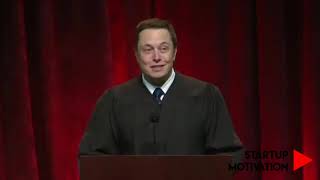 20147:43
 20148:18
 20141:30:59