2014年3月,华盛顿。参议院拨款委员会国防小组委员会开了一场听证会,主题是国家安全太空发射项目。四位证人里有一位是马斯克。
他开场给出的对比,把整场听证会的火药味定了下来:2013财年,空军为每一次国家安全发射平均支付3.8亿美元,另外每年还要给联合发射联盟(United Launch Alliance,ULA)超过10亿美元的固定成本补贴。哪怕那一年一发火箭都不打,这笔钱照付。
SpaceX的报价呢?商业客户6000万美元,空军任务加上额外的任务保证流程,9000万美元。马斯克说,这中间接近3亿美元的差价,很多时候够把卫星的钱也一起省出来。一颗GPS卫星大约1.4亿美元,他的原话是:
你可以理解为,发射免费送一颗卫星。我们的发射加卫星,比他们单发射还便宜。(马斯克)
坐在他对面的是ULA总裁兼CEO迈克尔·加斯(Michael Gass),一个在这行干了35年的人。ULA是波音和洛克希德·马丁的合资公司,2006年成立,此后一直是军方的独家发射供应商。加斯手里的牌是68次连续成功发射,以及超过6000亿美元的纳税人卫星安全入轨。
这场听证会不是技术讨论,是一次关于"垄断该不该结束"的公开对质。两边的论据都摆到了台面上,值得逐条看清楚。
项目怎么变成独家生意的
EELV(Evolved Expendable Launch Vehicle,渐进一次性运载火箭)项目诞生于上世纪90年代中期,当时发射卫星的成本和风险都失控了。军方希望有一套可靠的火箭,能把空军、国家侦察局(NRO)、海军的核心卫星送上天。
项目开局是有竞争的。政府原本打算最终只选一家,但当时普遍预测商业发射需求会爆发,一年几十发的量,于是决定保留两家,靠商业订单把价格压下来。早期还用了固定价格合同,企业按预期的大批量提前采购零件,政府确实享受到了低价。
商业需求没来。这个预测是错的,而且错得很彻底。加斯在证词里说,他自己就经历过那个年代:
1990年代,商业发射需求被预测为每年几十次,结果一夜之间蒸发了。(加斯)
供应商随后合并成一家。政府开始用固定价格买火箭硬件,用成本加成合同买"发射能力",也就是系统工程、集成、人员和设施那部分。1990年代末发生了一连串发射失败,10个月里美国有6次重大失败,损失几十亿美元。从那以后,军方的重心整体转向任务成功,成本控制被放到次要位置。
2011年,空军推出"批量采购"(block buy)策略,一次性锁定36枚火箭的核心,试图用规模换价格。政府问责局(GAO)在那一年出的报告里说,国防部当时并不掌握做这么大承诺所需的知识,对项目成本和工业基础的了解都不够。不过GAO的采购与源管理主任克里斯蒂娜·查普林(Christina Chaplain)在证词里也承认,此后国防部确实下了功夫,谈判拿到了实打实的节省,商业系统变得可审计,监督也加强了。
马斯克的五个论点
他的证词结构很清楚,五条。
第一条,价格太高。从2006年垄断形成到现在,创新停滞、竞争被扼杀、价格涨到无法持续的水平。他引用国会记录:波音和洛克希德合并时,新闻稿承诺节省1.5亿美元,结果产生了几十亿美元的超支,项目触发了Nunn-McCurdy违规,成本超出原预测50%以上。
第二条,竞争已经在门口。SpaceX为了拿到EELV认证,被要求完成三枚升级版Falcon 9的成功飞行,这个要求从来没对在位供应商提过。他们向空军提交了3万多项数据,向300多名政府官员开放了内部系统,认证有望当年完成。
第三条,竞争必须今年就开始。2012年,空军在国防部长指示下承诺竞争最多14次任务,2014年放出5次。马斯克说,他更希望全部开放,而且担心这5次里最后只有1次能在当年真正授出。
第四条,发射应该被当作商品。一旦存在竞争环境,联邦采购条例和国防部采办指令就要求使用固定价格合同,激励承包商按时按预算交付。前提是,那笔每年10亿美元给ULA的补贴必须受到限制,否则赛场根本不平等。
第五条,火箭在哪儿造。Falcon和Falcon Heavy从设计到制造都在美国,加州和德州,关键供应商遍布全国,从范登堡或卡纳维拉尔角发射。对比之下,ULA最常用的Atlas 5用俄罗斯主发动机,大约一半的机身在美国以外制造。
这最后一条在2014年3月有着特殊的重量。克里米亚刚刚被俄罗斯实际控制,美俄军事关系正式切断。马斯克的表述很直接:
在俄罗斯事实上吞并克里米亚、正式切断军事关系的背景下,很难说Atlas 5能为国家提供可靠的太空进入能力,因为主发动机的供应取决于普京总统的许可。(马斯克)
他因此提出,那份36枚核心的独家合同,值得重新考虑。
116亿美元的假设
听证会上最有冲击力的数字,是马斯克给出的这个:如果SpaceX拿到那份36枚核心的独家批量合同,纳税人能省116亿美元。
这个数字的计算基础是单价差。3.8亿对9000万,乘以36,量级对得上。他的论证方式也很朴素:如果价格差到这个程度,竞争一旦真实发生,价格至少会回到波音和洛克希德合并之前的水平,甚至更低。
加州参议员黛安·费恩斯坦(Dianne Feinstein)在会场竖起了一张GAO的图表,把这条曲线画了出来。她说,2006年ULA成立至今,空间发射的成本从6.13亿美元涨到2014财年的16.3亿美元,涨幅166%。Nunn-McCurdy违规时,平均采购单位成本相对2004年和2007年的基线增长了58.4%。国防部成本评估与项目评价办公室的独立估算显示,到2030年这个项目总花费将接近700亿美元。
我不认为消除竞争所承诺的节省真的实现了。政府、纳税人的成本确实一路飙升。(费恩斯坦)
她还读了2012年11月27日负责采办的副部长弗兰克·肯德尔(Frank Kendall)的备忘录,里面明确指示空军积极推进竞争采购,2015年最早授标,2017年最早执行,最多14枚核心。费恩斯坦说,据她办公室得到的消息,空军正在推迟并减少FY17之前竞争采购的数量。
加斯的反击:ELC不是补贴
ULA的辩护集中在一点上:那笔被反复称为"补贴"的钱,性质完全不同。
加斯把它叫ELC,发射能力合同(Evolved Expendable Launch Vehicle Launch Capability)。他讲了一个2004年的场景:那年两家公司竞争,用的是马斯克推崇的固定价格合同,结果国家安全卫星的交付严重延期,在轨能力持续退化,卫星什么时候出厂都不知道。火箭公司的人天天待命,没有卫星可发,固定价格合同下公司在亏钱,只能让员工休假,等需求回来再召回。
ELC就是那种能力,让作战人员能在需要的时候做出关键决策。它绝对不是补贴。(加斯)
换句话说,卫星延迟是常态,火箭必须随时待命,这份"待命的成本"没法打包进单次发射的价格里。他打了个比方,说这事像个钟摆:一度荡到极商业化的那头,又荡回传统国防合同那头,现在正往中间找平衡。
他对那张图表的解释是,红色竖线左边那段,一年只发射一到两次,钱是按"保持待命能力"付的;右边这段,一年发射十到十一次。用总金额直接除以发射次数,得出的单价当然会变。他还提到,2006年转换合同时,此前的亏损让公司返还了接近10亿美元的额度,从合同价格里扣掉了,那段时间政府不需要额外拨款。
加斯也承认过去的合同设计有问题。曾经用的是奖励费合同,要求可以不断蔓延,公司如果对要求说不,利润反而被扣。现在改成成本激励合同,承诺每年降本5%以上,白纸黑字写进合同,超额完成还有奖励。
68次成功算不算完美
阿拉巴马州参议员理查德·谢尔比(Richard Shelby)是ULA最坚定的辩护者,ULA的发动机装配工作就在他的州。他在开场白里强调:68次连续成功,100%的成功率不是小事。
他直接问马斯克:你承认68次连续发射是很棒的记录吧?
马斯克的回答绕了一下:
ULA的记录确实很好,但"完美成功"这个前提不太准确。Delta 4 Heavy首飞失败过,Atlas有一次部分失败,导致一颗卫星寿命缩短。说它完美是有问题的。(马斯克)
加斯的回应是把定义权交给客户:任务成功由客户宣布,客户说卫星在轨能力达标就算成功,ULA的利润与这个判定挂钩,失败不仅没利润还可能被罚款。
谢尔比接着追问了2012年10月的一次发射:Falcon 9上一台Merlin发动机失效,二级载荷入错了轨道,载荷所有者有什么追索权?
马斯克说,按客户的定义,那次主任务是把一颗商业通信卫星送入轨道,成功了;二级载荷是可选项,不属于主任务合同范围。加斯插话:如果那是合同要求,就不会被判定成功。
这段交锋的意义不在技术细节,而在标准的相对性。所谓"完美记录",取决于谁定义成功,以及合同里写了什么。
普京能不能掐断Atlas 5
主席迪克·德宾(Dick Durbin)把俄罗斯问题直接抛给加斯:RD-180发动机的供应可靠性如何,美国在授标时该不该考虑这个因素?
加斯的回答分三层。第一层是历史:二十多年前,在两届总统政府的鼓励下,美国企业去前苏联寻找可用的发动机技术,找到的这款产品技术更先进,价格也有竞争力。第二层是库存:ULA手里有两年以上的安全库存,实物已经在美国境内,近期所有国家安全发射都不受影响,公司还有另一个完全合规的产品线(Delta)可以顶上。第三层是国产化:
我们和RD-Amross的协议里包含联合生产的条款。我们买下了全部蓝图纸和规范,运回美国,从俄文翻译过来,在完全符合武器管制的前提下,证明了我们能造出最难的部件。为此投入了数亿美元。(加斯)
他还顺势说了一句让在场不少人点头的话:俄罗斯作为一个国家,长期持续投资推进技术,美国在先进推进领域已经落后,当年在俄罗斯看到的一些做法,美国的教科书上写着"不可能"。
马斯克没有否认这些,但他把问题拉回结构层面:即便有库存、有图纸,供应依赖仍然存在。他给出的方案是砍掉一条产品线:
合乎逻辑的做法是保留两个火箭家族,三个。ULA现在同时有Atlas和Delta,这两者是重复的。长期看,应该淘汰依赖俄罗斯发动机的Atlas 5,让ULA运营Delta家族,SpaceX运营Falcon家族,给国防部两个不同家族的可靠太空进入能力。(马斯克)
审计规则之争:苹果和橘子
谢尔比抛出了整场听证会技术上最关键的一问。马斯克在书面证词里承认,空军的采办方式要求详细的成本数据、会计审计和任务保证,这些给纳税人增加了可观的监督开销。那么,拿SpaceX的价格去比ULA的价格,是不是无视了ULA必须承担而SpaceX不必承担的那些成本?
马斯克的回答是:SpaceX同样向NASA和空军提供完整的成本数据,政府对它的成本结构有全面了解。差别在任务保证流程上,因为美国政府不给发射买保险,为了提高成功概率,军方任务要加一层相当可观的任务保证开销。
空军任务的成本比商业任务高出大约50%。商业发射6000万美元,空军任务9000万美元。而ULA那边是3.8亿。即便加上空军的开销,差距依然巨大。我引用的所有数字都已经包含了空军开销。(马斯克)
查普林从GAO的角度补充了这套规则为什么存在:成本加成合同下,政府付的是实际发生的成本,包括间接费用、养老金、各种允许的开支,所以必须有经过认证的标准系统来验证这些成本是否合法。固定价格合同下,政府只看价格,这些系统就不是必需的。她提醒委员会,EELV项目早期用商业合同时没有这些要求,后来转成成本加成,才被迫建立起来,这是一场"漫长而艰难的斗争",不是轻松达成的成就。
她同时给出了两种竞争路径的代价。沿用ULA现有模式:政府能保留对承包商成本和定价数据的洞察,未来谈判时议价能力更强;但新进入者要额外承担建立合规商业系统的成本,投标成本上升。走商业路线(FAR Part 12):有可能降低发射价格、提高效率;但政府很可能失去成本和定价数据,也失去调整发射排期的灵活性。她没有推荐任何一条路,理由是"从我们的位置看,不适合这么做"。
斯科特·佩斯(Scott Pace)从另一个角度补了一刀。他是乔治华盛顿大学埃利奥特国际事务学院空间政策研究所所长,之前是NASA的分析师。他说,在NASA时,SpaceX的价格是清楚的,但要把成本看到和其他项目一样的细致程度,比较困难。
有些地方我们说,SpaceX身上有点魔法,我们不完全理解,但我们欣赏结果。(佩斯)
如果规则一样,你敢不敢比
密西西比州参议员萨德·科克伦(Thad Cochran)问了一个把辩论逼到墙角的问题:如果所有规则对所有人一样,ULA会不会拒绝和SpaceX竞争?
加斯的回答干脆:绝对不会,ULA随时准备、愿意、也有能力在任何赛场上竞争。
科克伦紧跟着追问马斯克,如果这就是问题的核心,你怎么回应?
马斯克说,SpaceX能管理空军的全部要求,也许会认为其中某些要求不该存在,但空军提什么,他们就满足什么,能管所有空军的卫星,还有余力。
德宾接着问:固定价格竞争还是成本加成?
马斯克的方案是分层的:
基础火箭做固定价格竞争,然后对于任务独有的那些要求,那部分占比不大,可以走成本加成。如果空军说这颗卫星需要额外的任务代码改动、需要优先权,那增量部分走成本加成是合理的,但合同的绝大部分是固定价格。(马斯克)
加斯的反驳来自操作层面。他举了前一天的真实调度:加州第14空军基地刚在NASA和空军任务之间做了切换,一个NASA任务推迟,一个空军任务插进来,另一个NASA任务被挪走。在固定价格的世界里,这一连串动作会变成一连串合同变更,而当初为这种灵活性付的钱,恰恰是ELC覆盖的部分。他说:
不是公司想要什么,是国家需要什么,以及政府和决策者选择怎么交付。(加斯)
竞争会不会只是换一批垄断者
佩斯提出了整场听证会里最少被引用、却最难反驳的一个判断。他说,如果把成本拆开、为非商业流程单独付费,可能会看到Atlas退市、Falcon接管大部分任务、Delta保留重型能力的局面。这种市场更细分,但细分的结果是产生一批新的局部垄断:有些任务只有Delta能接,直到SpaceX研发出新产品;有些只有Falcon能接。
你把参与者换了一遍,把成本拆得更干净,但政府的总成本会不会下降,还得看。(佩斯)
他在另一个环节还提醒,美国只有一个发射工业基础,不分国防部的和NASA的。NASA用更精简的流程买发射服务,效果不错,那是因为NASA没有国防部那种"确保所有载荷都能进入太空"的政策要求。科学任务可以挑最便宜最可靠的火箭,国防任务不行。
查普林的证词里还有一句常被忽略的话:竞争的"目标"已经达成了,只是不同竞争者偏好的路径不一样。
加斯那句被追问两次的话
德宾在第二轮反复回到同一个点。他说,他走访美国各地的国防企业,听到的都是同一句话:预算一直砍,最好的工人就要流失,等国家真需要他们的时候,他们就不在了。他问马斯克,砍掉那笔补贴,会不会危及ULA的产能?
马斯克的回答是,这个理由已经不成立了:
今天空军和国家侦察局每年有稳定的四次发射节奏,不像过去那样一年一个样。为稳定性付钱的理由没有了,因为需求本来就稳定。(马斯克)
加斯被问到同一个问题,回答是价格竞争能不能降低纳税人成本,取决于赛场是否公平开放、所有人是否承担同样的要求。如果为了容纳两家而让所有人都维持冗余产能,反而可能产生额外成本。他举了战斧巡航导弹的例子:国家想让两家都活着,就告诉两家"你们都不会倒闭",竞争很快变成争夺输的那一半份额,赢家通吃的激励消失了。
科克伦最后说了一句总结性的话,他回忆多年前和加斯见面时,对这是个"独家生意"感到意外,当时得到保证说成本会降下来。他问:如果规则一样,ULA会不会说不参加?加斯说不会。科克伦说,那就该这么做,竞争是美国授予合同的基本要求。
那场听证会真正争的是什么
把四位证人的证词叠在一起看,分歧不在事实层面,在于一个问题:政府买的是"发射"这件商品,还是"随时能发射"这种能力。
如果买的是发射,那它就是商品,价格应该由市场决定,谁便宜用谁,冗余产能是浪费。马斯克的整套论证建立在这个前提上,而且他用一个漂亮的对比收尾:
如果我们的火箭好到NASA愿意用,为什么空军不能用?这说不通。(马斯克)
如果买的是能力,那它就不是商品,是国防基础设施的一部分。卫星会延迟,威胁会变化,任务会临时改优先级,这些都需要一条随时能响应的产线和一支不会散掉的队伍。加斯和佩斯都在这个前提上说话。
佩斯把它翻译成了决策者听得懂的语言:政府到底想要哪一个?是某一次任务的最低价格,是所有国家安全任务的最低价格,是所有政府资助任务的最低价格,还是以最低成本确保美国工业基础能满足全部需求的可靠进入能力?这四个目标互相冲突,选哪个,决定了合同怎么写。
他还有一句更尖锐的:
产业竞争是工具,不是目的。取决于市场条件,竞争可能以更低的成本满足国防部的需求,也可能满足不了,只是把政府的成本挪到别的账上。(佩斯)
十年后回看,这场听证会的实际结果是竞争真的发生了。空军后来开放了发射竞标,SpaceX完成认证,2018年前后拿下了第一批国家安全发射任务。Atlas 5逐步退役,ULA转向火神(Vulcan)火箭,用蓝色起源的BE-4发动机替换了RD-180。俄罗斯发动机的隐患,最终以另一种方式被解决。
但佩斯的提醒依然成立:市场从一家独大变成两家分食,成本曲线的走向,取决于政府怎么定义自己在买什么。
如果你关心这件事,可以做的几件事
这场听证会的信息密度很高,但它的价值不在结论,在于它示范了一种把复杂采购问题拆开看的方法。对做技术、做产品、做采购决策的人,有几个可以直接拿走的动作。
- 看到"单价"就先问分母。费恩斯坦的图表用总拨款除以发射次数,加斯的解释是一年两次和一年十一次不能这么除。任何成本对比,先确认分母是一致的东西。
- 区分"商品"和"能力"。你的组织为某个供应商付的钱里,有多少是买交付物,有多少是买"随时可用"。这两笔钱该用完全不同的合同形式,混在一起谈价格永远谈不清。
- 把固定价格和成本加成切开用。马斯克提的分层方案值得抄:主体走固定价格,任务独有的增量部分走成本加成。一刀切任何一种都会出问题。
- 警惕"为了保住产能而付钱"这个理由。它可能成立,也可能只是历史遗留。判断标准是需求是否稳定,如果需求已经稳定,这个理由就过期了。
- 供应链的单点依赖要算进总账。ULA有两年库存、有全套图纸、证明了能国产化,这些都真实存在,但一枚火箭的主发动机供应取决于另一个国家的领导人,这个风险不会因为库存而消失。
- 面对"我们有完美记录"这类说法,追问定义。谁判定成功、合同里怎么写的、失败过几次被怎么归类,这比成功率的数字本身有用得多。
- 如果要做竞争性采购,先想清楚规则要不要对齐。规则不对齐的竞争会变成两种成本结构的对撞,谁都说不清谁更便宜。规则对齐的代价是可能产生冗余产能,这笔账要提前算。
0:03fence appropriations subcommittee we're going to start a minute or two earlier early which is unprecedented the Senate because we have vote scheduled and I'm going to try to get as much testimony and as possible before we might have to break for a vote should that occurrence arise soon so i'll make my opening statement i want to acknowledge at the beginning that senator Cochran is not late no one is late at this point I'm starting them minute or two in advance today the defense subcommittee will receive testimony on national security space launches with a focus on the evolved expendable launch vehicle or the ee lv program our questions expose some
0:41of the core trade-offs and defense policy and highlights several challenges we face as a nation what is the best use of taxpayers money how do we promote in reward innovation how do we safeguard the viability of our industrial base how do we protect our competitive edge against other nations will return to these questions and many others throughout the years we review the president's fiscal year 2015 defense budget which we receive just this week today we discussed the EE lv program which was created almost 20 years ago when the costs and risks of launching satellites were out of control AEL the mission launches apartment missions launched the most important satellites
1:25developed by the Air Force National Reconnaissance Office and the Navy not to mention NASA and a few a fewer number of commercial customers the program has been extremely successful in launching satellites that cost the US taxpayers literally billions of dollars the safety record of the Atlas 5 and Delta for rockets made by the United Launch Alliance is remarkable but we do have some concerns about the acquisition strategy and cost and future of that program from twenty eleven to twenty fourteen the amount the Air Force budgeted for an average of six satellite launches per year grew by sixty percent in that three-year period there are many answers as to why the program became
2:09more expensive but the important question is what should we do about it over the past three years the Air Force has tried to control costs by stabilizing ula production with a blocked by of 36 rockets from Yale a while fostering competition from new entrants such as SpaceX the subcommittee needs to better understand the cost of the current program how to ensure that competition is fair and presents the best best value to the government and whether we need to do more to ensure that we can deliver satellites on orbit in the most efficient and affordable manner these decisions on how to purchase access to space could have lessons that are applicable to many
2:47other defense capabilities could the Pentagon learn to live with only one major supplier of rockets by better managing that industrial capability with smarter buying and better negotiating or should the Department of Defense be moved be more forward-leaning and embrace companies that challenge the rules on how we normally run defense programs it's been the general practice the Appropriations Committee to direct questions about acquisition programs to the government officials responsible for the use of taxpayer money today we're taking a different approach by going into the details of the EE lv program with the two companies most involved in the upcoming competition as well as two
3:26distinguished experts in space acquisitions their views and insights on the EE lv program will inform the subcommittee's deliberations on the fiscal year 2015 budget request and also shape our thinking about how the Department of Defense can best maintain access to space in a fiscally constrained environment I'm going to welcome our witnesses Christina chaplain director of acquisition sourcing and management at the Government Accountability Office Michael gasps president and CEO of United Launch Alliance Elon Musk CEO and chief designer of space exploration technologies dr. Scott pace director of the space policy institute at the Elliott School of International Affairs
4:08George Washington University I'm going to ask the witnesses to provide their five minute opening statements but a note the presence of the ranking member of the full Appropriations Committee senator Shelby of Alabama and I'd like to give you an opportunity if you wish for an opening statement Sherman thank you very much I will try to be brief because we have a distinguished panel here delivering national security satellites safely to orbit is one of our most important national security missions this requirement is precisely why the Department of Defense focuses on mission success and reliability in the evolved expendable launch vehicle or what we
4:49call a e lv program this focus and the work of the e lv sole source contractor the United Launch Alliance has resulted in 68 consecutive successful missions 68 success consecutive successful missions I recognize this achievement not just as the senator from Alabama where the ula pro ula performs its engine assembly work but as someone who has watched the defense industry for decades and knows that a one hundred percent success rate is no small feat as the department of defense moves forward with a new acquisition strategy for the ee lv program i believe we must ensure that the program's record of success is maintained much of today's discussion
5:39will focus on competition and I agree that competition typically results in better quality and lower price contracts but the launch market is not typical it is limited demand it is framed by government industrial policies and while the goal of competition is to lower the cost of access to space which i think is good combined with the need to maintain performance and reliability such as we have today competition may not actually result in a price reduction for the federal government I believe that much of the closest cost associated with the ee lv program today can be attributed to the Department of Defense decisions about the structure of the program
6:23including the practice of purchasing one launch vehicle at a time rather than a lack of competition simply modifying this buying strategy alone and moving into a new block by approach has already resulted in significant say and will ultimately say Abby saving billions of dollars the Air Force for example is estimated 4.4 billion savings so far the wise stewardship of taxpayer resources is essential to in all government programs and oftentimes competition is key in this case the safety and security of our national security payloads is paramount I'm not convinced yet that a wholesale change in the ee lv program is the answer when we witnessed significant results from a
7:10minor modification to purchase and practice it practices in the existing program what I do look forward to the testimony of our witnesses on the role of competition in this unique market and in exchange as to why see change in the program is necessary to achieve savings if it is Thank You mr. chairman thank you very much senator Shelby and now we'll have our witnesses give an opening statement they're written statement will be made part of the record if they'll take five or six minutes to summarize it we can then open it to questions and first person to testify Christina chaplain as I mentioned director of acquisition sourcing and management at
7:51the Government Accountability Office which has done a comprehensive review of this issue which I commend to my colleagues and those who are following this debate mr. Chaplin please proceed mr. chairman thank you for inviting me today I'm very pleased to be here to discuss the EOB program the program itself has been through different contract arrangements and acquisition strategies there was competition at the beginning of the program with the aim of ultimately selecting one company though the government opted to keep two companies based on the assumption that there'd be a surge in commercial demand that would allow the government to benefit from lower costs fixed price
8:28contracts were used also in the early early part of the program and the government was able to benefit from prices that were lower because the companies purchased items in bulk he items in bulk an anticipation of the predicted high demand of the commercial market after the commercial market did not materialize as expected however there were several significant changes to suppliers merged into one the government began using a fixed price contract to acquire launch services and a cost type contract to acquire the capability to launch that hardware in view of launch failures that are currently 1990s with the Heritage lunch program the government placed most of
9:08its focus on mission success and not as much on controlling costs and as you mentioned there has been a good record of success in stem in 2011 the Air Force embarked on the block by strategy and anticipation of significant price increases however the GAO found that the government did not have the knowledge it needed to make such a significant commitment particularly with respect to program costs and the launch industrial base at the time there also mixed views within DoD about the value and viability to introduce competition to help lower prices but DoD ultimately set out to do so since our 2011 report DoD has made
9:49strides in gaining knowledge about costs and other issues surrounding the lv and it has achieved significant savings and negotiating the block by there may be a debate as to the validity and extent of the savings but we do know that the DoD perform the analysis and the studies that better-armed it for negotiations further the program now benefits from auditable business systems and greater oversight DoD deserves much credit for these efforts there were also significant positive changes in the new contracts but the basic way of acquiring launch services remain the same there's a fixed price arrangement for the vehicles themselves and a cost arrangement for the capability launch
10:30the vehicles which includes things like systems engineering and integration it is important to keep in mind that the capability contract maximizes the government's flexibility which is beneficial when there are plays and satellite deliveries the block by contractors 435 rocket cores and DOD plans to compete up to 14 cores starting as early as 2015 their number ways DoD could run this competition we looked at two ways at each end of the spectrum for some reason we did for the Congress when is the contract similar to the way it currently contracts with you la the others to follow commercial approach my statement details the benefits and challenges of
11:12both in short if DoD contracts similar to the way a contracts with you la DoD could retain insight into contractor costs of pricing data which would lend itself to a better bargaining position in future negotiations but this approach could also add costs for the new entrants including a cost plus portrait portion and bid proposals for instance would require them to develop an install new business systems to fulfill government data requirements if do you default a commercial approach it could have an avenue to decrease launch prices and increase efficiencies however it also likely lose access to contractor costs and pricing data and some flexibility and rescheduling launches of
11:53satellites delivery skip we did not recommend an approach it is not Jo as well to do so and there are other possible approaches the goal of introducing competition has been achieved though the competitors may prefer different paths the factors that DoD will need to weigh as it makes its choice likely include they need to maintain a high degree of reliability as the satellites being launched are expensive and our vital to national security the need for flexibility and launches the importance of retaining cost and pricing data the need to keep costs down and considerations about the future governments demand for launch services this concludes my statement and
12:31I'm happy to answer any questions you have thank you very much miss chaplain we will have some questions but next we're going to hear from Michael gas president and CEO of United Launch Alliance mr. gas chairman Durbin ranking member Cochran members of the subcommittee thank you for the opportunity to appear today to talk about the EE lv program and the future of space launch on behalf of the men and women of United Launch Alliance and the entire eee lv supply team we are honored to be entrusted with the responsibility of safely delivering critical national security capabilities to orbit ula also
13:07supports customers outside of national security for NASA we have launched science missions to the mercury Jupiter and Pluto and even sent the Rovers on to Mars our customers extend beyond the government to commercial sector with nine commercial missions to date and several more on the manifest I am also pleased to report that ula in the government team have consistently delivered a hundred percent mission success over sixty eight times since the inception of the program delivering over sixty billion dollars of taxpayer funded satellites we are currently at a tempo of a launch of one launch every month ula is Atlas 5 and Delta 4 are the most powerful and most
13:51reliable rockets in the world they are the only rockets that fully meet the unique needs of the national security community the Air Force et al v program was openly and fairly compete in the late 1990s with a unique active acquisition strategy at the time that requires significant upfront investment by industry Lockheed Martin's Atlas and Boeing's Delta products with the winners of that competition over the past 17 year the program has continued to deliver meeting the needs of our nation effectively and efficiently the EE lv program is entering a new era the Air Force new acquisition strategy aims to maintain reliability and stabilize the industrial base while reducing costs and
14:33potentially reintroducing competition the new strategy is a welcome improvement from the highly inefficient and cause the approach to buying rockets one at a time the next phase of the air force strategy is to reintroduce competition I believe they're important questions about how EE lv competitions will be structured to ensure they are fair and open and where the competition will actually save that savings that is
15:00promised ultimately the central question is whether savings from competition will be sufficient to offset the cost of duplicating existing capabilities ula was formed to enable a short access to space with two separate launch systems with the recognition the macadam demand was insufficient to sustain two companies we went from two competing teams and redundant an underutilized infrastructure to one team that is seated the savings of consolidation expectations looking to the future ula
15:33is investing in new technology and concepts to make our products better and more affordable we are investing in internal funds to develop a capability to launch to GPS satellites at once cutting launch costs almost in half ula along with our government customers is reviewing every requirement and every process to eliminate any unnecessary or inefficient elements ula also is aggressively expanding its customer base both at NASA and the commercial sector with additional launches because improved utilization of the fixed infrastructure improves the cost for all customers ula and our industry partners are working closely with NASA's Space Launch System and other DoD programs to
16:14find opportunities to improve product designs and efficiently utilize an existing industrial base infrastructure the lower the cost for all programs on a personal note I've been in this business for 35 years I worked with the government and every imaginal approach to buying launch services from the traditional DoD contracting approaches to the commercial approaches from Brian rockets and blocks to buying them individually I've also worked extensively in the international and commercial sectors I was there in the 1990s when the commercial demand for launch was projected to be dozens of launches per year only to have the projected commercial demand evaporate
16:54overnight I believe leveraging the demand of the commercial sector is smart but relying on commercial demand to enable national security carries huge risks both to the rocket supplier and to its government customers I've also experienced some of the launch industry's darkest days such as in the late 1990s prior to the EE lv program when the u.s. suffered a series of six major launch failures over a 10-month period those losses totaled billions of dollars and were harsh reminder that launches risky and extremely unforgiving it's difficult to overemphasize the loss of national security those values cause i believe the impressive successes we've
17:37cheered on eee lv stem from the lessons learned from those failures these lessons include sustaining a laser focus on technical rigor and the importance of open and transparent relationship with our government customers and the acquisition strategies that align with customers priorities in summary i believe the heel of aelvesgold
18:09further drive down costs without compromising the reliability and readiness thank you for the opportunity and I look forward to your questions thanks mr. gasp Elon Musk CEO and chief designer of space exploration technologies the floor is yours I want to turn on your back there we go mr.
18:27chairman ranking member Concord members of the committee thank you for having me here today SpaceX was was founded to make radical improvements to space transport technology with particular regard to reliability safety and affordability today it is arguably one of the leading aerospace companies in the world with nearly 50 missions contracted at a value of approximately 5 billion dollars we've launched a falcon 9 rocket 8 times with a high percent success rate including 4 launches vanassa 3 which docked with the International Space Station and and and have launched a sophisticated geostationary satellite for the world's leading satellite companies we are
19:10restoring America's competitiveness in the global commercial space launch market as the the only US company that is consistently winning head-to-head competitions for launch opportunities at the world level with respect to the e lv program i have five points to make the first is that the airports and other agencies are simply playing too high a price for launch the impacts of relying on a monopoly provider since 2006 were predictable and they are born out Space Launch innovation is stagnated compared competition has been stifled and prices have risen to levels that general Shelton has called unsustainable when
19:49when the merger between Boeing and Lockheed business occurred the merger promised in the press release 150 million dollars of savings instead there were billions of dollars of cost overruns and an anon mccurdy breach for the program exceeding fifty percent of its cost projections according to
20:13congressional records in fy13 the Air Force paid an average of 380 million dollars for each national security launch while subsidizing ula fixed costs the tune of more than a billion dollars a year even if they never launched a rocket by contrast base X's price is well into 100 million dollars meaning a savings of almost 300 million dollars per launch which in many cases would pay for the launch and the satellite combined so if you took something like a GPS satellite which is about 140 million dollars you could actually have a free satellite with the launch so our launch plus the satellite would cost less than just their launch which which is an
20:53enormous difference and we seek no subsidies to maintain our business to put this into perspective had SpaceX been awarded the mission to LA received under its recent non-compete at 36 coal block by we would have saved the taxpayers eleven point six billion dollars competition it point number two
21:16competition is coming to the national security walk if this has been acknowledged and we already compete we are ready to compete for that in order to be certified as an e lv provider SpaceX has had to meet a number of requirements that were never demanded of the incumbent provider we were required to successfully launch three flights our upgraded felt mine vehicle which we achieved in January Andhra l EO v
21:41certification agreement we are undertaking vigorous engineering reviews with the Air Force today we've delivered more than 30,000 data items they enforce and provided total access to our internal systems to more than 300 government officials for certification and we hope to complete that certification this year point number
22:00three is we really believe that robust competition must begin this calendar year we applaud the early steps therefore nro have taken to reintroduce competition into the lv program in 2012 the air force under direction from the secretary defence committed competing up to 14 missions with 5 a bill with five missions available for competition this year of course we would greatly have preferred that the Air Force opened all of its missions for competition and and we have serious concerns that the five missions that will be competed this year well will not actually be these vibrations will not actually be awarded this year we recently learned that
22:38perhaps only one will be awarded this year point for with the advent of competition a launch should really be viewed as a commodity and any competition between new entrants and ula should probably acknowledge the launch subsidy received by the incumbent consistent with federal procurement regulations and DOD acquisition directives when a competitive environment exists the government should use firm-fixed-price far apart 12 contracts their proprietary incent contractors to deliver on time and on budget that means limiting the billion dollar subsidy at annual subsidy to to ula which creates an extremely unequal playing field and the final point is
23:17that our bulking line Falcon Heavy launch vehicles are truly made in America we design and manufacture rockets in California Texas with key suppliers throughout the country and launch them from either Vandenberg Air Force Base or Cape Canaveral Air Force Station the stands in stark stark contrast to the United Launch alliances most frequently fluent vehicle the Atlas 5 which uses a Russian main engine and we're approximately half the airframe is manufactured overseas in light of Russia's de facto annexation of Ukraine's Crimea region and the formal severing military ties the Atlas 5 cannot possibly be described as providing assured access to space for
23:56our nation when supply of the main engine depends on president Putin's permission given this development it would seem prudent to reconsider whether the 36 Corps I'm competed sole source award TLA is truly in the best interest of the people United States I think the committee for the opportunity and look forward to addressing any questions thank you very much our last witness dr.
24:16Scott pace director of space policy institute Elliott School of International Affairs at George Washington University dr. pace okay Thank You chairman Durbin and ranking member Cochran members of the committee for providing this important opportunity to discuss the topic of national security space launches as called for in u.s. national policy the united states and the DoD in particular need to decide how it best assures the existence of quote to us-based transportation vehicle families capable of reliably launching national security payloads unquote a space industrial base meeting all government needs cannot presently be sustained by private market demand alone
24:55thus a significant degree of government support will be necessary for the foreseeable future the e-elt program has exists today is the result of technical economic and policy decisions made over several decades today physical constraints rising launch costs limited demand and strict government requirements have combined to create a complex ongoing debate about the role of competition and the procurement of ee l v klasse launch services the National Space policy states quote that US commercial space transportation capabilities that demonstrate the ability to launch payloads reliably will be allowed to compete for US government missions on a level playing field
25:34consistent with established interagency new entrants certification criteria I emphasize the phrase level playing field as the determination of just what this means is central to the question of competition going forward industry competition is a tool not an end in itself depending on market conditions competition can result in meeting DoD needs at lower costs or failing to meet those needs and merely shifting government costs to other accounts the e lv program as managed by ula today represents a high degree of experience and capability as a potential competitor for national security launches spacex brings in my view and intense focus on cost control while meeting customer
26:16launch needs the policy issue is not one of SpaceX and other potential new entrants versus ula as much as it is one of deciding what the role of DoD should be what are the government's policy priorities should we be trying to for example get the lowest price for reliable transportation to orbit for a particular mission get the lowest price for all national security missions get the lowest price for all government-funded missions assure access to space for all needs with a u.s.
26:47industrial base at least cost so the question it really is one of the scope that this committee wants to take the launch services new entrant certification guide is a thoughtful and prudent approach to assessing potential entrance the more difficult question comes with what happens after a new entrant is certified will incumbents and new entrance with very different histories compete under the same rules and whether they do or do not what may be said about the rules themselves reliability and readiness have been the top priority for national security launches can the critical need for mission assurance be achieved at lower costs than the way we do it today this
27:26certainly seems desirable even plausible but careful thought needs to be given as to what responsibilities and capabilities ought to remain within the government will the government have the authority to order a stand down of a vehicle family and the event of failure our agency's willing to relax or modify their use of cost accounting rules and other far based requirements for all launch service providers in short how much does the government willing to pay for process and how much is it willing to pay for performance I would note here the GAO report I thought was very germane on this point in terms of pointing out some of the issues defense
28:03acquisition reform is a much larger topic than the present hearing but it's nonetheless relevant deciding how to best acquire space launch services may provide opportunities for pilot testing some forms of regulatory relief for example the government could pay separately for non-commercial processes and deliverables rather than having all costs bundled into the launch costs or company overhead the government may still pay more for its launches and a commercial buyer would but the cost drivers would be more visible and accountable and we more easily allow cost-benefit trades for government decision-making the most important consideration for any policy choice and
28:39implementing approach is that it be clearly ated inadequately funded with clear priorities as to which requirements schedules and goals will be relaxed if resources or regulatory relief is not forthcoming to do otherwise is to invite failure thank you very much for your attention and be happy to answer any questions that you might have dr. pace thank you very much and I think you can tell from the opening statements that this is a subject that I found challenging to the committee and to Congress that really called for a much different approach and hearing to bring together two companies from the private sector to express their points of view
29:18I'm done something it's a little unorthodox here I've invited each of the companies represented ula through mr. gas and SpaceX through mr. musk to submit ten questions to the other side so that we can hear what they consider to be the strengths and weaknesses of their position and those will be submitted for the record and I encourage each of them to respond appropriately and in a timely fashion let's get down to some specifics if we can mr. gas rushes in the news and the question about sanctions by the United States against Russia for their adventurism in Crimea raised a question about our future relationship with this company or with this country I ask you when it
30:05comes to your use of the rd-180 engine on your Atlas 5 missions what you think is the reliability of that engine being available from Russia for the immediate future and whether United States and the interests of its own defense should take that into consideration when it Awards these contracts Thank You senator durbin and we all watching and caring for the people in the Ukraine is in the situation first let me kind of give a little bit of history on the engine dev we went to the former soviet union with with encouragement from two presidential administrations more than two decades ago to look at capabilities that were in Russia that were in in the former Soviet
30:47Union and what we found was a an engine that was more advanced in technology and could be bought and we'll going to cost competitive way that we had here in our country what we have done and to protect and for that concern since the day we started with that relationship more than two decades ago we protected the nation and what do we do from united launch alliance first and foremost we have two years of safety stock inventory actually today we have greater than that in country and our ability to launch any of the near term satellites that we need to do for national security at United Launch Alliance we have another product that is fully compliant and ready to
31:27support any of the missions so from a nation we are not at any risk for supporting our national needs we've always kept our ability to not to be leveraged in a case of any kind of supply interruption so I understand for clarity here you're saying that you have warehouse tour stockpiled engines for two years possible launches what about the capacity to produced that same engine in the United States Thank You senator MIDI have as part of the deal that we signed with the company called rd amorous was the joint venture of united technologies and the company in russia called NPO inner gamache we had a business deal where we could buy co-produced that engine we bought all
32:14the blueprints and specifications brought him into the country and demonstrate that we can take the blueprints and specifications that it were written in Russian translated them and at full arms relents relationship demonstrate we can build the most difficult products and we've done that over several years we invested hundreds of millions of dollars to prove that we have the capability to demonstrate our ability to build that exact engine I've always encouraged the nation and to kind of follow what we saw in Russia that they as a country invested consistently in propulsion technology we have kind of fallen behind in advanced technology when we went to Russia there were things
32:54that they were doing that we found in our textbooks said was impossible so you know it just shows that you can break the bounds of technology and we have the ability now that we know how to do it ready to do it the people in the United Launch lights industry the work that's being done at Marshall Space Flight Center and at the air force research labs has been pushing our envelope of technology we need to stay on that constancy of purpose mr. musk one cannot help but be impressed by the numbers that you've given us in terms of the cost of your product measured against ula we start with the premise that Senator Shelby noted ula has a flawless record it's been able to achieve the
33:36goals that we've set for them time and time and time again your suggestion is we paid dearly for it and could pay a lot less now I guess the question I need to ask the premise of this is goes back to the creation of ula do you believe it is possible to maintain two companies in competition for future launches and could your company with a record of success but more limited because of the time that you've been around be able to compete without forget for example commercial business to sustain you when government budgets cannot yeah absolutely at first I should mention that the the premise of perfect success is not not quite correct for for you la
34:20it is they definitely have a very good track record but the the first Delta for heavy failed and there was partial failure of the one of the Atlas missions which resulted in a satellite having reduced life so it's certainly a good but but it's not not quite correct sage it's a it would be a flawed premise to say it's perfect what I think is a lot
34:44logical sort of thing thing going forward is that there would be two families of rockets but not three families of rockets so currently ula has both the Atlas and the Delta but those those are redundant we don't need both of those rocky families and I think it would make sense to to you know for the long-term security inches of the country it's probably phase out the Atlas 5 which depends on the Russian engine and have ula operate the Delta family SpaceX
35:12operate the Falcon family giving the Defense Department assured access to space with two different rocket families i think that's that's the logical thing to do going forward and i think it would be the best thing on we do in every respect for the country mr. gas before i was chair of
35:32the subcommittee we look closely at the ELC account the cost plus account that basically has been described in many different ways to maintain the capability infrastructure necessary so we are dealing when we deal with you la which with the actual fixed price of the product the launch that we are purchasing and then an ELC which has been characterized as an infrastructure investment a subsidy a cost plus item what I hear from mr. musk is that he doesn't need that cost plus item he doesn't need that subsidy in order to compete with you so the question for the taxpayers why should we give your company a special break when it comes to these launches if you can't meet
36:19competition head on well first again thank the question and I knew knew it was coming and you know i was listening to mr. musk an ironic moment came back to me and that was probably more than a decade and a half that i was sitting in the back of a room like this when do some generals and some industry leaders sitting here explaining to senators like yourself about why there was some of these failures that cost billions of dollars of lost capability and they were held accountable and most of them their careers ended and can be changed the acquisitions dragging the ELC was it was outgrowth of that event what and i want to put you in the shoes of the director
37:03of the National Reconnaissance Office and the Air Force in 2004 the two companies competed we were at a far 12 fixed price type contract as mr. Moscow was advocating all the national security satellites that Congress funded that were being new New Starts was significantly behind schedule the capabilities in orbit was significantly deteriorating the satellites we're not sure when they were going to come out of factories that were going through final test having problems and the nation needed the launch vehicle company to stand ready whenever that satellite came the nation needed that satellite to be launched successfully whenever it was ready and a fixed price business we were
37:47losing money there was no satellites to be launched we had people standing around we would have furloughed I work for us for a while and come back when there was enough demand when the when those satellites already pull up the demand so we had a creek come up with a solution that provided the national security capability so the ELC is just that capability to gives the flexibility to the warfighter to make the critical decisions when they need it it's not as it's categorically not a subsidy I wish I had a contract that mr. musk has that has from the NASA commercial cargo activity much better for making us competitive in in the true commercial
38:28market because it doesn't come with any of the constraints and burdens of accounting that I think miss chaplain articulate articulates that comes with a lot of restrictions so ELC is not a subsidy it's about providing national security capability with the folk laser focus on mission success and I also encourage the committee to think about it as a pendulum we swung at one point in time to a very commercial model we swung to a very classical DoD contract
38:58and the pendulum is moving back to a middle we need to find that right equilibrium that brings that balance of critical missions and it promotes cost competitiveness thank you I'll have some more questions in the second round senator Cochran mr. chairman thank you very much for convening this hearing it's obviously very appropriate and timely I wonder what the reaction of the panel is to the Air Force's new strategy to reintroduce competition in the e lv program at the same time recognizing
39:33that we have significant mission success which has been achieved by United Launch Alliance the sole source launch provider since 2000 what is your reaction to that situation should we continue to support this as it is or should we make changes that the president would retreat with huge like Todd says whoever wants an injury I
40:05think when we did our report in 2011 the idea of having competition in this program arose and over time the ud did recognize that this was way to lower costs the costs were a real issue back in 2011 just to quote Frank Kendall who is the acquisition leader at DoD with no threat of competition DoD the e lv and the prime contractor or an important ago she a ting position and pay the price demanded so competition is one avenue to put pressure to lower prices it's not the only Avenue the other Avenue is to gain insight into cost and pricing and to take actions to gain more efficiencies within the program you have the Air Force is doing both they've also
40:53you know the NASA side uses competition to do its launches it works pretty effectively and I ula and SpaceX are both used to working under those arrangements it's worked well for another government agency mr. gas may have an impression to share with us absolutely the measures of success should not be how widely competition is employed but how wisely competition is employed and when we started this program we had a two competing companies the lockheed martin corporation a boeing company and it wasn't working so can we formulate competition that could work that's actually going to save the taxpayer to money and when you deal with the limited demand of the nation and
41:40some of the unique requirements that nation is how are we going to have that competition to be on a fair and level playing field some of the most unique missions clearly don't need multiple capabilities in this country and if we talk about fair and level competitions is it two companies as three companies as a fork please when does it stop at how do you limit other companies from wanting to participate and taking a niche of the other product I shared the story of when I was here in about a decade and a half ago I was running a program called the Atlas too it was supporting VOD programs on a far competitive basis we were launching basically the military
42:22satellite constellation we had a block by of discus and UHF which have been replaced by the wgs and mu O's in today's constellation we had a block by fixed price commercial contract with that contract we were able to compete for NASA for commercial missions fairly successfully after that those disasters I was promoted and I now had all of the many launch capabilities and I was cleared for some classified missions and recognized those missions can't work in a competitive commercial environment as those capabilities are so unique that it just doesn't which would not work and would cost the government excess funds to stand up multiple companies to have
43:08that redundant capability I always go back when I share with that acquisition officers the story many years ago I worked on the Tomahawk cruise missile program and the country wanted to duel sauce and have competition well the demand wasn't there they told the company's you're going to stay in business and it quickly became a competition to win the losing share there was no incentive to win the majority share because if you don't have a winner-take-all survival of the fittest kind of competition and you know that you're going to be kept around it doesn't it also does work miss Chaplin talks about the lessons learned in the balance I'm all for that pendulum moving
43:48to to to the right spot for our nation and delivers taxpayers a better and more efficient active Thank You mr. musk what is your reaction to that well I think as a country we've we've generally decided that competition and the free market is a good thing and that monopolies are not going and it's interesting to note that from the point of which Boeing and Lockheed launched business merged from the point which they stopped being competitors the costs doubled since then and I think the
44:26reality is when competition is introduced you will set you go reliability is a key factor in competition so that that would be a deciding factor in who wins what launches it doesn't become less important it becomes more important but the cost to the US taxpayer will drop substantially I think they will drop at least to the level that they were before Boeing and Lockheed became monopoly in the launch business and perhaps even better than that and frankly if our Rockets are good enough for a NASA why they're not good enough for the Air Force it doesn't doesn't make sense hmmm dr. pays well I think the previous two
45:07comments have highlighted the importance of looking at this is more than just do d that is what actions occur in the commercial market what actions occur with NASA all affect the same industrial base there isn't really a DoD Space Launch industrial bases a US launch industrial Basin so what actions other agencies pursue has an impact here as is
45:29mentioned nASA has been successful in using more streamlined processes for buying its launches I think it's also fair to say that NASA doesn't have the same policy requirements for assured access to space that DoD does I dealt when I was at NASA with a lot of the science mission community and they were plainly opportunistic they would buy the best most reliable vehicle they could at at least cost but they did not have the same policy imperatives for assured access to space for all their payloads that DoD does so the question is what does the government want how much is it willing to give regulatory relief to move that pendulum back and how much
46:11does it still want to have the kind of cost and data and pricing insights that it's traditionally asked for and whatever it does it needs to be done beyond just DoD but needs to be looking at other government purchases you know such as NASA practices that would be my response yeah Thank You senator Feinstein thank you very much for holding this hearing I'm not a newcomer to this issue i think it was several years ago that you la came in and talked to me and all of these companies are in california in one way or another and so I've had a great interest in trying to follow this mr. chairman and I don't believe that the promised savings of eliminating competition have
47:00materialized the cost of the government to the taxpayer really has skyrocketed behind me is a chart from the GAO is written testimony for this morning's hearing it depicts the cost of the EE lv program since its inception the red line shows when you la was formed so the cost of this program before and after competition for Space Launch depicted by the red line is starting startling since 2006 when you la was formed spatula space launch costs have increased from
47:41613 million to 1.6 3 billion in fy14 that's a one hundred and sixty-six percent increase for the program overall mr. musk mentioned and he's correct that in 2012 this program triggered a nun mccurdy breach when average procurement unit costs grew 58.4 percent against both the original 2004 and 2007 modified
48:12baseline most startling the most recent independent cost estimate from the cost assessment and program evaluation of DoD projects the program will cost close to 70 billion dollars through 2030 I welcomed secretary Kendall's acquisition decision memorandum dated November 27th 2012 and
48:42I'd like to submit this for the record if I may mr. chairman the memo states and let me read it I direct the Air Force to aggressively introduce a competitive procurement environment in the ee lv program by competing up to 14 cores with initial contract awards as early as 2015 for missions that can be
49:08flown as early as 2017 and then it gave specific directions to the Secretary of the Air Force which I think will be interesting to read unfortunately it appears the Air Force is not living up to the direction provided by the undersecretary according to information provided to my office it appears the Air
49:35Force is going to delay and reduce the number of courts that will be competitively procured before FY 17 and I think that's really a shame i have three quick questions mr. musk spacex has achieved as you just pointed out three consecutive successful launches of its Falcon 9 rocket the major that's the major requirement for being certified for competition for EE lv contracts by
50:07the air force so what challenges if any do you expect from the air force certification process the air force certification process appears to be going quite well and we're not aware of any issues that would prevent us from being certified to fly missions eric of completing that certification this year we are concerned about any delays in the contracting and hopefully that hopefully those delays don't materialize and as i mentioned in my earlier testimony i think in light of the of recent events on the national stage it may be wise to consider whether procuring the atlas full the 3600 block by which which is a five year by as mentioned earlier by mr. gas
50:55they only have a cheerier supply of engines and yet this contract because this is a five-year contract for the 36 course so if there are any sanctions or if there's any issue with supply of those engines they will not be assured access to space for the Atlas 5 now according to the candle memo that I just mentioned new entrance should be able to begin competing for up to 14 EE lv launches by fy15 do you expect the air
51:24force to live up to the requirement imposed upon it by Under Secretary Kendall I'm very hopeful at the Air Force will adhere to that requirement so you believe that you will be able to compete for 14 EE lv launches by fy15 I'm highly confident that we will be able to do so yes good thank you very much mr. German Thank You senator Feinstein senator Shelby Thank You mr.
51:53chairman mr. musk you recognize excuse me in your statement for the record that the Air Force Air Force's acquisition approach requiring detailed cost data accounting auditing and other mission assurance requirements adds these your words add substantial overhead cost to the taxpayer for oversight avail of a largely mature booster court yet when
52:21you compare SpaceX and the ula launch prices do you ignore the fact that the ula currently complies with the mandates that you acknowledge add substantial overhead costs it seems like your price estimates compare apples and oranges and why should mr. musk why should SpaceX be exempt from the same auditing oversight and accounting rules that deal DoD requires the United Launch garnish your SpaceX is required to comply with those specific requirements how will that impact the cost of your launch vehicle said you understand certainly so we provide a full and detailed insight into all of our costs and we've been doing so for a long time to NASA and we're also providing that to the Air
53:14Force so the the government has complete insight into our cost structure there is additional cost for US government missions due to the mission assurance process because the US government does not buy launch insurance so in order to improve the probability of success there is quite a substantial mission assurance
53:35overhead that's applied which is why that our launch costs are estimated to be fifty percent higher for Air Force flights than for commercial flights so instead of 60 million for a commercial mission it's 90 million but that compares to more like 380 million for United Launch Alliance so even when you add the Air Force overhead there is still a huge difference in fact all of the numbers i was referring to are including the air force overhead should you have the same rules to apply to your company that the United Launch has applied at the my guess is the question absolutely okay yep miss chaplain I got a direct this you and Gao you've explained to the committee that a
54:19fixed-price commercial contract in accordance with far part 12 limits the DoD's insight into contractor costs which has caused problems in the past could you describe for the committee the problems that have occurred in the past and your view of the utility in ensuring that DoD continues to acquire detailed cost data going forward whoever's doing it okay I would like to say when there
54:50was commercial contracts used at the beginning of the e-elt program the suppliers did not have to follow those requirements when the e lv program transferred into using a cost type arrangement for one of its contracts then they were required to have those systems and the reason those systems are there is when you have a cost type contract the government needs to validate those they're not just paying some price they just they are paying the costs incurred so you need standard certified systems to ensure those costs incurred are valid they include things overhead pensions everything that's allowable that the company incurs while it's making that
55:33product or producing that service if going into this competition DD chooses the commercial approach those requirements will not be required to be their party if they choose the approach they're using now the requirements will be imposed on both parties the systems do provide good data they give you insight into costs they give a uniform way of measuring they help impose discipline on a program there's a lot of value and it was a long hard fight to get those in the current program it was not easy it's not an easy accomplishment to do after a time period where you weren't required to do that that was also tied to these lot buys early on in the program so it's reasonable why they
56:16wasn't required in the very beginning so there's value to these requirements but under a commercial approach the bottom line is price and those requirements wouldn't be required of either party mr. mas good would you concede that sixty eight consecutive launches is a great record i would although i'd like to point out that there were two highly publicized failure investigations one for delta for heavy one for atlas then the Air Force conducted a failure investigations of the it Deb you only has a very good track record it is just not quite as perfect as 68 perfect launches machine yes you have any response we measure the mission success
57:04by by our customers declaration and so if they declare that the satellite mission is a success we use the same record the and why it's important because our profit is tied to emissions success if we don't deliver it it's not only we lose forfeit our profit but send potentially get a penalty so the declaration is about the on-orbit capability and that's how we measure success mr. musk in october two thousand twelve i believe this is right a secondary payload aboard a spacex falcon 9 rocket was sent into the wrong orbit because one of the nine merlin engines powering the rocket failed what recourse did the owner of the secondary payload have in that
57:46situation to recover damages in other words what what's what's next what was next right well by you Elias definition of success that mission was perfect now that was perfect although you went into the wrong orbit in Joe for writing his book so that the primary mission which was to deliver the Cassie of a satellite was one harvest and successful there was a secondary satellite that was an optional objective that that's which was not part of the primary mission but as I said if if you accept you Elias definition of perfect success then that mission was perfectly successful mr. yes it would not be declared successful if that was a contracted requirement we
58:38would we would say it was successful we buy his criteria but you say it was not successful in five years you know he could have a debate about to success success but if if it's considered an experiment and the rocket was supposed to propel them all the capabilities and it didn't if that's you know that's a different kind of business arrangement but in our measure of success we put margins in the anomalies that mr. musk referred to that we had on united launch alliance to his design margins the margins came into play and we was able to successfully deliver the satellite it is a incredibly risky business and everything needs to work perfectly dr.
59:17pace you have any comment on that i would add more from sa as a former analyst you know with with nasa that getting detailed understanding of the prices and costs prices we understood i think with SpaceX understanding all the costs I think was somewhat more difficult the SpaceX did not have when i was at NASA the detailed level of business accounting systems that we were used to on other projects so we had a very robust dialogue with SpaceX people and we had got a lot of information there's a lot of cooperation but I would have to say that really understanding all those costs the same level of detail was was hard to come by and so eventually in
1:00:01some areas we said you know there's some there's some magic going on on SpaceX we don't fully understand but we appreciate the results again how much does the government willing to pay and impose on SpaceX on this contracts if it's not willing to impose those kind of detailed reporting requirements are they willing to relax them you know on other players thank you thank you Miss June Thank You senator Shelby in this round I'm going to take what i consider after listening to the testimony and reading the background here the best arguments on both sides and ask you each to address them I'll preface my question to mr.
1:00:38musk as follows in this new job I'm traveling around the United States seeing some amazing capacity that we have developed newport news the very best when it comes to building submarines aircraft carriers head up to Connecticut helicopters wherever you go in this country California as well Boeing in the Midwest you see some exceptional companies doing exceptional work keeping us as safe as possible and they all say to me mr. chairman if you keep cutting these budgets we're going to be laying off the best workers in the world and when you need us if you ever need us we won't be there so you've got to find a way to maintain our capacity to build even if we're not at war even
1:01:21if our budgets are going down when I heard Mr gas explained the ELC I think that's what I heard he suggested there was a time when the workers were idle they weren't being called to have as many launches as they were in the past and so the ELC some called a subsidy some call it something else is basically there to maintain capacity even if the demand is not there so let me ask you this what kind of risk do we run as a country to jeopardize the capacity of ula by eliminating the subsidy are
1:01:56not factoring an end to the bed so that ultimately war no more good budget bad budget when we need them they'll be there sure well the reality is that today there's a steady cadence of f4 sand nro emissions every year so this you don't really have the the wide difference that from one year to the next that you had in the past so I think the just the prior justification of needing that for stability is not no longer there because there is a stable launch demand from from the Air Force intelligence community secondly I go back to the point that there's really not a need for yo la to maintain two families of rockets both the Delta and the Atlas and given that the Atlas is
1:02:39dependent upon a Russian main engine which can be cut off at any time logical thing to do is to eliminate the Atlas family have the Delta and Falcon family and that will provide the greatest amount of a shared access and the greatest reliability and the cost savings that the government is looking for mr. guess you saw the chart senator feinstein produced when it comes to competition it usually means lower costs when there's no competition a monopoly situation or anything close to it buyer beware consumer consider the possibilities here that your costs are going to go up unbridled so what we hear from mr. musk is that if we went into price competition we could save a lot of
1:03:22money in a hurry that in fact you la based on his estimates is overcharging the taxpayers now here we're facing a budget situation which is awful we are seeing limited increases in defense spending and slightly over the horizon another sequestration coming our way so why shouldn't we as good stewards of taxpayers dollars say well let's put some competition that that's the American Way that's the free market let's make sure that you la is not overcharging us when we look at the mountains on senator Feinstein's chart it suggests that without competition your costs have gone up dramatically so why wouldn't the taxpayer be better served with comp
1:04:04petition thank you for that question it's important and it may I ask you put the chart back up first for the record i heard mr. musk use all kinds of numbers that were categorically wrong and and i'll be glad to share with the committee the the right calculation gee I saw this shot last night in the GAO report was released and I know that it is as well and and that's an accurate representation of appropriation it's not an accurate representation of cost or cause performance let me just point your attention to the red line in a period of time we're launching one or two a year satellites relating you as you described we were being paid for a capability to
1:04:43stand ready as we go out to the out of years we're now buying rockets and launching at about a 10 or 11 years so if you just do division all of a sudden be different the other thing that's interesting to note that when we converted the contract in 2006 the stewards of for this country the acquisition professionals required Lockheed and Boeing and into ula that when we signed up the contracts prior to that red line that was losses we actually had to give credits and about over ability almost a billion dollars that we took off the contract price so you didn't have to appropriate during that time and the company took those losses because they were overly
1:05:21aggressive in the pre red line activities with that expectation of commercial so you talk about the good stewards of taxpayers I want you know give a compliment to the incredibly hard-working acquisition professionals that go through the data and provide and make sure that the nation is getting a good value but take me down to the basic question here price competition is going to give the taxpayers a lower cost is it not they can if it's if it's on a fair
1:05:52and open playing field and everybody has to have the same requirements the problem with that statement is if everybody has to have the same requirements and a certain requirements that old you don't need to be excess capacity because it's just not a work for two and if everybody has to have it it could create excess cost the other example when I gave before we talked about the tunnel cruise missile if you know you're not going to lose that's not a winner take all you may not have the right kind of sentence the same time that Miss Feinstein shows the increase in the appropriation there was a period of time we had a contract that was not incentivizing cause performance
1:06:31we had what we call an award fee contract where requirements could creep up and as a company when an award fee if we said no and push back in the requirements we get negatively rewarded on on your on your profit rate today the Air Force fix that we have a very clear contract that's aligned on the priorities that's one mission success is a major portion of our profit and we have in cost incentive contract on ELC we have the year-over-year improve we signed up to a greater than a five percent year-over-year improvement it's already in the contract and we're incentivized to improve upon that and so it's the right kind of contract for the time frame the period of time where the
1:07:14satellites were not coming in a regular basis as a different time frame than where we are today I came into this into the building and talk to the airfield officials as early as 2008 seeing that things were going to get more stable that we needed to change the acquisition strategy and it took us to 2012 for us to do that but it's on the right path senator cochran press chairman thank you
1:07:40for convening this hearing and a very helpful exercise I have no further questions but I want to compliment the efforts that the contractors are making to produce products which protect the security interests of our country and reasonable price to mr. gas I'm trying to remember how many years ago we met but it was quite a few and when we met you know I was surprised that this was essentially a monopoly and I think we talked about it and you assured me that these costs would go down now if I understand you correctly today what you're saying is well there are we have
1:08:30to follow one set restrictions and they follow another set of restrictions and I don't quite understand this would you oppose an open competition if all the rules across the board were the same would you la actually say we don't want to compete with SpaceX thank you absolutely not ula
1:08:55is ready and willing and able to compete on any field well I I would think that would be your answer and I think would think that that would be satisfactory because after all competition is the American basic demand for the accordance of a contract so what keeps us from doing this basically SpaceX doesn't have
1:09:21all the capabilities nor the requirements so if if you think about it if SpaceX's requirements have to come down and somehow requirements have to have to be eliminated till we get that level plane oh okay mr. musk respond to that if this is the heart of the matter respond to it yeah I believe SpaceX has can can manage all of the Air Force requirements we might argue that maybe some of those requirements shouldn't be there but we will meet whatever requirements the Air Force asks of us and we believe we can manage all of the
1:09:56Air Force's satellites and then some how much of this is in the fixed price competition vs cost plus well I i think i think fixed price competition is is the the better way to go when when there is competition that the logical thing to do is to go for a fixed price because otherwise if you compete it and it's cause plus then it gives the companies the opportunity to raise their that their price is effectively as their cost to grow subsequent to the competition do you have a problem with that mr. gasps I think it's important that the
1:10:33government understands what it's buying I shared the story about the times when we had failures and I was working on a fully fixed price contract and then when I was cleared for submissions that I know that you're well aware of those kinds of missions is very difficult to support I on a fixed price basis the operational needs the changes in schedules the the care and feeding that some of the satellites need the unique facilities we talked about the Rockets but we're required to have special handling equipment nitrogen purges for some of the to protect some of the most sensitive sensors that are on so many satellites very unique capabilities that
1:11:09only the national security needs they're not commercial commodities and right now the way we're doing the contracting today and when we use the term ELC we're applying those costs to all missions and he goes back to the roots of what how the eee lv program was established it was come from a moment with general moment report in 1990s and the goal was to lower costs for the nation across all of our national law and Cerdic but not national launch sir security needs not one missionary or not so on an average our costs have come down the program is greatly successful and we're continuing to drive the cost down and the productivity is is is improving but the
1:11:49key about your question was about fixed price is can you really apply it to everything and it's about choices the nation needs to make we can use it I talked about the pendulum swinging we can go back to that way and we'll see some of the areas chaplains team has done a great job on the report of laying out the balances the trays that the nation has to make it's not about what companies want it's about what the country needs and how that how the government and leaders make choices of how to deliver that so trying to understand what you're saying what you're saying is if the requirements for a bid were all the same across the board we would have no problem is that correct
1:12:28or not it would be fine for the competition but just yesterday in the 14th Air Force out in California how to make submission switches between NASA d Air Force they just gave direction a NASA mission was late an Air Force mission moved in another NASA NASA Air Force mission took priority another NASA mission was moved out if we're on a fixed price world that would be a series of contractual actions potentially not having the capability to accommodate that because it took some money to create that flexibility in a fixed-price world that operational flexibility is not there for the warfighter but it works for competition may mr. musk respond to that
1:13:08would you respond to that certainly so i think that the logical thing to do is to do a fixed price competition for the basic vehicle and then to degree that there are mission unique requirements that that there's a physic that which is a fairly small part of the mission that that would be cost plus so so if you
1:13:30know if the Air Force says well there's a unique national security satellite it's going to require these additional changes to the wrong code or to the mission or it's going to require a priority than that just that incremental piece would be logical to make that cost plus but the vast majority the contract would be fixed price thank you thank you very much thank you mister mr. chairman we're talking about competition real competition and you can get it it's the best thing in the market we all know that dr. pace in a classic market of multiple buyers and sellers competition generally produces quality products and lower prices the launch market is
1:14:10character like characterized by limited demand few suppliers and multiple government industrial policies therefore lowering the cost of access to space while retaining performance and reliability may not result in price decrease for buyers we don't know if DoD has to pay for example new entrance for
1:14:33the infrastructure and labor costs now included in the ee lv launch capability contract how would duplication of existing infrastructure result in lower launch calls for DoD a lot of us a concern that recreating the wheel could actually increase overall costs compared to what DoD is currently paying do you have a comment on that that's certainly put that certainly possible I think what we could see happening is that the introduction of competition could lower the cost as a virtual lower prices for our wide category of services there's a number of missions i think spacex for example could certainly compete for there are a number of missions that it
1:15:18may take a while before spacex can compete as mentioned the delta delta for class systems although eventually may compete for those as well so the question is what do you want the industrial base to actually look like if you break these costs out if you charge extra for non-commercial processes is the government will to pay for that or do they prefer the convenience of bundling all that up I could imagine a situation where Atlas exits the market as described where Falcon takes over for most of that we're still retaining the Delta Force and that is a much more segmented market but as a result of that segmentation you'll simply have a new set of monopolies you'll have areas
1:15:59where only the Delta is going to be meeting that until SpaceX develops new products you may have situations where only the Falcon is meeting other needs so you'll be swapping the number of players around you'll be breaking costs out in a more clean way but whether total costs go down for the government i think is still something rude appearing to be seen how important this quality in other words the 68 straight launches successful launch is important to DoD for example well i think it's absolutely absolutely crucial because what's happened so far is that we've paid the government have paid for reliability and readiness i would also say that spacex
1:16:39is accumulating launch experience at a very very rapid rate every one of those falcons that goes off thats that's 10 engines as i understand that are being qualified so their rate of experience is building up quickly but ula has a longer range of experience with a wider range of payloads so it's really two two things that are quite different from each other thank you thank you mr.
1:17:02chairman mr. Chairman I do have a number of other questions I'd like to submit for the record certainly well and if there are no further questions in today's panel I want to thank all of you for being with us dr. pace mr. musk mr. gas miss chaplain thank you for your contribution today there will be written questions coming your way and we hope that you will respond to them in a timely fashion so we can make this report available to the public and this meeting of the subcommittee will stand adjourned
资源与出处
- 视频在 YouTube 收看
- 档案silicon-valley.tech 档案页本页视频与文稿数据来自 Elon Musk Archive
- 精读本篇精读 Markdown 版
相关视频
同频道、同主题或相邻年份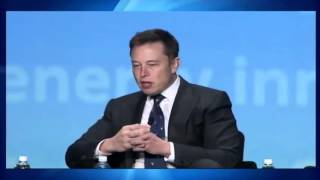 201434:32
 20141:53:20
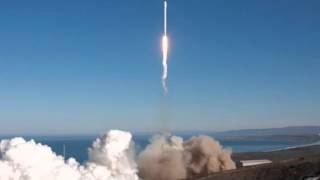 201330:53