2013 年 9 月 29 日,加州范登堡空军基地。猎鹰 9 号 v1.1 首飞,把加拿大 MDA 公司研制的 CASSIOPE 卫星送入轨道。
卫星顺利展开,客户开始接收数据。这算常规剧情。
但马斯克在发射后电话会上花了最多时间讲的,是那枚掉进太平洋的一级火箭。
因为它没炸。
在此之前,火箭一级的结局基本是固定的:分离后失去姿态控制,以高超音速砸回大气层,被气动加热和结构应力撕成碎片,散落在海面上。SpaceX 前几次发射也是这样。马斯克自己的说法是,过去的一级火箭「基本上每次都是重返大气层时炸掉」。
这一次,它从真空一路穿到高超音速、超音速、跨音速,中途点了三次火,全程受控。直到落水前几十秒,才因为一个很具体的机械原因失败。
一次发射,五个新东西同时上天
这是猎鹰 9 号 v1.1 的第一次飞行,也是 SpaceX 第一次从范登堡发射。两个「第一次」叠在一起,风险不小。
更麻烦的是,这枚火箭上装了一堆没飞过的新部件:
梅林 1D 发动机(Merlin 1D),推力更大,是这次的主角。全新的级间分离系统。加长后的贮箱,马斯克在电话会上管它叫「高得多的桶」,结构表现良好。直径 17 英尺(约 5.2 米)的整流罩,第一次飞,分离干净利落。还有一根更长的箭体,弯曲模态更复杂,控制系统得扛得住。
马斯克对上升段的评价是「画面级完美」。二级比预定时间提前几秒到达目标速度矢量,这意味着发动机比预期表现更好,比冲大概高于设计值。
他当时站在外面看,一直看到级间分离前。范登堡那天天气异常通透,佛罗里达通常有云有雾,什么也看不清。
你能看到整枚火箭飞向太空,真的飞出大气层。你看着那条尾迹,它不是水汽尾迹,你能看到大气层在哪里结束。因为发动机一直在同样地工作,然后水汽尾迹突然断了,那就是大气层的边界。(马斯克)
轨道数据他给了个大概:近地点 327.7 公里,远地点 1495 公里。不过他自己加了一句,这是凭记忆报的,发之前得跟团队核对一遍。
没做成的那件事:二级重启失败
这次飞行有两个「可选项」,成了是加分,不成不影响主任务。
第一个是二级重启。发动机成功点火,压力升到约 400 psi,然后系统检测到一个它不喜欢的状态,主动中止了。
马斯克推测可能是「延长了的旋转启动」(spin start)导致的,但他明确说这只是猜测,需要更多时间看数据才能定论。
这件事的重要性在于,接下来两发都是地球同步转移轨道任务,都需要二级重启。第一发是 SES-8,第二发是 Thaicom 6。
马斯克的判断是这不涉及根本性问题。梅林 1D 在试车台上重启过几十次,有的发动机重启了几十次。差别只在于真空和微重力环境下的启动条件和地面不一样,那些细微差异需要摸清楚。
他还补了一句技术细节:同步转移轨道任务不重启也能做,改成一次长点火就行。但那样卫星自己得花更多力气把轨道面调整到赤道面。想让卫星最省事,二级就必须重启。
一级火箭的复活:人类第一次超音速反推
第二个可选项,也是整场电话会的重点。
一级分离之后,没有像往常一样自由落体,而是做了两次点火。
第一次,点亮九台发动机中的三台,进行超音速反推(supersonic retro-propulsion)。马斯克说,据他所知,这是任何火箭一级第一次尝试这个动作。
为什么要反推?因为一级再入时的速度极高,纯粹靠结构硬抗气动压力,结果就是解体。反推点火相当于在稀薄的高层大气里先给自己减速,把最恶劣的热流和动压削掉一大截。
这次成功了。一级穿过再入段,完整地活了下来。
然后进入第二阶段:靠姿态控制推力器把箭体调整到指定姿态,再点燃中央那一台发动机,单机点火。这一次也干净利落。
为什么最后还是掉进了海里
失败发生在最后一分钟,原因非常具体。
这枚一级没有装着陆腿。
着陆腿除了落地支撑,还有一个容易被忽略的作用:气动稳定。马斯克打了个比方,它就像飞机上的尾翼或者翼面,能让箭体在气流里保持指向。没有它,箭体开始自转。
转速慢慢超过姿控推力器能修正的范围,然后连锁反应发生了。旋转产生的离心力把推进剂甩到贮箱壁的一侧,发动机吸不到燃料,在触水之前就熄火了。
所以它是硬砸进海里的。回收船捞回了一部分残骸。
最重要的是,我们现在相信自己已经拿到了拼图的所有碎片。(马斯克)
这句话不是场面话,他解释得很清楚。
把这几年 Grasshopper 验证机的精确起降数据,和这次飞行的数据放在一起看:从真空到高超音速、到超音速、到跨音速,全程发动机点火、全程姿态受控,每一段都走通了。剩下的工作是把这些片段接起来。
他的判断是,明年就能实现一级助推器的完整回收。
复用的代价:15% 和 30%
《大众机械》的记者问了一个绕不开的问题:带回来的燃料和着陆腿,要牺牲多少运力?
马斯克的回答是分档的。
如果只是在海上降落,运力损失大约 15%。
如果要返回发射场降落,损失翻倍,大约 30%。
这两个数字值得记住。它说明「复用」不是免费的午餐,但也说明它不是天方夜谭。对一个商业发射公司来说,用 15% 的运力换一枚几乎全新的火箭,账很容易算。
顺便说一句,马斯克对「这代猎鹰 9 最大的改进是什么」的回答很直接:不是运力,不是可靠性,是回收一级助推器的能力。因为一级占整枚火箭成本接近四分之三。
「这是新一代猎鹰 9 最有革命性的地方。」
接下来两次为什么不回收
这可能是全场最实在的一段回答。
记者问,下一次从卡纳维拉尔角的发射会不会继续做回收尝试。马斯克说不会,接下来两次都不尝试回收,只收集再入数据。
原因很现实:合同签在前面。
我们当时谈这些合同的时候,还没成功飞过猎鹰 9 这一版本,议价能力不强。所以我们基本上同意把火箭的全部性能都给客户,一点都没有为复用预留。(马斯克)
换句话说,这两次发射的运力已经被客户吃满了,带不了回家的油。
从之后的合同开始,除了少数例外,SpaceX 都会预留回收所需的性能余量。所以不只是 NASA 的货运任务,往后的大部分发射都会留。
真正的回收尝试排在这一版本猎鹰 9 的第四次飞行,也就是三次发射之后。那一次是 NASA 的 CRS 货运任务,计划装上着陆腿。至于最后的落点是海上还是陆地,马斯克说还没定。
陆上降落:卡纳维拉尔角最东端的一片空地
BBC 记者问了个好问题:海上降落是不是比陆上降落更容易拿到批准?
马斯克承认,先做海上降落,一部分原因就是安全。先在无人区把动作练顺,再考虑往陆地落。
但他也透露了陆上降落的具体进展:SpaceX 已经在跟空军靶场安全部门和联邦航空管理局(FAA)合作,在卡纳维拉尔角选定了几个着陆点,位置在角的最东端。
着陆区的设计逻辑是「误差椭圆必须落在无人区」,半径大概几英里。
至于执照,他说需要,而且预期能拿到。他特意提了一句,跟空军靶场安全和 FAA 的合作过程相当顺畅,对方对整个方案挺支持。
东海岸加西海岸,等于任意轨道倾角
Space.com 的记者问双发射场带来的灵活性。马斯克的回答概括起来就一句:现在可以去任何倾角的轨道。
具体分工是这样的。国际空间站这种中倾角任务,东西海岸理论上都能打,默认从卡纳维拉尔角走。但如果角上被五级飓风掀了、发射设施受损,SpaceX 可以临时切到范登堡给空间站送货。
「有这种备用选项是好事。」
第三个发射场在推进,大概率落在德州,还在等最终审批。
卡纳维拉尔角内部也在扩。等 39A 发射台的转租问题落定,SpaceX 在角上会有两个发射台:40 号台专注空军和情报任务,39A 台专注民用航天,也就是 NASA 的货运补给、商业载人、科学任务。
顺便说一个冷知识:这次发射的时候,SES-8 那枚火箭已经躺在卡纳维拉尔角的机库里了。这是 SpaceX 历史上第一次同时在两个发射场都摆着火箭。也是第一次两级同时点火工作,二级继续往前飞,一级在往回做再入点火。
猎鹰重型就是三个猎鹰 9 绑在一起
关于猎鹰重型(Falcon Heavy),马斯克的描述非常 SpaceX:
本质上就是一枚猎鹰 9,两边各挂一个额外的箭体当助推器。发动机一样,箭体基本一样,只在侧面助推器的工况上做了小幅优化,航电跟猎鹰 9 一级完全相同,控制逻辑也几乎一致。
降落方式更有意思。三个助推箭体分离之后各自返航,各自降落在三个不同的着陆场,然后被收起来拼到一起,下一次接着用。
试车台在德州麦格雷戈。马斯克提到一个反直觉的细节:猎鹰重型的推力是猎鹰 9 的三倍,但韦科附近的居民可能会觉得它更安静。原因是猎鹰 9 的试车台架在地面上,像个三脚架,而猎鹰重型的试车台是往下挖进地里的,传出去的声波反而少。
第一次点火试验预计在明年第二季度。
级间分离的故障点,从十二个减到三个
除了复用,这一代猎鹰 9 还做了一些不显眼但很重要的可靠性改进。
最典型的是级间分离系统。老方案用 9 个连接件加 3 个活塞,新方案只用 3 个活塞,连接件集成在里面。故障点从 9 个或 12 个,直接降到 3 个。
这种「做减法」的工程思路,和「加冗余」是两条不同的路。前者减少出错的机会,后者增加出错后的容错。SpaceX 在这里选了前者。
17 英尺直径的整流罩也是首次飞行。这件事对卫星客户的意义很直接:这个尺寸能装下世界上最大的那些卫星。整流罩分离干净,等于给未来接大单子扫清了障碍。
「这个任务压在我心头很重」
有记者问到范登堡发射台的损伤情况。答案是几乎没伤。
导流器、支撑架、发射台本体状态都很好,唯一被吹坏的是整流罩空调的几根管路,需要换掉。后续会加固这些管路的强度,再做一次全面检查,看有没有地方需要补隔热或者防爆。
然后马斯克罕见地说了句心里话。
把 CASSIOPE 顺利送进轨道,是巨大的解脱。这件事一直压在我心头,压得很重。(马斯克)
这颗卫星的发射已经推迟过。对一家当时还在证明自己的公司来说,一次失败的首飞会牵动后面所有的合同和排期。
一级火箭到底捞回了什么
《太空评论》的记者问残骸细节。马斯克的回答先来了个自嘲:
信息要经过快艇、大船、任务控制中心,最后才到他这儿,中间隔了四层传话游戏,所以别太当真。
他听到的最新情况是:级间段捞回来了,发动机舱的几个部件捞回来了,还有几个复合材料压力容器。
更值钱的是视频。再入过程拍到了画面,素材在回收船上,他打算当周晚些时候放出来。
对做火箭的人来说,这些残骸和视频的价值不在「捞回了什么」,而在「验证了什么」。哪里烧蚀了、哪里变形了、哪里完好,每一处痕迹都在告诉他下一版该怎么改。
什么时候能坐上重复使用的猎鹰 9
有记者问,什么时候能看到一级火箭复飞。
马斯克的回答分两层。第一层取决于火箭回收后的实际状态,第二层取决于客户愿不愿意接受一枚飞过的火箭。后者可能比前者更难。
他给的预期是:如果一切顺利,明年年底之前能实现一次猎鹰一级的复飞。他把这称为「愿望」。
岔开的一个问题:龙飞船 2 号的逃逸试验
有人把话题转到商业载人。马斯克先声明这跟今天的发射主题关系不大,然后还是答了。
发射台逃逸试验安排在明年,大约第二季度。
试验方式是把龙飞船按在发射台上,就像装在火箭上一样,然后点燃 SuperDraco 逃逸发动机。飞船会以 6 个 G 的加速度弹射出去,马斯克的原话是「像一颗子弹」,然后再受控降落。
龙飞船 2 号还会有一次大型公开亮相,时间需要跟 NASA 协调。他说这版飞船外形相当酷,和一号相比变化明显。
这通电话会真正在说什么
把整场问答拆开看,2013 年的 SpaceX 处在一个很微妙的位置。
它已经能可靠地把商业卫星送进轨道,梅林 1D、大整流罩、新分离系统全部验证通过,上升段「画面级完美」。这些是活下去的本钱。
但它还没拿到复用的最后一块拼图。二级在真空里重启不了,一级落水前被自己的自转搞死,这两个问题都不算大的技术障碍,前者是启动时序的细微差异,后者是少了一副着陆腿。
真正稀缺的东西,马斯克在那通电话里反复提到:性能余量。
回收火箭需要预留燃料,预留燃料就意味着少运货。早期合同已经把运力卖光了,所以接下来两次发射只能眼睁睁看着一级摔掉,一边收集数据。技术问题可以靠工程解决,商业条款得等下一轮谈判。
这也是为什么他反复强调「拼图凑齐了」这句话。碎片已经摆在桌上,接下来是拼装,而拼装需要时间、钱和一次次合同。
十年后回看,那次在海面上砸碎的一级火箭,是猎鹰 9 走向复用的最后一块试验数据。它摔得挺惨,但它把该测的东西全测了。
- 判断一项技术突破时,别只看它成功的那部分,看它失败时暴露的原因有多具体。「推进剂被离心力甩到一侧」这种级别的失败描述,意味着问题已经在可解决范围内,离成功只差工程迭代。
- 评估一家公司的真本事,看它怎么分配「性能余量」。给客户满额运力,还是预留回收燃料,是一个纯商业决策,早期没议价权的时候只能选前者。谈合同时的处境,往往比技术能力更能决定你能做什么。
- 看到「第一次做某件事」的说法时,去追一句「具体是怎么做的」。超音速反推听着抽象,说到底就是在大气层边缘点三台发动机给自己减速。把抽象概念还原成动作,判断力会强很多。
- 如果你是做硬件或系统的,留意那个「9 个连接件加 3 个活塞变成 3 个活塞」的思路。减少零件数量比增加冗余更能提升可靠性,这条经验在火箭之外的领域同样成立。
- 想跟进商业航天的节奏,记住这几个时间点:2013 年内 SES-8 和 Thaicom 6,2014 年初 CRS 任务带着陆腿试回收,2014 年底之前目标实现一级复飞,2014 年第二季度猎鹰重型首次点火试验。
0:00on mute to prevent any background noise after the speaker's remarks there will be a questions and answer session if you would like to ask a question during this time simp press R ding number one on your telephone keypad if you would like to withdraw your question press the pound key thank you Mr musk you may begin your conference okay so it was a great day and we accomplished all of our arm mission objectives the satellites were deployed successfully I believe satellite customers ready receiving data from their satellite in the case of cassop and yeah it was a really really great day we demonstrated a lot of new technology successfully including the the
0:40Merin 1D engine the new stage separation system the much taller bucket which structurally performed very well the 17t diameter fairing which separated successfully no problems there and overall really great there there were a couple of optional things that we tried to do which were relights of the upper stage and of the boost stage in the case of the upper stage relights we initiated relight and the system accounted anomaly and and did not complete the relight we believe we understand what that issue is and should have it addressed in time for the next next flight the Falcon other than that the ascent phase was was excellent and yeah and
1:27and that that final burn was actually just a sideways burn just to to check propound residuals so then going to the the Boost stage the boo stage actually initiated two Burns one was lighting three engines due a supersonic retro propulsion I believe it first the first time that any rocket stage has attempted to do a a supersonic retr propulsion and it it lit three three of the nine engines and completed that maneuver well came back through atmospheric re-entry and and survived in that coming back into the atmosphere without a problem previously our first stages have always essentially exploded upon re-entering the atmosphere to the extreme forces they encounter as a
2:08result of the RR bur we we made it through and we controlled the stage with with Fair Precision to a lighting Point fit the center engine so just there single engine burn and that that re light also went really well however we exceeded the RO Control Authority of the attitud control thrusters so in this case the boo stage did not have landing gear which helps to essentially stabilize the the stage like like like fins on an aircraft or or you know yeah Mage section on
2:43an aircraft so so the stage actually ended up spinning to a degree that was greater than we control with the gas thrusters and it centrifuged the propellant so caused the boost stage to run out of propellant because of the the cental fusing effect before hitting the water so it hit hit the water relatively hard we've we've got the we've recovered portions of the stage and the most important thing is we now believe we have all the pieces of the puzzle so if you take the the grasshopper tests where we were able to do a Precision take off and Landing of a falcon line first stage and and you combine with with the results from this flight we were able to
3:28successfully transition br vacuum through Hypersonic through supersonic through transonic and and light engines all the way through and control the stage all the way through we have the whole you know we have we have all the pieces necessary to achieve a full full recovery of of the Boost stage so I'm really excited about doing that and I I think we'll we'll achieve that next year so yeah that's that's I think the the the biggest that's actually what's got me the most excited about this this flight is I think we now have all a piece of of the puzzle necessary to achieve full and Rapid reusability of of the fine boost stage all right with that let's transition to
4:09questions at this time I'd like to remind everyone in order to ask a question simply press star in the number one own your telone keypad we'll pause for just a moment to H roster and your first question comes from stepen Clark space FL now first of all congratulations a couple of questions on the on the second stage restart go into a little more detail on the issue you saw there and I believe your next couple of flights the GTO required to restart or one restart of the second stage so walk forward and tell us what that means for the next couple of flights you're manifesting yeah we're before making any sort of significant you know before deciding you know what the issue
4:52was I think we want to have a bit more time to review the data but sort of coming to any definitive conclusion but we we saw the Bion initiate ignition get up to about 400 PSI and then counted a condition that it didn't like we think it may have been du to an extended spin start maybe but this is speculative and so initiated an abort of the of the restart and but we have all the data from the restart so I'm confident we'll be able to sort it out and address it before the next slide it's nothing
5:35fundamental yeah I know I should mention like on the test and we've we've restarted the Merlin 1D engine in some cases dozens of times so it's not we just have to iron out the some slight differences of it operating in vacuum so so you're confident that SS launch coming up next a to go forward with minor yeah absolutely
6:03any other questions your next question comes from Arin CL from rotors hi Elon thanks very much I wanted to know a couple things first if you saw any unusual pad damage from the using the new laun side at Vandenberg and also you could just let us know if you had any engine anomalies at all did everything burn full duration and how did the new engine configuration work out sure did you catch my initial sort of opening remarks I did but I just wanted to be real specific about all engine all the burns were full duration yeah the the ascent Burns were I mean the basically the first stage burn and the second stage burn were all full duration and those actually weren't probably slightly
6:47better than expected the the first stage oh sorry the second stage hit hit it Target VY Vector a few seconds early which means that the stage was actually performing a little better than expected probably higher specific impulse U than anticipated so the only anomalies that were're aware of thus far are the second stage restart or we return the stage sideways and we're going to do a propal bone and then the first stage essentially the third firing of the first stage when it okay it it centrifuged the propellant just before hitting the the ocean thanks and anything that you saw from launching out at at Vandenburg and anything that you saw about the with
7:38flying with the new engine configurations it it actually went better than expected I I was incredibly smooth yeah I mean the ascent was was just picture perfect time actually I was I stood outside watching it until just before stage separation and there such an incredibly day if you I if you were watching it hand but you could actually see the the whole rocket go to space I mean literally exit the atmosphere and you know you can actually look when you looked at the kind of the smoke Trail you could was not sort of like a water vapor trail actually you can see where it where the atmosphere ends because the the engine keeps firing in the same way
8:23and then suddenly the water vapor trail ends and that's that's the way the atmosphere ends I mean do quite to end but it to Transitions to verified gas yeah definitely different than Florida yeah exactly Florida is cloudy you can't see what's going on well hazy and fo was just Ultra clear thanks what was the apy and pery of the orbit after the after the second stage cut off the
8:49so I I'll I'll give you some numbers but I would just check them with with my team before saying that they're definitively accurate I think we were at 327 7 kilm parag and 1495 km ape but let's just double check that before because I'm kind of quitting off the cuff here okay thanks very much all right your next question comes from Michael belor from popular mechanic congratulations and thank you for hosting this call I was wondering looking ahead once you got the graphhopper working on operational flights what kind of performance hit will you expect from from having extra fuel on board and also the landing here well we I think we we effectively
9:33lose in terms of performance well it's it's really going to depend on on exactly what what we want to do with the stage so whether we you know if if we were to do an ocean Landing or a or return to launch site Landing if we do an ocean Landing the performance hit is actually quite small it maybe on the order of 15% if we do return to launch site Landing it's probably double that it's more like a 30% hit you're talking about payload yeah yeah yeah exactly percentage of payload lost cool thank you welcome and your next question comes from Jonathan Os from BBC London Elon congratulations on a great flight just a couple of a couple of questions where does this leave you now
10:26for the SCS Mission because' got a lot lot of commercial customers who are are waiting to ride the Falcon and then just on that that issue of reusability is is C return going to be easier to get a approval for than a than a land return do you think because of the well I mean for the obvious safety reasons I guess so sces and and and then where you go with reusability sure so we we believe
10:58we on track to launch SCS next month I mean there might be a few extra weeks to to sort of just make sure we're you know we're super confident of of the second stage restart from from a hardware standpoint we're ready to go with the SCS next month and and then with with stady can of vehicles there after the the the the SCS rocket the Falcon that launchs is actually at Cape Canal in the hanger right now so the first time we've actually had rockets at at both launch sites in spaceex history it's
11:35also actually the first time we've we had both stages firing at the same time so we had at the U the upper stage continuing it it Forward burn and then the first doing a re-entry bone and yeah so as far as the safety aspects of the of the return to launch site at the first stage that's part of why we wanted to do it first in the the oceans to make sure things pretty fine the for for any Landing
12:05area though we would we would had the The Landing ellipse the sort of the error that the stage could encounter would be an unpopulated region so we would aim to have a landing site that's unpopulated with a radius of of probably a couple of Miles okay and you can achieve that at canland Vanderburg we can yeah okay that's great and the the re reignite ability of the the upper stage I mean that is to get different orbits and and also to deorbit the upper stage as well on some missions yeah it's it's rare to do the Orit burn of the upper stage that that's not that's unusual in in the rocket world but we we probably would have the ability to do that in some cases
12:57for for low Mission at the stage would would effectively the encounter small amount of atmospheric Dragon eventually reenter and burn up the yeah so well for some missions you you you you need to re to to T satellites in in slightly different configurations yeah yeah for the commercial
13:29emissions to geostationary orbit we we do it's a shorter Coast than we what we just did but it's we Coast for a little bit and then restart once we get close to the equator and so in that scenario a restart is important for for those missions we can technically do them without a restart we can do them as a single bur but it means the satellite has to do more work to change the plane of its orbit to equatorial so so we can do
14:04it either either way one that that is the minimum work for the satellite does require a restart but as I mentioned we we've restarted the well in we've taken a single M engine and restarted it literally dozens of times it's not a question of can can this engine restart we just need to iron out the what what were the differences between starting in vacuum and
14:33micro gravity versus restarting on the ground terrific stuff congratulations anyway thank you and your next question comes from James Dean from Florida today yeah thank you Elon I was wondering if will you be repeating these booster recovery efforts during the next launch from the Kate the the next two launches we're going to gather data from the first stage but we're not going to attempt to recover it because we committed to
15:07give the the customers on the next two flights maximum performance of the rocket so when when we first saw these flights we we didn't Reserve enough performance to recover the first stage so we we we don't expect to recover the first stage on the next two flights but we do expect to get good re-entry data again and and then
15:31the the next recovery attempt for the first stage will be the fourth flight of this version so three flights from now and could you could you run through the the Manifest and and kind of approximate timing of your your your flight say through like CRS 3 right well we've got two G GE
15:54stationary flights SCS and taom and and then we and then we've got the Huger resupply mission for NASA the CRS flight and it's on that CRS flight that that's where we're going to try to bring the first stage back and we we are hoping to put the landing legs on on that stage and it's it's still
16:20debatable whether that stage will land with Landing legs in the ocean or land with Landing legs on land but either way it's going to we do want wanted to have the landing legs on Wow cool I'm sorry just last question quickly is is this really primarily what the upgrades of the vehicle are all about or or is it more payload related and and can you now do missions near term here that that you couldn't have otherwise done thanks yeah I mean the most revolutionary thing about the the new Falcon 9 is the the potential ability to recover the the Boost stage which is almost 3/4 of the cost of the rocket and that's that's the most important thing about it there are other
17:08improvements we've made to increase design reliability for example with Stage separation we've gone from nine attached fittings and three Pistons to just three Pistons with integrated attached fittings so goes from nine or 12 failure points down to just three on the stage separation I think that's that's an improvement of reliability the the this is also the first time we're flying the 17t diameter fairing so proving that that fairing works is obious very important for satellite customers that that fairing is capable of taking the biggest satellites in the world and and then of course we we proved out the M 1D engine and and having a much sort of longer rocket
17:49which has more complicated bending modes and and making sure that the control system could deal with all of that so so we we accomplished aot lot today I'm really happy about the results we have a little bit of work to do obviously but All In All In All I think it's been a great
18:13day your next question comes from Warren burer was news thanks for taking my call and for having the press conference Elon just a a quick clarification please on the on the third CRS flight I think that's been correct me if I'm wrong that's been pushed into early next year perhaps February you said you are going to have Landing legs on the vehicle on this flight was that did I hear hear you correctly on that yeah that's the plan we're not going to hold up that flight for landing legs so if if Landing legs end up being delayed for any reason then we we won't hold up the flight for that but Thea plan is to ATT Landing legs on that on that mission and the the schedule
19:03for that mission is is mostly driven by upgrades to the dragon spacecraft where we have an upgraded avionic system and and and and we're able to provide a lot more power to NASA for powered cargo it essentially triples I think the amount of powered cargo that NASA can have so I think that that's the
19:25that's what's driving that schedule and it's it's a a high priority for us to get that mission launched as soon as we can but it's looking like probably sometime in the February sometimes Chev is most likely okay second question is you suggested the possibility of a land Landing where might this vehicle land if you were to attempt that and don't you require an FAA license for that and do you have it yeah it would land we've actually been working with range safety Air Force range safety and the FAA to identify landing locations at Cape canaval and we've identified a few and I don't think we're quite ready to say what what those locations are but
20:06they're they're kind of out on the tip of Cape canaval sort of Eastern Eastern Mo most of tip of of Cape canaval and yeah actually it's great working with both range safety Air Force range safety and and FAA they've actually been quite supportive of the whole plan but do you need a license for that type of of activity and if so do you do you have it yeah you need a license and we we expect to get it thank you all right you're welcome and your next question comes from Jeff F from the space review you mentioned in the beginning that You' covered portions of the first age I wonder if you can go into any more detail on on exactly what you what you
20:53got and did you get any video of the re-entry yeah we actually do have some great video of the re-entry it's coming back it's actually on the boat or boats I should say so we don't have the we should be able to post that maybe later this week yeah that's some pretty cool video and in terms of components it's it's a I think we've I mean this is be in mind this is coming from there's there's a fast boat and then there's a bigger slow boat and then it goes to Mission Control and then to me so there's there's like like four levels of broken telephone here so you know to take this with a grain of salt but what what I've the latest I heard was that they were able to
21:29recover the interstage and a number of the components from the engine bay and some of the composite of pressure vessels that's all I know at this point there maybe more and your next question comes from tar Malik from space.com hello Ian thank you so much for taking our question today you know a great launch from Vandenburg and my main question was really you know what type of flexibility you know that dual launch fite capability on West and East Coast gives you now in terms of either you know new more customers for satellite launches or or more flexible launches to to station you know if you can give it the the options you now have with that dual
22:10capability that would be great thank you sure I think the most important thing that being able to launch from vanbur in the cap gives us is the ability to reach any orbit so we can go to any any inclination at this point and we and for Mid inclination missions as you mentioned like the going to the Space Station orbit we could conceivably space station missions from either the cape or Vandenberg our default plan is to do that from the the cape but I mean if there was let's say some terrible storm at the cape you know some hurricane with you know force5 hurricane or something that damaged the cape launch facilities we could in an emergency transition to launching and
22:48resupplying the space station from venberg so I think that it's good to have that optionality and then we're we're continuing forward with a third site which is like likely to be Texas but you know we don't there still we're still waiting for all the final approvals and then even within the cape we're going to be expanding our activities and hopefully you know once this sort of Selen around pad 39a is resolved hopefully we'll be able to have two launch pads at the cape and and that'll enable us to focus our air force and intelligence missions on 40 and and kind of our civil space missions for fessa you know sort of cargo resupply as transport and science
23:38missions from from 39a so I hopefully that's that's what happens there thank you and and I guess just a I'm wondering if anything from this this version informs the work going on on F and heavy or if they are two completely separate vehicles now at this stage in in the heavy it it definitely informs the heavy development because the the Falcon heavy is essentially Falcon 9 with two additional stages attached as as strapon boosters so it's the same engines that we use it's a very similar airframe air frame will slightly optimized for the fact that it is a slight booster that is a side booster but the avionx will be the same as the as the falconite first stage and
24:26and how we control the whole thing will be very very similar and then when the state the when the three boost stages will separate they they'll come back and and land individually just as and they'll behave just like the falconite Boost AG all three of them will come back hopefully and and and land on three separate pads and we'll join them back together for a future flight and launch them and your next question comes from Joseph Abbot from wakeo Tribune Herald hello congratulations thanks I was wondering if you could talk about the time frame for the SCS and taom launch and also about the time frame for when Falcon heavy testing would begin
25:06at the McGregor site sure so we're expecting to complete the SCS and taon missions in the next two to three months well SCS hopefully in in about a month and and then taom month or two after that and then the NASA CRS launch which be when we hopefully have the landing legs on early next year in terms of of heavy testing we're just finishing the the big Falcon heavy test stand McGregor and putting putting the final touches on that one thing I should mention is that even though Falcon heavy will be three times the thrust of Falcon 9 it it actually will probably be quieter for people in in Waco or in surrounding areas because the Falcon 9 test stand is kind of up on
25:52this whole tripod whereas the Falcon heavy stand is is is buried in the ground it sort of goes down and so the will'll be less I think probably less less sound transmitted Even though three times of thrust that it'll be a very exciting test fing to watch and we're hopefully going to have one of those done I'm guessing in second quarter next year okay thank you very much thank you and your next question comes from Janine with Santa Maria time hi there when is next a falcon launch from vanenburg Air Force Base and did you see any unexpected damage it for have know it's still preliminary any kind of surprise damage out there actually this this launch that looks like it's in
26:37great shape with the exception of some air conditioning duct that need that cly need to be replaced so the some of the fairing air conditioning ducts got got zapped but the strong back and the reactor and the stand itself look look like they're in great shape so we'll improve the robustness of the air conditioning lines and that you know we'll obviously do a complete check up see you know is there anything else that requires additional heat shielding or or or blast shielding of some kind but I mean just looking at the video it looks it looks pretty good okay and then let's see I'm not sure when our next flight is from from venberg so I've been so
27:19focused on this flight I haven't been paying much attention to anything that isn't super super near term it's certainly a huge relief to have successfully delivered asop to orbit this has been weighing on me quite heavily so yeah can you say if it's like in 2014 15 for the next launch from Vandenburg actually if you look at actually I'd have to look at our manifest on sorry my apologies I not having that information well and ditto I've been so focused on this one too so okay thank you very much all right thanks and your next question comes from we we brought with n nasa.com all
28:01right yes that's our goal is to to recover the first stage on all CRS flights and well really on on on most flights the the next two flights are somewhat of an exception because we when when we negotiated these deals we wouldn't have much bargaining power was before we' obviously flown version of falconite successfully and so we we kind of agreed to give up all performance on the rocket and not Reserve anything for reusability but going into the future we we with future contracts with with a few exceptions we have reserved enough performance to recover the the stage so it's not just CRS flights but it's it should be most flights after these next to and and then in terms of when
28:47we actually refly the stage it's going to depend on what condition the stage is in and obviously getting customers comfortable with that and so it's it's difficult to say where when we would actually refly it if if things go go super well then we will be able to refly a falcon stage before the end of next year I that's our aspiration hi just quick question for you wanted to switch gears to commercial crew and talk a little bit about the Milestones you have coming up in the next month specifically the port test and and how that's go and accomplishment sure we're getting a little off topic on the on on the current flight so this this press conference mostly about that
29:28but I'll answer this question U and and then but I don't want to go too much into the you know the the crew dragon or Dragon version 2 we'll we'll definitely do a press event around that but but just not today that launch Board Test is is planned for next year it's approximately Q2 that that should be a really exciting test the dragon spacecraft is going to padb means you you sort of Mount it as though it's on a rocket for those that don't know and and then you fire the Escape thrusters the super Draco thrusters and and it just bolts out of there at 6GS so it's going to it's going to go like a a bullet and then come back and and land so that's such of exciting
30:18probably QT next year there's a whole series of additional tests at some point we want to do kind of a big public unveiling of dragon version two which you want to coordinate with NASA obviously because it looks pretty cool I think and it's meaningfully different from Dragon version one and there are no further questions at this time do you have any closing remarks no thanks everyone and yeah I think many exciting days ahead we'll keep you informed as as there new developments thanks and this concludes today's conference call you may now disconnect
资源与出处
- 视频在 YouTube 收看
- 档案silicon-valley.tech 档案页本页视频与文稿数据来自 Elon Musk Archive
- 精读本篇精读 Markdown 版
相关视频
同频道、同主题或相邻年份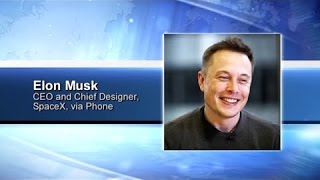 201435:40
 201845:27
 202137:25