一颗电池装到客户家的墙上,要等八个月才能接上电网。等电网的人终于来了,检查五分钟,说一句“是的,开着呢”,然后走了。
这事发生在2014年的加州。全美能源转型最激进的州,一个刚刚为储能定下1350兆瓦目标的监管机构眼皮底下。
把这件事拿到台上讲的,是SolarCity的CEO林登·里夫(Lyndon Rive)。坐在他旁边的埃隆·马斯克(Elon Musk)听完,说了三个字:太疯狂了。
这场对话由加州公共事业委员会(California Public Utilities Commission,简称CPUC)主办,是他们的第24期“思想领袖”系列。会议室的座位不够,人被分流到几个备用房间看直播。主持人是委员会执行主任保罗·克朗(Paul Clon),他介绍马斯克时说,这是今天在座所有人里最有可能把他送上火星的。
克朗先给这个机构画了个像。CPUC每年核定的费率规模在500到600亿美元之间,触角伸进州里每一寸经济活动。它同时是基础设施委员会、法院(楼里有35名法官)、律所(80名律师)、会计所和政策研究机构。五个委员由州长任命、州参议院确认。
把这样一群人聚在一间屋子里讨论“监管与创新的交叉点”,本身就有点意思。因为监管者和创新者,通常是互相抱怨的两拨人。
监管的历史大部分时间是刹车
CPUC主席迈克尔·皮维(Michael Peevey)的开场没有给同行贴金。他说得很直接:在人类有监管的大部分历史里,监管对创新起的是压制作用。监管的性质就是压住变化。
他举了几个例子。
航空业。美国曾经有个民用航空委员会(Civil Aeronautics Board),管着航线、票价、谁能飞。那时候航空公司一大把,竞争被管得死气沉沉。后来特德·肯尼迪等人推动把这个机构废掉,竞争放开,创新才跟着来。
电信业。如果没有当年的格林法官(Judge Green)拆分AT&T,今天的通信业可能是另一副样子。那次拆分之后,才有了后来几十年的通信创新浪潮。皮维顺带挖苦了一句:AT&T后来的管理层一直在试图把自己重新拼回去,拼成1970年的样子。
英国。撒切尔夫人和帕金森勋爵把中央发电局拆开,试图给能源行业引入变化。
然后是加州自己的教训。加州试过电力市场化改革,结果是一场惨败。十几年后联邦能源监管委员会还在处理把当年被卷走的钱退回来的问题,涉及金额几百亿美元。
皮维2002年被当时的州长格雷·戴维斯任命进委员会。戴维斯给他两个任务:让事情更绿,以及手松一点。
手松这一点,在监管机构里不是天然受欢迎的。他说,监管者最喜欢的动作就是监管,轻手监管在那时候是被怀疑的。
加州后来做的四件事,改变了“监管只会拖后腿”的印象
皮维列了一串。
第一件叫“加载顺序”(loading order)。名字听着复杂,说白了就是排队:能源效率排第一,可再生能源排第二,常规电厂排后面。
这个排序在当年是个大动作。把钱大笔投进能源效率,加州的商界并不买账。十年后,雪佛龙在广告里把能源效率放在第一位。皮维说,这家公司总部就在加州,多多少少受了影响。
第二件是给电厂定排放标准:新电厂排放必须达到联合循环燃气轮机的水平。加州没有说“禁止煤电”,只是说你得满足这个标准。结果是煤电再也进不来。用规则改变结果,比用禁令改变结果更聪明,也更容易在法庭上站住。
第三件是施瓦辛格的百万太阳能屋顶计划。州长在立法机构推了两年没推成,跑来问皮维,你们委员会能不能做点什么。皮维说给我90天。90天后做成了,立法机构随后追认。
第四件,共享经济。CPUC创造了一个新类别,叫“交通网络公司”(Transportation Network Company),给Uber、Lyft、Sidecar这类公司一个合法身份,配上保险和消费者保护要求。皮维讲到这里还自嘲了一下:昨晚他女儿从Market街叫车到Gough街,下午六点,花了60美元。动态定价有点狠,他决定还是回去坐公交。
皮维说,监管者最舒服的状态是管,但他这些年一直在跟这种本能较劲。加州在电信领域选了轻手监管,在能源领域选了有引导的监管,这两条路都不是默认选项。
马斯克:垄断的地方,必须有监管
轮到他说话,他没有谈自己被监管的经历,先讲了个前提。
在存在垄断或者双寡头的行业,自由市场没法有效运转。电力是典型。你不可能给每栋房子、每栋楼拉好几条电线,让他们挑着用。这个行业天生就是垄断的,至少历史上是这样。
既然垄断者会做垄断者会做的事,尤其是在定价上,那就必须有监管,保证价格合理、公平。
他接着说了句让在场监管者挺舒服的话:在可持续能源这件事上,监管者会扮演极其重要的角色。他们要保证普通人有权在自家屋顶装太阳能,有权买风电和其他可再生能源。如果监管者不作为,正确的事情不会自己发生。
然后他补了一句:这份工作很难,而且经常不讨好。他们面对的是体量巨大的存量企业,压力很大,有时候很难顶住。谢谢你们。
台下笑了。
但马斯克没有把话说得太轻松。他提醒在场的人,向清洁能源转型,对现有的公用事业公司来说会是一段难受的路,尤其是那些重仓化石燃料的。这件事避不开。要么选择走向可持续能源,要么不选。如果选了,就得做那些不好做的决定。
唯一好的未来,是我们拥有可持续能源的未来。(埃隆·马斯克)
他讲了一个关于石油的比喻,这场对话里最容易被记住的一段。
石油在塑料工业里的价值,比烧掉它高得多。把它当燃料烧了,就像家里没柴火,你把家具劈了扔进壁炉。我们不是在用最合适的方式使用这份资源,我们是在用最方便的方式把它消耗掉。
太阳能和储能,难做的都是不性感的部分
马斯克说SolarCity在做的事,大部分听起来很无聊。
要让一个家庭或一家企业装上太阳能,成本得降下来,得有竞争力。这背后是一长串琐碎工作:拿到客户、设计屋顶方案、安装、支架、布线、逆变器、售后、许可审批。没有一件是令人兴奋的,但每一件都必须做好。他说里夫和团队在这件事上做得惊人地好。
然后是储能。
太阳不是24小时都照着,但电要24小时都有。晚上的电从哪来,这是储能要回答的第一个问题。第二个问题是调节电网的发电波动,削掉一天里那些尖峰。
Tesla在做固定式电池包。马斯克列了四个硬指标:成本要极低,寿命要长,安全性要高,体积要小。
体积这条他讲得最具体。一般人家里没有一整间空房放电池,你不能把客房改成电池房。理想的产品是贴在墙上、凸出墙面三四英寸、装在车库里、你几乎注意不到它存在的那种。
屋顶上的太阳能板也一样。他希望做到的最好情况是,装了太阳能之后,屋顶变得更好看,而不是更难看了。这个标准听上去有点苛刻,但他坚持认为只有做到这个程度,渗透率才能真正上去。
电池的真实成本,藏在元素周期表里
主持人问了一个方法论问题:你总说不要用类比推理,要从物理出发,能不能拿储能当例子讲一遍。他给了90秒倒计时。
马斯克的回答像一堂即兴的成本课。
现在量产的锂离子电池,能量密度大约每公斤260瓦时。循环寿命、日历寿命这些数据,行业内都有。这些是已知条件。
然后换一个角度看成本。
不要看供应商报的价,去看电池里到底有什么。正极主要是镍,镍是很常见的金属,不锈钢里就用;还有钴、铝。负极是碳,来自一点点煤。外壳是不锈钢。这些原材料在伦敦金属交易所或者国际大宗商品市场上都有公开报价。
假设你有一根魔法棒,能把按市价买来的原材料重新组装成一颗电芯,那个成本就是储能成本的理论下限。
算出来的数字是,在电芯这一层,每千瓦时远低于100美元,大概60到70美元。
这就是第一性原理的用法:先算清楚物理上什么是可能的,再倒推怎么走到那里。规模化现有化学体系,垂直整合压缩物流成本,把规模经济做出来,就能一步步逼近那个原材料成本。
顺带说一句,能量密度还有提升空间。实验室里有比现在更好的电芯,已经跑过循环测试,只是还没量产。
讲完这段,主持人提到委员会里刚被参议院确认的卡拉·彼得曼委员(Carla Peterman),她主导了CPUC的储能程序。主持人说目标是1200兆瓦,皮维在旁边纠正:是1350兆瓦。他还补了一句,希望这个数字最后被证明是个下限。
气候变化是一次市场失灵,监管该在这里出手
里夫的切入点和马斯克不一样。他说自己进入这个行业之后,对监管重要性的体会比预想深得多。
监管管的事情很多,但有一件是根本的:市场失灵。
烧化石燃料的代价,被外部化了。没有人把气候的成本写进油价里。这就是典型的市场失灵,市场自己修不好,监管必须进来。
加州已经做过一次示范。百万屋顶计划让美国在可再生能源这件事上有了位置。SolarCity自己定了个100万客户的目标,原本计划5年,现在看4年半能到。公司员工数下周一就到5000人,其中大约一半在加州。
但他强调,监管要解决问题,得给别人留出解决问题的空间。你不能只说“现有系统坏了,修好它”,然后指定一种修法。你得设定一个终点,让所有人自己去找路。
把终点定下来,争论就消失了,障碍也消失了,所有人朝那个方向走,创新自然会出来。(林登·里夫)
那个终点是:能源基础设施脱碳。
剩下的交给竞争。里夫说得很直白:如果没有竞争,你会去造更好的手机吗?会去造更快、更舒服的车吗?如果现有的东西“够用就行”,没人会做得更好。
他还给了一个时间视角的假设。三十年后,你的孩子,受过良好教育,问你:你们当时知道气候变化这个问题,没有争议;你们知道必须解决;你们做出了技术方案;你们看到它在实践中运行得很好。然后你们决定把它封顶。为什么?
这个问题没人能回答。
装完电池等八个月:场上的人不想换游戏
主持人把话题拉回储能,问里夫:物理上清楚了,监管也表态了,为什么落地还是这么慢。
里夫的回答是这场对话里最有信息量的一段。
当一件产品真的要改变游戏规则时,场上的人不想改变游戏。他们喜欢现在的游戏。
现在的游戏叫独家成本加成。独家,意味着没有人和你抢;成本加成,意味着成本越高,核定收益越高。这是个很好的游戏。
所以监管要发挥作用,不能只盯着创新本身,还得盯着创新落地的整个流程。
他举的例子是加州的自发电激励计划(Self-Generation Incentive Program,简称SGIP)。项目设计得很好,几百个客户申请,电池装到了客户墙上。
然后卡在并网上。
平均八个月。电网的人来了,检查一下,说“是的,开着呢”,就走了。这件事如果公用事业公司没有资源做,完全可以外包给第三方。技术上一点都不难。
难的是动机。并网越慢,游戏变得越慢,现有模式维持得越久。
马斯克在旁边听着,说这太疯狂了。
主持人问:真的是平均八个月?里夫说,情况挺糟的。主持人说,希望今天之后能降下来。
换电表的故事:你站在哪,取决于你坐在哪
皮维接着讲了一个十五年前的故事。
他创办过一家叫New Energy Ventures的公司,后来卖给AES,现在是Constellation Energy的一部分。他们给商业客户装新电表,公用事业公司不肯来把旧表拆掉、把新表接上。这个流程有个专门的名字,叫DASR,直接接入服务请求。
然后就一直拖。
旧金山的梅西百货是个经典案例。那栋楼从Stockton街扩展到Geary街,历史原因留下了三块电表。他们想让那家“不便点名的”公用事业公司派人来把表拆了合并,拖了很久,最后是威胁要打官司才动。
皮维说,这种事在每个领域都有。机场的起降时刻、电表、并网,本质一样。存量企业的抵抗由经济动机驱动,这很好理解。
你对一个问题的立场,取决于你坐在哪;你坐在哪,取决于你的收入从哪来。(迈克尔·皮维)
他讲了自己的一个遗憾。他曾经推动在加州大学建立一个气候研究所,每年6000万美元的研究经费,委员会投票通过了,被立法机构挡了下来,理由是这个项目“不是他们的”。
回头看,他觉得自己应该花更多时间去和立法机构打交道。他也承认,这事说起来容易,像他身边这两位企业家一样跑得那么快的人,是没时间做这些的。他们的耐心都用在往前冲上了。
他用了个词,“多一点前戏,或者说浪漫”。现场笑成一片。马斯克明显被这个词噎住了,愣了几秒,说了句“我脑子里现在在放电影”,然后话题一转,聊起了《乐高大电影》,说那部片子真好,“Everything is Awesome”。第二天新闻标题大概就是这个了。
玩笑归玩笑,他后面还是给了正面评价:没有哪个机构是完美的,但总体上看,加州在监管这件事上做得不错,美国整体的监管机构也算不错。当然,有些仗还得打,比如并网不该花八个月。
为什么选汽车和航天:先想清楚最坏的未来长什么样
主持人问了个更根本的问题:汽车和航天都是有几十年甚至上百年存量玩家的行业,你凭什么觉得自己能进去,凭什么能跟全世界最专业的人竞争。
马斯克的回答里没有“我比他们聪明”这层意思。他说,我不会去跟全世界的专业能力硬碰硬。
SolarCity和Tesla要解决的是可持续能源问题。方法是先设想未来,然后问:什么会对那个未来造成严重的负面影响?为了让未来是好的、让人乐观的,我们必须解决什么?
没有可持续能源,就没有好未来。这一条是硬的。就算完全不考虑环境破坏,能源不可持续,矿也有挖完、烧完的一天。
他承认自己当初的判断并不乐观。做Tesla的时候,他觉得大概率会失败。做SpaceX的时候也一样,他对航天几乎一无所知,物理背景不等于会造火箭。反倒是SolarCity,他一开始就觉得能成,因为他信里夫和那个团队。
结果三家都还活着,他自己都觉得有点意外。
两个差点没挺过去的时刻
SpaceX的前三次发射都失败了。马斯克说,他一开始只预留了三次失败的钱。三次失败之后,勉强凑出第四次发射的资金。第四次成了。
如果第四次也失败,那就结束了。(埃隆·马斯克)
Tesla更惊险。2008年底那轮融资,是在最后一天最后一个小时关掉的,具体时间是平安夜下午六点。再晚几天,公司就破产了。
这段他说得很平,没有渲染。但放在一场讨论监管与创新的会议里,它说明了一件事:创新不是一条平滑上升的曲线,中间有很多次会死掉的机会。政策制定者看到的往往是成功之后的公司,看不到那些没挺过来的。
真正的坎在未来五年,不是十年后
主持人问里夫:十年后我们该担心什么,那时候的瓶颈会是什么。
里夫说,十年后他不担心。到那时候,脱碳已经是共识,所有人朝一个方向走。真正的挑战是未来五年。
把所有人拉进这个阵营,需要一点动量。
他举了欧洲的例子。他最近和一家欧洲大型公用事业公司聊过,对方的路径很典型:第一阶段抵抗,第二阶段发现事情已经在发生。德国太阳能渗透率大概5%,他们已经不谈抵不抵抗了,开始谈怎么建一个能解决这个问题的商业模式。
未来五年,美国会有各种路障。五到八年之后,问题会进入被解决的轨道,创新的商业模式会被创造出来,能源的交付方式会开始变化。
皮维补充了政策层面。加州有一套正确的政策构造,这是根本。施瓦辛格签过行政令,目标是2050年把温室气体在1990年基础上大幅削减。杰里·布朗回来当州长之后,强化了这套东西,包括碳排放交易。加州只占全球碳排放的百分之一到二,真正的作用是示范,是让别的州、别的国家看到这条路能走。他特意提到加州和中国之间的气候合作。
讲到这,三位嘉宾各自给了一句话的总结。
里夫说,现在是监管者进入能源领域最激动人心的时刻。技术成本降到了可以真正改变事情的位置。最不该发生的情况是:创新继续,新的能源基础设施开始建设,旧的商业模式还在继续,最后两套基础设施都建起来了。二十年后要关掉的那一套,是化石燃料那一套。所以现在要把旧的那套提前退掉,用储能和太阳能把过渡做平,不要建两遍。
皮维说,监管者要做的是不断催生这种创新文化,让它一次又一次发生。他不太担心新旧两边步调不一致。1902年人们也担心过马车鞭子厂怎么办,最后它们自然消失,另一边长起来。现在能源行业新玩家多到数不过来,谷歌在买Nest,为了多一条进家门的通道,这是几年前谁都想不到的,包括那些投资者持有的公用事业公司自己都想不到。监管要做的是保护消费者,同时别挡住这股力量。
马斯克只说了两句:规则要设计成让创新最大化,最终受益的是消费者和公民;要看长期利益,不看短期。规则对,我们就会快速走向可持续的未来;规则错,就不会。
自动驾驶:很长一段时间里,你还是得握着方向盘
提问环节第一个问题来自一位SolarCity客户,问的是自动驾驶。当时有摩根士丹利的分析师在描绘一个12年后的乌托邦图景。
马斯克的回答相当克制。他说,真正的全自动驾驶还要很久。接下来会出现的是“自动驾驶仪”,跟飞机上那套类似:驾驶位上仍然坐着人,但工作负荷大幅下降,安全性提升,从A点到B点变得轻松。Tesla会在接下来几年推出让人兴奋的自动驾驶能力,然后不断迭代。但司机这个角色,会像飞行员一样,长期存在。
这个判断放在今天回看很有意思。2014年,行业里最激进的预测是2026年满街无人车,而当事人自己说,别急。
公用事业公司正在变,速度比预想的快
旧金山环境局的丹妮尔·默里问皮维:都说公用事业公司得变才能活下去,怎么加快监管创新的速度去匹配。
皮维先纠了前提。业务本身正在变,速度比几年前任何人预想的都快,所谓“需要改变才能维持”,那个前提本身就不成立。电力这一侧变化尤其快,天然气慢一些。
他给了一个判断:这些公司会变成“电线公司”,而且会维持相当长时间,直到储能最终削弱它们的地位。即便到那时,电网本身仍然必要。
关键是它们手里有钱。PGE、爱迪生、Sempra这些公司,每年百亿美元级别的收益。这笔钱可以投到别的地方去,爱迪生已经在投太阳能公司,PGE也在投。资源在它们手上,跑得快不快、聪不聪明,决定了它们的未来。他顺带戳了马斯克一下:2008年平安夜那会儿,你账上要是有5000万美元,局面会完全不同。而这些公司手上有的是这种钱。
但他强调,未来的业务和今天、和十年前不是一回事。直接接入这种竞争形式已经在改变它,社区选择聚合(Community Choice Aggregation),比如马林县和索诺马县在做的事,也在改变它。改变的不只是技术创新,还有制度创新。谁能把这两件事同时管好,谁就能成为未来的“公用事业公司”。
可乐瓶不重要,煤才重要
德意志电信的一位提问者问了个关于可持续材料的问题,提到用完全可持续的方式生产塑料瓶,问马斯克怎么加速这类方案的落地。
马斯克说自己对可乐瓶真没什么专业见解。然后他给了个优先级排序。
垃圾回收、材料循环这些事重要,但和清洁发电、清洁用电比起来,重要性差得远。世界不会因为可乐瓶而死掉,但可能因为气候被破坏而死掉。
所以优先级很清楚:先把发电和用电这一头解决掉。
皮维补充了一个机制层面的答案。加州和欧盟在做的碳交易,上限逐年下降,会逼着所有行业,包括做瓶子的,往更高效、更可持续的方向走。有些产品的影响比另一些大得多。一个塑料瓶能不能存在50年,跟煤能不能消失,完全不是一个量级。但碳交易或者碳税这种逐年收紧的机制,会持续逼出创新。这是他看来的核心政策抓手。
三年后电池能降多少:一道减法题
有人问得更具体:三四年后,电动车电池成本能降多少,能不能换算成普通工薪阶层的工资。
马斯克的回答是产品路线图。Model X之后,Tesla要做一款更小的车,可能叫Model 3,车身比Model S小20%左右,价格大约一半,3.5万美元,续航至少200英里可用里程。
然后是算术。车身小20%,电池包也就小20%。但整车成本要降50%,这意味着电池包的成本还得再降30%。靠什么:规模经济、垂直整合、设计创新。
这个回答没有给百分比的具体技术路线,只给了一个可验证的终端价格和续航。对做产品的人来说,这比任何技术指标都实在。
政府内部为什么创新这么难
委员会的一位行政法法官凯瑟琳·麦克唐纳问了个非常内部的问题:怎么在机构内部鼓励创新,用新办法解决问题。
皮维承认这问题对在场大多数人来说太“内行”了,但还是答了。第一步是改革公务员制度。他说机构内部被规则、程序、条例层层包裹,有些是法定的,有些是自己给自己加的,全都打着某个“好”的名义。完全可以少很多。
他讲了从私营部门转到CPUC之后最大的冲击:真正的行动自由少得可怜,尤其是人事问题上,限制多到让人抓狂。他当初经常问同事,这到底是怎么回事,为什么这个不能做,那个不能做。
主持人插了一句:您说的是过去时吗?皮维说,这个问题上不是。
他给了个更尖锐的判断:政府部门,不管地方、州还是联邦,被规则和程序包裹得太厚,行动自由和创新变得极其困难。某种程度上,军队里的创新空间和行动自由,比非军事部门还大。
他说这个观察对那些一辈子对军队持批评态度的人,是个有意思的提醒。
退役电池:先做储能,再做回收,不进垃圾场
伯克利法学院研究气候政策的一位提问者问:电动车电池容量不够开车之后怎么办,几十万甚至上百万个电池包,能不能做梯次利用。
里夫先说,目前公司没把它当重点,因为所有电池都还比较新。但只要还有寿命,接到太阳能系统上就是个好用途。
马斯克给了时间表。电池在车上的使用寿命预期是8到12年,而当时还没有超过8年的量产车在路上,所以可回收的电池量还很少。但方向明确:容量掉到60%左右,在车上用着不方便了,做固定储能仍然很好,经济价值高于直接回收。所有电池包要么进储能,要么进回收,不会有任何一个进垃圾场。
太阳能要变好看,甚至要好看到让人炫耀
一位做太阳能的创业者问:太阳能便宜、干净,能推进到某个程度,但真正的主流普及,可能得靠“让人想要”,而不只是“让人需要”。就像Tesla、Nest、苹果做的那样。你同意吗,设计上有没有机会。
主持人先插了句话,把问题戳得更狠:电这个东西本身就不性感,人们一年想它的时间不超过六分钟。
里夫说,这恰恰是最大的挑战:教育。大多数人不知道自家电费账单长什么样,不知道千瓦时是什么,不知道自己的电价是多少,甚至分不清功率和能量的区别。他们卖的是能量,但跟客户沟通时经常用功率,因为人们对功率更有感觉。
美学上,SolarCity刚收购了一家公司叫Zep Solar,主要动因就是它的系统是全美最好看的。更低、更平、没有导轨、没有顶部夹具,看起来更顺。他说会继续在这上面投钱,目标是做到让人想炫耀:你看我家装了太阳能。
现在已经有相当一部分客户是因为省钱装的,大部分业务来自转介绍。他想要的是把这个比例从30%到40%提到80%到90%。
马斯克在旁边补了一句:太阳能板的四种摆放方式,也得讲究。
换电90秒,加油4分钟
CPUC能源部的亚当·兰顿问换电进展。Model S在设计时就考虑了快速换包。
马斯克给了实测数据:现场演示过,两台Model S换电池包,90秒。洛杉矶最快的加油站加满一箱油要4分钟。
计划先在洛杉矶到旧金山这条线上铺开,然后看客户用换电多还是用超级充电多,再决定扩到哪里。他承认这事有点延迟,因为公司被别的问题占住了,但希望接下来几个月能启用。
需求侧削峰:现在还不是问题,但很快会是
一位监管律师问,电动车电池能不能帮电网削峰,这对产品营销有没有价值。
马斯克说绝对有,但现在的阶段还不是公用事业公司该操心的时候。他甚至说,公用事业公司倾向于夸大“太阳能发电过剩”的程度。
真正的节点是:某个区域的太阳能发电占比到20%到30%,就必须有储能来缓冲。距离那个节点还有很多年,但它在方程式里很重要。Tesla不回避宣传这一点,同时要确保产能跟得上。这就是超级电池工厂(Gigafactory)的意义:用有竞争力的价格保证大规模固定储能的产能。他预计这座工厂三年左右投产。
“成本转移”是个错误的词,正确的词是“收入损失”
有人问到创新能不能外溢到别的社会领域。里夫先回答,然后说了一段在整场对话里最锋利的话。
公用事业行业常做一种研究,讲太阳能用户造成了“成本转移”(cost shift),意思是电网的固定成本被转嫁到了没装太阳能的用户身上。
里夫说,这个词用错了。正确的词是“收入损失”(revenue loss)。
没有成本被转移,也没有谁的成本变高了。变的是公用事业公司的收入变少了。这是它的商业模式决定的。收入掉了,就想找个人来认领这笔账。
如果你以前从一个客户身上收200美元,现在只收50,你损失了150。这不需要做研究,你只是少了150美元收入。没有150美元的成本被转移。(林登·里夫)
他给了个建议:以后看到“成本转移”的报告,就在心里把它读成“收入损失报告”。
马斯克接着补了数据的量级,这一段值得单独拎出来。
全球每年新车产量大约1亿辆,存量车接近20亿辆。电动车的产量占比不到0.1%。就算明天所有新车都变成电动车,替换整个车队也要20年,而现在的渗透率离“所有新车”还差得极远。
太阳能这边,美国每年新建住房大约70万套,住房总量每年增长不到1%。太阳能行业就算只服务新增住房,产能也得翻四倍,而这还没算存量房。
公用事业公司没什么好抱怨的。那就像一个巨人在被人在脚趾上敲了一下。(埃隆·马斯克)
里夫跟上:现在净计量的成本只占它们收入的3%。那已经算不上敲脚趾了,只是碰到了脚趾上的一根汗毛。连小数点后面都没到。
加州还有一个更激进的政策:2020年起,新建住宅必须做到零净能耗。
资产寿命不是问题,小数点才是
有人问,电力行业有两个特点让监管特别难:资产寿命长,屋顶太阳能20年以上,输电线50年以上甚至100年;技术复杂度高,全州频率要控制在一个很窄的范围内。怎么在这种约束下加快创新。
皮维的回答很直接:那些长寿命资产不是问题。它们大部分已经折旧完了。南塞拉山的大溪水电站输电线路一百多年了,中间更新过几次,还在用;配套的水电厂七八十年了。这些资产早就摊完了成本。
真正的挑战是把小数点挪动,把新玩家的占比提上去,而不是操心那些已经折旧的历史资产。
里夫补了一句:太阳能系统的预期寿命是30到35年。皮维说这个数字还有争议,很快会摆到委员会面前。他没往下说,主持人开玩笑说,扔了个慢球。
消费者保护:一个没有标准答案的问题
CPUC能源部的一位工作人员问了个不容易回答的问题。她跑过加州太阳能计划(California Solar Initiative,简称CSI),说这个项目是全世界最好的同类项目,引用的是她旁边同事的话。
问题是:CSI结束之后怎么办。除了州承包商执照委员会,几乎没有机制保护消费者免受不良太阳能商家伤害。行业里一定有坏玩家,SolarCity作为最大的公司,怎么保证整个行业不因为这些人垮掉。
里夫的回答先从商业模式讲。他提到购电协议(Power Purchase Agreement,简称PPA):如果系统没在发电,你就不用付钱给供应商。所以供应商的利益和客户的利益是对齐的。系统装得不好、质量不行,你收不到钱。另外这是个竞争很激烈的行业,砸了口碑就拿不到客户,获客成本会高到做不下去。行业成熟过程中已经积累了大量安全和质量标准,还有市政检查员、公用事业检查员。
但他自己也承认,这个答案不够好。他说得很坦白:在这些具体案例里,我不知道确切答案。
皮维接过来,讲了一段自己家里的经历。上世纪80年代,他在林达和旧金山的两处房子都装了太阳能热水器,一处是前房主装的。八到十年后,系统都不行了,只能拆掉扔了,找不到任何人负责。加州有几十万消费者有过类似经历,太阳能热水这个行业因此被毁了三十年。
他说,现在有一家好公司在做,但同样的事可能再毁一次行业。监管该做什么,才能让好的活下来、坏的活不下去,怎么判断,这是个非常危险的领域,涉及政府介入的边界。他没有简单答案。
里夫补充了一个关键区别:热水器那件事的商业模式,和你卖什么有关。如果按加仑卖热水,系统效率掉了,你必须来升级,因为你想多卖热水。现在美国部署的太阳能,大部分是按度卖电。系统不发电,供应商就收不到钱,不修就没收入。二十年的合同摆在那里,不修就得赔。
18650:为什么电动车和苹果的选择不一样
一位来自苹果的提问者问得很专业。他说苹果和Tesla都是电池大买家,对材料、封装、工艺做过深入研究。他不理解的是:便携电子产品里,软包和18650的差别在系统层面很小,为什么电动车和储能偏要用18650。
马斯克先开了个玩笑:能量密度多少我不能说,说了会被起诉。
然后给了数据。18650在高量产状态下能做到每公斤260瓦时,比他知道的任何软包电芯都高;每千瓦时成本也是18650最低。这两条是最重要的。所以对Tesla来说,没有理由换形态。
反过来,对苹果做手机、做笔记本,18650就不合适。18毫米直径意味着最小尺寸公差就是18毫米加上封装,你没法做出一台MacBook Air或者iPhone。
这是同一道题在不同约束下的两个正确答案。
碳税:经济学101,但政治上没人愿意碰
前委员蒂莫西·艾伦·西蒙问:州参议员斯坦伯格提出每加仑15美分的燃油税,跟碳交易比,哪个更有效,还是说两者互补。
马斯克的回答很清楚:正确做法是碳税,广泛征收的碳税。如果只能拿到燃油税,那也有帮助。但原则上,应该去修正那个没有被定价的外部性,也就是海洋和大气吸收碳的能力。
他还给了个调节机制:如果看到大家往可再生能源走,说明税可能够了;如果没看到,说明还不够。
他顺手做了个国际对比。美国的汽油税非常低,欧盟大约是美国的3到5倍。高税率确实推动了人们买更省油的车、更小的车,让人们在加油时多想一下成本。
他给了一个更底层的论证:不管怎样,税总是要收的。既然如此,应该多征那些明显有害的东西,少征那些有益或中性的东西。就像烟酒税高于面包。这是常识。
皮维给了不同意见。他说自己作为经济学家,一开始也更倾向于碳税,但政治家不喜欢跟加税沾边,所以加州走了欧盟那条路:碳交易。上限每年下降,压力直接落在石油行业和炼油厂身上。而石油行业其实很欢迎燃油税这个主意,因为它能把它们从碳交易的上限里摘出去。他的判断是,现在不是动这套机制的时候,尤其在大选年。
马斯克回应:该在全国层面认真搞碳税了,这是经济学101,政治家不该怕它。哥伦比亚已经做了。现在就该做。
皮维继续坚持他的现实判断。他同意全国碳税更好,但短期内看不到任何在任者会推它。那就只能选次优方案,不能让更好成为好的敌人。加州已经有一套政策在跑,他希望保持到能推到联邦层面那天。
马斯克最后补了个关键点:碳税并不会让税负总额变高,它转移的是税负结构。
融资:从720分到650分,市场是怎么被打开的
一位太阳能行业从业者问融资。历史上分布式光伏的扩张依赖政府信用、700分以上的FICO分数、投资级的购电方。联邦税收权益投资人主要是大银行,非常保守。创新和监管怎么帮这个市场下沉。
里夫给了一条清晰的下沉曲线。太阳能融资最初要求FICO 720,而且门槛是硬性的:够格就做,不够就不做。跟买房不一样,买房是分数低一点利率高一点。市场成熟后,门槛降到700,又降到650。
他纠正了一个刻板印象:他们的安装大部分发生在中低收入邮编区。豪宅并不占多数,装的大多是普通家庭。
还有数据层面的突破。SolarCity做了全球第一笔太阳能资产证券化,过程很难,但做成了。数据说明这类资产跟船舶融资之类不是一回事,它本质上是一张电费账单,违约率极低。投资人习惯了这个逻辑,门槛就会继续往下走。
干旱:装一套太阳能,等于把水耗抹掉了
最后一个问题关于加州的干旱。提问者说,变化往往发生在危机里,他看了四十年能源,这是一场艰难的跋涉,而几个月的干旱可能是个游戏规则改变者。
里夫先答,而且给了一个大多数人不知道的事实。
在美国,平均一个家庭用于发电所消耗的水,比家庭自身用水还多。
所以加州因为干旱做的那些节水措施,加起来的效果,还不如装一套太阳能。因为装了太阳能,你相当于把自己的水耗抵消掉了。
皮维讲得更宏观。从年轮和树木的数据看,加州可能进入一个非常长的干旱期。另一方面,历史上也有过三、四月连场大雨把局面拉回来的情况。如果干旱持续一两年以上,就得重新思考用水结构。
他给了数字:加州80%的水流向农业,最耗水的作物是棉花、苜蓿、水稻。有些种植应该转移到别的地方去。地下水管理、污水回用(俗称“从马桶到水龙头”)这些现在不受欢迎的手段,如果干旱持续,都会被逼着上。
他说,这确实是个警钟。
三个人的收尾
马斯克的收尾只有一句核心:监管者最重要的事,是确保可持续能源被快速采用。他再次呼吁碳税,说现在就该动手。现在行动,损失仍然显著但有限;不行动,后果会比任何人意识到的都糟。
里夫说,在加州做这件事很棒。加州带了头,为其他州和国家铺了路。转型会发生,会有抵抗,但最后所有人都会站到同一边。
皮维最后把功劳分了出去。施瓦辛格的行政令,布朗的强化和碳交易,还有所有被布朗任命、理解并且尽力执行这套政策的人。他说加州只占全球碳排放的百分之一到二,真正的意义是示范,是让全世界看到这条路走得通。这是这场游戏真正的赌注。
整场对话里,最值得记住的是三种视角同时摆在一张桌子上:做产品的人算物理,做企业的人算流程,做监管的人算政治。三方都承认对方的难处,也都没有回避自己这一方的失败。
装一块电池要等八个月,技术早就过关了,卡住的是激励。而激励,恰好是监管者手上唯一真正有的工具。
- 如果你是创业者,别只盯着技术可行性,先把落地流程的每一环画出来。并网、审批、验收、结算,哪一环对现有玩家有利,哪一环就是你的真实瓶颈。里夫给的判断方法很实用:技术和成本常常已经过关,真正卡住的是有人不想让游戏变快。
- 如果你在跟监管机构打交道,学皮维的复盘:多花时间把立法机构、其他部门、所有相关方提前拉进来。跑得快的人最容易忽略这一步,也最容易在最后一步被挡掉。
- 如果你要论证一件事的成本,学马斯克的第一性原理算法:不看供应商报价,看原材料在公开市场上的价格,再倒推理论下限。这个数字告诉你物理上什么是可能的,剩下的是工程和规模问题。
- 如果你听到“成本转移”这个词,先翻译成“收入损失”。前者暗示有人受损需要补偿,后者只是原有商业模式被稀释。这两个词的区别,决定了政策讨论会走向哪一边。
- 如果你关心气候政策的落地路径,记住这场对话里的优先级排序:发电和用电脱碳排第一,材料回收、垃圾分类重要但量级差得远。资源有限的时候,先做分母最大的那件事。
- 如果你是政策制定者,里夫那句“设定终点,让所有人自己找路”值得抄下来。指定技术路线会把资源锁死在一种解法上,设定目标加开放竞争,才会让创新自己长出来。
- 最后一条给所有做长期判断的人:2014年马斯克说全自动驾驶还要很久,说电动化替代存量车队要20年,说太阳能行业产能得翻四倍才够服务新增住房。这些判断在当时看起来保守,事后看是对的。面对激动人心的技术叙事,先算一遍存量和增量的比例。
0:00good afternoon everyone thank you for joining us today and Welcome to our 24th thought leader session my name is Marzia Zafar and I'm the director of our policy and planning division these sessions are a policy and planning division project designed to encourage creative thinking about issues affecting the industries we regulate today's session is about the intersection between regulation and Innovation the discussion will Center will be about how government and entrepreneurs can help create a better environment to Foster Innovation and ultimately create a better product for the common good we obviously have a very impressive panel of speakers today I want to thank
0:44Nancy fund for helping me get Elon Musk and Lyon Lyndon Reef here today Nancy is a founder and managing partner at DBL investors and our co-organizer for this event thank you very much Nancy I also want to thank CPC president Mike pey for his leadership his continued support of these efforts and for pushing us always to be better Paul Clon the executive director of the commission will moderate the session and he is my boss so I thank him on a daily basis and before I forget to be before I turn it over to Paul to start the session let me just go over a few Logistics and a very quick safety briefing first this session is also being webcast and broadcast to our over
1:33our overflow Rooms Today I wish I could have magically enlarged this room to accommodate everyone we tried different venues but either they would cost money that we don't have or paperwork that I didn't want to fill out second when we get to the audience Q&A session we have a 45 minute Q&A session with the audience please wait for me or Michael culvin to come to you and bring the microphone and that will start at 2:45 and third and finally in the event of an emergency please calmly proceed out the exits to the rear of the auditorium we also have two emergency exits on the sides in front of the auditorium and now I'll let Paul take over thank you Marzia good afternoon
2:19everyone so I'm Paul Clon I'm the commission's executive director I work for the five Commissioners here who are appointed by the governor and and confirmed by the state senate we're a Statewide agency that sets rates oh something equivalent to 50 or $60 billion a year we've got our finger in every little bit of economic activity in the state you can view us as the infrastructure commission a lot of us do we're also a court system we've got 35 judges who work in this building we're about a Medi mediumsized Law Firm we've got about 80 lawyers working here we are an accounting firm we're a policy shop we're many things and we're here really to do one function and that's to
2:58represent the people of California in the industries that we regulate we are very honored today to have three very distinguished panelists I'm going to and these are the three guys who don't need any introduction I'm going to do very quick two- sentence introduction of of each then I'm going to ask each of them to talk for five minutes or so a little bit more a little bit less about Innovation and regulation and then I've threatened all of them that if they don't then begin talking among themselves I'm going to throw in some awkward questions to get them talking among themselves and then as Marzia said we'll have time a lot of time towards the end of the session for an
3:32audience-driven discussion about the topics that are raised so immediately to my right is Elon Musk well known as a founder of PayPal most excitingly to me the driver of SpaceX and space exploration and Tesla Motor company we've got commissioner former commissioner Mark faren here a happy Tesla customer Elon possibly most excitingly to me is the man in my life that I'm likely to meet most likely to get me to
4:03Mars to to elon's right is President Mike Peavey Mike Peavey is a man of many hats he's a he's a labor guy he's an Enviro he's an entrepreneur himself for the last more than 10 years he's been the president of the Public Utilities Commission and been the man most singly responsible for reforming the energy industry in California with a lot of help in a lot of places but possibly the most singly responsible for the for the advances that the Public Utilities Commission in California have made in renewable energy and electric vehicles and a lot of the topics that we're going to be talking about today Mike is my boss so I'm going to move on quickly
4:41there before I get into any trouble and to Mike's immediate right is lynon RVE lynon is a is a guy I hope we're going to talk a little bit about some of the interesting features of lynon's life away from work lynon is the driver of Solar City which is I think the largest provider of solar energy in the United States is responsible for something like oneir of all the residential installations of solar in the United States think about that for a minute about one-third of all the residential solar installations Lyndon is is personally responsible for I've seen some YouTube videos of you Lyndon from the last six or seven years as you get younger and younger and
5:21better looking the the charts always keep on heading up and it's an impressive thing so those are our three panelists let me first invite president peave to spend three three to seven minutes talking about this big subject that we're on today and that's the intersection between Innovation and regulation afternoon Mike thank you very much Paul and it's a it's great to see this room absolutely filled and spill over into our other meeting rooms here and all the others that are watching and I hope that this is a rewarding a couple of hours for all the observers as well as my colleagues here sitting beside me the the question of innovation and the
6:04impact regulation it can be a very complicated one through most of History most of the time that we've had regulation it's been a damper on Innovation I mean the nature of Regulation is to kind of dampen Innovation I mean what do you what do we regulate the Public Utilities Commission historically regulated Monopoly utilities Telecom water and
6:29energy and throughout much of of that time the energy sector was not known for Innovative policies it did very little in the way of R&D that was done by some a group like eepi Electric Power Research Institute same in the area of Telecom it was a damper and nationally all this was dramatized going back to the all the way to President Carter's era when we had the the Civil Aeronautics board that regulated the airlines there were all kinds of many many many many airlines and and believe it or not Ted Kennedy and others combined finally got rid of that whole process and opened up competition and probably more Innovation came out of that and then this became
7:20the buzzword in the UK Margaret Thatcher Lord Parkinson and others to break up the central electric generating board all these different things that had had been heavy-handed and try to introduce change and Innovation into the energy sector that came to this state that that spread of that came to this state and we tried electric deregulation in California and for a variety of reasons it was a crushing failure and in fact we're still getting monies back from all the that exploited a a Marketplace for
8:05Bill tens of billions of dollars and now the 12 years after that happened the Federal Energy Regulatory Commission is still in the throws of of making decisions to to give that money back in Telecom if it hadn't been for originally for judge green AT&T might still be more or less of course under
8:31its more recent leadership they've tried to re amalgamate AT&T back to where it was in 1970 but the it would have you would have had a a similar situation but judge green broke up Telecom there was some other players in it but that was basically went on and ushered in an incredible period of innovation in Communications of which we still you know in to some degree in the infancy and it's it's overwhelming what goes on every day if you're not reading about Tesla in in the battery business or in this business or SpaceX you're reading about Comcast you're reading about AT&T you're reading about some other companies Netflix all these things came they're all part of
9:21the communication sector today they all came out of this change and Innovation when I came to this Mission there was a instinctive reaction I mean Regulators like to regulate that's what they do I mean you're most comfortable regulating and light-handed regulation was not something that was encouraged in fact it was viewed with a disfavor significantly we managed to do that in the Telecom sector in this state and you've seen a lot of innovation come about due to that in the electric sector when I came here I was appointed by then Governor Gray Davis some of you may remember you're too many of you in the audience too young to remember Gray Davis only me
10:07only I can remember great Davis but he he asked me to do two things when he when he asked me to come on this Commission in in early 2002 one of them was make it Greener which I think we've done in considerable fashion and and the other was to be in effect be a little more light-handed in terms terms of Regulation we have under I have been committed to to the latter course all the time I've been here and I think and here's where I'm going to flip the whole issue from his regulation a damper to to on Innovation to can regulation positive regulation and that's in the eye of the beholder of course what's positive but can positive regulation be an incentive an inspiration to
10:58innovation and I think the history of this California Public Utilities Commission over the past 10 to 12 years has been the latter that we have been a a the precursor the sponsor of innovative policies across the board in the energy field and now in the interest of time I'll only mention a few we came up with a loading order the loading order is just a nice way of saying priorities and priorities were Energy Efficiency number one Renewables number two and and then some conventional power plants and so forth that was a a big big step at the time and to endorse Energy Efficiency and to be willing to put significant amounts of money into Energy
11:38Efficiency was something that was looked upon you know with disfavor by much of the corporate beths of California and anywhere else at that time you know 10 years later Chevron runs ads extoling energy efficiency as number one in the priority list that's something that that to some degree has flown from their experiences after all they are a California head headquartered Corporation we said we would limit by by setting standards for power
12:11plants that that have to power plant emissions have to be equal to a combined cycle gas turban plant that in effect closed the door to the importation of coal into California a very Innovative step in a way we didn't say ban coal we said you have to meet an emission standard of this typ I think that was very positive regulation and then you know Governor Schwarzenegger came to this commission and asked me after two years of trying to get his million solar roofs program adopted by the legislature can you do something at the Public Utilities Commission I said I'll get backed to you in 90 days we did we we did it and then the legislature ratified
12:48it that's exactly what happened and the most recent thing that we've done again in this and not so much in the energy space now is we've endorsed all my colleagues collectively a little misgivings at the start but everybody came along we endorsed a shared economy we did that by creating something new that what we call Transportation Network companies a category that allows Uber sidecar Lyft and others to participate today with adequate consumer protections insurance and all that as as a part of a new wave of of of Transportation a new way of of of people getting around and interrelating and so forth and now they're they're get so Innovative that last night if you got on
13:39at at at Market in Beal Street and came up to Golf Street in an Uber car at 6 PM you paid 60 bucks they're doing time of day pricing now which is a little steep and I'm not paying that again I'm back on the M I'm back on the mun I promise you but Mike it raises the obvious question how do you know that because I was on the Uber I was there anyway anyway the point you see the point is actually it was my daughter meeting me who was on Uber meeting me at an excellent restaurant down the street here called Rich table I might add but in any case the so you can you can go either way of this and and I think in this state with the with the strong support of my colleagues we have chosen
14:23a a regulatory scheme that in the Telecom area is light-handed and in the energy area is to some degree is guided I mean the successes of companies like Solar City and all are a function of some of the public policies that set by this commission and other parts of state government the conf energy commission and elsewhere so you can come out positively you come out negatively on this historically regulation dampen Innovation today at least in this state I think we're trying to stimulate Innovation and I think there's some success stories to point the way further to do that thank you very much Elon you've worked across a number of industries that are both
14:59incredibly Innovative and also very closely regulated at least in some aspects Financial Services automobiles rocket ships what what about this intersection between Innovation and regulation well I think you know particularly in sorry there go I think in particularly in cases where there are you know Monopoly providers
15:26or duopoly providers you where you know it's the the the free market can't operate effectively obviously utility being one one of those things you it's kind of it would be unwieldy to have multiple electricity lines going to to every house and building so it sort of lends itself to Monopoly or at least historically has and so in order to avoid monopolies doing what monopolies tend to do with respect to pricing that there there have to be regulations and to make sure that things are fair reasonable so and and and I think I think the
16:07Regulators can will play an extremely important role in in the Advent of sustainable energy by ensuring that there is a means for people to establish solar on their roof or to to buy wind and other Ren rebles and and essentially to make sure that the right thing happens you know in the absence of firm action by The Regulators I think the right thing would not happen so you know I'm glad to see that that in place
16:48and I think The Regulators serve a lot lot of credit because that they do face a huge amount of of pressure from these huge incumbent companies and it's pretty hard to resist that that pressure sometimes so I think it's it's a it's a tough and and often often thankless job but I'd like to say thank you now at [Laughter] least so but you know I think what
17:15we're facing here is with with respect to to to energy I mean just to sort of look at it from from a high level is it is very important for us to move to clean sustainable energy and the sooner we do that the better off the world is and but but it is going to be some amount of strife for the existing utilities and and particularly ones that that are sort of heavy into fossil fuels and that kind of thing so there it is going to be a bit of a hard trip for them but but there's no choice like we've either got to decide we're going to go towards clean sustainable energy or not and and and if we decide okay yeah we we want a good future because the only good future is
17:58when we we have sustainable energy then we've got to make the hot decisions that are necessary to achieve that objective and you know from from the standpoint of say Solar City and and Tesla you Solar City trying trying its best to lower the cost of solar power so if somebody wants to put solar power in their Homer business obviously it's got to be affordable it's got to be competitive and it's a it's a it's quite a tough job just getting all of the the costs associated with you know getting getting a customer on board and designing a solar system for a roof and installing it and you know it's all the installation hardware and the wiring and the inverter and the after
18:46Sal service and the permitting and a lot of it is kind of boring and kind of unglamorous stuff but it's got to be done and I think Lyndon and the team at City are doing doing an amazing job at that and and then there's this you know question of storage that that's important because obviously the sun only shines for part of the day and we need electricity all of the day at all of at night so that's what you know storage is pretty important for that it's also important for just regulating Power production through the grid so you don't you can minimize sort of the spikes that that occur at at various times a day so we're working at on at Tesla to
19:35create stationary battery packs that that also the cost is are super important but theyve also got to last long going to be super safe they need to be quite compact which which is important particularly for houses you know somebody's somebody doesn't have like a whole room to put a giant battery pack in you know it's like what happened to your guest bedroom well it's got a battery pack in it right now and that's not going to work so so it's got to be something that's really compact you can sort of like Mount flush up against the wall maybe only sticks out like 3 or 4 inches you in your garage or something like that and and that you don't even
20:14notice it's there like that's the ideal kind of stationary storage pack that you'd want and then on the roof you want to make the solar panels as as aesthetically appealing as possible when the ideal scenario this the Sol the system actually makes the roof look better and you know I think that's
20:34like a like scenario that I think would really work and would scale to to a very huge degree so that's that's what we're working towards thanks thank you Elon lynon you've been I was I was about to say on the ground floor of the change in the energy economy I guess I should say the rooftop of the change in the energy economy which means that you've been involved in a lot of the what what Elon describes as sort of the unglamorous but necessary work of getting the commercial agreements worked out and the the manufacturing and the quality control getting the customers educated getting the utilities calmed down you've been at this now for a number of years what have you learned
21:15about regulation about its impact on the Innovation you've been trying to do yeah I I have a deep appreciation for the importance of Regulation since since getting into this business more more than I I I expected do you want to just stop there is that yeah the but but regulations is is so
21:43Broad and I was thinking about this before this the this panel you know reg so many important things that it covers but what's one big thing that that it has to has to address and and that is a market failure this is a big time for regulation to step in if there's a specific market failure and climate change today is is a market failure we've essentially put our the cost of burning fossil fuels externally and there's a market failure that's occurring and so this is where regulation has to step in to to to address this this issue California has been done a great job as pres PV has mentioned earlier there was a million home initiative it really has helped
22:28put put the entire us on the map for renewable energy Solar City itself has a million customer goal in that was a 5-e goal now it's four and a half years so it's California is really leading this the space but in order to have regulation make changes that they they need Alternatives this is where the Innovation comes in because you can't just okay the existing problem is broken fix that you have to allow Innovation to occur to fix the problem and if you put an end goal in place then everybody can create innov and you put a system in place with the regular put a system in place where you can allow competition which is the primary cause of innovation if you
23:15didn't have competition would you think you have to create a better phone would you think you need to create a faster car or more comfortable car would you do anything better if it was just good enough so this is the the importance of Regulation allow competition allow Innovation you have a end goal and that is to decarbonize the energy infrastructure it it it removes the debates it removes the hurdles everybody goes towards that goal and then Innovation will occur part of this change it actually will help the economy you provide a lower cost energy to the consumer that it's clean during this transition you employ thousands of jobs it's just SOL a
24:00city itself we have 5,000 Point actually Monday we'll hit 5,000 like 4,900 and something but Monday we hit 5,000 Mark of which half of them are in California a little less than half but about half of them in California so the Innovation occurring the Technologies here with the single Focus providing cheaper cleaner energy so so all the all the solutions are possible we know it's there so then you then you fast forward and you go okay 30 years from now if if we have a heart to heart with our kids who's highly educated at the point and they go okay let me get the straight you knew there's a problem in climate change no debate you absolutely knew there problem in climate change you
24:43knew you had to fix it you created a solution and and you started deploying that technology you saw it in practice and saw that it works really well and then you decided to cap it what why so I think that's the that's the the part that we have to look at it it's we have to decarbonize our energy infrastructure in this how do we do it how do we bring Innovation and competition or how do you bring competition which will then drive Innovation thanks Lyon thank you so I want to focus in there there are lots of innovations that are needed to accomplish decarbonizing the the energy infrastructure of the world I want to focus in on one that Eline on one that
25:25Eline mentioned and that's storage Elon you're often asked because of your level of success across multiple Industries what's the secret sauce I hope by the way you'll actually reveal that to me privately later and I've heard you answer in a very interesting way and that is to encourage people I think the way you describe it is don't reason from analogy reason from the physics of the situation right go back to First principles and build your solution build your Innovation from that let me invite you to walk us through let's take storage as an example or another one if you should choose that and just walk me through how you do that what are the
26:00what are the physics of storage over the next 5 or 10 years in a regulated realm that you want regulators and people interested in regulation to hear about okay and you know you have 90 seconds 89 88 right right exactly let's see well I mean so we we know what the energy density is of current production lithium ion cells and you know we know a lot about their how their cental life and their the cycle life and it's you so it's
26:45sort of at around 260 wat hours per kilogram we also know what the the price is of the of the cell we know that the price of the cell is as made by say Panasonic I mean supplier a battery a battery cell yeah the battery cell but there's another way to look at the what the cost of the cell which is to say okay what are the what are the constituents of the cell and if you were to buy those raw materials on say the London Metal Exchange or International commodity markets and had a magic wand and cons could sort of reassemble those raw materials into cell form that tells you ASM totically what the the true cost of energy storage can be it seems like a
27:29pretty obvious thing to do and so the primary constituents of our cell right now the number one is nickel nickel is a very common metal it's used in stainless steel and a bunch of other things Cobalt aluminum and then on the anoid side it is carbon which is actually made from a little bit of coal but a little we don't really we don't really use that in this room yeah just just a dash and tiny bit of it and so that stuff's all and then and then the can itself is is a stainless steel can and this stuff's all pretty you know obvious to price and if you actually look at say okay what's the price of materials it's you know it it's it's substantially
28:16below $100 a kilowatt hour at the cell level substantially below it so you know maybe sort of 60 or 70 or something like that and and and we know it's possible to to get more energy per unit Mass over time so there I mean there are things that there are better cells than the cell we currently have that are working and have been cycled a light so therefore if you were to scale up simply the existing chemistry that we have and to vertically integrate it so that you could reduce the logistics costs and you know and and and just make it a lot more sort of efficient and and have better economies of scale you can get way closer to the raw material cost than
29:05we currently are at so that's like what I mean by post principles you can say okay that's that's where that's what's possible and then you got to figure out okay how do you get there and let me take it from there I want I want at this stage to recognize sitting in the front here commissioner Carla Peterman who's recently confirmed by the state senate to her term here on the commission and has been the lead commissioner on the Pu storage proceeding which just set a very ambitious 1200 megawatt goal for storage and so with the with the first principles with the physics of the situation that we just heard from Elon Mike peave let me turn it to you so
29:42what does the regulator do so there are there are price and efficiency benefits to be gained in storage we know that storage is an important part of decarbonizing the future what should the regulator be doing to not to dampen Innovation but to inspire it well I think we did it M Peterman you want to stand Take a
30:04Bow I mean actually was 1350 megawatts I think was the is the goal for the for this decade which is a I hope turns out to be de Minimus goal truly the we have to do I mean here's a perfect another perfect example of Regulation acting in a very positive way stimulating a new market that was creep coming along but coming along at at a slower pace and then we've we're incentivizing that market in California but the market was coming along on its own I mean I mentioned today morning's meeting being on Maui a couple of weeks ago and how much wind there is on Maui and how it's backed up with a very significant storage system but I mean the future is all the things you're
30:47going to be able to do with electric vehicles and all and all the other things that makes storage such an essential part and I think that you'll find that this commission will will will develop and adopt policies consistent with the the fastest spread of this technology that can be done I can't speak for other states I can only speak for California but I think we'll do that so Lyndon there you've heard it we've got the basic physics they're all lined up the regulator has done apparently everything we need to do so where's our storage actually a very good point I have some on that the there's no doubt that the technology will get there there's no doubt that it storage will be
31:31cost effective combined with solar and deliver electricity at night there's no doubt it will get there but we all know that is the gamechanging product that is the game changing product so the challenge that you have when you have the gamechanging product and the technology is approaching those in the game don't want to change the game they they really like the existing game the existing game is soul Source Cost Plus model it's it's it's a it's a really good game so where regulation can really help when when inspiring Innovation is to not only look at the Innovation itself but look at the entire process that the Innovation gets applied and that the constraints of the
32:13application of the Innovation is not constrainted a simple example be California came up this great s program to to allow storage it's awesome it's great and that's the and that's the self-generation incentive program sgip and so we we we've had hundreds of customers appli to this we deploying the batteries they on our customers on the walls they can't connect so it's taking on average about eight months to get them to connect there's no reason and when the when the person arrives to get connect it they do nothing but just check and says yes it's on it's really really basic if the utility does not have the resource maybe Outsource it to a third
33:00party it's it's simple to fix but you can't help yourself think that the reason why it's slow is the behavior incentive is not to change the game so the way you don't change the game you delay the game from changing so that's a really key place where regulation can get in create the Innovation and make sure that the roadblocks aren't intentionally put there to prevent the adoption of any is it the average was eight months yeah it's it's it's pretty bad that's crazy
33:39yeah I I think you take some comfort that after today it'll come down okay all right let's take a meta look at the discussion that we just had so so we went from physics to regulatory policy to on the ground that's all great it's taken eight months even get my phone call answered what are the mechanisms and and Mike PV I Turn to You here what are the mechanisms within government Among The Regulators that Regulators need to be thinking about that we're not thinking about now about how to solve these problems you've now had the experience for 10 years coming in from outside government and running a powerful government agency with many successes and I think you'd agree some
34:20failures in getting programs to happen what does the grizzled experienced 11-year president Mike PE say to the brand new president Mike pey 11 years ago that you should be out talking to regulators and legislators about the one habit of mind that they should form to to eliminate that problem that Lyndon just put on the table well I mean this is the problem that Lyndon has described is it's so basic to change in every venue all the time right I mean I I I
34:58have to laugh when I think back that that in 15 years ago I created a company called new energy Ventures which we ended up selling to AES and now Constellation Energy and we went through the we we put in new meters we put in meters for all our commercial customers and the utilities would not come out and disconnect the old meter and put in and attach the new meter it's the same game they were called dazers direct access service request and they would just stall and stall and stall classic was was the Macy's store here in San Francisco if you know the Macy's store it over time is grown from from just being an aaroh and Stockton to now have an opening on giri street and so forth
35:42there were three different meters serving that that store because just historically we can never get the incumbent utility who remain nameless to send somebody out there to take out these meters you know I mean it went on and on and on anyway we ended up threatening with a lawsuit and things change but the it's it's though it's it's just a a natural thing but in every venue everywhere so whether it's Landing slots LaGuardia Airport or this or whatever you the the you're always going to have this kind of resistance from the incumbents and it's motivated by economics and you can understand it and you know where you stand on a lot of these issues depends
36:21on where you sit and where you sit depends on what the income stream is so I mean you know there there you are now the for for me looking back on this I I I only wish that that I because Paul's right we did have some frustrations I we I got this commission we we voted to create a climate Institute at the University of California spend $60 million a year in research and everything else the legislature thwarted it because it wasn't quote their program I looking back I wish I'd spent more time courting the legislature that's not an easy thing to do since if I had my way wouldn't have a legislature but you're you're where your microphone is on and right and it's and it's those
37:06kind of comments that got me into trouble in the other area but but spending more time trying to be more inclusive in trying to bring every all the parties to the all the participants at the party along at more less the same Pace together but you know when you're when you're running fast like these two gentlemen on my left and right are you don't have time to go courting all those parties you're just I mean your own patience is you know you want to get ahead get get ahead get ahead and I I shared some of that and that's called frustration and and and lack of of tolerance for the status quo but as I look back and I have a little more gray hair than either one of them although
37:46they'll get there in time the I think that a little bit more foreplay or romance if you will okay again microphone on I I really appreciate that advice Elon I hesitate to ask you to react to what you just heard but I will invite you to do that very innocent I'll invite you to to to tell us what you're thinking now and especially I'm interested in your experience of having work not just with economic Regulators but with financial Regulators safety Regulators lots of of folks in a when you've been doing Innovations who does it well who does it the best and what's different about them s I'm just my mind's feeling from [Laughter] the foreplaying
38:41utilities go see the wolf and wall yeah actually you know what's great is The Lego Movie really I really like The Lego Movie it's really great okay I know what the headline tomorrow is now going to be Everything is Awesome so let's see in terms of Regulation well you I think on I mean you know nobody's perfect no institution is perfect I think on balance California is doing a pretty good job on the regulatory front and you know there's some some battles we got to figure out like you know how to have it not take eight months to just get somebody's you know battery pack connected but but overall pretty good
39:32and yeah I'm trying to think like you know I think I mean I think generally in in the US I think our regulatory body is pretty good and yeah think like let's talk about Mars okay let me point you in a slightly different direction so a lot of what you're doing now is innovating in spaces where there have there are very long-term incumbents the automobile industry the space industry if that's a term you can use about space what made you think those areas were ripe for Innovation and what the heck makes you think you you can be successful competing against all the expertise in the world well I definitely wouldn't compete against all the expertise in the world
40:21but it but it it would be u i mean in the case of Sol City and Tesla it's really about trying to solve the sustainable energy problem and you know we just obviously I mean the way the way I approach things like so look you think about the future and try to Envision the future and what what has you know what could have a really negative effect on on that outcome
40:48and what's really what do we really need to solve in order for it to be a positive future you know one where we can be sort of optimistic and inspired about the future and if we don't have sustainable energy obviously we're we're screwed so even if the envir even if they weren't environmental damage
41:08occurring if if if the energy is not sustainable if it's not renewable then we'll run out of it like we'll eventually run out of stuff to mine and burn and actually it's kind of crazy that like we're burning things like oil because you know that that has much higher value in say the Plastics industry or something oh and so it's like burning the the furniture in your house you know instead of firewood
41:34so I anyway so so so my motivation for Tesla and Sol was just try to try to do something in sustainable power generation and sustainable power consumption and I I didn't think I thought T at the beginning I thought we would probably fail although I should say at the beginning of Sol City I I thought Soul City would probably succeed
41:58got a lot of faith in linen and the rest of the team and I also thought SpaceX would fail so it's kind of surprising to me that they're all they didn't didn't fail yet so what was it about the two so why did you think the automobile and the space industry were the ones where where where failure would happen and and Solar City is where success would happen well I thought the when I started SpaceX I didn't know anything about Aerospace really I sort of physics background but I don't really know how to build Rockets or build anything really any kind of physical object so I I thought it that seemed like it would be very unlikely to succeed and and in
42:41fact you know the first three launches of SpaceX didn't succeed so this was not like a totally crazy position to take and and in the beginning of SpaceX i' really just reserved money for for three three failures so we ever had three failures and then we just barely had enough to scrape together to do a fourth flight and fortunately that succeeded but it was a real close call if that fourth flight had succeeded it would have been game over there you know with Tesla we had multiple near near-death experiences again you know what what are the odds of a car company succeeding think pretty pretty darwn low and in fact at Tesla we came within a few
43:23days of being bankrupt you know and we closed the the financing round at the end of 2008 on the last hour of the last day that it was possible to do that which was like basically 6 p.m. Christmas Eve 2008 and we would have gone bankrupt a few days after Christmas so you know these are real close calls i' say Lyndon what's the what's the close call 10 years from now that we need to worry about let's say that everything that's on your mind now as a barrier has been solved we've we've got the regulatory structures in place the consumers are educated the market is being served what's the next generation of challenges that regulators and legislators which don't move quickly
44:08need to be thinking about now you know it's funny I I I really don't think we're going to have a problem 10 years from now at that point it's everybody agrees decarbonize the infrastructure so everybody's Maring towards that I think the biggest challenge we have is the next five years so this is the getting everybody into that camp that we're all solving that problem is is just going to take a little momentum I was actually speaking to a a large utility in Europe just just just recently and they had the similar appro yeah the first first phase they they resisted the first phase and now Germany specifically has about a 5% penetration of of solar and they've
44:56no it is happening let's get on board let's create a business model that solves this problem so then everybody starts collaborating is solving the problem versus putting up these roadblocks that doesn't solve the problem so I say over the next 5 years in the US there will be these roadblocks that prevent the problem being solved and then over five maybe eight years then it's be okay the problem is getting solved business models innovative business models will get created to address in this problem and we'll start transforming the way energy is delivered let me Paul let me just say a couple things about this question you have to have the right
45:34policy construct and California has the right policy construct it's fundamental and you have to give whatever his other foibles May been Schwarzenegger a tremendous amount of credit for executive order that set up reducing greenhouse gases by 2050 by 90% or so over what they were in 1990 Governor Brown Jerry Brown came in second time around he reinforced those that decision by Schwarzenegger adopted strongly the cap and trade program which started and we on it and is absolutely as a leader the executive leader of the State of California committed to Rapid greenhouse gas reduction rapid increase in solar energy rapid increase in electric vehicles and all other
46:23non-polluting forms and without him it would the rest of us would have a very difficult time first Schwarzenegger now even in more pronounced fashion Jerry Brown and all of us who are appointed by Brown understand that and articulate do our best to articulate and carry out those policies and practices as as fact and that it had it it started the top and all of us feel this state can be a beacon for this world that's what the real game here is we're 1 to 2% of carbon emissions in the whole world it's what the state can do to show leadership and the relations we have with China and elsewhere that can further enhance that policy perspective and thrust that will have ultimately a
47:12more dramatic impact on the portions of the United States that here to before are still back in the 60s and 70s in terms of mentality Mike may just have given his closing remarks I'm we're we're moving closer to to the audience driven the Q&A portion of the agenda so as we come to the end of the discussion among the panelists here I want to bring it back to what we started with which is the topic The Innovation Innovation and the impact of Regulation and the Nexus there so we started out with some thoughts we've had some discussions about individual barriers and individual experiences about that I'd like to invite each of the panelists and Lyndon I'm going to start with you
47:50and then we'll we'll come to Elon and then and then president PE so after this discussion I'd like to hear three or or four sentences of okay what's your conclusion what conclusion do we want the folks here to hear about the what are the takeaways about Innovation and the impact of Regulation and with with all due respect to elon's hatred of of analogy I'm going to say that that if you're able to work in underwater hockey as an analogy you'll get a lot of extra points from me well working with this this person supplement hold my breath is that good all right that was pretty good how many people here know there's such a thing as underwater hockey all right so
48:33first you first you have to say what it is Lyndon oh really okay it's it's a game where you play Ice Hockey the ice melts you just keep on going no really it's the it's the M funs snle there's a team in San Francisco one-handed stick Le puck made at the bottom hold your breath go down play as long as you can before you run out of air give the puck to your buddy get up some air and you do that for 30 minutes lot of fun okay I I want to point out that's what he does for relaxation so so actually back
49:11to now I forgot what your question was The Regulators set the rule book for the sport what what role does the rulebook play in Innovation what's your what's your conclusion what's the takeaway okay actually I mean I I I couldn't imagine the job of a of the complexity of the regulator has to face but what I do know that in terms of energy this is probably the most exciting time for for any regulator to be in the space i i it's everything is coming together Innovation is coming together technolog is coming down to a point where you can actually change we don't have to do the same thing over and over and expect a different result it's it will create the same result if you
49:53keep on burning fosser fuel so now it's it's very important to look at the Innovation that's occurring and see and allow the adoption to occur appli it remove the constraints and then address the incumbents so what we don't want to have happen because this is when it can get really really painful The Innovation continues the energy infrastructure starts adopting with the new innovation and then the old business model still continues what happens is you build out if you build out even further two energy infrastructures at some point someone has to shut down and if you fast forward 10 20 years I don't think you're going to be shutting down the clean cheap energy
50:42you're going to be shutting down the fossil fuel based energy so the best thing to do is to know that that both infrastructures are going to get built look at and go do we need to build this can we use technology and Innovation to have a transition that occurs add storage add solar so you don't build that two infrastructures so I think that's that's the that's the challenge that and going to excitement for for Regulators I I agree with it with everything you just said the only thing I I would add here is I mean for us as Regulators is to try to create and induce and create and and see manifested
51:23this Innovative culture again and again again and again and it's happening all the time and I I'm not so worried about those two going at lock step together up like that because it'll be like you know in 1902 people were talking about what's going to happen to the buggy whip manufacturer and what's going to happen to this and that and they all finally then they they just drop off and and the other grows and what's happening in this energy sector is the players are there there's so many new players now you can't keep track of it all and and I mean when you see Google buying next so that they could have another Avenue into the home and offer services here to for not
52:07even imagined a few years ago and not imagined probably by any of the I the investor own utilities today and Google investing in this and investing in in solar power towers and everything else I mean think of all the new entrance and and what dynamism and creativity that that represents and what we have to do while understanding that we have to protect consumers in this process is not impede that but promote
52:37it Elon what's the Takeaway on on Innovation and regulation the role of the rule book in innovating well I think the rules need to be set such that they maximize The Innovation ultimately for the benefit of the the consumer or you know citizen of the country so and really I think they need to be to towards the long-term benefit not not just the short-term stuff and I think those those rules are all the difference that you know that the the right rules will ensure that we move quickly towards a sustainable future and the wrong ones will ensure that we do not I think that's a great way to bring this F this portion of the afternoon together while we get the microphone
53:31holders ready to go let me invite the audience to join me in Round of Applause for our three [Applause] panelists Lyndon RVE of Solar City President Michael Peavey of the California Public Utilities Commission and Elon Musk of many things let's see we have which side would you like to go to First well I I've already sold the first question all right so I'm going to go I have not sold the first
54:05question cance oh sure hi my name is Jamie Chang I'm a Solar City customer and hopefully a future Tesla customer thanks my question is for Elon and this week There's a Morgan standing analyst that talked about or set up bold future of utopian society that's only 12 years away I'm curious what you think about or if you could share your vision about how you think about autonomous vehicles and how that'll change the way we travel well I think it'll be a long time before we get to True autonomous vehicles and I think what we'll have is actually something we call sort of auto pilot you know similar to what you have in an aircraft where you still have a
54:47driver but you massively reduce driver workload effectively improve safety and just make it easier to go from one place to another and you know I I think we'll have some pretty exciting things in terms of the of water pilot capability in the next couple years from Tesla and and we'll keep refining it and refining it and making it better over time but but I think I think we'll need drivers just as we have Pilots for for quite a long time into the future sure I'm Danielle Murray I'm from the San Francisco Department of environment for one more day so a president question for President pey we hear hear a lot about how sorry about that how the electric utility
55:30industry needs to change if they want to maintain their business but how can the how can we increase the speed of regulatory Innovation to to match that well first place the premise I think is a little off there it's they they they don't have to change to maintain their business their business is changing the fun their fundamental business is changing and I think the Nexus between the the an energy utility particularly electric side because it's this is much slower in the gas site is is inexorably changing at a pace faster than than we would have seen a few years ago or anticipated Solar City is just one example of that I I think that that we are doing an awful
56:19lot to stimulate or accept that change and the and those companies will become and they'll still be very profitable remember they're they're great cash cows there's a lot of money that billion a year plus in earnings that that companies like P gen and Edison and SRA and all make they'll become wires companies for quite a quite a while until ultimately that is diminished by storage but there'll still be a significant need for for wires and they they have a lot of money to invest in other things so companies like Edison now are investing in solar companies and so is PG and so forth the race goes to the Swift and to the clever and and the people that guide those
57:02companies that have those resources that Elon wishes he had in 19 in 20 2008 just a you know $50 million that's something infusion at that time would have made all the difference in the world as Christmas Eve came around I mean they have that money to to exploit and invest and if they're smart and clever I think they they they have a very secure future but it's not the same business as they have today or had 10 years ago because it's direct access which is a different form of competition changed that to begin with Community Choice aggregation like in Marin County and Sun Sonoma County is also changing that business model it's it's not solely
57:44technological innovation that's changing it's institutional Innovation too and how well you manage the technological and institutional Innovation will determine how well you succeed as as a as what we today call utilities of the future just in my view hi I'm Tobias ker from deuts Telecom our question is for Elon you have taken known solutions to problems that seemingly only governments could Implement and in this case build your own power grid for electric vehicles I'm curious given the fact that we know how to produce fully sustainable products like your Coke bottle there or plastic bottle how would you approach the implementation to accelerate those
58:33Solutions the implementation of essentially of of sustainable power and and generation and and and vehicle driving so how what question is that we know how to let's make sure we get you on the mic so the folks can hear Let we know how to produce this C Glide plastic ble out of fully sustainable materials in a fully sustainable way how would you use your expertise to accelerate the implementation of those methods of of you mean of power generation or or do you mean of Coke bottles I don't know about Coke bottles I I I don't have a ton of expertise on Coke bottles honestly that yeah it could be any product so basically moving from moving on from
59:29Recycling and doing less bad to doing something beneficial and fully sustainable I'm not quite sure how to answer your question yeah I mean I wouldn't worry too much about like like you know like garbage you know like like this this you know this recycling of garbage and and stuff like that first types garbage that that's that's you know that's that's not it's that's important but it's it pales in significance to having sustainable
1:00:09clean power generation and and consumption you know the the world's not going to die because of Coke bottles but you know it you know could could because of of if we destroy the climate you know so we've got to we've got to prioritize sustainable power generation that that's and and and consumption obviously that that's the thing that if if we if we don't solve it I I mean it will be extremely direful Life as we know it well C can I just add a word to that I I think that and this doesn't answer the question entirely but I think that the development which we've done in California and the you the European Union has of cap and trade program that
1:00:57progressively lowers this the cap will force all Industries including that that makes this bottle into more efficient more sustainable products and that is I think that is the answer now some of these products are far more significant than others whether whether this endures for 50 years as a plastic bottle is is a lot different than whether your coal is gone there's no question about that but but the the central policy thrust TR of a of C trade or carbon taxes or whatever that ratchets down constantly will force Innovation and stimulation of better products and more sustainable products over time in my view yeah so yeah my name is David
1:01:44fan the questions for for Elon Elon earlier in the talk you you you mentioned how to drive down the cost of batteries so my question would be maybe U for the aut s for for its battery say 3 4 years from now how how how by percentage what are you going to be able to drive it down to approximately say three four years from now and if you can relate that to State worker salaries that would be so for for our vehicle after
1:02:16the model X we're aiming to produce a a smaller car in the mod St maybe 20% smaller but it'll be probably half the cost so around $35,000 with a a 200 mile usable range minimum that that's our goal about the battery in particular yeah so well in order to achieve that you've got to reduce the cost of the battery since the car is 20% smaller you you the the pack would therefore be 20% smaller but we've got to get to in total of 50% cost reduction so that means that at the cost of the pack and you know there the car has to drop by another 30% which I really we can do with the economies of scale vertical integration and design
1:03:01Innovation hi my name is administrative law judge Katherine McDonald and my question is actually for president PE we've been talking about Innovation and the impact of of Regulation my question is how do we stimulate and encourage Innovation within our own walls to approach problems and Solutions in a in a new way way that's a little you know that's probably too much inside baseball for most people in this room but certainly reforming our civil service practices would take us a major step in that direction you know I mean we are so encumbered internally in our operations rules regulations procedures and everything else some statutorily imposed others imposed by ourselves on
1:03:51upon ourselves all in the name of of this good or that good and I think that that we can do with a significant amount less of that in all in all cander the biggest the biggest change for me in some ways from being in the private sector to coming into the Public Utilities Commission was how little freedom of action I truly had particularly when it came to Personnel matters and other things that all the strictures were so were so limiting and so frustrating that I would you know say to clanet what in the hell's wrong here you know kind of thing I mean it's why can't we do this why can't we do that and then are you claiming that's in the past tense well no on that point no but I
1:04:45mean and and so it's this is a problem separate from the topic that we're talking about here but it's an inherent I think an inherent problem of of the functionality of government in all in all honesty whether it's the local level the state level or the federal level is that we we have become so encrusted with rules procedures and regulations that freedom of action and Innovation is very very difficult to some degree you have more Innovation and freedom of action and all in the military than you do in the non-military sector of of all our lives and I think that's a very interesting comment for those of us that are kind of took a d view of the
1:05:23military for much of our lives hi Ethan elkind I'm with UC Berkeley School of Law and I work on climate change policy I had a question about the battery packs in vehicles once they no longer have enough capacity for driving and wondering if there's thought about what's going to happen when we have tens of thousands if not millions of battery packs that are done with their primary use but could potentially have value as a secondary use so wondering if there's been thought given to that I guess probably for you Elon but also Lyon if solar cities thought about entering that kind of Market or or thinking about about how to enter that market Lyon why
1:05:57don't you take the first stab at that the it hasn't I mean absolutely there'll be a second application right now it hasn't been a a strong focus on on on the company directly as all the batteries are relatively new but as soon as it does there I mean it's if there is life in it it's a great application to add it to solar yeah I mean we're we're expecting sort of the the battery used to be sort of in the 8 to 12 year time frame so as L was saying since we we don't really actually have any production cars older than eight years there's not a lot of batteries yet for reuse but it it would definitely be the smart move to take batteries that are maybe at say 60%
1:06:43capacity and it's it's you know too too low to be convenient in the car but still great for stationary storage they'll have a greater economic value as as stationary storage rather than recycling but all the packs either will get used in stationary storage or recycled and certainly when they do eventually reach end of life we will'll go through recycling so they'll never they'll never end up in a in in a dump or anything like that hi my name is danor and I'm a solar entrepreneur my questions to Lyndon and Elon I want to bring design into the conversation rooftop solar
1:07:24if since it's cheap cheaper and it's cleaner it's definitely you know going to take it to a certain point in the market but there's there's another argument that real mainstream adoption could also come from making something really desirable something that people really want more than they really need just what Tesla nest and apple have done so my question is do you agree with that and if you do do you think there are design opportunities to capture people's imagination when it comes to solar and something inherently unsexy is
1:08:02that sorry I have a point let me let me let me clarify something as inherently unsexy as electricity because people spend no more than 6 minutes a year thinking about electricity and what turns on their life sure yeah actually that's that point itself is probably the the biggest challenge that we face is educating people how electricity works it most people don't know what their B is most people don't even know what a kilowatt hour is they don't even know what their price per kilowatt hour is and if you do a poll I haven't done this poll but I suspect it be like 60 70% of the people don't know what the Bild is more will know what kilow hour is but
1:08:43yeah most people don't know what the difference between power and energy is yes yeah exactly in fact we often refer to power because people relate to power better but we sell energy yeah so the the on the Aesthetics Aesthetics is really important the we we've made an acquisition just just recently a company called Zep solar one of the primary reasons for the acquisition is their systems aesthetically is the best looking systems in in the country so it's it's it's a lower flush Mar there's no no rail there's no top clamps so it looks more smooth now now with our resour is we're going to continue to invest in that and as Elon mentioned before you want to get it to a point
1:09:31that Holy look he's got a solar system yeah you know it's it's like come look at my solar system so we really have that a lot of that already it's encouraged by the financial savings and and and majority of our business comes from referrals but you wanted to be a stronger poort instead of 30 40% of our business coming from referrals 80 90% of our business coming from referrals making sex solar sexy yeah yes I I I'll have to add four plate to the solar as well
1:10:10there hi Adam Langton I'm with the CPC energy Division and my question is for Elon and it's regarding battery swapping and I wanted to see if you've announced that the model S is capable of supporting battery swapping and I I wanted to see if you could give us an update on when that would be when you think that'll be commercializable and and done in practice and how you think that will impact the way you sell or even lease vehicles and potentially the way it impacts the the battery warranty sure so the model S was designed with P fast pack swap in mind and we actually demonstrated that last year and did a live demo where we were actually able to swap out to the battery packs
1:10:53in two Model S's before faster than than than you could fill up a gas tank so about 90 seconds to swap out a pack and the fastest gas station in La took four minutes to fill up a gas tank so we're we're planning to implement that between Lai and San Francisco to start off and then see what the customer interest is and and where the people you know what what percentage of people use that versus supercharging and then you know expand that that capability accordingly so that that's our game plan we're a little delayed on that because we got preoccupied on a few other issues but we're we're hopefully going to get that enabled in the next few months between LA in San
1:11:45Francisco I have a question if we imagine a carbon neutral or nearly carbon neutral future including the carbon cost of producing the windmills and the solar panels which out of the missing pieces are there's just like no technological solutions which ones are there's technological solution but it's too expensive and which ones are there's a technological solution it's cheap enough but existing players are blocking it and what are the regulations for each one of the categories like are they different for f I'll take a First Step at that so so this the challenge of just looking at a a a direct specific cost
1:12:30is you're not including the external cost so so when you don't include the external cost you can either include the external cost which is hard or you could incentivize those who aren't doing bad things but if you look at the the actual cost reduction that solo has had over the last few years it's it's been quite amazing just just our cost to S we we've reduced our cost in the last four quarters by by 30% so with scale renewable energy will
1:13:06be cheaper than fossil fuel based energy but we do need to get to to to to that scale and anist an application where you're delivering at the place where it's needed versus having massive centralized locations we have all this transmission distribution that you have to take to get it to the point I think that was your
1:13:30question Marty Mattis I'm a regulatory lawyer Elon I I want to ask you the there's been a lot of talk about electric vehicle batteries possibly contributing toward shaving the demand curve shaving the peak demand off the electric utility demand curve right I'm wondering if you see that as that characteristic as of any value in the marketing of your products yeah absolutely I mean I think shaving that Peak demand is is very very important I mean it's I should say it's not it's not yet at a at a stage where it's an issue for utilities like I think utilities will tend to overplay the degree to which the the the there's a there there's
1:14:23excess solar power being generated ated so but but certainly I think once you get to hopefully get to about a 20 30% solar power generation in a particular section of the grid you definitely need the the storage in order to buffer that that energy we're many years from that but but but it is a very important part of the the the equation and I
1:14:53we're we're not being shy about marketing it but we we do want to make sure we we can meet the demand for that that's actually part of what we what Tesla sort of been been doing with the the gigafactory the giant battery Factory is to make sure that We've not we have production capacity at a compelling price to enable large scale use of stationary storage so
1:15:19we hope hopefully we'll have that plant up and running in about three years hi I'm Rene frza I'm the founder of social Tech and it's a company that focuses on how we can use technological innovation for social good and I was wondering we we talked about a culture for Innovation and we talked about game changers I was wondering if while you were definitely G changing the game and having these great Innovations if you come across things that we could use for completely different fields but they will have a huge social impact as well and if you are at least thinking about that and perhaps come across things that hinder you or enable that that could be a question for either one
1:16:02of you yeah I mean we do face this this quite often with a as we continue to scale there there's just a natural friction in this the often there are utility case studies talking about a cost shift that occurs and I know that's en lightening rod and and to me that whenever I hear that word c shift it is a wrong word to use the word they should use is revenue loss because that's what it is there's a revenue loss there's no cost Sur there's no cost moving it doesn't cost more but you are losing Revenue based on the utility business model when you lose your Revenue you get to claim it from somebody else so so so that's the issue if you want to maintain your Revenue if you
1:16:56want to maintain your revenue and and actually on that point I mean I actually want to go that far down yet Revenue shift exactly so it's it's it's a revenue shift I I need to keep my revenue and so so that's what what it is but but it's not costing anything more and so whenever you see cost shift reports think Revenue loss report and you don't need to do a study for that if you were getting $200 from the customer before and now you're only getting 50 you have lost $150 there's no there's no study you need it you've lost $150 dollar Revenue but there wasn't $150 that was cost shift so that that's the key key thing and then in Social media this is where we can help educate the
1:17:46the okay okay but but even then it's it's an area where where it can help sorry what question would you would say like what in you develop super so let me let me ask you just to hold until we get to the microphone yeah I'm sorry for mixing it up so it's not social media social Affairs let's say you invented area yeah I know it's that's okay I'm Dutch we don't do that here the battery could you use it for something complet completely different that will help people otherwise let's say you invented this battery what else can we use it for and how can we make sure that all the innovations that you are making are spreading around so we have this Snowball Effect of good causes
1:18:36and not only in the energy field well I mean the battery is really at least for for you know the stationary batter is really primarily intended to solve the the P the uniform power distribution problem you know to be able to generate power continuously and to address you know Peaks and valleys in in renewable power consumption so I'm not sure how
1:19:08in in other ways how it might be effective you know I mean suddenly the battery will be having high energy density lowcost batteries will be effective in all modes of Transport I mean ultimately I think all transport will go electric with the ironic exception of rockets the cord's not long enough so it's a tough one no way around Newton's third law I think I think Rockets can be renewable in that you can generate the sort of rock fuel with electricity and and Atmospheric constituents but Elon it's the space elevator with the electric cars going up and down that's right even if you even if a space elevator was useful you'd still have to do something
1:19:52once you got to the top of it so you know you still need a spaceship at you know at the top of the of the elevator but but I think I think we can you know ultimately move all terrestrial transport to to Electric with the right battery capabilities planes are are the the hottest because you have a very high energy density requirement in order to have long range but we'll we'll planes will will transform too and
1:20:25you know then we make sure that the power generation itself is not Caron creating it's long-term sustainable and we've got a good shot yeah so I mean I'm a big fan of of the sun because we got this giant fusion generator in the sky it's kind of there sort of for free it's going to be there for a long time so that I think is that primary power generation mechanism but there's also obviously a lot of wind wind is great geothermal tidal you know there's lots of lots of things yeah actually V Sol had a had a quote when you have a solar spell
1:21:04it's called The Sunny Day right exactly well well let me see if I can answer this question in a little in a little different way a little more mundane way but my staff and I were talking about this yesterday as an example we have a massive program here the Public Utilities Commission all the utilities Implement called care it's basically program for lowincome utility users electric users if you will right now we have the capability through mapping through Google and many other things to know where these people live now this is going to send Horrors up to those you know the Tea Party types but the and
1:21:45think if maybe with the cost of solar coming down and let's take Southeast Los Angeles County a lot of very lowincome area we could put Soler on all on many of those homes that are low-income recipients and therefore give them the direct benefit of of lower cost energy instead of The CARE program you follow me and at the same time reduce greenhouse gases that's a twofer that's the kind of thing you're talking about that's the kind of social thing that I think will ultimately occur well how fast and all that is up to many of us including as Lyndon said the prices coming keep coming down and everything else there's many many applications like that I think you're you you will we will
1:22:42find it'll be it's depending on our own creativity and Ingenuity yeah but with emphasizing just how far away we are from this if you look at say cars the there's 100 million new cars roughly made every every year there's an in an installed base or you know an existing Fleet of almost two billion cars worldwide worldwide yeah and the the number of electric cars being being made is not even 0.1% so I mean that's that's pretty pretty tiny so and solos no this is slightly different but it's almost the same par yeah exactly but but let's say let's assume like if all cars went to Electric tomorrow it would take 20 years to replace the fleet and we're not even
1:23:36close to all cars all new cars being made being being electric solar is not even keeping up with the rate of new home production no so there's I think 700,000 or something like new homes made every year so the the the the home number of of h Homes in in the US grows by just under 1% a year and and solar
1:24:00Sol is not even keeping up with the new home production let alone existing homes the industry would have to quadruple just to address the new housing stock but that's a difference in this state oh yeah we have a policy in this state by 2020 has to be zero net energy consumption on on new homes
1:24:19right for the State of California again an example where you could be the pace Setter and the leader that's what they nation has to do right but you know just it's important to appreciate that just how tiny it is numers it's the sh numbers are really quite small so you know it's like it's like utilities really shouldn't be complaining it's like the utility is like it's a giant and there's like someone tapping on their toe you know pretty silly the on
1:24:49on that point the the a big Lightning Run of course is is is net in but the the cost of net Ming today is 3% of their revenue so so the whole back to your point of touching the toe it's touching the hair of the toe it's it's we're don't even past the decimal point yeah so it's like maybe yeah wait until we get there at least hi Evan hman from stem this question is primarily for president PV there are some elements of the electricity industry that seem to to make regulation especially hard the first one is the long asset lifetimes of let's say a rooftop solar 20 plus years or transmission line maybe even 50 plus years also the high technical complexity
1:25:36of you know keeping the frequency within you know a few thousand Hertz across the state so how do you think about regulation in that framework and also how do you speed up innovation in something with these hurdles around regulation well you're talking in in some instance of the examples you given this is this is just the life the the life of the asset of into it's totally depreciated and actually some transmission lines are 100 years old and still going I mean they come out of Big Creek up in the Southern sieras and go to Southern California they're over 100 years old they've been you know updated in in various respects got power plants there that are 80 70 80 year
1:26:14years old hydr plants the but you know they're largely depreciated they're not the challenge I don't think they're the challenge I think the challenge is for and promoting Innovation so you go you move that decimal point significantly and that's that's the challenge here not worrying about some of the long lived assets of the past which are are largely depreciated to be honest with you and just one point expected life of the solar system is 30 35 years well there's some there's some dispute of that you know that's going to be played out before this Commission in the short term but we won't go there any further throw a low plug there yeah he got it
1:26:57in hi hi my name is Molly sturl and I work in the energy division at the Public Utilities Commission for four years I helped run the CSI program the woman to my left ran up for the two years after me that's the California solar initiative and the man to my right has a signed copy of the bill on his office wall so that's Ed Randolph so I want to ask about consumer protection he wrote it literally best program in the world no I kid you not it really it's the best drug in the world you hear that good that you have it on your wall okay so I want to talk about the post CSI World a little bit in consumer protection so the CPU has a mission statement that says that we
1:27:42are to serve the public interest by protecting consumers and ensuring the provision of safe and reliable utility service and actually and infrastructure at reasonable rates it says so in the post it in the post CSI World Beyond the the cslb the contractor State License Board there is not a lot to protect consumers from Bad solar industry actors probably everybody in this room has had a negative experience with some kind of contractor maybe a plumber maybe an electrician maybe a roofer maybe you've heard about one so as Solar City grows it seems to me that one of your big you know concerns to the to the Future World should be how how are how is the
1:28:29industry going to be able to withstand itself in the face of the fact that some of your competitors are going to become Bad actors so I guess my question for you and for the whole panel is you know do you need Regulators to help focus on consumer protection in the industry even when we're not focusing on rates or we're not focusing on incentives so that your business can continue to grow and innovate yeah the so as a consumer you need to make an educated purchase when the
1:29:04provider who's providing you with electricity is fully aligned with your personal interest the likelihood it's it's a it's more proba than not that that it'll be fine the the whole PPA environment has kind of addressed a lot of the the concerns if it's not producing electricity you're not paying the vendor and PPA is power purchase agreement yes yes so the if the system is not installed right if the quality is not high you're not paying the the vendor it is also a highly competitive landscape if you build a bad reputation your you won't get customers and your acquisition cost would go too high and eventually you got a business so in the as the industry
1:29:51matures there's already ton of Standards ton of regulation in the safety and the quality of systems that get installed so let's think of all the stuff you already have your safety regulation you already have your inspection that occurs from the city inspector you have the utility inspector so there there's a lot that goes on but then the construction part itself you you may be just hire a bad contractor hire hire somebody that you know that you can review their training procedures you know that they that they've got good work and you should have a a good
1:30:29experience that's not a very satisfactory answer I don't think and and I and I don't I don't know I think I'm Frank enough to say I don't know the exact answer in these instant cases on my own experience with solar hot water heating in the 80s rooftops in linat where is in my principal home and in San Francisco where I had a home in both cases after 10 8 10 years system was gone and we we just tored off off the ceiling and junked I mean roof and and junked it it just didn't it it it didn't work and there was really know and we were we had bought the home someone else had put the solar on in one instance and we the water heating and we didn't have any
1:31:09recourse there was nobody to have any recourse to and so I mean you have to hundreds of thousands of consumers like you in California had that experience solar hot water and it destroyed the industry for 30 years now you've got a great company going and it could destroy the industry again is what my question so what do Regulators need to do to make what what do we do to ensure that the good players succeed and the bad ones don't and how do we make that judgment and that's where you you know that gets to be very perilous area here as to you know government intrusion here and I don't have a FL a simple answer for you but but I just just want to point out this like difference in in
1:31:48the hot water remember in the business model where you're selling energy your incentives are aligned with the customer so in that exact case if your business model is to sell hot water per gallon you would have to come upgrade the system because you want to sell more more hot water so and and that's that's the the majority of solar being deployed in the country right now is selling energy so the incentives with the provider and the customer are aligned if the system is not performing if you don't come fix it you don't get paid and then you build 20e contracts off this you build you got and raise you get all the stuff you have to fix those
1:32:33systems hi U my name is Rob Canon I actually work in the private Equity industry and my question is really at a much higher level Elon I think when I think about what Tesla's accomplished in terms of a a consumer luxury good being what the company has done and Solar City expanding to such a large customer base across the country as well where do you see the influx then for regulation to allow for greater amount of public companies or private for that matter to go into establish an infrastructure if we're working on such a finite timeline so we've outlined the problem we know not necessarily a definitive date on which it will happen but we're talking about something that
1:33:17is inevitable and yet with other forms of energy liquid natural gas fracking and everything else being so mainstream and popular especially at a federal level and at an export level to those other countries that we've alluded to where do you see other companies then stepping in Beyond luxury goods or Beyond luxury items to be more mainstream and to find that point at which the large scale costs needed can
1:33:43then go and become something that we have not just as a state of California but as a country show that model then to the rest of the world so they look at it as something that's much more measurable in a way that we're not saying you know Elon you gave the example of the cars you know needing to replace all of the cars it would still take 20 years well that seems then that we need to do something 10 years ago not now so how do we then motivate those other companies to do something like Tesla did and see that Tesla was able to profit very very well from it and continue to perform well but still not be adopted by companies outside of you know automobiles or solar for for homes
1:34:20and stuff like that does that make sense I I'm not sure if tell but I think the what we've seen in the in the car industry is that the the movement towards electric vehicles by other car companies seems to be driven for the most part by what the minimum requirements are of of The Regulators so it's it's kind of it's kind of been kind of disappointing and actually California is a leader in that regard so it's like so when for example the California zero emission vehicle mandate which was actually set set in place because to improve the air in Metro Metropol areas not it wasn't actually to do anything to do with CO2 green you know greenhouse gases it was actually just because
1:35:08people were breathing unhealthy air still are really in in major Metro areas and and it just but but the regulatory requirements are so so meager in in those cases that the big car companies can get away with making virtually no electric cars or very at token amount I really think those those regulations need to be strengthened and so I think the the only other way it's going to happen is with competitive pressure from companies like Tesla but it's going to take us a while to to Really exert any competitive pressure because we're so little we're trying to get there as fast as possible but those are the the only two ways I can see it happening
1:35:53and you know I think you sol is sort of a similar situation it's but but a different I mean should say some it's it's it's a different class of problem because you've got a monopoly provider of of that that's entrenched and so that that's actually even more dependent on on regulatory support
1:36:17because otherwise the Monopoly provider would just squash any any incumbent yeah and and so is still suffering a little bit from from the old stigma that it is a luxury good and that it is expensive people still can't wrap their heads around that you can just get it and just pay for the
1:36:37energy hello yeah my name is Yan Rong I'm I come from Apple and I I'm managing a big part of the iPhone Hardware Hardware develop product development systems so I had a question for Elon in terms of batteries we did as as you probably well know we at Apple buy is probably one as well as Tesla is probably one of the biggest buyers of batteries so we did quite quite a bit of thorough studies on batteries we understand that chemistry material packaging and process does affect U cost and performances but just there's one thing I cannot understand really want to get get an answer from you is we B we bought a lot of pouch materials in terms of form factor and as we know Tesla
1:37:22is is buying all 18650s right in terms of portable Electronics application we see the difference between the two form factors to our in our application is pretty minor have to from a system perspective so my question is what's so special in electric vehicle applications and G Storage applications about 18650 well and what what energy density are you getting in the at in the power cell sorry I can't talk about it
1:37:55otherwise I get sued I'm sure it's public domain at this point some's probably pulled a laptop apart or an iPhone apart U but the you know at the 18650 level we in in high production we can get to 260 wat hours per kilogram that's considerably better than any pouch cell that I'm aware of and the cost per
1:38:21kilowatt hour is also the lowest in 18650 for format so that that's really those are the two things that matter the most and so so it doesn't make sense for us to go away from 18650 form it it does make much more sense for for Apple making say a cell phone or a laptop because the 18650 format is you know it's sort of 18 millim in diameter so that's you can't do something like u a Macbook a or an iPhone because you'd have a minimum dimensional tolerance of 18 mm plus your Packaging
1:38:58president Pont Timothy Allen Simon former commissioner this week president protim darl Steinberg proposed a 15% per gallon fuel tax of 15 cents 15 cents per gallon fuel tax when we're talking about decarbonizing Transportation do you see this as more effective than cap and trade yeah or complimenting cap trade you I I think that that the right move is a Caron tax and i' advate a broad Caron tax but to the degree that you know if if if one can only get sort of a fuel tax that's that's helpful but I think in general the sensible thing to do is to try to correct the unpriced externality which is the carbon capacity of the oceans and Atmosphere by
1:39:49by by adding attacks and then one can adjust that tax accordingly if if we're seeing the the right Behavior which is the movement towards Renewables then then we know the tax is probably high enough if we're not seeing that movement it's not high enough and and factly our taxes on on
1:40:10gasoline are very low in the United States as I'm sure you know it's EU yeah compared to the EU so EU taxes I think are maybe three four five times what they are in the US it's way way higher and it makes a lot of sense and it actually does drive people to use more fuel efficient vehicles smaller cars that kind of thing think more about the cost of gasoline so I think I think any any tax on what is you know not good for the environment not good for our future is that that's the thing one ought to tax I mean I think that's the I think that's like think the best argument for overall for taxation of of of C is like we we know we need to raise taxes somehow and
1:40:57it it it makes sense it's just common sense that we want to tax the things that are probably bad way more than it want to tax the things that are probably good or neutral if we're going to collect the same amount of money at the end of the day we should bias the tax structure just as we do in in many other walks of life where we tax cigarettes and alcohol more than we do bread and that that makes sense
1:41:23and and so I think I think yeah it's just like just seems like common sense to me but you know seems like super obvious but yeah well yeah for a contrary View at least in part here I as an as an economist I would pre preferred a a a carbon tax when we started down this road in California but politicians don't like to be associated with taxes
1:41:52so and the EU has done the cap and trade model and so we copied that I mean Mary Nichols and I we all we went there 2005 2006 looked at all this now we have adopted a a cap and trade model for the State of California that that this the cap will come down every year the seiling will get lower and the direct
1:42:16impact of that will be in this instance on the the oil industry and on the refineries and all that so they would prefer to have someone else pay right you know and the the idea of the tax peral is very appealing to the oil industry and so the I think the biggest supporter and the only supporter of this so far if there is one other than Senator Steinberg is is the western states petroleum Association they think this is really neat stuff gets them
1:42:47out from under the cap tree but I don't think that it it it makes I think you have to look at this in kind of a AO holistically and and and I don't think you should take one sector out from the overall scheme of cap and trade which is money is is is is increasing there of course there's probably some difference as to how that money ought to be spent on highspeed rail things like that but you know I think that program is a good one and this is not the time now to tamper with it and I my guess is there'll be very little appetite to do anything about this particularly in an election year in terms of that that formula that that he's come up with yeah I can just say I think it's
1:43:29it's time for us to get serious on on a common tax on a national basis I mean any any any econom yeah exactly like I mean basically it's economics 101 it's like really you know this is so Columbia's done it I mean but but it it's like so obviously the right move like politicians ought not to be afraid of it it's I I think they they they ought to give it give it a shot and do do a carbon taxx the time is now yeah I mean just just so people understand it's not that your taxes increase you're just shifting it you just shift it sh so so so so so just just to understand is a carbon tax you got to we all pay your fatal taxes right okay your 25% that
1:44:13you pay put whatever percentage to to the common and that's that's just a shift yes but but elected I mean let's be candid here I mean elected officials like to have things indirectly rather than directly that's the nature of it I agree that a carbon tax on a national basis would be better speaking as as a policymaker but I just don't see that happening in the short term I don't see Obama embracing it I don't see anyone else embracing it that's in office and so then you go to to to second best and you can't you don't want the good to be the enemy of the you know the best being the eny of the good major
1:44:53policy in this area is has has been adopted in the state and we're moving in that direction and I and I hope that we stay the course until we can go to a a broader based a broader base which would be on a federal level that's just that's my personal perspective on this hi my name is hush win I work in the Solar industry my question is around financing traditionally the expansion and proliferation of DG and solar around the world has relied on Government Credit or you know 700 plus FICO credits and investment grade buyers of power there are programs like the care programs and other Lancome Housing Programs but typically at least in the US federal tax Equity investors
1:45:36are major Banks and quite conservative in terms who of who they will and will not Finance how can Innovation and regulation help expand solar or battery or other high upfront cost items to allow for financing to the masses so for the regulation or innovation the so so it is true so if you look at the the history of of of solar financing it started off with a FICO score of 720 and likee other financing it's binary either you're in or you're out when you buy a house it's not binary it's just your cost is higher as the market has matured it's gone down to 700 then it went down to 800 we're now starting to see 650 so so so that will really start
1:46:28broaden the market another key interesting point when when we look at our deployment the majority of our adoption is in ZIP codes with low to medium income so it's it's it's not the big big wealthy homes that adopt doing the majority of the adoption it it's it's just the average household and as you drop the that that will improve as data supports the default rates investors will get more and more comfortable we just did a securitization the first securitization in world history of solar solar assets was a big lift and we succeeded at that but the data just shows that it's unlike a a a a a boat
1:47:18financing or something else that it is an energy bill so the the default rates are extremely low and then the tax Equity guys will start getting used to this and then they they will open it up and and drop it down to 650 we're GNA take one more question and then do some closing remarks because I know president py has to leave promptly at 3:28 or
1:47:463:30 okay it's on thank you you know I'll be really quick since we're at the end my name is Bob beish I just happened here by happen chance happen stance today I'll make just say really quick drought fear game Cher on energy and water and implications for what you've been talking about today because change happens in crisis you know I've been watching energy for 40 years it's been a long hard slog to get to hear it seems to me a drought of a few more months or few more years like this as a game changer whether it's caused or aggravated by human activity or
1:48:25not sorry I'm not sure what the question is thec for the drought okay sure I'm not maybe not the best one to answer that question so so so so this is actually a perfect application for for solers so Soul doesn't use much water at all the the he has a crazy fact I think most people don't know this this is an a US fact the average household uses more
1:48:59water in the creation of electricity than water consumption itself think about that that's a good point than so so so so so all the curtailment that's occurring in California for the drought it pales to the benefit of installing a solar system because by installing a solar system you essentially neted out your water consumption so as as Market plays out
1:49:30back to the external cost and you have carbon that's another external cost sorry let me make sure we get you on the microphone now yeah well I mean but look we don't we don't know if this if the the consequences how long this is going to last we do know from you know thousands looking at at rings and trees that we could be in a very prolonged drought period on the other hand we've had situations where it's rained like hell in March and April in this state and it's come back out of it if this lasts more than a year or two it takes some it will require some fundamental rethinking of of how we use water in particular because we don't have enough
1:50:10water compared to all the demands for water and and we 80% of that water goes into Agriculture and the and the crops that are most demanding are cotton Alfalfa rice and a few others and there's there's some R there be we ought to get away from some of that and let let these things been done elsewhere there's a lot of other aspects that that could be done in water conservation and and and a much better use of groundwater so-called toilet to tap all those kind of things we will be forced to do if this drought continues and it's a game Cher in that regard I think yes I think that the governor and others realize that but trying to predict the in the short term whether functions from
1:50:53year function is just almost impossible but it does it is a warning Bell that we have to be a heck of a lot more conscious of this and have to move to a far more sustainable environment and let me invite each of the panelists to speak just for one minute or 90 seconds closing remarks anything that's on your mind Elon why don't we start with you well I I think most important thing is is for Regulators to ensure that there's rapid adoption of of sustainable energy that that is it's overwheling important I really hope that someone politically does do the Caron tax it's the smart move it needs to happen now and and I think if if we if we do take action now the damage will be
1:51:38will be limited still be significant but limited and if if we don't take action now it's going to be far wor than anyone realizes Lyndon closing remarks you know the being in California I'd say is is is fantastic California has led the way in this it has shown a massive movement towards solving this problem it Set you know the stage for for many other states and countries to follow so I actually think it's it's a super exciting time to be in this space we're going to see this transformation occur there's going to be resistance but eventually everybody will get on the same page and solve the problem and Mike Peevy with the last word vote
1:52:27Democratic I'd like to thank Marzia zaar the director of the pu's policy and planning division I'd like to thank lynon RVE of Solar City President Michael Peavey of the Public Utilities Commission and Elon Musk of many things thank you very much good afternoon come here good see you
资源与出处
- 视频在 YouTube 收看
- 档案silicon-valley.tech 档案页本页视频与文稿数据来自 Elon Musk Archive
- 精读本篇精读 Markdown 版
相关视频
同频道、同主题或相邻年份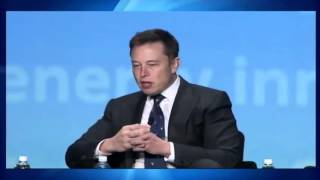 201434:32
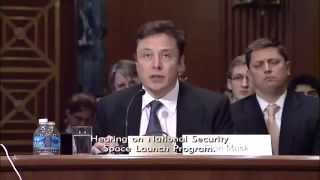 20141:20:22
 201330:53