2019年,马斯克坐在ARK Invest的播客话筒前,说了一句让整个自动驾驶行业竖起耳朵的话:大概到明年年底,一个人就可以在车里放心睡着,醒来时已经到达目的地。
他把前提也讲得很清楚。技术上,他猜是这个时间;监管上,他自己也不确定什么时候能批下来。这跟很多人印象里那个只会喊口号的马斯克不太一样。整段访谈里,他谈安全性、谈数据、谈Model 3的产能,还花了相当篇幅谈监管。
这期节目由Yahoo Finance转述,嘉宾是ARK Invest的分析师Tasha Keaney,她当时就在马斯克旁边,亲耳听完了他整套说辞。下文把她提供的细节和马斯克的原话放在一起,看这个“明年年底”到底是怎么来的,又该怎么给它打折。
一场从推特私信开始的采访
采访的缘起本身就挺马斯克。ARK Invest长期做特斯拉的原创研究,尤其在自动驾驶的数据优势上写了不少报告。Keaney在推特上被人剪了一段讲特斯拉的片段,马斯克看到了,主动发来一条私信,说“分析得不错”。
Keaney顺势邀请他上播客。她的原话是这么说的:
我们问他能不能来录一期播客,结果出乎我们意料,他答应了。(Tasha Keaney)
听起来像个巧合,其实不是。ARK和特斯拉的关系不浅。ARK的首席投资官Cathie Wood在特斯拉考虑私有化的时候写过一封公开信,劝他们别退市。特斯拉是ARK的重仓股之一,长期目标价定在4000美元。马斯克对这家机构不陌生,他知道对面坐的是谁。
这场对话因此不是随机采访。提问的人懂特斯拉,也懂自动驾驶,马斯克愿意来,多半是因为他相信对方问得出真问题。后面聊到监管、聊到事故率、聊到远程接管,提问的深度也印证了这一点。
明年年底,在车里睡着
整段访谈里,最抓人的是那个时间点。马斯克的原话是这样的:
我的猜测是,一个人基本上可以睡着、醒来时已经到达目的地,这件事大概会在明年年底实现。这是我认为最有可能的时间点。(Elon Musk)
他紧接着补了一句,说自己不知道监管机构什么时候会同意。这句话很重要。很多人记住的是“明年年底”,忽略的是后半句。马斯克把“技术可行”和“监管放行”拆成了两件事,他只在技术那半边给了时间表。
同一场访谈里他还提了一个更近的时间点:2019年内,你的车就可以在停车场自己开过来接你。这个功能叫“智能召唤”,听起来像玩具,其实是完全自动驾驶能力的一次前置验证。车得先能在低速环境下自己认路、自己避开障碍、自己找到车主站在哪儿。
Keaney对监管问题的关注,有它的背景。她说马斯克最近谈Autopilot的口吻比过去克制了一些,不再一味强调技术多牛,而是愿意主动提监管。她的解读是:
随着自动驾驶功能越来越多,监管就不可避免地要卷进来。马斯克在这件事上的表态,比以前平衡了。(Tasha Keaney)
美国在监管这一步上走得算早。Keaney提到,美国是第一个允许企业在公共道路上测试自动驾驶的国家,这件事的意义在于,你得先让车在路上跑起来,才能教会它怎么开。她的判断是,美国大概率会是第一批落地完全自动驾驶的国家,特斯拉则有机会成为第一批把这项能力交付给消费者的公司。
这里有个容易被忽略的机制。允许上路测试,等于允许企业在真实道路上收集边缘案例。封闭测试场再大,也造不出真实世界里那些千奇百怪的场景:某个路口突然冲出的电动车、临时改道的施工围栏、倒着走的环卫车。测试许可放开得早,数据积累就启动得早,后面的算法迭代才有原料。监管的开放程度,直接决定了技术进化的速度。
监管只认一个证据:数据证明比人开安全
主持人问了一个很多人心里的疑问:大家都知道自动驾驶比人开安全,可一旦出事,舆论的反应完全不成比例。一台自动驾驶汽车撞死人,比人类驾驶造成的死亡更受关注。这不就是情绪问题吗?马斯克一个工程师,他能理解这种情绪吗?
Keaney的回答很直接。她说马斯克身上工程师的那一面,不只在聊天时流露,整个公司的策略里都能看出来。特斯拉一开始就把自己当成软件公司,拼命强调技术,马斯克本人也花大量时间和Autopilot团队泡在一起。
她也承认,特斯拉对舆论的不对称非常清楚。任何一台特斯拉出事故,不管Autopilot开没开,上新闻的概率都远高于其他品牌。这是做行业领头羊要付的代价。她讲得更狠一点:特斯拉撞车就是新闻,别的品牌撞车不是新闻。
那监管到底要什么?Keaney说得很干脆:
监管机构想看到的东西其实就一样,你得证明它比人开车更安全。特斯拉有一个别人没有的优势,它手里有几十亿英里的行驶数据。(Tasha Keaney)
监管不是靠辩论说服的,是靠数据说服的。谁手里有真实路测里程,谁就有资格先跟监管机构坐下来谈。特斯拉攒了数十亿英里的数据,这些数据来自真实用户每天在路上的驾驶,场景分布比测试车队更广,也更能覆盖普通人的日常通勤路线。
ARK自己做过一个测算,拿飞机的事故率做参照,结论是完全自动驾驶能把事故率降低80%。注意,是80%,不是100%。
这个数字很关键。它意味着即便技术成熟,事故也不会归零。公众和监管如果拿“零事故”当验收标准,这项技术永远上不了路。ARK把预期定在80%,等于给整个行业划了一条现实的及格线。这条线往后再讨论责任划分、保险定价、法律法规,才有意义。
人类驾驶的危险程度,其实被日常经验稀释了。开车这件事本身风险不低,只是大家开了太多年,麻木了。Keaney提到这点时语气很平:人本来就不擅长开车,数据也一直支持这个判断。把方向盘交给算法,从统计上看是把风险往下压,而不是往上抬。麻烦在于,一次由机器造成的死亡,在公众心里的重量,远大于一千次由人造成的死亡,尽管后者每天都在发生。
特斯拉的底牌是几十亿英里的路测数据
为什么数据这件事这么要命?可以这么理解:教一个新手司机,你让他看一万小时的教学视频,不如让他上路开一千公里。自动驾驶的算法也一样,它需要在真实道路上看过足够多稀奇古怪的场景,才知道遇到那情况该怎么办。
特斯拉的做法是让每一台卖出去的车都变成数据采集器。车在路上跑,摄像头在录,遇到算法拿不准的情况,片段就回传给总部。这套机制的好处是,车队规模越大,数据涨得越快,算法迭代也越快,三者互相推着往前走。
这也解释了马斯克为什么那么在意产量。Keaney在访谈里反复提到,Model 3是特斯拉当前的重心,刚开始向欧洲和中国交付。她有一句话点破了逻辑:
我们当然希望路上跑的特斯拉越多越好,因为它们本身就是研发中心,最终会把这些能力变成自动驾驶。(Tasha Keaney)
这句话值得琢磨。在特斯拉的模型里,卖车不只是卖车,还是在铺一张数据网络。每一台Model 3既是收入,也是未来自动驾驶能力的训练样本。这个飞轮一旦转起来,后来者想追就很难,因为数据量是指数级拉开的,不是靠多招几百个工程师就能补上的。
反过来看,产能爬坡不顺,事情的严重性就不只是少卖几台车。产量直接卡住了数据增长的速度,也卡住了算法成熟的时间表。特斯拉当年Model 3的产能地狱,从自动驾驶的进度看,代价比财报上的数字更隐蔽。
车身设计也在替安全兜底
聊到安全,很多人只想到算法。Keaney提醒了一个容易被忽略的点:特斯拉在被动安全上的设计,本身就在为自动驾驶时代的低事故率打底。
电池铺在车底,重心低,翻滚风险小。没有发动机,车头多出一块溃缩区,撞车时能吸收更多冲击。这些不是软件能解决的,是硬件结构决定的。换句话说,特斯拉的安全是软件和车身设计两条腿走路。
这个逻辑放在自动驾驶的语境下更重要。监管看的是整体事故率,不会单独评估算法表现。车身结构更安全,算法再叠加一层,最终的事故数字才会好看。两件事缺一不可。
Keaney提到,特斯拉的车在安全性上已经被证明优于燃油车,很多改进来自结构本身。这也解释了一个现象:即便Autopilot没开启,特斯拉的事故统计也相对好看。硬件底子在那儿摆着,软件只是又加了一道保险。
给马斯克的时间表打几折才合理
主持人抛了一个很实际的问题:马斯克给出的产量估计,比ARK自己的模型还高,这可信吗?
Keaney的回答没有回避。她说自己不意外,因为马斯克一向给公司定非常激进的目标,过去也确实有没兑现的时候,但特斯拉最后还是把这些“不可能”做成了,可能晚一两个月,但从没缺席。
她提到马斯克自己的辩护:
他会说,我确实晚了六个月,但我做成了一件指数级难度的事。(Tasha Keaney转述)
所以ARK建模时的做法是,在马斯克给出的时间线上加20%到50%的缓冲。这个做法很务实,等于承认“他说的时间不能全信,但方向值得押注”。
主持人在旁边接了一句调侃,说马斯克好像讲过,如果你晚两周,那就叫突破了某个临界点。Keaney笑着确认,说就是这样。这段对话挺有意思,它把马斯克那套时间观的荒诞感和说服力同时摆了出来。
Keaney后面还有一句话,把整件事的权重讲透了:
如果完全自动驾驶真能实现,那就是一次了不起的技术突破。他晚一两个月我们根本不在乎,因为大概率他还是第一个做出来的。(Tasha Keaney)
这句话其实在教人怎么读马斯克。他给的时间点要打折,他给的方向不用打折。两个东西混在一起看,就容易得出两种极端结论:要么觉得这人满嘴跑火车,要么觉得他说什么都得信。两种都不对。
把时间表和方向拆开之后,判断标准就变得可操作了。看方向,看的是他的资源配不配得上那个目标,数据规模、团队、供应链、资金,哪一样缺了都得打折。看时间,看的是他历史上的兑现记录,平均晚多久,就往后再推多久。这两条一分开,马斯克的预测就从“信或不信”变成了一个可以估算的区间。
远程接管的问题,他没被问到
访谈快结束时,主持人问了一个挺有意思的问题:走出录音间,你最想问但没问出口的是什么?
Keaney的答案是远程操作网络。特斯拉在完全自动驾驶的规划里,没有设置远程接管中心。而行业里另一条路线,比如Aptiv(从德尔福分拆出来的那家公司),走的就是这条路,建一个远程操作中心,车遇到搞不定的情况,后台有人接进去帮忙。
这个差异不是小事。有远程接管,等于给系统留了一个人肉兜底,出问题时有人能救场;没有远程接管,意味着特斯拉要把所有边缘情况都交给算法自己处理。前者更容易过监管,后者更彻底,风险也更集中。
Keaney说她们本来想问这个问题,时间不够,没问成。还有一大堆关于电池的问题也压着没问,最后只能把话题收在自动驾驶上。
这个“没问出口”的细节,反而透露出特斯拉路线选择的激进程度。它不给自己留后路,赌的是算法足够强。这个赌注对不对,当时没人知道,访谈也没给出答案。
对比一下就很清楚。远程接管方案承认了一件事:算法总有搞不定的时候,得有人在后面兜着。这个方案落地更慢,成本更高,监管更放心。特斯拉的方案是另一套逻辑:靠数据把算法喂到能覆盖绝大多数场景,剩下的极端情况用冗余设计扛过去。两条路各有各的道理,区别在于你信不信“数据规模能解决长尾问题”。
回到那个“明年年底”
这段访谈录在2019年,马斯克说的“明年年底”是2020年底。今天回头看,那个时间点没有兑现。完全自动驾驶的落地比他说的晚了不止一两年。
但这不意味着整段访谈没有价值。恰恰相反,它把一个真实的决策过程摊开在你面前:一个工程师怎么权衡技术、监管、数据和量产,怎么在激进目标和现实约束之间找平衡,以及外部观察者该怎么给他的话打折。
Keaney那套方法可以迁移到任何一位爱立flag的创始人身上。把时间表和方向分开看,时间表往后再推,方向要看他的资源禀赋配不配得上。马斯克敢说“明年年底”,底气来自数十亿英里的数据和一支他亲自盯着的团队。这两样东西,别的公司短时间凑不齐。
还有一个细节值得记下来。整场对话里,马斯克主动把监管单独拎出来讲,这在2019年并不常见。多数做自动驾驶的公司当时更愿意谈技术突破,谈里程数,谈去安全员。他愿意承认监管是一道独立的关卡,说明他对时间表的不确定性心里有数。这个姿态比那个具体年份更可信。
自动驾驶这件事,从2019年喊到今天,还没走到终点。但读这段访谈能让人少犯一个错误:别被时间点带着跑,也别因为时间点没兑现就否定整件事。
- 听到任何自动驾驶时间表,先把“技术可行”和“监管放行”拆开看,绝大多数乐观预测只覆盖前半段。
- 评估一家自动驾驶公司,先问它有多少真实路测里程,数据规模决定了它跟监管谈判的底气。
- 把行业预期定在“事故率降低80%”而不是“零事故”,这是ARK给出的现实及格线,也是公众该建立的预期。
- 读创始人的预测,时间点往后再推,方向看他的资源配不配,两件事分开下判断。
- 留意一家公司有没有远程接管兜底,这决定了它的技术路线是求稳还是求彻底,风险结构完全不同。
0:00Elon Musk is no stranger to making bold predictions on the future of autonomous cars in an interview with arc invest must give a timeline of what he expects from fully autonomous cars we'll be ready to hit the road before we take a listen to that though I want to bring in Tasha Keaney she's an analyst at arc investments who was with Elon Musk when he said this so first of all tell us like how this whole podcast came about yeah so actually through Twitter musk favorite platform he saw a clip of me talking about Tesla arc at arc we do a lot of original research and we focused a lot on their autonomous data advantage so he he messaged me and he said great
0:42analysis and then I asked him to be on our podcast he messaged you he did yeah like a DM yes the DM z-- open what did you do so we asked him to be on the podcast and you know to our tourist surprise and and Happiness he agreed but he's he's also he's familiar with arc because we've been very vocal about Tesla for a long time Kathie our cio had written a letter when they were thinking of going private so he was and asking them not to go private it's one of your biggest Holdings you have to like balance and make sure you know all that kind of stuff so and you are a huge bowl on the stock you have a $4,000 long-term
1:21price targets no fair to say yes it's one of our top positions just to get that out there okay so now let's dive into what Elan actually said here is a clip from your guys podcast my guess as to when we would think it's safe for somebody to essentially fall asleep and wake up the destination probably towards the end of next year that's that's one when I would think it's most likely it will be safe enough for that I don't know when regulators will agree I thought it was interesting how much he talked about regulation actually and you guys asked him about regulation as well he is very optimistic on how autonomous
2:01is going I just said he thinks somebody's gonna be able to fall asleep in the car and be okay at another point he said like this year you could be picked up in the parking lot by your car why so much focus on regulation from you guys and also in his mind yeah you know I think well as we add more autonomous features regulation becomes it comes into play a bit more and I think in general musk has been a little bit more balanced on what he's been saying about autopilot so I think that's why he wanted to highlight that aspect but you know overall in the u.s. we've seen a lot of positive things on the regulation side I mean we're really the first country to allow companies to test
2:38on public roads and that's huge I mean you need that in order to teach a car to drive so I think luckily will be one of the first countries to get autonomous driving and Tesla could be one of the first companies to bring it to us now something else that I thought was interesting is you know he again reiterated what she said a few times that it's just simply safer for people to not be driving cars then all the data backs it up and I think we all intuitively know that I mean driving is pretty dangerous it's gotten a lot safer but humans are really not that good at driving cars but it kind of is related to something else he said which is that he's an engineer right he's not like a
3:12finance guy and I think I guess I would just ask like when you talk to him does he is he aware of the fact that like everyone does know self-driving cars are safer but there's just that like emotional thing of like if there's a death in a self-driving car it seems like it's more important than a death in a car a human's driving even though it happens at an infant tesam alrea Ella t'v two vehicle deaths you know in in human operated car accidents yeah you know I think I think must being an engineer really shines through it I mean not just in in talking with him but in the company strategy the fact that there they started as a software company
3:51they're highlighting the technology so much he clearly spends a lot of time with autopilot team I think you know in in terms of the death in an autonomous car so at arc we've predicted that looking at the accident rate in airplanes that fully autonomous driving will reduce accidents by 80% that's not 100 percent I think Tesla is acutely aware of this because they every time a Tesla crashes it's a big deal it doesn't even matter if autopilot is on or not it's a Tesla cross it crashes it's in the news way more so than any other automaker so so I think that they're they're aware of that fact you know that the more important thing again what regulars want to regulators
4:31want to see and what Tesla has said their discussions have been with those regulators is you need to prove that it's safer than a human so Tesla's really uniquely set up to do that because they have all this data that no one else has they billions of miles of data soutache I'm curious to hear about what your takeaway was in terms of the biggest concern that Elon has at the moment is he focused a lot you know primarily on the safety end of things because another thing that kind of folds into this is just the production right Tesla has very ambitious scale that they would like to build in China and domestically here in the US but obviously there are
5:03reliability concerns we've seen some of the headlines with the model three and the reliability today even what's the kind of feel that you got from Elon in terms of where his focus is kind of are right now so you know I think you're absolutely right the model three is a big focus for Tesla right now they just started delivering cars to Europe and China in terms of safety I mean that Tesla cars have proven themselves to be much safer certainly than a gas powered car in many ways I mean even just the design of having the battery sort of at the bottom of the car helps with that it allows you to put in more components that that help in a crash basically they
5:36have a larger crumple zone so I I think they're they're really focused on production of the Model 3 and they should be we want them to get as many cars on the road as possible because they act as R&D centers and then they'll eventually enable autonomous driving so when you were talking about trying to get as many cars on the road as possible I mean some of his estimates were even above what you guys are modeling for did you find that surprising gee is it believable I don't find it surprising because Elon Musk he has a very aggressive estimates for the company he sets very aggressive goals and they fallen short of those goals in the past but they still achieved the impossible I
6:16mean they're still doing these incredible things they might do them a month or two late but they do them so he takes point with that he says like oh I just do it but I'm six months late and doing something exponentially recall that it wasn't yeah something about how like if you if you're two weeks late it calendar breaker telling a breakpoint right exactly exactly exactly so we're used to that so in our models you we might put a twenty to fifty percent margin on the time line of what he says but I mean if you achieve fully autonomous driving that's still an amazing technological breakthrough so we don't care if he's a month or two late because it'll probably be first still so
6:53I mean this happens to pretty much every interview we do you walk out and you say oh I really wanted to ask him that question I forgot what did you really want to ask him that you didn't get to well there are so many questions that we have for Tesla so you know it well the one you're kicking yourself about the one I'm kicking myself about well one thing that's pretty unique about Tesla is they don't have a remote operator Network planned for their autonomous cars so this is something that company is like active for instance the Delphi spin-off have talked about it's basically like a tella operation center that helps the car in times of need when
7:28you go to full autonomous tells doesn't talked about that before we didn't get to that question but and you know there's millions of questions that we could have asked about batteries that's also big focus for us at our can bus but we tried to keep it to autonomous driving yeah one day and Elon will answer all of our questions when one day I come on the show maybe we hope all right in our Batphone yeah tasha keaney i confess thank you so much great podcast really good to see you thanks for having me
资源与出处
- 视频在 YouTube 收看
- 档案silicon-valley.tech 档案页本页视频与文稿数据来自 Elon Musk Archive
- 精读本篇精读 Markdown 版
相关视频
同频道、同主题或相邻年份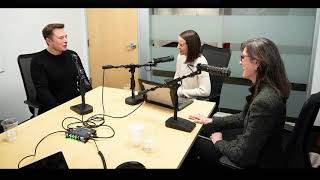 201927:58
 201511:27
 201540:11