2013年5月8日,特斯拉第一季度财报电话会进行到第四十分钟。摩根大通的Amy Carroll问了一个零售业最基础的问题:走进你们门店的人,最后有多少买了车?
马斯克的回答绕了一个弯。他说这个问题问错了。
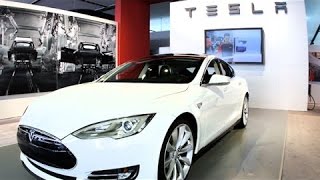
特斯拉的门店开在高端购物中心,一个新设计的门店一个季度能接触到上百万人。但这些人里绝大多数只是逛街,进店看看车,买件T恤,或者纯粹好奇。拿门店客流算转化率,得出的数字一定很难看。
他给出了另一个数字:合格线索在试驾之后的转化率,大约是25%。他自己评价,对试驾这个环节来说,这个数字相当高。
这场四十五分钟的电话会,信息量远不止一个转化率。2013年Q1是特斯拉成立以来第一次实现季度盈利的季度,也是这家公司从“能不能活下来”切换到“能不能规模化”的转折点。马斯克和CFO Deepak Ahuja(迪帕克·阿胡贾)把毛利率怎么往上爬、销量为什么不猛推、欧洲什么时候开始交付、Model X为什么又推迟了半年,一件一件讲清楚。
下面按问题顺序拆开讲。
门店真正在卖的是认知
传统车企的销售链条是经销商加广告投放,特斯拉走的是直营门店加口碑。门店选址在高端商场,装修精致,人流量大,但它承担的任务是让人知道特斯拉是什么。把车当场卖出去,不在这套体系的设计目标里。
马斯克在电话会上把话说得很直白:我们的门店主要是把人吸引进来,教育他们了解特斯拉和这个品牌。这套打法和传统车企完全不同,所以拿门店客流的成交比例去衡量它,本身就不对。
他顺带讲了个细节。特斯拉的周边服装销售其实做到了几百万美元,而且几乎没怎么用力推。这个数字放在一家车企身上有点滑稽,但它说明品牌本身已经带上了溢价,人们愿意穿着它上街。
真正值得看的指标是试驾之后的转化率。25%意味着每四个认真来试驾的人里,就有一个下单。试驾本身就是一道筛选,愿意花时间坐进车里开一圈的人,已经对产品有基本兴趣。在这个池子里做到四分之一成交,说明产品体验能撑住预期。
同一轮问答里,Amy Carroll还问了售后服务。马斯克的回答很诚实:服务目前只能算“还可以,但不算好”,每周都在改善。
他举了两个具体故障。第一个是门把手。特斯拉用了很花哨的隐藏式门把手,传感器偶尔失灵,客户拉门把手门不开。客户体验显然很糟,马斯克原话如此。问题在新版本门把手上做了根源修复,故障率降到几乎为零,已经在路上的车通过远程固件更新解决大部分情况。
第二个更离谱。车上有一块12V铅酸辅助电池,采购自一家名声不错的美国供应商。这家供应商把生产外包到中国,中国那边又外包到越南。层层转包之后,电池寿命远低于预期,一批客户因此不满。特斯拉几个月前开始对电池组做更严格的筛选,现在装车的是改进过的版本。
这两个案例放在一起看,指向同一件事:一家硬件公司的口碑,经常毁在最不起眼的零件上,核心技术反倒很少是元凶。门把手和12V电池都不影响车辆能不能开,但它们每天都在被客户碰到。
5%的毛利率是个假起点
德意志银行的Dan Galves算了一笔账。剔除ZEV信用额度收入之后,Q1汽车毛利率大概在5%到6%,年底要做到25%,意味着每台车的毛利要提升1.7万到1.9万美元。他想知道这么大的改善从哪来。
马斯克先纠正了起点。5%到6%是整个季度的平均值。Q1季度初的毛利率很差,季度末已经好得多。真实的起跑线比这个平均数高出一截。这个细节很关键,因为很多人看到季报上的平均数,会以为特斯拉要用九个月时间把毛利率翻五倍。
改善来源他列了四类。物流成本在降,供应商谈判拿到了更好的价格,制造流程在内部和供应商两端同时改进,设计层面的优化也在推进。
四类里面,设计优化最慢。马斯克的解释是,设计要先做完,再验证,然后才能投产。这个链条走完需要几个月。所以25%的目标只能放在Q4,不能更早。别的动作并不慢,慢在设计类改进天生带前置周期。
成本改善传导到财报还有一层滞后。Andrea James那一轮,马斯克把这个时间差讲得更细:从零件下单、到货、装车、发运、客户提车、公司收到钱,中间有两三个月。就算成本已经降下来,也要六到八周才会体现在季度财务数据里。
这两层滞后叠加,解释了后面一个看似矛盾的决定:毛利率目标定在Q4,但把资源转向Model X的动作发生在Q3。
供应商不信你能卖那么多
整场电话会里最有画面感的一段,是马斯克讲供应商。
有些供应商当初做产能规划时,内部预测是这个产品整个生命周期能卖3000台。特斯拉一个季度就卖完了。供应商不敢按真实需求备产,工装没跟上,零件供不上,特斯拉只能付加急运费把货空运过来。
马斯克的原话:
有些供应商内部的预测是,这个产品整个生命周期能卖3000台。我们上个季度就干完了。(马斯克)
等供应商真的相信了这个量级,把工装补齐,成本节约就出来了。Dan Galves追问,供应商现在配合吗,还在付大量加急运费吗。马斯克的回答是,加急运费每个月都在降,供应商产能上来了,特斯拉自己的生产计划也稳定了,两头都在往好的方向走。CFO补充了一句,Q1季度末的运费成本已经好于季度平均,这给了他们继续降本的信心。
这段对话藏着一个供应链管理的常识:供应商的产能承诺,取决于他们信不信你的预测。信任靠实际订单量建立,PPT说服不了任何人。特斯拉2013年初面对的问题,是它的订单增速远超供应商的心理预期,供应链的扩产节奏跟不上整车厂的爬坡节奏。
78小时和50小时
巴克莱的Brian Johnson问的是工厂里的具体数据。
Q4末期,工人每周工作78小时。到Q1末期,这个数字降到50小时以下,同时释放了大量为应对产能爬坡临时招进来的工人。工时下降意味着单位人工成本直接改善,这是毛利率爬坡里最直接的一块。
库存数据更能说明问题。Q1产量大幅提升,库存绝对值反而比年初下降了3000万美元。CFO的解释是库存管理和生产流程都在改善。产量涨、库存降,说明资金周转效率在提升,这部分改善直接进了经营现金流。
Brian还问了一个客户画像的问题:买特斯拉的人,车库里原来停的是什么车,相当于传统车企说的“换购来源”。马斯克的回答是,样本期内的调研显示价格区间和品牌跨度极大,从平价车到豪华品牌都有。他的结论是,客户决策的基础是可负担性。之前开什么车,影响有限。
这个观察放到今天看依然成立。特斯拉没在抢某个特定品牌的客户。它在抢“这个价位上我还能买什么”这个问题的答案。
ZEV信用额度:一扇正在关上的窗
太平洋皇冠证券的Ben Schuman第一个问题就问ZEV。Q1确认了一笔ZEV信用额度收入,他想知道Q2的毛利率指引里隐含了多少,以及剔除这笔收入之后,毛利率怎么从5%走到25%。
马斯克的回答按季度给了一条下滑曲线。Q2会下降,Q3下降幅度更大,Q4目前不预期有任何收入。他补了一句,Q4也许会有一些,但公司不把它算进计划。
高盛的Patrick Archinal后来追问,能不能给个概率,方便建模。马斯克的回答更干脆:按零算。他预计信用额度的需求大概在Q3就饱和了。
如果一定要给Q4一个数字,我会按零来算。信用额度能卖我们当然会卖,但老实说,我们预计需求在Q3就饱和了。(马斯克)
这段话的财务含义比表面看起来重。ZEV收入是纯利润,没有对应成本,它在毛利率里的杠杆效应极大。把这块收入剥掉,25%的毛利率目标就变成了一个纯粹靠造车和卖车实现的数字。马斯克反复强调Q4按零计算,等于在告诉市场:不要用补贴类收入给这家公司估值。
这也解释了为什么毛利率目标的时间点定得这么死。补贴收入在退潮,车本身的经济性必须顶上来,两条曲线要在Q4完成交叉。
融资方案把可负担人群放大了十倍
拉扎德资本市场的Adit Sari问需求结构。马斯克的判断是,长期看大部分销量会走融资购买,这在豪华轿车市场本来就是常态,多数车是金融方案卖出去的。他甚至认为特斯拉的融资比例会更高,因为油费节省只有在按月对比的时候才看得清楚。
他算了一笔日常账。在美国,作为日常通勤车,每个月油费相比电费能省200到300美元。在欧洲,油价更高,这个数字可能翻倍,到500美元左右。
然后是全场最重要的一个数字对比:
如果只能全款购买,大概只有1%的美国家庭买得起,也就是100万户左右。有合适的、充分优化的融资产品,大概前10%的家庭,1000万户,都够得着。(马斯克)
同一台车,同样的价格,只因为支付方式不同,可触达的市场从100万户变成1000万户。这就是融资产品对高价耐用品的杠杆。
Patrick Archinal追问融资产品上线后的实际效果。马斯克说需求有明显提升。他拿Solar City做类比:太阳能系统从一次性买断变成金融产品之后,需求涨了一个数量级。
太阳能城市那边,从卖系统变成卖金融产品,需求涨了一个数量级。我不敢说特斯拉会有同样的量级,但影响会相当大。(马斯克)
后面Andrea James问融资接受率,CFO给了具体数字:特斯拉自己这套融资方案目前的接受率大概25%,还在上升。整体来看,大约一半的客户选择某种形式的融资购车,其中一半走的是特斯拉与富国银行、美国银行合作的项目,另一半走第三方金融机构。
为什么不猛推销量
Patrick Archinal抛出了一组订单数据。按当时的销售速度年化超过2万台,相当于每天至少55台。而2月份能拿到的预订序列数据显示,日订单一度低到30多台。他想知道这个反弹里,融资产品占多少,季节性占多少,国际订单占多少。
马斯克没有正面拆解这些比例,他讲了一个优先级问题。
我们还没真的下力气推销量,因为得先把房子收拾好,把车造得尽可能高效,再谈冲量。(马斯克)
他说的“收拾房子”包括三件事:运营效率、毛利率、售后服务。在这三件事没做好之前,把量冲上去,等于把一堆产品倒进市场,然后收获一堆抱怨。
他给了一个时间预期:明年可能有比较明显的销量增长,因为到时候才真正去试探需求的深度。他补了一句,这个深度可能比原来想的要高不少。
这段话值得单独拎出来。2013年的特斯拉选择先做好单台经济性,再放量,顺序和很多硬件创业公司相反。多数公司的做法是先冲规模、再修毛利,赌的是规模效应能覆盖一切。马斯克的选择是先把毛利率从个位数拉到25%,再谈增长。
这个顺序背后的逻辑在后面的问答里被他自己说破了:如果先冲量,供应链、服务网络、生产能力都是按低标准搭起来的,等要回头修的时候,成本更高。
1.5万、5000、1000
摩根士丹利的Adam Jonas问今年21000台交付的地理拆分。
马斯克先给了一个约束条件:上半年所有销量100%来自北美,一直持续到Q2结束。这意味着北美的底数至少是1万台。
然后他给了一个带保留意见的估算:北美大概15000台,欧洲5000台,亚洲1000台。他强调这些数字不要当真,只是被追问时的最佳猜测,置信区间很宽。
Adit Sari之前问过长期需求的地理结构,马斯克的回答更宏观:欧洲每年至少1万台的需求,亚洲至少5000台,中国是个变数,可能远高于这个数。
把两组数字放在一起看,2013年的特斯拉还是一家北美公司。欧洲刚开始交付,亚洲基本是零。这个时间点上的“全球化”,实质是把北美验证过的模式往两个新市场复制,而复制的前提是产能和服务网络能跟上。
Model X为什么让路
Jefferies的Elaine Kwei问Model X的进展,以及2亿美元资本开支里有多少投向它。
马斯克的回答分三层。Q2的任务是把设计定稿,包括内饰、经济性和车身造型。但Model X目前不是公司的头号优先级,头号优先级是提升Model S的生产效率和售后服务。今年晚些时候,Model X才会变成头号优先级。量产时间从明年年初推到明年年底,这个调整之前已经公开说过。
Andrea James紧接着追问:内部用什么指标判断“可以开始把资源转向下一阶段了”。
马斯克的回答把前面几件事串了起来。资源已经在往下一阶段倾斜,本季度和下季度会持续增加,到下一季度中后期,Model X会成为优先事项。原因是到那个时候,为了达成毛利率目标所必须做的动作已经做完了。
他补了一个时间差的解释:成本改善从发生到进财报要六到八周,从零件下单到收到客户的钱要两三个月。所以Q4财报上看到25%的毛利率,实际动作在Q3就完成了。Q3动作一完成,资源就可以转向Model X。
这条因果链很干净:毛利率目标的用处不止于财务报表好看,它是资源释放的触发器。目标达成的时点,决定了下一款车什么时候能拿到全力投入。
租赁会计背后的现金其实提前到账
美林的John Lovallo问租赁会计的影响。这块容易被误解,马斯克和CFO解释得很耐心。
特斯拉提供的是一种带转售价值保证的销售方案。客户拿到的是一台车,特斯拉一次性收到全部现金,应收账款不会增加。会计上之所以要按租赁处理,是因为公司给了期末回购的承诺,所以收入和成本要在36个月里摊销。
结果是什么?毛利率的百分比几乎不受影响,但绝对金额会低,因为不再一次性确认全部收入。
还有个反直觉的细节。融资方案的毛利率其实略高于全款购买,因为特斯拉能分享金融合作方产生的利息收入。现金到账也比全款购买略多一点。
这一轮问答的价值在于拆掉一个误解:看到“租赁会计”就以为特斯拉在垫资、在压现金。实际情况相反,现金提前到账了,只是账面收入被摊平了。
5000美元定金的改革
Andrea James还问了预订流程的变化,以及“取消”这个词现在还有没有意义。
马斯克承认之前的流程很糟糕。客户先交5000美元订金,但这个时候既不能配置车辆,也不知道最终价格。等配置器开放,一堆人选完自己想要的选项,发现比预想的贵,于是取消订单。这个流程把人吓跑了。
2013年4月2日之后改成这样:下单时直接选定配置,两周内可以改配置也可以取消,两周之后订金不退,配置锁定。
他还提到正在考虑降低初始订金。理由很实在:公司现在不缺这笔现金,而客户刷5000美元,特斯拉要付信用卡手续费,这是一笔没必要的成本。
这个细节很小,但它反映了一家公司在不同阶段的关注点变化。缺钱的时候,订金是融资工具;不缺钱的时候,订金是摩擦成本。
现金流和黑天鹅
Dan Galves问现金流。Q1经营现金流是正的6500万美元,Q2指引却是中性,他想知道中间发生了什么。
CFO的解释是营运资本。Q2有大量车辆在海上运往欧洲,这些车已经生产出来,钱还没收到,占用的营运资本直接从经营现金流里扣。北美交付量下降加上在途车辆增加,两个因素叠加,把Q2现金流压到中性。
Adam Jonas问了一个更宏观的问题。当时特斯拉股价涨得很猛,他担心的是公司控制之外的因素,比如经济周期,会不会让团队的努力白费。他问马斯克有没有考虑增发,把资产负债表垫厚一点。
马斯克的回答是暂时没有计划。Q1现金流为正,Q2预计中性。如果真要融资,理由会是防备意外,比如供应链突然中断这类黑天鹅事件。日常经营不需要这笔钱。
这个回答的措辞很谨慎。他的说法是“目前没有计划”,同时留了一句“如果有黑天鹅,融资有道理”。对一家还在爬坡期的制造业公司,这是诚实的表述。
这场电话会真正说了什么
把十几个问题串起来,2013年Q1的特斯拉在讲一个很清晰的故事。
收入端,需求不构成约束。试驾转化率25%,融资产品把可负担人群放大十倍,订单增速一度超过供应链的承受能力。瓶颈在供给端和盈利能力。
成本端,改善来自四个方向,设计最慢但有前置周期,供应链最快但依赖信任,制造工时和库存管理已经在出结果。所有改善传导到财报有六到八周滞后。
收入结构上,ZEV信用额度在退潮,Q4按零计算。25%的毛利率必须由卖车本身撑起来。
资源分配上,毛利率目标是触发器。Q3动作完成,资源转向Model X,量产时间推到明年年底。
服务上,还有明显短板。门把手和12V电池这类低级故障,正在被逐个修掉。
这五件事拼在一起,是一个制造业公司从“能造出来”过渡到“能稳定赚钱地造出来”的完整路径。马斯克在电话会上没有讲愿景,讲的都是工时、库存、运费、摊销周期这些枯燥的东西。恰恰是这些枯燥的东西,决定了后面几年的故事能不能讲下去。
给读者的行动清单
- 看毛利率别看季度平均值,去问季度初和季度末分别是多少。平均数会掩盖爬坡速度,特斯拉Q1的5%到6%就属于这种情况。
- 把碳积分、补贴、信用额度这类一次性收入从估值模型里单独剥离,按零做基准情形。马斯克自己就是按零建模的,管理层比外部投资者更清楚这块收入什么时候会消失。
- 评估一家硬件公司的降本能力,先拆结构:供应链议价是快变量,几个月见效;设计优化是慢变量,要走完设计、验证、投产全流程。快变量能救急,慢变量决定终局。
- 如果你在管供应链,别指望用预测说服供应商扩产。特斯拉的经验是,供应商内部按“整个生命周期3000台”备产,结果一个季度卖完,代价是几个月的加急空运费。用实际订单建立信任,比用PPT快。
- 高价耐用品的融资方案是可负担性的杠杆。同一台车,全款和优化过的金融方案,可触达客群能差一个数量级。做定价策略的时候,支付方式要和价格一起设计。
- 服务口碑毁在低级零件上。给门把手、辅助电池、密封条这类“不影响能不能开、但每天都被碰到”的部件建一个独立故障跟踪表,比在核心性能上再挤一个百分点更能留住客户。
- 做用户调研,别只问“你之前开什么车”。特斯拉的样本显示换购来源横跨所有价格区间和品牌,真正的问题是“这个价位上我还能买什么”。问对问题,才能看见真实的需求边界。
0:00good day ladies and gentlemen and welcome to the Tesla Motors first quarter 2013 financial results Q&A conference call at this time all participant on a listen only mode later we will conduct a question and answer session and instructions will follow at that time as a reminder this conference call is being recorded I would like to turn the call over to your host Jeff Evanson from investor relations please go ahead thank you Patrick and good afternoon everyone Welcome to our first quarter Financial results question and answer conference call I'm joined today by Elon Musk Tesla's chairman and CEO and dakua Tesla's Chief Financial Officer we announced our financial
0:41results for the first quarter shortly after the close of trading today the shareholder letter Financial results and webcast of this Q&A session are all available at our investigations website at ir. teslamotors.com today's call is for your question questions and we will conduct the Q&A session live so please press star one
1:06now if you would like to ask the question like last quarter we will limit this call to 45 minutes during the course of this call we may discuss our business Outlook and make forward-looking statements such statements are predictions based on Management's current expectations actual results or events could differ materially due to a number of risks and uncertainties including those mentioned in our most recent 10K filed with the SEC such forward looking statements represent our views as of today and should not be relied upon after today we also disclaim any obligation to update these forward booking statements and now Patrick could we please have the first
1:51question our first question comes from Ben Schuman from Pacific CR Securities your line is open hey guys thanks for taking the call and congratulations on the the great deliveries and results in the quarter guess my first question is around the the Zev credits you disclosed the amount of Revenue in q1 can you say how much is implied in the Q2 gross margin guidance and kind of as part of that what are some of the big gross margin drivers to get from that 5% level now excluding the Zev Revenue to 25% and do you expect that 25% also without whatever positive impact from the lease accounting that you might see okay a few questions NE in there
2:39yeah so we are expecting a decline in Zev credit revenue for Q2 and then probably you a fairly significant decline in in Q3 and as I said like right now we're not expecting anything in Q4 that's i' say I mean it might be some some S Credit Revenue Q for but we're not counting on it I don't know I can't give any more Precision than that at this time the okay so biger Define in Q3 than in Q2 is it fair to say that oh sure of course yeah okay and then just one more from me the 200 million in capex can you talk about just what that's going to exactly maybe how much of the gross margin Improvement might be tied to additional Capital expenditures then deep here clearly
3:25some of the capex is related to improvements we're making in house by bringing more equipment in and automating our processes that results in gross margin Improvement and a portion of that is also new product development and then another portion is the infrastructure development of our service centers our stores and the supercharger Network yeah it's worth learning that we're probably q1 despite actually spending quite a lot of of money on new service centers expanding the supercharge Network stores and other things that obviously won't we won't need to keep doing I mean that that's you know not something that's going to need to occur on an ongoing
4:12basis but but we need to we need to establish a service network particular for example great thanks a lot right our next question comes from Dan galz with Deutsche Bank your line is open no thanks for taking my questions first one again kind of regarding the gross margin you know I did this I think the same simple math that Ben did to get to somewhere in the 5 to 6% gross margin Automotive gross margin excluding the Zep credits you know if that's in the ballpark it seems like you need to increase gross profit per unit by you know some something in the you know 17 to $19,000 per unit unit by the end of the year wondering if you could give us kind of the big bug big
5:04buckets that you're targeting for that Improvement and you know how much is within your control and how much might be you might need price concessions from your suppliers if any sure well first it's worth noting that when you see the gross margin for q1 we're giving you the obviously the gross margin average over the quarter and so the gross margin at the end of Q was significantly better than at the beginning of q1 so you you may sort
5:35of think oh we're starting from a base of five or 6% but actually we're starting from a base at that's that's that's a fa bit better than that and and then in terms of where the additional CLS are coming from it's it's it's a wide range of activities most of these have been put in place either in Q4 last year or or or in q1
5:59one but it takes time for those actions to bear fruit that they don't they don't happen instantly and and it's like say wi rate it's it's improving at the cost of our Logistics improving you get getting better deals from suppliers design improvements those the one design improvements are the ones that take the longest to come to fruition which is why you know we're only competent of a 25% Cor number in Q4 not sooner is because there are a number of improvements that are design related so you got to you know you've got to finish the design you've got to validate it and and then put it into production so and I'll add to that manufacturing process improvements both inhouse and at
6:45our suppliers cost yeah I mean a number of our suppliers have really done done some impressive work on cost reduction and you know for some and and for some others they they just didn't believe that we do these numbers so they they didn't didn't quite tool up for this level of production because there internal predictions were that we would do in some cases 3,000 over the entire lifetime of the product we're like yeah we did that last quarter so so as they sort of
7:23kind believe that those things that that these projections are real then they actually tool up and are able to deliver significant cost savings for Part Supply okay gotcha so just just to follow up the suppliers are cooperating with you in terms of you know reduce it so I guess are you still experiencing a lot of Premium Freight from suppliers that weren't ready to to produce at volume are they cooperating with you in terms of the design improvements and and kind of redesigning the the the component and then you know my second question relates to cash flow what is what's causing the the decline from 65 million of ocf in q1 to the guidance
8:06of neutral and Q2 and if you could remind us of your your minimum cash level and thanks so to to answer your first question our exped rate is continuing to reduce every month that goes by as both our suppliers have additional capacity to meet our needs and our production scheduled is becoming much more stable so it's all trending in the right direction and then to that same point of Elon where we ended with our freight cost at the end of q1 was better than the average for the quarter so it gives us comfort that or confidence that we continue to reduce our cost and then in terms of our cash flows you know we are mindful of
8:54the volumes as as you can see we are projecting lower deliveries in North America since we have quite a few cars on the board being shipped to Europe and that's a that consumes some degree of working capital which becomes a part of our cash flow from operations and that's a significant number so when you combine the lower deliveries because you're producing for Europe and the fact that we have these cars on the board that has an impact okay perfect thanks a lot our next question comes from Adit sari with Lazard Capital markets your line is open at to first on the manufacturing process you talked about the number of manufacturing hours being reduced by 40%
9:36can you give us a sense of how much more room is there to go and where does that stand in relation to your Target and then I have a followup I think there's clearly room to go further and there are a lot of activities in our manufacturing organization that's the continuing in that direction and then towards the second half of the year as we start to increase our production rate slightly further than our present levels that'll further add to the labor reduction on a per unit basis got it second question on demand when you when you talk about the 15,000 15,000 units per year does that include both sort of cash and Lease demand and could you also
10:21give us some more color on when we think about the 15,000 non US units what geographies do you expect that demand to come from and maybe a little bit more color the buyer base of sort of you know who who potentially could be buying these cars yeah we actually expect probably most of our most of our purchases longterm will will be Finance purchases which is actually normal for premium sedanss they're they're most their majority financed and in fact in in our case it might end up being a super majority because I think that's the best way to appreciate the savings you get from gasoline is is to look at it on a monthly basis in the US you maybe save $2 to $300 a month in gasoline
11:03relative to electricity costs if it's your daily driver in in Europe obviously that that number can can be double you know it can be maybe 500 $500 a month in if you're driving Europe because the cost gas seem CL as as much so so I think you know given given that I think it we'll see over time my guess is that it'll be a super already financed in one form or another and and I believe that also opens up the potential the affordability of the car to a much Bader a much larger number of people and I think if if like if our car was exclusively available for purchase and not not not by financing I think that's maybe accessible to you know 1% or roughly roughly 1
11:55million us households as a finan product with the right financing you know sort of fully optimized financing product I think it's probably accessible to the top 10 million households and you know then of course depends on what percentage of that house of those households will want to buy our car versus somebody else's but I do think that that it's you long term it's a primarily financed product and could you touch on sort of non- us demand in terms of geographical mix and where it comes from yeah sure well I I think we'll
12:35see you know probably at least 10,000 units a year from demand in in Europe and then at least 5,000 in Asia but but I mean that could be obious say a much bigger number China's kind of a wild card here there worth noting that all of the cars all the sales to dat including all the way through end of Q2 is 100% North
13:04American great thank you our next question comes from Adam Jonas with Morgan Stanley your line is open blon I know I've asked you a version to this question before and you guys have done a phenomenal job building what appears to be a viable business and a thriving business although still early and at a risky part of the of life cycle the company so to kind of you know when you look at where your share price is and is likely to be tomorrow and you think about the factors that are outside of your control to to kind of make sure that all this great work your team has done doesn't go to waste potentially for those factors outside of your control can you share
13:46your thoughts on potentially scking in you know padding the balance sheet a bit more with a a capital increase that could further improve your chances to keep keep investing in the business and focusing on the product and not the econ economic cycle sure well we don't have any plans right now to raise funding essentially we're we expect to be we were positive Cas FL q1 and we expect to be you know relatively sort of neutral on cash flow in Q2 but you know it's always possible that we could be op optimistic about raising around but but there's no we' spent no time on that at all
14:29so if if we were to do around it would be for the reasons that you mentioned you know which is to ensure that if there was some unexpected Supply Interruption you know some sort of for event yeah you know to to potentially protect against the for of your event that that there could be some Merit to to during around okay that's very clear Elon thank you and just a followup to an earlier question about the geographic split don't know if you can give any color of the 21,000 that you expect this year how much in by order of magnitude could come from Europe and to confirm whether there'd be any Asian numbers in in that in this year's figure thank
15:08you well I mean obviously given that the first half year is entirely North America that that obviously puts the floor of 10,000 if we sto shipping to North America on on you know July 1st then we would still have you know something like 10,000 North American cars so we're not OB not going to do that so we're you know it's it's
15:31probably do not take these numbers as as as Final in any way but you just have if I'm asked to sort of speculate I mean it's probably something like 15,000 in North America and five and 5,000 in Europe and 1,000 in Asia but this is you know don't hold me to these numbers so I was you know when I to St St I want to bracket it with the propoerty confidence interval that's that's my best GI yes those could numb could be different understood Elon thank you very much right the next question comes from Patrick archinal with Goldman Sachs your line is open yeah great thank you very much and yeah congratulations on on a good quarter you know just on on on
16:17the sales number you know I mean if you if if you are selling you know as you say above the you know the the 20,000 you know per year mark right now you know that kind of implies about you know at least 55 a day you know while we were still able to get you know kind of the the sequenced reservation data in February you know I believe that fell you know as low as the mid-30s so you know it's come up quite a bit you know which is which is obviously great I was hoping you could put a little bit more color on that you know how much of that is you know how much of an impact you know have you seen since the introdu since the introduction of the new Finance product
17:00you know I'm sure there's some seasonality that we need to think about and and you know you know what's what's what's the contribution to some of the international sales in in this acceleration thanks yeah I mean our Focus has been sort of more on just operating efficiently as a company and building cars that and con consistently improving the gross margin as well as ensuring we have really good service be an okay service we're working hard on making it on making Service Great you know I I think I think you we haven't really tried to push volume super hard yet because I think you need to make sure that the house is in order and the car is being made as efficiently as it
17:50can be made before you try to push volume so that's you know why we haven't triy to do that I think I think there's potential for you know and next year you you know fairly significant increase in volume as we really s of tap the the test the depth of the demand that's out there I think it's probably quite a bit higher than than than we originally thought but but like I said we we we don't want to just ramp volume and and even and but not have taken care of gross margin or you
18:28know have bad service and and and just dump a ton of product on the market I I think that's sort of the wi course action but we we'll still exceed I think what what most people are expecting us to do okay and if I can just one quick follow up on that I mean did you I know it's still early but have you seen a pretty good pickup you know from the introduction of the of the new Finance product yeah I we've definitely seen a meaningful Improvement in demand as a result of the the financing proct I think that's that's had quite an effect on people you I mentioned sort of in a some some prior S talks like that like at Solar City we saw just a monster
19:15increase in demand when it went from selling people solar systems as a purchase product b as a finance product it was really an order of magnitude difference in in in demand as a finance product bus versus purchased I don't say we'll see you know anything on that that scale at Tesla but I do think it's going to be pretty significant in in its effect that's helpful if I can just squeeze one more if that's okay just you know I I know your guidance for the 25% you know doesn't include Zev credits for the fourth quarter but you know I don't know how can you help us just bracket that possibility that there might be some you know are you in talks with I mean clearly you have
19:59the volume to to to have you know further Zev credits obviously are you in talks with other manufacturers you know for these kinds of credits I mean is there any kind of you know feeling of of of of probability that you can give us that would you know allow us to sort of handicap that I mean I think I would realistically handicap at it's zero for for the fourth quarter okay which is not I mean you know we'll sell them if we can but but honestly we we anticipate
20:33saturating demand for credits probably in the third quarter so maybe that's not true but but but I wouldn't for purposes of modeling our financials I think I would recommend assuming zero for credits in Q4 okay great thanks a lot guys our next question comes from Brian Johnson from please your line is open three topics your customer segmentation but before that just some more data points if you can provide them on the factory can you give us a sense of you know what the overtime hours or temp labor hours were say run rate exiting December versus run raate March I noticed your inventory was flat even though obviously Revenue was way up what you're doing in inventory and then how
21:26does that kind of lead to some of the gross margin Improvement you're talking about sure well well I me people were working really at the sort of 78 Hour Week level in at the end of Q4 you know now they're sort of down under 50 hours a week and we've also been able to release a lot of the the temp labor that we we'd added to deal with
22:01manufacturing efficiencies and do you want to add something on the inventory for yeah just to clarify Brian that our inventory was down by $30 million compared to end of the year despite the fact that our production rate was significantly up and that's clearly as a result of us better managing our inventory and our production processes and on the marketing side do you have a yet or data around what the other cars in your customer's garage are or sort of what the other automakers would call conquests what they own before versus what they're buying trading if any associated with the Tes I know you don't do formal tradein but just what are the other cars that your
22:46SE your customers typically out pretty wide range yeah we haven't got a a form of study across all of our customers but we saw some study over a narrow time period and it was very interesting to see there was literally across the entire gamut U of price points and Brands so we feel pretty good about that okay thanks yeah it just seems to be based on fundamental affordability rather than any particular prior car that they had so our next question comes from Elaine Quay with Jeff your line is open hi guys congratulations on the the great progress there I was actually wondering how development on the model X is progressing at this point you know
23:36if any of that 200 million capex is going to the ax and if any R&D is there as well and is the launch still for early 2014 well we certainly are making progress on the model X Focus in the second quarter is is to finalize the design so the in ter economics and the and the shape of the car it is isn't yet our top Focus because our top focus is on improving the efficiency of modelized production and and service but it will become our top Focus towards the end of this year we are we are expecting to start production of model model X towards the the end of next year rather than the beginning so but I think I think we've already stated that a few times so
24:26that's right so think that's just for everyone else listening that's that's not new news right all right that's right and actually on the the production efficiencies with the the raw material decline in the quarter how much of that was volume versus you just better purchasing strategies or negotiating with with with with suppliers or benefit from lower Commodities and how much more benefit do you think there' be to be gained there well I think the biggest jump was volume clearly as our cost per unit goes down the absolute amount of inventory we carry for the same number of cars is coming down but I think it was primarily as managing our inventory better and that was
25:15contributing towards our lower working capital and improvement in our cash flows okay great and and just I guess last one real quick what do the do you have a picture of what the 60 Kow hour mix looks like at this point and are most people taking the supercharger option on that thank you well we we do think that the mix of 60 K is going to increase we think more people will find and and I mean long term I think I think it's it might be a majority of people buy the 60 Co out ocean but you know thus far it's been sort of more like at the kind of the 35% level on on on the 60 Kow car
26:03but like I think that's going to increase I think it's roughly half of people are enabling supercharger at time of purchase but I think that that number is likely to I think that may increase in the future and certainly you can enable the the supercharger at any time after buying the car for a slight slightly higher amount so I think over time most 60 k our cars will enable will have the supercharge enabled either by the initial buyer or or future buyer right thank you so much our next question comes from Andrea James with d and Company your line is open this still kind of follow up a little bit you know you sort of put aside the model X and the Gen 3 you know
26:49you're focusing your resources on getting the model S right and taking the cost out and I guess what metrics do you look at internally you know where you can say okay okay this Pro progress is satisfactory let's let's start diverting more resources onto the next stage of Tesla well we're already doing that we're actually already devoting resources onto the next stage so that that'll that that'll keep increasing through this quarter and and and next and you know probably by sometime next quarter middle or end of next quarter our Fusion PRS will be our priority because we will'll be where we need to be or at least the we'll have done the things we need to do in order for the in
27:34order to achieve our gross margin numbers and and then you know once we once because of the time taken from when you know you have the parts are ordered to arriving to being put in a car car gets built loaded to a customer we receive a check there's kind of a couple months in there so even when we've made a cost Improvement it takes call it 6 to 8 weeks for that cost Improvement to actually show up in quarterly you in our financials so so even though you know You'
28:07see that unless we really screw the appr you'll see the 25% first margin number in Q4 the actions necessary to take that will actually have been completed in Q3 which means that we will in Q3 have turned to model X and other things as our priority sorry I think that's helpful and I does give us a sense of where you know the confidence is coming from and just just like on the lease accounting and on the financing program can you give us a sense of maybe you know are you can update your Gap guidance and what sort of the take rate that that you that you're expecting on on the financing
28:51program so far we are seeing about 25% take rate but as Elon said we continue continue to see an increase in the day grade and I thought yeah actually there's difference between our financing program and and financing in general because a lot of customers will finance through an institution that's not us oh I mean I think I think our the total number EXT of Cs being financed is probably halfish of which half of those are through the Tesla financing program partnership with Wells Parker and US Bank so you know that's that's I guess the way to think about it but like do think that the percentage of finance purchases will increase both tal finance and
29:37third party Finance okay thank you then just one more does the word cancellation mean anything anymore now that you're changing how you do your reservation are you still taking a down payment and then locking them in can you just talk a little bit about how that you know how that's changed yeah so now we we've changed the by flow cuz previously it was it was kind of an arduous by flow we're making it hard people to hard people byy the car you you so you you put down a $5,000 reservation without actually configuring the car or knowing how much it cost and then a lot of people would kind of get shocked by oh you know if you add all the options you want it's
30:17more expensive than you think so then they cancel so now we we we don't do that and since April 2nd we've you not order the C with the configuration that you want want You've Got 2 weeks to change that configuration or cancel and then after two weeks the deposit becomes nonrefundable and the configuration is locked so that's sort of how things are working now and the deposit is still I should I should men we are we are thinking of reducing the initial deposit number
30:52because we don't we don't really need the cash at this point and when when somebody puts down 5K they we've got to pay credit cost processing fees on that so it's kind of an unnecessary cost so we all thinking about reducing it from 5,000 to some lower number haven't made a final decision on that but I think it probably makes sense just in terms of cost reduction that's helpful thank you our next question comes from John lavalo with Marl Lynch your line is open hey guys thanks for taking the call first question would be I guess on lease accounting can you help us understand you know the potential effect on margins and and also I think you mentioned that there would be no cash
31:37flow impact on that but I mean wouldn't wouldn't receivables naturally increase with this can you just help me understand that yeah so no receivables wouldn't increase because no this is a retail sale we get the full cash for selling this car up front this is not a lease sales per se the reason we're taking lease accounting is because we're offering this resale value guarantee at the end of it and for the price you know technically yeah it's a c Lee yeah yeah so yeah our receivables don't go up on our balance sheet our income statement is affected because we have to amortize our revenue and the cost over appear 36 months in this case for value
32:25guarantee so the interesting thing is from a margin point of view as a percentage there's really not a significant impact but obviously the absolute dollar amount of the margin is lower since you're not recognizing the entire income up front yeah actually I mean our margin slightly improve the financing versus a purchase because we we share in the interest Revenue that's generated by the by the Tesla partner Tesla Finance Partners so
32:56yeah great yeah we get the full cash up front as well slightly more cash than if it was a purchase so okay and then in terms of the the the 25% gross margin Target in the fourth quarter now was this always kind of an exit rate to 25% or is just kind of a change in in in stance no no no change really
33:24I mean I'd say we're we think we think we'll be at 25% on average for all of Q4 I you know I'm I'm like I'm I'm fairly certain we'll be at 25% before the end of Q4 and I think it's likely that it'll be at 25% on average in Q4 okay thanks very much guys Patrick unfortunately we probably only have time for one more questioner our next question comes from Ryan Brinkman with JP Morin your line is open hi this is actually Amy Carroll for Ryan Brinkman good quarter I just had a quick question regarding foot traffic in the stores just wondering you know what you guys are seeing and if you could kind of help us think about when these people come through the
34:24stores what you're seeing in percentage of conver rate also I think in the first quarter you mentioned that some of the higher cost was related to you know not things not going out perfectly through the door if you're still seeing that and you know I know you're servicing business is kind of still early but what are you seeing in terms of like usage and you know kind of just giving us a little bit more color in that that'd be appreciated okay I'm not sure I totally understand the question but the first question was just basically like when somebody comes to the door how through your stores like what you're converting in terms of like actual sales well we have a huge number of
35:13people come through our stores I mean usually an accessible million people per quarter for our new design stores that we have so I mean our stores are in highend the low low percentage conversion yeah me bring a lot of people in and educate them about Tesla and the brand and so that's our marketing strategy which is different from a typical car company and so just a typical metric of conversion of foood traffic is not exactly app I mean there's lot people buy a t-shirt I mean our carel sales are actually not bad I think we could do do a lot more that on that front we actually have millions of dollars in parel sales but but U without without really trying
36:03trying hard I think probably a better metric would be conversion after of a qualified lead after a test drive you know we're seeing something like 25% conversion after test drive which is quite quite high qualif for a test drive yeah okay and then just like on the on the service front if you're you're seeing like what percentage of people using and what are some of the more common issues on
36:38that yeah well we I said I said you know the service announcement our service has been okay but not great but it's like it's improving swiftly with each passing week and we did have some some issues there with the you we got quite a fancy door handle and occasionally the sensor would malfunction on the door handle so you'd pull on the door handle and it went open obviously it's quite back thing for a customer but we we've
37:11addressed that at at root cuse and so essentially the door handle incidents have gone to virtually zero since we introduced the kind of new version of the the door handle and then we're retroactively addressing door handle issues or or addressing for for the fleet that's on the road we're we're we're kind of fixing the go handles which in a lot of cases just can can be done with a remote firmware update so
37:45I mean I think the door handle been an issue we've actually ironically had an issue with the 12vt lead acid battery there's a little 12vt lead acid auxiliary battery that we bought from quite a reputable supplier American company who then outsourced it to China who then outsourced it to Vietnam and so we thought we were getting you know fairly good good battery but you know by the time it had been outsourced to multiple levels it turned out to be not so great and so we had to number of those batteries have had a much shorter life than than expected so that's caused some some customer happiness we since
38:33implemented a few a few months ago of much better screening of the battery packs and and now have a substantially improved pack going into cars great thank you this concludes our Q&A session I will turn it back to Jeff Evanson for closing remarks all right Patrick well I don't have much to say but thank you everyone for joining us today and look forward to talking with you next quarter bye-bye ladies and gentlemen thank you for participating in today's program this concludes the program you may all disconnect
资源与出处
- 视频在 YouTube 收看
- 档案silicon-valley.tech 档案页本页视频与文稿数据来自 Elon Musk Archive
- 精读本篇精读 Markdown 版
相关视频
同频道、同主题或相邻年份 201359:23
 201349:52
 201345:35