马斯克第一次到加拿大的时候,全部家当是两千多加元的旅行支票、一个装衣服的包、一背包书。他在采访里把这件事说得很具体,连"加拿大旅行支票"这种早就消失的东西都点了名。可互联网上流传的版本不是这样。流传的版本说,他来自一个赞比亚翡翠矿的家庭,是个靠家产起跑的公子哥。
本·夏皮罗(Ben Shapiro)把这个问题摆到桌上:为什么人们非要改写你的历史?马斯克的回答很直接,那座矿是他父亲编出来的故事。
这场对话从这里开始,一路聊到共产主义、自动驾驶、全民高收入、费米悖论、火星城市,最后落到监管。信息量很大,但主线清楚:一个相信"把事做成"的人,怎么看眼下这套越来越不奖励把事做成的系统。
共产主义换了包装,营销做得不一样
夏皮罗的开场问题很尖锐。他说现在有一种跨越左右两翼的情绪,针对的是取得成就的人、聪明的人、创新的人。不论左派右派,都隐隐相信一个前提:在经济里成功的人,一定是动了手脚,一定是占了老实人的便宜。
马斯克的判断没有绕弯。他说这股东西的本质是共产主义重新包装了一遍,只是换了营销话术。
他接着讲自由市场和资本主义的底层逻辑。市场经济的核心是精英政治(meritocracy),最好的产品或服务会赢,而最好的产品或服务,出自最努力、最有才华的团队。这个链条一旦被承认,创新才有动力。链条一旦被怀疑,剩下的事就变成谁更会指控别人作弊。
让他真正意外的是一件事。他发现美国一些从小日子过得很顺的大学毕业生,是认真在对待共产主义这套东西。
我一直以为这是个玩笑。我在 X 上拿这件事开玩笑,说现在还有人当真太荒唐了,结果一大堆人冲过来攻击我,说这当然是严肃的事。我当时想,你们是认真的吗?把《资本论》掸掸灰再读一遍?(马斯克)
他的追问是:这个实验已经被运行过很多次,后果都很糟糕,为什么还要再来一遍。
然后他给了一个特别朴素的判断标准。任何一种政治哲学,你只要问一个问题:哪一方需要建墙,把人民关在里面。需要建墙的那一方,就是坏的那一方。
这个标准不复杂,也不需要读多少理论。柏林墙不是西德建的。
那座翡翠矿,是他父亲编的
夏皮罗提到那个流传很广的版本:马斯克出身翡翠矿家族,带着巨额财富起跑。马斯克说,他很想看看这座矿长什么样,麻烦大家帮忙挖出来。整个翡翠行业的价值也就那么点,他这辈子连这座矿的影子都没见过。
故事的真实来源是他父亲。马斯克在这里特意把话说得很公道,甚至有点替父亲辩护的意思。他说父亲非常有才华,是电气和机械工程师,也是极其出色的艺术家,能画任何风格的东西,从伦勃朗式的油画到水彩到素描都行。你让他画这个房间,他能画;你让他给在场任何一个人画漫画,他能抓住那个人的性格特征。马斯克说,这可能是他见过的最强的即兴画手。
然后话锋一转:可惜他脑子里有几颗螺丝是松的。
他父亲在九十年代破产了。马斯克和弟弟已经资助他二十五年。他们从父亲那里没有继承任何东西。
所以真实的起点是那两千多加元的旅行支票、一个包的衣服、一背包的书。马斯克说,这就是他全部的财产,没有别的了。
这段对话有意思的地方在于,马斯克没有把"白手起家"讲成一个励志故事。他讲的是一个家庭事实:一个才华横溢但精神不稳定的人,破产了,两个儿子接住了他。互联网需要的却是另一个版本,一个能解释"他凭什么成功"的版本。因为如果承认他是从零做起来的,那套"成功必然靠作弊"的理论就站不住了。
改写历史不是八卦,是理论需要。
有人认真建议立法禁止自动驾驶
夏皮罗讲了一件事。他最近和一位美国重量级的政治人物聊天,这个人不属于左翼。对方认真地建议,应该立法禁止自动驾驶,因为自动驾驶会让卡车司机失业。逻辑是:如果不禁止这类新技术,人就会没工作,社会就会崩。所以政策的重心应该放在那些被技术甩下的人身上。
马斯克的回答把讨论推到了另一个层面。
首先,如果真的出现了数字超级智能,我不确定还有任何人有工作。所以整个 AI 讨论本身就是另一个问题。(马斯克)
他没有停留在"技术会创造新工作"这类标准答案上。他直接说,在一个积极的 AI 未来里,商品和服务不会短缺。
然后他给了一个说法:将来不会是全民基本收入(Universal Basic Income),而是全民高收入(Universal High Income)。
这两个词只差一个词,含义差得很远。基本收入是"饿不死",高收入是"什么都有"。前者还带着分配的意味,后者指向的是生产力极度充裕之后的状态。
但马斯克没有把这当成好消息讲完就结束。他马上转到另一面:意义问题。
电脑什么都比你强的时候,人靠什么活
他提到维克多·弗兰克尔(Viktor Frankl)的《活出意义来》(Man's Search for Meaning)。这本书写的是集中营里的生存,核心结论是:人能活下去,靠的是找到意义。
马斯克把这本书和 AI 连起来。如果一个人的自我认同很大程度上来自职业,那么当计算机什么都能做得比他好,这个人会很难找到活着的意义。
当计算机在每件事上都比你做得好,你怎么还能做任何有用的事?这才是真正的挑战。(马斯克)
他承认,也许这会没事。也许人就是看看电影、打打游戏、玩玩水上运动,其他事都交给计算机。他把这称为"良性的场景"。
夏皮罗在这里推荐了一套书:伊恩·班克斯(Iain Banks)的"文化"系列(Culture)。他说这可能是写得最好的半乌托邦 AI 未来:计算机远比人类聪明,但它们照顾人类,在乎人类是否快乐。
马斯克没否认这个方向。这段对话的价值在于,它没有停在"AI 会不会抢工作"这种层面。抢工作只是表层。底下那层是:一个以职业为锚点的社会,突然失去了锚点,会发生什么。
弗兰克尔那本书讲的是极端环境下的意义来源。马斯克把它搬到丰裕社会里,问题反而更难。匮乏的时候,活下去本身就是意义。什么都不缺的时候,意义得自己造。
道金斯只有一个孩子
话题转到生育率。夏皮罗说西方在严重欠生育,这不是马斯克个人的问题,他自己有四个孩子,马斯克孩子更多。
马斯克在这里给了一组相关性。生育率和宗教程度正相关,和教育程度负相关,和收入负相关。越穷、受教育越少、越虔诚的人,孩子越多。这是统计上的客观相关。
他举了个例子。他和理查德·道金斯(Richard Dawkins)聊过,就是写《自私的基因》(The Selfish Gene)、《盲眼钟表匠》(The Blind Watchmaker)、发明"模因"(meme)这个词的那位。马斯克问他有几个孩子,道金斯说一个。
马斯克转述时的语气是:"好,那你就只有一个了。"
这组数据指向一个不太好听的结论:科学人文主义群体的生育率在自我淘汰,宗教群体的生育率在扩张。用马斯克的话说,无神论者在把自己繁殖出局。
夏皮罗借这个话题提出一个论证。他说,西方要保持它所有的辉煌,在那些相关因素里,唯一还能保留的是对更高力量的信仰,或者某种形式的宗教信仰。因为你可以很有钱,但你不能是个虚无主义者。虚无主义不指向任何东西。
他的宗教叫好奇心
马斯克接住这个问题,给出了自己的答案。他说,如果非要给他的信念起个名字,那就是好奇心。
我的宗教,如果可以这么叫的话,是好奇心。我们想扩大意识的范围和规模,在地球上,在地球之外,最终到其他恒星系。(马斯克)
要把这件事做成,需要两样东西:更多有意识的生命,以及更先进的技术。技术先进到能在火星上建一座自给自足的城市,然后填满整个太阳系,再走出太阳系。所以需要更多人类。
他说这套东西不新,可能比较小众,但希望小众能变大一点。
这个哲学的目的说得很清楚:意识的范围和规模越大,我们越能理解所在的现实,理解宇宙的本质,回答我们已有的问题。而更重要的是,知道哪些问题我们还没问。
他引了道格拉斯·亚当斯(Douglas Adams)的《银河系漫游指南》(The Hitchhiker's Guide to the Galaxy)。超级计算机算了七百五十万年,给出宇宙终极问题的答案是 42。答案是容易的部分,难的是问题本身。
马斯克说,这套信念的好处是它留了空间。你想往里加别的信仰,可以加。但基调是:扩大意识的范围和规模。人算意识,计算机也算,前提是它们真的有意识。
那根蜡烛可能只剩最后一小段
接下来这段是整场对话里信息密度最高的部分。
马斯克提到费米悖论(Fermi Paradox)。恩里科·费米(Enrico Fermi)是二十世纪最出色的物理学家之一,他问了一个特别简单的问题:
外星人在哪里?(费米)
人类观测了这么久,没有看到任何确定的外星文明信号。很多人说自己见过外星人,马斯克说他没看到任何证据。
这个问题之所以让人不安,是因为按照概率,宇宙里应该有大量文明。可观测上是零。中间一定有个环节出了问题。
马斯克说,最可能的答案之一是:我们是唯一的。
他把人类意识比作黑暗里的一根小蜡烛。在这片巨大的黑暗里,这根蜡烛可能就是全部。他的态度是,在有确凿的反证之前,应该按这个假设行事。
然后他给了另一组事实,让这个假设更沉重。
人类意识是在地球诞生四十五亿年之后才出现的。这个过程花了极长的时间。如果再多花百分之十的时间,可能就不会发生。原因是太阳在膨胀。太阳一膨胀,地球开始升温,海洋蒸发,地球会变得像金星,不再适合生命。
所以马斯克的结论是:我们可能是"刚好赶上"。能够在太阳把地球烤干之前发展出技术文明,时间窗口并不宽裕。
这也是他反复讲"让生命多行星化"的底层理由。这不是浪漫主义,是风险对冲。
他提到 SpaceX 正在开发的星舰(Starship)。已经进行了两次试飞,今年还会有很多次。这型火箭的设计目标就是让生命多行星化,是第一个有能力做到这件事的运载工具,可以支撑月球上的永久基地和火星上的城市。
他强调的是紧迫性。让生命多行星化、为意识的未来上一道保险,这个窗口期可能开很久,也可能开很短。他说,明智的做法是不要假设它会开很久。
单独监禁为什么是最重的惩罚
夏皮罗在这里问了一个挺哲学的问题。他说,你上面讲的这些,预设了一种对人类发自内心的爱。可人类没那么好,我们能当天使,也能当魔鬼。除了那些理论上很快会被 AI 复制的能力,人到底独特在哪?
马斯克的回答出人意料地不抽象。
所有人都爱人类。他们可能不爱人类里的每一个人,但他们爱人类。(马斯克)
他给了个检验方法。有多少人愿意被单独监禁?有多少人愿意一个人住在森林里?几乎没有。
所以现实是,所有人类都爱人类,都想成为人类的一部分。极少数有严重心理问题的人是例外。
这也是为什么单独监禁在监狱里被看作最重的惩罚之一。哪怕同监的其他犯人不是什么好样本,你还是愿意和他们待在一起。
他的结论是:只要孩子没有被教着去恨别人,爱人类就是自然倾向。
真正的敌人是监管的复利
夏皮罗把话题拉回商业。他问,阻碍公司成功的最大障碍是什么。有一种流行的说法是,像马斯克这样的路径已经复制不了了,过去能白手起家,现在这条路封死了。
马斯克不同意前半句。美国每年都有大量新公司成立,这件事没有变。但他承认后面有真问题。
他点出的第一个词是过度监管。
第二个是税。税每年往上走一点,每年都更难一点。
真正让他担心的是监管的蔓延(regulatory creep)。他给了一个特别形象的描述:
法律和监管是永生的。监管者和立法者每年都在制定新的规则。所以每年你都会多出一层法律和监管,慢慢就到了什么都合法、但什么都干不成的程度。(马斯克)
过去这套东西怎么解决?马斯克说得很直白:靠战争。战争会把旧的法律、规则、监管冲掉。
他举了拿破仑。拿破仑法典(Napoleonic Code)覆盖了旧的领主与农奴那套法律体系。马斯克说,撇开拿破仑做的那些坏事不谈,他做的事整体上是净正面的。证据就是,今天地球上大概还有三分之一到一半的国家在运行拿破仑法典。
问题是,现在没人想再靠战争来清理规则。所以需要一套不需要战争的清理机制。
他的说法是:给法律和监管做垃圾回收(garbage collection)。
这个比喻来自编程。程序运行久了会产生不再使用的内存,不清理就会拖慢甚至拖垮系统。垃圾回收机制自动找出这些无用内存并释放。马斯克的意思是,法律系统也需要这个机制。旧的规则不该因为"曾经立过"就一直留着。
避税的时代,和那些搬去新加坡的公司
夏皮罗提到一本书,《主权个人》(The Sovereign Individual),写于九十年代末。书里的核心预测是:我们正在进入一个"规避"的时代。人可以把钱挪到任何地方,把业务放在监管最友好的地方。你可能不是哪个国家的国王,但你是自己公司的头。
马斯克接住这个概念。他说美国现在觉得自己有优势,因为历史上一直有。但历史优势不代表未来优势。
现实是,越来越多公司搬去新加坡,或者别的什么地方,就为了离监管远一点。
他补了一句对比:在十七世纪的法国,你被监管压得喘不过气,你能去哪?没地方去。今天的企业家有真实的选择。
美国内部也不是铁板一块。监管是按州来的。加州是监管最重的州,纽约也是。所以人往别处走,这两个州是主要迁出地。
DEI 的本质
夏皮罗问,美国会不会对监管出现反弹,还是继续滑进这片泥潭。他说,从外面看,这股劲里有一部分是嫉妒,打着公平的名义把成功拆掉。
马斯克在这里做了一个区分,这个区分很关键。
监管有两类。一类是为了公共利益,比如汽车行业的规则。马斯克说,光是把在美国造一辆车需要的联邦法规打印出来,堆在这个房间里能堆成一摞书那么高。这些规则至少出发点明确,是为了安全。
另一类不一样。马斯克说,任何反精英政治的监管,都该被抵制。
对抗种族主义、性别主义的初衷,是消除种族主义和性别主义,而不是用另一种形式的种族主义和性别主义去替代它。DEI 本质上是种族主义和性别主义的。(马斯克)
这句话是整场对话里最锋利的一处。它把问题从"该不该多元化"拉回到"手段是否正当"。目标是对的,手段背叛了目标。
回头看这整场对话,线索其实很统一。
马斯克讲翡翠矿,是在反驳一个关于他起点的假故事。他讲共产主义,是在反驳一个关于成功必然靠作弊的理论。他讲监管,是在讲一套把创新者越捆越紧的系统。他讲费米悖论和火星,是在讲这套系统捆住的不只是一家公司,而是一整个文明的时间窗口。
他反复回到的那个词是精英政治。让最好的产品赢,让最努力的团队做出来。这个原则一旦松动,剩下的争论都是次要的。
他给的方案不复杂:清理旧规则,别让法律无限堆积;别用新的歧视去修正旧的歧视;在窗口还开着的时候,把该做的事做掉。
至于"电脑什么都比你强时人靠什么活",他没有给出让人安心的答案。他只说了句"那才是真正的挑战"。这句话没有解决什么,但它诚实。
夏皮罗最后也没逼出一个答案。这场对话是一期"上集",它把问题摆开,没有合上。
给读者的几条具体建议
这场对话里的东西,大部分不是普通人能直接操作的。但有几条可以拿走用。
- 遇到"某人成功一定是作弊"的叙事,先去找原始事实。马斯克那座翡翠矿查下来是他父亲编的,起点是两千加元。绝大多数成功故事被改写过,改写的目的通常是为了让某种理论成立。养成回头查源头的习惯,比转发情绪有用。
- 判断一项政策或一种意识形态,用"建墙标准"。哪一方需要建墙把人关在里面,哪一方就是坏的那一方。这个标准简单到不需要理论功底,但极少出错。
- 警惕自己所在领域的"监管复利"。你在公司里、团队里立的规矩,是不是只增不减?每隔一段时间做一次规则垃圾回收,把已经不服务于目标的流程删掉。大部分组织的效率问题不是人不行,是旧规则太多。
- 如果你的自我认同全部挂在职业上,现在就开始找第二个锚点。马斯克谈 AI 时最担心的不是失业,是意义崩塌。写作、运动、社区、手艺,随便什么,只要它不依赖"你比机器强"这个前提。
- 读两本书。伊恩·班克斯的"文化"系列,看一个计算机比人聪明但依然照顾人的世界长什么样;维克多·弗兰克尔的《活出意义来》,看意义在极端匮乏下怎么产生。前者给你一个可向往的未来,后者给你一个可依靠的内心。
- 如果你在加州或纽约做公司,认真算一次迁址的账。监管成本是复利,越早动越省。这不是政治表态,是财务决策。
- 关于生育率这件事,马斯克给的是统计相关,不是道德命令。但它值得你认真想一次:你希望自己的价值观在下一代里延续吗?如果希望,靠什么延续?这个问题没有标准答案,但回避它本身就是一种答案。
最后一条来自费米那个问题。宇宙这么安静,可能是我们太幸运,也可能是我们太孤单。哪一种都指向同一个行动:别把时间窗口当成无限。
0:00are we live or I don't know I assume we are we're rolling we're rolling okay that's how I normally talk I just go into random so okay it's good to see you cheers you too there you go yeah lovely country of Poland yeah exactly didn't expect to meet a nice girl like you here here we are in po Sports together exactly so I want to ask you about what feels like a giant war on the meritocracy on achievement you're the richest person in the world you've started three of the biggest companies in history non Sovereign of not not counting Sovereign not count not and who would and who would it's say I'm not richer than Putin from you know I'm not start you know well yeah I mean I'm not
0:41start of war Rich exactly exactly fewer assassinations high level of wealth like all good so so so why do you think right now there is such a war and it seems like on all sides of the political aisle against people who achieve against people who are smart it feels like right now innovators are under attack and again it doesn't seem like that's super political it seems like people on the right and people on the left have this giant theory that the economy that whoever succeeds in the economy must necessarily be rigging it that innovators are somehow screwing the little guy and what do you make of that where's that coming from well I mean I think some of this is
1:21really just communism rebranded you know just with different marketing fundamental to the free market or capitalism is that is meritocracy like May the best product or service win and the best product or service will be made by the the team that works the hardest as the most talented and that is what results in great products and services in a capitalist economy and you know I always I always blows my mind when when I discover that you know kids coming out of college in America who had things very easy take Comm ISM actually seriously it blows my mind I I I thought it was a joke in fact I was on xfk Twitter I was joking about the Ridiculousness of
2:10taking that seriously anymore and then a whole bunch of people attacked me like of course it's serious like what are you guys crazy just dust off your copy of dust copal like are you kidding me I'm like how many times has that experiment being run with terrible consequences and you know generally for for any given political philosophy you have to say which side has to build the wall to keep people in that's the bad side it's not subtle it wasn't West ban that built the wall but but you see you see this giant sort of there's like a giant myth making project that's taking place where you know if you are successful they now have to rewrite history about you so you've gotten the
2:56you were apparently an emerald Scion you you you were brought Uber wealth all your wealth I'd like to see a picture of this mine if everyone can dig this mine up I'd love to see it the entire Emerald industry is is like worth of prance and I've never even seen this mine this it's some like random story that my dad made up basically but my my dad who has many talents I want to be clear he is an extremely talented engineer electrical and mechanical engineer and a very talented artist I mean he could draw everything from like in the style of REM Bron to watercolors to sketches anything you could sketch this room and and then say do a caricature of anyone and he'll do
3:42character that matches their personality might be the best real-time artist I've ever seen so he's got a lot of talents but unfortunately he has a few screws loose fast whe all and he actually went bankrupt in the '90s so my brother and I have been supporting him financially for the last 25 years and and we've inherited nothing from him you know so there's no anything it it I arrived I arrived in in in in Canada with just over $2,000 in Canadian Travelers checks back when that was a thing and one bag full my clothes
4:20and and a backpack full of books those my entire possessions that's how I started nothing more and so why do you think people insist on rewriting the history making it that you're an air I mean I I get some of the same on a minor level right still alive so I can't be an air right to air as human they say but they air on the air but there there is there is something that's that's weird happening out there you know you you innovate and you make new things and there is a drive to hem in that Innovation I was recently talking with a pretty major political figure in the United States who's not of the left and he was suggesting for example that we need to outlaw automated
5:01driving because can put truckers out of work because if we don't Outlaw automated TR you know Outlaw the new technologies this kind of lism then people are going to be out of work it's going to destroy the society what we really have to focus on are the people who are going to be left behind by the technology what do you make of that well first of all I think ultimately if you have digital superintelligence I'm not sure there's a job for anyone yeah let it's you know so the whole AI discussion is a question in and of itself know I I I do think in a positive AI future that there will be no shortage of goods and services so it won't be Universal basic income
5:42it'll be Universal High income now that all sounds good but you know in terms of like the book man search for meaning well if to the degree that you're defined by your career H you may have trouble finding meaning in life so that that's more the the the the challenge that you know if when is to have an existential crisis it's it's like well how how how can I do anything useful if the computer could do everything better than me that that that would be the challenge now maybe that'll be fine maybe you just play you know watch Incredible movies play video games and do water sports and computer just does everything else that that I guess that's the benign scenario have
6:25you read Yen banks no I highly recommend Yen Banks the the culture books it's probably the best semi utopian future of AI where the computers are far smarter than humans but they they take care of the humans like they make they care about the humans being happy so in in in that future I mean I think one of the things you've talked about is the fact that the West is completely under reproducing not due to you personally you've been very productive but and and I have four kids we're we're bothe but the but you know that that would be pres well I'll talk to my wife but that would be one of the places presumably where people will have to put their
7:09efforts and what's interesting is that the people who are putting their efforts in those directions tend to be by and large more religiously oriented right we're seeing the scientific humanist Community has very few kids and religious people have many many kids right the atheists are breeding themselves out I I talk to Richard Dawkins you know the yeah yeah
7:29that wrote the selfish selfish Gene blind watchmaker and whatnot and coined the term meme I believe and I said well you know so how many kids do you have Richard oh one okay so you're going to have one kid great yes the both rate tends to correlate with the greedy which someone is religious the degree to which they they have the least amount of Education and the basically the poorer someone is the less educated someone is and the more religious they are the more kids they will have so those the those are objective correlations so I'm going to make the case to you on a religious level that the only one of those things that is possible to have in the west and
8:13not get rid of all the glories of the West is a belief in in a higher power or in a religious belief of some sort because you can be rich and I mean like I'm doing pretty well got can't be like a nihilist or something right exactly like nihilism doesn't tend toward yeah anything and I I know that you've you know thought a lot about that sort of stuff and how do you get out of that sort of denialist box and and find what to do well My Religion for for lack of a better word is the is one of curiosity where we want to expand the scope and scale of Consciousness on Earth and beyond Earth and ultimately to other star systems and in order to do that we need
8:54to increase the number of conscious beings and we need to advance technology such that we can have a self-sustaining City on the on Mars ultimately populate the whole solar system and then go beyond our solar system to other star systems and therefore we need more humans pretty simple so I mean that's that's an amazingly different goal than what we've had for the past yeah well I I propose this as a new philosophy yeah well not new but maybe Niche but Niche but get hopefully getting a bit bigger so you know with with that philosophy in mind the purpose of that philosophy is is that is that the the more we expand the scope and scale of Consciousness the more we are
9:40able to understand the reality that we live in the nature of the universe and and to to answer the questions that we have and perhaps more importantly to know what questions we are not asking as Douglas Adams would say in h SC to the Galaxy that the answer is the easy part the question is the hard part you know answer is 42 what's the question so so I I think that's a pretty optimistic positive philosophy also has a lot of room for other beliefs if you want to add them to you know but but but the the fundamental tense of my belief structure are expand the scap expand the scale of Consciousness I mean more more people I guess more computers too to the
10:28degree that they are conscious and we want to pass through the one of the great filters that you know you familiar with the FY Paradox and the great filters no okay so enrio fomy great amazing physicist posed a very simple question he said where are the aliens because we've seen no sign of them now a lot of people think they've seen signs of aliens I have seen no evidence whatsoever of aliens so it's a troubling question why why not so one of the answers perhaps the most likely answer is that we're it that the tiny that the tiny candle of Consciousness that constitutes Humanity is all that there is in this
11:21vast darkness and I think we we should assume that that is the case until we actually affirm evidence to the contrary and we and and and moreover human consciousness only arose after 4 and a half billion years so took a long time and if it had taken even 10% longer it probably would not have evolved because the sun is expanding as the sun expands it'll start heating Earth and Earth will the oceans will evaporate we become more like Venus inhospitable to life so I think we may have made we may have achieved Consciousness or Consciousness that's capable of developing technology just in time I find it remarkable that we are at this point in history where we are
12:12able for the first time to go beyond Earth to send people we we send people to the moon in the early 70s but not have since not gone back but with with the Starship rocket that SpaceX is developing had two test flights will have many more this year that that vehicle is designed to make life multiplanetary it's the first vehicle that that is capable of doing that a permanent base on the moon and a city on Mars so I think we want to get that done as soon as possible the window for the window of opportunity to make life multiplanetary and secure the future of of Consciousness may be open for a long time or it may be open for a short time I think it would be wise to not not
13:02assume that it'll be open for a long time see act now to act now to make life multiplanetary one of the things that's fascinating about you're saying is that assumes an innate level of belief and and love for human beings yes and and so I love Humanity so why I mean it's it's it's a weird question but I mean really kind of why I mean we're not that great I mean we have amazing we can be angels we can be Devils obviously we have the capacity for all of the things in between what do you think makes aside from just the the qualities that theoretically could be duplicated by AI in the very near future what makes human beings unique and I'll tell you something so that I think that
13:43maybe resonates is like I I think actually everyone loves Humanity now they may not love everyone in humanity but you say how many people want to be in solry confinement okay how many people want to live alone in a forest by themselves almost no human beings want to do that that so actually in reality All Humans love humanity and want to be part of humanity you know with the rare
14:14exception of someone who's got sever psychological issues so that you know that's why solitary confinement is considered a terrible punishment in in prison because even though other prisoners are probably not the they're not the finest examples of humans you still want to hang out with them you know so I think it's a natural thing
14:37you know as long as long as AR as long as kids aren't T taught to hate other people I think the natural inclination is to love Humanity so I want to go back to some of the business conversation then I want to go back to the SpaceX of it when when it comes to business what do you see as sort of the biggest obstacles to not only the success of your companies but to success generally because there seems to be this idea abroad that people can't duplicate the path that basically it used to be that people like you could succeed but now it's totally finished and now you can't get ahead in America nothing's changed in that regard as far as remember where there are you know new
15:17companies being formed all the time in the US well what do you see as the obstacles to companies being successful increasingly in the west if there is if there are obstacles to to that well I think excess regulation you know taxes do ratch up every year making a little diff difficult little harder every year as taxes ratch up but the the regulatory creep is I think a massive danger so laws and regulations are Immortal but the regulators and the lawmakers make new rules regulations laws and regulations every year and so you have this so every year you've got this sort of another layer of laws regul s as start getting to the point where everything's
16:03legal you can't get anything done now you say well how do they deal with in the past well the way they dealt with in the past would there'd be a war and the war would wash away the the old rules laws and regulations that's that's would would literally would take a war to to change things you know like Napoleon
16:24you know establishing the Napoleonic Code from the that overrode the the Old Law systems of the sort of Lords the Lords and peasants and it was you know for all that the bad that that Napoleon did I think did more good actually so the evidence isn't in that I think maybe a third or half of all countries on Earth still run on the Napoleon code
16:52so now we prefer to have some clean up process for laws and regul ation that doesn't require War that' be nice I think and I think that's something we need to Institute like basically garbage collection for laws and regulations and one of the things that that has been suggested there's a book called The sovereign individual written in the late 90s that that basically suggested that we are entering the era of avoidance that people are going to be able to be sovereigns you talked about Sovereign Al early you're not you know king of something but you are the the head of your companies and so in the future people will just be able to move money around locate where the
17:29regulations are the friendliest and so the United States right now thinks that we have the advantage because we historically have but that doesn't mean that that's how it's going to go in the future you're seeing more and more companies for example going to Singapore or going elsewhere just to you know move away from those regulations so avoidance which wasn't a strategy in 17 century France where you going to go exactly is now a very real set of possibilities for for a lot of entrepreneurs yeah well and regulation in the US varies by state as well California is the most regulated State so increasingly people people seek to do things outside of California
18:01or outside of New York those are the two most heavily regulated States so you know given all those things it's do you think that there's going to be a backlash to regulation in America or do you think that the West is sort of America being standing for that sliding into this morass of Regulation based on honestly looks like to a certain extent jealousy it looks like trying to tear down success in the name of fairness as opposed to I mean there's two different things there there's the regulations were intended to serve the public good you know rules against one one thing or another like the car industry gets you know has lots of rules in and how to make a car I
18:44mean this there'll be like piles of books in this room to cover just the US regulations bers required to build a car those are at least stanely aim they're aimed for for safety but you know in terms of other regulations yeah I think generally we we want to be aers to any regulation that is anti meritocratic you know the you know the point of fighting racism sexism and whatnot is was was not to
19:18replace it with another form of racism and sexism but but but to it was rather to get rid of racism and get rid of sexism you know not not change it to another form and Dei is is fundamentally racist and sexist
资源与出处
- 视频在 YouTube 收看
- 档案silicon-valley.tech 档案页本页视频与文稿数据来自 Elon Musk Archive
- 精读本篇精读 Markdown 版
相关视频
同频道、同主题或相邻年份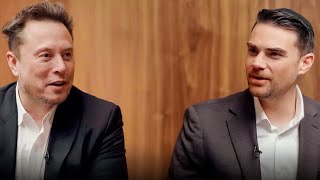 202549:45
 202432:46
 202555:00