2013年,美国全年大约发生25万起汽油车起火,造成约400人死亡、1200人重伤。同一时期,特斯拉Model S起火3次,无人伤亡。
这3起事故占据的新闻头条数量,超过了那25万起加起来的总和。
马斯克(Elon Musk)在访谈里提到这个对比时,语气很平静:
新技术受到比老技术更严格的审视是合理的,它本来就该被要求更高的标准。但这个提高的标准也该有个合理的上限。(马斯克)
三家车主都又买了一辆
他给出了一个比统计数据更直接的判断标准。三起起火事故的车主,事后都问了同一个问题:在保险理赔走完之前,能不能先给一辆代步车,以及,什么时候能拿到新车。
马斯克说,这是最硬的测试。经历过起火的人,还想不想要同一款车。
当天特斯拉股价又跌了10%。主持人问他介不介意。
他的回答不太像一个上市公司CEO:
经营上市公司挺难受的。股价会莫名其妙地剧烈波动,然后有人让我解释为什么变了,我说我真不知道。(马斯克)
那一年特斯拉股价涨了300%。马斯克自己的说法是,在市值22亿、营收刚过20亿的时候,他公开讲过这个估值可能高于公司「有资格得到的水平」,长期会努力追上去,甚至超过,但他不会去论证一家营收20亿出头的公司值220亿。
真正让特斯拉活下来的不是政府贷款
很多人记得特斯拉拿过美国能源部的贷款,并把它当成「没有补贴就没有特斯拉」的证据。
马斯克纠正了这个叙事顺序。政府资金是加速剂,不是决定性的那一环。真正决定性的是2009年初戴姆勒(Daimler)的那笔投资。当时他已经把自己所有的钱投进去了,市场上只有戴姆勒这一个机构愿意出钱。
如果他们没进来,我们肯定死了。不是差点死,是已经没了。(马斯克)
后来的合作反过来也成立。戴姆勒的B级车要装特斯拉的电池组和动力总成,这会是戴姆勒历史上规模最大的电动车项目。
自动驾驶:90%很容易,最后10%要命
2013年谷歌的无人车已经在路上跑。马斯克认为方向对,路径不同。
他给了一个进度模型:做到90%的里程由自动驾驶完成,可能只需要几年。麻烦在后面。90%到99%,99%到99.9%,每往后一个9,难度指数级上升。
要让人敢在车里睡着,可靠性大概需要六个9,比人类驾驶员安全10到100倍,人才会真的放松。
他顺带把「起火门」和「自动驾驶」连了起来。一台Model S可能是你能开到的最不容易着火的车型,但头条给人的印象正好相反。自动驾驶普及之后,媒体大概也会用同样的方式处理事故。
至于谷歌,他说传感器的成本大概是6万美元。这套方案装到车上,车价直接翻倍。特斯拉的思路必须是:自动驾驶能力不能让车价明显上涨,否则这件事就没有意义。
为什么又跳进两个最烧钱的坑
主持人问了一个流传很广的创业理论:第一次把公司做成十亿美元级别的人,往往不愿意再来一次。他们怕的不是亏钱,是第二次失败会证明第一次只是运气。
马斯克从PayPal出来之后,投了两次,然后选了火箭和汽车。一个本质上是朝上飞的炸弹,一个是在底特律正在崩塌的行业。
他说到现在也不确定当初是不是正确决定,只能说目前还好。然后补了一句:
这件事比它看起来要不好玩得多。(马斯克)
他原本的设想是,先创办并经营SpaceX,然后用20%的时间帮别人做一家电动车公司,主要做产品设计和工程,因为那才是他的主业。这个设想很快破产,他不得不把大量时间投进特斯拉,否则公司肯定会死。
主持人提了个更省事的方案:留在硅谷再开几家互联网公司,赚个十亿,然后直接买下克莱斯勒,甚至可以买NASA,根本不用从零开始。
马斯克的回答是,那太简单了,而且没意义。目的不是拥有一家汽车公司,是加速可持续交通的到来。那件事看起来足够难。
SpaceX的起点是一个错误判断
很多人以为马斯克从小立志上火星。他自己讲,最初的想法完全相反:他以为不可能靠一家公司做这件事。
他当时的假设是,人类不去火星,是因为失去了探索的意愿。所以他打算做一个慈善项目,送一个温室上火星,预算里100%预期是全部亏掉,唯一目的是重新点燃公众对火星的兴趣。
后来他意识到这个判断错了。
美国就是一个探险者的国家,这里的人来自世界各地。它比其他任何国家都更像人类探索精神的一次提纯。意愿从来不缺,人们只是需要相信这条路走得通,而且不会把国家拖垮、不会实质影响自己的生活水平。(马斯克)
意愿不缺,缺的是可行的方案。这个认知转折,把慈善项目变成了公司。
去火星难,住在火星不难
主持人问到辐射防护、10到12个月的航程、到达之后怎么生存,这些是不是也要他来做。
马斯克的判断出人意料:在火星上生活的技术难度并不高,难的是抵达。几亿英里的距离才是真正的门槛。
他形容火星是一个冷版本的亚利桑那,水少一些。自转周期24.5小时,是行星里最接近地球的。大气是二氧化碳,气压低。如果有一个透明穹顶,只需要一台泵和肥料,植物就能生长,并把二氧化碳转成氧气。
这段话的信息量在于,他把「人类成为多行星物种」这个宏大命题拆成了两段:运输和生存。后者接近已有的农业和生命维持技术,前者才是需要靠可复用火箭解决的那一段。
超级高铁:工程不难,政治很难
洛杉矶到旧金山35分钟的方案,马斯克在SpaceX和特斯拉都跑过仿真。
他的评价是,工程上能work几乎是显而易见的,真正的问题是政治支持和商业模型。
我希望有人去做这件事,因为我觉得它很酷。我们的公共交通看起来不是在变好,是在变差,那不是个好未来。(马斯克)
他还顺手吐槽了洛杉矶405号公路的扩建工程,说自己这辈子亲眼见过的最残酷的施工项目就是它。
有人问能不能修到澳大利亚。他说不建议。超级高铁的最优区间是500英里左右,上限大概1000英里。原因在飞机的物理限制:飞得越快,越要爬升到很高的高度,因为稠密大气在高速下像糖浆。500英里以内的距离,飞机的时间几乎全花在爬升和下降上,没有多少巡航时间。超级高铁一进管道就是接近高空巡航的稀薄环境,省掉了这两段。
距离一长,管道的造价占比就上来了,超音速飞机反而更划算,因为大部分时间都在巡航。
至于开源模式能不能赚钱,他举了Linux的例子。执行力的价值远大于点子本身,一家真正擅长执行的公司不需要太担心别人抄走了想法。
报纸在回答「今天地球上最糟的事是什么」
主持人问,除了电动车、太阳能、太空,还有哪些问题值得被解决。
马斯克先给了一个反常识的前提:现在这个世界其实是历史上最好的状态。这一点常常被读报的人忽略。
报纸似乎在回答一个问题:今天地球上发生的最糟糕的事情是什么。有血就上头版。(马斯克)
他给了一个进化心理学的解释。人类的大脑对危险的反应优先级高于对奖励的反应,因为在草原上被狮子吃掉是游戏结束,忘记零食放在哪里没关系。这套机制在信息全球化的时代被过度触发了,我们会对一些几乎不可能影响自己的风险产生恐惧反应。
这条逻辑可以解释前面所有的媒体争议。起火、自动驾驶事故、火箭爆炸,都会被同一套机制放大。
船长还是轮机长
特斯拉当时6000人,SpaceX 3500人,接近一万人的工程师密度。
主持人用船的比喻问他:多少时间在驾驶台看远方,多少时间下到机舱卷起袖子拧螺丝。
马斯克的回答是,在驾驶台上待的时间很少。日常工作是根据「对公司最有利」来分配时间,中间还得留出看孩子的时间,因为他不想错过他们的成长。
处理的事情跨度极大。可能上午在讨论设计美学,下午在看车辆功能的一个细节,晚上在讨论火箭的航电、推进系统或者机体结构。
他说火箭的「紧缩系数」比车高得多。车出了问题可以召回,可以推送软件更新,火箭没有这种机会,及格线就是100%。
第四次发射
猎鹰1号的前三次发射都失败了。第二次和第三次进了太空,但没到轨道速度。
马斯克一开始算的钱只够三次发射。第四次是挤出来的。
他说情绪压力最大的不是第一次,是第四次。因为前三次已经证明了这条路有问题,第四次如果再失败,公司就没了。而他脑子里永远在转一件事:是不是有什么地方我本可以做得更好,避免这个假设中的错误发生。
即便后来连续十几次发射都成功,这种焦虑也没消失。
科幻小说与现实的重叠
访谈里放了一段视频,是他用手势在屏幕上直接操作一个火箭发动机的3D模型。他说《钢铁侠》的导演乔恩·费儒(Jon Favreau)来找他聊过,电影里托尼·斯塔克那种操作方式的灵感来源之一就是这些工具。
他还提到阿西莫夫的《基地》系列。
主持人问,站在技术前沿的人,是不是必须有一只脚踩在科幻里。
你必须先想象一个结果,才能朝那个方向走。科幻提供了很多不同的想法,它是灵感的来源。(马斯克)
他补了一句:大部分太空题材的电影和电视剧在技术上完全不对,但它们仍然有好点子。《星际迷航》里的通讯器就是手机的灵感来源。而现在我们口袋里的手机,性能已经远远超过当年剧里的设定。
有人问他什么时候能看到能飞的千年隼。他说那形状根本不对,不是飞船该有的气动外形。猎鹰9号的名字来自千年隼,样子完全不像。
把铝从航空业搬到汽车业
一个学生问他,物理学的第一性原理思维具体怎么用。
马斯克的回答里,最有价值的部分是「跨行业杂交」。
Model S是当时北美唯一一台全铝车身和底盘的量产车,全铝在航空业是默认选项,在汽车业几乎没有。为了让沉重的电池组不影响整车性能,同时还要拿到五星安全评级,必须把电池以外的一切做轻。用传统钢材做不到这一点。
反过来的借用同样成立。SpaceX早期在制造上吃了亏,后来从汽车行业挖了一批人来做生产。他的观察是,汽车行业把复杂物体做便宜的能力极其惊人,两万美元就能买到一台结构复杂到离谱的车。
关于创新,他有一句听上去像废话但被反复验证的判断:
创新里最重要的一件事,是拼命努力去做出真正新的东西。听起来极其显然,但这恰恰是大多数人没做的。(马斯克)
特斯拉活着,Fisker死了
一个学生问,为什么其他车企做电动车失败,特斯拉成了领头的那家,硅谷的位置重要吗。
马斯克的回答很干脆:硅谷的位置非常关键。电动车真正的核心是电气工程、软件和电子,而这三块的人才密度,硅谷是世界最高的。
至于和Fisker的对比,他给了最直接的一刀:特斯拉是一家硬核的工程公司,Fisker是一家以造型为核心的公司。造型重要,但人类社会没有电动车的原因从来不是造型不够好看。
Fisker做了一台很多人觉得好看的车,但它不好用,于是没人买。这个结果很合理。
再往上抽象一层,他对公司存在的意义有个朴素定义:一群人聚在一起做出一个产品。产品好,公司就该存在;产品不好,公司就不该存在。很多公司把精力花在和产品无关的事情上,好像公司除了做有用的事之外还有别的存在依据,那挺奇怪的。
可复用火箭的账
火星计划的成本问题,马斯克只给了一个解法:完全可复用的运输系统。
他用飞机做类比。一架747造价2.5亿美元,如果只能用一次,往返伦敦要烧掉两架,没人付得起。实际机票价格之所以可接受,是因为那架飞机能飞两万次。
猎鹰9号的制造成本大约6000万美元。用一次,单次资本成本就是6000万。如果能用1000次,这个数字降到6万美元。这就是可复用性的全部意义。
第二件事是燃料成本。下一代火箭用甲烷,因为甲烷是地球上成本最低的燃料来源,而且领先幅度不小。
两个条件都满足之后,他给出的目标是:把一个人送到火星的成本压到50万美元以下。
这个数字为什么重要,他解释得很清楚。当一个人能卖掉地球上的全部家当、买一张去火星的票时,愿意去的人加上真想去的人,才够撑起一个持续增长的殖民地。当年英国在美洲的殖民地也是这么起来的:一旦普通人能卖掉家当、买船票过去,人口就开始暴涨。没有这个条件,就只能靠政府长期巨额投入,那种模式撑不出一个自维持的文明。
电池没有奇迹,只有复利
有人问锂电池之后是什么。
马斯克的回答是,锂电池本身还有很大的提升空间,不需要任何奇迹。成本与能量密度的年均改进大约是8%,单看一年几乎察觉不到,但复利是很强的力量。四到五年,成本可以砍半,前提是有足够强的驱动力,而电动车的成本压力正好提供了这个驱动力。
它永远追不上摩尔定律。摩尔定律成立的前提是半导体可以越做越小,而电池组是一个宏观结构。除了微处理器和存储器,几乎没有任何东西能按那个速度改进。
寿命的天花板与基因编辑
被问到最想看到哪个医疗领域被改变,马斯克说,对人类影响最大的会是重写基因,但这件事充满道德风险。
他给了一个生物学上的观察:人类的寿命已经接近饱和,曲线基本走平了。即使攻克某一种具体疾病,人均预期寿命也只是小幅上移。
每个物种的寿命像被基因写死了一样。你没法让一只果蝇活十年,喂多少保健品都没用,那会是一个真正惊人的成就。
所以那个话题很棘手,涉及各种伦理问题,是一把双刃剑。
衣帽钩和后排阅读灯
一位车主提问:你们能设计火箭,为什么后排没有衣帽钩。
马斯克的回答很诚实:不是忘了,是故意没装,因为他觉得那个东西影响美观。他知道有人不同意这个决定。后来给了个补救方案,选装全景天窗的车,可以在车顶横梁中间加一个挂钩,让衣服垂到第二排脚坑上方,这样其实比挂在侧面更好用。
他还自曝了另一件事。早期版本的后排没有阅读灯,他的理由是大家都用Kindle和iPad了,屏幕自带光源。直到有一次开车,孩子在后座想看书,说了一句:
爸,这是世界上最蠢的车。(马斯克的孩子)
于是阅读灯被加回来了。
这两个细节解释了一件事:一家工程驱动公司的取舍逻辑,往往是先有审美和判断,再被真实使用场景打回来。
氢燃料电池:永远是未来
有人问氢燃料发动机有没有未来。马斯克的回答是,他不这么认为。
氢是一种很难的储能方式。如果要化学储能,甲烷或丙烷都比氢好得多。工业上制氢的办法是把甲烷里的碳原子切掉,那看起来就是一种浪费;另一个办法是电解水,能耗更高。
他还点了一个大众认知的漏洞:氢是宇宙中最常见的元素,但在地球上不是,这个区别很重要。
氢燃料是那种永远被称为「未来」的东西,而且会一直是。(马斯克)
他也给了氢唯一站得住的场景:火箭的上面级。上面级对重量敏感、对体积不敏感,氢在这时候是好的。但它同时也是最难伺候的燃料,分子太小,到处乱钻。
至于兴登堡号,他的理解是主因在蒙皮涂料,不在氢气本身,但氢气确实烧得很好。
继承人与家族
谈到公司继承,马斯克对家族财富传承持怀疑态度。把钱大笔交给下一代,结果往往不如不给,除非这个人已经证明了自己有能力管理资本。
不过他也承认自己在这个问题上有些摇摆,理由是福特和通用汽车的对比。通用破产了,福特没有。福特家族作为稳定力量存在,确实起了作用。所以家族参与可能有价值,但不一定是完全控制。
他真正在做的事
把这场访谈里散落的信息拼起来,马斯克的工作方式有几条清晰的线。
第一条是比例感。他在几乎所有争议里做的第一件事,是把单点事件放回基数里。3起对上25万起,6000万美元对上6万美元,三年三次发射的资金对上必须成功的第四次。数据的对比本身就是论证。
第二条是把宏大目标拆成经济门槛。火星计划听起来是工程问题,他把它变成一个票价问题:50万美元。这个数字一旦成立,殖民地就会像当年的美洲一样自己长起来。超级高铁也是,工程几乎不是瓶颈,政治和商业模型才是。
第三条是跨行业搬运。全铝车身从航空搬到汽车,低成本制造从汽车搬到火箭。很多所谓的创新,本质是把一个行业里已经成熟的默认做法,搬到一个还没用过它的行业。
第四条是对媒体的清醒。他引用进化心理学解释为什么坏消息永远赢,并把这个认知用在产品决策上:新技术注定会被放在放大镜下,唯一的应对是把安全标准做到远高于旧技术,然后等时间给出答案。
如果要从这场访谈里拿走点什么
- 评估任何一次负面事件,先找基数。3起和25万起放在一起,结论会完全不同。没有基数的新闻标题,通常只是在描述记者的选题偏好。
- 判断一个新技术能不能成,看它需不需要在成本上做出牺牲。自动驾驶如果必须让车价翻倍,普及就会被推迟十年。任何方案的价格标签,比它的技术参数更能预测命运。
- 找一个你所在行业里「别的行业早就当默认」的做法。全铝在航空是标配,在汽车是革命。跨行业搬运的成功率,往往高于在本行业内从零发明。
- 把长期目标换算成一个可支付的价格。想不清什么时候能实现的目标,通常是没算过成本。算出一个具体数字之后,路径会自己浮现。
- 做产品决策时,留一条被真实场景打回来的通道。衣帽钩是因为审美被砍掉的,阅读灯是被一句「这是世界上最蠢的车」加回来的。两者都没错,错的是不接受第二种反馈。
- 如果你在一家公司负责难做的项目,把时间按「对公司最有利」而不是「按职级」来分配。马斯克在驾驶台上待的时间很少,大部分时间在机舱里。
0:02[Music] thank you [Music] thank you for doing this I know today was a busy day at the office yeah I guess every day is a busy day at the office when you're running to the companies some are more intense than others this is only a more intense side and let's let's talk about Tesla and if one were to believe everyone reads in the Press which I don't as a former journalist the recent fires in the Tesla cars sound
0:51like the Hindenburg disaster in 1937 right for Humanity reality is somewhat different tell us tell us what already happened there yeah so I mean I think first of all that it's fair for a new technology to receive more scrutiny than than older Technologies because it should be held to a higher standard but there's some reasonable limit to to what that increased standard should be and I mean since the model S went into production about a year and a half ago they've been about a quarter million gasoline car fires in the U.S about 400 deaths 1200 serious injuries
1:30our Three Fires which cause no injury received more headline news than the other quarter million combined that seems like an unreasonable ratio and I believe all three owners of those cars have crashed wanted to get another one yes right exactly it's like don't take my word for it like that they that that was they said well how soon can they get it a loaner car until the insurance thing gets figured out and you know so it was to give them one right away but yeah I mean that's the asset test like do the does the guy that was that experienced the fire does he want to have that same car again you feel safe in it yeah and stock price down again today 10 do you care about that I mean
2:21it's it kind of sucks running a public company yeah yeah I mean the stock goes through these huge gyrations and yeah but for like seemingly arbitrary reasons and then I'm asked to explain why it changed I'm like I have no idea which should be pointed out it's up 300 on the year yeah right I mean on balance that's still still good but I mean when the stock price was way higher and people ask me what I think of evaluation I said well I think it's probably more than we have a right to deserve we'll try to get there in the long term and I think we will and probably exceed it but I would not try to justify that the company with a little over two billion dollars
3:13Revenue should be worth 22 billion dollars in market cap that does seem pretty high to me you know it's it's like yeah and it's fair to say you wouldn't be there without government subsidy well I think it would have taken longer so the the I mean there's a slight misperception about the history of Tesla which is that that the the government funding was pivotal it was an accelerant but it was not pivotal the really pivotal thing point was an investment from Daimler in 2009 the early 2009 when there was I I basically spent all the money I had and we had one company that was willing to invest or one entity that was wanting to invest period and that was time learned
3:56and if they hadn't come in with that investment we would definitely be dead fortunately yeah bankrupt finish yeah gone and fortunately they did and we've done a number of vehicle programs at lambler as the Mercedes b-class which is not currently produced in the US but it's very popular in Europe and other parts of the world will be coming to the U.S and that'll have a Tesla battery pack and powertrain it'll be the largest electric vehicle program in Diamond history so that you know so we've got a great relationship they've integrated great supporter how about self-drive version of Tesla
4:39I do think that's an important technology although the the difficulty increases exponentially to get to fully self-driving to cover all the corner cases so I think we can get to maybe 90 of miles driven being autopilot as we call it because you're using that sort of aircraft analogy but he'll get there pretty soon maybe in a few years but then covering that last 10 percent is really difficult and so getting to 90 to 99 then to 99.9 and then I mean ultimately to be truly self-driving like you can fall asleep in the car as your destination which would be really great some people do already by the way yeah exactly they die yeah that that that's good that just it
5:34just I think you probably need like six nines of reliability like the standard would be actually way higher than a than the safety of a person or probably by a factor of 10 or 100. in order for people to be comfortable or otherwise like this fire thing you know just like a car is basically the safest car you could possibly drive if you care about fires and that that's not the impression one would have reading the headlines we would have sort of the opposite impression and so for a self or self-driving autopilot yeah hopefully the media doesn't do the same thing same like Mega
6:16disproportionate response but but I do think that it should be held to a standard that's maybe like 10 times better than a person and I know Google's working this too 10 years more or less yeah I I mean I think that the the right path is probably a little different from what Google is pursuing and when Larry Pages are all friend of mine I've known him since before he got Venture funding for Google and I think it's really brilliant guy but I mean it's not Google is isn't
6:52focusing on on autonomous cars where is it it's going to be a pretty significant Focus for Tesla and and from that standpoint it it only matters if the autopilot capability is does not result in a substantial cost increase to the car and the the way the Google sensor Suite is set up it's like they were like 60 Grand you know I mean that's like a lot
7:17I want to ask you about risk taking because it's a theory that entrepreneurs who hit it out of the park one time make that Billion Dollar Plus company work right they are reluctant to do it again not because they're afraid of losing their money but because they feel if they were to fail a second time round then in their own minds maybe they would think well the first time it was just luck it wasn't really my own skill or my own sense of how to run a business but not only did you well you Rose PayPal came up to 1.5 billion you got out of that I mean did you invest again we invested again twice not only that but you chose probably two of the most risky Capital intensive
7:58Industries to go with rocket technology which is basically a bomb right directed up yeah and then cars which are you know we know what's happening in Detroit yeah so what is it that that motivates there to do that to go through The Crucible again two times again yeah I'm not sure it was the right decision but so far so good yeah
8:29it's much less fun than it than it may appear but [Applause] I mean the case of what I thought of I would do was start and run SpaceX then and then create an electric car company with a few other people work just but just like apply 20 of my time and and work on the product design because my main thing is is engineering and design so yeah that was an illusion so
9:07yeah and then I I don't really have any choice but to to apply a ton of time to Tesla or the company would be you know definitely dead so but the other way to do it you could have stayed in Silicon Valley started another few internet companies made oh yeah a billion dollars and then you could have bought Chrysler and probably bought NASA too and you wouldn't have to start from scratch
9:38that seems too easy yeah all right I don't really want to it's not the point is not to sort of own a car company but rather to accelerate the Advent of sustainable transport and it seemed like it would be difficult let's talk about SpaceX SpaceX you have said you've started with the specific intention of getting to Mars yeah well the origin of SpaceX was was
10:17actually not or it my interest in space my initial thought in space was that it wasn't possible to create a company and I mistakenly thought that the reason that we're not sending people to Mars was because we'd lost the world to explore or something or like maybe that and I thought well maybe that needs to be reignited and so I came up with this idea to do a basically a philanthropic Mission to Mars with a hundred percent probability of losing all the money in order to reignite interest in that goal but after after a while I realized that's that was actually that was a mistake I mean particularly the United States is a nation of explorers okay you
11:02know came here from other parts of the world I think more than any other country is a distillation of the human Spirit of exploration there's no lack of will the but people need to believe that there's a way that that in a way that's feasible and and that it's not going to bank up the country and their living standard will be won't be materially affected you know if and then I think they're super super keen on on that that goal now as you look out whatever we're talking 10 15 20 years to get to Mars it's not just rocket technology and you've talked about reusable rocket technology it's also how you Shield people from radiation it's a 10 12 month
11:40trip what you do when they arrive you know how are they going to live here are you is that something that you want to work on too or will you partner with other companies how do you how do you see that playing out over the next decade well I actually think the the technology required to live on Moss is not not particularly difficult but but getting there is is really difficult I mean it's like hundreds of millions of miles to get to Death Valley yeah exactly it's a place that kind of looks like Arizona you know
12:17like a cold version of Arizona with not quite as much water so I mean at least that that's that's my best my my guess is I I think if we can if we can get there the technology required to live there will is is not a not a not a really big challenge I mean Morris has some advantages it's got a it's quite sort of Earth-like in in some ways it's got a rotational period of 24 and a half hours by far the closest of any other planet the atmosphere is carbon dioxide no it's it's not it's at a low pressure but if you were to have a transparent Dome you you all you need is a is a pump and some and some fertilizer and you could grow plants on Mars the plants
13:06which convert the CO2 to oxygen the other thing that's been big in the news recent is the hyperloop which you have sketched out you estimate from LA to San Francisco in 35 minutes yeah you could push that a little bit but well I'd be happy if I could get from Santa Monica to downtown I know
13:31I know I know you have your personal issues with the four or five the four or five is like this is like the most brutal construction project I've ever personally witnessed I mean it's like mind-boggling but I I also know that so you sketched this out but I know that your your your plans for the hyperloop have been put into some pretty sophisticated simulation technology yeah and it looks like it actually might work am I right yeah and and we did run simulations at SpaceX and Tesla so I mean you know we thought it would work but I mean I don't actually don't think it's particularly like I mean I I think I think it's like
14:11the the engineer of it that that it would work is is actually pretty pretty obvious honestly but I mean it's so I think the larger issues are political you know getting the the political support to do something like that and and then you know making sure the economics pan out and yeah I hope someone does it because I think it would be cool I mean it'd be great to have something like that it's just like it doesn't seem like our mass transportation is getting better seems to be kind of getting worse so that's that's not a good future you said something or you hope somebody else would do it I'm curious what makes you really so unique is not only your
14:57ability to dream big but to execute lots of utopian thinkers out there but they cannot execute and but there are some other people who can do good things and I'm wondering what seems to motivate you you see things that frustrate you or you think are are not as good as you like and then you try and fix them you've worked on on solar power you've worked on electric cars and on you know planetary space travel and I'm wondering what other things about America and about the world for that matter would you like to see fixed either by a company you might do yourself or by someone a smart entrepreneur what what else out there is feasible you know we
15:31all want to get into World poverty and get rid of childhood diseases but but what what problems out there can feasibly be fixed say in our lifetimes well I mean I think first of all the world's actually pretty great right now I mean arguably better than any point in history and this this is sometimes lost if you read the newspapers they're they're like a
15:58magnification of all the world's promises like I mean newspapers seem to be attempting to answer the question what was the worst thing that happened on Earth today yeah yeah and it's if it bleeds it leads yeah and and it's like okay I mean and I think there's there is kind of a evolutionary reason for that because it makes more sense like you want to prioritize danger over reward or or because it if you get eaten by the lion game over but you know if you if you forget where you left some snack that's that's okay I mean you you know so so there's a it's it's not quite the same in terms of the rush Court balance but we didn't evolve with newspapers and
16:48and and Global media so like our brains sort of having a fear response to a lot a bunch of dangers that are extremely unlikely to ever affect us but yeah you have I believe about 3 000 people at Tesla we've seen six thousand yeah six thousand I'm well informed and SpaceX is is 3 500. so that's a massive
17:15agglomeration of engineering Talent huge yeah if if if I could take the metaphor of a ship how much time do you have to go down into the engine room roll up your sleeves get your hands dirty and fix stuff as an engineer and how much time do you spend on the bridge steering and looking at the at the distant Horizon well not a lot on that last Point it I mean it's I mean there's a constant flurry of executional challenges and so I try to triage my time according to what would be best for the companies and and still you know have sometimes see my kids because it would have been here because I don't want to miss them growing enough so you know it can vary from big issues to
18:04things that seem small but actually could have a really big impact so I mean it's all the way from design Aesthetics to the details of say the vehicle functionality or in the case of the rocket you know the avionics propulsion system and airframe I mean the rocket is kind of a has a has more more of a concentrated pucker Factor because you've got it's you've got these launches and and at least with a car you can do a recall or like do a software update that's not gonna happen with the rocket so it's like passing grade is 100 percent which is it induces anxiety you know
19:01how do you handle launch anxiety when you're actually waiting the countdown we saw on here well these ones actually I mean they're there's this I have quite a lot of anxiety because I always think there must be something that we did wrong and it was anything I could have done to prevent this hypothetical thing from a bad thing from occurring I mean the last roughly 10 launchers have have worked
19:37but but the three launches we started off with did not so the the by far the worst emotional stress was the the fourth launch of Falcon one because the first three launchers did not make it all of it they got they got this sort of space on launches two and three but they didn't get to full orbital velocity and and I I when I started out I figured
20:00I would have enough money for three three launches yeah so I was yeah it was we squeaked by on the fourth fourth one we sent out a link today I don't know if how many of you saw it but it's a View using your hands has 3D molding sort of tools for stuff you're doing on a computer screen and it's a rocket engine that you're able to manipulate with your hands and I know that you have told John Favreau who produced or directed Iron Man that that was the inspiration because we see Tony Stark doing this in the movie absolutely and I know also you know I've read a bit Isaac asimov's Foundation series you've also said it's been inspiration so I'm wondering when you're on The
20:44Cutting Edge of technology today in the fields that you're in do you feel you've almost got one foot in science fiction is that is do you do you have to be that far ahead well you have to imagine an outcome in order to head in that direction and science fiction explores a lot of different ideas so it can be you know helpful as a source of inspiration and any you know like books TV shows movies and they're
21:16all I think sources of inspiration most of the movies and TV shows that space are totally wrong but but they still have interesting ideas like the Star Trek Communicator was an inspiration for the cell phone yeah with the flip right right yeah exactly in fact the weird thing is like the like the phones we have in our pocket fastly exceed what was on Star Trek
21:47we're gonna go to ask some of our students some questions but first one more I saw I'm a big James Bond fan you just bought the Lotus Esprit that they used in the spy who loved me which goes underwater yeah and you're gonna make that work so it's definitely a backbone of project okay but my question is when do we get to see a functioning version of the Millennium Falco that's a trickier one because it's not actually the right shape oh it's I mean no to George Lucas yeah I mean the the Falcon 9 our Falcon rocker was named after the Millennium Falcon even though it looks nothing like it and yeah I mean yeah that's not the
22:37shape you'd want for the spaceship really okay so if we can swing the camera to our student tables we got a couple of questions from there and then I'll go to the written questions from the rest of the audience so here they go good evening sir my name is Ariel hymas I'm from Von Next Century referring to Merlin nine does Basics have a working prototype and when will it be ready to Launch well Merlin is the the name of our our engine so and the Falcon 9 is the name of the rocket when we we've done several
23:20launches of Falcon 9. and an important Milestone happened a few months ago which was the launch of the Next Generation Falcon line which is designed to be able to return and land at the launch pad and came we came close on the initial Mission but not didn't quite get there we need to make a few few corrections but I think we've got a good chance of getting there next year okay let's go for another one there hi I'm Kennedy Green from Harvard Westlake so I've seen you speak at a TED Talk and I remember you spoke pretty emphatically about the success of your Innovations and how you kind of take a physics approach where you take the idea and boil it down to its Basics and from
24:11there start to build up so can you talk about an example where you use that process well I think you know an important thing in Innovation or trying to create new things is is to try really hard to to do that which may sound incredibly obvious but that's what I find is is most often what people don't do they actually didn't didn't try super hard to come up with something new and it is helpful to have cross-pollination of Industries I mean it's been quite difficult to run SpaceX and Tesla but there has been good ideas you know since I got both in my mind space this this good idea is going back and forth the for example on the car with respect
25:09to the car the model S is the only all aluminum body and Chassis car made in North America and very few cars are are all aluminum in the airspace industry it's that that's the default so it seems like like obviously the right move in order to minimize the the non-battery pack mass of the car so in order to offset you know fairly heavy battery pack we had to make the rest of the car light but but still achieve a five-star safety rating I don't think it would have been possible to do that if we had used steel which is the traditional method and and what's helped SpaceX has been that the car industry is really good at making complicated objects at a low cost
25:54I mean it's actually quite incredible that like one can buy a decent car for twenty thousand dollars I mean all the stuff that's in that car is I mean it's nutty how much stuff is in a car so that that's Basics I I hired a bunch of people from the Auto industry to run manufacturing which has worked out reasonably well let's take two more student questions please and then we'll get come to the other
26:28oh Natalie Watson from Marlborough School and we have a sort of two-part question that builds so why do you think Tesla succeeded whereas other companies car companies have failed in their methods of electric cars and is the location in Silicon Valley an important part of this yeah I think I think being at Silicon Valley is pretty important because
27:02what's really Critical with electric cars is the electrical engineering software and electronics and Silicon Valley has the best concentration of talent in those areas in the world and yeah sorry what was the first father question oh why do we succeed oh yeah all right I'm sorry your question the first part okay why do you think Tesla succeeded whereas other car companies failed in their methods of electors of electric cars like why do you think Tesla is the
27:41leader in this idea well but there haven't been that many car company startups I mean there was sort of Fisker and Coda and then a few smaller ones and then the rest has sort of been some fairly small scale efforts by the big companies I I think if we say what was the difference between say Fisker and Tesla that's maybe the most direct comparison Tesla is a hardcore engineering company and Fisker is kind of a was based on kind of on styling you know it's like styling is good important but it's that's not the reason we don't have electric cars so it's not you know bed for styling we we would have electric cars that's not the reason so in the case of fisca they made a call
28:39that a lot of people think looked really good but didn't work properly so then people don't want to buy the car that's like a pretty reasonable thing I think yeah yeah I mean if you think like like what what what's the point of a company existing the the point is that it's it's a group
29:10of people that have gathered together to create a product the product is good the company should exist and if it is not good the company should not exist that seems like fundamental to nature of companies so the I mean clearly then one should focus on making the absolute best product you can otherwise you reduce the probability of success but a lot of companies focus on things that aren't really to do with the product as though a company has any basis for existing apart from doing useful things that's kind of strange student question please good evening sir my name is Eric Palio from Bond Next Century and regarding the
30:00Mars the proposed Mars Expedition what how exactly do you plan on making it cost efficient sure well no that is that is indeed a tricky problem I mean I feel reasonably possible that that success is at least one of the possible outcomes this is a I mean this is pretty important when you're trying to do something it's like well you can't can that be one of the outcomes I wasn't actually confident about that until a few years ago now I'm not saying we will get there but I I I'm confident that it is at least possible and the key to that is having a fully reusable Moz transportation system so that all your all you are replacing between flights maybe apart from minor
31:03maintenance is the propellant I mean this is like the reusability is so fundamental to to having a a a a a major change in space flight it's it would be difficult to overstate its importance but I mean with analogy to other modes of Transport you can imagine that if airplanes could only be used once they would very few people would fly because it would be super crazy expensive you know I guess like a 747 cost a quarter billion dollars you'd need two of them just for a round trip however people are not paying half a billion dollars to fly back and forth to London and that's because you can use the 747 like 20 000 times and for a rocket you know a
31:55falconline rocket costs about 60 million dollars to build and so for confused once obviously that's a 60 million dollar Capital cost but if you can be used a thousand times then it's only a sixty thousand dollar Capital cost and I mean that is you know it is it is the fundamental difference so you have to have further useful then you have to make sure that the propellant used is as low cost as possible so our next Generation Rockets will be using methane as a fuel which methane is the is the lowest cost Source fuel on the planet by good margin so
32:36and inside I think if if your propellant costs to low and the system is fully reusable then I think I think it should be possible to to move to Mars for less than half a million dollars which I think is an important threshold because if people can sell all this stuff on Earth and move to Mars well and there's enough people who who can do that combined with those who actually want to do that
33:10then then that's that's the fundamental thing needed to have a growing Colony on Mars I mean kind of like the way that the US was like the early English colonies America when it became affordable for people to sell all their stuff in England and move to America it grew really fast in the absence of that it would just require humongous amounts of government support and I think probably wouldn't be wouldn't result in a self-sustaining civilization so the economics of it are extremely fundamental no thanks yeah okay I'm going to go through some questions that we got from the floor and the first one I want to ask is what is what do you think is the next
34:01Battery Technology after lithium ion I guess lithium-ion has sort of reached its ceiling more or less or no no I think there's that I think there are substantial improvements that will occur with Lithium-ion batteries without any no Miracles required the the thing with listing my own technology in terms of the cost and energy density is that the sort of average Improvement per year is about eight percent which isn't that noticeable on a one-year basis but but your compound interest is a very powerful force and so after say four or five years the cost is cut in half assuming there's a forcing function for a strong forcing function for improvement which I think electric
34:47costs provide so you know I feel pretty good about achieving a substantial reduction on the cost of battery pack I say in kind of the three or four year time Horizon still way behind Moore's law for Microsoft yeah sure nothing nothing I mean what was the only thing that it operates at most low speed ismer's law you know semiconductors just have this incredible advantage that as you made them tinier they got way more efficient for something with like that's that's a large like a macro structure like a battery pack you just don't have or really almost anything essentially I say in fact anything except microprocessors and memory that does not improve at that pace
35:36yeah another question here it's about medical technology is there a medical application or technology that you you would like to change or see somebody else change work on well the medical technology well I think the thing they would so most profoundly affect people would be to to be able to recode genetics which is obviously a dodgy situation but that that's the thing like we're we're close to saturation on on lifespan I
36:21mean it's sort of pretty much leveled out and and so even if you solve say any one particular disease you maybe slightly improve life expectancy but not a lot you know it's like you kind of have a genetic programming any given species for a certain lifespan like like you cannot make a fruit fly live for 10 years no matter what you do I mean the amount of Healthy Living vitamins or anything because it's like yeah so because
36:51fruit flies live for 20 years that would be that would be a truly astounding achievement but yeah so I mean it's a really tricky subject you know it's fraught with with all sorts of moral issues but that's the thing that would most affect people's lives but it's I mean it certainly is a double-edged sword so
37:18here's another question from a Tesla owner why is there no coat hook in the back yeah he says he or she says you can design a rocket but you forgot the coat hooks well I didn't actually forget it I just I intentionally didn't like it so I put it there like the Aesthetics of it really bothered me but and I know obviously some people disagree with that decision but I think I think we might have a retroactive fix for that if somebody has the panoramic roof which is to to basically have a hook on the the bow section in the middle of the roof and then then the your code could hang down in the second row passenger foot well which is actually slightly
38:09better than having a coat hook that's stuck on the side of the car so I I think we'll probably do that yeah whoever that question came from hold on it's not the first time I've heard that question I'm sure is there a future in hydrogen-fueled engines yeah actually I'll mention one little anecdote which is oh yeah in in the beginning of my last production I also didn't have reading lights in the second row because like well people I thought people were really going towards your ebooks your Kindle and iPad and that kind of things like so they have like their own light they don't need like an actual light in the back and when I was driving with one of my kids
39:00and he and he was trying to read his book Daddy yeah I mean he said this is the stupidest car in the world like all right we'll put the light back in hydrogen fuel engines they have a future I I you know I don't think so hydrogen is a very difficult energy storage mechanism I mean essentially it's the means of storing energy chemically but there are way
39:37better if you want to do that there are way better materials than hydrogen I could go with methane or propane way before hydrogen in fact the way that they make the hydrogen is by taking methane and chopping the carbon atom off so like well that seems like a waste yeah or they'll do electrolysis which is even worse so so it's a really energy intensive it's either like you're either taking either still mining hydrocarbons on a large scale or you're you're applying massive amounts of electricity to separate H2O and then sometimes they'll say oh well the hydrogen is the most common element in the universe yes but not on Earth which is an important
40:19consideration you know it's it's yeah it's one of those things that sort of always sounds like it's like it's one of those things like it's the future and it always will be like and then there's the Hindenburg issue yeah I mean in the case the Hindenburg my understanding is that the main issue is the the paint on the outer surface as opposed to the hydrogen itself but but hydrogen does combust extremely well
40:53has a has a there's a good argument for hydrogen as a fuel in the upper stage of a rocket say Saturn five in the second of those stages had hydrogen and particularly for the upstage of a rocket where you're not volumetrically constrained or rather your your mask is drained rather than volumetrically constrained hydrogen is good if you care about mass and terrible if you care about volume and and it's also horrible from a handling standpoint this is a really tiny molecule and it goes all over the place you look at Apple after Steve Jobs and Microsoft after Bill Gates struggle to keep up the momentum I wonder have you thought about the future of your company's Tesla and
41:38SpaceX I know you've you've talked about giving away a lot of your money but then I know you've had some other thoughts about that and you looked at Ford and wondered if you want to give I mean what's where are you at on that succession issue now well I I don't know if like I'm not sure about the whole sort of family Dynasty from a wealth standpoint thing I mean that seems to you know often work
42:05out worse than if if if the kettle wasn't given a huge sum of money I mean let's unless they've actually demonstrated a high ability to be a good Steward of capital then it you know it's not going to work out I think to give them a huge sum of money now that said I mean that I'm wavering a
42:30little bit on that because if you look at the example of Ford and GM like GM went bankrupt Ford did not when Ford had the Ford family as a stabilizing influence so that there could be some Merit to to having a family stabilizing influence but maybe not necessarily complete control we're going to end with two questions on the hyperloop which is clearly arouse a lot of emotion in Los Angeles and one is from UCLA Anderson I know that Gene block is here who runs UCLA and but they want to know how do you envision the hyperloop as an open source project to be run in traditional Enterprise fashion which would make profits does that make sense yeah I guess it
43:19but I mean I think it's gonna be quite difficult for for someone to execute the hyperloop and the thing that will really matter is how good is that company executing as opposed to the basic sort of ideas of the system so I wouldn't I don't think a company has to worry too much about Nick
43:43creating value if they're really good at execution and I mean what like probably the best example of Open Source is Linux and there's lots of companies that quite valuable even though Linux is open source and the follow-up to that is from somebody else who wants to know when will the hyper hyperloop potentially be ready and can we get to Australia that would be I would not recommend it for for going to Australia because Australia is really far so like we're we're something like high fluke would work best is for distances that are maybe five about 500 miles but probably not more than a thousand and that's because if if you're compared to say an alternative being
44:38supersonic Air transport in order to go really fast for the plane you have to climb pretty pretty high because the atmosphere just looks like molasses when you're going fast so you know for distances certainly under 500 miles you spend all your time just ascending and descending and you don't really get an opportunity to spend time at Cruise so something like a hyperloop can complete really well in that Arena because you you instantly or very almost instantly enter a low pressure environment and the so the tip contains the low pressure environment that's you know like the cruising altitude of well it's it's like very high altitude atmosphere basically
45:21and and so you don't have to spend any time ascending or descending so so there's no way for it would be well extremely difficult for for plane to be faster than a hype Loop for distances under 500 miles because of that SM decent thing however once you get to long distances then the cost of the tube starts to become a big factor and and and so then I'd say it's probably the right movies to go to supersonic transport because then you're spending a a large percentage of your time at Cruise and and you could probably get there faster with a supersonic aircraft interesting so no kangaroos in the hyperloop I know you have an insane schedule I know that you have to go from here back
46:09to your office tonight yeah I probably just for not being at my best this has been us like working most last night so we are deeply grateful you came you gave us some time thank you so much thank you so much [Applause] [Music]
46:56thank you [Music] thank you foreign [Music]
资源与出处
- 视频在 YouTube 收看
- 档案silicon-valley.tech 档案页本页视频与文稿数据来自 Elon Musk Archive
- 精读本篇精读 Markdown 版
相关视频
同频道、同主题或相邻年份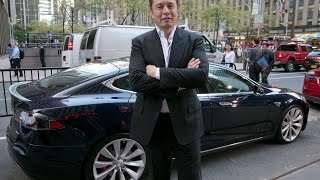 20147:20
 201349:52
 20148:18