一个国家该往哪儿投钱,通常由经济学家来回答。
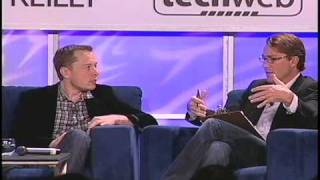
2013年10月底,都柏林 Web Summit 的主舞台上,这个问题被抛给了一个造火箭的人。
主持人转述推特上的提问:假设你是爱尔兰总理(Taoiseach),给三条建议,把这个国家推到数字前沿。
马斯克先承认,数字产业的事自己很久没想过了。
然后他讲了一片森林。
红杉林里全是活了上千年的巨树,树冠把光挡得严严实实。一棵刚冒头的小树苗,拿不到一点阳光和养分,游戏在开始之前就结束了。
台下坐着爱尔兰的官员、创业者和投资人。他们大概在等税收、补贴、招商引资这一类答案。
马斯克给出的三条是:人才的集中、覆盖公司成长中段的政策、工程师。
没有一条直接跟钱有关。
2013年这个回答的分量,得结合当时的处境看。Model S 在2012年6月才开始交付,2013年一年特斯拉股价涨了四倍多;SpaceX 的龙飞船(Dragon)已经两次往返国际空间站。两件事都刚刚从“能不能活下来”跨进“能不能成事”。
马斯克自己就是从红杉林底下长出来的那棵苗。他太清楚阳光有多稀缺。
人才得像组建一支世界级球队那样集中
马斯克谈公司,用的比喻是体育队。
你想建一支世界级的球队,得把最好的球员弄到同一个城市。每个地区分两个,看着公平,实际上谁也赢不了球。
公司也一样。一群人凑在一起做一件产品或者一项服务,人散了,什么都做不成。所以想让一个地方长出好公司,第一件事是把能量聚到一个特定区域里,而不是匀着撒。
这话听起来像常识。放到国家层面,指向就变得很具体:一个只有几百万人口的国家,不可能在每个方向上都堆出足够的人。资源摊平,每个领域只有薄薄一层,永远长不出大树。
顺着这条线往下推,小国的产业政策只有一种做法:认下几个方向,把人和钱往里压,剩下的先不管。这个选择很难做,因为“不管”的部分会疼。
爱尔兰的主持人接住了这个话题。他说小国资源有限,所以爱尔兰挑了大数据、物流这类方向集中下注。他还提到另一件事,本地成熟公司开始给年轻公司和新创业者当导师,把踩过的坑交出去。
马斯克没有反驳,也没顺着往下说。导师能教你避开什么,教不了你怎么看见别人没看见的东西。这两件事经常被混为一谈。
公司死在半路,恰好是政策撒手的地方
他讲公司的死亡曲线,讲得很具体。
很多人以为创业公司死在最开始那几个月。马斯克说,真正的坟场在中间那一段。
他用的词是逃逸速度(escape velocity)。
火箭要飞离地球引力,速度得跨过一道门槛,差一点都上不去,燃料烧完就掉回来。公司也有这么一道坎:订单、现金流、品牌、供应链,全部到一个能自我维持的量级,才算真活下来。在那之前,任何一次波动都可能致命。
大公司站在旁边,客户信它们,银行信它们,政府也信它们。一家新公司拿什么去建立可信度?马斯克说,政策该在这里起作用。
他把话说得很完整:监管、税收、政府扶持,要一路覆盖到公司长成中型企业。很多国家的政策只照顾最早期,孵化器、种子基金、几年免税,之后就撒手。公司进入青春期,最脆弱的那一段,反倒没人管。
他打的比方是红杉林里的小树苗,周围全是巨头,你得给它一点阳光和营养,它才有机会长到能自己抢阳光的高度。
这就像红杉林里的一棵小树苗。周围全是巨型公司。如果你拿不到一点阳光和养分,游戏就结束了。(马斯克)
这段话从马斯克嘴里说出来,带着当事人的味道。2008年圣诞节前,特斯拉和 SpaceX 同时濒临破产,他把个人最后的钱投了进去,那轮融资是踩着最后一刻谈成的。特斯拉恰好属于熬过中间段的那类公司。
有个细节可以放进来对照。特斯拉2010年6月在纳斯达克上市,股价在随后两年里长期在三十美元上下徘徊,做空的人一直没散。真正让公司“逃逸”的,是 Model S 交付后的2013年。也就是说,从成立到站稳,它走过了整整十年,中间那段路最长,也最没人看好。
乔布斯较真的,是小到没人在意的细节
访谈前半段,主持人抛了个类比:iPhone 对电信业的冲击,会不会就是 Model S 对个人交通的冲击?
他用的词是“亲密感”(intimacy)。人们跟 iPhone 的关系不只是一件商品,那种关系里有情感成分。他问马斯克,特斯拉会不会带来同样的东西。
马斯克先给 iPhone 让了个位,说那确实是伟大的发明。
然后他讲乔布斯。他佩服的地方非常具体:极端的产品导向,细到最小的细节。苹果的人会为一个很小的东西反复折腾,让用户在高层级的体验和最小单位的体验上都感到愉悦,产品用起来让人开心。
Model S 想做的也是这件事。每一个他们能想到的细节,都要让车主高兴。
这话在2013年听起来有点像公关词。往回看十几年,特斯拉确实在几个小地方较过真:门把手自动弹出,中控换成一块大屏,软件能远程升级。这些细节后来被整个行业抄了一遍。
那个关于 iPhone 的类比,他其实没接。主持人给了一个很高的定位,他把话头拐回到“怎么做产品”上。这种做法在马斯克的访谈里很常见,遇到抬高的说法,他习惯降一级,讲手上的活儿。
紧接着是爱尔兰人最关心的问题:什么时候能在这边开上。他给的时间是右舵版第二年3月投产,3月底到4月之间交付,还补了一句希望爱尔兰有很多人买。
一个不到五百万人的国家,押注方式不一样
主持人的回应里有一段信息。
他说爱尔兰作为小国,没有资源什么都做,只能挑几个方向押注。然后他提到人口:未来25年,爱尔兰的人口结构是欧洲最好的。
他引了克林顿来访时的一句话,说这些年轻人会短路掉其他国家从衰退里爬出来的那些苦功。
2013年的爱尔兰刚从一个很深的坑里往外爬。2010年底,它接受了欧盟和国际货币基金组织(IMF)的救助,2013年12月才正式退出救助计划。那几年年轻人往外走,失业率高,国内消费疲软。在这样的年份说“人口结构最好”,是一种对未来的押注。
把它和马斯克说的“人才集中”放在一起看,逻辑是通的:人年轻、受过教育、愿意留下来,这就是那点稀缺的阳光。人口结构本身不产生公司,但它是所有产业政策的底数。
主持人还讲了一段爱尔兰人的性格:这个国家的人散在世界各地几百年了,开放、务实、能吃苦,不怕事。他说那几天展会上看到的年轻人才,本身就说明了他们想象和改变世界的能力。政府该做的,是当催化剂,把门打开,让这些人把梦想做成现实。
访谈中间还冒出两个玩笑。主持人说,你那艘去火星的飞船要是还有空位,我这边有几个人可以送上去。又说,可以从香农(Shannon)发射,推特上有人建议把 SpaceX 弄到香农来。
马斯克笑着应付过去了。
香农是爱尔兰西海岸的小镇,有机场,有自贸区,历史上是跨大西洋航线的加油点。这个建议背后的心态挺有意思:一个不大的地方,总想抓住一个足够大的东西,把自己挂上去。
工程学费全免,前提是人得留下
马斯克给出的具体政策建议只有一条,很干脆。
技术公司需要工程师。爱尔兰的大学如果能在工程学科上多使点劲,效果会非常明显。他甚至提了个方案:工程专业干脆免学费。
主持人马上接话,说这得加个条件,免学费可以,人得留在爱尔兰,公司得在这里开。马斯克笑了,说这大概就是能起作用的那类政策。
这段对话很短,信息量不小。一个国家的教育投入如果留不住人,等于给别人做嫁衣。爱尔兰当年面对的问题跟很多国家一样:培养出来的工程师,毕业就飞去伦敦、旧金山、柏林。
后面的对话把这个方向又推了一步。Shervin Pishevar 是台上的另一位嘉宾,Sherpa Ventures 的合伙人,Uber 的早期投资人。他说既然要人才集中,学费应该对全世界想来爱尔兰的人免费,把人从外面引进来。
他提到在美国做过的事:联合 Dave McClure(500 Startups 创始人)等一批创业者和投资人,推动《创业签证法案》(Startup Visa Act),让创业者能更快移民美国。
他说爱尔兰有人、有文化、有品牌,应该搞一个自己的创业签证,吸引外面的人来这里开公司。本地培养加上外部引进,人才密度才起得来。
台上的爱尔兰官员回应说,签证系统已经放宽了,有想法、有资金的创业者可以拿到居留权,直接卷进这个国家当下正在发生的那股能量里。
十年后欧洲各国抢技术人才的那套政策,基本就是这个思路的加强版。
讲台下面坐着的,可能不再是45个人
台上那位爱尔兰官员谈教育,讲得挺实在。
他说第三级和第四级教育正在变。讲师和学生的关系会变,因为学生能拿到的数据太多了,多到会被淹没。讲师的角色会从“讲”变成“指”,指出这个人的天赋到底在哪儿。
他还提到大规模在线课程(MOOC)。一个讲师面对的不再是45个学生,可能是4500万个。
这个判断在2013年很流行。Coursera、Udacity 在2012年接连上线,edX 由麻省理工和哈佛合办,那两年媒体上全是“大学要完了”的标题。
十年过去,MOOC 没有取代大学。它做到的是另一件事:把“讲”从固定时间、固定教室里拆出来,变成可以反复看、可以跨地域分发的东西。真正没变的,是让人动手做东西的那部分。
他也讲了另一面:光有在线课程不够,还得有创造力。爱尔兰需要技术学院培养技术员,需要大学培养工程师,再把学术和商业接起来。
这个说法跟马斯克的“人才集中”能对上。工程师不从天上掉下来,是教育系统一年一年攒出来的。一个国家能攒多少,取决于它愿意在这条链上耐心多久。
不问,答案永远是no
主持人最后抛给两个人同一个问题:现场和线上有很多人,心里揣着一个想法,被恐惧钉在原地,不敢动。你会对他们说什么?
Shervin Pishevar 先讲了自己的来路。
他父母移民到美国,一无所有。父亲在华盛顿开出租车,母亲打扫酒店房间。他小时候读很多书,梦想做点有价值的事。伯克利读大四那年,他开始做第一家公司。
一位导师教了他一句话:
你不问,答案永远是no。(Shervin Pishevar 转述其导师)
他把这句话用了一辈子。一旦开始问,就会拿到一些 yes。
那通只给了他60秒的电话
他讲了一个具体的故事。
第一家公司刚起步,他没钱,白天上学,晚上当保安。
有一天他读到一篇文章,讲 Jamie Dimon(后来摩根大通的掌门人),当时被花旗解雇,坐在办公室里跟秘书一起等下一步。
他二十三四岁,脑子里冒出的念头是:这个人现在有空,我要给他打电话。
他拨了411查号台,要纽约的 Jamie Dimon。电话接通,他问能不能跟 Dimon 先生说话,对面回答:我就是。
他说自己当时清楚,只有大约60秒。
他报上名字,讲了自己的公司,讲了自己的梦想。几分钟后,Dimon 说听起来不错,来纽约吃个饭。
他去了。Dimon 写了他最早的天使投资支票之一。
他在台上说,如果那通电话没打,如果他没有飞去爱尔兰见 Travis(Uber 创始人 Travis Kalanick),人生会完全不同。这些转折点,你得打那个电话,得上那架飞机。
这个故事的结构很干净:他没有说自己多有才华,说的是自己在什么处境下按下了那个号码。晚上当保安,白天上课,手上没钱,唯一能动用的资源是“打一个电话的勇气”。
主持人后来接了句玩笑:现在所有人都想要你的电话号码,好去查411。
恐惧可以是理性的,仍然值得往前走
主持人问马斯克同样的问题。
他的回答里没有故事,只有两条方法。
第一条,非理性的恐惧应该直接忽略。就算恐惧是理性的,只要赌注值得,还是值得往前走。
人们应该忽略恐惧,如果它是非理性的。但即使它是理性的,只要这件事值得,还是值得去做。(马斯克)
这话从他嘴里出来有分量。2008年那两家公司同时快撑不住,他把最后的钱投进去。那不是头脑发热的决定,是一个明知道可能全没了、还是继续的决定。
第二条,做新东西要从第一性原理(first principles)出发,也就是物理学那套推理方式:把问题拆到不能再拆的事实,从那里往上建。别用类比推理,别人怎么做我就怎么做,那条路最多把你带到别人的位置。
他还补了一条很实用的:尽可能多地从朋友那里拿到批评。这件事得主动去哄,因为朋友怕伤你,不会开口。你得逼着他们讲出你的问题在哪儿。
这段建议听着朴素,跟前面讲产品细节是一套东西。乔布斯较真到最小的单位,马斯克从物理学往下推,本质上是同一种不肯含糊。
没人想变成一个愤懑的老人
台上那位爱尔兰官员也回答了同一个问题。
他说如果有人带着想法来找他,他会先帮着把专利保护安排好,那总是个麻烦事。然后给对方信心和勇气,让他把这件事做完。
他打了个比方,用的是自己熟悉的领域,政治。一个想法如果一直压在心里不去做,人会慢慢变硬,变成一个满腹怨气的老人,怨自己当年没胆量。
人生没有哪一天是可以浪费的。(台上那位爱尔兰官员)
这段话跟 Shervin 的故事是一体两面。一个讲打电话,一个讲不打会怎样。
主持人最后收尾,引了塞缪尔·贝克特(Samuel Beckett)的那句话:
试过,失败过。没关系。再试一次,再失败一次,失败得更好一点。(主持人引贝克特)
他说这句话在很多年里一直撑着他。
贝克特是爱尔兰人。马斯克在都柏林的舞台上,听一个爱尔兰人引用另一个爱尔兰人,讲怎么面对失败。整场对话里最像收尾的一句,来自文学,不来自工程。
那三条建议拼在一起,有先后顺序:先把人聚起来,再让政策管到公司最容易死的中间段,最后用教育系统持续供人。钱在里面只是润滑剂,真正的发动机是人。
2013年的这场对话,放到今天听,几乎每一句都还没有过期。
- 动手之前先做一遍第一性原理推演:这件事里哪些是物理或经济上的硬约束,哪些只是“大家都这么做”。把后者圈出来,那才是你能下手的地方。
- 找三个会讲真话的朋友,主动问“你觉得这事最容易在哪崩”。别等他们自己开口,他们不会。
- 判断你手上这件事处在哪个阶段。有没有可重复的收入,有没有稳定订单,还是靠下一轮融资续命。处在中间段就把资源全压在产品上,别把钱花在起步阶段的宣传上。
- 如果你手里有分配资源的权力,检查扶持政策是不是只覆盖了最早期。中型阶段没人管,恰恰是死亡率最高的地方。
- 算一算你所在的城市、行业里做这件事的人够不够多。不够就换地方,或者想办法把人引进来,人才密度比办公室租金重要得多。
- 有想法被恐惧卡住的时候,先分一类:这个恐惧是理性的还是非理性的。非理性的直接跳过;理性的,算一下赌注值不值,值就往前走。
- 把“不问,答案永远是no”写在你看得见的地方。给自己60秒,把那个电话打了。
0:01[Music] When I hear you talking about the Tesla, I it resonates with me what Steve Jobs used to talk about with the iPhone. You know, the sense of intimacy with this, not just a product. do you and I've heard someone say that the Tesla will have the impact on personal transport that the iPhone had on telecommunications.
0:27Well, let's let's kind of say that the iPhone was a really great invention. I mean I I do I do think you know just being something Steve Jobs was that that I that I think was quite admirable was he was ultra product focused like down to the little details. and and he and other people at Apple would would really try hard to have these both at a high level and a small level these delightful things happen. So, it just that the product was just it just made you happy. and and that's that's what we try to do with with the Model S is is just every little detail that we can think of to to really bring joy to the owner of the car. That's what we want to do. And when can we expect it on
1:13the roads of places like Ireland or this part of the world? Well, we we should have the right-hand drive version in production in March. and so I I would imagine late March, April, that time frame. and yeah, it I hope there's many people who will buy it in in Ireland. It would be great. And listen, I can't ask you to come to Ireland and not give a bit of advice perhaps to the Tishuk. I I was tweeting out this week saying anyone got some good questions. It was a great question from somebody which said Elon Musk, if you are the Tishuk of Ireland, could you give us three pointers of what you would do to make us put us there on the digital frontier? The digital frontier. Okay.
1:54Well, I haven't really thought about digital stuff for a while. but any frontier, any frontier. well, I think that the most important thing for creating companies is is you need a concentration of talent. You know, you it's like creating a, you know, think of like a like a world sports team or something. You you really want to focus your talent on a particular area. and and that's what all a company is is a group of people that got together to create a product or service. So in order to have a great company, you've got to have you've got to you focus your energies on a particular area. and yeah and
2:41and and then make sure that from a regulatory standpoint and and from its you know terms of regulations and taxation and government support that it's there for startup companies and and that it goes from startup all the way through the medium phase of company cuz where where most companies tend to to not make it is not so much at that very beginning stage. It's that it's that intermediate stage. So they'll can they sort of breach escape velocity as as a company and and when when a new company is formed and you you're going up against established you know big established companies you're trying to build some kind of credibility and it's incredibly important that
3:24companies are nurtured through that phase. I mean it's just like a a little sapling growing in a redwood forest. you know, you've got these giant companies. If if you don't get a little bit of sunlight and nutrition, it's game over. That's an important piece of advice. Actually, as a small country, we don't have the resources to, you know, spend on all the things that you might like to follow through. So, we've looked at the the the areas where Ireland could concentrate on like big data or logistics or whatever. And one of the things that is growing in importance here, Elon, is the capacity of many firms to mentor smaller firms and newer entrepreneurs coming through. So, give
4:00the benefit of my experience. Let's look at where you're headed. And there's a lot of that going on. I think it's is very true to say that the more you get them together, the more the the challenge and the results actually come from that. And if you ally that to a sort of an openness to say, look, we're going to we're going to give you the opportunity to have a go at this. If it works, great. If it doesn't, we're going to start again. I think that's where the future, we have the best demographics of any country in Europe for the next 25 years. When President Clinton was here, he said, "All these young people, they're actually going to short circuit
4:32the the the rigors that so many other countries had to go through coming out of a coming out of a recession." So, it's it's in there. There is there's certainly real potential, and I thank you for that. And if you're sending that spacecraft off to Mars, I have a few people I could put on it for you as well.
4:47Maybe they could send it from Shannon. We could actually get SpaceX to Shannon. That was another suggestion I had from the Twitter machine. Well, listen, this man, either of you are welcome here anytime. You've you've done very well so far. Elon, we're a different kind of people. Personality of our people has been all around the world for centuries.
5:04We're open, pragmatic, work very hard, not afraid of that. And I think the young talent you have in the country really, the essence of it was here all week. Speaks for itself about their imaginative capacity to change the world and create the future. And anything we can do as a sort of a a catalyst for that is our responsibility to open those doors and let them follow their dreams and and and build them through to reality as you have done and will do for the future. Yeah. And absolutely no I was trying to think of like is there anything what what useful things can I can I say I'm trying to say something that isn't just sort of a bland platitude. the I think if if you
5:42know if for technology companies you need engineers. So to the degree that there can be encouragement of of that course of study at at Irish universities, I think that would be really really powerful. the yeah like maybe like maybe engineering could be like tuition free or something like that. you know
6:10what do you think? But then tie it to like they got to stay in Ireland. They can't just fail. So it's like free free engineering tuition, but you got to like hang out. You you got to create your company here. I guess that's the kind of thing that that would probably that I think would be would be effective for creating technology companies. What do you think teach? Well, I think I think the whole area of of third and fourth level education is changing. the relationship between lecturers and teachers is going to change because the student now has so much capacity in terms of drawing down data that they get swamped with it completely. So lecturers are are going
6:48to be different kind of mentors, drivers, indicators of where where people's talent really lies. I think that's all going to change in the next decade with the muks and the capacity of you know universities and colleges of technology with online courses that can be done worldwide. lecturers aren't speaking anymore to 45 students. Could be 45 million students. And I think that's where the that's where the next big change is actually coming. But it's creativity and all of that that makes a difference. We do need technicians coming from our colleges of technology.
7:17We do need engineers coming from our universities and ally that to the world of academia and business and you've got a you know a thriving potential. Put it that way. Sure. Yeah. I'll add one more idea to to Elon's the in the US we co-founded something called the startup visa act and started visa movement with Dave Mccclure and number of other entrepreneurs and VCs and the idea was was really to expedite the ability for for entrepreneurs to immigrate to America and the thing about Ireland is Ireland has one of the greatest people in the world and one of the greatest cultures one of the greatest brands and I would do something very similar as well to do a startup visa here in
8:00Ireland, attract entrepreneurs to come here and start their companies in Ireland so that you're importing talent on top of growing and homegrown home grow like that tuition thing I'd say make it make it free for anyone that wants to come here from around the world from all over the world yeah because you need that concentration of technical talent yeah we have relaxed the visa system we give we give entrepreneurs who wish to come here even with the right of residency if they've got an idea and and some capital to be able to come here and and get involved if you like in the in the energy that's coming off all of these u creators that are in the country at the moment. I'm sorry to
8:36say but I've been I' probably dragged off stage now because it's gone way over. It's it's been a remarkable conversation I have to say an honor for me. Can I just ask one very final question of each one of you? there's so many people here tonight, but there's also people watching live laptops and their tablets and somewhere out there there's probably somebody who has a great idea but is kind of paralyzed by fear. They don't know they don't want to take that chance. Can you just talk for a moment? Shervin, first of all, what would you say to that young potential entrepreneur who just doesn't know if they can take the risk? that's a great question. And I I you know when I
9:13we immigrated to the US so we we came from nothing really. My my father was a taxi driver in DC and my mom cleaned hotel rooms and and all we had was the American dream. And I grew up just reading a lot of books and dreaming that I could be something and do something of of of value. And when I went to Berkeley, I started my first company senior year of college and and one of my mentors taught me that you should always ask that the answer is always no if you don't ask. And as soon as you start asking you you actually get some yeses and so I applied that and my very first company when I first started I had nothing. I was working at night as a security guard while going to school,
10:03had no money, and I read an article about a guy named Jamie Diamond who's now the head of JP Morgan. And he the article said he was fired by City Bank by City and he was in his office with his secretary and kind of waiting for his next move. And I was 22 23 years old and in my mind I was like, "Oh, he's available. I'm going to call him." and he's one of the most powerful people in in banking and finance. And so I call 411, which is directory information. And I say, "Can I get the number for Jamie Diamond in New York?" And they connect the call and it rings and I go, "May I speak to Jamie Diamond?" And someone answers. And the voice says, "This is
10:46him." I'm like, "Oh sorry. Sorry. He's never heard that before. I heard that before." And I go, so I knew I had like 60 seconds. I had to face my fear. And I and I said, you know, Mr. Diamond, this is my name is Sherban. I have this dream for this company. And after a couple minutes of listening to me, he says, that sounds really good. Come up to New York. We'll have dinner. And I did that and he wrote my one of my first checks as an angel investor. And that changed my whole life. if I hadn't made that call or if I hadn't flown to Ireland to to to meet with Travis on Uber. Those pivotal moments, you just got to make that call, get on that plane, and know
11:31what's happening now. Everyone's looking for your phone number so that they can give you directory 411. Elon, can I ask you about that one message to that potential entrepreneur waiting to make the jump? Well, I mean certainly I think people people should ignore fear if it's irrational. and and if if it's but even if it's rational and the the stake is worth it, it's still worth proceeding. and you know I'll say
12:06a few of the things that some people may have heard me say before which is I think if you're creating a company and doing something new it's important to reason from first principles which is kind of a physics framework rather than reason by analogy and try to get as much critical feedback as possible from friends and you have to ask you have to coax it out of them because they'll be reluctant to say it because they don't want to hurt you but they if they know what's wrong with your just yeah need to get it out of them. So yeah thanks teach I think if somebody came to me as they do occasionally mark with ideas I think I' I'd make arrangements to protect their patent
12:45because that's always an issue but I think it's about giving them the confidence and the courage to follow through with it because if it's inside you it's a bit like in my business politics if you don't deal with that you grow into an old person bitter at not having had the courage to go and do it.
13:01So if an entrepreneur, an initiator or somebody with an idea, if they don't follow it, it's always fers inside them and time passes by and they miss the opportunity. We have no days to waste in life and no time to waste in dealing with the problems that we face. So it's about confidence and courage and giving people the opportunity to follow their dreams. I'm going to have to leave the last word. and I want to say I mean I remember being told the Samuel Beckett line that great line he said ever tried ever failed no matter try again fail again fail better and that's what sort of keeps me going I suppose in many ways so that's it for us I just want to say what an absolute
13:38privilege it has been on your behalf as [Applause]
资源与出处
- 视频在 YouTube 收看
- 档案silicon-valley.tech 档案页本页视频与文稿数据来自 Elon Musk Archive
- 精读本篇精读 Markdown 版
相关视频
同频道、同主题或相邻年份 201315:39
 201341:11
 200829:36