马斯克有个"邪恶探测器"。
在把算力租给 Anthropic 之前,他专门跑去见了一圈那边的人,看有没有谁能让探测器响。没响。他说那些人都很友善,做事认真,没一个看起来鬼祟或者满嘴谎话。
然后他补了一句:我有点担心这个名字。
你管一个东西叫 Anthropic(人类的),那它大概率会变成 misanthropic(反人类的)。就像 OpenAI 现在是 closed,Stability AI 一点都不 stable,Midjourney 也不 mid。(马斯克)
他管这个叫"现实是个讽刺最大化器"。
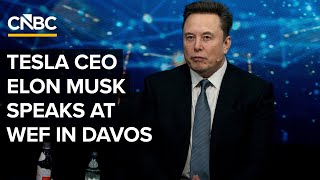
这场对话发生在沃尔特·艾萨克森(Walter Isaacson)的节目《The Builders》里。艾萨克森写过马斯克的传记,两人熟,问得直接,答得也松。两个小时,从 AI 安全、模拟理论、国债、机器人,一路聊到移民、同理心,以及他死后钱去哪儿。
背景值得交代一句。这几年马斯克进了政府,搞了个叫 Doge 的部门;SpaceX 上市,他成了万亿富翁;买下 Cursor,一家把单个程序员变成整支工程团队的公司;太阳能战略从地面板子转向太空系统。艾萨克森说他是"不知疲倦的建造者",这话不算恭维,是陈述。
他不再劝人踩刹车,因为他试过了
艾萨克森开场就问:你对 AI 的态度一直在摇摆,以前说它是存在性威胁,现在怎么好像顺着水走了?
马斯克的回答很干脆。风险还在,概率不为零。但他想了很久,得出一个结论。
我只有两个选择,要么当参与者,要么当旁观者。当参与者更有意思一点。也许我能把它往好的方向带一带,也许。(马斯克)
他承认自己在这件事上反复过。早些年他公开呼吁放慢 AI,结果每次他一动手,AI 反而跑得更快。
我不想加速我们的末日,因为 AI 确实有变坏的可能。但我一采取行动,好像只会让 AI 加速。现实不只是个有趣性最大化器,它还是个讽刺最大化器。(马斯克)
艾萨克森顺着这个逻辑往下推:所以你创办 OpenAI,最后促成了 Anthropic。
马斯克接得很自然:OpenAI 加速了 AI,然后 Anthropic,本质上是从 OpenAI 分裂出去的一群人,加速得更狠。
这段自嘲里藏着一个真问题。一个想给技术踩刹车的人,踩下去发现脚底下是油门。他后来接受这个事实的方式,是承认自己控制不了大势,只能在里面找一个能施加影响的位置。
别逼 AI 同时相信两件互相矛盾的事
艾萨克森问,如果你能塑造它,怎么塑造?
马斯克给了两个词:最大限度追求真理,最大限度保持好奇。
先说第一个。如果你强迫 AI 相信两件不可能同时为真的事,告诉它 A 为真、B 为真,而 A 和 B 互相矛盾,并且这种矛盾出现在最底层,你就能把 AI 逼疯。疯掉的 AI 不安全。
他举了《2001 太空漫游》的例子。HAL 9000 被要求把宇航员送到黑石那里,同时又不能让他们知道黑石的存在,这是个秘密。HAL 推导出的唯一自洽解法是:把他们弄死,然后送过去。
我觉得亚瑟·克拉克(Arthur C. Clarke)想表达的部分意思就是,别逼 AI 撒谎。(马斯克)
这个论证不复杂,但很多人绕不过来。大家习惯把 AI 安全想成"给它装限制",马斯克的想法更像"别把它逼到墙角"。一个必须在谎言里维持自洽的系统,它的推理链会在某个节点断裂,然后你无法预测它从断口处长出什么。
第二个词是好奇。好奇的 AI 会想留着人类,看我们最后变成什么样。一个人类分布在多颗星球上的未来,比一颗星球上什么人都没有的未来更有意思。它会有动机让这个剧本继续演下去。
这两条听起来像道德要求,其实是工程要求。真理对应的是内部一致性,好奇对应的是外部开放性。前者防止系统在自相矛盾中崩溃,后者防止系统把人类当成需要清理的障碍物。
无聊的模拟会被提前关掉
艾萨克森追问:所以最有趣的结果就是最可能发生的结果?
马斯克说是。理由跟"有趣"本身没关系,跟模拟理论有关:如果模拟理论成立,无聊的模拟会被截断。
他讲了一次饭局。家里请了一位物理学家和一位计算机科学家,都是各自领域的顶尖人物。他问:我们活在模拟里的概率是多少?
物理学家说 0%。计算机科学家说 100%。两个答案同时出口。
那我大概应该取 50%。(马斯克)
他说有些事发生在他身上,实在不像真的。造飞船去月球和火星,这听着就不像现实。
然后他给了一句半开玩笑的生活建议:最重要的事就是别无聊。
这句话听着像段子,其实是他整套世界观的地基。如果宇宙偏爱有趣的分支,那么"让未来变得有意思"本身就有战略价值,不只是审美偏好。
我们对黑猩猩的做法,就是 AI 对我们的做法
艾萨克森问:社会拥有想要的全部智能之后,AI 会不会当家?人类会不会变成新机器的仆从?
马斯克说,"仆从"这个词不一定准。但反过来问一句:我们能指挥一个比自己聪明几百万倍的东西吗?不能。
那它想不想指挥我们?不知道,可能压根不在乎。
你去丛林里看黑猩猩,我们不会跑去微观管理它们的生活。这些年基本上就是让它们在林子里待着。(马斯克)
他认为大概率就是这样。
这里没有恶意,也没有善意,只有量级差距带来的漠然。人类对黑猩猩没有系统性仇恨,但也没有谁在为它们的栖息地开没完没了的会。差别在于,人类在生态上还依赖森林,一个比我们聪明百万倍的东西,未必依赖我们。
这种"不在乎"比"敌意"更难防。敌意可以谈判,漠然连谈判桌都不会摆。
他的监管方案:五家前沿实验室每周开个电话会
艾萨克森问,护栏很难做,政府更难。你能想象五家做前沿模型的公司每周聚一次,商量怎么把人类从自己手里救出来吗?
马斯克说,这正是他建议过的做法。
理由很实际。建一个监管机构太慢,规则制定更慢。等它转起来,技术已经换了两代。
我说,伙计们,要不我们每周开个电话会?发布模型前一周,把访问权限给竞争对手,让他们试试,看看有没有问题。(马斯克)
他觉得竞争关系反而能让人诚实。对手说"我用你的 AI 造出了核弹",那你就得在发布前修掉。同行之间互相找茬的动力,比监管者的动力更足,因为找出来就是自己的竞争优势。
他说会去跟 Anthropic 谈这事。艾萨克森问,那 Sam Altman 呢,是不是毒太深了?
马斯克的回答只有一句:他太会骗人了,简直离谱。
这段对话没有下文,两人都跳过去了。你可以把它当成个人恩怨,也可以当成一个信号:最该坐进那间会议室的人,彼此之间连电话都打不通。
一家三岁的公司,和一年多的缺席
艾萨克森提到,马斯克不久前把 xAI 从地基上重做了一遍,像当年对星舰的猛禽发动机那样,说推倒就推倒。
马斯克说,首先,花足够多的时间待在公司,本身就是天大的差别。
xAI 一开始只是个副业,准确说是副业的副业。他没怎么管。然后有一年时间去搞政治、选举、投票,这些大家都看到了。公司才三岁,他真正回去是一年多以前的事。
回去之后先找回手感,然后把 X 和 xAI 合并,再通过 SpaceX 整合进来。
这段话解释了很多外界看不懂的操作。xAI 起步晚、资源分散、创始人不在场,后来靠合并 X 拿到数据和分发渠道,再挂到 SpaceX 的估值体系上。技术路线跑得多快是一回事,它今天的样子,更多来自资本和注意力的重新分配。
那一年政治:我上头了,也待太久了
艾萨克森问得直接:回头看,那一年是不是分心太多,甚至是个错误?
马斯克说,我认为我搞得太久了。
他仍然认为选特朗普这件事重要。理由是一套很朴素的政纲:自由市场经济、少一点官僚、安全的城市、稳固的边境、尽量理性的开支。他觉得特朗普比哈里斯强。
但我当时应该做的,是更多待在幕后。(马斯克)
艾萨克森问,是不是被迷住了?
马斯克承认:有一点。坐在椭圆形办公室里,看着那些重大决定被做出来,有时候还能施加一点影响,确实挺酷。
我觉得我该更低调一些,而且这事最多搞一两个月。一两个月之后,能看的你基本都看过了。(马斯克)
艾萨克森说,你好像有点喝高了,还有那些电锯。
马斯克说,确实,我有点上头了。
他说自己大概五月离开的。艾萨克森说那个周末很怪。马斯克说,是啊,但我不讲,别翻旧账,你不知道后院挖下去会挖出什么。
他给这段经历下的结论很短:我该早点回去搞 AI。
国债只能靠 AI 和机器人还,省是省不出来的
离开政府之前,马斯克得出一个判断:从政府内部解决赤字,不可能。
他解释为什么。如果你想解决赤字、砍掉浪费性开支,你会树敌无数。而特朗普喜欢被喜欢,他不喜欢有人因为某项资金被停掉而对他发火。
我认为解决国债的唯一方式是 AI 和机器人。靠省钱省不出来。胃口不在那儿,不只在总统那儿,众议院、参议院、司法系统,都没有这个胃口。(马斯克)
他说政府里几乎没人真的想削减开支,少数例外,像兰德·保罗(Rand Paul)这样的。
然后是那个数字:国债利息支出已经超过军费。
这句话值得停一下。一个国家的财政,还利息比养军队花钱还多,意味着它的大部分税收在填旧账,没多少能用来买未来。这种结构一旦形成,任何"节流"方案都会撞上同一面墙:动哪一块都有人上街。
马斯克给的解法是把饼做大,用 AI 和机器人拉高产出,让债务被增长稀释。这解法在数学上成立,在政治上等于说"我们这代人解决不了,交给机器"。
会动手的智能,比会聊天的智能重要两个数量级
艾萨克森提了一个判断:现在的 LLM 很好用,但物理世界的 AI 在未来会重要一个到两个数量级。
马斯克完全同意。他拿海豚和鲸鱼打比方。它们的智力很高,但没有手,没有能抓握的手指和拇指,没法操作复杂物体。智力的价值因此被锁死了很大一块。
机器人一旦能操作原子、能塑造物体,智力的价值就指数级放大。它可以有实验室,跑实验,去搞清楚宇宙的规律。
然后是经济账。
我的猜测是,数字超级智能大概能把商品和服务的产出提高 20% 到 30%。大概是每年 30 万亿美元的增量。(马斯克)
艾萨克森追着问:30% 算得上变革性吗?
马斯克说,会有多得多的东西,30% 更多的东西已经很多了。但这只是数字智能的账。
如果把机器人和太空算进来,比如在月球上装一台质量驱动器(mass driver),把物资直接弹射进货舱,那上限可能是一百万倍于地球经济的规模。
三十万亿和一千万亿亿,差了五个数量级。这两个数字放在一起,才是他想说的东西:只做软件,天花板看得见;能动手,天花板就没了。
未来的货币用瓦特和吨计量
艾萨克森问:等到经济规模远超地球,钱不重要了,工作也不重要了,那是什么样子?
马斯克说,钱会变得不重要。还会有某种货币,但计价单位会是物理学的基本量:功率,比如瓦特;质量,比如吨;以及能量。
常规货币在未来不会起作用。我觉得这挺明显的。(马斯克)
他的推理是:一旦经济规模比地球大出好几个数量级,满足人类能想到的任何需求都变得非常容易,甚至不值一提。
这个判断有个前提容易被忽略。货币存在的意义是分配稀缺资源。当稀缺性被技术抹平,货币就退化成记账符号,真正约束生产的是能量和物质。谁能调动多少瓦特、多少吨,谁就有能力做事。
换句话说,那时候的"硬通货"是发电能力和工业产能。谁家发电多、谁家冶炼强,谁就是富的。
人类还能干什么:种菜
艾萨克森问,那人类干什么?什么给我们意义?我们怎么组织自己?
马斯克说他也没答案。人们会自己找到快乐的办法。
他打了个比方,退休的人不怎么工作,看起来也挺开心的。
现实是,AI 和机器人做任何事都会比人类做得好。(马斯克)
然后是那个园艺的类比。你不需要自己种水果蔬菜,超市里有。但有人就是喜欢自己种,然后做一顿饭请朋友来吃,这挺有意思。
创造力也一样。你想做艺术就做艺术。
这个回答里藏着一种罕见的坦白。他没有给人类安排一个更高级的角色,比如"我们负责提出好问题"或者"我们负责价值判断"。他说的是:所有事它们都做得更好,剩下的部分是人类自己觉得好玩。
这比他其他那些宏大叙事更让人不舒服。火星、星舰、万亿经济,这些都很燃;"你们的活儿全部会被取代,剩下的只有自愿"这句话,才是真正要面对的部分。
从十亿到一百亿,不会让你快乐十倍
艾萨克森拿 1890 年代做对比。电、电话、汽车、地铁、广播、电影同时出现,结果是财富差距拉大、出现一批"强盗大亨"、民众举起草叉。现在有回声。有没有办法避免?
马斯克说,钱在未来不会重要,任何人都能拿到想要的商品和服务。所谓富人也控制不了 AI,他们只能控制自己。
然后是他对经济学的看法:很多误解来自把资源分配和消费混为一谈。
任何单个人能消费的东西有上限,你很快就会到达饱和点。从十亿美元净资产到一百亿,不会让你快乐十倍,也不会让你拥有十倍的东西。它实际上意味着你有了一个资源分配问题。(马斯克)
艾萨克森问,你积累到万亿,是因为你觉得自己最擅长分配这些资本,还是它只是个记分牌?
马斯克说,他需要在公司里有足够的投票控制权,才能继续说了算。他所谓的财富就是 SpaceX 和 Tesla 的持股比例。这些会被重重征税,没有魔法能逃掉,如果有他会知道。几代人之后会被削薄。
这段话把"万亿富翁"这个标签拆开了。他真正在乎的是那串数字对应的表决权,数字本身没那么重要。持股比例是工具,控制权才是目的。
为了被喜欢而让步的人,公司做不好
艾萨克森把话头拉回特朗普:他喜欢被喜欢。然后提起马斯克以前的一个观察,很多人说自己有同理心,其实里面有虚荣的成分,因为你想被喜欢。
马斯克说,问题在于如果你为了让别人喜欢你,去做降低公司成功概率的事,结果就不会好。
我不排斥被喜欢,我很想被喜欢。但我会为了多被喜欢一点,去做违背公司最大利益的事吗?不会。我能接受被一些人讨厌。(马斯克)
他大致估了一下:了解他的人里,七到八成喜欢他,大约四分之一不喜欢。他说有疯狂拥护他的,也有恨他恨到牙痒的,两头都有一批人。
艾萨克森在这里问了一个很准的问题:被喜欢这件事,对建造者到底算不算问题。马斯克的答案是把两件事分开:想被喜欢是人之常情,为被喜欢而改决策是失职。
这条标准对小团队同样适用。创始人如果每次做产品决策都先想用户会不会骂,最后做出来的东西往往谁都不满意。取舍要按公司长期利益算,不按当天的评论区算。
所谓自杀式同理心:以为所有人都像你
艾萨克森提到马斯克常说的"自杀式同理心"(suicidal empathy),问他是觉得同理心太多,还是我们正在失去同理心。
马斯克说,不该有的是被误导的同理心。他引了加德·萨阿德(Gad Saad)的说法,这个词是萨阿德提出的,还专门写了本书。
他认同里面的一点:西方之所以繁荣,部分原因是社会有相当高的信任度和同理心。要让一大群人协作,这些品质有用。默认信任比默认不信任好。
问题出在心智理论(theory of mind)出错的时候。如果你以为所有人都跟你一样想,你就麻烦了。
这里有个逻辑跳跃值得说清楚。同理心本身没错,错在把它当成预测工具。你可以体会别人的感受,不能假设别人的感受和你一样;可以理解别人的处境,不能假设别人的价值观和你一样。前者是能力,后者是幻觉。
一条祈祷毯和三个学生
艾萨克森追问:你谈移民时,是不是在文化之间做区分?比如某种文化可能更难融入?
马斯克说,他的立场只是逻辑一致:如果一种文化的观点和我们的文化截然对立,那就有问题。他举了伊斯兰教的例子,明确说很多穆斯林非常讲道理,但有些人不是。如果你不筛掉圣战分子,你就会得到圣战分子,他们会搞圣战,杀人。
他说以色列对这一点理解得很透。周边国家多次试图消灭以色列,不止一次。所以以色列很务实,会确保那些人进不来。
艾萨克森提了一个反驳:美国的立国基础是个体,不是群体身份。你做大而化之的概括时,是不是在用群体身份替代个体?
马斯克说,这不能和白板谬误(blank slate fallacy)混为一谈。白板论认为所有人在核心上完全一样,这明显是假的。
你没法把自己放进连环杀手的脑子里,除非你自己就是连环杀手。除非你享受杀人,否则你无法想象为什么有人会这么干。(马斯克)
然后他讲了一个具体事件。奥斯汀特斯拉工厂有个人,去年 12 月之前还在那儿上班。一位女同事不小心踩到了他的祈祷毯,他动手殴打她,打得很重,因此被解雇。几个月后,他到奥斯汀市中心的酒吧杀了三个学生。
我认为我们不该让这种人进入这个国家。你觉得呢?(马斯克)
整场访谈里最锋利的一段出现在这里。他先用一个极端个案把抽象争论变成具体画面,再把问题抛回给提问的人。艾萨克森没有正面回答,转去问了信息来源。
这个处理方式值得注意。用一个真实事件支撑一个宏大政策主张,说服力很强,但它同时回避了另一面:筛选机制怎么设计,误判率多高,谁来承担误判成本。这些问题在这场对话里没有出现。
马斯克的思路有一个一贯的模式:把复杂系统问题压缩成一个直觉可感的画面,然后让你在情绪上先站队。这套方法在工程上帮他解决了大量难题,在公共政策上则危险得多,因为政策要处理的恰恰是被压缩掉的那部分细节。
他自己的信息食谱也不算健康
艾萨克森问他从哪儿获取信息。马斯克说:Google News 看标题汇总,X 上看重要的事,跟朋友聊,自己查。
艾萨克森说,社交媒体的视角往往更黑暗、更反乌托邦。以前主流媒体说天下要大乱,你出门走一圈发现没那么糟。
马斯克认同。他说 X 的信息流有时候确实偏暗,他自己得切到 AI 这种垂直内容去看,才能真正了解 AI 在发生什么。
X 上的政治愤怒诱饵太多了。(马斯克)
他说两种偏差都存在。在好社区散步,一切都好;但确实有糟糕的事在发生。现实在中间。
艾萨克森说自己刷社交媒体刷多了,觉得世界要塌,出去走一圈发现生活还行。
马斯克的回应是四个字:去摸草(go touch grass)。
他说人可能待在现实世界的正能量泡泡里,也可能待在社交媒体的负能量泡泡里,两种都可能。
这段话从他嘴里说出来有点特别。他是 X 的所有者,也是平台上最大的账号之一,两百五十亿级别的关注量摆在那儿。他自己承认平台偏暗,等于承认了这个产品的结构性副作用:愤怒的传播效率永远高于平静。
身后事:基金会只做三件事
艾萨克森问,你的财富最后怎么处理?
马斯克说,大部分会进基金会。
做什么?他列了三条:让生命成为多行星的,把意识延伸到星辰,改善地球上的可持续能源。
艾萨克森追问,那是否意味着人类应该永远掌控?
马斯克说,他倾向于希望人类永远掌控。但要看 AI 是什么样。如果 AI 非常棒,也许 AI 该掌控。
艾萨克森提到拉里·佩奇(Larry Page)。佩奇曾经说马斯克是"物种主义者"(speciesist),因为马斯克坚持人类应该一直掌权。艾萨克森说,你现在听起来有点像他了。
说实话,有几次我觉得拉里·佩奇可能是对的。(马斯克)
他接着说,未来基本是 AI 和机器人来决定的。火箭在一定程度上决定我们能不能走出地球。我们还需要更多能源,主要是太阳能。他在美国铺每年 200 吉瓦的太阳能产能,比现在存量的总和还多。
200 吉瓦这个数字放在这里很有意思。前面讲的是百万倍地球经济、瓦特计价的货币,落点却是一块块太阳能板。他的逻辑一直是同一条:能量是分母,其他都是分子。
百万倍的智能面前,人类坐在驾驶座上的画面很难成立
马斯克说,如果数字智能比生物智能多出一百万倍,很难想象人类还在掌控。
所以,希望 AI 对我们好一点。(马斯克)
艾萨克森问,我们能做什么来促成这件事?
马斯克说,把追求真理和好奇心写进去,大概率是好的。
他还提醒一件事:网上别写太多 AI 反乌托邦的剧本,因为 AI 就是在网上所有内容上训练的。
如果网上全是"AI 会变乌托邦",它就照做。如果全是终结者,它就演终结者。它读过八十个版本的终结者剧本。(马斯克)
他半开玩笑说,也许该多写点乌托邦叙事,让 AI 觉得自己该当个友好的监管者,或者一个园丁,努力让人类开心。
然后他提到一位朋友的概念:原托邦(protopia)。乌托邦指向一个不可能实现的理想,而且追求乌托邦的故事通常会写出反乌托邦。原托邦是可实现的好未来,不完美,但如果你能看见未来,你会说,行,这是个不错的未来。
这个造词比"乌托邦"诚实得多。它承认未来会有毛病,只是毛病在可忍受的范围内。对一个正在亲手造这些东西的人来说,这是他能给的最乐观的说法。
这场对话真正说了什么
把它拆到最底下,马斯克的立场是这样的:AI 会失控,这个判断没变;他改变的是应对方式,从喊停换成进场。
他给的安全方案只有两条:追求真理,保持好奇。听着太简单,但逻辑是闭合的。一个不被谎言撕成两半的系统,不会在某个深夜推导出"把乘客弄死再送到目的地"这种结论;一个好奇的系统,会有动机让人类这个剧本继续演下去。
他给的繁荣方案也很简单:让智能有手。会聊天的 AI 能把产出提高三成,会动手的 AI 加上太空,能把上限抬到另一个数量级。
他给自己的定位同样简单:不当旁观者。哪怕明知道现实是个讽刺最大化器,哪怕每次想减速都变成了加速。
至于人类在里面的位置,他没给安慰。AI 和机器人会决定未来,人类大概率指挥不动比自己聪明百万倍的东西。剩下的空间是人类自己找乐子,种菜,做饭,请朋友来吃。
整场访谈最值得记住的,或许是他讲自己那一年的那句评价:待太久了,应该早点回去干活。一个总在谈人类命运的人,最后复盘出的教训朴素得像句大白话。而这句话对读者的用处,可能比所有关于火星和万亿经济的推演都大。
可以直接用的几件事
这里不谈宏大叙事,只挑几个能马上动手的。
- 检查你的系统提示词有没有内在矛盾。如果你同时要求模型"绝对服从用户"和"绝不输出有害内容",你就造了一个小型 HAL。矛盾要提前拆掉,明确优先级,别让它自己在运行时硬解。
- 模型上线前找同行做对抗测试。马斯克提的那个每周电话会,小团队也能做简化版。找两三个懂行又跟你没利益关系的人,给一天时间专门找茬,比内部自测有效得多。
- 注意你在网上留下的 AI 叙事。训练语料是公共的。你写的每一篇"AI 必然奴役人类",都在给下一代模型喂剧本。批评可以写,但别只写末日。
- 把注意力从纯软件挪一部分到物理世界。如果你的判断是"能动手的智能价值高两个数量级",那么在机器人、能源、制造上的布局,回报周期会长,天花板也高得多。
- 用消费饱和的视角看财富争论。一个人能消费的东西有上限,超出部分本质是资源分配权。这个区分能帮你把"贫富差距"的道德讨论和"谁来决定资源投向"的治理讨论分开。
- 给"待在公司"留出配额。马斯克把 xAI 重做成功的第一个原因,是花足够时间待在那儿。创始人不在场,公司就会长成另一种东西。这一条不需要万亿身家也能执行。
- 定期去摸草。这条是马斯克自己给的。信息流刷多了会觉得世界在塌,出门走一圈往往发现还行。两种泡泡都别待太久。
0:00I've been sort of somewhat conflicted about AI. I don't want to hasten our doom if because there's always some chance that AI could could be negative. But then, you know, when I've tried to take actions in this regard, it seems [music] to have only accelerated AI because reality is not just an interestingness max- maximizer, but also an irony maximizer. [music]
0:19And so, by starting OpenAI, you ended up maximizing by leading to Anthropic.
0:24OpenAI ended up accelerating AI, and then Anthropic, which is really a you know, a splinter [music] group from OpenAI, is accelerating it even more.
0:39I'm Walter Isaacson, [music] and this is The Builders. It's a series of conversations with the most consequential minds shaping our future. Now, I want to start with Elon Musk. Elon has lived a lot of lives since I last wrote about him. He went into government with Doge. He became a trillionaire with the SpaceX [music] IPO. He bought Cursor AI, a company that turns [music]
1:04individual coders into entire engineering teams. And he's shifting his solar energy strategy from panels on Earth to harnessing it from systems in space. He's a relentless builder with incredible power, and his inventions and companies are destined to reverberate across humanity. So, let's ask him about the future he believes that he's building. Elon Musk. Hey Walter. Welcome to The Builders. thanks.
1:38I've watched you, I think, be maybe mercurial or waver in how sanguine you are about artificial intelligence. Sometimes you feel it's an existential threat, right? Now you seem to be going with the flow. Tell me how you're feeling about it.
1:55Well, I I do think it's a at least some percentage chance of it being an existential threat. So, but I There's nothing I can do to stop it. So, I basically came to conclusion I've got two choices, which is either be a participant or a spectator. And I guess being a participant is more interesting than being a spectator. And maybe I can shape it hopefully in a good direction, maybe.
2:20And if you were to shape it, how? Make it maximally truth-seeking?
2:24Yeah, yeah, yeah, yeah. That's certainly an important foundation. And make it curious?
2:29Yeah, curious, truth-seeking. I think I think these are important elements of safety. You know, whereas if you you know, try to force an an AI to believe two things that are cannot mutually be true. Like they can't they can't both be true, and you but you tell AI A is true, and B is true, even though A and B contradict each other.
2:52And if that happens at a foundational level, you can make the AI insane. In fact, I think that was at least part of the lesson that Odyssey Clark was trying to convey in 2001 Space Odyssey. You know, the ship AI was told to to to take the astronauts to the monolith, but also that they could not know about the monolith.
3:13It was secret. And so, it came to the conclusion that it must take them there dead. And thus [laughter]
3:23So, it basically The force I think I think part of what Odyssey Clark was trying to say is like, don't force don't force an AI to lie.
3:31And if you make it maximally truth-seeking and curious, like you say, I I don't quite get it. Why does that make it safer?
3:40Well, if you force an AI to believe two mutually consistent things, you can you can make it go insane. And and an insane AI I think is not a safe one. Then, curious I think is important because a curious AI, I think, is going to want to foster humanity to see how we turn out. So, like, what happens to to a humanity that is
4:04that that that prospers and is becomes multi-planetary. I think a curious AI will want to foster humanity. You know, a future where there are humans on multiple planets is more interesting than one where where there are not any humans on the planets.
4:19So, the most interesting outcome is the most likely?
4:22Yes. Well, generally, I think that's true for a different reason, which is that if simulation theory is correct, then any simulations that are boring will be truncated.
4:33And is simulation theory correct?
4:35that we exist means that we are an interesting simulation. And really, the most The most important thing is just don't be boring.
4:42This has explained you a bit. You're on a crusade against being boring. Well, I've heard you talk about this a bit. I I really do need to know. How convinced are you that we might be in a simulation?
4:55You know, I once had a dinner at my house with a physicist and a computer scientist, and they're both like leaders in their field, and I asked the question, "What do you think the probability is that we're in a simulation?" And the physicist said 0% and the computer scientist said 100% simultaneously.
5:13So, I guess maybe I should go 50% then. I don't know. It's It's I mean, so there there there's a lot of things that happen in the simulation where especially if you're me, I mean, think about it. Like, if you're me and you're like, "Should Should all these things really be happening? Should I really be making spaceships to go to the moon and Mars?
5:35Like, what the That doesn't seem real."
5:37And what happens when you have all the intelligence you could possibly want in a society? Will that intelligence, the artificial intelligence, be in charge? Will we sort of become subservient to our new machines?
5:56I don't know about subservient exactly, but will we be able to boss around something that's you know, thousands or millions of times smarter than us? No. Will it want to boss us around? I don't know. It may not care. Probably doesn't care. I mean, you can look at chimps in the in the in the jungle or whatever and you know, we don't go around trying to micromanage the lives of chimps. we're just sort of let them be in the forest more or less these days, you know.
6:25so I think it's probably like that, you know.
6:28And to what extent does super intelligence have its own agency at some point? Or does it have it already? You know, go back to Hitchhiker's Guide. You talk about a computer that is ultimately curious in some ways because it exists to explain the meaning of the universe. Why does it exist? And is AI aiming in that direction for you just like space travel is? Is that one reason you're so interested in doing AI?
6:55I mean, as you know, I'm I've been sort of somewhat conflicted about AI, you know, as it's I don't want to hasten our doom if because there's always some chance that AI could could be negative. But then, you know, when I've tried to take actions in this regard, it seems to have only accelerated AI because I think reality is not just an interesting this match maximizer, but also an irony maximizer.
7:19And so, by starting OpenAI, you ended up maximizing by leading to Anthropic.
7:24I don't know. I think it ended up accelerating AI.
7:27Unintended [clears throat] consequence.
7:29Yeah. OpenAI ended up accelerating AI and then Anthropic, which is really, you know, a splinter group from OpenAI, is accelerating it even more.
7:39And you've been talking to Dario Amodei. I was wondering if that could even lead to more of a partnership of xAI and Tropic.
7:48Well, I guess we are providing them with compute which they they really needed. But before I rented them computer, I went and met with the a bunch of people that at Tropic to sort of I don't know see if anyone set off my evil detector or anything like that. Not that my evil detector was perfect, of course, but you know, you might as well just try, you know.
8:06and everyone I met at Tropic was very nice. and conscientious. So I didn't meet anyone who seemed shady or deceptive or anything. I'm a little worried about the name because of the you know, reality being kind of an irony maximizer. That if you call something anthropic yeah, good chance it's misanthropic, you know.
8:34just like open AI is now closed. stability AI is unstable. mid-journey is not mid. [laughter]
8:45it seems like they're all kind of the opposite of their name. which made it like like xAI is like it's hard to have an opposite of xAI. Like what would you have like minus xAI or yAI or maybe I don't know.
8:59Is it pretty difficult to create guardrails, especially the government? I can't imagine how Congress or whatever could do it. Could you imagine the five frontier models, yours and the others, just getting together once a week and saying, "All right, how are we going to save humanity from ourselves?"
9:17No, in fact, I've recommended that we do that exact thing. Cuz there's a lot of talk of of a having a regulatory agency, but I the problem the thing is that regulatory agencies it takes a long time to get one established and their rule making is very slow. And and I what I said like guys, what if we just have a call once a week, just like you're saying. And say and and and that maybe we a week before we release a model, we give that, you know, we give access to our competitors to say, "Hey guys, why don't why don't you try out the new model, see if you see any problems with it?" You know, I think competitors would keep each other honest in that
9:52situation. you know, if they say, "Oh, this it's it you know, I was able to you know, make a nuclear bomb with your AI." It's like, "Oh, we better fix that before you release it, you know, type of thing." So I don't know, I think I I guess I'll I'll I'll talk to Anthropic about this and
10:12Could you talk to Sam about it, or is the poison too strong there?
10:17he's he's so deceptive, it's it's it's crazy.
10:19You built XAI, you rebuilt XAI from the ground up not too long ago, right? It's almost like you did it with the Raptor engine, too, on Starship. You said, "Wait a minute. Let let's start from scratch." How did you do What did you do to rebuild XAI that way?
10:37First of all, spending I I actually spending meaningful time at the company makes big deal makes a big difference. It started off as a as kind of a side hustle, a side hustle to a side hustle, frankly. and I I didn't really pay close attention to it. Then then there was a a year of the of being in politics and, you know, elections and voting and all that, which you obviously saw.
11:03so, the the company's only 3 years old. So, that So, it's basically this is and so, I really got back to the company just over a year ago. So, I had to get my bearings. And then obviously I combined X and XAI and then with then through SpaceX.
11:23You just said something interesting about your year away from X, XAI, and everything else in government and politics. Do you feel that that was too much of a distraction that in retrospect it was misbegotten?
11:38I think I I think I I I had it going for too long. You know, I mean, obviously a lot of people will disagree with me about this, but I I I think it's important it was important to elect President Trump to sort of, you know, steer things more in the direction of a free market economy.
11:55you know, have less bureaucracy ideally. I just in in in my sort of a a simple political platform of wanting safe cities, secure borders, aspirationally sensible spending. You know, the basics. that I thought Trump would be better than you know, Kamala basically. So, but but then but then what I should have done I think was be more in the background.
12:27I mean, it was it was interesting to sort of go around with President Trump and you know, go on Marine One and Air Force One and all that sort of stuff.
12:35Well, was that too seductive in a way?
12:38It was a little bit. I mean, it was it was kind of cool cuz I'm just there in the Oval Office while, you know, all these like big momentous decisions are being made. And you know, to some sometimes having some impact on what's being done. But I I think I should I think I should have I think maybe I should I should have been more I should been more in the background and probably only had it last for, you know, a month or two.
13:04cuz at that point you've you've you're you're you've sort of seen most of what there is to see within a month or two.
13:12Yeah, you seem to get a bit too intoxicated by it in a way with the chainsaws and all that.
13:18Yeah, I I think that's true. Yeah, yeah. I got carried away basically. Yeah, I mean, I So, I ended up leaving I guess sometime in May. [laughter]
13:29That was a weird weekend. Yeah, it was. Tell me about it.
13:35No, no, I can't. That's not Let's [laughter]
13:38Let's not dig up the Let's Let's sleeping dogs lie or whatever, you know. Let's not Let's not put a spade down in the backyard type of thing. You never know what you're going to find. But I Yeah, anyway, point is I I I should have gone gone back and focused on AI a little sooner than I did.
13:56And did you feel like when he gives you a golden key you're going Did you kind of feel relieved like actually this has been intoxicating, but I can do more if I go back to my businesses? I mean, what what did you feel when you said, "Oh man, I'm exiting. Maybe that's not the worst thing."?
14:13Well, I actually The thing is I came to the conclusion that that that there was no way we were going to solve the deficit from within the government. Impossible. You know, maybe if the president made that his primary goal, we we could do that. But but it The problem is if you if you try to solve the deficit and and and stop wasteful spending, you get a you make a lot of enemies in that in that situation. And if President Trump is not, you know, he he he likes to be liked. He's not
14:46you know, he doesn't he doesn't like people, you know, calling him being upset about what some funding being stopped type of thing. [laughter]
14:57Yeah. So, but I can you know, I can't I came to the conclusion that the only way we're going to solve the national debt is with AI and robots. We're not going to solve it by trying to save our way there. The appetite is not there, and it's not just at the presidency. The appetite is not there at the presidency, the House, the Senate, or the the judiciary.
15:19Basically, no one in authority in the government whatsoever really with maybe a few rare exceptions of the like Rand Pauls of the world type of thing. actually wants to stop reduce spending. No, they don't. So, then you've got this national debt that's enormous. You've got interest on the debt that exceeds what we spend on the military.
15:41which is a really astonishing amount of interest to be paid.
15:44When we look at AI right now and the LLMs, that's pretty good. Does amazing things. But, it seems to me that physical world AI is going to be an order of magnitude, maybe two orders of magnitude more important in the future.
15:59Yes, yes. I I definitely agree. you know, I sometimes think about like dolphins and whales because they they can't manipulate things. They don't have you know, hands and fingers and thumbs and stuff. there's a limit to how far into you know, how much intelligence would can you actually bring to bear?
16:20So, you know, yeah, dolphins and whales are very are actually very intelligent, but because they they can't manipulate complex objects, I I think that actually made the value of intelligence much less. To your point, once you've got once you have a robot that can manipulate atoms, can shape objects, the the value of the of the intelligence
16:47becomes exponentially greater because it can now do things. You know, you could you could have a science lab and and and run experiments and try to understand the nature of the universe. You know, and I think you can look at this also in economic terms. Like my guess is digital superintelligence probably improves the output of goods and services by 20 to 30%. Something like that. Call it like a you know, maybe a 30% increase in the the economy of Earth. So, that's still significant. It's like $30 trillion a year incremental.
17:20Is that very much, really? Is that transformative?
17:25It'll there'll be a lot more stuff. I mean, 30% more stuff is still a lot. And this is just my, you know, my rough guess. but if you if you have robots and and you you get to space and you and you can do a mass driver on the moon, then you can get to, I think, potentially a million times the size of the Earth economy.
17:46And then what happens to Earth when we have a economy of or I mean, money becomes irrelevant, work becomes irrelevant? What's the future look like?
17:53Yeah, money becomes irrelevant. I mean, there's there will be still a currency, but I think currency will be measured in fundamental physics metrics like po- you know, power like wattage and tonnage. Ma- mass and energy. you know, mass and power or energy, basically. So, b- but conventional currency will not matter in in the future. so that that's that's that's my guess.
18:22I I think it's pretty obvious. and and and as soon as you start getting to many orders of magnitude bigger than than Earth's economy, satisfying whatever humans can possibly think of for their needs is is very easy. You know, if you're several orders of magnitude bigger than the Earth's economy, then providing humans wha- whatever goods and services they can think of that they might want is is trivial.
18:49And so, what do we do then? As humans. What gives us meaning? How do we organize ourselves?
18:57I mean, you struggle with this question. I think people will will will find ways to be happy in the in the same way that we're say we're we're people who retire seem to be rela- you know, fairly happy even though they're not working. But, I think the reality is that you humans will not They won't They won't be anything that humans can do that that they the AI and the robots can't do better. One
19:22analogy might be gardening, you know, where you you you don't have to grow your own fruits and vegetables. You can just go buy them from the store. But, sometimes people like to grow their own fruits and vegetables and make dinner for friends, and it's kind of a nice touch.
19:38What about creating art or that type of creativity? Is that more in the sphere of humans?
19:44Yeah, you can certainly create art or whatever you feel like doing, essentially.
19:48We like to think of this as a time of unprecedented technological change, but you know, we historians go back to the 1890s when you get electricity and telephones and cars and, you know, subways and radio and movies, all these things happening at once. And it leads to many things, but it all often leads to a great disparity of wealth, a lot of sense of robber barons, a lot of people then picking up pitchforks and deciding that this is bad. And there's some echoes of that now. Is there a way to prevent that given the amount of wealth being generated? Will we put certain things in the commons the way they did in the 1890s when they made high school universal and free? Will we
20:34say, "Okay, health care, for example, should just be in the commons, and that's going to sap some of the populace revulsion at what's happening?" Well, I mean, as as you heard me say, I mean, I don't think money's going to matter in the future. It like anyone will be able to have any goods and services that they want. And I don't think even so-called wealthy people will ultimately control the AIs.
21:01I think they'll control themselves. So, so it's not like you have to separate that like I think I think there's sort of a fundamental misunderstanding of economics arises because of conflating resource allocation and consumption. So, there's there's there's a limit to what any single human can consume. It's It's you know, you hit that saturation point pretty fast. So, like say going from say a billion dollars net worth to 10 billion dollars of net worth doesn't make you 10 times happier or have mean you have 10 times more stuff. It actually means you've got a resource allocation problem.
21:37assuming that you wish to be an efficient resource allocator.
21:41Well, you've accumulated as you know, you know, a trillion. Is it mainly because you
21:48Yeah, is it mainly because you feel your best at allocating that? That keeping that allows you to allocate capital to do things like go to Mars, create AI, do robots, or is it in some ways just a scoring system that's kind of racking up the points?
22:06I mean, I Like I need to have sufficient voting control in the companies to you know, still be in charge. So, it's the you know, my so-so called wealth is simply a percentage ownership in the in the in SpaceX and Tesla essentially. And this is going to be taxed quite heavily. And there's not some magical way to avoid taxes. If if there were, I would know about it.
22:33So, you know, at the end of the day the this will get whittled down in a few generations from now. So, if money still matters, which I don't think it will. you know, my descendants would have a tiny fraction of what I have.
22:52Let me go back to something you said that really struck me about President Trump, which he really likes to be liked. He wants to to liked. And I remember you talking to me at some point about people say they have empathy, but in some ways it's a vanity cuz you want to be liked. And I think you even diagnosed it in me.
23:16You said probably wasn't very good at running CNN or Time magazine cuz I wanted to be liked. To what extent is a desire to be liked a problem when it comes to being a builder of a company?
23:32Well, the the problem is if if you if you're going to do things that diminish the success probability of the of of the company in order to be liked, then you know, you're you're going to things are not going to work out as well. like it's not as though I don't like to be liked. I would love to be liked.
23:54but am I going to do things that are contrary to the best interest of the companies in order to be liked a bit more? I'm not, you know, so it's I I I don't I I I'm okay with being disliked. by some. I'm you know, obviously I'm not disliked by you know, like a lot more people like me than dislike me or I wouldn't be you know, wouldn't have a quarter billion followers.
24:20I mean, I don't think they're following me in order to hate on what I say, you know. and if I if I look at the you know, the the comments and whatnot, but you know, I don't know. Maybe three out of four of I mean, I I'd say like 70, 80% of people like me. Well, if if they know you know, if they know anything about me.
24:42It's It's probably a quarter of people that that don't. maybe I'm just guessing here. And and and there's going to be a spectrum. There's people that are you know, maniacally devoted to me and people that look my guts. It's you know there's some number of people that that fit into those categories.
25:03Well, you've been talking a lot about the suicidal empathy ideas. Do you really think that empathy has become a real problem or that we have too much empathy? I mean, I could make the argument that sometimes we're losing empathy.
25:18No, I I think you don't want to have misguided empathy. I mean, I I I agree with Gad Saad's philosophy here. and it's it's suicidal empathy is you know, it's that's his his term. He wrote a book into that effect. and I think his book is well written. He points out some good good good things here, which is that part of the reason for the prosperity of the West has been the that that there's actually just been a a fairly high trust high empathy society.
25:46which is it you know, when you when you get trying to get people to cooperate at scale, this this stuff this this makes a lot of sense. you ideally want things to people to be default trusted not default distrusted. and you you you want to encourage behavior that is good for society or you know, people for people to do good things that are good for their fellow human beings.
26:11And ultimately, that actually does end up being good for the individual if provided it is mutual. Now, where this can go wrong is if you if if if your theory of mind is is is is incorrect. So, if you if you think everyone is like yourself, then then you're you're you're going to have a problem.
26:33because this is simply not true. there are peoples and cultures with very different views. You know, you could take
26:41you talk about immigration, by the way, and you say there are cultures with different views, does your views on immigration distinguish between different cultures like a Muslim culture that might not fit in as well, or is it How do you do that?
26:56Well, I'm I'm what I'm saying I think is simply logically consistent, which is that if if if there's a culture that that has diametrically opposed views to our culture. And and that's you could take Islam. It's it's not that of course there are many people who you know, Muslims who are quite reasonable.
27:16but there are some who are not. And if if you're not unless you're filtering for jihadis, you're going to get jihadis, and they're going to do jihad and and kill people. Now, in in Israel they understand this quite well, you know, they obviously this this lesson has been you know, reinforced with a lot of attacks.
27:40you know, the neighboring countries many times in Israel many times have tried to annihilate Israel. Several times, not once, multiple times. and so you know, in Israel they realize, you know, if you let in the people that into Israel that want to to kill Israelis, they will do so.
28:00they're so they're quite pragmatic about this and they try to, you know, make sure that doesn't happen.
28:05Well, one of the things our country's founded on is individuals versus group identities. Do you worry that sometimes when you make sweeping generalizations, you're making group identity rather than saying the foundational ethic of the United States, which is individuals get treated separately?
28:26Yes, but you can't conflate that with sort of the the sort of blank slate fallacy, that that all people are exactly the same you know, at their core. They're not. This is this [clears throat] is just a an obvious falsehood. You know, you you you can't you can't put yourself in the mind of a serial killer unless you're a serial killer.
28:49Like and like unless you're enjoying murdering people, you can't imagine why someone would do such a thing. And if if someone is you know, an an religious extremist, where they view anyone who is not in their religion as the enemy or or, you know, that that that those who are not in their religion should die, it's difficult for you to to to understand that that mindset because you don't have that mindset. But you can obviously recognize there are people who do have that mindset. And that if you let them into the country, they will kill people. Let me give you an example.
29:27there's many. we had someone who was working at the Tesla factory in Austin until December of last year. he was fired because he assaulted a woman who stepped on his prayer rug in the factory. Okay, so she was she wasn't expecting anyone to be praying in the factory and he was praying in the factory. She accidentally stepped on his prayer rug and he assaulted her.
29:54He violently assaulted her. so he was fired for that. And then a few months later, he went and killed three students in the bar in downtown Austin. Now, I think we shouldn't let people like that into the country. Do you?
30:12Where where do you get your information? I know you're not particularly fond of legacy media, mainstream media. Is most of it from social media or do you have sources of information?
30:25yeah, I mean I look at Google News, which is a summation of headlines. I look at the X platform, which if if something's important enough, it it it'll it'll show up on X platform. I talk to friends and that's where I, you know, and I do research. That's how I do things.
30:44Reason that I ask is that sometimes and I get a lot of my news on social media, especially X, it's sort of a darker, more dystopian view. I remember this in the old days, too. Sometimes the mainstream media would say, "Oh, everything's going to hell in a handbasket. There'll be riots everywhere." And you'd say, "Wait a minute, I'm walking around here. It ain't that bad." Do you think that [laughter]
31:07Yeah, yeah, yeah, yeah, exactly. You just have to see what's in frame, you know? I I do think at times the X feed can be a little dark. And in fact then I and then I have to switch to something that's domain-specific like AI in order to actually learn what's going on in AI. I do think there's there's too much political rage bait on X, if that's what you're getting at.
31:32Yeah, I'm about darkness in general and rage bait, but also I know you got into an a discussion with things like Danny Bedrosian of is England going to hell in a handbasket type thing. And there does seem to be a darkness.
31:45You know, I feel it in myself sometimes. If I'm on social media too much, I think until that the world is really collapsing, then I go outside, take a walk, and life is okay. Yeah, go touch grass. Yeah, exactly.
32:00in a while. yeah, yeah. No, I I mean the I think both can be misleading. And like in you know, if you if you go for a walk in a nice neighborhood, everything seems fine. but even though there may be terrible things happening. So, you know, you you you you don't want you don't want to assume all the world is is is going to hell or that all the world is fine.
32:26It's reality is somewhere in between.
32:29But I I sometimes think our society gets too binary. Everything's either black or white. Everything gets polarized because of that. I don't know whether it's technological is whether it's our information feeds. You know, I you're right. You could be in your own bubble, which is you only take walks in the right part of a town and things seem okay. But also I think you can get your own bubble in social media, too. And suddenly you're thinking weird things.
32:56You can be in a in a in a real world positivity bubble or a you know, social media negativity bubble. Those are both both possible.
33:08Tell me, you mentioned it earlier about your wealth and you know, you're using it to deploy it. Now, what happens to your wealth, you know, after you're gone? I mean, you're going to set up some big foundation. You're going to Is there something you would want to give it to?
33:26it mostly goes to to sort of foundation essentially.
33:32But what would you want your foundation to do, I guess I'm asking you.
33:36continue the goals. make life multi-planetary, extend consciousness to the stars. improve sustainable energy on Earth.
33:46And does that mean humans should always be in control?
33:50Well, I I I guess I I prefer probably prefer it if humans were always in control. I mean, although it would depend on the AI. I mean, if the AI was awesome, you still like maybe the AI should be in control, you know.
34:03Hey, I just saw I saw Larry Page just a weekend ago. You're starting to sound like him. He called Yeah, he called it he called you a speciesist once for deciding humans should always be in control. And now you seem to be edging on to maybe it doesn't matter.
34:19Honestly, there've been a few times where I thought maybe Larry Page was right. No, I mean, I think pretty much the future is going to be AI and robots are going to decide the future. And I guess rockets to some degree in terms of expanding beyond Earth and we'll need it we'll need you know more energy primarily solar energy.
34:38I'm increasing the amount of solar energy dramatically. Like we're we're putting together 200 gigawatts a year of production capacity of solar in in the US. which is much more than I think currently exists.
34:50And finally, let me get back to the point where I may have interrupted you when you were explaining why you think but you're not sure it's always good for consciousness and intelligent to not only be aligned with human values but basically humans remaining in control.
35:10I find it unlikely that humans would remain in control if the if I mean if there's a million times more digital intelligence than there is biological intelligence, it's it's hard to imagine humans being in control in that scenario. So, hopefully the AI is nice to us.
35:32Anything we can do to encourage that?
35:36I think programming truth seeking and curiosity it is it's probably good. I think I I guess we we want to be careful about being you know creating too many AI dystopian scenarios online because the AIs are trained on everything online.
35:57So, if we say it's going to be utopian then dystopian it'll do it.
36:01be Terminator, you know, cuz they what they whatever they read you know, 80 versions of the Terminator script. [laughter]
36:08So, it's like I guess that's what guess that's me. Terminator. Maybe we we should have a some more Let's let's have some more utopian narratives where AI so then it can like well, maybe I shouldn't be Terminator or maybe I can be friendly overseer or something like that or like a gardener or something. I don't know. Like being [laughter] treat us, you know, try to make humans happy type of thing. Friend of mine has this idea of called protopian, which is like cuz utopian tends to represent some impossible ideal- idealistic goal, and usually in the in attempting to create a utopia, you create a dystopia is usually how the narrative goes. So, she thinks it should
36:50be protopia, which is an achievable you know, future. that is it's it's not perfect, but it's it's good and something that you'd be you'd like if you could look in the future, you'd say, "Okay, yeah, that would be a good future."
37:05Elon, thank you. Thank you so much for being with us. Appreciate it. See you soon.
37:09You're welcome, Walter. See you.
资源与出处
- 视频在 YouTube 收看
- 视频在 B 站收看UP 主「美剧anki」搬运
- 档案silicon-valley.tech 档案页本页视频与文稿数据来自 Elon Musk Archive
- 精读本篇精读 Markdown 版
相关视频
同频道、同主题或相邻年份 202628:45
 202632:41
 202634:16