6 月 4 日,摩根大通总部 51 楼。杰米·戴蒙(Jamie Dimon)问马斯克(Elon Musk)的第一个问题是:为什么现在让 SpaceX 上市?
马斯克答了一千多字,绕了很大一圈,最后落在了太阳上。
太阳占太阳系总质量的 99.8%,剩下的 0.2% 里,木星又占了大头。就算从别的星系传送两颗木星过来一起烧掉,太阳的占比四舍五入还是 100%。人类文明现在用掉的能量,不到太阳输出的万亿分之一。
你可以把人类驾驭的能量提高一百万倍,用的仍然不到太阳能量的一百万分之一。想到这个会觉得人类真的很渺小。(马斯克)
他自己也笑了,承认这个回答扯得有点远。但这个跑题的答案,恰好把 SpaceX 未来十年的全部逻辑讲清楚了。这家公司要去的地方,需要一笔人类商业史上罕见的资本。
一位母亲站起来,说自己当年也翻过白眼
正式开问之前,戴蒙安排了位特别的客人。梅耶·马斯克(May Musk)坐在台下,被请起来讲两句。
她说:你三岁的时候,我跟别人说我有个天才儿子,他们翻白眼。后来你说要造火箭,这次翻白眼的是我。结果你又做成了。
全场笑。马斯克在台上说自己根本不知道母亲来了,看不见她,只能听见声音。
戴蒙接了一句:他很勇敢,我从来不敢让我妈在我在场的时候公开讲话,天知道她会说什么。
这场活动是 SpaceX 上市路演的一部分。现场 350 人,全球 100 个分支机构连线了 3500 名个人投资者。戴蒙特意点出这个安排的意义:马斯克跟他聊过金融民主化,把散户当机构一样对待,是其中一步。摩根大通把顶级个人投资者请进总部,跟对冲基金拿到同样的信息,这在投行圈并不常见。
戴蒙还翻出了旧账。15 年前他去特斯拉,看到的是全新的造车方式,垂直整合程度是传统车企想都不敢想的。后来他去加州参观 SpaceX 工厂,看到 650 多枚火箭的记录,天上已经有 9000 多颗、接近 1 万颗星链(Starlink)卫星。他提到星链三代(V3)即将到来,是一整代新产品,有望替代部分海底电缆。
他给马斯克的定位是:我们这个时代的爱迪生。24 年看下来,这个人正在做一个巨大的向前跳跃。
为什么是现在:十万颗卫星起步
马斯克说,劝他让 SpaceX 上市这件事,人们已经劝了快十年。
过去不上市的底气在于现金流。SpaceX 从 2014、2015 年前后就一直是正现金流。更反常识的是,那些外界以为的融资轮,本质上是流动性轮:公司全员持股,每轮的目的其实是给投资人和员工一个套现的机会,SpaceX 自己还在多数轮次里回购股票。
现在变了。变的原因,马斯克列了几件事。
第一件,卫星。SpaceX 准备往轨道上放超过 10 万颗通信卫星,全部是 V3 及以后的版本。现在轨道上跑的是 V1 和 V2。
V3 的能力是 V2 的 10 到 20 倍,具体倍数取决于怎么算。支撑这个跨越的是三款芯片,由 SpaceX 自己的芯片设计团队流片完成,马斯克的原话是「远远超出目前最先进水平」。
结果是一套比现在强 100 倍带宽的星链系统,同时延迟减半,因为轨道高度降到大约一半。马斯克给它的定位是:人类带宽最高、延迟最低的通信方式。
第二件,太空 AI 数据中心。这是另一笔巨额资本开支。马斯克判断,这会是 AI 扩张的主要途径。
第三件,虽然没有单列,但贯穿全场:芯片。后面会讲到。
他还顺带解释了一下收入结构的变化。过去 SpaceX 的收入有些波动,现在他感觉可预测性强了很多。这句话放在路演场合,说的是给公开市场投资者的定心丸。
人类的带宽是几百比特,AI 的带宽是万亿比特
为什么要 100 倍带宽?马斯克给了一个很妙的换算。
人的峰值信息带宽,大约每秒几百比特。计算机的带宽,可以到每秒一万亿比特。
差了将近一百亿倍。
他的判断是,AI 和机器人的未来会需要比现在多得多的带宽,因为通信的两端从人变成了机器。人看视频、打电话消耗的那点流量,放在 AI 集群之间搬数据的尺度上,几乎可以忽略。
这也解释了星链为什么要往 10 万颗卫星的规模走。这套系统不是给更多人刷短视频准备的,是给机器之间对话准备的。
把这个换算记下来,它对很多基础设施的判断都有用。任何按「人均流量」做容量规划的系统,在 AI 大规模铺开之后都会显得不够。数量级差得太远,加带宽的速度赶不上需求增长的速度。
没人愿意让电厂建在自家后院
带宽之外,AI 的另一个天花板是电。
马斯克说,在地面上建电厂越来越难。原因很朴素:几乎没有人希望电厂建在自己家旁边。
他给了个数字。美国的平均用电功率大约是 500 吉瓦。要把这个数字翻一倍,就得建出相当于现有总量两倍的电厂。他判断绝大多数社区不会为此兴奋。
太空绕开了这个约束。
如果我们去太空,发电量可以远远超过地面能做的极限。(马斯克)
他还补了一句让全场安静的话:地球上的人类文明,用掉的能量不到太阳输出的万亿分之一。把地球放到太阳旁边看,地球只是广袤黑暗里的一粒微尘。太阳占了太阳系 99.8% 的质量,木星占了剩下部分的大部分。
所以他对「未来能源是什么」这个问题的回答毫不含糊:太阳能,或者换个更准确的说法,恒星能。这是恒星的力量,人类只是还没学会大规模取用。
他还讲了个思想实验。如果太阳系里除了太阳之外的所有质量都烧掉,太阳产生的能量占比四舍五入还是 100%。就算从别的星系传送两颗木星过来一起烧,太阳的占比还是 100%。这个比例悬殊到没什么讨论空间。
用他自己的话说,可以在太空里把地球的经济规模放大一百万倍,用的能量仍然不到太阳的一百万分之一。想到这个,会觉得人类真的很小。而且这只是一颗恒星,宇宙里还有很多颗。
月球是跳板,火星是个需要装修的房子
戴蒙的第二个问题关于星际移民。他提到马斯克讲过很多次的「多行星物种」,问从地球到月球再到火星,这座桥怎么搭。
马斯克的回答先纠正了一个常见误解:去火星不一定非要经过月球。
但月球有它自己的价值,而且价值来得更快。在月球上建一座能自我扩张的城市,比在火星上建要快。
理由有两个,都很物理。
月球没有大气,重力大约是地球的六分之一。这两条加起来,让一件疯狂的事变得可行:用电磁加速器把载荷直接甩出去。轨道炮、质量驱动器,叫法不同,原理一样,用电磁力把物体加速到逃逸速度,不烧一滴推进剂。
从月球往深空发射 AI 数据中心,不需要火箭。做太阳能板和散热器的原料,也能在月球本地解决。散热器在太空是必需品,那里没有空气,热量只能靠辐射慢慢散掉。
产能差距有多大?马斯克估了个数:从地球出发,一年大概能做到 1 太瓦的太空 AI 算力;从月球出发,一年能做到 1000 太瓦以上。他把这个数字称为「真正惊人的量级」。
他还顺带畅想了一下月球度假。不是所有人都想去,但想去的人不会少,前提是能安全地去、安全地回。他用了「史诗级的假期」这个说法。
火星是再下一步。马斯克对火星的描述很实在:那是一整颗行星,重力接近地球,有大气,虽然稀薄。把火星加热之后,理论上可以造出液态海洋,让生命存活,人可以不穿宇航服走在外面。
我把火星叫做一颗需要装修的房子,但它潜力很大。(马斯克)
这个顺序值得留意。月球不是火星的中间站,月球是一门独立的生意,而且它离地球近、运输成本低、发射条件好。火星是长期保险,月球是近期产能。
我们更像当年的联合太平洋铁路
戴蒙开玩笑说,从来没想过马斯克会进入酒店业。
马斯克接得很顺:应该要有月球酒店。不过他对 SpaceX 的定位另有说法。
你更该把我们看成联合太平洋铁路公司。当年他们修铁路的时候,人们觉得这帮人疯了,运这么多货和人去加州,那儿根本没人。现在加州是美国最大的州。(马斯克)
戴蒙在旁边补刀:不会太久了。
这个类比的妙处在于,它把「需求从哪来」这个问题推到了几十年后再回答。修铁路的人不需要先有乘客,他们需要的是先把轨道铺过去。基础设施的商业逻辑从来是先建能力,需求自己会长出来。
同样一段话也解释了为什么现在上市。铁路修到一半是最花钱的时候,等全线贯通、货运量上来,融资需求就小了。SpaceX 现在就在修轨道的那一段。
星舰的突破:让火箭变成飞机
戴蒙说星舰(Starship)已经飞了 12 次,问有哪些外人不知道的技术突破。他自己先承认,这件事在技术上就是很难。
马斯克的回答没有停在发动机或者材料上,虽然他也开玩笑说 SpaceX 的直播做得很好,想了解星舰的人应该去看官网的直播。
星舰最根本的突破,是它将成为第一枚完全可复用的轨道火箭。(马斯克)
听上去像句废话。飞机、汽车、自行车、马、轮船,所有交通工具都被默认可复用。没人会造一架用完就扔的飞机,那样一张机票贵到没人买得起。火箭一直就是这么干的。
问题在于技术难度。让一枚火箭完整回来、检修、再加注、再飞,比让它飞上去难得多。猎鹰 9 号(Falcon 9)走完了一部分路,星舰要把剩下的走完。
完全复用之后,账本变得极其简单:入轨成本只剩下推进剂的成本,因为所有部件都能重复使用。星舰烧的是液氧和液态甲烷,这是能想到的最便宜的组合。氧从空气里提,甲烷从天然气来。
结论听起来不像真的:星舰的推进剂成本低于航空燃油。往太空送一吨货,可以比飞机跨洋运一吨货更便宜。
这才是星舰真正的意义。它把太空从科研项目变成物流行业。一旦运输成本按公斤算到跟空运一个量级,很多原本算不过账的生意就成立了,太空制造、太空数据中心、大规模在轨组装,全都排在这条成本曲线后面。
V3 卫星大到只能用星舰发射
戴蒙提到星链,还带出一个安全话题。波罗的海已经有几条海底电缆被切断,这是摆在所有国家面前的风险。他问星链 V3 和未来的 V4 会怎么走。
马斯克说 V3 是颗非常大的卫星,大到地球上除星舰之外没有任何火箭能把它送上去。
星舰货舱直径 30 英尺,大约 9 米。V3 卫星展开后宽约 7 米,22 到 23 英尺,马斯克形容它有小巴那么大。
这颗卫星上的东西:更大的相控阵天线,更多的 Ku 波段地面链路,更多、更先进的自研激光器,卫星之间靠激光互相通信,还有 W 波段和 E 波段。
它就是一座在轨的、疯狂的无线电站。(马斯克)
戴蒙问,一次星舰能发多少颗?他以为 12 到 15 颗。
马斯克说:应该能发 50 颗。
然后是路线图。星舰 V3 的目标是完全复用状态下送 100 吨上轨道。V4 的目标是单次 200 吨以上,并且做到每小时发射一次。
每小时一次这个频率,才是真正改变行业的东西。火箭发射从「事件」变成「班次」。发射频率上去了,卫星组网的迭代速度就上去了,天上的设备可以像软件一样快速换代,这在过去是不可想象的。
太空数据中心比通信卫星简单
戴蒙问太空数据中心。他注意到几个物理优势:那里更冷,振动更小。但也有个麻烦,数据总得传回地面,天气不好的时候激光还能不能通。他提到马斯克讲过「好天气坏天气都要能用激光」。
马斯克的回答出人意料。
我们不觉得这件事特别难。实际上,它比我们的通信卫星容易,而且容易不少。(马斯克)
理由是复杂度对比。星链 V3 通信卫星是一台极其复杂的机器,要处理频谱、波束、星间链路、地面接入。相比之下,太空 AI 数据中心的构成很朴素:太阳能板供电,散热器排热,一套基本的卫星运行设备,加上激光链路。
激光负责把数据送到星链星座,剩下的路交给星链。星链对地面用的频率能穿云,甚至能穿透屋顶。所以不管天气如何,链路总能闭合。
这段话的分量在于,它把太空数据中心从科幻拉回到工程排期。难的不是算力,难的是把电和热管好,而这两件事在太空反而比在地面便宜。地面建数据中心要买地、要接电网、要跟邻居解释噪音,太空里这些麻烦一样都没有。
美国现在没有一座量产的存储芯片厂
戴蒙的注意力转向制造业。他提到美国喊了很多年的再工业化,问马斯克为什么现在要建 Terafab(芯片厂),而且选址在纽约。
马斯克的切入方式是先问:限制因素是什么?
答案就一个字:芯片。具体拆开是逻辑芯片、存储芯片和先进封装。
美国现在没有一座高量产的计算机存储芯片工厂。零。(马斯克)
他接着报进度表:
- 美光(Micron)在爱达荷州建了一座,量产要等到 2028 年
- 纽约有在建项目,时间点是 2029 和 2030 年
- 这些产能加起来,只占所需存储量的一小块
更关键的是需求侧。即使把存储厂商和逻辑厂商最乐观的假设全部叠加,产能也满足不了业界预期的需求。这就是美光这类公司市值冲到万亿美元量级的原因,马斯克随口说了个数,1.2 万亿,他说这属于「相当高的数字」。
他的结论很直接:所以要建 Terafab,不建就没有足够的芯片。
这段话放在一场 IPO 路演里,其实是在解释估值逻辑。SpaceX 不只是发射公司,也不只是通信公司,它在往上游走,走到算力最卡脖子的那一层。逻辑、存储、封装三样缺一不可,而美国本土在这三样上都是缺口。
把 Grok 装进 SpaceX
戴蒙问,Grok 已经装进 SpaceX,这跟整个平台怎么咬合。
马斯克的回答体现了一种少见的开放姿态。SpaceX 的 AI 卫星不锁定自家的芯片,客户想装什么装什么。
英伟达的 GPU 可以装,谷歌的 TPU 可以装,亚马逊的 Trainium 或者任何其他芯片都可以装。未来我们也会提供自己的芯片和 AI 软件。任何人的 AI 都可以跑在 SpaceX 的 AI 卫星上。(马斯克)
把这段话跟前面的芯片厂放在一起看,逻辑就出来了。SpaceX 想做的是太空里的算力基础设施,像云厂商卖算力那样卖轨道上的算力,而不是只卖自己的模型。
芯片、卫星、发射、激光链路、数据中心,全部自己造,然后把接口开放给所有人。这套打法的参照物不是某家航天公司,是 AWS。硬件自研、平台开放、按需计费,云计算的剧本换到轨道上重演一遍。
亲美这件事,他答得很直接
戴蒙说接下来三个问题跟技术无关。第一个是爱国主义,问他怎么看自己作为美国爱国者的角色。
马斯克没有绕。
我非常亲美,一直都是。(马斯克)
他提到 SpaceX 有个叫 Star Shield 的部门,提供军用通信服务。还有一些项目涉密,不能谈。他的说法是,SpaceX 是国防体系里的关键一环。他还半开玩笑地补了一句,那个部门现在好像该叫战争部了。
这段回答很短,但位置安排在整场对话的中段,前面讲完技术和产能,后面接着讲人和文化。戴蒙的用心很明显:把一家公司的商业叙事,接到国家叙事上去。
24 年,第七个员工
第二个问题关于文化和人才梯队。戴蒙提到 Bret 和 Gwyn 跟了马斯克 15 到 20 年,问他是怎么把这些人留住的,怎么保证一直有最好的团队。
马斯克说自己是 2002 年加入的,大概是公司的第 7 名员工,一晃 24 年。高管层普遍任期很长,Bret Johnsen 做 CFO 已经 15 年。
他把原因归给使命。
人们真的相信这个使命。他们想留下来,想继续把它建出来。我们想让人类成为航天文明,把人送上火星、送上月球,最终走得更远。就像把科幻小说变成现实,去那些从来没人探索过的地方。让《星际迷航》成真。(马斯克)
戴蒙接了一句,那也是他最喜欢的剧之一。
这段话里没有期权、没有薪酬包、没有组织架构。留人的东西是「我们要去一个现在还只存在于小说里的地方」,这种叙事在别的行业很难复制。它也解释了一件事:为什么 SpaceX 的高管流失率低到反常。人不是被钱留住的,人是被方向留住的。
他承认自己变了
最后一个问题,戴蒙问他从 20 年前到现在,作为领导者和作为一个人,有哪些变化。
马斯克的第一个回答是自嘲。
我比以前松弛多了。虽然现在也还是不算松弛,但肯定比以前强。(马斯克)
然后是招人的标准。他说这些年学到的一件事是,一个人的能力、智力水平当然重要,但心肠好不好同样重要。是不是一个好人,这件事分量很重。
他也承认自己还有很多要学,还会犯很多错。最后补了一句让全场笑出来的话:
也许未来 AI 会说,对一个人来说,这已经不错了。(马斯克)
这句话放在整场对话的末尾,有点意味。一个正在造 AI、造火箭、造太空数据中心的人,对自己最终的评价权,半开玩笑地交给了 AI。
戴蒙收尾时说,他很期待看接下来 10 到 15 年马斯克还能做出什么,并代表全场致谢。他提到还有一个月就是 7 月 4 日,独立日。这个时间点选得刻意,一场关于美国创新、制造业回流、太空基础设施的路演,放在了国庆前一个月。
这场路演讲的其实是三件事
把 10 个问题串起来看,SpaceX 的上市叙事可以压成三句话。
算力的瓶颈从芯片转向电力,电力的解在太空。地面建电厂会遇到邻居,太空不会。太阳的能量密度让这个选择在经济上站得住,而且余量大到荒谬,人类用掉的部分连万亿分之一都不到。
进入太空的成本正在被压到接近物流价格。完全可复用的星舰让入轨成本约等于推进剂成本,而液氧甲烷比航空燃油还便宜。成本结构一变,能做的生意就全变了。
瓶颈最终落在芯片上,所以要自己建厂。美国没有一座量产的存储芯片厂,现有扩产计划即使全部兑现也填不满需求。Terafab 是这条逻辑的终点,也是这轮融资的用途之一。
至于火星、月球酒店、月球度假,听起来最像科幻的部分,反而是这套逻辑的自然延伸。运输便宜了,电便宜了,算力上天了,人跟上去只是时间问题。
给从业者的几条可操作建议
这场访谈信息密度很高,落到具体行动上,有几件事值得马上做。
- 用「限制因素」的框架重新看你手上的项目。马斯克回答为什么建芯片厂时,第一句话是问限制因素是什么。大部分技术规划失败,是因为优化了一个不卡脖子的环节。找出你系统里真正卡住吞吐量的那一环,先解决它。
- 把存储和先进封装放进你的观察清单。美国零座量产存储厂,扩产时间点排到 2028 至 2030 年,而需求预期已经超出最乐观的产能假设。这个缺口会传导到价格、交期和招聘上,做硬件和基础设施的人绕不开。
- 复用思维值得套用到软件和组织的成本结构上。星舰的经济学只有一句话:一次性消耗的东西都很贵。你的团队里有哪些环节是「每次都要扔掉一枚火箭」式的重复投入,值得列出来。
- AI 的两个天花板是带宽和电力,评估项目时按这两条算账。人类带宽几百比特每秒,机器带宽万亿比特每秒,这个量级差决定了通信基础设施会被重构一轮。你现在的架构假设里,带宽是不是还按人的需求在估?
- 招人时把「是不是好人」当硬指标。马斯克主动提了这一条,放在能力和智力之后,但用了「分量很重」这种表述。长期团队的问题,多数不是能力问题。
- 关注发射频率,不只看发射成本。从每次到每小时,频率的变化会重写整个行业的时间表。评估任何太空相关项目时,把「多久能再发一次」当成跟「每公斤多少钱」同等重要的变量。
- 去看原始材料。马斯克自己在访谈里推荐了 SpaceX 官网的星舰直播,说这是了解星舰最好的方式。这类一手信息比二手解读可靠得多。
0:00Welcome back to the Market Analyzer Show. It's June 5th, 2026. We got a great show for you today. We got more on this AI revolution, the biggest anticipated IPO in history. SpaceX. So, we got a video, a full clip here of with JP Morgan CEO Jamie Diamond and Elon Musk discussing. Let's
0:25have a listen. Elon, welcome to JP Morgan's headquarters. You're on the 51st floor, which is about the equivalent of the nowhere near where you go generally in space, but as high as we can get in New York City. but before we get started with you and Jamie, we had a very special guest that wanted to welcome you here this afternoon. And
0:47and so your mother, May Musk, is here to welcome you. Great.
0:52May, please stand up. [laughter] I don't think you can see me or everybody here.
1:06They can see you. Yes, he can. This is your part.
1:08[laughter] I I I can't I actually can't see my mom, but I I can hear her certainly. Okay. Oh, there you are. Okay. So, so, what I'd like to say is when you were three years old and I told people I have a genius son, they would roll their eyes and then
1:26Sure. Well, understandable, frankly. [laughter]
1:29I'm new. I knew. And then when you said you wanted to start with rockets, then I rolled my eyes.
1:39And then you did it. And so this is just a great party here. And we celebrating
1:47sounds love you so much. [laughter] Love you too. One proud mama please.
2:00So let me Elon welcome you. It's a really privilege to have you here on this momentous occasion is is new for us. but it's an important thing the trajectory of American innovation. you know we're here live. 3,500 people of our top individual investors around the world in a 100 branches. There are 350 people here, 3,500 around the country. This is a very unique thing by the way because you know Elon has spoken to me about democratizing finance. This is part of it treating individual investors the same way institutions are treated and hedge funds and all those things. So you know my view is it's a wonderful thing to do. Elon very brave by the way because I would never
2:39let my mother speak publicly when I was in the room. [laughter] God knows what she would have said.
2:43I I had no idea she was there actually. [laughter]
2:48but you know Elon is the Edison of our time. I remember visiting Elon in Tesla like 15 years ago. a whole new way of building cars, vertical integration which had not been anything remote what our car companies are doing. Now you have SpaceX. I visited the SpaceX factory in California and it's kind of exceptional to have more than 650 rockets. You told me one today.
3:11You know, putting satellites in space. You have 9,000 almost 10,000 Starlite Starlink satellites up there. Starlink 3 is coming, which is a whole new generation, which hopefully will replace some of these undersea cables. It's been an extraordinary 24 years with watching Elon grow over time and now making a massive leap into into the future. so, welcome and coming here.
3:36Eli, I have 10 questions for you, so I want to make sure I get to each one. Some of them came from folks here. they're all kind of important. but one just to start is why SpaceX public now? Because you had choices. You didn't have to. Why now?
3:53Yeah. you know, I I've been asked for many years about taking SpaceX public. so it's probably been I don't know almost 10 years that people have been suggesting to me that I should take SpaceX public. you know, we've been we've been positive cash flow for for quite a long time. I think since since since around 2014 2015 and we've been selfunding in fact u in our sort of private equity rounds they actually have not been fundraising rounds.
4:25They've been liquidity rounds for investors and and employees because we give everyone at the company stock. and SpaceX has actually bought backstock in most of our sort of funding events. So it what's different about now is that well it's it's a number of things but we we are embarking on a significant
4:51growth phase like a capital growth phase where we're we are going to put in orbit probably a 100,000 satellites or probably over 100,000 satellites just for communications. and these will be of the the the version three and beyond versus version two and version one that are currently in in in orbit. Version version three is u depending on how you count it 10 to 20 times more capable than the version two satellite. and there were three chips that the SpaceX chip design team taped out that are specific to this that are far beyond state-of-the-art. which means it's it's it's it's 100 times more bandwidth than than the SpaceX Starling system currently offers. and also half the
5:39latency because the altitude will be about half altitude. So I I think it will actually be the highest bandwidth lowest latency means of communicating. and the future with AI and and robots is is actually going to require a lot more bandwidth than we currently use. because you can imagine like what's the bandwidth of a human? It's peak bandwidth of a human is a few hundred bits per second but but bandwidth of a computer can be a trillion bits a second. So the the appetite for bandwidth of AI comput AI and robots is is going to be enormous.
6:15and and then we're also doing the AI data centers and space which is another massive capital endeavor. but I think I think it'll be the the primary means of by which AI can be expanded. it's it's it's increasingly difficult to build power plants on the ground. there are very few people who want a power plant in their backyard. so if we wanted to say double the electricity usage of the United States which is on average about 500 gawatt we
6:53would have to build you know about twice as many power plants which I don't think people are well most communities are not super excited about that but but actually if we go to space we can go far beyond the electricity generation above. in fact, this is going to sound kind of crazy, but you you could you could actually increase harnessed energy
7:18by a factor of a million and still be using much less than a millionth of the sun's energy. So, current human civilization uses much less than a trillionth of the sun's energy output, which is kind of humbling to think about. We're really a tiny when you see the true size of Earth relative to the sun. We're a tiny dust mode in a in a vast darkness and the sun is enormous. The sun is 99.8% of all mass in the solar system and most of the remaining 2% is Jupiter. so you
7:55know sometimes people ask me I'm sort of maybe going a little wide ranging in this answer but because you just asked me why you public now you know I'm like [laughter] I'm like talking about the sun's out you know power output of a long-winded answer yeah you know if I was an AI you might tell me to you know okay but also but but but but it but it is important like some of these things are kind of important because people sometimes wonder what's the future of energy generation. and I I can say that it
8:26is absolutely solar power or maybe a better word for solar power is star power. It's it's the power of a star. and the the crazy thing is that if you if you burnt all mass in the solar system that was not the sun, the amount of energy produced by the sun would still round up to 100%. Because the sun is 99.8% 8% of the mass of the solar system. Even if you teleported two more Jupiters from another somehow teleported two more Jupiters from another solar system and burnt them too, the sun would round up to 100%. It's so it's very much the sun.
9:01and you can like say you could scale to a million times Earth's economy in space in terms of harness power which is a good proxy for economic output and still be much less than a millionth of the sun's energy which is humbling really to think about how tiny we are and this is just one star among many. So I I guess the the TLDDR
9:28it would be we're embarking on a massive new growth phase and we need capital for that. [laughter] Okay.
9:41Okay. Number two. I see another thing is the the revenue like I I also feel pretty good about like the revenue projections like meaning like [laughter] like before like revenue was a little unstable but but now I feel like the revenue is like much more predictable. Yeah.
9:59I learned I always learned listening to you I guarantee. So I mean you people hear about multilanetary species travel to space you know one of the most exciting ideas in human history. Can you explain the bridge that you were you speak about? I've heard you talk about from the Earth to the moon to Mars.
10:16Yeah. yeah, so you don't necessarily have to go through the moon to get to Mars. I just think that we can build a self-growing city on the moon faster than we could do so on Mars. And and and there's also the potential if you say you want to scale far beyond what what you can do from Earth is is that because the moon has no atmosphere and and about 16th Earth's gravity, you can use an electromagnetic accelerator, a rail gun or or mass driver. Basically, you don't need to use rockets to to to do AI data centers into deep space from the moon. You can literally just shoot them like a like a rail gun type of thing. and and you can manufacture the sol the solar and the radiators,
11:06solar power and radiators on the moon from moon materials. that would allow scaling potentially to beyond a thousand terowatts a year which is a truly staggering number. Like I think we can do a thousand I think I think we can do probably somewhere around one terowatt per year of of AI space compute from Earth. but we can do a thousand terowatts or more from the moon. and
11:36like I said we can also make a moon base and and I think it would be pretty pretty cool if you could you know vacation on the moon. like that would be the most epic vacation, you know. you know, like not everybody wants to go to the moon, but I mean I think a lot of people do. I I think it' be pretty pretty amazing to to sort of obviously provided you could do so safely. and you know, and come back safely and everything, but but I think we I think that will be possible in the future. And and then and then Mars is another step beyond that. That's Mars is a whole planet and with gravity much closer to that of Earth's and it has it has a an atmosphere albeit with an atmosphere
12:15and if you warm up Mars you could one day make Mars like Earth meaning with like liquid oceans and life and where you could walk outside without a space suit type of thing. so Mars is a it I call Mars a fixer upper of a planet, you know, but [laughter] it's it's got a lot of potential,
12:32you know. Let me let me go to number three. But I never ever thought you'd be in the hospitality business. Yeah.
12:39absolutely. I mean, we should have moon hotels, don't you think? Yeah. Musk hotels like
12:46Well, it could be other actually. Well, you think of us more like we're kind of like the Union Pacific, you know. you know, when they built Union Pacific back in the day, people thought they were crazy because like why are you trying to carry all this this all this cargo and people to California? No one's there. but now California is the biggest state in the country.
13:04Yeah. For not for long, but yeah.
13:07Yeah. No, admittedly, it's self-defeating. Yes.
13:11So, Starship, you built it. Unbelievable ship. I think it's already had 12 flights, I read. but obviously technical technically it's just hard to do. What are some of the breakthroughs you have that people should know about that they don't know about?
13:26well we we our webcasts are very good. So I recommend anyone who wants if they want to learn about Starship the SpaceX website or the any of the Starship live casts are great way to learn about it. but the the really the fundamental breakthrough of Starship is that it will be the first orbital rocket that is fully reusable.
13:48so this might sound like an obvious thing but because in every other mode of transport whether that's aircraft, vehic you know cars, bicycles, horses, you name it, you know it ships these are all we take it for granted that they are reusable. you know an aircraft journey would be very expensive if you had to throw the plane away every time and and that's how rockets have been in the past. but it's it's very difficult from a technology standpoint to achieve full reusability for a rocket. We we've got part of the way there with Falcon 9, but we'll get all the way there with Starship. And and once you achieve full reusability, then then it's simply a cost. It's simply the
14:27the cost of access to to orbit is just the cost of propellant because now you can reuse all aspects of the vehicle. And the propellant we used for Starship is liquid oxygen and liquid liquid methane which is the cheapest propellant you could possibly get. I mean just literally get oxygen from the air and methane from natural gas. so the cost of propellant for Starship will be less than the cost of of jet aviation fuel.
14:57which means that you should be able to actually send cargo to space for less than the cost of cargo on an airplane going on a trans oceanic trip. Starlink, another thing that has been amazing, global communications. We already mentioned Ukraine. you had mentioned to me that V3 would maybe be able to replace some of these cyber cables which by the way is a huge security risk for all of us because several have already been cut in the Baltic Sea. so what's the next view for Starlink? You know both V3 and maybe V4.
15:41yeah so the V3 satellite is a gig and you can look it up on the internet. is as I said it's it's 10 to 20 times more capable than than B2. It it's a very big satellite. In fact, it can only be launched on Starship. It's it's so it's too big to be launched on any other rocket on Earth. So Starship has a 30 foot diameter cargo bay.
16:06and the the B3 satellites are let's see they're about 7 mters. So about 20 22 or 23 feet wide. So very very big. that like the the size of a small bus essentially. and they I mean there's a bunch of technical details about you know we have much bigger phase ray antennas. We've got we've got more KU ground links.
16:38We've got more of our laser. Our satellites communicate with each other with with lasers that we developed and manufacture. so it's got a lot more lasers and more advanced lasers. it's also got Wband and Eband. I mean, these are kind of technical details, but it's it's got a lot of it's it's trans it's it's like a crazy orbiting radio station.
17:02And doesn't a starship do like 12 of them or 15 at once? well it should be able to do 50 50.
17:12Yeah. because Starship is Starship B3 is aimed at aiming to do 100 tons to orbit with full reusability and then Starship B4 we're aiming for over 200 tons per per mission and and then being able to launch every hour.
17:31So next one data centers in space. you've been talking about that other people have mentioned it, but obviously it has different technical capabilities. You know, it's colder up there, it's less vibration, but you also got to get the data back to the earth by some method. I think you mentioned be lasers in good weather and bad. And so, how hard is it to do now that you've looked at it for a while?
17:54we we don't think this is a particularly difficult thing to do. In fact, we think it's easier than our communication satellites. Like quite a bit easier than our communication satellites. the the Starlink V3 communication satellites is is an incredibly complex machine. the AI data center would be much simpler by comparison because it's really just solar power plus radiator some basic
18:18equipment for operating the satellite and and then the laser links which would connect to the Starlink communications constellation and and then back and then to the ground. And it it would the connection would happen no matter what the weather is because once you connect viases to the stallink communication constellation the stallink communicates to the ground with frequencies that are cloud penetrating. So they in fact even roof penetrating to some degree. So you you would always be able to close link with the data centers.
18:57talking about America, one of the big things here, we've been talking about the re-industrialization of America for a long time, bringing back advanced manufacturing. now you're talking about building the terra fab, building chip fabs in New York. What, what, what compelled you to do that now with all the other things you're working on.
19:15Well, we, you know, we try to So, what's the limiting factor? and the the limiting factor what we see as limiting factor is being able to make chips both logic memory and packaging. I mean it's worth noting that there's not a single high volume computer memory fab in America right now. Zero.
19:37there's one being built in Idaho by Micron, but that will not reach volume production till I believe 2028. and there's something built in New York but they are I think 29 and 30 and and this is a tiny fraction of the memory that's needed and in fact even if if you take the best case assumptions of the the memory makers and the logic makers it is not enough to meet the demand that is anticipated which is why you're seeing you know stocks of like micron go to I think 1.2 2 trillion or some quite high number. the so
20:14there's just clearly a a need for AI logic, memory and packaging AI computers essentially that is far beyond what even the best case assumptions of the existing fabricators can do and that's why we need to do the the Terapab. yeah, it's it's seems like essential otherwise we will not there will not be enough chips.
20:44So I'm going to do one more on some of the stuff you're building and then a little bit more on other issues. AI strategy you've also bought took Grock inside into SpaceX. How does that fit into this platform you're building?
20:59yeah there's you know so we do intend with our SpaceX AI satellites to allow people to put whatever GPU or TPU they want. So if Nvidia GPUs can be put on it, Google TPUs can be put on it, Amazon trainiums or or any other chips that people want to put on can be put on. we will also offer our chips in the future. and I think we also want to offer our software our AI software as well in the future. but but it will be such that you can run anyone's AI on hardware or software on the the Tesla AI satellite or SpaceX AI satellites. Yeah.
21:43So the next so the the next three are completely different. I'm going to mention each one. I'll each ask you each one but one's about his view of patriotism is service to this country. One's about culture and bench. How do you actually build these wonderful companies? because a lot of people here have that those issues and then kind of leadership about I have a very specific question about that but first I'll start with patriotism you've served this country I know you're a patriot we've spoken about it how do you view your role of of being an American patriot helping the United States
22:16yeah I mean I'm I'm an incredibly pro-American so and frankly always have been so yeah you So SpaceX does do a lot of work for the what what used to be called the Department of Defense, Department of War these days, I guess. the we have a division called Star Shield which provides military communications.
22:45and and you know this this there's some other stuff that's kind of classified. I guess we can't be can't talk about that. But you know we are we are helping the department of war and and Intel part of the government. We're we're a vital element of that. so yeah I mean I'm I'm yeah just super pro America. Always have been.
23:13Thank you. culture bench. You know Brett and Gwyn have been with you for 15 20 years. I know you've built a huge bench in SpaceX. how do you keep it going? What's important to you? How do you make sure you keep the best talent?
23:30Yeah. I I guess when when was I think around the seventh person to join the company? and that was 2002. so it's been like 24 years. and and generally the senior executives at the company have a very long tenure. I think Brent Johnson's been CFO for 15 years. and yeah, so like we I think because people really believe in the mission, I think they they they want to stay and they want to keep keep building it. Like we want to make humanity a space fairing civilization. we want to, you know,
24:13take take humanity to Mars and the moon and and ultimately beyond. you know, we want to make it's like science fiction, make it real, you know, so like you know, go to places that have never been explored before. you know, like makes make Star Trek real, you know.
24:35that was one of my favorite shows. yeah,
24:38excellent. And then last one, you've built multiple companies. how have you changed from maybe 20 years ago? I should maybe I should ask you guys, how have you changed from like when you started to today? Lessons you've learned, how you've changed both as a leader, as a person.
24:56well, I I think I'm probably more chill than I used to be. so I, you know, I was probably a little little, I'm I'm way more laidback than I used to be. which I'm still not that laid-back, but you know, more than I used to be, for sure. and you know, one one of the things I've I found over time, and I've mentioned this before, is that like in terms of like recruiting people to the company or having people work at the company, it like their their individual abilities and and you know, their
25:36their intellectual capabilities matter a lot, but but also it also matters if they have a good heart. it's not it's not just about whether somebody has you know certain IQ or whatever but like just are there like a good person that matters that matters a lot. So, I guess I don't know. I guess I've learned learned a lot. although I feel like I still have a lot to learn and make make a lot of mistakes.
26:14but I I suppose I think like maybe the future AI will say like not bad for a human, you know. [laughter] Listen, I before we thank Elon for coming, I just want to thank him, you know, just watching him build companies and I can't wait to watch the next 10 or 15 years about what you accomplish and what you dream of and getting to Mars and building new businesses and being creative. So, Elon, I want to thank you behalf of everybody for coming here, sharing your ideas. There are brochures out there about the whole SpaceX thing, but Elon, thank you.
26:48Thank you. Thanks for having me.
27:00I'm going to come stand right next to I will say that we are exactly one month away from the 4th of July and
资源与出处
- 视频在 YouTube 收看
- 档案silicon-valley.tech 档案页本页视频与文稿数据来自 Elon Musk Archive
- 精读本篇精读 Markdown 版
相关视频
同频道、同主题或相邻年份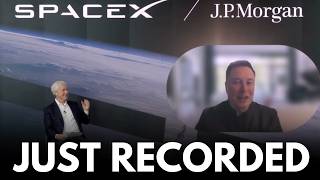 202621:08
 202342:38
 202629:19