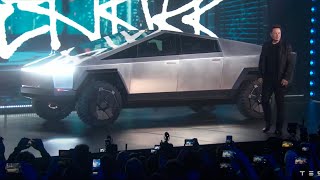
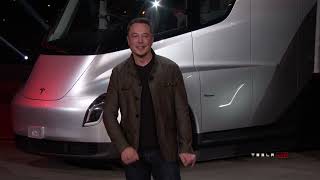
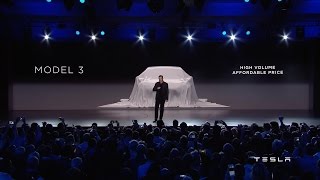
2008年2月,特斯拉整个公司只造出过一辆车。序列号1,车主是马斯克本人。那辆车经常抛锚。为了造出第二辆,他们又花了三个月。
十一年后的同一个场地,马斯克报出的数字是:累计产量约55万辆。再过12个月,这个数字会翻到100万。
发布会叫 Model Y Unveil,主角是一辆中型 SUV。但马斯克把大把时间花在了工厂、电池和充电桩上。他自己解释了原因。
哪怕是造火箭,设计制造系统大概也比设计火箭本身难10倍。造车的话,设计制造系统比设计汽车本身难100倍。(马斯克)
做一个能跑的原型机,相对容易。把原型机做成能可靠、低成本、大批量下线的商品,是另一码事。这句话放在任何一家硬件公司身上都成立,只是大部分人只在发布会上看车,看不到产线。
马斯克还提了一个容易被忽略的事实:美国上一次有汽车公司完成大规模制造,大约是100年前。中间那段漫长的时间里,没有新玩家挤进来。然后是特斯拉。
所以这场发布会的结构有点奇怪。先讲十一年历史,再讲工厂和电池,最后才把车开出来。
先用一辆跑车,打碎“电动车又慢又丑”
2008年那辆 Roadster,使命很明确,改变人们对电动车的刻板印象。
当时的普遍认知是,电动车慢、丑、性能差。所以特斯拉第一辆车选了跑车形态。要快,要好看,要性感,续航还得长。
外界给了两个判断:你造不出这种规格的车;就算造出来,也没人买。
后来两条都被推翻了。
推翻之后,新的质疑立刻跟上:行,你能造一辆玩具跑车,但你造不出轿车,更不可能跟燃油豪华轿车竞争,因为那些车已经做到最好。
于是有了 Model S。
马斯克在现场拿传统车评的套路开了个玩笑:这么吵,排气管在哪,汽油加哪儿。
发布会放出的照片里,初代 Roadster 停在台上,马斯克的原话是“它有点小”。那辆车的序列号是1,属于他本人。十一年前,那是全公司唯一的资产。
Model S 是在火箭工厂的角落里画出来的
那时候特斯拉没有设计工作室。他们在 SpaceX 的火箭工厂里划出一小块地方,Franz von Holzhausen 加入,一支很小的团队把 Model S 画了出来。
马斯克认为这款车意义重大,因为它直接对标的是当时最好的燃油轿车。能在那个级别的比较里赢下来,“你可以电动”这件事就不用再解释了。
名字的来历也值得说。马斯克的原则是把东西叫成本来的样子。Roadster 叫 Roadster,因为它是 roadster。但 sedan 这个词在英文里没有好听的替代,saloon 也别扭,索性用 Model S,S 就是 sedan。
他后来才意识到,Model S 念出来像“models”。有段时间他挂着一块车牌写着 Model S2,因为那是第二辆量产版 Model S。有天他走向自己的车,听见旁边有人说,这人真够呛,车牌写着 models too。
车牌换了。
福特杀死了“sex”
Model S 和 Model X 之后,马斯克想再出一款 Model E,凑成 S、E、X。他觉得这个梗挺好玩。
福特威胁要起诉。按马斯克的说法,福特杀死了 sex。
那就换个名字,叫 Model 3。他跟对方说,3 跟 E 完全不是一回事。对方说行。
加上 Model Y,四个字母凑齐了:S3XY。发布会开到末尾,马斯克说的是“我们把性感带回来了,字面意义上的”。
Semi 这个名字也有类似的双关。马斯克说自己是在命名之后才发现 semi 有两个意思。他的版本是,semi sexy。
Model X:把所有想得到的玩意儿都塞进去
做完 Model S,目标变成造世界上最好的 SUV。马斯克承认这次有点失控,基本上把当时能想到的技术和花哨配置全塞了进去。
他给 Model X 的形容是,像一颗法贝热彩蛋撞上了一艘飞船。
结果就是造起来极其困难。X 代表 crossover,跨界 SUV。车本身很出色,代价是工程复杂度。
发布会现场摆出的产品线一字排开:初代 Roadster、Model S、Model X、Model 3、新一代 Roadster,还有一辆 Tesla Semi。那辆 Semi 是从湾区一路不充电开过来的,续航500英里。马斯克还特意提了一句,加拿大萨斯喀彻温省有人问过超充的事,他问过两次,得到的回复是正在建,建成之后就能开车横穿加拿大了。
那家差点被当成废品站的工厂
马斯克说,工厂的重要性和价值被严重低估了。工厂跟车一样是产品,甚至比车更像产品。
特斯拉买下 Fremont 工厂的时候,它叫 NUMMI,是丰田和通用的合资厂。价格很便宜。便宜的原因也很直接,丰田和通用把所有好设备都搬走了,剩下的是连废铁都不值的东西。照片拍出来,就是一个废弃仓库。
很多人会误以为,有了汽车工厂就能造任何车。马斯克的比喻是:这就像说你有了一个盒子,盒子里就能装任何你想要的东西。不对,只有你在盒子里真的造出那个东西才行。
把一个废弃仓库变成能运转的汽车工厂,花的力气超过造车本身,而且超出很多。
今天的 Fremont 是另一个样子。按占地面积算,它是世界第二或第三大的建筑。里面有两万人,分四到五个班次,和机器人一起挤在极高的密度里。马斯克的说法是,一台巨大的控制论集合体。
这段历史放到行业尺度上看更刺眼。美国上一次有汽车公司从零完成大规模制造,大约是100年前。中间这一百年,底特律的格局几乎没被打破过。
30 GWh 的世界,需要一座 50 GWh 的工厂
整车厂建起来,下一个问题是电池、电机、电力电子从哪来。
特斯拉算了一笔很朴素的账:至少需要50 GWh 的电芯产能。而当时全球锂电池的总产量,把所有用途都算上,手机、笔记本、车,加起来大概30 GWh。
需求大于全球产能。答案只能是自建。
我们本来打算把 Gigafactory 建在加州,但光拿许可就要两年。所以我们在拿许可所需的时间里,把工厂建完了。(马斯克)
2010年那块地是石头和灌木。今天它只完工三分之一,面积大约是五角大楼的四到五倍,高70英尺,绕建筑走一圈要两个小时。它的锂离子电池产量,超过世界其他地区的总和。
这个数字值得停一下。一家公司的电池产量超过全球其余部分的总和,意味着电动车行业的瓶颈不在整车设计,而在电芯。谁掌握了电芯产能,谁才真正掌握了成本曲线。
上海:三个月,从水坑到钢结构
2019年1月的破土动工照片里,最显眼的是一大片水坑。马斯克自己都笑了。
三个月后的照片,厂房已经起来了。年底的样子,他也放了幻灯片。
这座工厂建成后,产能相当于 Fremont 整车厂加内华达电池工厂的总和,把两件事合在一处。它对 Model 3 和 Model Y 的平价版本至关重要,尤其是面向中国市场的版本。
把电池厂和整车厂放在同一个园区,省掉的是物流和库存,也省掉了跨洋运输的时间。这个安排在后来被反复复制。
2018年,一年老了五岁
讲能源产品之前,马斯克先道了个歉。
Model 3 产能爬坡那段时间,公司把所有资源都压了上去,因为不这么做就会死。Powerwall 的销售被牺牲掉了,销售资源要么给车,要么给储能,只能选一个。
2018年感觉像是一年老了五岁。真的非常紧张。(马斯克)
他专门感谢了在那段时间支持特斯拉的人。台下鼓掌的时间比前面任何一段都长。
等到 Model 3 的产能稳定下来,工程资源才终于能分给太阳能屋顶、太阳能改造和 Powerwall。马斯克说,2019年是太阳能屋顶之年。
能源这件事,得三样凑齐
要完成能源转型,得同时解决生产和消费。生产端是太阳能,消费端是电动车。中间必须夹一块电池,因为太阳晚上不照。
太阳能板加电池加电动车,三样凑齐,才是一个完整的、可以理直气壮乐观的未来。马斯克用了“exciting and optimistic”这个词组,语气很认真。
储能产品线里,Powerwall 面向家庭,Powerpack 面向工业级。特斯拉在澳大利亚建了当时全球最大的电池储能系统。南加州正在建一个约1 GWh 规模的 Powerpack 项目,就在发布会场地附近。
超充:2010年是0个
2010年,特斯拉的超充数量是零。开电动车跑长途基本不成立。
Model S 在设计时就留了后门,高压直流可以直接旁路进电池包,把电灌进去。
问题在于没人建大功率充电桩。既然没人建,那就自己建。从零开始,铺成一张全球网络。北美基本全覆盖,欧洲几乎全覆盖,中国大部分地区,戈壁滩还没到,马斯克说会到的。哈萨克斯坦有支持者,他当场承诺会建。
V3超充在发布会上同步亮相。第一代只有75千瓦左右,V3的功率大幅提升。长续航版 Model 3 的充电速度约为每小时1000英里,折合每小时1600公里。
湾区有一个 V3 站点已经在跑,设计工作室这个当晚启用。因为要等 V3,超充的铺设节奏被有意放慢过一段时间。现在 V3 跑通了,接下来是全球范围的逐步替换和新增。马斯克的说法是,到明年某个时候,全世界的超充体验会有一次剧烈改善。
从一辆到一百万辆,和四百万吨碳
发布会进行到一半,马斯克把两个数字并排放:十一年前一辆车,一年后一百万辆。
另一个数字是累计减少的二氧化碳排放,400万吨。第400万吨在开场前一小时刚刚跨过。
他还翻出了早年网上对特斯拉的评论。大意是电动车愚蠢、不可能、你是骗子。他的原话是“互联网是有记忆的”,这些只是冰山一角。
专利开源,是为了让所有人都来做
马斯克说,特斯拉存在的意义,应该用一个标准衡量。
特斯拉最终的历史价值,应该用它在多大程度上加速了可持续能源和可持续交通的到来来衡量。(马斯克)
目标从头到尾都是让整个汽车行业转向电动。特斯拉跟丰田、奔驰做过合资,三四年前把专利开源,免费开放。
看到同行都在电动化,他的反应是,这很好。
这套做法在商业教科书里很难解释。把核心专利免费给出,等于主动放弃护城河。除非把目标函数设定成“加速转型”,而不是“独吞市场”,逻辑才成立。
十年后,特斯拉在火星
有人问,十年后特斯拉会在哪。
马斯克的回答是火星。他说他觉得真的可以,十年内特斯拉会开在火星上。
这句话放在整场发布会的语境里不算突兀。前面讲的火箭工厂、制造系统、电池产能,本来就是同一套能力的不同应用。
Model Y:安全、续航、价格
然后是正事。
马斯克上台前留了个悬念:有一辆车不见了,名字以 Y 开头,以 Y 结尾,中间那个 Y 就是它。
安全是第一目标。Model 3 是美国政府测试过的所有车型里乘员受伤概率最低的。Model Y 预期得到同样的结果,每个类别五星。
电池包铺在底盘,重心极低。功能上是 SUV,开起来像跑车,过弯很紧。马斯克说,这会是世界上最安全的中型 SUV,而且领先幅度很大。
性能方面,0到60英里加速3.5秒。风阻系数0.23,对 SUV 来说是很低的数字。EPA 续航300英里,这是实际可用里程。
车顶是一整块全景玻璃。坐进去的感觉跟 Model 3 一样,抬头能看见天。
七座是选装,储物空间66立方英尺。Autopilot 那套辅助驾驶自然都有。
价格:长续航版约47,000美元。2021年会推出标准版,39,000美元起。
马斯克对销量的判断是,Model Y 很可能超过 Model S、Model X、Model 3 三款车的总和。理由是中型 SUV 本来就是最大的细分市场,而这款车在同类里几乎没有对手。
自动驾驶:今年“功能完整”
马斯克重申了公开说过的时间表:今年晚些时候,自动驾驶达到功能完整(feature complete),靠软件升级就能实现基本所有场景。
之后的路径是用几十亿英里的实际行驶数据证明安全性,特斯拉自己认为足够安全、驾驶员可以不再时刻关注,再去拿监管批准。
功能完整和监管批准之间隔着很长的距离。这一点他在现场没有回避,只是把两件事分开说得很清楚。
这场发布会真正的信息量在哪
新车参数很快会被遗忘。几年后回看,这场发布会值得记的可能是另外几件事。
马斯克把制造系统的重要性说得很直白。原型机容易,量产难,难十倍到一百倍。他在现场反复强调这一点,因为这决定了公司之间真正的差距在哪。
电池产能是硬约束。全球30 GWh 的年产量对应特斯拉一家的50 GWh 需求,这不是靠采购能解决的,只能自己建。这个逻辑后来被验证了很多次。
垂直整合有顺序。整车厂、电池厂、充电网络、储能产品,四件事互相咬合。没有超充网络,车卖不动。没有电池厂,车造不出来。没有车和储能,太阳能板的需求起不来。
特斯拉对行业的定位也很特别。专利开源、合资、公开喊话让同行电动化,这套做法在商业上难以理解,除非把目标函数设定得不一样。
最后一个细节。马斯克说 2018 年像一年老了五岁,说的不是产品失败,是产能爬坡。一家公司的生死,往往不在它能不能做出好东西,而在它能不能把好东西稳定地、便宜地、大量地做出来。
如果你只打算从这场发布会里拿走几样能用的东西:
- 判断一家硬件公司的真实壁垒,看它的产能爬坡曲线和工厂建设周期,不看发布会上的参数表。
- Model Y 的三个关键数字是 EPA 续航300英里、0到60英里3.5秒、长续航版47,000美元。七座为选装,要额外付费。
- 标准版39,000美元要等到2021年。预算卡在这个区间的话,等待期是真实成本,不是一句“以后会有”就能抹掉的。
- 超充网络的覆盖决定电动车的实际使用半径。查一下你常跑的路线有没有 V3 站点,比研究车漆颜色有用得多。
- 上海工厂的投产时间,直接决定 Model 3 和 Model Y 在中国市场的落地价。盯工厂进度比盯配置表有价值。
- 自动驾驶的“功能完整”和“可以不管方向盘”是两件事,中间隔着几十亿英里的验证和监管审批。做购车决策时,把这两个时间点分开算。
0:18[Music] Hey, [Music] hey, hey. [Music] Heat. Heat. [Music] Heat. Heat. Heat. [Music]
1:333 2 1 go. Oh my god. Holy great outfit. Hey. [Applause] Yes. [Applause] yeah. well everyone welcome to the the Tesla design studio where we've held many product unveilings before. hope you guys all have a really great time tonight. I I think I've never seen so many cameras in my entire life. This is this is cameras everywhere. so we're
2:30we're going to start off by just talking a bit about how did we get here? You know what what are the things that have led to this day? what are the cars like? How did Tesla start out? How did we, you know, where were we 10, 11 years ago? What what has happened over that intervening time? you know, because it occurred to me that a lot of people, they only heard about Tesla maybe a year or two ago. And, you know, electric cars are kind of like taken for granted, but there was a time when electric cars seemed very stupid.
3:07and and it wasn't that long ago and the the idea of creating a car company was stupid of course and then making an electric car company was like stupidity squared and so so let's let's take a look at the first car we ever made the the Tesla Roadster. Yeah. [Applause] All [Music]
3:41right. It It's a bit small. it's great. It's great. so so the crazy thing is if you if you go back 11 years today, Tesla had made one car. That car that's serial number one of of Tesla. So that's my car actually. so [Applause] and on on February 2008, we had literally only made one car, that car, and didn't really work very well, I have to say. It broke down a lot.
4:23and it took us another three months just to make the second car. And now we've made about 550,000 cars. Yeah. [Applause] And after the the Roadster, essentially what happened with the the Roadster is where we said, "Okay, we want to make a car. We want to really break the mold about, you know, how do people think about electric cars?" Because think about electric cars being slow and ugly and and poor performance.
4:56So, we wanted to have a sports car, you know, a car that is fast, looks good, sexy. That's right. Haha. You took the words out of my mouth. so exactly. sexier. That's right. So, so the the Roadster we wanted the reason we did a sports car is we wanted to create a car that would break the mold for electric vehicles. and that that would be yeah sexy and and fast and long range and that's that's why we did the Roadster. and people people said that well you won't be able to make the you won't be able to make a car with those specifications and if you do nobody will buy it. So we had to prove those two things wrong. And then after we made the Roadster, they said,
5:47"Okay, sure. You can make some toy sports car, but you can't make a a sedan. You can't there's no way you could compete with the the the the luxury sedans of that are gasoline because they're the best. and you there's no way you can make an electric car that's like that." So, we did Model S.
6:10[Applause] So noisy. Exactly. So noisy. Where are all the fumes? Where's the exhaust pipe? Where do you put the gasoline? Yeah. So we actually started designing that car in the rocket factory. So, we didn't have a a design studio. but we took a little corner of the rocket factory and and and Fron joined and we just with a tiny crew in a corn corner of the rocket factory, we we designed that car. and I think this that that car was really important because it was competing against the best of the gasoline cars. So if you compete against if you can make an electric car that can that can beat the best the gasoline cars that's just a it's a very powerful statement to
7:08prove that that you can go electric. So then working on the from the Model S which by the way in terms of where the name comes from actually I like calling things what they are. So Roadster is called Roadster because it's a Roadster. There is no there there is no good word for sedan.
7:33So we couldn't call it the sedan. It wouldn't work or saloon. There's just like literally no word. So the the model S stands for sedan. And this is this is how out of touch I was. I actually didn't realize at the time that model S also means models. And and then I had like a at one point a license plate that said Model S2 because it was like the second production Model S. And it was like then and as I was walking away from my car said, "Wow, what a jerk. He's license plate says models too." Yeah. Like okay, better not have that license plate. So, but then going from the from the Model S, we said, "Okay, we want to make the the best SUV in the world. we want to do
8:22something." We kind of get carried away actually with with the Model X. we was like let's let's have practically every every technology and whisbang thing we could possibly think of. and the Model X is like as a car. It's like a fab egg meets a spaceship. It's like it was insanely difficult.
8:44but it but it is it is an amazing vehicle. Let's bring it out. Cool. [Applause]
9:05Yeah. You can see a certain position forming maybe. So, the the Model X like yeah, like I said, it really feels like a beverage egg spaceship. and it it's it's X for crossover SUV. but then after we had the Model S and Model X, I thought it'd be pretty funny if if we had the Model E.
9:37and yeah and and then but then like Ford threatened to sue us. Ford killed sex. But I said, "What if we call it the Model 3?" Cuz that's completely different for me. They said, "That's fine." So we have we have the the Model 3. Let's bring up Model 3. [Applause]
10:23That's right. Exactly. Exactly. Smart summon with a person. So, we we made the original Roadster, the Model S, the Model X, the Model 3, and then we also then made the new new generation Roadster, which we'll bring in. Sweet. Sure. Yeah. [Applause] So, yeah, here we have the original Roadster, the new Roadster,
11:08[Music] and then, hey, how's it going? And then the the semi [Music] [Applause] the actually the Tesla semi drove here non-stop all the way from the Bay Area. So that Tesla semi a 500 mile range electric semi. I I learned actually only after naming the thing that semi has two word two meanings.
11:50it's semisexy. So yeah, so we're really excited about bringing those products to market. and so so that's sort of talking about our products, but then the the factories are as much our as much the product if not more than than the the the vehicles themselves. In fact, I I I I really think like the the difficulty and value of manufacturing is underappreciated. It's insanely diffic it's it's like relatively easy to make a prototype and extremely difficult to mass manufacture that prototype or to mass manufacture vehicle reliably and at scale. I even for rockets I'd say
12:37it's probably a factor of 10 harder to design the manufacturing system for a rocket than to design the rocket. And for for cars I'd say it's it's maybe a hundred times harder to design the manufacturing system than to design the vehicle itself. so, that's what the free we I don't mean to have it in black and white. It's like it's not so long ago.
13:02They didn't even have color cameras back then. It's 2010. but it it was very bleak. is like essentially the the you know when we acquired the the the Fremont factory which used to be called Numei people sort of thought oh you got a car factory now if you have a car they sort of think if you have a car factory you can just make any any car it's like no that's like saying you've got a box that box can have anything you want in it no only if you make the thing in the box so although we we did get the the we at a get a very good deal on the NUMI factory. Toyota and General Motors actually took all of the good equipment out. and anything that that had that
13:51was like so useless it wasn't even worth the scrap was left that so it literally looked like that but in color. and and it it took an an enormous amount of effort by a very talented team to actually turn essentially what looked like a derelict warehouse into a working working car factory.
14:11Yeah. [Applause] So, and in fact, like today, the the Fremont factory, which is an enormous building, I think it's like the second or third biggest building in the world by footprint, is so dense, so densely packed with with people and robots, but this picture has like robots, but there's 20,000 people that work in in the at the Fremont factory across
14:39four or five shifts. So it's it's really a massive amount of people and robots. So it's it's like this giant cybernetic collective. so that that wasn't that was way harder than making the car by far. and I mean it's worth noting like the the last time at least in in the US the last time any car company achieved mass manufacturing was about a hundred years ago. That is the last time and then and then Tesla. It's literally that crazy.
15:17So like the like the issue is definitely not coming up with a car design. It is absolutely all about building the production system. you want to have a good product to build but that's that's basically the easy part. then then the factory is the hard part. Then then the the challenge is like okay if we if we create a car factory where the heck are the batteries and and electric motors and power electronics going to come from? and and that's where we we we we needed said, "Okay, we better build something that's capable of 50 gatt hours at least of of cell output, which at at the time when we proposed the Gigafactory, I I believe like total global output for of of silic of of
16:06lithium-ion batteries for all purposes, phones, laptops, certainly, you know, cars, anything was about 30 gatt hours. So we're like, okay, well, just do the basic math. We need something that's we need 50 gigatt hours. So, we better have a real big factory. or there's no way. So, and
16:33we we would have we were going to build it in in California, but like it would have taken two years just to get the permits. so, we built the gig factory in the amount of time it would it would have taken to get the permits in California. that that's what the Gigafactory looked like that in 2010. It was basically rocks and bushes. Okay. And now this is what it looks like now.
16:59[Applause] Yeah. So, and it's only about a third complete. So, this went complete. I think it's about four or five times the size of the Pentagon. so it's it's kind of difficult to appreciate scale, but that that thing although it it's really quite tall. It's like 70 feet tall. so the the volume of it is
17:27just mind mind-blowing. it takes two hours just to walk around it. So you know again it's work of of a tremendously talented team working like crazy like tens of thousands of people to to produce this this this factory. and today it it produces more lithium ion than the rest of the world combined.
17:51So [Applause] now now now we're also building a factory in in China which I'm really excited about. as you can see it's it's very impressive. Very impressive. large puddle. so that when when I was there in January, that's that's what it looked like when we did the groundbreaking ceremony. And this is what it looks like now, 3 months later.
18:26But this is what it will look like at the end of the year. So things are things are moving fast. and the this this will actually be once it's complete the equivalent of our Fremont car factory plus our Nevada battery gigafactory combined. Yeah. So it's integrating the two u which kind of makes sense. so yeah so really excited about this. a great a great great team in China and this is going to be really important for making affordable versions of the Model 3 and Model Y for the for the greater China market. And then besides cars, we have some other things.
19:15So the solar roof and power wall so this is this is definitely going to be the year of the solar roof and power wall. the because of like extreme challenges with the Model 3 production, we have to basically allocate all resources to Model 3 production because otherwise we're going to die. and so so basically it was pretty tight I have to say.
19:47that was a hard one. I have to say like like 2018 was probably felt like a aging five years in one. Honestly, it was really intense. so thank thank you for supporting Tesla through this difficult period. Thank you. [Applause] Great. Now that now that model 3 production is going pretty well. we can finally allocate engineering attention to the solar roof as well as the solar retrofit. I'm pretty excited about both the solar tile roof and the solar retrofit and power wall. like part of the reason we could also couldn't make power walls. We we I couldn't make enough sales. So we had either allocate sales to the car or to the power wall was like we've got to make cars. So then
20:41power wall got salt star basically. but 2019 so we are now going to ramp it up. and then powerp pack. So powerp pack is kind of like our industrial strength battery storage system. and we we did the the biggest battery storage system in the world in in Australia. and yeah, that was that was really super cool.
21:08and then we we're doing one that's roughly a gigawatt hour scale in in California. So just in Southern California, right nearby, we're building a gigawatt hour scale power pack. And so we expect this to ultimately be really critical for transitioning the world to sustainable energy. Obviously, you have to have sustainable energy production and sustainable energy consumption. So the sustainable energy production, you need the solar panels plus battery because the sun doesn't shine at night and then those electric cars, your electric vehicles in general. Yeah.
21:44So but I mean the the really exciting thing is if you have with with solar B solos solar plus battery plus electric vehicles, we have a fully sustainable future. This is a future you can feel really excited and optimistic about. I think it really matters. [Applause] and and then ch supercharging. So you
22:11know the the the first in 2010 we had zero superchargers. So there was no you couldn't really drive long distances with an electric car in in 2010. so it was like okay we better have some high some high power charges otherwise it's going to be extremely inconvenient to drive long distances. so, built into the the Model S, which was a high voltage DC bypass directly to the pack. So, you can just sort of mainline power right into the pack.
22:40and then we get then nobody was building high power charges. So, like, okay, we better build these high power charges because nobody's building them. And, so we went from zero superchargers to building a a global network of superchargers. Yeah. Yeah. So, [Applause] it's pretty nutty. Each one of those each one of those is is a supercharging site. So, supercharging team Tesla did an incredible job building a global network of superchargers that allow you to travel to a massive section of of of the world.
23:24basically anywhere in North America, almost anywhere in Europe, most places in China, not the Gobi Desert yet, but most places. we'll we'll cover the Gobi Desert. We'll get there. And Saskatchewan I I swear to God there is I've specifically asked about the Saskatchewan Supercharger and I'm told it is it is under construction.
23:49So, absolutely. I've asked about it like twice. It's I'm I'm told it's going to be completed soon and then you will actually be able to drive across Canada. so yes Hawaii Kazakhstan [Music] actually we we have like some great supporters in Kazakhstan. I think we probably we we should have we will build superchargers in Kazakhstan. There you heard it right here.
24:24[Applause] anyway, we're going to build a lot more superchargers. and and we have actually have version three of the supercharger that we just unveiled. And in fact, yeah. So the superchargers actually started out only at about 75 kilowatts and now they're at with version three kilowatts. I think probably can even go a little little higher than that.
24:51and so if you got a long range Model 3, it's it's capable of charging at about 1,000 mph or 1,600 kilometers an hour. Yeah. So, and and we we have one working in the Bay Area and then the one here at the design studio is also working as of tonight. So, yeah. So, so we're going to be rolling out the version 3 supercharger throughout the world, just gradually upgrading the existing sites as well as adding new sites. so we did we did slow down the supercharger roll out a little bit because we wanted them to be version three instead of version two. but now that we have version three running and we'll we're going to spool our production and so you're going to have
25:32like a radical improvement in supercharging worldwide by sometime next year. Yeah. So, so in terms of where we are today, we got obviously the S3 and the X, we've made I think 550,000 vehicles, something like that. the the 12 months from now, we will have made about a million vehicles.
25:59So, so it's pretty wild to think that 11 years ago today, we had made literally one car. and a year from now we will have made a million. Yeah. [Music] I mean this is a this is a testament to to the incredible talent and and and effort of the people at Tesla. I to say thank you to people of Tesla. You guys are incredible.
26:28[Applause] So yeah, and 4 million tons of CO2 saved. in fact, with the the 4 millionth ton, it just ticked over like an like an hour ago. So the 4 millionth tongue just ticked over tonight. Yeah. So, you know, just talking a bit about like, you know, what were the what what were the thoughts back back then?
26:59We'll put some of the comments. let's see. the internet is forever. but this is a mere like taste. It was like like I said it was electric cars were considered extremely impossible and stupid. and and in various forms the you know you're a fraud like okay you can drive that fraud.
27:28okay. and then now things have changed. Yeah. [Applause] Thank you. The the goal of Tesla was literally this is like to what degree in fact you know when we created like okay the fundamental historic good of Tesla should be measured by the degree to which we accelerate the advent of sustainable sustainable energy and transport. and our goal all along has been to try to get the rest of the car industry to to go electric. We did a a joint venture thing with with Toyota and with Mercedes. we we open sourced our patents three or four years ago. made them made them freely available. and so it's it's extremely rewarding to see that the the rest of the industry is going electric.
28:19This is great. Great. So and and I was just wondering like if where will where will Tesla be in 10 years, you know? Mars. Exactly. we will be driving a Tesla on Mars. I I think we could I think we actually could. Okay. Tesla will be on Mars in 10 years. I think it will. I think it will.
28:58So, a after that extended history history lesson, what what about the actual the actual reason you came? Okay, there's a missing car. It's it starts with a Y, ends with a Y, and that's why Y in the middle. Bring out the Model Y. [Music]
30:00Okay, [Music] good job. [Music] [Applause] [Music] [Applause] [Music] All right. The Model Y. Yeah. So like the three it will be extremely safe. So that the you may know that the Model 3 has the the lowest probability of injury of any car ever tested by the US government. the Model Y we expect will have a similar result. five stars in every c every every category. With the battery pack low low in the floor it's going to have a very low center of gravity. So this will it it it it has the functionality of a of an SUV but will it will ride like a sports car. So this thing will be really tight in corners and we expect it will be this the safest midsize SUV in
31:20the world by far. And at Tesla we actually always design with safety as the number one goal. it's it's like people people think okay performance sure but but safety first. this is actually by far the most important thing, but it's also going to be have incredible performance. So, we expect to have a three and a half second 0 to 60.
31:43yeah, it's good. and, very low center of gravity. So, great great handling. it's testing out at a 0 23 drag coefficient, which is extremely good for an SUV. and in terms of range, fair miles. Yeah. So, we expect to have an EPA range of an actual true usable range of 300 miles. So, yeah. Hell yeah.
32:18From an from an interior standpoint, it has a panoramic glass roof. And and by the way, after I'm done here, you guys will be able to come up and like check out the car. So, it's like so it's going to have a panoramic glass roof. It like really feels like just like the Model 3 if you're in the car.
32:35It just feels like you're you can see the sky. seat seat 7 6 cubic feet. obviously autopilot and you know all that. and as I've said publicly, we expect to be feature complete with with self-driving sometime later this year. and then as as we prove out the safety with billions of miles and kilometers we will from our
33:05standpoint feel it's like safe enough to not pay attention and then get the regulatory approval sometime thereafter. but the cool thing is feature complete like it it'll be able to do basically anything by the end of this year just with soft just with software upgrades which is pretty cool.
33:22So, the the the basically long range one we expect to be about $47,000 and then sometime in 2021 we'll have the the sort of standard version which will be have a $39,000 price point. So, yeah. [Applause] no, the seven seats are optional. Yeah. Do you mean the the lift gate? Yes.
33:56Okay. I mean, you never know. We might do better than this. but so it should be at least this good. So I think it's going to be very like really compelling. I'm confident that it it'll be the the the of any midsize SUV, it'll be the one you want. and yeah, I think it'll probably sell. I think we'll probably do more model wise than S XM3 combined most likely. Yeah.
34:27So So there you have the sexy presentation. So all right, so thank you all for coming. th those of you are here and those of you who are watching, thank you very much for your support over the years. It's been you know hell of a ride. and I I love you too. I love you too. we are bringing sexy back quite literally.
35:00All right. Thank you. [Applause] [Music] Wow. [Music] Heat. [Music]
资源与出处
- 视频在 YouTube 收看
- 档案silicon-valley.tech 档案页本页视频与文稿数据来自 Elon Musk Archive
- 精读本篇精读 Markdown 版