2020年2月,佛罗里达州奥兰多。空军空战研讨会(Air Warfare Symposium)的收官对话,台上坐着约翰·汤普森中将(Lt. Gen. John Thompson)和埃隆·马斯克(Elon Musk)。汤普森管着全球大约6000名空军人员,手里每年超过70亿美元的预算,用于卫星及相关指挥控制系统的研究、设计、开发、发射、采购和维持。
这场对话的重心落在机制上。一个国家、一支军队、一家公司,怎样让激进创新真的发生,避免只停留在开会喊口号。
汤普森开场就带着调侃,说他早上碰到空军参谋长戈德芬(Goldfein)将军,提到自己和马斯克几个月前在太空推介日(Space Pitch Day)上配合得不错,所以被请到更大的场合。戈德芬回他一句:不,你们要一直做,直到做对为止。
马斯克接过话筒,先客套了两句,说和空军合作很久,感谢支持。然后他进入正题。
整场对话里,马斯克把话说得很直,有几处判断听起来像危言耸听,但他都给了算术。
星舰学院才是公众真正想要的东西
汤普森先提到太空军(Space Force)成立,问马斯克怎么看。
马斯克说,每个领域有独立军种是合理的。太空是一个独立的媒介,天空是另一个,两个都重要,但太空有自己的逻辑。
然后他讲了一句让全场笑出来的话。他说自己很确定,公众想要的并不是一套复杂的太空战略。
公众想要的是星舰学院(Starfleet Academy),是怎么把《星际迷航》变成真的。那会很棒,我很乐意看到。(马斯克)
汤普森立刻接话:说到星舰学院,其实已经有了,就是科罗拉多斯普林斯的美国空军学院。
马斯克说自己去过,还讲过一个故事。猎鹰一号(Falcon 1)第一次发射时,搭载了一颗来自空军学院的卫星,叫FalconSAT。火箭炸了。
但故事没完。卫星穿过整流罩飞出去,飞了几百米,砸穿一个工具棚的屋顶,落在地板上。等他们赶过去,卫星居然基本完好,还能认出来是什么东西。
马斯克说,他们把卫星还回去了,所以严格来讲,空军的卫星一颗都没丢,算部分任务成功。
全场大笑。汤普森说,这大概是"损失"这个词最宽松的用法。
马斯克后来补充,之后他们又把后续的FalconSAT送进了真正的轨道,那次很顺利。
一次性的飞机打不赢能反复飞的飞机
汤普森问,一个武器系统或者产品进入量产、开始交付之后,生产部门往往不愿意改动。系统成熟了,牵一发动全身,还有一堆遗留系统要维护。在特斯拉和SpaceX,怎么让产品不停下来、持续改进。
马斯克的回答绕回了激进创新。
他说,靠渐进创新去改造一次性助推器,永远到不了想去的地方。必须追求激进突破,而激进突破就意味着承担风险。
大回报必然对应大风险。风险很小、回报很大的机会极其罕见。这个比例关系躲不掉。
但他认为赌注值得下,因为目标本身越来越重要。美国最大的资产是发明和创新能力,如果这张牌不打出去,位置就保不住。
我毫不怀疑,如果美国不寻求太空领域的重大创新,就会变成第二。像夜幕降临一样确定。(马斯克)
汤普森追问,这个风险是指对手的竞争,还是美国自己不能自满。
马斯克说两者都有,但重点在后者。没有哪个国家比美国更能发明、更能创新,问题只在于用不用这个能力。
接着他抛出自己认定的"太空圣杯":完全可重复使用。
他打了个比方。如果空军的飞机只能用一次,飞完就扔,而对手的飞机能像正常飞机一样反复飞,那这场仗没得打。太空是一模一样的道理。
他给了具体数字。推进剂成本通常只占飞行器总成本的1%甚至更少。
以猎鹰9号(Falcon 9)为例,液氧和煤油加起来大概50万美元。但一次任务的报价,根据任务不同,在6000万到1亿美元之间。
也就是说,一枚火箭最贵的部分在箭体本身,燃料只是零头。如果火箭能反复用,成本结构会被彻底改写。
猎鹰9号目前是部分可重复使用,助推器能回收,整流罩能回收,但还不是全部。SpaceX正在做的星舰(Starship)有完全可重复使用的潜力。
马斯克说,他希望别的公司也做完全可重复使用。竞争是好事。
他甚至点了名:联合打击战斗机(JSF,即F-35)应该有个竞争对手。只有一个供应商不好,竞争必须是有意义的,得有人真的会输,否则不叫竞争。
让创新来得快一点:晋升,或者离开
汤普森把话题转到人。SpaceX和特斯拉这么大,马斯克不可能什么都自己写代码。怎么让一支庞大的队伍保持创新。
马斯克的答案只有一条:把激励结构设对。
创新要有奖励,不创新要有惩罚。这句话听起来像口号,但他给出了具体做法。
一个人如果在创新,在取得进展,就应该更早晋升。一个人如果处在该创新的岗位上却完全不创新,就不该晋升,或者请他离开。
我跟你讲,这样创新会来得非常快。(马斯克)
汤普森问,这种胡萝卜加大棒会不会让人更怕风险。
马斯克说,恰恰相反,前提是失败必须是选项。
如果失败不是选项,人会做出极度保守的选择。结果可能比不创新更糟,事情会倒退。
他给了一个精确的奖惩配比:
- 尝试并成功,给重大奖励
- 尝试但没成功,只有很小的后果
- 完全不尝试,给重大的负面后果
他说,只要激励结构是这样,创新会多到让人不敢相信。
设计火箭很简单,造出造火箭的机器才难
汤普森提到马斯克在特斯拉股东会上反复讲的一个概念:造机器的机器(the machine that builds the machine)。问他在公司里有哪些流程,对激进创新特别有用。
马斯克先解释这个概念。设计一款新产品的生产系统,比设计初代原型难一个数量级,甚至更多。
他说美国这些年对制造业的重视程度在下降,这是个错误。
他给SpaceX发过一封邮件,里面写:到了这个阶段,设计火箭其实是件小事。书很多,方程能看懂,一枚两级的火箭,起飞质量的2%左右入轨,设计出来不难。
难的部分在哪里?
造出哪怕一枚,并且让它入轨,很难。造出一条能批量生产、批量发射的生产线,非常难。再往上一个层级,做出完全可重复使用的系统,还能批量生产、高频发射,那是超级超级难。
所以他一直跟SpaceX强调:难的部分是制造,是造很多,是频繁发射。
他还专门讲了航天飞机的教训。航天飞机的复用非常慢,而且不完整,主油箱每次发射都丢掉,两次飞行之间的翻修极其昂贵,连从海里把助推器壳体捞回来值不值都不清楚。
所以复用不能是那个样子。火箭必须像飞机一样,快速、完整地重复使用,而且要有一大批。
星链:先建生产线,再定设计
汤普森问星链(Starlink)的量产遇到了什么挑战。
马斯克说生产其实进展不错,但这件事真的很难。星链卫星的原型迭代了很多轮。等到要建生产线,难度大概是设计卫星本身的一千倍。
他的做法是:在卫星设计定稿之前,就把生产线建起来。
理由是这样的。你设计一个东西的时候,并不知道哪些零件真正难制造。先把制造系统搭起来,一开始造出来的东西是"错的",但这个过程会逼着你发现设计里哪些部分难以量产。
发现了,就改设计。
最后的结果是,卫星的能力没变,但变得容易制造、容易发射。马斯克说"容易"是相对的,还是难,但能做成。
现在的状态是:卫星的生产速度快于发射速度。而且单颗卫星的成本,已经低于把它送上轨道的成本。
这个对比是按猎鹰9号最重复使用的配置算的,助推器回收,整流罩也回收。即便这样,运输成本还是超过了卫星本身的成本。
所以下一步需要星舰来运星链,把总的入轨交付成本压下去。
问公众想要什么,他们会说要一匹更快的马
汤普森问了一个产品哲学问题:是听客户的,让客户拉着你走(customer pull),还是公司自己判断,把东西推到市场上(company push)。他举了苹果推iPad的例子,没人知道自己需要iPad,直到摸到它。
马斯克说,特斯拉一开始就是纯推送。
做第一代Roadster的时候,人们的问题是:我为什么要电动车?我的汽油车挺好的。他从来没遇到一个人跑来说"我很想要一辆电动车",一次都没有。
那时候也没人知道特斯拉是谁。公司名字来自尼古拉·特斯拉,很多人连这个人是谁都不知道。
他引了亨利·福特那句著名的话:如果当年去问公众想要什么,他们会说要一匹更快的马。
设想一下,在汽车出现之前做一次全国调查。答案大概会是:希望马跑得快一点、吃得少一点、力气大一点、活得久一点。全都是对马的渐进改进。
如果有人问,要不要一种自己会跑、能停在车库里、你出门一个月回来它还活着的"马",大部分人会觉得你在说胡话。
他还举了电视的例子。美国在1946年或1948年做过一次全国调查,问会不会买电视,大约96%的人说不买。他们不知道自己错过什么。
所以真正改变游戏规则的东西,早期基本都是公司推。等产品立住了,后续的迭代改进可以大量依靠客户反馈。
这个顺序不能反。产品还没有的时候去问用户,问出来的都是对现状的小修小补。
未来五年押AI,读书读计算机和物理
汤普森设了个闪电问答环节,想给台下的年轻军官一些方向。
未来五年,哪项技术会有最大的进步?
马斯克说很难比较,因为领域差别太大。但最具根本性变革力量的,是人工智能。
推荐年轻军官去读什么学位?
计算机科学和物理学。
他的理由是,这两门学科本质上是信息理论和物理理论。想理解宇宙的本质,想要很强的预测能力,物理和计算机科学是最扎实的基础。
汤普森顺势问台下有多少人学计算机,有多少人学物理,然后说:看来我们还需要更多。
空军除了可重复使用火箭,还应该多投资什么?
马斯克又把话题拉回火箭。他说这件事重要到怎么强调都不过分。
他提了一个具体应用:地球上的点对点运输。
本质上就是洲际弹道导弹(ICBM)去掉核弹头,加上着陆系统。用他的话说,在选项包里把"核弹"那一项取消勾选,勾上"着陆系统",就行了。
这是到达任何地方最快的方式。当年造洲际导弹,图的就是最快到达。
联合太平洋铁路和加州的崛起
为了让听众理解低成本进入太空意味着什么,马斯克讲了联合太平洋铁路的故事。
铁路建成之前,去美国西海岸又慢又危险,极端情况下还会出现被困雪中、吃同伴的惨剧。有了铁路,坐火车就行。
当年有人嘲笑这条铁路:修它干什么,那边根本没人。
铁路修通之后,去西海岸变得容易,大量人口迁过去。加州从人口最少的州之一,变成今天美国人口最多的州。
马斯克的推论是:交通问题一旦解决,很多事情会自动发生。
这也是他反复强调降低运输成本的原因。如果每次任务都必须成功,成本又高得离谱,就没人敢做实验,创新会被掐死。
必须接受有些任务会失败,同时把单次实验的成本压到足够低。低成本本身就是创新的前提条件。
他还顺带提了隧道。The Boring Company即将完成拉斯维加斯的第一条隧道。他鼓励在座的人去复制,或者做得更好。
战斗机时代结束了,未来是自主无人机
汤普森说,这是空战研讨会,台下的人会想知道马斯克对空中领域有什么判断。
马斯克的回答没有留余地。
空中的未来是自主无人机战争,或者是局部自主的无人机。他说自己说这话也觉得危险,但这就是会发生的事。
他同时划了一条线:对于非自主的目标,打击或摧毁的授权应该留在人手里,人在回路中。
然后他给出了一个判断。
战斗机的时代已经过去了。(马斯克)
他没有展开论证,就重复了一遍。台下坐着的是一群飞行员和空军领导,这句话的分量摆在那里。
开源专利,用速度保护自己
汤普森问,特斯拉、SpaceX这些公司的知识产权,在云端和服务器不断被攻击的环境下怎么保护。
马斯克的回答是:特斯拉几年前就把专利开源了,任何人都可以用。
原因和使命有关。特斯拉的总体目标是加速可持续能源的到来。如果专利组合反而挡住了别的公司造电动车,那就和使命自相矛盾。所以干脆全放开。
那真正的保护是什么?
是创新得足够快。
如果你的创新速度够快,就不用担心保护知识产权。因为别人抄的,是你几年前做的东西。那没关系。(马斯克)
他说自己经常跟团队讲一个词:单位时间的创新。
同样是把某样东西改进100倍,用100年做到和用1年做到,是完全不同的两件事。
所以真正该问的问题是:创新速率是多少,这个速率在加快还是在放缓。
他还讲了一个规律。公司变大之后,创新通常会变少。不只是人均创新变少,绝对数量也会变少。
原因大概率在激励结构。光用嘴鼓励创新没用,激励必须和目标是同一套。这一点是根本。
中国经济会是美国的两到三倍,战争的基础是经济
汤普森把话题拉到国家层面,问马斯克怎么看中美之间的经济与军事竞争。
马斯克先说了中国本身。他说中国是个很有意思的国家,那里有很多非常聪明、非常勤奋的人,他们会做出很多了不起的事。这跟中国政府的政策无关,是人的基本面。
然后他开始算账。
中国经济规模会至少是美国的两倍,可能达到三倍。这个预测成立的前提是,中国的人均GDP仍然低于美国。
为什么?因为中国人口是美国的四到五倍。人均GDP只要达到美国的一半,经济总量就是美国的两倍。
接下来是一句他重复了两次的判断。
战争的基础是经济。如果你只有对手一半的资源,那你最好真的会创新。不创新就会输。(马斯克)
他讲得很平静,像在解一道数学题。
美国要在军事层面保持竞争力,创新必须补上经济产出上的巨大差距。没有激进创新,美国在军事上就是第二。基本算术。
火星需要一百万吨货物
马斯克算过一笔火星的账。
要在火星上建一座能自我维持的城市,大约需要把100万吨有用载荷送到火星表面。
为什么是这么夸张的数字?因为火星要从零重建整个工业基础。
地球上造一部手机、一个烤面包机,背后是庞大的采矿、冶炼、多级加工的产业链。哪怕最简单的家用物品,也要依赖一整套工业体系才能做出来。这些东西必须全部在火星上重新搭一遍。
100万吨送到火星表面,意味着大约500万吨要先进地球轨道。
所以他给出的门槛是:除非有一套每年百万吨级的入轨运力系统,否则火星城市这件事根本不成立。
这也是他反复回到可重复使用的原因。一次性火箭的成本结构,连这个数量级的零头都支撑不了。
让好的科幻在我们还活着的时候成真
最后五分钟,汤普森把话筒交给马斯克,让他对台下一千多名空军和太空军人员随便说点什么。
马斯克说:我们得把星舰学院变成现实。
能去远方的大型飞船,好看的制服,像样的飞船。公众听到"太空军"时会想到这些东西,那就给他们这些东西。
他说得很认真。好的科幻未来要变成真的,最好在我们还活着的时候看到。
曲速引擎不确定能不能做,传送门大概率不行,但能去远方的大型飞船,肯定可以做到。
这句话对应了他整场对话的逻辑:激进的未来不会靠渐进改进抵达。可重复使用的火箭、批量的生产能力、允许失败的激励机制、能用算术衡量的创新速率,这些东西拼起来,才是通往那个未来的路。
读者真正能拿走的,是那一套可以照着检查自己团队和项目的标准。
- 把创新速率当成指标,记录"单位时间做出了多少改进",而不是笼统记录"做了多少创新"。同样一件事用一年完成和用十年完成,价值完全不同。
- 每季度检查一次激励结构:创新成功的人有没有更快拿到资源和晋升,尝试失败的人有没有受到实质惩罚,完全不尝试的人有没有被追究。三件事缺一件,创新就会停。
- 新产品早期不要做大样本问卷。找十个愿意用的人,把东西直接给他们,看他们怎么用。问没有产品的人想要什么,答案一定是现有事物的渐进改良。
- 生产线的搭建和产品设计同时启动。允许第一批产品是"错的",用它暴露设计里难以量产的零件,然后改设计。
- 给团队设一笔可承受失败的预算,明确哪些实验允许失败、单次失败的成本上限是多少。没有这笔预算,"失败是选项"就成了空话。
- 如果一个系统只能一次性使用,先算它的复用成本和单次成本占比(参考猎鹰9号:推进剂约占总成本1%),再决定要不要继续往上做渐进改进。
- 把AI相关的人才储备当成长期项目来做,招聘和内部培养同时推进。马斯克给出的五年判断里,这一项的变革力量最大。
- 评估一项技术时,先看它能不能降低单次实验的成本。成本降不下来,容错空间就没有,创新会被自动扼杀。
0:00[Music] please welcome afa's central florida martin h paris chapter president todd freeze [Music] thank you 36 years ago our chapter established this great symposium and has been working closely with afa to keep it one of the premier professional development events for airmen today is our honor to participate in continuing that great tradition by hosting the session i am pleased to introduce our keynote event to include to conclude our symposium lieutenant general john thompson is responsible for approximately six thousand airmen worldwide he commands an annual budget of over seven billion dollars to support the research design development launch acquisition and
0:55sustainment of satellites and their associated command and control systems accompanying general thompson is global innovator elon musk in 1980 in 1983 he taught himself computer programming at the age of 12. sold the code for a basic based video game called blaster for approximately five hundred dollars and in 1990 in 1995 he started zip2 a web software company later renamed paypal in 2001 but more recently you might know him for revolutionizing electric cars as ceo and product architect of tesla motors development that's all the tesla owners development and manufacturing advanced rockets and spacecraft for missions to and beyond earth orbit as founder of
1:55space exploration technologies spacex and conceptualizing high-speed transportation known as hyperloop and if you haven't heard some of these quotes by elon musk or muskisms let me introduce this one here's my first one when i first read it i thought while it applies to innovation it's also written into the contract of every airman in this room and every man and woman he was served the quote is if something is important enough even if the odds are against you you should still do it now looking back to our speech this morning by dr roper when he talked about innovation one of the muskism quotes is failure is an option here if things are not failing you are not
2:49innovating enough but my favorite quote i would like to die on mars just not on impact general thompson mr musk over to you thank you welcome well elon thanks so much for being here today as you know and many people in the audience know we we're reprising a fireless fireside chat that we did at air force space pitch day back in november i ran into general goldfein the chief of staff of the united states air force this morning and maybe i was being a little bit too confident but i said hey i i think that we did such a good job together at space pitch day that elon and i got invited back for a much bigger audience higher stakes and everything like that and general
3:47goldfein looked at me and went no jt you guys are going to do it until you get it right so so we're going to talk a little bit today about innovation for those of you in the audience that nothing that was introduced about elon made it to the prefrontal cortex and you're like i still don't know who this guy is you may remember him from the movie role in iron man 2 or the tv show the big bang theory you may remember him if you're old like me when you used to have to do dial-in modems you may remember how paypal actually worked over a dial-in modem yeah and if just in case you've had your head in the sand for the last decade you absolutely have to know him for space
4:41exploration technologies spacex a tremendous partner of the united states air force in in the space business and for tesla so for just just for grins this fastest growing auto company on the planet most amazing capability and when elon pulled up he pulled up he and his entourage in three different teslas this morning how many tesla owners do we have in the audience stand up stand up if you're a test loaner all right very nice
5:25the factories so elon you and i have talked about whether the air force is the most innovative service the department of the air force now the last time we interviewed it was it was just the air force now we're the air force and the space force as part of the department of the air force most of those people who stood up we're in the front row we have a lot of first adopters here in the front of the audience apparently or maybe those are the folks that just make the most money who knows okay so again today's today's discussion is about innovation and how we can make the department of the air force the most innovative department within the department of
6:05defense and perhaps across the united states government so elon question number one when you put a weapon system or a product into production and you start delivering it to your customers very very frequently there is a a push back within the production organization that you know we don't want to change that product too much it's successful we have a lot of legacy systems that we're responsible for in the department of the air force there is a lot of of reticence at times to incrementally improve or add new capabilities to those systems from the context of tesla and spacex how do you motivate your workforce how do you work with your customers
6:59how do you work with technologists in your ecosystems your various ecosystems to try and make sure that products don't become stagnant and they continue to incrementally improve over time sure well first of all thanks for having me here it's an honor to be here with you and with everyone else from the space slash air force
7:28and i've had a long relationship with the air force and very much appreciate the support of the year so i just want to make sure to say that and look forward to doing a lot of interesting things in the future i i think it's actually it's cool that that there is that the creation of the space forces is happening i think it there's you know it makes sense that there's a a major branch for every domain you know with that and and so the domain of space domain of error are both important but i think space basis is is certainly a medium of its own sure and i think there's some very exciting things that are possible if i may just say like what what
8:25you know what the public wants i think i'm actually pretty confident that the public doesn't want this is starfleet academy you know or like yeah like how do we make start how do we make star trek real you know that'd be pretty amazing i'd love that you know and so i think like the fastest we can make sort of star fleet reel then let's try to do that well so elon speaking speaking for the united states space force there already is a starfleet academy it's the united states air force academy in colorado springs colorado sure nope i i've i've been there i've given a talk and you know the the first launch of falcon one we had a falcon sat from the air force academy
9:20that rocket blew up but but but then the funny thing is that it blew up like he's this truth is stranger than fiction the the satellite was shot through the fairing through the air a couple hundred meters and then plunged through the roof of a tool shed and then landed on the floor and was actually in reasonably good shape i mean for crashing through the ceiling but you know you're like recognizable you know and and we get we have to give it back and so we've not lost one of your satellites so so from a spacex perspective a partial mission success yeah it's like well it's not lost i'm just saying [Laughter] it's a little the worst there's a little
10:12bit worse for aware of it you know but here but then we subsequently launched a future falcon stats to actual orbit that was great so so i think there's i think we can make go a long way towards making starfleet real and making these sort of utopian or semi-semi-utopian futures real if but it will definitely require radical innovation one can't get there by incrementally innovating expendable boosters there's just no way yeah so the the i think we we need to push for radical breakthroughs and if you don't push radical breakthroughs you're not going to get radical outcomes and that that does mean taking risks and yeah common sense that the if you take a big risk in order to
11:18have a big reward there must be a big risk it's most the time you cannot find a big reward for small risk that's those are rare so you're gonna have some proportionality the risk can reward but if if the goal is important enough and i think increasingly the goal is important for for many reasons the the goal of of having the best technology in space that that is i think going to become increasingly important and it'll be incredibly increasingly important for the united states to use what i think is its greatest attribute which is invention and innovation to [Music] to create space technology that is the best in the world and in fact i think if the united
12:15states does not use breakthrough innovation it will fall behind so i think this is the this is not something that was a risk in times past but i think is a risk now okay so yeah do you characterize that risk in terms of pure adversary comfort com competition around the planet are you are you are you suggesting that it's our adversaries that require us to be that those radical innovators or is it just we can't become complacent and stay
13:00incrementally improving our systems we must take those giant leaps forward as a nation regardless of the competition i i think there's there's little i have zero doubt that if the united states does not take it does not seek great innovations in space it will be second in space okay with as sure as nightfall as day so it is a big deal but this this is i mean a very innovative the united there's no country more innovative and inventive than the united states so it's just important to use that attribute that's that's the ace card okay yeah and since so since it seems like we're going down the geopolitical path here on the on the questions how does
13:51the united states as a nation maintain that innovative edge that that ability to invest in things and take those risks what kind of of governmental policies or processes do we have to encourage the right kinds of behavior in your view well i think having outcome-based procurement is is actually very important okay so you say like this is the outcome that is sought and whoever can achieve this outcome or achieve this outcome to a greater degree that that company will that that's who the air force will do business with and will will procure the thing that is that is radically innovative as measured by the what what is important for leadership in space
14:49so i mean i do think it's it's absolutely fundamental to achieve full reusability and access to space this is this is the holy grail of space at the point of which you have full reusability for orbital rockets then you have a profound advantage over anyone else it's profound it would be like if in the air force if if you if you have planes that could be used once and or if you if you had multi-use planes that could be flown over and over again like normal and all your adversaries had single-use planes that would be no contest it's the same thing in space okay yeah this is extremely fundamental
15:45so the the cost of a propellant is typically on the order of one percent of the cost of the of the vehicle or less so if you have a vehicle that is say you know box kerosene like falcon 9 or something like that the oxygen and the fuel are yeah maybe half a million dollars or something like that but then depending upon the mission the mission price can be anywhere from like 60 to 100 million dollars so now falcon 9 is a partially reusable vehicle but not fully the vehicle we're working on right now
16:37quite difficult is a starship and yeah that has the potential for full reusability but but i think it would be great to have other companies as well that are doing full reusability i think competition is a good thing it may seem at times that you know shouldn't we focus all our efforts on on one system
17:07and rather than divide them and have two competing systems like you know not to cause controversy or a but like in my opinion like joint strike fighter should there should be a competitor to jsf that that's another controversial subject but you know i think it's it's not it's not good to have one one provider it's good to have competition where that competition is meaningful and somebody can actually lose that's like you know so then so yeah okay yeah so in radical innovation obviously the workforce is a really key component of that i mean as i mean during your paypal days you were actually doing coding right but in spacex and tesla they are so large
18:11that elon can't do everything what sort of things do you think about in terms of motivating a workforce like like we have in the department of the air force that will help them become more radically innovative what sort of things do you look for in people or in processes that make the workforce better sure well i think the massive thing that can be done is to make sure your incentive structure is such that innovation is rewarded and lack of innovation is punished there's got to be a characteristic so if somebody is innovating and doing making good progress then they should be promoted sooner and if somebody is completely failing to innovate not every role requires
19:04innovation but if they're in a role where innovation is should be happening and it's not happening then they should either not be promoted or exited and let me tell you you'll get promote you'll get you'll you'll get innovation real fast okay let's stick yeah it's like how much do you want yeah [Applause] so does that does that carrot and stick approach help do you think people be more
19:36risk averse or less risk averse well before when when trying different things you you got to have some acceptance of failure as you were learning to earlier failure must be an option if failure is not an option it's going to result in extremely conservative choices and you may not may get something even worse than lack of innovation things may go backwards so if what you really want is
20:12risk risk to you you want reward and punishment to be proportionate to the actions that you seek so if if what you're seeking is innovation then you should reward success and innovation and only there should be minor consequences for lack of minor consequences for for trying and failing should there should be minor significant rewards for trying and succeeding minor consequences for trying and not succeeding and big and major negative consequences for not trying okay so if you have that incentive structure you will get innovation like you can't believe okay yeah so you've you've talked at tesla shareholder meetings and in various interviews that you consider
21:11the machine that builds the machine yes to be just as important if not more important than the machine itself yeah so we talked about the workforce aspects are there processes that you use within your company that are parts of that machine that you think are particularly valuable for innovative radical change
21:35well what i mean by the machine that pulls the machine is that the the productions the designing the production system of a new product is i think at least an order of magnitude or 292 hotter than designing the initial prototype yeah the i think like in america there's been let less of a
22:04less importance in modern times placed on manufacturing and i think this is this is a mistake i mean like at this point i really classify and effect i sent an email to the to spacex just saying this like at this point i think designing a rocket is trivial just trivial there's like tons of books that'll you read them you know you can understand equations you can design a rocket it's real real easy yeah if you say like two stage two and two percent of your liftoff master orbit from it just to to design something like that piece okay
22:47now you say you want to go into production with that or if you want you want to actually make let's say the next step is you want to make even one of those things okay now making even one of those things and getting it to orbit is hard but the designing of it is not hard the making of it of even one is hard the making of a production line that builds and launches many is extremely hard and then the next level beyond that would be
23:18creating a fully reusable system and having that be in volume production and volume launch that's that's super super hard so that's to be yeah but but by building a machine at bulls machine i mean i mean creating the production system and i i keep emphasizing to spacex the hard part is making it and making lots of them and launching frequently because reuse must not just be re it can't be reused like the shuttle it's got to be rapid and complete reuse so the shuttle was a case where the reuse was very slow and it was not complete the the main tank was lost every time and refurbing the shuttle between flights was extremely expensive it was not even clear whether it was
24:15worth recovering the booster shells from the ocean so so just like an aircraft you the the the rocket must be rapidly and completely reusable and then you need lots of them and then i've been sort of just doing back kind of back to the envelope of what's needed to establish a self-sustaining city on mars and these are like big numbers but i think you need on the order of a million tons to the surface of mars useful payload something like that [Music] because we sit on the top of a massive base of infrastructure or you know the economy is you you think of all the things that are mined and then refined and then and then just many steps in the refinement
25:06and in order to produce like your phone or your toaster even there's there's a vast base of industry that was required to produce even a simple household item yeah it's very difficult so so you've got to recreate that on mars so million tons on mars means we're just talking orders of magnitude here and hopefully it's not 10 million tons and hopefully maybe it's less than a million tons but probably not 100 thousand tons so that that means you need to get about about five million tons to earth orbit of useful payload
25:55so you're talking like the like so essentially unless you have a launch system that is somewhere in the megaton per year range to orbit it's not it's not relevant okay yeah so starlink as you're scaling to build more and more starlink satellites to go on more and more reusable rockets what are some of the challenges you've had to overcome in starlink production so that you can perfect that machine machine that builds the machine yeah it's starting production is going well actually but that's the
26:38that was a hard that's a hard thing to get right we made many we had many iterations on the stalling prototypes and then as i said the then building the styling production line was i don't know a thousand percent harder than designing the satellite to begin with but but it is important to have like a
27:03to design full manufacturing and have a close tight feedback loop between the design of the object and the manufacturing system so as you when peop when when you design the object at first you you don't realize all the parts that are really difficult to manufacture and so so having the manufacturing system and the design bring those up at the same time so that you're actually in the beginning making a thing that you know is wrong but you're actually figuring out what's hard to manufacture that's the real problem so we brought up these the starlink production line before we actually had the design finalized which which is actually the right thing to do and then
27:45we discover oh there's all there's all these things that in the design that are very difficult to make and so therefore we must change the design and the the satellite ended up having the same capability but just was very easy to make and launch so well i'd say very easy it's not it's sort of hard but it is but but it's being done and we're the satellites are being produced at a rate now faster than we can launch them so and and the cost of the satellite has dropped below the cost of transporting it to orbit even when taking the the a falcon 9 in the most reused configuration which is to get the booster back and you get the fairings back the
28:37cost of the tren of transporting the satellite to orbit exceeds the cost of the satellite so the satellite's in a good good situation okay and the cost that satellite will keep coming down as we ramp up rates and make design improvements but so we really need starship to carry starlink in order to get the total delivered cost to orbit to be much better than it is today okay i'm still pretty good when you when you so in terms of deciding what to build you can take feedback from customers and let customers pull to you what they want or you can be radically innovative within your company or you know a small set of individuals and develop something
29:27and push it into the industrial base so customer pull would be tesla tesla owners wanting new features on the existing fleet push would be you know a company push would be something like when apple pushed the ipad to everybody and nobody knew what an ipad was until they touched it and went wow and everybody wants an ipad now what do you all think about in terms of that balance between customer pull and company push well in the beginning nobody wanted a tesla i can tell you that the the when we made the original sort of roads to the sports car people were like why would i want an electric car that's my gasoline car works fine like no electric car is better i
30:18should try it and it was you know hard to get people to do a test drive first one nobody knew who we were and then we heard this company and like yeah we're named after nikola tesla you know that guy nope so for sure we were doing push in the beginning because people said there was no one telling us that they wanted an electric car so it was not it was not out of like you know it was like lots of people coming up to me saying hey i really want an electric car i heard that zero times
30:55somebody like it's like man we're gonna make an electric car and show that these things can be good and then people want them you know it's like i think it's like henry ford said that like the you know we're talking about the model t it's like if you ask the public what they wanted they'd say a faster horse so if you did like a big survey and say well hey public before automobiles what would you like it's like well i'd like my horse to go three miles an hour faster and eat less food and
31:25you know be stronger and live longer and that kind of thing will be basically a bunch of incremental improvements on horse because people when you say like what about an automobile that car that drives itself like what are you talking about that's not that sounds crazy but when you actually make an automobile and give it to people and say okay now this is a horse where you can keep it in the barn and if you leave for a month it's still alive [Laughter]
31:57yeah to carry more more weight than a horse and go further and that kind of thing so anyway the it's like when when it's a radically new product people don't know that they want it because it's just not in their in their scope i think when they first started making tvs they did a nationwide survey i think this might have been like 46 or 48 it's like famous nationwide survey will you ever buy a tv now i was like 96 percent of respondents said no
32:33someone some crazy number like basically everyone's like would you buy a tv and maybe they put a price in there or something i don't know but it was famously almost everyone said they would not buy tv but they didn't know what they're talking about so the big game changing stuff at the beginning is a company push kind of a thing most of the time but then changes to the product over time can be a lot more customer pull kind of a focus yeah change changes to the product over time can be incremental changes then the customers can certainly tell you it's good to get customer feedback to say how can we improve the product
33:14and once they're using it they can say okay i like this thing about it i don't like this other thing and then we can improve the product over time customer feedback after they they have the fundamental thing is is great okay yeah okay so in the audience here we have a lot of air and space war fighters we have so people who use systems we have a lot of developmental teams on both the government and the industry side and we have the the air and space leadership of the nation so i got a little lightning round here for you right to try and influence maybe some of those younger folks in the back who are looking for the for the next big thing so in terms of different kinds of
33:59technology whether it's artificial intelligence or medical or batteries or whatever in the next five years what technology do you think will see the most advancement well it's difficult to assess most in those contexts because they're very different but i think the probably the most transformative most fundamentally transformative will be ai ai okay and if you were recommending to some of the young officers and enlisted troops in the room what sort of degrees to pursue at college or what sort of education that they should prioritize for themselves in the modern era what would you recommend computer science and physics computer science and physics okay how
34:53many computer science people do we have out there how many physics people okay we need more apparently okay i mean it's essentially in information theory and physical theory if you want to understand the nature of the universe and have these have very good predictive power for physics and computer science okay yeah okay as a nation that is interested in radical innovation to maintain its competitive edge what are the things that the department of the air force should be investing more in other than reusable rockets from your perspective again i can't emphasize enough how important reusable rockets are yeah you'll love it
35:48it's great so and i think you could actually do point-to-point on earth with you know to go long distances and be much better than aircraft because i mean basically just think of like icbm minus the nuke adaland you know so so it's just sort of in the option package just you know uncheck nuke and then add landing system
36:17check and and that's definitely going to get you wherever you want to go esp the fastest because that's why they made icbms i get there the fastest so i think that that's gonna be pretty exciting yeah i think yeah i mean once you have dramatically lower cost access to space then then many things are enabled you can think of like once you've got the union pacific railroad then you know getting to the west coast was much faster and much less dangerous yeah you're not likely to sort of end up eating your compatriots in a snowy situation you know so you can just take the train
37:15so you know in the beginning they thought why the heck are they building a stupid railway there's nobody there's nobody there and they're like but once you build the railway they're like okay now it's easy to get to the west coast and now a huge portion of the us population is on the west coast and actually california is the most popular state in the nation but it used to be well least populous i suppose pretty low so many things are possible once you once the transport problem is solved so that's why i think it's so fundamental be careful if you can't get there or getting there is takes a long time and you can't risk and every mission has got to work then
38:09it's very hard to innovate yeah it's got to be that okay some missions won't work and the cost of running the experiments is low that's why i'm harping so much on the cost of transport so you know once you're there i think like say establishing a base on the moon or base on mars there's just a tremendous amount of work work that's needed to create a self-sustaining base on the moon on mars and it opens up a tremendous amount of opportunity just as the union pacific railroad did by making access to the west coast
38:50not much easier okay yeah i mean outside of the space space realm i think there's a lot of opportunity in in tunnels i keep i've been saying that for a long time tunnels are great they're really great and the boring company is about to finish its first tunnel in vegas i encoura i encourage people to copy please copy the boring company or do better that'd be great there's a lot of so in terms of domains you have subterranean yeah obviously tesla tesla covers the ground domain as capabilities you've got the space domain covered with spacex and starlink capabilities i think this since this is the air warfare symposium folks might not in the audience might be interested in if you
39:53have any ideas for the air domain specifically well for the air domain i think things like things are very are definitely going to go into kind of autonomous or locally autonomous drone warfare is where it's at where the future will be i'm just saying that there's not i want the future to be this it's just this is what the future will be okay is autonomous drone warfare and at a at a local local level
40:29the you know can't believe i'm saying this because this is like dangerous but it's simply what will occur is is sort of a drones locally being autonomous and but i think we still want to retain authority to damage or destroy you know anything that that isn't an autonomous drone keep that authority back here with the person in the loop okay but it's it's the the fighter jet era has passed that is it's just yeah the fighter did your areas passed okay so it's drones let's go back to failure for a minute and and and the mindset that that you have you and your leadership team at tesla and spacex have on failure i mean the spacex blooper reel that you guys did
41:40and i think it's 2017 time frame was definitely hey we embraced this learning that occurs more recently with the the tesla truck and the and the ball through the window also that might that that that mindset that embraces failure how do you personally i mean if that those kinds of failures would drive a lot of us in this room nuts but doesn't seem to drive you nuts seems like you're very comfortable with it can you talk about the mindset that requires for you to be that accepting of that kind of failure so what should we roll the video no should we not no we should not roll the video not yet okay okay okay well i think of the these things is just
42:37there's a certain amount of time and within that time you want the the best net outcome so for you know all the set of actions that you can do there's going to be and some of which will fail some which will succeed and you want the the the net useful output of your set of actions to be the highest so
43:09i'm going to like use like a baseball analogy like you know baseball they don't let you just sit there and wait for the perfect pitch until that you get a real easy one they didn't give you three shots and then the third one they say okay and they get off the go back to the put somebody else up there so these your three strikes on on baseball not you know not only bad anymore so
43:39so what you're what you're really looking for is like what's the batting average you know how you doing on on score and and just there's gonna be some amount of failure but you want your net output net useful output to be maximized failure is essentially irrelevant unless it is catastrophic okay intellectual property obviously tesla spacex solarcity have amazing
44:16capabilities that they're bringing to the to the public and to the government every day how do you protect your intellectual property in a world where it seems like the cloud and servers and things are constantly under attack from people wishing to free you of their your intellectual property yeah well actually at tesla we just open sourced our patents some years ago so anyone can use our patents so we really have not been tried to protect intellectual property in that sense we've tried to actually smooth the path because the the overarching goal of tesla is to accelerate the advent of sustainable energy and so if we created a patent portfolio that
45:04discouraged other companies from making electric cars they would be inconsistent with our mission so we open sourced all the patents okay in order to help the other anyone else who wants to make an electric car so i guess that's the opposite of protecting the ip now the real way i think you you actually achieve intellectual property protection is by innovating fast enough if your rate of innovation is high then you don't need to worry about protecting vip because other companies will be copying something that you did years ago and that's fine you know just make sure your your rate of innovation is fast speed is really speed of innovation is what is what matters
45:55and i do i do say this to my teams like quite a lot that innovation per unit time as i go innovation per year if you want to say like is is what matters not innovation absent time because if you wanted to make say 100 improvement in something and that took 100 years or one year that's radically different so it's like what is your rate of innovation that that that matters and is the rate of innovation is that accelerating or decelerating
46:32and a weird thing happens when companies get big is that most companies or organizations the bigger they get they tend to get less innovative not just less innovative on a per person basis but less innovative in the absolute and i think this is probably because the incentive structure is not is not there for innovation
46:59it's not enough to use words to encourage innovation the incentive structure must be aligned with that that's fundamental so so taking that from a business level to a national level in terms of obviously united states largest economy in the world china the second largest economy in the world currently and gaining fast what sort of things that could you share with the audience here that are your thoughts on the competition economic or military between the united states and china sure well i think china is a real interesting country i have to say the the thing to appreciate about china is just that there's a lot of really smart really hard-working
47:51people there and they're going to do a lot of great things this is sort of you know independent of chinese government policy they're just going to do a lot of interesting things the thing that will be that will feel pretty strange is that the chinese economy is going to be probably at least twice as big as the u.s economy maybe three times but at least twice so that assumes a gdp per capita still less than the us but since they have about four or five times the population then it would only require getting to a gdp per capita of half the united states for their economy to be twice the size of ours and as i'm sure people in this room know the foundation of war is economics
48:53and so if you if you have half the resources of the counterparty then you better be real innovative if you're not innovative you're going to lose i'm not sure whether that's a cyber attack that's ongoing or not here so [Laughter] the clock says i have 11 minutes left is that not true
49:33let's get some smoothies all right so so smooth jazz elon it's coming through the house system we're working to get it shut off thank you hotel yes well anyway so so yeah with respect to china china's economy is is going to be two to three times the size of the us economy at least at least double therefore in order for the us to be competitive on a military level the innovation has to overcome a gigantic gap in economic output okay so in the absence of radical innovation the us will be militarily second okay
50:33basic basic math what from the standpoint of radical innovation we already talked about workforce we talked about processes we talked about protecting intellectual property rights let's talk about overall culture that culture that you try and push into your companies that makes them successful any of us and i sat right next to one of your spacex employees on the plane here yesterday a young engineer it was motivating for me just to talk to her about what she was doing every day and how important her job was and i just felt like the only other place i've seen that kind of culture is frankly in the department of the air force with some of our young folks that are
51:26sprinkled around the back of the room how do you create that culture at spacex and tesla to make employees like that well wow this smooth jazz is just honest with a vengeance i feel like we're in a big elevator [Applause] so first of all when we interview people we we do ask for some evidence of exceptional ability which in most cases includes innovation this is not said everyone needs to be innovative it's but we certainly need those that are doing advanced engineering to be innovative and ideally everyone is at least some to some degree innovative so at the interview point we select for it for people who who want to create new technology and then the incentive structure
52:29is set up that such that innovation is rewarded making mistakes along the way does not come with a big penalty and but but failure to try to innovate at all comes with a big penalty you'll be fired okay yeah all right the carrot and stick that's the steak if you don't even try or or somebody doesn't even try to innovate or their innovation aspirations are are very are not not very good then yeah they will no longer be at the company okay okay all right so we got about five minutes left and what i'd like to do is just turn it over to you elon to talk about whatever you'd like to talk about if you have a message for the audience here you have you know a thousand plus air and
53:26space professionals and the greatest air and space force on the planet so what do you want to tell them i think we got to make starfleet happen like [Applause] so so we were like i know real big spaceships that can go far places and that's probably get me to the most trouble of all i think this should be a new uniform that's that you know that that's like i don't know cool uniforms cool spaceships you know i think that's what when the public hears space force that's what they think it's like okay we're going to have like some sweet spaceships and like pretty look good uniforms and stuff and that'll be that's what the public wants so you know we want the sci-fi futures the
54:24the the good sci-fi futures to be real and ideally to become real while we're still alive you know and we want to see it happen and so i think we really need to drive the rate of innovation to be such that we would see big big breakthroughs big improvements in space technology in you know in the years to come so yeah so like just trying to make starfleet happen as soon as humanly possible and definitely why we're while we're still alive yeah so we're not sure about wolf drive but we can other stuff i think can be done warp driving teleportation probably not but big spaceships that can go far places definitely that can be done understood all right ladies and
55:15gentlemen elon musk [Applause] you
资源与出处
- 视频在 YouTube 收看
- 档案silicon-valley.tech 档案页本页视频与文稿数据来自 Elon Musk Archive
- 精读本篇精读 Markdown 版
相关视频
同频道、同主题或相邻年份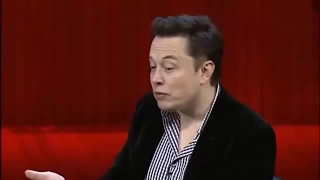 20171:23:28
 202041:01
 202028:07