卖油的开始替不烧油的车算销量。2017 年春天,几家大型石油公司先后发布预测,说到 2030 年,电动车会占到整个汽车市场的三成左右。数据是彭博社整理的,Ben Sullins 在他的直播节目 Teslanomics Live 里把这条摆在第一个讲。
他的直播有个固定结构,每周分 Long 和 Short 两段。词是从股票市场借来的,Long 是他押注会涨的,Short 是他押注会跌的。这一周的 Long 给了电动车热潮。
理由很直接:汽车公司和能源公司都已经想明白了,交通和能源转向可再生能源基本不可逆。大公司愿意把数字公开写出来,本身就在帮整个行业往前推一把。
电池降价是这轮热潮的地基
电动车能便宜下来,靠的是电池便宜下来。特斯拉在这一环上动作最大,内华达的一座超级工厂已经投产,后面还排着一串。
大众是 2018 年最值得盯的那家。它准备了奥迪的纯电 SUV,同时要在美国建第一个高速充电网络,直接对标特斯拉的超级充电站。这是一家一年卖一千万辆车的公司在改航线。
再往后,捷豹和沃尔沃都在承诺自家的电动车。到 2020 年,奔驰、大众、通用、福特会一口气放出几十款新车。Ben 的判断是,未来两三年全球会看到一轮真正的爆发。除了环保,这笔账还有别的算法:用电比用油便宜,效率更高,车里也更安静。
大众 CEO 马蒂亚斯·穆勒(Matthias Mueller)在自家财报场合说过一句话,被 electrek 引用出来:
驾驶的未来是电动的。(大众 CEO 马蒂亚斯·穆勒)
用「承认」这个词不夸张。大众旗下攥着奥迪、保时捷、斯柯达、西雅特、宾利、布加迪、兰博基尼一堆牌子,一家体量这么大的制造商公开表态,等于给整个行业盖了个章。
中国才是真正的主战场
全球最大的电动车市场不在美国,在中国。2016 年中国路上的电动车超过一百万辆,比前一年涨了 87%。
政策在后面推。北京方面要求,从 2018 年初开始,在华销售的车企必须保证至少 8% 的产量是电动车。考虑到中国的汽车总量和人口规模,这个 8% 乘出来的数字非常可观。
比亚迪请了莱昂纳多·迪卡普里奥当代言人。迪卡普里奥拍过气候纪录片《洪水泛滥之前》(Before the Flood),在美国是环保议题的公众面孔,出现在一家中国车企的广告里,画面确实有点别扭,但信号很明确:中国车企要在全球电动车叙事里占位置。
Ben 提到一层背景。中国现在要处理的空气污染问题,美国在 1970 年代的《清洁空气法案》时期处理过一轮。所以中国在电动车、太阳能、可再生能源上的推进力度,某种程度上是被现实逼出来的。
看空的那一半:Boring Company
这周的 Short 给了 Boring Company。名字是个双关,boring 既是「无聊」,也是「钻孔」。它的起点很朴素,马斯克受不了洛杉矶的堵车。
他的说法是,城市往上长了三个维度,摩天大楼一层层往上堆,但车仍然只在路面这一个二维平面里跑。既然上面能用三维,下面也可以用。
方案长这样:你开着车到路边,把车开上一块电动滑板平台,平台把你连人带车降到地下隧道里。隧道里不是你在开,是平台在开,全程电脑控制,没有人类司机,事故率理论上接近零。
因为没有司机、不需要留人的反应空间,隧道可以做得比现在的地铁隧道小得多,速度还能往上提。设计速度是 200 公里每小时,约合 124 英里每小时。
他给的时间账是这样的:从 Westwood 到洛杉矶国际机场(LAX),平时开车 30 分钟,赶上堵车接近一个小时,走地下隧道 5 分钟。
Ben 认这套想法很酷,但他押了反向。他担心的是地震,以及地下空间会不会重演地面的拥堵。一个全新的、从没被大规模验证过的系统,把几百万人的通勤放进去,风险他心里没底。他还半开玩笑地说,如果隧道里能铺满 LED 屏,模拟出户外的样子,像迪士尼乐园那种游乐设施,心理上可能好接受一些。
Model 3 七月投产,只用摄像头
马斯克在那场 TED 演讲里确认了 Model 3 的时间表:七月开始正式量产。往前推一个月,六月底会先交付「创始版」,只卖给内部员工。
真正让 Ben 兴奋的不是日期,是配置思路。Model 3 也会具备自动辅助驾驶和完全自动驾驶能力,但走的是一条和 Model S、Model X 完全不同的路。它不装激光雷达(LiDAR),不装那些昂贵的雷达,只靠摄像头加 GPS。
原因不难推:激光雷达贵,配套的算力硬件也贵,这些成本压不进一台起售价 3.5 万美元的车里。
马斯克在演讲里把逻辑讲得很干脆:
一旦你用摄像头解决了视觉问题,自动驾驶就解决了。视觉问题解决不了,就谈不上解决。只靠摄像头,你完全可以做到超越人类。(埃隆·马斯克)
他的推理是,人类开车本来就只靠两只眼睛加一个大脑。如果能让计算机像人一样「看」,那它不但能做到人能做到的,还能做得更好,反应更快,视野更全,永不疲劳。
Ben 的疑问在安全功能上。此前公开过一些视频,Model S 和 Model X 能识别出前车前方发生的碰撞,在前车刹车之前就开始减速。靠的是雷达的穿透能力。纯视觉方案下,这类功能会不会被砍掉,是个问号。
时间表也给得很激进。马斯克说,到 2017 年 11 月或 12 月,一台 Model 3 应该能从洛杉矶的一个停车场,一路开到纽约的一个停车场,全程人手不碰方向盘。
至于更高的那一档,也就是你上车睡一觉,醒来已经在公司楼下,他说还要两到三年。
Tesla Semi:拔河能把柴油车拖上坡
同一场演讲里还提到了电动半挂卡车 Tesla Semi,计划九月发布。
原型车已经能跑,马斯克本人开过,他的评价是「异常灵活,开起来有意思」。一台重卡被形容成灵活,听着别扭,但电动马达的扭矩输出特性和柴油机完全是两回事。
车身大有个附带好处:电池仓大,车顶的太阳能板也有地方铺。长条形的大平面,正好摊开一片光伏。
马斯克放了一句狠话:
我们想用 Tesla Semi 证明,电动卡车在扭矩上能赢过任何一台柴油半挂。真搞一场拔河,Tesla Semi 能把柴油半挂拖着往坡上走。(埃隆·马斯克)
开过特斯拉的人不会觉得这话离谱。电机从零转速就开始输出最大扭矩,柴油机要爬到一千多转才有劲,扭矩曲线完全是两个形状。
Ben 引了通用汽车前高管鲍勃·卢茨(Bob Lutz)的一句自嘲:汽车业把电动化用错了地方。这话听着像批评,其实是另一种肯定:真正该被电动化的是卡车,因为卡车才是油耗和排放的大头。
卡车行业的数据量非常大,Ben 说他会在周四的数据栏目里专门挖一挖。一旦电动重卡同时干掉燃油和司机两个成本项,社会结构和就业结构都会跟着动。
太阳能屋顶:一笔五万美元的账
太阳能屋顶(Solar Roof)的做法和普通屋顶不一样。它由一块块玻璃瓦拼成,从马路上抬头看,和普通屋顶几乎没区别,只是质感稍微特别一点。
瓦片的构成有点讲究:大部分内嵌太阳能电池,少部分不含。不含的那些用在不划算的位置,比如被遮挡的角落,这样能压低整体造价,外观还能保持统一。
马斯克最初的说法是,太阳能屋顶的总价会低于「屋顶本身的钱加上未来电费的钱」。
Ben 把这笔账摊开算了一遍。假设一年电费 2000 美元,按 20 年算就是 4 万美元。一栋房子换一套好点儿的屋顶,算 7000 到 1 万美元,取整算 1 万。两项相加 5 万美元。
也就是说,5 万美元以内,你能拿到一套更好看、更耐用、还能自己发电的屋顶。好看这件事他承认很主观,他自己觉得酷,但也知道这是极客审美。
保修年限那段挺有意思。团队讨论过要不要直接给「无限保修」,后来觉得太夸张,会被当成笑话,于是改成 25 年左右。马斯克的说法是,这些玻璃瓦结实到房子都塌了,瓦片还立在那儿。
产品节奏是今年先上两款,明年再宣布两款。生产放在纽约州布法罗的工厂,和 Model 3 的产线分开,不用抢资源。
有人问他什么时候所有房子都会装上。他的回答分两层:最终所有房子都会有,但那要 40 到 50 年;不过 5 到 10 年之内,一栋房子完全不用太阳能,会变成一件稀罕事。
Ben 顺带提了一家他长期关注的公司,Solar Roadways,在堪萨斯或密苏里一带。思路是把公路本身用高强度玻璃铺成,玻璃下面埋太阳能板。没有车压着的时候,路面一整天都在发电。
这套路面还能塞进别的东西:光纤可以顺着路铺,全程高速通信;天冷下雪可以通电融冰,减少扫雪车;前方有事故或动物闯入,路面能亮灯预警。
超级工厂:一百座就能供能全球
特斯拉今年晚些时候会公布新的超级工厂选址,数量上马斯克提过 2 到 4 座,他自己倾向 4 座。
地点在哪儿他没直说,只说要满足全球市场的需求。Ben 的解读是,大概率不在美国。美国制造成本高,如果 Model 3 要卖给中国市场,把工厂建在中国是最经济的算法。
马斯克反复讲过那个尺度的比喻:如果地球上有一百座超级工厂,理论上就能用可再生能源给整个星球供能。
为什么去火星,而不是先管好地球
SpaceX 正在造一枚四十层楼高的火箭。就在直播前一天,他们又完成了一次发射和回收。
TED 演讲里有人问了那个老问题:地球上一堆麻烦没解决,为什么要把钱花在火星上。
马斯克的回答分两层。第一层关于能源:
如果你没有可持续能源,你拥有的就是不可持续的能源。像特斯拉这样的公司,根本价值在于它把可持续能源的到来提前了多少。(埃隆·马斯克)
他的意思是,可持续能源这件事无论如何都会发生,因为化石燃料总会烧完,人类会被现实逼着转向风能和太阳能。特斯拉能做的只是把这个转折点往前拉几年。
Ben 在这里补了一句自己的观察。他觉得特斯拉真正的天才之处不全是技术,更多在于这些技术怎么被包装、怎么被推向市场、怎么在合适的时机交到用户手里。
第二层关于火星:
成为多行星物种并不是必然的。(埃隆·马斯克)
他给的证据是一条下滑曲线。1969 年,人类能把人送上月球。后来有了航天飞机,最远只到近地轨道。再后来,连近地轨道都不送人了。
趋势线是往下的,不是往上的。
他还说了另一句话,Ben 说自己完全同意:
我们错误地以为技术会自动进步。只有很多人拼命努力,它才会变好。(埃隆·马斯克)
为什么 1960 年代会突然冲那么高?Ben 引了尼尔·德格拉斯·泰森(Neil deGrasse Tyson)的播客《StarTalk》。那一代航天投入的真正驱动力是恐惧和对抗。苏联先发了斯普特尼克(Sputnik),一颗能上天拍地球的卫星,美国才成立了 NASA。冷战结束,对抗消失,航天的热度也就降下来了。
Ben 自己对这十年有另一层不满。过去十年最热的东西大多是数字化的:更好的自拍、更快的约人、五分钟送达的外卖、无人机投递。都很有意思,但都很「元」,活在屏幕里,不在物理世界里。他被新的 App 弄得有点麻木了,反倒是挖隧道、造可回收火箭这种事让他觉得真实。
问答环节里的干货
直播后半段是观众提问,信息密度不比前面的正片低。
关于特斯拉的定价节奏。一位叫 Ed 的观众讲了自己的遭遇:他买了 S60,做完一堆升级,没过多久特斯拉降价,他付了 5000 美元的升级,后来只要 1500 美元。他问特斯拉会不会建立更规律的迭代周期。
Ben 说自己也遇到过类似的人,在超充站等车时碰到一位,刚提车一个月,Autopilot 2.0 就发布了。他希望特斯拉能把产品节奏稳定下来。不确定性降低,对股价、对投资者、对公司的健康都是好事。特斯拉作为一家汽车公司还很年轻,走的路和别人不一样,但迟早要收敛到更规律的发布周期上。
关于 400 英里续航。有人问 Model 3 会不会出 400 英里以上的版本。Ben 说几乎肯定会有,可能两三年内就能看到。但他提醒一点:续航变长未必是电池变强了,更可能是车更省电了。手机的电池技术这十几年没大变化,待机变长是因为系统和 App 更省电。车是同一个逻辑。
关于联邦补贴的 20 万辆上限。美国对电动车的联邦税收抵免有个门槛,某家厂商在美国累计卖到第 20 万辆,补贴就开始退坡。有人问这个规则会不会真的执行。
Ben 认为会执行,而且特斯拉今年就会撞线。2016 年底特斯拉在美国累计卖了大约 11 万辆,加上今年一、二季度,最快三季度就能到。
很多人误以为一到 20 万辆补贴立刻没了,其实不是。达到门槛之后的那个季度开始减半,维持两个季度,再减半,前后大约六个季度,也就是一年半之后才彻底归零。
所以能不能吃到补贴,取决于你什么时候提车。今年能提的,概率很高。明年才提的,基本没戏。提车顺序又有讲究:员工优先,老车主优先,发布日当天或之前下订的优先,加州居民优先。北美以外的人,大概要等到 2018 年中期。
Ben 自己补了一句:他买的是二手,一分钱补贴没拿到,但他觉得二手车市场上有很多不错的电动车,值得考虑。
关于电机效率。有人留言说电机效率已经到了 99%。Ben 纠正了这个数字,实际大约 92% 到 93%。他专门做过一期视频反驳喜剧演员亚当·康诺弗(Adam Conover)在《Adam Ruins Everything》里对电动车的说法。把发电、输电、充电全链条算进去,电动车的整体效率大约还是燃油车的 2.5 倍。
关于核电。有人问核电。Ben 的回答很实在:核电几乎不排二氧化碳,这点很好;但它不可再生,这点不好。他更关注欧洲的核聚变实验堆,法国或德国那边在推进。现在商用的是核裂变,聚变要是成了,会是一次能源格局的重写。
关于 2170 电池。有人问新电池会不会带来更高的能量密度和更长续航。Ben 说应该会。他还推荐了一位技术型 YouTuber,Jehu Garcia,做过 DIY 版 Powerwall,把旧笔记本里的电池拆出来重新组装。拆开看,特斯拉的电池包本质上就是一大堆小圆柱电池串并联在一起,18650 不是 AA 电池,但尺寸接近。
关于改装套件。有人问特斯拉会不会出电动车改装套件。Ben 说技术上完全可行,但特斯拉不会做这个产品。太零碎,变量太多,从产品开发角度看是坏主意。南加州有家叫 EV West 的公司在做这类生意,可以自己找本地服务商,动手能力强的话自己做也行。
关于 75 和 75D 的差别。有人问为什么两款车续航只差 10 英里。Ben 的解释是结构不同:单电机版本是后驱,后面一个大电机;双电机版本是前后各一个小电机。双电机在牵引力控制上占优,加速更快,操控更好,效率还更高,所以续航不但没掉,反而略好。两台小电机比一台大电机更省电,这点他到现在都觉得反直觉。
关于车队学习。有人问特斯拉的「车队学习」怎么运作,说听说每英里只上传 10KB 的黑白图像。Ben 说他没听过这个数字,从公开的自动驾驶演示视频看,图像精度远不止于此。他自己是做数据分析出身,主要在商业和运营场景里用数据,机器学习这块超出他的舒适区,打算请一位做计算机视觉的朋友上节目专门拆解。
关于隧道的基础设施。有人问挖隧道本身不是最难的,难的是隧道里的配套。Ben 说 TED 演讲里正好讲了这点。传统流程是先把洞挖通,再回头铺设备,慢在这里。
Boring Company 买下了一台盾构机,正在逆向拆解,想造一台把挖掘和铺装合在一起的机器。他们拿一只真蜗牛做参照,名字叫 Gary,那只蜗牛的最高速度,比世界上最快的盾构机还快 14 倍。目标是跑赢 Gary。
隧道直径也要缩。现在的隧道大约 28 英尺宽,方案里要压到 12 英尺左右。因为里面没有人类司机,不需要为反应时间、为并排行驶、为逃生通道留那么多余量。洞小了,挖掘速度自然上去。
关于马斯克旗下有多少员工。有人问这个问题。Ben 说 SolarCity 大约 3 万人,特斯拉的具体数字他不确定,SpaceX 也不清楚,加起来大概 10 万人。他希望这些公司的管理是相对分散的,别全都压在一个人身上。
这一周真正值得记住的东西
把整场直播捋下来,最硬的信息不是某款车的参数,是几条判断。
电动车这件事已经过了「会不会发生」的阶段,进入「谁跑得快」的阶段。石油公司自己算出了 2030 年三成的份额,大众的 CEO 公开说驾驶的未来是电动的,中国用配额和市场规模把整条产业链往前拽。
自动驾驶的路线之争也在这一年摊开了。特斯拉选了纯视觉,把宝押在「视觉问题解决了,自动驾驶就解决了」这个判断上,代价是短期内可能失去一些雷达带来的安全冗余。
火星那条线的逻辑最容易被误解。马斯克不是在说地球不重要,他是在说技术会退步。1969 年能登月,后来只能到近地轨道,现在连近地轨道都不送人了。这条下滑曲线如果没人去掰,就会一直往下走。
Ben 押空 Boring Company,理由也很朴素。他不怀疑技术可行性,他怀疑的是把几百万人的日常通勤塞进地下这件事的社会接受度和安全边界。这种怀疑不高级,但很真实。
- 如果你订了 Model 3,先算清楚自己的提车顺位。员工、老车主、发布日下订、加州居民,四个条件决定你今年能不能拿到车,也决定你能不能吃到联邦补贴。
- 别把补贴当成买车的理由。退坡是按季度走的,达到 20 万辆后大约一年半彻底归零,把 7500 美元当成必然收入来做预算,很容易算错。
- 关注 2170 电池的实际装车数据。能量密度提升会直接改写续航和成本曲线,这比任何发布会上的口号都实在。
- 如果你在顶配 Model 3 和二手 Model S 之间犹豫,把储物空间、免费超充、家庭成员数量这些非技术项列出来对比。Ben 的选择是留着 Model S,理由就是这三项。
- 想搞懂特斯拉的自动驾驶路线,去把 TED 演讲里关于视觉的那几分钟原片看完,别只看二手转述。那句话的上下文决定了它到底有多激进。
- 考虑装太阳能屋顶的话,按 20 年电费总额加屋顶造价来算总账,别只看初装报价。每年 2000 美元电费乘 20 年,就是 4 万美元的参照线。
- 对「电机效率 99%」这类说法保持警惕。把发电和输电损耗算进去,真实数字差得远,理解这一点才能看懂电动车的环保账到底怎么算。
0:11Hey everyone, thanks for joining me here today on Teslaomics Live. this week there is insurmountable things to talk about. I've got a new live streaming setup, so hopefully the audio and everything will be good. and we can just kind of dive right into this stuff. first and foremost, thank you all for joining me and thanks for all the questions that people submitted in advance. I ping everyone on the email list in advance. So, if you're not on that, go to teslanomics.co. Make sure to join the email list and then you will be prompted every time we do this with the ability to submit your questions in advance, which will almost always ensure that they get added. So,
0:54without that, I thought let's dive right into it. So, first up, my long for the week. And if you don't recall, I kind of break this into two major segments. the long and the short. So, the long is, something I'm betting on. So, I'm borrowing a term from kind of the stock market where you're long on a stock or a company. And my long here is the EV boom. And, it's happening. we've talked a lot about it, but even now some major oil companies are coming out predicting that the the EV market will grow to be about 30% of the overall market by 2030. And let me show you where I found this. It was on Bloomberg where they're a great source of of data on this. And
1:42there were some recent predictions that this company made and they were talking about just the future of the the auto industry and what's going to happen there. So I found this I am long on this because you know car companies and energy companies get it. the transition to renewable forms of transportation and energy are sort of inevitable and these guys putting these numbers out there really help the whole industry and it's always good to see that. so I would encourage you and the link to this video will be in the description. You can go find that.
2:15and there's a great video that Bloomberg put together as you would imagine. They're, you know, a great media company. and you can check that out. But that's kind of the the the main point there is that they're big on this. Now, part of the reason is because battery prices are dropping. And this Tesla is playing a big part of this with the Gigafactory or the multiple Gigafactories, which we'll talk about here in a second. Now, in 2018, Volkswagen is actually making a big play as well, with an Audi SUV and the first high-speed US charging network to rival Tesla's Supercharger network. So, Volkswagen is getting into this game big. And then after that, you're going
2:55to see a lot more of the big players in. So, Jaguar, Volvo are also both promising cars on the way. and by 2020, that's when it really starts to to to rain. EVs and Mercedes, VW, General Motors, Ford, all of these cars are releasing dozens of new electric vehicles. So, in the next two to three years, I think we're going to see worldwide just a big boom for
3:21electric vehicles. And I think that's fantastic. I'm a huge fan, obviously. I assume you guys probably are, too, are interested. And there's so many benefits besides the environmental one. you know, cost benefits, efficiency gains. it's quiet. and apologize, they're doing major construction outside of my my office here. So, if you hear any of that, you know, there's there's a part of it right there. So, VW actually, and there's an article from electric about this, which I'll switch over to now, is planning to do a $10 billion investment in electric vehicles. they're still doing more on the other side. but there there was a really interesting
3:56quote here from their chief executive that said the future of driving is electric. I'll highlight it here for you so you can see that and maybe I'll even try to blow this up. We'll see if I don't know how this browser works. Volkswagen chief executive Matias Matias Mueller conceded that the future of driving is electric. That is crazy. And if you don't know, Volkswagen actually owns a ton of ton of brands and everything.
4:23So they're not just a small manufacturer that sells like cute Jettas and stuff like that. They sell, you know, tons and tons of of of different cars for different brands that they own. So that's big and that just kind of reinforces the long position here that EVs are just getting bigger and better.
4:39Now, another thing sign of this is Leonardo DiCaprio becoming the spokesperson for BYD, which is a Chinese manufacturer. So let me show you this here and I'll put a link to this. I'll play the video but just so as in that you can that that you can see what's going on there. Now this is Leonardo DiCaprio who obviously is a big supporter of fighting climate change with his movie Before the Flood which I highly recommend if you haven't went out to see that. but BYD is is really doing a big push here and in fact China is where the biggest they are the biggest EV market by far. by early next year, Beijing is going to require automakers in China to ensure that at
5:19least 8% of all vehicles they manufacture are electric. Now, that's big because there's a lot of cars and a lot of people in China. So, the country had more than 1 million electric vehicles as of 2016. That's an 87% increase over the previous year. And if you look, I had a video where I talked about this called EV sales in 2016 should scare the oil industry or something like that. And I broke it down and in and that you know the data there also shows that EVs in China are are extremely popular and growing rapidly because of all the stuff that they're doing. let me stop that video from playing. So China is where it's at and it's big there and I think we're going
6:01to continue to see China pushing forward not only with EVs in general but just all kinds of things with solar and renewable energy. I mean, they are having to have a lot about they're having to deal with a lot of the pollution issues that here in the US we dealt with back in the 70s with the Clean Air Act. So, you know, kudos to them and I think it's exciting to see this. But, you can go watch the commercial. It's kind of odd to me just to see Leo like that, but hey, you know, I'm I'm I'm proud that they're doing stuff like that and that they're making a big difference. So, there you have it. Now, the next thing to talk about is my short but let me
6:42mention first. So, Elon did a TED talk and they just this morning released the video of it. It's about 40 minutes long. I'm not going to play it for you here. I'll put a link to it so you can go check it out, but I highly recommend it if you're a fan of this stuff where he goes into all kinds of different topics and we'll be covering a lot of those here in just a second. but this is actually my short. My short for the week, something I'm betting against is this boring company. it's fun to say and I know there's a lot of fans out there, friends of mine that think it's great. the basic idea, and let me go to to the this is a photo of the machine. So, boring, not as in lame
7:21or like not interesting, but boring as in digging tunnels. this comes from basically Elon hating traffic in LA and wanting to create what he considers a three-dimensional driving environment where you know, we build buildings up from the ground and we have three dimensions there, but we drive just two-dimensionally on the surface of of the road. So, he wants to create a three-dimensional one down below. And he can go, you know, he goes into detail about why, but I want to show you this video here. and this is posted on Tesla. I think these were the first guys to actually do this. and I'll walk you through it. So, the basic idea is that you're driving on the street and as
8:01you're driving, you pull up to these what they call electric skates. Imagine it's the same thing as your Tesla, but just bigger. And you drive into it and then it lowers you down into the underground tunnel system. Now, in the underground tunnel system, your car is not not actually driving this. The skate is driving it and it's on a track. And one of the keys is actually how small the tunnel can be because the skates themselves will be controlled all computers and everything like that. So there won't be people driving. So the crash rate will be almost non-existent.
8:33so you won't have you know in anyways you know the idea is to reduce that. Now because of that you can increase the speed as well up to 200 200 kilometers or about 124 miles per hour. And so the idea there would be you could have public transportation vehicles like this. You could have your own vehicles using this and you could get in their estimates from Westwood to LAX in about 5 minutes where typically that would take about 30 minutes but with LA traffic would be closer to an hour.
9:02Sorry, let me turn my air conditioning off. So, this video is cool. I love what he's thinking about. I love all the things here, but I'm short on it because I'm just it's just scary to me. I could imagine congestion and traffic and all this crap underneath the city and who knows what's going to happen.
9:26if there's an earthquake just it's it's so new and so different to me that that it's a bit scary. So that's, you know, m maybe maybe I'm I'm a wuss, but to me that's that's kind of my short and why I'm short on it. I wish we could have other reliable ways of transportation that would solve this or maybe we don't need as much transportation because we don't need to travel as much. but hey, if it works, I'm all for it, man. I I I think I think it'd be cool, but at the same time, I'm I'm scared about it.
9:58Okay, so let's break down and talk about the Model 3. everyone or if you don't know, the Model 3 is scheduled to begin production in July and Elon confirmed that. So now what we have is him saying that production will begin, which means that in June some of the not not release candidates, those are already out there and there's tons of shots of these which are so cool to see.
10:23but there's actually the the founder series which are for employees only should be should be coming out late June if real production is going to begin in July. So he talked about this in the TED talk and you know his words were looking good to start production in July. That's fantastic. I think that that gives investors and reservation holders like myself you know great reason to celebrate. Now, one of the interesting things he mentioned though about the Model 3 is that it'll have autopilot or full self-driving, but not the same way the Model S and X and even a lot of other cars are doing it with liar and these kind of really expensive radars. And I mean that does
11:06make sense because in order to actually put those in in the system, it's expensive. These systems are really expensive. Then you need more hardware to power and run these things, computers to process the the information, etc. So instead, the idea is is for the Model 3 to be fully self-driving with only cameras and GPS. Now, this is an
11:32ambitious claim, but here's the premise and here's the idea, and this is from Elon. This is what he said. Once you solve cameras for vision, autonomy is solved. If you don't solve vision, it's not solved. You can absolutely be superhuman with just cameras. And I I encourage you to go watch the TED talk where he where he brings this up and he kind of goes into it a little bit more detail. The basic premise is that if you can teach the computer to to see as a human does because essentially that's all we have then you can have you can
12:07have all the the great capabilities in fact far better than a human by using just those components and being able to you know ju just figure out the road based on the cameras not necessarily the LAR and all those things. Now, I wonder what'll happen to the safety features here. because we've seen some really, I mean, scary but amazing videos where the Model S will detect or Model X as well would detect that there's a crash ahead of the car in front of you and stop in advance of that. so I think we'd be missing some of those safety features, but at the same time, we'd be gaining, I guess, a very affordable way. Now, he in there said that by the end of 2017, by
12:50the end of this year, he's think he said November or December, that a Model 3 should be able to drive from a parking lot in LA to a parking lot in New York City without the person having to touch the controls whatsoever. Then he kind of goes into, you know, well, what is the difference between like, can I go to sleep and then wake up at work? Well, you know, that level of autonomy, I think, is probably two to three years out is what he said. So, some pretty aggressive timelines. Really cool to hear him talk about it and and see all that. so I I I highly recommend you check that out and I'll put that in the link there at the end of this.
13:26Now, be besides the Model 3, he also brought up the Tesla Semi. Now, the Tesla Semi, so semi-truck, this is for trucking purposes, you know, shipping things around. I don't know what it'd be called in in a different language or something. So maybe sorry if that doesn't translate well. But the idea there is to create, you know, an electric truck. And one of the key things is that because it has the electric motor, first off, it's big.
13:52and so you'll have a lot of room for battery and you also could do things like put solar panels on top of the really big long structure to help, you know, help it with range. so it'll have a long range vehicle. It's already in prototype. Elon said that he had driven one around and that it was incredibly nimble and fun to drive.
14:10which is crazy, but this makes a lot of sense. And in fact, I think the GM guy, Bob, I forget Bob's name, said that they've electrified the wrong part of the business, right? So, essentially, the idea being that this is actually where electrifi electrification of vehicles makes a lot more sense because this these are the big fuel consumers.
14:30Now, the quote Elon gave, which I thought was interesting, said, "With a Tesla Semi, we want to show that an electric truck can actually out torque any diesel semi." In fact, if you had a tugof-war competition, the Tesla Semi will tug the diesel semi uphill. And that that actually to anyone that owns a Tesla doesn't surprise me. I know these are big powerful vehicles, but the electric engine with its instant torque and a completely different torque curve than let's say a diesel engine. it's not surprising that it would it would have far more power. So, and again, it goes to the the the the efficiency of an electric motor and how that works.
15:13So, I think that the Tesla Semi is going to be super interesting. and they said it'll be unveiled, I believe, this September. So, stay tuned for that. We'll be digging into that. And I think this will be fun for the data side where on Thursdays, you know, I do my data analysis thing because there's so much data about the trucking industry.
15:32I'm really curious once we get into that data and start looking at it what stories it's going to tell because it's a big industry here in the United States. Obviously, it's a big industry all over the world. and if we start eliminating the need for drivers as well as reducing the emissions from these things, I think we're going to see a big shift in kind of society and economics and all that kind of stuff.
15:54So, I'll definitely be digging into that in the future as we get more details about it. Okay, so next on the list, solar roof. so I've done a video on this where I took data from Consumer Reports and tried to figure out what the cost may be. And a lot of people have watched that and leave left me comments. So I'm going to be digging into this again pretty soon where I I try to figure out what is the the cost or maybe I can build a calculator or something to help you figure out what the cost of the solar roof would be. And this goes to my notion of what I call a sustainable homestead where with a sustainable homestead you have a perfect energy transport system, right?
16:36So you have solar energy powering your house and everything else you use and then you have electric cars or trucks or SUVs or whatever and and then you have batteries to store all that offline. So the solar roof is a big one. Now, Elon, in in the talk here did reiterate, now he changed his mind or he kind of went back on what he had said before. So, the way it works, if you're unfamiliar, is that some cells, imagine a roof just like your regular roof, but it's made with actually glass tiles that if you look at them from the road, look perfectly normal. I mean, a little bit different, but but pretty close to what you would normally see. And some of
17:12them, most of them, if you can, have solar cells in them. and some don't where maybe it doesn't make sense to have them. So that'll reduce the cost, but it all matches and it's all that. Now, he said originally it would be less the cost of the roof plus the cost of electricity. So if you do a 20-year time span and you're paying 2,000 bucks a year, let's say in electricity, and here's where I, you know, I would come up with a calculator to help you with this. if you take 20 years times $2,000 a year, so it's $40,000. And if you add in the cost of one of these nicer roofs, let's say, I don't know, $7 to $10,000. Let's just say 10 for for brevity sake, you could say
17:53that. Okay, so for less than $50,000, you could get this solar roof, which will be will look better, as they say. I think that's subjective. I think they look cool, but you know, I'm a geek like that. they'll be be more durable, and this is a fantastic interesting thing. and they'll generate electricity, so you won't have to have the need for that. So, that's great. one thing that he said in there was that about the warranty was that they thought about making the warranty for the solar roof infinity.
18:20but then that people would kind of make fun of them for this and it wouldn't really I don't know, wouldn't really make sense. So, instead, you know, they're looking at, I don't know, 25 years, I think he mentioned, but what what he mentioned was that, they're so strong and so durable that well after the house has collapsed, the glass tiles will still be there. so I think that's interesting. And in fact, there's another company that I've been following for a while called Solar Roadways. They're out of I think Kansas or Missouri, somewhere in the Midwest in the United States. And they have this idea of powering or essentially building highways out of these out of this
18:58incredibly powerful strong glass where they put solar panels underneath. So essentially on the road when something isn't on top of it, like a car, it's just collecting solar all day, every day. And you could make, you know, hundreds of miles of this. And there's other benefits to the solar roadways thing as well where they could put in things there like internet lines, so you could have high-speed communications all throughout it. you also could have things like to heat the road in case, you know, it snows or it's cold or icy. It could melt all that. So you wouldn't necessarily need snow plows and those kind of things. I don't I'm not an expert at what that is. So, you
19:34know, forgive me if I'm if I'm wrong about that, but you can do things like that as well. Maybe there's an accident or an animal on the road, you could have like lights pop up and give you warning as you're driving. I mean, I I think that this super hard glass combined with solar, whether it's a solar roof or a solar road, is fascinating. And I think I hope that that will actually take take on and and we can see some of that in the future because I think that'd be great.
20:00Now, back to the solar roof. Elon was talking about this year they're going to roll it out with two types of of roofs. and then two, they're going to announce two more next year. so that's exciting. This is all good stuff. And now this, these, I believe, are being built in their factory in Buffalo, New York that they bought. So it won't be kind of related to the Model 3. So that hopefully being separate there will be easy for it to to succeed instead of having to compete for resources and stuff like that. they also asked Elon about how many houses you know or when will all houses have this and he said eventually he thinks all will but you know just because the
20:37technolog is out tomorrow doesn't mean that everybody's going to go start replacing their roof. So he thinks you know 40 to 50 years but you know within 5 to 10 years it ought to be where almost it's almost unheard of that a home doesn't have solar in some way. and I do have videos coming out about that because I just have solar got solar on my house and super excited about that. So there you go. Now, one of the things that he mentioned in the video too was about the Gigafactory. And the Gigafactory he they're going to announce two to four new Gigafactories. He said he thinks four.
21:12So I don't know, we'll go with four. And he said later this year and they were asking where. And he said, you know, we need to address the needs of a global market. So to me that sounds like not the United States. which makes total sense. things are expensive here. and if especially if you're say building the Model 3 in China for the Chinese market, it would probably make sense to put one there for example.
21:36interestingly enough, how will this play out with the current administration in the United States? We'll see. But you know, these you know multi these giant companies that are multinational, it's really hard to try to lock them down into doing everything in the US. So I don't think that'll be an issue. But new gigafactories coming. you know, remember back in actually the reme remember the flood video with Leo, Elon mentioned it then. He reiterated it during this that if we had 100 gigafactories, we could essentially power the entire planet with renewable energy. I think there's other more interesting solutions. I'll put a link to this website where you can
22:12actually go see every different part of the world how you could essentially power everything with renewable sources. And it's not just solar. I think solar is kind of a no-brainer for a lot of people, but there's also thermo and all these other different things. So, I'll put some lots of links and everything down into this as well as on the blog on teslanomics.co after this video uploads later tonight. Okay, on to the last topic of the day before we get to the live Q&A.
22:39And if you do have questions, I haven't been watching them as they've been flying by, so you can go ahead and reask them when I open that section. and we also have the super chat. So, if you want yours to be featured guaranteed, click on the little money icon and you can donate a couple bucks or whatever to get your question and and your comment highlighted.
22:58So, there you have that. Okay. Now, with Mars or with respect to Mars, SpaceX is building a massive rocket that's the size of a 40story building. and in the TED talk, they have a video of this, so you can go check that out. which I think is is super interesting. and and by the way, just yesterday actually te SpaceX did another launch and successful land of a rocket.
23:24And it's just fascinating that I mean we're actually as a geek, as somebody that loves things like space and the cosmos and just astrophysics and all that stuff, it's exciting to actually be alive in a time where we kind of give a damn about this stuff. and this kind of goes to Elon's point. you know they asked him in the thing they said well why not just deal with what the problems we have here on earth why not just do this and he's you know obviously Tesla is doing some of those things but why space like why is this such a big deal and he said that
24:02sustainable energy essentially is going to happen no matter what that we we will be forced into sustainable energy and he says this he says if you don't have sustainable energy you have unsustainable energy the fundamental al value of a company like Tesla is the degree to which it accelerates the advent of sustainable energy faster than it would otherwise occur. Meaning that basically like we're going to run out of stuff to burn and ways to power things if we, you know, didn't evolve towards more sustainable ways like wind and solar. So that's going to happen. Now Tesla's pushing that and I think they have a genius way. I think a lot of the the genius behind Tesla and Elon isn't
24:40even necessarily the technology, but it's how these things are being marketed and and brought to market and and how they're actually being being released. So, I think that's actually the genius there, but that's going to happen anyways, you know. so he goes on to say to answer the question about why not just deal with Earth? Why not, you know, why why space? He says, but becoming a multilanet species is not inevitable.
25:02And if you look at the progress in space, in 1969 we were able to send somebody to the moon. then we had a space shuttle which could only take people to low earth orbit. Now we take no one to orbit. Nobody goes. It doesn't happen. And that's the trend. And so it's it's from this height of you know in the late60s with with the moon program and actually prior to that with Sputnik and and that's kind of where it started. In fact, there's a a great podcast called Star Talk with Neil Degrass Tyson and they go into this quite regularly. There's a series they did just a week ago, I think. I forget what it's called. something like make America smart again and they talk
25:42about this where basically war and fear actually drove a lot of the innovation. In fact, that's what NASA was created for. was in sort of in a response to Sputnik, which was the Russian program that had basically a spying satellite looking at things, looking at Earth. So a lot of this stuff came out of fear and anger or whatever and and literally wars or the cold war. So but since then things have died down in in that regard.
26:11So the the space exploration even NASA has dramatically dropped. So you know for him you know he's saying that technology in specifically space stuff it it he says we're mistaken in thinking that technology automatically improves. It only improves if a lot of people work very hard to make it better.
26:32And this actually I can't agree more with in fact my project love day the Tesla commercial that I did where if you you guys watch that on my channel that was basically the message like look like we've we've lost our sight on doing things that are actually changing the world right all we've done in the past decade or that you know it seems to me anyways or the majority of it is all digital stuff. It's taking better selfies. It's connecting with people.
27:00it's finding someone to hook up with or, you know, finding a ride somewhere, getting something delivered in five minutes that, you know, from a drone, like all this stuff is interesting, but it's so digital. It's so meta. It's not real life. And so what I'm fascinated about with Tesla and SpaceX especially, is how they're doing things that actually exist in the real world, not just in the digital world. Right? all these new companies come out all the time and it's to me I guess I've lost I've kind of desensitized towards a new app that is going to change the world or something like that and when I see something like boring tunnels even though I I'm kind of short on it I'm not
27:37sure it's a good idea or sending or creating reusable rockets these things really inspire me and get me going. So so yeah so that's that's my recap of the week. I figured now let's dive in and take a look at your questions. So, if you have submitted any in the chat, I will get to those in one second.
27:59If you need to resubmit them, please do so now. I do have some that were submitted in advance. Let me pull those up. Okay, so I have a question from Ed and it's extremely long. I'm not going to read it, but short story. He basically bought I bought a Tesla recently an S60 prior to it being removed from the line and then had had done a bunch of upgrades and then they dropped the price to where he paid $5,000 for something that now is only $1,500 upgrade. So, what he's getting at is is Tesla going to, develop a more cadence, a more regular release
28:45cycle? Like, you know, if you think about Toyota or some someone else, you know, they don't release new things and change pricing on their car of the same model that's already out mid year. they do it, you know, with next year's model or or on a sale or something like that. So, he's a little upset. And I've actually met other people. So to answer your qu to answer your question, Ed, is this happening? Whatever. Yes, I've I've heard a few other people actually met somebody at a supercharger when we were waiting. that was really upset about autopilot 2.0 where he had got his car and they just released it a month later or something. So I I I hope so. I I hope the answer is that
29:24Tesla will settle down in terms of their product development and and surprises. I think it's good for for to reduce uncertainty which is great for the stock market which is great for investors and actually just the health of the company. So I hope so. they're still very young as especially as a car company. and and so I think they're you know they have a long road ahead of them and they're very different in how they do things but I wouldn't be surprised if they kind of u started to roll out changes more more on a regular basis. So, you can kind of expect them instead of just sporadically, especially dropping the price to something like that. and
30:01and and I'm with you. You know, the story you submitted there about them not wanting to work with you is is a bum deal. And and and you know, I'm sorry about that. That sucks. Okay. So, Joseph asks, "I wonder if Tesla will ever offer M3 with a superior battery that can get 400 plus miles. I was reading about some guys converting an old looking BMW to electric using all old parts and has a range of 425 plus miles per charge. Now, if novices can do that, I wonder what the guys at Tesla can really actually accomplish. So, if they ever will offer a Model 3 with that battery, sure.
30:37I don't know if it's necessarily the battery that's going to push it above 400 miles or if it's going to be a more efficient use of power. You know, think about your phones. the technology that we use in these phones for the battery hasn't changed a lot in almost since the phones have been created battery efficiency and and you know all that like the longer living batteries is because apps and the OS and everything else are becoming more efficient so they're using less power so it's not that the batteries are actually better and that they're lasting longer it's that they're using less power so I think that that will help us get there certainly they'll have models in the
31:17future that will have 400 plus miles. I that's that's a given that that won't even be probably two, three years out, I would imagine. so yeah. So, so I think that's coming for sure. Okay. Douglas Crab asks, federal law concerning their 200,000 production limit and their tax credits.
31:36Will it be enforced? so the idea I think he was getting at is will the reduction of the federal tax credit in the United States which occurs when a manufacturer of electric vehicles hits their 200,000th vehicle in the United States sold. thanks to everyone for sending me all the all the details on that previously by the way. yes, I believe it would be enforced. In fact, there have been a few articles about the current Republican administration not like wanting to get rid of it in advance and and I don't know if they could do that because I think it's tied to some other legislative things, but yeah, I think it'll be enforced. I think Tesla will hit that mark this
32:17year. They're already I think at the end of 2016 up to 110,000 in the United States. The last data I saw. so add in Q1 and then, you know, we're coming out through Q2. I I think it'll be as as early as Q3. We'll just see how Model 3 production ramps up, but definitely before the end of the year, I I believe it'll be it'll be gone.
32:38Now, I don't know, I can't really speak directly to the incentive programs in other parts of the world. I do know they exist and in my EV buyer guide, which is on my website you can go get, I do have a link to that. It's a Wikipedia page. Thanks to Casparus Crummens, Caspar Caspar Cummins for for your donation and for your support. I I appreciate that. If you have a question or anything, go feel free to leave it there and I'll make sure to get that.
33:05So, thank you so much. Okay, my next question coming in is from Jean Blanchett who joins us yet again. I think she submitted some stuff yesterday. She's from Quebec. tell me if I'm saying that right or not. hi Ben. Do you think air suspension will be available in Model 3 base? That's a good question. I believe it's an upgrade on the Model S.
33:29So, I don't I'm going to say no. I don't believe it would be part of the base $35,000 price tag, but it should be available as an option to upgrade. I would imagine. but who knows? you know, there have been a lot of downplay, and I don't know if that's just because they're they're trying to reduce the amount of the amount of demand
33:52for the Model 3 or what, but yeah, so they've been downplaying that basically saying, you know, hey, the if you have the Model S like I do, you're really going to be disappointed in the Model 3. They had a really kind of awkward blog post about it. Who knows what's going to happen. I'm excited because it's only a couple months away and I love talking about this stuff. I'm going to do a lot more on the Model 3 coming up. I'm trying to figure out things for for folks if you guys and and let me know if you have a Model 3 reservation and you or or not. But, I'm going to be doing a lot of stuff to try to help you get get up to speed so you can think
34:24about, you know, how to how to prepare for that, like what the costs will be, all those kind of things. So, yeah. Hey, Marcus, thanks again for joining me, man. I appreciate the, the support yet again. Okay, so those are all the questions that were submitted beforehand. Let me get into some of the questions on the live chat and see how we're doing. Are you Illuminati? Maybe. I wouldn't tell you if I was. No, that's funny.
34:53I thought electric motors were already 99% efficient. I don't think that's true. I think they're 92 or 93. I did a video on this if you look on my channel for EV versus Ice and I break down because there was some stuff that came out where the guy, Adam Conover has a really funny show called Adam Ruins Everything. Said Adam ruins EV or EVs or Tesla. And I got into it because I looked at the data and he was totally wrong about it. So the basic idea was that an electric motor so all things considered whether or not you get your energy from coal or nuclear or whatever the electric motor is I think it was two and a half times more efficient I think the and this includes the the the
35:39reduction in power or I'm sorry the loss of energy to transport it from say a nuclear power plant or coal power plant whatever to your home. so they're not 99% efficient that's for sure. but it's close. And go check out that video if you want more details in and where I break that down. do the apps on a Tesla really use that much power to help push ranges over 400 miles? I don't know what you're talking about there. I'm not sure that we have a Tesla that goes over 400 miles. I suppose if you traveled at like 10 miles an hour or something like that. Zachary Rich, Ben, do you think that there will still be federal tax incentive by the time I get my Model 3
36:18in 2017 2018? That's a great question. I'm going to try to answer that more scientifically soon, by digging into the actual data as much as I can. See, the problem is that Tesla doesn't release a lot of these numbers. So, we kind of have to back into them. And they only release quarterly numbers for that.
36:36So, it's not like I can go to their website and find the active count or something. and maybe they maybe they'll add that by by the time this is over. But, yeah. So, it depends when you ordered. And if you're getting it this year, I would say there's a high chance. but to get it this year, that means you're either, you know, there's lots of lots of factors. So the first people that are going to get them are employees. So you know, scratch that. I assume you're not an employee. then if you're if you're already an owner, then you get priority access. Then based on when you ordered it, if you ordered it the day of or prior to the unveiling, then you you know get extra extra
37:10priority access. Then if you live in California, because that's where they're made, you get priority access. So, there's all these things that that will play into when you get it. I think most people that are not in the United States are going to be waiting at least until mid 2018, just because of their rollout schedule and all that kind of stuff. So, will it be around?
37:30it depends. if you think you're going to get yours this year, because any of those things I mentioned apply to you, then I I think there's a good chance. if it's not until next year, I I I think they're going to hit that number and and and probably, you know, probably not. And actually, I'm I'm very curious now. Okay, let me stop there before everyone jumps on me about this because I I said this before.
37:54the federal tax credit, I'm going to do a whole video that really goes into this because there's so many questions around it. I've fumbled it a thousand times talking about it. it doesn't just disappear immediately. after they hit that number the following quarter it drops to half then it's that way for two more quarters then it gets reduced I think to half again I'll have to look at the the details so basically six quarters or a year and a half after they hit that mark there that's when the federal tax credit is really gone and again this is assuming that the current administration United States doesn't try to nyx it for through some other means
38:31or whatever but yeah it's it's it's not forever It's not a guarantee. I hate the idea of thinking about, you know, that's why I'm buying an EV, but I do know that, a lot of folks, you know, count on that. and to be fair, if you guys are curious, I bought mine used, so I did not get that credit. So, there you go. and I would recommend that actually. There's a lot of great used, EVs out there. So, so you have that. Thanks for the question. All right.
39:00Johan Ben Dixon, what do you think about nuclear power? I think it doesn't make any CO2 or hardly any. So that's awesome. That's better than things that do. it isn't renewable. So, you know, there's that. That sucks. But I'm actually fascinated right now. This might be it's kind of outside of the scope of what I normally talk about but I believe in France in Europe I think France or maybe Germany there is the first attempt at a nuclear fusion reactor which would essent
39:37if that works and this model that goes through that would essentially that would essentially solve a lot of the world's energy needs with a not renewable but very low emitting source. So I'm I'm fascinating fascinated with that if nuclear fusion actually happens. and I think so right now we have nuclear fision if I'm correct. Somebody please correct me. I'm a geek and I think I'm close but but that's it.
40:11James Cooper, any advice for someone with a ton of issues with a new Model S9D that service still haven't managed to fix after six months? That sucks, man. I don't know. I don't know what issues you're having. I would hope that the service center, especially with a brand new 90D, one of the highest end models, they would be taking care of you. I I I will point you to another YouTuber who had some stories about this. His name's Marquez Brownley or MKBHD. he's, you know, he has a couple million followers or something like that. Go check him out. he has a whole series he did because he has a P100D and he had some really crazy issues and they actually flew out an
40:53engineer. he lives in New Jersey or New York and they they flew out an engineer to to work on his car and deal with it. So go check that out. because maybe there's some some good advice good advice in there. Okay, what other questions are there? Let me scroll up here. Arlene Allen, any reason why the 2170 battery won't result in higher density, greater range packs? I'm wondering on the marketing and profit side of the equation. yeah. So, so if you don't know, and and there's another YouTuber who does some cool stuff. his name is Jahu Garcia or Eru, I don't know how to say it in Spanish. I should know how to say that. and he actually has he's super technical, really cool stuff.
41:44he actually breaks these down and he makes one like he made a DIY Tesla Power Wall. So, that was kind of funny and something that's really cool. So, check his channel out, Jay Hoo Garcia. And, he shows all about this. And when you break it down, the Tesla battery is essentially nothing but a bunch of little AAIs batteries allworked together, even the ones in the car.
42:04That's essentially what it is. And so what you're talking about here, the 2170 is the new type of cell that they're manufacturing. and I'm not an expert in this, but I understand that they will have a greater density, which could, you know, should should result in longer range cars. So that's that's I I would say yes. but again, I would I would probably go ask Jay who would see see what he says because he he's certainly an expert at this and he has a super cool video showing you how to basically buy old laptops which have these batteries in them and then take those out and then use those for for for for your power wall. So there you go. Kasparums, hey, thanks. how
42:49about electric car conversion kits from Tesla? Is it possible? is it possible to convert it? Yes, absolutely. Is it going to be from Tesla? I would say absolutely not. I do not see them making a product like this. It's too messy. There's too many things that can go wrong. and from a product development standpoint, I think it's a bad idea. there are companies out there, here in Southern California, there's one called EV West, I believe it is, who who helps do this. So, you know, you can probably search and find folks depending on where you live that will help with this. And if not, hey, do it yourself. Make a video about it. I'd love to see it.
43:26it's really honestly not that hard if you if you have kind of a knack for for working with stuff like that. All right, couple more questions here. They're 18 650 cells, not AA, right? But they're about the size of a double A battery if you look at them. That's my point. when you get your Model 3, are you planning on selling your Model S from Marcus Hayes? Sorry, it's getting warm in here.
43:59My AC is turning on. no. I'm not because I don't think I'm going to like the Model 3 nearly as much as my Model S. And that's because that's what Tesla is telling me. but at the same time, I I think that I think that I may keep both. So, my wife right now has an SUV that is gasp powered and we want to become all electric, but we're not sure if a Model 3 for me and her having the Model S would be good or if maybe the Model 3 isn't going to be, you know, nice because I haven't had a Model S for a while now. I'm not going to like it enough. So, that's a question.
44:43but no, I'm not going to get rid of my Model S. if anything, if I were to get rid of my Model S, I would just upgrade to another, another Model S. So, hey, Sid, thanks for the love, man. Appreciate it. Appreciate you joining us again. yeah. So, do Okay, let me go on to the next one. So, yeah, keeping the Model S for sure. Maybe upgrading to the model, my new Model S, and or a Model X instead of a Model 3. It all depends once I have it. So, because here's the thing. I could buy a used Model S with a lot of great features, that has free supercharging and all this stuff, for about the same price as a really souped-up Model 3. So, the question is, will the Model 3 really
45:23souped up be that awesome or will it be kind of mediocre compared to the Model S? Now, one of the the main difference, which there's no way around, is the size of the car, which I don't really care about the overall size. I care about storage. and so the Model S has been a great family car for me and my wife and my son. so those things are there, right? So those are the kind of things to consider, right? It's not just not just about the fun tech inside of it. But anyways, I I'll definitely be talking about that once I get it. And I hope to get my Model 3 pretty early and I will absolutely be be be, you know, posting about it as much as I can and really breaking it
46:01down to help you guys figure out what you want to do. So there you go. Bruno Alves Alves different between 75 and 75D is only 10 miles. well, okay. So, the difference between a regular and dual motor thing Tesla is that the regular one has a rear wheel drive and it is a bigger engine in the back. the dual has two smaller ones, front and back, which is much better for traction control. It usually results in faster performance, better handling.
46:34and better range. So there you go. So that's that's kind of the main difference there. this the battery is the same size. So you're going to get a good amount of of of r similar range and only the real difference in terms of range is going to be the efficiency you gain from having this two small motors, which is still surprising to me that that's actually more efficient. But hey, but hey, there you go. All right.
47:05Yeah, and everyone seems to be joining in on that. Okay, I'll take two more questions and then I'm done. I see a comment here from Tony Suie. MKBHD said his power steering failed for his Tesla. Yep. Kind of scary, kind of crazy. Go check his video out. Go check his videos out. Check all of them out. He He's fantastic. I love his work.
47:29Fabian Cosigilio Cosilio, do you have any idea how Tesla's fleet learning works? I hear there are only around 10 kilobytes worth of black and white camera pictures per mile which will be sent to the mother ship beside other data. that's interesting. I I hadn't heard that. if you look at their self-driving video, it has far more detailed photos than just, you know, tiny black and white pictures. I do have a friend who is sort of a machine learning and computer vision expert that I want to bring on the show. and I want to interview him and just kind of have him break it down. So I'm a data guy. I've been working with data forever, but mostly in the context of
48:10helping businesses you know, become better at marketing or you know, operations and things like that. not so the machine learning stuff is a bit it's in the data realm but it's a bit more advanced than than than I'm confident talking about. so I may bring him on soon. So yeah and Sid has a question here. it seems to me that part of the challenge isn't building tunnels though worthy goal but in how to build out the infrastructure of the physical tunnel. And so, Sid, I don't know if you saw the video, but they did talk about this, where the typical, time it takes, they have a funny funny analogy, but, they dig the tunnel, then they have to put in
48:50the the the infrastructure. And so, he they bought a boring machine and they're trying to reverse engineer it and kind of break it down and build something that's much faster, that will kind of do this allin-one. So, go check out the TED talk where he talks about it. And he said, you know, that they the analogy they had was they have a snail. I forget his name, Gary or something, an actual snail. And the snail is, you know, at his his max speed is 14 times faster than the fastest boring machine in the world. And so what they're trying to do is trying to beat Gary the snail. and and part of that he talked about was to build the infrastructure into it in advance or
49:27as it's kind of being done rather than rather than after the fact. And then also part of the deal is with that that there won't be people down there and there won't be any person driving. So everything will be totally controlled. So you'll almost completely eliminate accidents hopefully entirely if you can. and so really you'll need very minimal room. In fact, the size the of of a tunnel right now is so big that that's actually part of the reason why they're they're doing why it takes so long. And so what they're talking about instead of I think it's 28 feet getting that down to somewhere around 12 12 feet. So that will that will significantly reduce the
50:11size of the tunnel which will then also also increase the speed. Now, the reason again I'm short on this is a little bit because it just seems I don't know. It seems I I just don't like the idea of being stuck in a tunnel like that. Maybe if they put LED panels all along the way and made it look like outside or, you know, maybe a ride from Disneyland or something.
50:34but right now, yeah, but right now it's it's not there. So, yeah. Yeah, Sid, go check out the I'll put the link after this video is up later, but just go if you search, In fact, I emailed it out this morning. If you just search for Elon Musk TED talk 2017, you'll see it. and he talks about it. It's super interesting when they talk about that. But yeah, essentially they want to get I think they want to beat beat the snail. So that's at least a 14x improvement on the speed of building a tunnel. So and Tesla had a a good article that I'll also link to about how they can do that. So Gono, how many people work for Elon Musk in all of his companies? Well,
51:14Solar City has about 30,000 employees. I'm not sure about Tesla themselves. And then SpaceX, yeah, it's a good I don't know. I would guess 100,000 people maybe. but hopefully it's not it's not so I don't know tied together like that. Hopefully it's, you know, the the management aspect of everything is pretty pretty federated.
51:36So, okay. So, I appreciate your your time here today, guys. if I didn't answer your question, I apologize, but go ahead and get on the email list at teslanomics.co and I will email you out later this week an invite to then submit questions for next week's live stream. also make sure you know give us a thumbs up if you enjoyed it today and if it was helpful and if you liked it and if you have any other feedback or anything, please leave it in the comments down below. it takes YouTube usually an hour or actually no I'm sorry like four or five hours to process these videos. So it'll be a little bit later when this posts tonight. but I will be emailing it
52:15out to everyone on the email list tomorrow morning when that goes out. So appreciate all that. And don't forget this Thursday I'm actually I made a calculator to help you figure out how much it'll cost to charge your Tesla at your house. So stay tuned for that on Thursday and I will see you guys back here next time.
资源与出处
- 视频在 YouTube 收看
- 档案silicon-valley.tech 档案页本页视频与文稿数据来自 Elon Musk Archive
- 精读本篇精读 Markdown 版
相关视频
同频道、同主题或相邻年份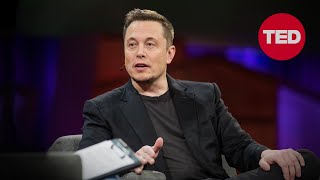 201740:51
 201826:05
 201749:17