2016年4月,马斯克站在奥斯陆的台上,说了一句让全场先笑、后安静的话:下次你在路上看到一辆汽油车,就在车顶上想象一个巨大的克朗符号。
他的意思是,那辆烧油的车拿到的补贴,比路上任何一辆电动车都多。
听起来像电动车公司老板在耍嘴皮子。可他随后报出一个数字:国际货币基金组织(IMF)的研究结论是,全球每年对石油和天然气的补贴至少六万亿美元。IMF 不造电动车,也不属于油气行业,那份研究就是一份经济学分析。
六万亿美元是什么量级?挪威主权财富基金攒了二十多年,规模大约是这个数字的一半多一点。换个说法,全世界每年烧掉的这笔隐性支出,比挪威人几十年攒下的家底还大。
这场对话发生在奥斯陆的“未来交通解决方案”大会上。马斯克开场先感谢挪威,然后跟挪威交通部长对谈,最后开放观众提问。四十多分钟里,他讲了 Model 3 的订单、补贴的真正流向、氢燃料电池为什么在物理上不划算、电池为什么每年只能进步5%到8%,以及他为什么要把电池工厂建成菱形、对准真北。
人均电动车保有量世界第一的地方,在北极圈以北
马斯克开口第一件事是道谢,而且道得挺具体。
挪威是全球人均电动车普及率最高的国家。特斯拉内部把挪威当成极寒天气的先行市场,很多冬季工程测试直接放在那里做。他还讲了一个细节:特斯拉在全球最铁杆的个人客户住在纳尔维克(Narvik),在北极圈以北。这个人买了好几辆特斯拉,自己不独占,让镇上的人随便开。
接着他讲挪威的真正优势。政策补贴排在后面,排在第一的是水。
挪威有巨大的水电潜力,而且这种电力可以做到跟环境在美学上和谐,不破坏当地生态。马斯克强调,配合远距离高效输电线,挪威水电可以供应北欧相当大一部分的电力需求。他的判断很直接:世界从碳氢化合物转型的过程中,挪威可能处在全球最好的位置上。
他还给了技术路径的偏好:不要一上来就修巨型水电站,走中小型、分布式的小水电,对渔业和野生动物的干扰可以压到接近零。
可再生能源的好处是它是一门长期生意,收入来源也是长期的。这一点对资源型国家尤其重要,油气收入会随储量枯竭而结束,水流不会。
一周四十万张订单,一百四十亿美元的预售
讲到 Model 3,马斯克给了一个当天的实时数据:预订量接近四十万辆,按订单金额算大约一百四十亿美元,时间只过了一周多。他称这是历史上任何品类产品中规模最大的一次预售发布。
这个数字值得停一下。2016年4月,特斯拉还是一家一季度交付量不到一万五千辆的公司,一款起售价3.5万美元、要等到2017年底才量产的车,让四十万人先交了订金。市场买的不是现车,是对这家公司能不能把成本做下来的信任。
马斯克自己也承认这条路走得很别扭。他说如果特斯拉第一天就能造出又便宜又好的电动车,那一定第一天就干了。可一家资源有限的小公司,唯一的成功路径是分三步走:
- 先用低产量、高价格的车(Roadster)验证技术、建立品牌
- 再用中价格、中产量的车(Model S、Model X)扩大规模、积累制造经验
- 最后才做可负担、高产量的车(Model 3)
他把 Model 3 定位成“中等收入家庭买得起的车”,设计目标是让大约一半的人负担得起。第四代会有更小的车型,那时才谈得上几乎所有人都买得起。
这套顺序后来被写进特斯拉的官方规划里,反复被引用。它的价值在于承认了一件事:成本下降靠的是两样东西同时发生,设计迭代的轮次足够多,产量足够大。少一样,价格就下不来。
挪威部长的回应:不用禁燃油车,把产品做好就行
挪威交通部长的回应,比马斯克预想的更有分量。
他说挪威的政策确实帮助了电动车的早期发展,可现在有意思的现象是,那些大型传统车企都在盯着特斯拉做什么,并且开始追。他去年11月去过特斯拉的工厂,让他印象最深的,是“我们要改变市场的运作方式,让燃油车即使摆在店里、随时能买,人们也不想去买它”这句话。
“你不需要靠政治家去禁止燃油车。把更好的产品做出来,你就能在市场上赢。”
(挪威交通部长)
马斯克完全同意。他补了一段行业心理史:很长时间里,公众对电动车的印象是慢、丑、续航短,像一台高尔夫球车。所以早期的核心任务不在卖车,在于打破这个印象。跑车 Roadster 证明电动车可以快、可以操控好、可以长得好看;Model S 证明它可以当日常主力车,跟最好的汽油、柴油豪华车正面竞争;到 Model 3,才轮到规模和成本。
六万亿美元的账,和“公平竞争”的真实含义
部长问了一个很实际的问题:还要多久,特斯拉才不依赖补贴和税收减免,能跟燃油车正面打?
马斯克的回答绕到了经济学。
他说很多人没意识到的前提是,每一辆燃油车本身就被重度补贴了。IMF 那份研究不算激进环保组织,也不站在油气行业的对立面,就是一份科学分析,结论是油气补贴每年至少六万亿美元。这里面包括两块:油气公司直接拿到的巨额补贴,以及环境污染造成的负外部性没有被计入价格。
经济学入门课就讲这个:一种产品的使用给环境造成长期损害,这个损害是真实成本。如果这个成本没有被算进石油的价格里,那它在事实上就构成了一笔补贴。
所以补贴电动车的真实目的,是把被拉歪的赛道重新摆平,让电动车去跟一个没有隐性补贴的对手竞争。马斯克给出的政策建议也因此反了过来:与其加码电动车补贴,不如先把油气那笔天文数字的隐性补贴砍掉。
他甚至说了一句立场很克制的话:他不倾向于把油气行业妖魔化。因为如果没有油气,今天的世界会经济崩溃,人会饿死。短期到中期,油气有它必要的位置。真正需要做的是把环境影响正确地定价,然后尽快加速向可持续能源经济转型。转型越快,长期的環境代价越小。
“电动车只是把污染搬到了电厂”:一个必须正面回答的质疑
部长的这个问题问得很到位。怀疑论者常说,电动车只是把排气管从车上挪到了燃煤电厂的烟囱上,欧洲还有大量煤电,挪威自己虽然没有。
马斯克的回应分两层。
第一层是能源结构。这正是他在开场就强调挪威水电优势的原因。车只是能源系统的一个终端,如果电力本身是脏的,电动车的环保账就算不过来。所以真正的题目落在发电怎么变绿上,车怎么变绿排在后面。
第二层是工程可行性。用小水电、分布式水电,可以在不破坏当地环境、不干扰渔业的条件下开发。技术上做得到,剩下的是规划和审美问题。
这段对话的隐含前提,在2016年还不算明显,后来成了整个行业的核心变量:电动车的环保收益,等于电网清洁度乘以车辆效率。挪威这种几乎全水电的电网,电动车从下线第一天就是干净的;煤电为主的地区,收益要打折扣,而且会随着电网变绿逐年改善。
会不会把工厂搬到挪威?答案藏在冬季测试里
部长半开玩笑地问,马斯克是不是在暗示要把生产搬到挪威,用他们干净的电,场地也有。
马斯克的回答很实在,甚至有点抱怨:光是给挪威的销售和售后招人就已经很难了。
然后他给出真实情况。特斯拉的寒区工程确实放在挪威做。任何时间点上都有一批测试工程师在挪威,做寒冷天气的工程验证,确保车辆能应付挪威的冬天。除此之外,特斯拉在挪威的充电基础设施投入很大,人均投资额是全球最高的市场之一。
他还强调开放:特斯拉乐意让其他厂商使用自己的充电系统,没打算建成封闭花园。2014年,特斯拉把专利免费开放给其他车厂。他们还跟奔驰、丰田做过试点项目,帮对方了解电动车的工程细节。
这个姿态容易被读成公关话术。从产业角度看,它解决的是一个真实的先有鸡还是先有蛋问题:充电网络是公共品,一家公司铺不起全世界,如果只有自己的车能用,网络密度永远不够,最后所有电动车的体验都受拖累。
关于公共交通,他只说了一半
部长提到一个城市规划的真问题:挪威想让城市和乡村之间保持流动性,又不想让私家车把城市塞满。特斯拉能不能在公交领域也做点什么?
马斯克的回答留了悬念。他说他们有个想法,不完全是公交车,但能解决市中心的密度问题。紧接着他补了一句:我们需要重新思考公共交通的整个概念,造出人们真的会更喜欢坐的东西。
然后他收住了,理由是怕被媒体断章取义。他说自己经常在这种场合随口一句,第二天上了挪威报纸第三版,国际媒体再一放大,就变成一个大标题。他管这叫“把脚放进嘴里”的坏习惯。
他明确否认了这个东西是超级高铁(Hyperloop)。超级高铁解决的是城市之间的长途,城市内部是另一道题。
这个没说出口的想法,三个月后出现在了特斯拉总体规划的第二篇里,标题是“高载客密度的城市交通”。形态接近小型巴士,可以自动驾驶运行,能进到离目的地更近的地方,而不是把人扔在公交站。至少在他当时的构想里,公共交通的失败感来自体验,票价排在后面。体验让人不想用,便宜也救不回来。
Autopilot 打开,事故概率降一半
谈到自动驾驶,马斯克用的词是“关键,非常关键”。
有人问他公众要多久才会信任它。他的判断反直觉:人们信任自动驾驶的速度会比想象中快得多。
他拿当时车上的第一代 Autopilot 举例,说用户反馈非常好。数据上,以安全气囊弹出作为事故判定标准,开启 Autopilot 时发生事故的概率大约低50%。也就是说,早期版本的安全水平已经接近人类驾驶员的两倍。
真正难的地方在说服力。马斯克认为,要让监管机构和公众接受,需要几十亿公里的真实行驶数据,用统计上说得很硬的方式证明自动驾驶的安全水平显著优于人类。除了统计证据,别的都不够。
还有人问,不同大陆、不同车厂的自动驾驶系统需不需要协同,搞一个统一的枢纽协议?
马斯克认为更可能是各自独立。理由很物理:早期路上自动驾驶车的比例极低,所以每一辆自动驾驶车都必须能处理好大量非自动驾驶车带来的混乱。它得先在一个由人和机器混着开的世界里活下来,单车感知和决策要强悍到能容忍路上其他车都不聪明。这个门槛本身就够高。
这个判断影响很深。它意味着自动驾驶的第一阶段落在了单车的感知和决策上,先要扛住一个所有其他车都不协同的环境,车与车通信那种理想场景还得往后等。
为什么不是氢燃料电池:一道物理学算术题
有人问他,为什么坚定选择电池,而不是氢或者生物燃料。
他先交代了自己的思维底座:物理学训练。他习惯用第一性原理去评估技术,把东西拆到最基本的能量和物质层面。
然后是这道算术。
挪威的水电,本质上是间接的太阳能:太阳把水蒸发、送到高处、变成雨落下来。所以太阳能加电动,在物理学上是一组几乎无解的搭配,链路极短,每一次能量转换的效率都很高。光伏或水电把能量收集起来,充进电池,几乎无损耗,结束。
氢的路径就长了太多:
- 地球上几乎没有可开采的游离氢,只能电解水把它从氧里拆出来,这一步非常耗能
- 拆出来之后要压缩成高压气体或液化,又是一大笔能量
- 装上车之后,还要经过燃料电池把氢变回电
- 最后才能驱动电机
把全链路效率乘起来,燃料电池系统的理论最优情况,就已经比纯电差至少一倍。而技术从来达不到理论最优,实际落地大概是比“太阳能加电动”这条路差200%到300%。
他补了一个前提:如果存在现成可用的氢源,不用从水里或碳氢化合物里制取,那燃料电池车才有可能成立。问题是那种氢不存在。
这段论证的方法论价值超过结论本身。他不用“氢能战略”“产业生态”这类词,只问一个问题:从原始能量到车轮转动,中间经过几次转换,每次损耗多少。把乘法算完,答案就出来了。
电池每年只进步5%到8%,所以他要造一座城
提问的人来自机场运营方,问的是电池容量什么时候能翻倍甚至翻三倍,从85千瓦时跳到100千瓦时只是小步走,大跃迁在哪。
马斯克的回答,大概是全场最不讨喜的一段。
他说电池技术是人类历史上最难的工程问题之一。无数聪明人试过,爱迪生试过,特斯拉本人也试过,都没成功。做电池本质上是在跟热力学定律硬扛。
真实的进步速度是多少?能量密度每年大约5%到8%,成本每年改善差不多的幅度。
年化5%到8%,意味着十年翻一倍多一点。这跟消费电子行业的摩尔定律完全不是一个节奏。指望电池出现一次翻三倍的技术跃迁,等于指望物理学改规则。
所以特斯拉的解法不在化学,在制造业。超级工厂(Gigafactory)的目标是把规模经济推到极限,同时把供应链从头到尾捏在一起:原料从矿上装火车运进来,另一端出来的是成品电池包。垂直整合加上极致规模,能把自然进步速度放大,让成本改善达到每年30%左右。
他还给了一个产能对比:这一座工厂的电池产量,会超过全世界所有其他电池工厂加起来的总和。
这也解释了一个常被误解的产品顺序。为什么先做 Model X 而不是先做 Model 3?因为在便宜的车出来之前,必须先把超级工厂建起来,把电池成本这道关卡打通。用他自己的话说,得先修路,再发车。
菱形、真北,和一座工厂的浪漫
超级工厂建在内华达沙漠。马斯克说它在能源使用上设计成中和的:屋顶和周边用太阳能和风电,温度调节用地热,因为沙漠里没有水电。电池工厂有个天然优势,它自己就是储能装置,可以把白天发的电存起来,让整座工厂7×24小时运转,最终甚至可能向电网倒送电。
然后他讲了个跟效率完全无关的细节。
工厂的形状是菱形,并且对准真北。
“施工队的人问我,为什么要这么搞。我说,给这些事情留一点浪漫和情怀吧。”
(马斯克)
这句话放在一堆效率数字中间,显得很不搭。它解释了这个人做事的动力来源。设计一座占地几十平方公里的工厂,工期以年计,如果唯一的激励是成本曲线,很难撑到最后。对准真北不产生任何经济收益,它产生的是一句“这东西值得做”。
不该妖魔化石油公司,但要把外部性算进价格
最后一个问题很尖锐。挪威的福利模式建立在油气收入上,他们准备在巴伦支海继续钻探,问马斯克怎么看。
他的回答没有站在道德高地上。
他同意部长的判断:短期到中期,油气有不可替代的作用。可持续发电和电动车都还在早期,产能爬坡需要时间。在这个过渡期里,油气短缺会直接导致经济崩溃。
但他把问题拉回到定价机制。市场机制在价格正确的时候运转得非常好。如果石油和天然气的价格里没有包含环境影响,那这个价格就是错的,差额就构成事实上的补贴。
所以正确做法落在给那个没有被定价的外部性标上价,然后尽可能加速转型这一件事上。他不愿意把油气公司当成敌人,只愿意把错价看成问题。转型越快,长期的环境损失越小。它属于工程问题,跟道德判断无关。
“我想死在火星上,只要不是撞击着陆”
主持人最后提了那句著名的话,问他离“撞击”还有多远。
马斯克解释了上下文。当时有人问他打算什么时候退休,他说自己没打算退休,但等到年纪大到干不动的时候,应该退。那时候去火星退休挺酷的。
“如果总要在某个地方死去,死在火星上会是个不错的结局。”
(马斯克)
原话里的“不是撞击”,指的是别在着陆时摔死。这句玩笑背后是一整套逻辑:他判断人类文明需要成为多行星物种,而这件事必须有人先把交通工具做出来。所以在他那里,火箭和电动车属于同一件事的两个部分,一个把地球的能源结构换掉,一个给文明留一份备份。
回到那六万亿美元。这场对话里最容易被记住的是 Model 3 的四十万订单,可真正改变行业认知的是那笔账:燃油车从来不是自由市场竞争的赢家,它只是把成本转嫁给了没在场的人。把账算清楚,电动车要做的只剩一件事,把产品做好。
- 评估任何技术路线,先算全链路效率。从原始能量到最终做功,中间经过几次转换,每次损耗多少,把乘法做完再谈战略。燃料电池和纯电的差距,是一道算术题,不是立场题。
- 看清补贴的真实流向。讨论一个行业是否“靠补贴活着”之前,先查它的负外部性有没有被计入价格。没有被定价的污染、拥堵、健康损害,全都是隐性的财政转移。
- 遇到“这不可能”的判断,先问它卡在物理还是卡在成本。卡在物理的(电池能量密度、热力学极限),只能等,靠每年5%到8%的复利;卡在成本的(规模、供应链、良率),可以靠工程和资本强行突破,超级工厂存在的理由就在这里。
- 用数据说服监管,别用愿景。想让一个新系统被接受,需要的不是演示视频,是几十亿公里的统计证据,证明它在最坏情况下也比人类可靠。安全气囊弹出率这类硬指标,比任何宣传都有用。
- 把基础设施开放出去。充电网络、专利、接口标准,这些是公共品属性很强的东西。一家公司独占到头来会限制整个品类的体验上限,开放短期让出优势,长期做大蛋糕。
- 去最极端的环境做验证。挪威的冬天是特斯拉最好的试验场,北极圈里的用户是最严格的产品经理。找那个最苛刻的场景,把产品扔进去,比在理想环境里跑一万次测试都有效。
- 接受“分三步走”的慢。低量高价、中量中价、高量低价,这个顺序看着笨,它承认了成本下降需要设计迭代次数和产量同时到位。想跳过中间步骤的,通常死在第二步。
0:04alright well thank you for everyone for coming it's the worst pleasure to be in no way I always have a great time I always look forward to to visiting and in fact on this visit to europe I'm only in a way this is I'm just coming for you so I think I'd like to just express a word of appreciation thanks for the
0:34support of Norway for electric vehicles and being the leader in the world on a per capita basis for the adoption of electric vehicles I think everyone in Norway should be incredibly proud of that fact i think that's that's wonderful and at Tesla we actually I can sort Norway to the Pioneer particularly for cold weather activity and it remains
1:02the case that our top individual customer in the world it lives in Narvik so obviously it's above the Arctic Circle and he's a such a big fan that he bought a bunch of Tesla's and he's just letting the townspeople use them whatever they want so great guy so let's see I think for you know thinking clear both sides of the energy equation there's sustainable energy generation and the sustainable energy consumption so on the one side Norway has a tremendous structural advantage with
1:51with the fields and being able to generate immense amounts of hydropower and that's something that I think that can be done it in a way that's aesthetically in harmony with the environment and doesn't disrupt the local ecology and I think this immense growth potential a really immense growth potential in Norwegian hydropower which
2:18when combined with long distance high efficiency power lines and actually supply a very significant portion of Northern Europe's electricity needs so I think you know as the world transitions away from hydrocarbons Norway's actually it in an excellent position maybe the best position of any country in the world to ramp up sustainable power
2:50generation and and a tent and then the great thing about sustainable power is that it's a long term industry and long-term revenue source so I think people know we should feel very optimistic about the future as the world transitions away from away from higher hydrocarbons and yeah so I think doing
3:24great sort of bleeding into single power generation leading in sustainable transport noise doing an amazing job and its leader in the world so you know it's sort of like where the graduations is an order and people should feel great really great about that let's see in the looking into the future on the transport side obviously it's incredibly important that we achieve affordable electric cars
3:58Tesla recently announced the model 3 which is a much more affordable EV actually got tremendous amount of interest from Norway redlines at our stores I chose the level of interest so really looking forward to producing a great affordable electric car which is which has been Tesla's mission from beginning so if we could infect it if we could have produced a great affordable electric car on day one that's absolutely what we would have done but but the only way to success was for small company with limited resources where's to start off with a low volume high priced car go to a mid-price mid volume car and ultimately to an affordable high volume car and that's
4:49what we're sort of getting to step three which is obviously vital to have a real effect on the world so the the model 3 the Affordable ettrick car is has really been the dream of Tesla from the front beginning and and we had the product launch a few days ago a few weeks ago I mean and the interest level actually it's priced even as we had we're now
5:20almost 400,000 orders for the model 3 which actually makes it the in terms of pre-orders the highest the base the biggest product launch of of any any kind of car or otherwise in history because it's sort of on the order of 14 billion dollars worth of car orders in a little over a week so I think that that
5:52that's great and it shows that people have a lot of faith that we can going to produce a great affordable electric car and I think they're right I think this car is going to be great for middle-class families and so I can't wait to bring that to Norway so I'd like to give a word of thanks also to the the
6:20people of people in Norway who have for a long time fort for sustainable transport and sustainable energy I know that people that have been fighting for over 30 years to support electric vehicles and sustainable energy and south I say thank you to those people and we wouldn't be where we are in no way today without their support and you know just the general thank you to the Norwegian people and the New Eden Norwegian government for the support of electric vehicles yeah so I have a phrase
7:03frequently say witches I love Norway and so yeah so thank you for your support and like I said my message is very simple which is no Europe Norway has a trance opportunity probably the best opportunity of any country in the world for sustainable energy production and needs to go down in a thoughtful way such that it's just it's aesthetically appealing blends into the local environment and doesn't disrupt the local fisheries and wildlife which i
7:40think is very doable and i think that's that's a very exciting future for the country see but i think that's that's mostly what i wanted to say and i think we're going to go into a QA and so will do sort of a back-and-forth conversation and then if there's anyone in the audience who wants to ask questions of
8:08any kind then i'd love to hear your questions I think it's always good to get it back and forth going with with the audience all right thank you would you prefer small questions from the audience now or should we go down with the minister and yeah let's turn with the minister had that discussion and then turn it to audience questions thank you all right okay hey that's me
9:06well mr. Minister let me ask by asking you he's saying thank you to Norway and that we are in such a special global position to to be the sort of for running country what's your initial reaction to that well I'm glad if we're Norwegian Policy Center we can consumers police have aided the development of the new products electric cars I'm also glad to see though that many of the big car producers are looking at what you're doing and are trying to compete nothing is quietly and without ready yeah however what impressed me when I visited your factory in san francisco in november last year was not the idea would with the people saying that we're going to produce a better car but it's
9:54also the idea that by doing this we're going to change the world we're going to change the way business works we're going to change the way the market works by producing not not by trying you know they don't inflate with me you have to ban the electrical know that the fossil fuel car the idea was that well the fossil fuel card that's meeting the demands today the necessity for mobility however we're going to produce the next product the better product which means that even with the fossil fuel cars being available people are not going to want to buy them yeah and that's where i think you know ship shown that you however getting a little bit of
10:32government from around the world you're going to beat the competitors in the marketplace not by having politicians bad they compare competition I agree it totally agree a phosphate Tesla from the beginning has been to show that an electric car if it's designed well can actually be better than an internal combustion car and you know for a long
10:58time people one of the impression that electric cars had to be slow not good looking low range kind of like a golf cart and so it was extremely important to to break that misperception to change that misperception and I think with the sports car throws we're able to show you can actually have a fast electric off good handling long range that looks good even though it was very expensive and then with the Model S we're showing you can actually have an electric car as a daily driver and has Anakin compete against the best of the the gasoline or diesel premium of v's and now with the
11:43model 3 we're a third generation with much higher state economies of scale we've got the gigafactory and we've got the much high-volume production line and there are really two things that are necessary to achieve a compelling mass-market product you need to have multiple design iterations and you need economies of scale so I think we're finally taking a long time and it's been a difficult journey very difficult journey but I'm super excited about being able to reduce a car that that most people can afford and it'll be future cars that that are you more affordable down the road but with
12:32something like the model 3 it's it's designed to be able to achieve it's designed such that happily half of people can afford the car then with 4th generation and smaller cars and whatnot will ultimately be in the position where I think almost everyone can afford the car but if I may when you look in the future how long until you really don't care about government policies when it comes to subsidies or tax deductions where where the project is affordable enough that you compete head-to-head with the fossil fuel cars yeah I think that's an excellent question but the thing that I think people don't totally appreciate is that every fossil fuel car is quite
13:17heavily subsidized it may not seem like that bit but it is so if you if you see if you look at like the IMF study the IMF you know which doesn't have any acts declined one or the other that doesn't make electric cars and they're not part of the oil and gas industry is just a scientific analysis they concluded that the subsidies to oil and gas are at
13:42least at least six trillion dollars per year and I think most people don't don't realize that and so every time you see a gasoline car going down the road imagine a big kroner sign on up on top of that car okay exactly it if it's heavily subsidized because of the the both the direct subsidies that the oil and gas companies get which are enormous and the
14:16subsidy on the negative effect of the environment so what we effectively have this is economics 101 oh you know black basically every every economist would agree with this is that whenever you have an unprofessional attend czyli in where the use of a product causes long-term damage to the environment that that's that that is a true cost and if that cost is not incorporated into the price of put petroleum then effectively it's a
14:55subsidy so just so it's real important to to appreciate this because I think a lot of people just don't even know the the level of subsidies that oil and gas and and it gets it gets in the world it's really but I figure that is so large that it's difficult even comprehend so the the what what the
15:18subsidies and incentives are really intended to do is to even the playing field to you in the playing field between the tremendous subsidies and incentives that oil and gas gets compared to getting electric car so so the really the thing to do is to try to eliminate the gigantic incentives for
15:42for for gasoline or for oil and gas in order to get that in order just to compete on a level playing playing field are you happy with the level of subsidies right now mr. minister I think the level of subsidies will be different from country to country when you look at some other countries where you really subsidize fossil fuel gasoline diesel course that's not that's not the direction we want to go into you yeah however what I want to you to expand a little bit on this one when skeptics talk about the electric car they say well you remove the pollution from the car but you move it into the cowl called power plant instead so we have a lot of
16:27coal power plant Norway does not -huh but from a European scale you know because if we're going to change the world and not know just Norway you have also you know how do you make the energy production greener and niche is not just the car which is exactly why I emphasized in my toe knowing has a tremendous geographic advantage with
16:51hydro power Mike said it should the hydropower should always be done in a way that fits that fits in aesthetically with the local environment and that doesn't disrupt local fisheries and that kind of thing which it can be done particularly if you go with sort of micrograms or small small downs you know so it's not like a giant hydroelectric plant but it's sort of sort of a small it's a series of sort of of micro hydro plants those can be done with no disruption to the to the environment mr.
17:27musk are are you implying here that you might consider moving the production of of Tesla to Norway are using our clean power we do have space available you know the hook well I have to say even
17:50just hiring people for sales and service in Norway has been hard the yeah the we'll talk in the day you know what the estimation may be filled I know this but we do our our cold weather engineering in in Norway I don't know if you know that but so there's actually at any given point there's a lot of test engineers in Norway doing cold weather
18:26engineering and testing and validation and making sure that the car works well for Norwegian winter and so we actually do have a lot of activities in Norway and also we've invested a lot in EV charging infrastructure and we've also said that we're happy to have other manufacturers use our charging systems so we're not trying to create a walled garden I we really tried doing our best to help other manufacturers as much as possible last year we made our patent freely available to other car companies and we've done pilot programs with Mercedes and Toyota four V's to sort of get them educate on on electric vehicles so doing our best to be a good sportsman now and to
19:17facilitate the advancement of of sustainable transport and but yeah I really want to emphasize like outside of us Tesla's investment per capita is actually the highest in no way yeah but you're doing it from tremendous job and showing industry that you can make greener cars however when we look at developing our country we want mobility between the cities in the countryside however we also want to avoid overcrowding the cities with person cars you've done a tremendous job to to kind of remove pollution from the cars driving in the city spot which makes a big difference on health it does however can we expect test also to help revolutionize mass transit when it comes
20:09to buses if we can have more people drive their Tesla or electric car two hubs outside the cities but still go mass transit into the cities we will do something with the pleasantness of the city with we have an idea for something which is not exactly a bus but would solve the density problem for the
20:32inner-city situations I think we need to actually rethink the whole concept of public transport and create something that that is like people actually going to like a lot more I don't want to talk too much about it because sorry are you talking about the Hyperloop no no no the Hyperloop is great for going between cities but I'd be careful what I say
21:00these days you're among friends firstly I you know what'll happen is I'll I'll I'll make an offhand comment in you know was it with a group like this and and then it'll be like a small you know maybe it like page 3 of an article in the Norwegian newspaper then international press will seize on that and turn it into a big headline so put my foot in my I mean unfortunately you're thinking about my bad habit of putting my foot in my mouth unfortunately but but what I don't think Oh mag dantdm I but I very much agree with solving the high-density urban transport problem and and I think there's this is a new type of car or
21:49vehicle that I think would be really great for that and actually take people to their final destination not just at to the bus stop which i think is great and then someone is where do you see autonomous vehicles in this autonomous vehicles are key its key key and will people trust it or how long till people will trust it I think people will trust it surprisingly quickly the feedback we've gotten from our autonomous version
22:201 which is in Tesla's today has been extremely positive and when we look at the data I mean this is a real interesting fact of cars that with if the autopilot is turned on or off you'll probably it take the probably of having an accident is fifty percent lower if you have autopilot on even with our first version so we can see basically the how many kilometers what's the
22:52average number of kilometers turn it to an accident accident defined by airbag deployment and it's and even with this early version it's it's almost twice as good as a person but but to have this work in a society where you have a lot of different automakers from different continents how important will it be for them to cooperate to make kind of a hub multi nized system or or is really every
23:23car going to be independent so it doesn't matter what kind of system you have in the other car it's more like I think it's more likely to be the latter because in the beginning the percentage of autonomous cars will be very low so it's it's critical for the tunnels try to be able to handle a large number of non autonomous cars as good at really with a safety level higher than a human driver that's the threshold and I think it's going to be important in terms of satisfying regulators in the public to show statistically with a large amount of data with billions of kilometers of driving to say that the safety level is definitively better by a meaningful
24:07meaningful margin if its autonomous versus not autonomous I think that's the really the thing that will be convincing when if I may if when he's decided to kind of start to try to change things why did you choose battery-electric as your source of drivetrain why not hydrogen or why not just go with biofuels well my main training and
24:32mindset is that of a physicist so I tend to think of things in a very sort of kind of physics framework because I think that's like the best framework for critical thinking and for evaluating technologies at a fundamental level and I mean even when as in college it was very obvious to me that electric was the right path because the fundamental efficiency of MN solo being the isola in
25:01the case of norway hydro which is effectively indirect solar you know the Sun is really vibrating water raining and so that's it sort of in a form of indirect solar but Isola is some soul solo + electric is an unbeatable combination for first principles physics level for having the most efficient sustainable system and I
25:31mean to me this is as obvious as day and night the now if there was a readily available source of hydrogen that wasn't bound up in water or bound up in hydrocarbons then there would be the possibility of a fuel cell vehicle but if your cell vehicle relies on hydrogen so the only way to get the hydrogen is to electrolyze water and split the hydrogen and oxygen apart which is a very energy intensive and inefficient process and then once you've split the hydrogen off you've then got to compress it or render it to liquid form which also takes a tremendous amount of energy there you go to store it and and and
26:25then once even once it gets in the car it then has to go through a fuel cell power plant to get turned into energy and only then can they that energy be applied to your electric motor so if you look at the total cycle efficiency of a fuel cell system it is at least twice as bad well it's theoretical best case is
26:51twice as bad as electric in terms of the the energy cycle that's if the technology is perfect then the technology is not perfect so it ends up being maybe 200 to 300 percent worse than solar a solar electric alternative because of the solar electric alternative uses it's dead simple and and the energy transfers are very high efficiency essentially collect power from the Sun or from hydro atom and then you charge a battery pack which with almost no energy losses and that's it you're done perhaps we should open for some questions from the audience now time flies really quickly so please keep your questions brief and precise there's
27:35a there's a microphone somewhere it's over there please introduce yourself and Bob oh sorry talk for Peterson oven or a airport operator but this is all about the airport is about batteries what we see all I mean talk about Tesla and SpaceX impressive but what about the battery technology we see that Tesla is moving incremental from 85 to 90 and 95 maybe 100 but when really see a giant leap in this double or triple the capacity of the batteries that you already had is that coming soon on I have to say that battery technology is one of the most difficult technological problems in history I mean so many smart people in the course of history have
28:36tried so hard to improve batteries and you're really just fighting the laws of thermodynamics very very hard in creating a battery you know I mean Edison it was great inventor tried super hard and he didn't succeed and many many very you know Tesla try himself tried and didn't succeed some of the smartest people in history have tried very hard what what actually tends to happen with batteries is that the improvements tend to be maybe five to eight percent per
29:19year in energy density and then an approximately that improvement in cost now with the gigafactory where we're trying to take economies of scale to the maximum limit in order to reduce the costs even further just just by having economies of scale and a look and and having a tightly integrated supply chain that goes from raw materials coming in from on rail cause from from mines and out comes a completed battery pack that this is the most efficient we're taking that like the book that the fundamental economic efficiency is to to the maximum which is why I think that in addition to the natural progression of batteries in
30:07energy density and cost of five to eight percent with the gigafactory we can actually amplify that to as much as thirty percent which is very important for achieving the affordable car and that's what's the reason why we did the Model X before during the model 3 is because creating the gigafactory wish
30:32that which this have a lot of advanced technology in it because it's going to be making the more batteries of the gigafactory than the rest within the rest of all world combined so if you add up every battery factory in China Japan Europe anywhere combine this one factor that we're building will produce more battery output than all of them together and i want to emphasize it's designed to
30:56be energy neutral in its energy usage so we're using a combination of solar wind and geothermal and where we are in the Nevada desert there's not a lot of hydro that there is in Vegas because you have to give a damn but not not where we are but using geothermal for temperature conditioning of the factory particularly and then wind and solar for the rest of the factory of course it's a battery factory so we can buffer the energy so we can go 24 7 with a factory that generates its own energy and might actually end up generate additional energy to give back to the grid and I mean for sentimental reasons
31:47I also care about the aesthetics of the the battery factory so it's it's a it's shaped like it shaped like it like a diamond and aligned on True North make construction guys like what do you why are we doing that it's like have some romance and sentimentality in these things one more question where's the way
32:13and we love hearing that but Norway is based on them are in common from oil and gas now we will be drilling for more oil and gas in the barents sea to preserve their welfare state I would like to hear what is your point of view on this sure well I agree with the minister in that there is actually a necessary short
32:41to medium-term role for oil and gas because the sustainable power generation and electric vehicles are still at the early stage and takes time to scale up and get to high volumes so the the real thing that really that that's that's important is 40 hydrocarbons is to correctly price the the unpriced
33:15externality of the impact on the environment so market mechanisms work very well when the pricing is correct but if the pricing does not of oil and gas does not include the environment environmental impact that that is a de facto subsidy and so so I mean I'm I'm sort of just inclined to vilify the oil and gas industry because if we didn't have them then we would have economic collapse and people were starving to death yes it is very necessary in the short term and it's just it's just that we
33:57need to be taking the steps to accelerate the transition to a sustainable energy economy in Norway and throughout the world as quickly as possible and the faster we do that the better of the world will be and the lower will be the long-term environmental impact we're running out of time I'm afraid if I can just ask you towards the end that you famously said that I'd like to die on Mars just not on impact how far are you away from that from impacting yeah sure so I mean
34:36that that that was actually prefaced by it somebody asked me when I was going to retire and I said like well I don't really plan to retire I mean hopefully you know at some point when I'm you know too old to do a good job then obviously I should retire and then it would be kind of cool to retire Mars and this is
34:55Mars but you know not I mean if you're going to die somewhere you know it would be cool to dynamite that's a nice ending actually mr. musk thank you so much for coming mr. Minister thank you for joining us here on stage thank you
资源与出处
- 视频在 YouTube 收看
- 档案silicon-valley.tech 档案页本页视频与文稿数据来自 Elon Musk Archive
- 精读本篇精读 Markdown 版
相关视频
同频道、同主题或相邻年份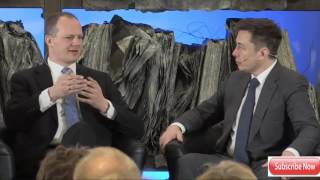 201633:41
 201633:39
 201740:51