2022年6月21日,纽约时间凌晨三点,马斯克出现在卡塔尔经济论坛(Qatar Economic Forum)的视频连线里。多哈现场坐了三百多人,房间挤爆,彭博(Bloomberg)的镜头切过去时,他那边是深夜。彭博新闻总编辑约翰·米克尔思韦特(John Micklethwait)坐在台上,对面是一块屏幕。
这场对话持续了半个多小时。马斯克谈推特(Twitter)收购、谈衰退、谈特斯拉(Tesla)裁员、谈中国、谈政治。他的回答有时候很短,短到像在审慎地拆炸弹。米克尔思韦特后来在节目里说,凌晨三点采访一个人,几乎像“审讯技巧”,但有效,因为拿到了答案。
马斯克开场就把法律风险挂在嘴边。他说,关于推特交易,公开能说的有限,这是敏感事项,他会措辞谨慎,避免产生“增量诉讼”。他还补了一句,减少 deposition(证词采集)很重要。这话听着像玩笑,实际是认真的。一个正在收购上市公司的人,每一句公开表态都可能被对方律师拿去做证据。
这场访谈的价值就在这里。马斯克没有宣布什么惊天动地的新计划,他把已经说过的立场又确认了一遍,但确认的方式暴露了交易的真实状态:推特收购卡在三道闸门上,衰退判断变成他所有决策的背景音,特斯拉裁员被媒体标题简化成一个他不得不反复澄清的数字。
推特交易的三道闸门,没有一道是“价格”
米克尔思韦特问,推特给够信息了吗。马斯克说,还有几件事没解决。
第一件,推特上虚假和垃圾账号的数量是否真的低于5%。这是推特在财报里长期使用的估算。马斯克的原话是,这大概不是大多数人在使用推特时的体验。他说团队还在等这个问题的答案,而且这是“非常重要的一件事”。
关于系统中虚假和垃圾用户的数量是否低于推特声称的5%,我想这大概不是大多数人的体验。我们仍在等待这个问题的解决。这是一件非常重要的事。(马斯克)
第二件,债务融资部分能不能凑齐。第三件,股东会不会投票赞成。马斯克说,这三件事解决之前,交易无法完成。
价格这个词没有出现在他的清单里。但米克尔思韦特在访谈后的点评里说,马斯克对价格有“躁动感”。这种躁动来自两个地方。一个是对推特真实数据的怀疑,另一个是市场环境变了。米克尔思韦特打了个比方:你可能很喜欢一栋房子,想搬进去住,但如果周围所有房子突然贬值20%,你也会觉得自己该拿点折扣。
这个比方解释了马斯克为什么一边谈推特愿景,一边又显得不那么热情。他在访谈里说得很远,说要把推特的用户规模做到北美80%、全球一半,但他同时把交易拆成法律和财务清单。一个真正急着交割的买家,不会在凌晨三点反复强调“避免增量诉讼”。
马斯克说“债务部分能不能凑齐”,这句话在2022年6月的市场环境里分量很重。美联储刚刚加息75个基点,科技股和成长股被大面积抛售,杠杆融资市场接近冰封。推特收购的债务承诺来自几家大银行,银行愿不愿意按原条件放款,当时没有人能打包票。马斯克把这个不确定性公开说出来,等于告诉市场:交易还没到板上钉钉的地步。
他给推特画的饼:北美80%,全球一半
米克尔思韦特问,推特应该让谁进来,有没有限制。马斯克的回答很理想主义。他说,他对推特的期望,或者说对“数字城市广场”的期望,是尽可能包容。
理想情况下,我希望北美80%的人,也许全球一半的人,最终能以某种形式使用推特。(马斯克)
这个数字很大。推特当时的日活跃用户大约2.3亿,月活跃用户不到4亿。北美80%的人口接近3亿,全球一半是40亿。马斯克没有给时间表,也没有说怎么做到。他给的产品目标很清楚:让推特变成大多数人的日常工具,别停在少数人的辩论场。
但他马上补了一个前提。平台不能让人感到不适或被骚扰,否则人们就不会用。这句话把“包容”和“安全”放在一起,也暴露了矛盾。要吸引大多数人,推特需要内容审核;要兑现“言论自由”的承诺,推特又得放松审核。马斯克在访谈里没有解释这个矛盾怎么解,他只说了结果:如果用户觉得不舒服,他们就会走。
这其实是在对广告主喊话。推特的收入大头是广告,广告主要的是品牌安全。一个充满骚扰和仇恨内容的平台,用户会走,广告主也会走。马斯克说“不能让人感到不适”,等于承认推特不能变成绝对无政府状态的言论场。但他没有说会保留哪些审核规则,也没有说会恢复哪些被封禁的账号。他留了空白。
中国问题,他用一句“推特不在中国运营”切开
米克尔思韦特问了一个很尖锐的问题。特斯拉是中国市场上增长最快的外资车企之一,马斯克曾谈论中国未来可能占特斯拉销售的三分之一。现在他要买推特,一个“自由言论的公共论坛”。中国历史上对自由言论并不热情。他会不会担心,买推特会让他和中国的关系出问题。
马斯克的回答很干脆。推特不在中国运营。中国没有试图干预美国媒体的言论自由,至少据他所知是这样。他不认为这会成为问题。
推特不在中国运营。中国没有试图干预美国媒体的言论自由,据我所知没有。我不认为这会成为一个问题。(马斯克)
这个回答把两件事切开了。特斯拉在中国有工厂、有市场、有供应链,推特在中国没有业务。既然推特不进入中国,中国的内容审核体系就不会和推特产生直接冲突。马斯克没有承诺推特会进入中国,也没有批评中国的互联网管理。他选择了一个最省事的说法:两个业务不在同一个司法管辖区里。
这个切割术背后是跨国商业的现实。特斯拉上海超级工厂在2022年承担了特斯拉全球产量的一半左右,中国市场对特斯拉的销量和利润都很重要。马斯克不会为了推特的意识形态承诺去得罪特斯拉的第二大市场。他在访谈里没有说“推特会遵守中国法律”,因为推特根本不在中国运营。他也没有说“中国应该允许言论自由”,因为他不需要回答那个问题。
但这个问题并没有消失。推特如果要在全球扩张,总会遇到各国内容审核的法律。马斯克说“数字城市广场要包容”,可不同国家对“包容”的定义不一样。他在访谈里没有碰这个难题。他只用“推特不在中国运营”把眼前的问题挡了回去。
衰退判断:拜登说不必然,马斯克说更可能
访谈当天,美国总统拜登刚刚表示,美国衰退“并非不可避免”。米克尔思韦特把这句话转述给马斯克,问他怎么看经济。
马斯克的回答分两层。第一层,衰退在某个时点不可避免。第二层,近期出现衰退,概率高于不出现。
我认为衰退在某个时点不可避免。至于近期是否会出现衰退,我认为更可能而非更不可能。这当然不是确定的事,但看起来可能性更大。(马斯克)
他唱衰经济早有前情。6月初,他给特斯拉高管发了一封邮件,说对经济有“超级糟糕的感觉”,要求暂停全球招聘,并削减约10%的员工。那封邮件被泄露后,特斯拉股价跌了一波,也引来了一场关于裁员通知的诉讼。米克尔思韦特在访谈里直接问他,是否还坚持那个判断。马斯克说,是的。
米克尔思韦特在访谈后的点评里说,马斯克和拜登的分歧很直白。拜登说“没有什么是不可避免的”,马斯克说“衰退在某个时点不可避免”。米克尔思韦特自己补了一句:马斯克说得对,没有什么是不可避免的,但近期衰退确实更可能。
这个判断直接影响推特交易。如果衰退来了,广告市场会收缩,推特的收入会承压,债务融资会更贵,股东投票的不确定性会更大。马斯克在访谈里没有把衰退和推特价格直接挂钩,但米克尔思韦特替他把逻辑说出来了:周围房子都降价了,买家当然想重新谈价。
特斯拉裁员:10%指的是受薪员工
米克尔思韦特追问裁员数字。他说,马斯克一开始说特斯拉要裁10%的劳动力,后来说裁10%的受薪员工,再说受薪员工人数持平、总人数会上升。到底哪个数字是真的。
马斯克的澄清很具体。特斯拉将在未来大约三个月内,把受薪员工减少约10%。小时工继续增长。公司结构大约是三分之二小时工、三分之一受薪员工。所以受薪员工减少10%,折算到总人数,大约减少3%到3.5%。
特斯拉将在未来大约三个月内把受薪员工减少约10%。我们预计小时工队伍会继续增长。我们在受薪员工这块增长得非常快,有些领域增长得有点过快了,所以需要减少受薪员工。我们大约三分之二是小时工,三分之一是受薪员工。所以受薪员工减少10%,大致只相当于总人数减少3%到3.5%。(马斯克)
这个细节很重要。媒体标题写“特斯拉裁员10%”,读者以为十个人里走一个。实际比例是三十个人里走一个左右。马斯克还说,他预计一年后总人数会更高。这句话被市场听进去了。访谈当天,特斯拉股价盘前涨了约3%。
但裁员本身不是小事。受薪员工集中在工程、管理、行政岗位,裁掉10%会影响项目推进速度。马斯克说“某些领域增长有点太快”,这句话暗示特斯拉在2020年到2021年的扩张期招了太多人。现在要收缩,但保留生产线上的小时工,因为车还是要造。
还有一个背景。马斯克在6月初的邮件里说“暂停全球招聘”,但特斯拉的生产岗位一直在招。这说明他说的裁员属于结构性调整,白领岗位瘦身,蓝领岗位继续扩张。这个区别在访谈里被他说清楚了,但标题没有。
政治:他给共和党初选候选人站台,但不肯排除特朗普
节目开场时,主持人提到马斯克最近公开支持共和党初选候选人,还问他是否会在下次总统选举中支持某个人。访谈里,米克尔思韦特把问题聚焦在佛罗里达州州长罗恩·德桑蒂斯(Ron DeSantis)身上。
米克尔思韦特的解读很直接。商界对拜登不满意,认为特朗普是负担,德桑蒂斯就是“更理智的包装”。他商业友好,不像特朗普那样反复无常,商界愿意忽略他在社会议题上一些不够自由派的立场。马斯克没有否认这种解读。他有机会说“我不会支持特朗普”,但他决定不这么说。
他有机会说不会支持特朗普,但他决定不这样做。(约翰·米克尔思韦特)
这个“不否认”本身就是信号。马斯克在2022年中期选举前公开转向共和党,理由是民主党被工会和激进活动人士控制,共和党更接近他的中间派立场。但他没有正式背书德桑蒂斯,也没有和特朗普彻底切割。他保持模糊,因为模糊保留选项。
政治立场和商业利益在他身上分不开。特斯拉在得克萨斯州有工厂,SpaceX在得州有发射基地,得州和佛罗里达都是共和党主政的州。马斯克本人从加州搬到得州,部分原因是加州的税收和监管。他支持共和党初选候选人,和他把公司往红州搬是同一套逻辑。
但总统选举是另一回事。德桑蒂斯当时还没有宣布参选,特朗普仍然是共和党基层最有影响力的名字。马斯克不排除特朗普,也不明确站德桑蒂斯,等于把筹码留在桌上。米克尔思韦特说,这并不奇怪,商界很多人都在往德桑蒂斯那边靠,因为“同样的效果,更理智的包装”。马斯克只是没有把话说死。
米克尔思韦特眼中的马斯克:要么全情投入,要么完全不
访谈结束后,米克尔思韦特在彭博的节目里被问,马斯克今天有什么不一样。他说,你永远不知道会得到哪个版本的马斯克。他要么全情投入,要么完全不。今天他心情不错,回答很放松。
这个观察和访谈内容对得上。马斯克在谈推特交易时谨慎,谈衰退时直接,谈特斯拉裁员时具体,谈中国时简短。他没有表现出对推特的热情,也没有表现出对政治的回避。他像一个在凌晨三点被叫起来回答问题的人,知道每个问题背后都有法律和市场的后果。
米克尔思韦特还说,凌晨三点的采访几乎像“审讯技巧”,但有效。马斯克在纽约时间是凌晨三点,多哈是上午。他坐在视频前,背景简单,语速不快。有些回答重复了两三遍,比如“更可能而非更不可能”。这种重复来自措辞控制,跟结巴无关。
一个细节是,马斯克在访谈里多次用“我想”“大概”“据我所知”这类限定词。谈中国时,他说“据他所知,中国没有试图干预美国媒体的言论自由”。谈虚假账号时,他说“这大概不是大多数人的体验”。谈衰退时,他说“不是确定性”。这些限定词把表态变成风险评估,远离宣言式的口气。
数字城市广场的悖论:包容和舒适很难同时最大化
马斯克对推特的愿景可以总结成一句话:让尽可能多的人上来,但别让他们被吓跑。这句话听起来合理,做起来很难。
“尽可能多的人”意味着降低使用门槛,减少封禁,允许更多观点存在。“别让他们被吓跑”意味着要清理骚扰、仇恨和垃圾信息。内容审核的天平在这两件事之间来回摆。你放松审核,少数用户会制造大量噪音,普通用户会离开。你加强审核,被封禁的用户会骂你压制言论自由。
马斯克在访谈里没有给规则。他只给了目标:北美80%,全球一半。这个目标要求推特主流化。主流化要求平台不能让普通用户感到不舒服。所以马斯克说“不能让人感到不适或被骚扰”,其实是在向主流用户和广告主保证:推特不会变成边缘言论的狂欢场。
但他也没有承诺保留推特现有的审核政策。他说的是“数字城市广场要包容”,包容这个词可以解释成“少封人”,也可以解释成“让不同观点都能说话”。这两种解释在2022年的推特生态里经常打架。马斯克没有选边,他只说结果:如果用户不舒服,他们就不会用。
推特员工和广告主收到的都是模糊信号。员工想知道哪些规则会变,广告主想知道品牌安全会不会下降。马斯克没有给答案。他给了一个增长目标,然后把内容审核的具体问题留到交易完成之后。
被旁述提到的AI和狗狗币,透露了他的技术观
这场访谈的正文没有展开人工智能和加密货币,但节目旁述提到了两个点。彭博的记者盖伊·约翰逊(Guy Johnson)在点评时说,马斯克重申了人工智能需要监管,并表示会继续支持狗狗币(Dogecoin)。
这两个表态放在一起看,方向很清楚。人工智能在马斯克眼里是存在性风险,需要外部约束。狗狗币在他眼里是社区实验,他愿意继续站台。一个指向技术失控的恐惧,一个指向去中心化资产的乐观。两者不矛盾,都是他对“技术权力应该被分散”的直觉反应。
人工智能监管这个话题,马斯克在2022年之前已经说过多次。他认为AI的进展速度超过监管者的理解速度,等到问题出现再监管就晚了。这场访谈没有给他展开的时间,但他没有收回这个立场。关注AI政策的人可以把这个表态当成持续信号:马斯克不会因为特斯拉用AI做自动驾驶就放松对AI监管的呼吁。
狗狗币的表态更像个人风格。马斯克在推特上反复提到狗狗币,推动过它的价格,也被投资者起诉过。他说会继续支持狗狗币,等于告诉市场他不会因为诉讼就闭嘴。这个态度和他对推特的“言论自由”立场一致:他愿意为自己说的话承担后果,但他不打算少说。
为什么这场访谈值得细读
2022年6月是一个特殊的时点。美国通胀率刚创下四十年新高,美联储刚刚加息75个基点,标普500指数已经跌入熊市,高盛把美国衰退概率上调到48%。推特交易悬在半空,马斯克一边说要买,一边公开质疑推特的用户数据。特斯拉正在裁员,股价年内跌了约一半。
马斯克在这场访谈里没有制造新头条,但他确认了几个关键事实。推特交易卡在虚假账号比例、债务融资和股东投票三件事上。衰退判断是“更可能而非更不可能”,不是确定性。特斯拉裁员是受薪员工减10%,总人数减3%到3.5%,小时工继续增长。中国问题被“推特不在中国运营”切开。政治上他不排除特朗普,也不正式背书德桑蒂斯。
这些事实比情绪化的标题有用。读者如果只看“马斯克说衰退更可能”,会以为他在预言崩溃。他实际说的是概率,而且把概率和特斯拉的招聘、推特的交易、市场的定价放在同一个框架里。他从来不做旁观者,他的判断会变成公司的动作。
这场访谈也展示了马斯克在公开场合的生存策略。他知道自己说的每句话都可能被起诉,所以他在推特交易的表述里塞了大量限定词。他知道市场在听,他谈裁员数字时给了精确的结构比例。他知道政治问题敏感,所以他在特朗普和德桑蒂斯之间留了空白。这些策略不华丽,但有效。
把马斯克的判断拆成可跟踪的信号
关注特斯拉、推特和宏观市场的读者,可以从这场访谈里拿到几个跟踪线索。
推特交易的第一道闸门是虚假和垃圾账号比例。马斯克说推特声称低于5%,他不信。接下来要看推特是否愿意提供可复核的抽样数据,以及马斯克团队是否接受。这个数据如果谈不拢,交易可能拖,也可能重新定价。
第二道闸门是债务融资。2022年6月的杠杆融资市场很脆弱,银行是否按原承诺放款,会影响交易的确定性。第三道闸门是股东投票。推特股东会怎么看440亿美元的报价,尤其是在科技股大跌之后,答案还是一个未知数。
特斯拉的跟踪点更具体。受薪员工减少10%要在约三个月内完成,也就是2022年9月前后。小时工是否继续增长,总人数是否如马斯克所说在一年后更高,这些都能在财报和招聘数据里验证。如果小时工增长放缓,说明需求端出了问题,白领瘦身只是表象之一。
衰退判断的跟踪点是马斯克自己的措辞。如果他继续用“更可能而非更不可能”,说明他没有改变基准判断。如果他开始说“严重衰退”或“深度衰退”,说明他看到了更差的领先指标。特斯拉的招聘冻结和推特交易的融资环境,是两个可以直接观察的变量。
政治跟踪看动作,不看暗示。马斯克支持共和党初选候选人是一个动作。他是否在2024年总统选举中正式背书某个人,是另一个动作。在正式背书之前,所有“倾向于德桑蒂斯”的分析都只是解读。
结尾:这场访谈真正有用的信息
马斯克在凌晨三点把推特交易说成三道闸门,把衰退说成概率,把裁员说成结构比例。他没有给市场打鸡血,也没有制造恐慌。他给的是一个正在同时管理多家公司的人,在不确定性里能说出的最精确的话。
读者能从这场访谈里拿到的东西,跟“马斯克又说了什么惊人之语”关系不大。更值得学的是他如何把风险拆成可操作的清单。推特交易看三个前置条件,特斯拉裁员看受薪和小时工的比例,衰退判断看概率,政治立场看动作。语气可以忽略,数字和日期不能。
以下是可操作的具体建议:
- 看到“特斯拉裁员10%”的标题,先问是哪个10%。受薪员工减10%约等于总人数减3%到3.5%,小时工还在增长。把两个数字分开看,才不会被标题带走。
- 跟踪推特交易,不要只盯440亿美元的价格。看三件事:虚假和垃圾账号比例的独立抽样、债务融资承诺是否落实、股东投票日期是否确定。任何一件卡住,交易都会拖。
- 把马斯克的衰退判断当成概率,别当成预言。他说的是“更可能而非更不可能”,不是“一定衰退”。对应到投资和职业决策,应该做情景准备,不要押注单一结果。
- 看政治背书,区分“支持初选候选人”和“支持总统候选人”。前者是中期选举的地方政治,后者是全国政治。马斯克在总统层面留了空白,不要替他填上。
- 留意他避免诉讼的措辞。“我会措辞谨慎,避免产生增量诉讼”这句话,比任何价格评论都更能说明交易状态。一个准备交割的买家,不会在凌晨三点反复提防律师。
- 关注推特内容审核的具体规则,“言论自由”的口号先放一边。马斯克说平台不能让人感到不适或被骚扰,这句话意味着推特不会放弃基本审核。接下来看他保留哪些规则、恢复哪些账号。
- 把“推特不在中国运营”和“马斯克不关心中国审查”分开。前者是事实,后者是推测。马斯克没有批评中国的互联网管理,也没有承诺推特会进入中国。这个切割是商业现实,跟价值判断无关。
- 把AI监管的表态当成长期变量。马斯克重申AI需要监管,这话落在公共政策层面,跟特斯拉的业务决策无关。关注他是否会把这句话变成具体的监管提案或行业联盟。
这场访谈没有给出所有答案。它给出的是一个在多重压力下的人,如何把复杂问题拆成可以回答的片段。读者如果能学会这种拆法,比记住任何一句金句都有用。
0:04welcome to bloomberg surveillance early edition we're live in a farm which why there's quite a lot going on you also caught a glimpse of our makeup artist alicia we're here in dough at the qatar economic forum as you can see it's also very loud because we have about 300 attendees the room inside was over packed so many many people trying to meet some of their peers and of course some of their rivals in certain cases to talk about business inflation and of course investment in this region so here are your top stories elon musk says he thinks a recession in the near term is more likely than not speaking to bloomberg earlier this hour the tesla and spacex chief executive
0:39also said he wants 80 of north america and half the world on twitter president biden says the u.s recession is entirely avoidable despite dire warnings from goldman sachs the ecb president restates plans for consecutive rate rises stock futures and treasury yields are actually rising plus braille workers go on strike uk commuters brace for the largest rail walkout in three decades as the nation's trains grind to a halt so definitely our top story overall but certainly our top story here in doha the conversation with the richest person on the planet while techno king of tesla chief executive of spacex is a boring company neurolink and prospective owner of twitter yes musk
1:21spoke at the qatar economic forum via video link with our editor-in-chief john michael waite and they covered his gradual takeover of twitter how he feels about censorship on and off the platform as well as his use on tesla's competition in the electric vehicle space and of course we can't speak to elon musk without discussing his tweets he's also quite funny in the conversation that of course includes the recent show support to republican candidates in the upcoming u.s primaries and whether he's backing anyone in the next presidential election so here are some of the highlights respect to the twitter transaction there's a limit to what i can say
1:58publicly given that is somewhat of a sensitive matter so i i will actually be measured in my responses here such as not to generate incremental lawsuits unfortunately that seems to be a risk you sometimes manage to overcome yes deposition minimization is i think important have you have twitter given you enough information well there are still a few unresolved matters you've you've probably read about the the question as to whether the number of fake and spam users on the system is less than five percent as twitter claims which i think is probably not most people's experience on when using twitter so we're still awaiting resolution on that matter
2:52and that that is a very significant matter so we're awaiting resolution on that and then of course there is the question of will the the debt portion of the round come together and then will the shareholders vote in favor so i think those are the three things that stand in the you know that needs to be resolved before the transaction can complete what about the general state of the economy does that weigh on you when you think about this i mean you just described it you have a super bad feeling about the economy are you still in that position i just said to you earlier joe biden has just come out and said that a recession in america is not inevitable
3:39how do you feel about the economy well i think a recession is inevitable at some point as to whether there is a recession in the near term i think that is more likely than not it certainly isn't it's not a certainty but it appears more likely than not what do you think i'm i'm i'm i'm with you i agree with you i think it's more likely can i ask you one particular thing to do with the twitter bid which is you know you are one of the biggest and fastest growing investors in china tesla you've talked about it being a third of your sales going forward you're now buying twitter the kind of public forum for free speech the chinese historically don't tend to
4:28be very enthusiastic about free speech are you worried about whether you can keep those two particular horses running is is buying twitter going to get you in trouble with the chinese well twitter does not operate in china so and i think china does not attempt to if you interfere with the free speech of the of the press in the us as far as i know i i assume you're not under pressure to bloomberg to from china so i think there's i don't think this is gonna be an issue and in terms generally of that issue of freedom of speech and twitter you've talked about twitter being making it even freer and letting more people onto it is there a limit at all to who you think
5:26should be allowed onto twitter well i my aspiration for twitter or in general for the digital town square would be that it is as inclusive in the broader sense of the word as possible that is it is an appealing system to use so i mean ideally i'd like to get like 80 of that's in north america and perhaps i don't know half the world or something ultimately on on twitter in one form or another and that needs that means it must be something that is appealing to people it obviously cannot be a place where they feel uncomfortable or harassed or they'll simply not use it
6:16elon musk there speaking to bloomberg news in chief john michael thwaite at the qatar economic forum a short time ago now i am joined by john to get his impression i mean this was john really a fantastic fantastic session i mean he answered questions he was awake and i know it's 3 a.m for his time what struck out the most for you poor man i i think anyone who's 3 am in new york and you're sitting there answering questions from the other side of the world it was almost sort of interrogation technique yeah but it works because we've got answers we should do that every time there you go this is a warning for all of our guests listening next time we do
6:51this at 3am tom keane at 3am no one deserves to see that john when you look at you know twitter so does it feel like he's getting cold feet i mean he gave you numbers i think it's a mixture he he talks about it very much as if he's already as if he already owns it he talks about his ambitions for it all that stuff but there's definitely a kind of i think there's a fidgetiness about the price and what the actual deal is and i think that's a mixture of two things i think there is a genuine question mark over what twitter's numbers really are i think he has some grounds for for interrogation there and then the second thing it's just the you know the economy
7:32the markets everything's changed it's a bit like if you might love a house want to go and live in it but if all the other houses are suddenly worth 20 less then you might think you might get a bit of a discount on your purchase i don't and he thinks there's a recession coming yes he said it was more likely than not he was i asked him about that and he was more largely because biden has just said that he thought a recession was not inevitable and he at musk's point was you know nothing's inevitable he's right but honestly this is more likely but not i mean he also talked about politics i mean i love it because you actually you know covered the world and you kind of
8:07really got like almost raw elon musk that you get when you read he was funny what twitter he say about politics politics i asked him about desantis the governor of florida who musk and quite a lot of other in my impression quite a lot of other somewhat libertarian business people are pushing towards basically business people are not very happy with biden on the other hand i think they see trump as a liability and desantis is a sort of place where they think he takes a lot of boxes they think he's business friendly they think he's not erratic like trump and they're prepared to overlook some of the sort of like slightly less illiberal social stuff so that kind of thing they
8:46they're not too worried about and here is this man who could have some of the same effect of trump but in a somewhat saner package so it's perhaps it's not surprising he's heading that way he's slightly he ducked without sort of he had a chance to say musk had a chance to say he wouldn't support trump but he decided not to do that john you've met elon musk many times what surprised you about him today is this truth i haven't met him many times i i think he he's you never know what you're going to get and actually if you had if i'd known this is going to be 3 a.m in the morning his time i think i might discretion and bravery and all those things might have been the
9:25better part but he i think actually he was in quite good form i think he was him full of he's strangely he's one of those people where he's either on for it or he's not and today he seemed like he was in a good mood yeah great job our editor-in-chief john mccothy there after that interview with elon musk coming up we talked energy with sheikh nawaz al-sabha the chief executive officer of kuwait petroleum corporation will ask and whether opec can actually do enough to overcome some of the energy crisis and energy supply crisis this is bloomberg
10:03[Music] economics finance politics this is bloomberg surveillance early edition of from lac right here in london now let's focus on energy joining us now is shaq nawaf al-saba the chief executive officer of kuwait petroleum corporation who's also with me on a panel where we discuss the energy transition and of course on the energy supply so thank you for joining us and thank you pleasure for a fantastic panel i mean there's a little bit of disagreement on the way forward and volatility for oil price and where we end up how do you see the next 18 months going it's always tough to figure out what is going to happen in the next 18 months because usually we're trying to figure
10:52out what's going to happen for a longer period of time we invest over the longer period of time we we in kpc don't do short cycle investments for the purpose of short cycle investments so we think that oil is there for the long term in terms of even in any energy transition so we may be concerned about what what obviously the next 18 months is going to do for financing and and for our cash balances but over the long term we're quite confident that oil will remain at stable and good enough prices for us how does the short term the war in ukraine of course what we're seeing with code changed the energy transition so the iaea said look we have to stop with fossil fuels we're going to
11:33save our planet does that get pushed back no you have to you have to keep an eye on that as well but the the mistake that a lot of us had a lot of people had made before the the ukraine war was to say this is going to be a war against fossil fuels and that we must stop oil production well the world is using more carbon now than it ever did before and this crisis in in the ukraine next to all the humanitarian issues that come with it shows you that energy is required to fuel the future and hydrocarbons have a a big role to play now can we make the hydrocarbons cleaner and and more efficient absolutely that's how what we're trying to do and that's what we're
12:20investing in whether it's through carbon capture utilization storage using carbon as eor processes or really abating the carbon footprint of the oil barrel we're in kuwait and i mentioned this earlier today we're in kuwait at the lowest end of the cost curve both in cash cost and carbon footprint now we need to stay there that's going to require a lot of investment but there are many people in it if you speak to climate activists i mean they say it's just bad so does the crisis actually in the war in ukraine mean that will reach peak oil a lot longer no i don't see more investment in the short term or no no you will see continued investment i mean at prices
12:57where they are that is spring investment you're seeing some some rigs coming back into into action in permian and you're seeing us production going up over time you're seeing a lot of us also continue to to to produce now for for companies like kpc we look at the long term so we're investing right through the cycle but companies that that don't do that are putting in more investment right now the cash the game the the question right now is really about the cash cost of of those investments with inflation and and steel prices and whatnot going through the roof it's going to be an issue but the oil price and the energy price is so high right now when are you
13:36expecting these prices to stabilize i see a a war premium of about 30 in the current price right now that but for the war in ukraine you'd probably be seeing seeing about 80 90 barrel oil which is not that high and that is adjusted for inflation over the past period it's it's actually it takes you back to the the last big bump that we had somewhere in the 60 70 range which is still comfortable remember the the energy intensity of the world economy is about a third of what it was about 20 years ago and it's continuing to go down so oil prices yes they do impact
14:16economic growth to a certain extent but the the the the size of that impact has has diminished incredibly do you see any demand destruction in our conversation right now i don't see it anywhere i i see demand curtailment of growth i haven't yet seen demand destruction we're getting the same calls from our customers say demanding the same amount of oil and in some cases a little bit more yeah i was gonna ask more calls from europe we're getting more calls from here for product and that actually we are we are putting forward because we have a new refinery that's starting up production right right now so by the end of the year we'll have about six hundred and
14:58fifteen thousand barrels of oil a day converted into mostly diesel and and very low sulfur fuel oil that can be used as bunker kuwait is one of the most important players in opec opec has pledged to increase production in certain cases do you think they can make up for the loss in russian energy
15:20a complete outage in russia right now is not on the table as far as i understand but if it were the case no they don't see anybody and i don't see the world being able to to completely replace russia at this point you see demand not really falling and you're seeing supply curtailed then you don't you don't you don't have that that the equation doesn't add up you're also seeing over time every year i mentioned this earlier in our panel today every year the world needs the addition of a new kuwait to replace the natural decline in oil oil fields around the world that's a lot of investment so add on to that a a loss of one of the the most the major oil
16:09producers in the world you're going to be hard-pressed to replace them immediately going back to oil prices i know you're expecting them to stabilize i think in a couple of years does it stay at 150 for a while or does it bounce around well it's not at 150 right now but get it the trend is towards that yeah as i said you know again that's a 30 war preview on that if you take that away you're still at a stable price the prices the market is going to set the price and it was only a couple years ago when people said well we're never going to see 100 oil again and this is this is it for the rest of of life prognosticators tend to have a very short vision and it tends to be whatever
16:51is today will continue to the future we look at it from a much longer perspective we think that that every source of energy is going to be needed in this energy transition and we just have to make sure that it is stable and clean thank you so much for joining us on bloomberg al sabha there the chief executive officer of kuwait petroleum corporation now let's get straight to the bloomberg first world news in london here's alice atkins hi alice hi francine the european union's 27 member states are set to formally grant ukraine candidate status later this week following a meeting of ambassadors where bloomberg understands nobody opposed the decision the bloc is also set to back
17:28candidate status from moldova as well as for georgia if the latter meets some additional conditions britain's biggest rail strike in 30 years starts today after unions rejected a last minute offer from train companies the failure of negotiations means some 40 000 staff will walk out today thursday and saturday the dispute is expected to bring commuter services to a standstill on the three days with severe disruption the rest of the week former treasury secretary larry summers says the u.s will need to see unemployment above five percent for the next five years to curb inflation in a speech in london somers warned the u.s may need as severe monetary tithing as
18:08paul volcker pushed through in the late 70s early 80s global news 24 hours a day on air and on bloomberg quick take powered by more than 2 700 journalists and analysts in more than 120 countries this is bloomberg francine francine i'm going to take it from here having a little bit of sound issues there with francine at the guitar economic forum we'll get back to her shortly but first let's get to fiona frick ceo of unigestion fiona thanks so much for joining us look it is a very strange time you have the ecb last week laying out their plans to try to keep the preferee in check let's start there can the ecb do this while at the same time hiking interest rates amid a fed
18:56that's going 75 basis points so it's interesting to see that obviously the we we are changing paradigm we were in a period of easy money and i think now there is a coordination between central bank to change that and to go into a certain reverse goldilocks scenario so the us obviously started with 75 basis points even switzerland came with 50 basis points and europe wants to do 25 in in in the next months is true to say that it's strange that europe only does 25 when the sole mandate of the ecb contrary to the us is to fight inflation we could have imagined a bit more but this whole idea that the fed okay they might be hiking into a downturn
19:37fiona isn't that even more true with europe with the problems with energy and gas isn't it more dangerous for them to be hiking at this moment what is the most dangerous in europe i would say for the moment is the inflation which is very high and which creates social tension and inequalities for people which could result in what we have seen in france were like with the election so i think fighting inflation is a priority as of now even even just cutting in fiona because we do indeed have francine back so i'm going to throw back over to francine and doha
20:18yeah thank you danny actually we had elon musk saying a recession was more likely than not so he was really the big event here in doa today let's have a listen to what mr musk said and let's talk to fiona here he is the recession is inevitable at some point as to whether there is a recession in the near term i think that is more likely than not it certainly isn't it's not a certainty but it appears more likely than not
20:50fiona mr musklar saying at some point do you see the fed being able to engineer soft landing it's a very difficult scenario what the fed has said is that they will be considering a recession if this is the cost to pay to get inflation down so in regards to that dual objective today obviously they are fighting inflation even though it could bring the country into recession and that is perhaps the price to pay
21:22but there doesn't seem any conviction even when the markets rise and i know they're looking at what biden said about you know not inevitable recession what does it mean for how you build a portfolio where do you want to deploy capital so it's complex because obviously mark on the short term there's a lot of fear index and things like that that show that there is market stress at the maximum and generally you could see a bear market rally because market has corrected quite strongly in the last week nevertheless on the long term we believe that all the hikes that's going to be necessary to fight inflation and not necessarily price into the market and therefore not and the
22:00recession risk is still not totally priced into the market so for the moment it's more of a plausible scenario but not the base scenario for most of the people so we believe that following the policy that the fed is going to put in place it's rare that such a policy doesn't result into a recession yeah [Music] fiona very quickly how does it all play out in the second half of major asset classes what's your favorite asset class for the next six months so we quite like u.s dollar and i would think that i could point government bonds if they continue to go up they will play their role that they haven't played since the beginning of the year of being a hedge
22:39obviously when the tenure arrive at the level where they can play this kind of parachute scenario which they are supposed to play in an asset allocation we also want to have a location to read assets we quite like the us dollar because obviously this u.s situation increase of growth is better than europe
23:01fiona thank you so much as always fiona frick there are the chief executive officer of initiation coming up we speak to tijuan tiam the former chief executive of kurdish swedes he's now chairman of freedom acquisition this is bloomberg [Music]
23:27here are your top stories elon musk says he thinks a recession in the near term is more likely than not we'll speak to bloomberg earlier this hour the tesla and spacex chief executive also said he wants 80 of north america and half the world on twitter president biden says the u.s recession is entirely avoidable despite dire warnings from goldman sachs while the ecb president restates plans for consecutive rate rises stock futures and treasury yields rise plus rail workers go on strike uk commuters braced for the largest rail walkout in three decades as the nation's trains grind to a halt well good morning everyone and welcome to bloomberg surveillance early edition i'm
24:05francine lacqua here in doha we're here at the qatar economic forum we've had some pretty good conversations on the economy and inflation and of course we also spoke to the richest person on the planet that was our entrant chief talking to elon musk he spoke to us at the qatar economic forum via video link on his twitter takeover plans and how he feels about censorship on an awful platform of course we couldn't speak to elon musk without discussing politics and whether he's backing anyone in the next presidential election so here are some of the highlights there are still a few unresolved matters you've you've probably read about the the question as to whether
24:43the number of fake and spam users on the system is less than five percent as twitter claims which i think is probably not most people's experience on when using twitter so we're still awaiting resolution on that matter and that that is a very significant matter so we're awaiting resolution on that and then of course there is the question of will the the debt portion of the round come together and then will the shareholders vote in favor so i think those are the three things that stand in the you know that need to be resolved before the transaction can complete what about the general state of the economy does that weigh on you when you think about this i mean you described it
25:33you have a super bad feeling about the economy are you still in that position i just said to you earlier joe biden has just come out and said that a recession in america is not inevitable how do you feel about the economy well i think a recession is inevitable at some point as to whether there is a recession in the near term i think that is more likely than not it certainly isn't it's not a certainty but it appears more likely than not can you set the record straight on one thing which is this issue about the layoffs i think you've said initially that tesla 10 of the workforce would be cut then 10 of salaried would be cut then salaried would stay flat flat and
26:19overall head count would go up what is the number i know there's already i think been a lawsuit about the 10 is is 10 the goal to reduce the workforce or what is the number that we should think about or that you're planning yes so tesla is reducing the salaried workforce by roughly 10 over the next probably three months or so the we expect to grow out our hourly workforce it's quite clear that we expect to grow our hourly workforce but we we grew very fast with on on the salaried side and we grew a little too fast in some areas and so it requires a reduction in salaried workforce and we're about two-thirds hourly and one-third salary so i guess
27:19technically a 10 reduction in the salary workforce is only roughly a three three and a half percent reduction in total head count the tesla chief executive speaking to bloomberg news editor in chief john michaelthwaite at the guitar economic forum just a short time ago now freedom acquisition corp is a smack led by the former credit suisse chief executive to gentian and its support well reportedly willing to merge with human longevity a california-based life science group this is according to a report in the financial times let's get straight to gentian to talk about that story to talk about sparks in general and maybe just maybe we'll mention kurdish we so dejan
27:57first of all can you confirm good morning to you good morning pleasure to see you have you acquired something we announced yesterday that we are going to merge with a company called the human longevity created by craig venter craig banter is really the main architect of a human genome project under president clinton and he created that company which mission is to help humans live longer and healthier lives so it's very simple so how difficult first of all i mean spac is buzzword and now people are less interested how difficult is it to find targets and acquisitions first i think the smart server isn't it a spark should really be led by sponsors with some
28:36delivery track record and credibility and providing that with a good set of investors we have found the process reasonably easy we have talked to more than 70 targets never had a difficulty talking to targets and there are always companies looking for capital and various companies looking for support and people who can guide them which is what we provide so you know but financial innovation is such but there is always a kind of overshooting at the beginning so i think not all spots fit the description that i just made of what the spark should be and there'll be a business market is going to sold itself out yeah do you think that would be also with
29:16extra regulations we know the sec is looking at the stock market maybe making even some of the companies that finance that light bulb i think the sec is is trying to you know promote things that are reasonable you know more transparency better communication from the splat sponsors we don't really have an issue with with that and i think it will help in clearing out possibly can i save maybe the excess number excessive number of spots that have been created so what do you say to those that say specs are risky assets oh look there's no return without risk okay so hopefully they are risky and hopefully the return more than rewards you from the risk you're taking
29:57you know they're not we're not riskier than i think over equity instruments you just have to be part of reason why we're only announcing a deal now is that we've been disciplined i think i should add to you know good sponsors good investors it could be investment discipline okay we could have done a deal four weeks into this pack and i passed up an opportunity that's now trading at 150 from 10 so you have to be disciplined and only do a deal when you find the right opportunities where do you see the world economy going so are you a expecting a recession maybe in the u.s and does it make it more difficult to deploy capital as inflation is rising i
30:34think i think the recession is unavoidable when you look at all the forces that work you know first of all the inflation yeah we can debate the causes but inflation is very high central banks absolutely need to squash the anchoring of inflation expectations so they need to get market to believe that inflation will be low and to achieve that they need to surprise investors so i can say brace yourselves there'll be more surprise for moves from central bank because they need to yeah to deal with inflation and that will have a ripple effect across markets so there is inflation there's supply chain issues so you're covered there's ukraine there's china and it's a zero-covered
31:13policy so the conjunction of all those factors mean that there's going to be more volatility and certainly markets will go lower with buying opportunities for somebody like me who wants to deploy capital and buy there will be opportunities when you say it's unavoidable what kind of recession is it a short-lived recession it is a long and ugly recession and again what does it mean for also certain parts of the world that are much more vulnerable private markets public markets but also you know people that can starve i'm unable to to predict the shape of a recession we hope that policy makers and central banks will work hard so the recession is
31:50as mild as possible but yes some emerging markets particularly the ones who are not oil producing or all exporting are under immense pressure because the rising interest rates in developed markets makes those currencies stronger if you have an emerging market you also need to raise interest rates to defend your currency and if you don't do that your currency weakens and then your imports are even more expensive and everything gets worse so you can expect pretty aggressive action from emerging market central banks which will then slow down their economies and then you get into a kind of visual circle between developed market and emerging markets
32:25slowing down you know credit sweets intimately it's in the news for all the wrong reasons every two weeks what's happening at credit suisse i really can't comment on what's going on at california i can talk about what i did there and what happened when i was there you know we were pretty proud of what we did what do you think will happen to it is it a takeover target now how i mean how do you even start fixing the bank i'm really going to to focus on on what i'm doing now which is to to raise capital find targets to invest of course i i watch what's happened with sadness having spent five years of my life at california so i have many many good
33:03friends and colleagues there who work very hard and i wish them well yeah do you read do you read the news about credit suisse every day or there must be an emotional link still right from time to time i only wish this one okay every time there's a new chief executive rumor about someone being in a job for a big job you always come up do you think you have it in you to to lead another big bank a big financial institution look i'm happy with what i'm doing yeah i i was offered to be honest quite a few opportunities after creditors and i decided not to take them it's been very refreshing for me to be in touch with the most innovative part of the
33:42economy i said we saw 75 companies i'm really amazed by the impact that technology is having in the economy across geographies empowering people helping fight poverty and by the way all the founders i meet are not doing what they're doing to make money the people at human longevity they want to increase the length of life of humans now they may make money in the process but this is kind of doing well by doing good i think is very strong in the generation after mine and i think that's good news for the world and i'm very i'm thrilled to be involved in all that is that different from running a big bank because the bank i mean the bank should also service the
34:19economy right it should serve as some of the tech companies absolutely no i mean i've always picked jobs where i could feel good about what i do so that was the case in insurance we returned prudential into a health insurance company providing health insurance across asia you know at traditions what i did was also be a bank for entrepreneurs that was a tagline helping entrepreneurs create jobs develop their businesses pass it on to merchants so i i i need to to do
34:48things that have a meaning would you ever go into politics that would have meaning and and i know france is very close to your heart and misha mcconnell has had a pretty ugly weekend i've always believed that it's i what i try to have is influence to try to be listened to when people ask me for my my view i i give it for the rest i i just i'm very cautious about making any kind of forecast about the future so we'll we'll see maybe ask me again all right but you'll have to tell bloomberg first that has to be i did my last ceo interview with you and this is my first tv interview since then so you always have a special place with me thank you so much for joining us the
35:27freedom acquisition corp chairman of course former credit suisse chief executive we have a lot to talk about when it comes to credit suisse so hopefully mr tjen of course will come back on to talk about that now we talk also about inflation with the former fed governor randall krausner that interview is up next and this is bloomberg [Music]
36:14economics finance politics this is bloomberg surveillance early edition i'm francis blackwell here at the qatar economic forum you can see the real buzz around because people are talking about inflation recession of course opportunities for the region now the federal bank of st louis president james bullard has reiterated his view that high inflation is testing the fed's credibility and rising prices are putting two of the most powerful people on earth at loggerheads while the u.s president says the u.s is not headed towards a recession the world's richest man disagrees i was talking to larry summers this morning and there's nothing inevitable about a
36:50recession a recession is inevitable at some point as to whether there is a recession in the near term i think that is more likely than not it certainly isn't it's not a certainty but it appears more likely than not well for a robust conversation economics and inflation we're now joined by randy krosner a former fed governor and deputy dean at the university of chicago's booth business school so randy as always thank you so much for joining us at this juncture in time with all the inflationary pressures coming from all sides can the fed really engineer soft landing it ain't going to be easy obviously they're they're trying and that's what they'd like to do and jay powell has
37:35sort of tried to say well it'll be a soft-ish landing which means that there's a chance that it could be kind of hard it's going to be really tough to bring interest rates up enough to bring inflation down and to maintain credibility without at least a significant slowdown if not a potential recession so randy what does it mean what you think the fed should do now should they we just had 75 basis points should they go quite aggressive now to make sure that they get a handle it so that even if we do get a recession it's short-lived i think it's super important for them to be moving expeditiously now and whether that's 50 or 75 at the next meeting i
38:13think will depend to some extent on the on the data but they're clearly have gotten religion about about inflation rather they've forgotten about it being transitory they've said yes we're going to deal with it this is our key problem we want to try to maintain our credibility and to do that they need to move aggressively and and i think by moving aggressively now if there is a recession it's going to be much more shallow than if they wait and then have to raise interest rates even further because they've lost credibility and inflation expectations have risen
38:46so randy why were we so bad at seeing this inflation i mean not everyone there is summers had it right but why were central banks you know outrun on this you know i think that's a very good question because i mean larry of course saw it a number of economists saw it but most central bankers or i don't think any central bankers saw it coming they were all attributed to transitory factors and certainly there were some transitory factors but i think part of what it was is they'd had such low inflation experience for the last 10 to 15 years they were thinking well there's really not much that generates this this high inflation pressure and if it does
39:22it's just sort of a one-off type of thing that was a mistake because i think they didn't understand the extent of the supply disruptions and i think they also didn't think about how the you know the regime shifted so that all of that support that they're providing turned into inflationary pressure which it didn't a decade ago
39:43so do you think we're now reading inflation better randy or is there a danger that will redo the same mistake once and even twice over well certainly i think it's very very difficult to predict exactly what's going to happen with inflation there will be supply pressures there will be pressures related to the war related to sanctions which obviously are outside of central bank control but i think most central banks are now predicting very significant inflation for this year like here in the uk they're predicting they could easily go to to double digit levels so i think central banks are being much more realistic about it i think what they're not being realistic about is how quickly
40:20they can bring inflation down i think it's going to take a while not just a year but probably two years to be able to get close to two percent inflation targets randy what kind of say i know this is a difficult question and it depends on what central banks do but if you know the fed says or if the fed is aggressive now where'd and if we have a recession what really what kind of recession will we get how long could it last and who will be hit hardest so people in the lower half of the income distribution are almost always the ones who are hit hardest in one of these in any any type of recession now fortunately the unemployment rate is extremely low it's at 40 50 year lows
41:05and i'd undoubtedly will go up but hopefully won't go up nearly as much as it or to levels in other recessions of seven eight percent it's possible that we could have something to be more mild with respect to the labor market and so only go up in the order of to five or six percent although that would certainly be higher than it is now i think it's very hard to say because a lot will depend not just on the fed and central banks but also on these shocks related to the war and and sanctions
41:41when do you think we'll we'll have i mean of course if there's some kind of embargo coming from russia on oil it's going to be very very difficult to come out from that but when do you think we have an idea of whether we can you know really sever that independence from russia to energy and what that means for inflation dynamics yeah i think that's going to take a while because you know we've seen the debates whether they're in europe over reopening or maintaining coal plants reopening or maintaining nuclear power plants we have those debates in the u.s of whether the hydrocarbon producers should be investing more and producing more now or should they be
42:21moving in in a green direction you've got these tensions making it very difficult for the energy market to kind of smooth out in normal circumstances in in an area where prices are super high you're going to get a lot of investment and then that'll bring the prices down eventually here because we want to move away from hydrocarbons and so many policies in the intermediate to long run are for in that in that direction it's harder to get the investment to make that relief in the short run so i think we're going to see a lot of a lot of high prices and a lot of volatility in the short run because you're not going to get the investment to smooth things out
42:58thank you so much as always for joining us randy krosner there former fed governor and deputy dean at the university of chicago's booth business school joining us this morning for a good conversation on inflation dynamics now coming up the uk is hit by the biggest rail strike in three decades after talks come to a grinding halt we'll have more much more of that story next this is bloomberg [Music]
43:32economics finance politics this is bloomberg surveillance early edition i'm francine lacquer here in london now this week the uk will experience the biggest rail strike in three decades after last-ditch talks over pay and redundancies failed the walkout by 40 000 workers has been branded total misery by the government so let's get more on this with bloomberg's laura wright so laura good morning to you what's the latest so far this morning well francine lucky for you you've managed to escape the uk at just the right time national rail strikes on tuesday thursday and saturday of this week half the rail network will be closed and off the lines that remain
44:10open only a 20 service will be operating to make things worse here in the capital and add to commuter chaos transport for london workers on the underground are also walking out today that now the primary reason behind the strikes is pay the rmt union are requesting a seven percent pay increase for their members so far they've only received two percent they say this simply is not enough the squeeze on uk incomes is real i have a chart which nicely illustrates this you can see that real wages for the month of april year over year excluding bonuses down almost three and a half percent to put that in context it's the worst reading since the ons started tracking
44:53this data all the way back in 2001 and in reality the situation on the ground even worse francine because of the cost of living crisis yeah laura thanks so much laura right there with some of those pretty hard of course hard and hard rail strikes and what it means for people trying to get to work now bloomberg surveillance early edition continues in the next hour matt miller katy lyons in new york anna edwards will be in london and this is bloomberg [Music]
45:35the recession is inevitable at some point as to whether there is a recession in the near term i think that is more likely than not if you think that we have a recession in six to nine months the downside from here is substantial if you believe that the recession is in the latter half of 23 or further out then you've got to buy stocks right here because the earnings will come through the pendulum has swung from from full greed to i think pretty full fear and that's the good time generally to be to be buying stocks when they're down this is bloomberg surveillance early edition with anna edwards matt miller and kaylee lymes it's 10 a.m in london 5 a.m in new york
46:20and 5 p.m in hong kong our top stories today elon musk speaks to bloomberg about twitter tesla the economy and politics the tesla ceo spells out the roadblocks to his twitter deal in an interview with bloomberg news a warning from goldman sachs the firm says the risk of a u.s recession is rising and cuts its economic growth forecasts and janet yellen says to stay tuned for word on how the us and its allies may cap the price of russian oil welcome to bloomberg surveillance early edition i'm anna edwards in london with matt miller and kaylee lyons in new york kaylee good to see you so the recession warning's getting louder or at least more frequent
46:59it seems and yet risk assets get there get a boost from somewhere yeah a little bit of a rebound taking shape today after two trillion dollars in value was wiped off of the u.s equity market last week so the question really is will this rebound stick as you do have these recession fears so dominating the market narrative right now now speaking of a rebound you definitely saw that taking place in asia overnight the msci asia-pacific index snapped an eight-day losing streak to gain about one and a half percent overall now china was a bit of a laggard within that there are concern around out covet outbreaks in shenzhen and macau but broadly speaking
47:32the global narrative really is focused on central bank policy the tightening of it and what that means for economic growth interestingly though in australia overnight you saw the two-year yield coming in 12 and a half basis points after the rba governor phillip lowe pushed back on the idea of a 75 basis point hike next month so maybe not following the fed in that regard also one central bank definitely not following the fed would be the bank of japan not tightening policy as the fed is and so you continue to see the weakening of the japanese yen we're at 135 29 remaining right around a the lowest level since 1998 on dollar yen and finally in commodities i just wanted
48:08to point to palm oil if you remember back in april indonesia halted experts exports of palm oil due to inflation that sent prices to a record high now palm oil actually is in a bear market following falling about 3.6 percent overnight as indonesia starts ramping up those exports once again so maybe that helps the food inflation story certainly nutella could be cheaper take a look at what we're seeing here in u.s futures up 2 percent after the massive wealth destruction that we saw last week haley just pointed out 2 trillion in u.s stocks alone the u.s 10-year yield coming up a little bit as investors let go of that paper right now 326 is the level there
48:47of course last week we soared at one point to almost 340 and came down substantially we came down substantially in nymex crude on friday there was a seven percent drop in oil prices so even though we touched 124 last week we came off and now we're headed back up but only to 11 85 and then that down and then back up story is nowhere more evident than bitcoin we went below 18 000 on saturday i was glued to my bloomberg all weekend which actually is not unusual but then we bounced back up so now 21 387 it looks like investors at least on the retail side thinking that we can total at these levels and what do you see in terms of european markets european equity markets here for the
49:33second day of the week of course we had gains here in europe yesterday so part of what the u.s session is is set to do i suppose is catch up with some of that but we've got more to add here on the positive side so european stocks once again moving higher as we see those u.s futures pick up the baton and run run higher still so the cac 40 and the zetra dax both showing gains of over one percent and in fact it's broad space broad-based it's pretty well spread we are higher on most sectors across the european equity markets this morning in terms of that risk appetite and it does seem to be quite a risk on day with not a huge number of very evident catalysts
50:08for that other than as kaylee was referencing the rebound from the losses of last week we do see risk on moves in other asset classes as well including fx euro is higher the pound is higher both against a broadly weaker dollar as appetite fall risk seems to have increased from somewhere so 105 74 on the euro we heard from the ecb a lot of recommitment to the rate hike path ahead and talk about fragmentation the tools to fight that ongoing the pound also up by four tenths of one percent hugh pill the chief economist at the bank of england saying that the the bank of england would sacrifice growth to achieve inflation goals which struck me as a fairly candid comment and very
50:42relevant in other geographies as well brent crude up by 1.1 but as matt was saying a big drop during friday's session on oil prices broadly we were up at 120 a barrel back on friday 115 the handle now and here's natural gas up again last week we saw the biggest increase in natural gas prices since the start of the war in ukraine now we are seeing further gains day after day it seems on gas prices as we watch what russia is doing turning down the amount of flow it will send from russia into germany into europe more broadly also at the qatar economic forum seeing calls from the qataris for more investments into lng and the like kaylee all right ana certainly there is a lot
51:19going on today and there is going to be more going on throughout the rest of this tuesday of course we will continue to follow the bloomberg cutter economic forum which kicks off with a stellar lineup of guests including former treasury secretary steve mnuchin and the blackstone ceo steve schwartzman then we'll also hear from richmond fed president tom barkin and cleveland fed president loretta mester who will both be speaking at events what will they say in light of that 75 basis point hike last week and finally we'll get some u.s economic data including existing home sales at 10 a.m new york time housing somewhere you're really starting to feel
51:52the impact of higher rates already matt yeah absolutely we'll watch all that but we're paying particular attention to what elon musk says this morning warning that a recession looks more likely than not he spoke to our editor-in-chief john michaelthwaite in an exclusive interview at the guitar economic forum in doha a recession is inevitable at some point as to whether there is a recession in the near term i think that is more likely than not it certainly isn't it's not a certainty but it appears more likely than not bloomberg's guy johnson joins us from the forum for more on that interview so we covered an incredibly wide range of topics obviously guy there's a lot to
52:38talk about with elon musk from tesla to twitter what did what were your takeaways so many takeaways matt he covered as you say a huge amount of ground and this in the middle of the night over in the united states he joined us by video league to be honest i am rapidly coming to the conclusion that elon musk simply does not sleep but yeah it was a pretty wide-ranging conversation i think that probably puts it mildly he talked about the recession you just heard what he had to say there remember he has been fairly downbeat about the outlook for the economy for a while now and he is laying off staff over at tesla he talked about twitter there i have to say just
53:17kind of reading between the lines doesn't feel that passionate about twitter anymore he doesn't talk about it in the way that i've heard him talk about it in the past so i'm just wondering kind of where we are in that process in reality he doesn't really have that kind of that that instinct that that he really is kind of all in here on this one he talks about tesla to be honest matt i thought the tesla stuff was probably some of the most interesting comments that he made here he talks about the idea that the tesla remains supply constraint he talks about the fact that there are long waiting lists for a tesla he said that's not by design it's simply the fact that we are
53:49struggling to make the cars that are needed to satisfy that demand he's not worried about competition he's worried about the supply chain that is his real focus right now he of course talked about what is happening with crypto we've talked about the volatility already on the show as to what is happening there and matt's weekend i'm sure that probably is a reflection of reality of matt's weekend but he did say that he was he was he said he'd support doge and he will continue to support doge kaylee and and i think he's gonna continue to do that and he wrapped it up i had to say with some fairly interesting comments on ai this obviously comes after google had some
54:23issues there but he has in the past talked about the need for a regulator for ai and he reinforced that comment today but i thought it was a fascinating conversation for a man who was speaking in the middle of the night he seemed relaxed he seemed kami seem kind of into all the subjects that we were talking about and he was and he was pretty relaxed to talk about both of them most of them he didn't though which i think his lawyers are going to be happy about kaylee make any significant headlines here that they're going to be worried about yeah someone on twitter called it the polite version of elon musk's guy and who needs sleep anyway bloomberg's
54:52guy johnson and cutter thank you so much and we'll have more of that interview with elon musk later on this hour meanwhile elon musk was talking of a recession but he is not the only one goldman sachs economists cutting their u.s growth forecast and warned that the risk of a u.s recession is rising let's get more with bloomberg's danny berger and danny i believe it's 48 implied odds over the next two years yeah exactly so that's over the next two years just in the next year it's 30 kaylee that's an upgrade from 15 and if we don't get a recession in the next year then the one for the year after that is 25 so a lot of numbers to throw at you but basically just to say
55:28recession odds are rising and goldman analysts basically saying because it's the fed has tied themselves to headline inflation in other words they've tied themselves to energy prices writing we are increasingly concerned that the fed will feel compelled to respond forcefully to high headline inflation and consumer inflation expectations if energy prices rise further even if activity slows sharply that's the key thing because activity could slow prices could drop elsewhere but as long as energy remains high the fed is going to have to hike rates this kind of gets to what larry's larry summers said that five percent unemployment would be the rate we need to hit for five years in
56:05order to get inflation back down i mean that certainly sounds like some recessionary forces there the question after that once we've decided okay higher recessionary odds what's priced in here there's also a lot of disagreement morgan stanley mike wilson over there says that we need to drop another 15 to 20 percent in order for the stock market to reach an inflationary situation where it's reflecting that goldman peter oppenheimer says we're already pricing in a mild recession and marco kolonovich ever the bull about a month ago and has been saying 70 or more are the odds the stock market is pricing in for a recession and that is too much anna
56:40perhaps one of the lone ones to not see a recession coming or at least higher odds of it of course that conversation with elo must cover the likelihood of recession for what it's worth his view recession in the near term more likely than not danny thank you very much bloomberg sandy berger with the latest on recession thinking on wall street how does that sound to the white house president biden has reiterated that a u.s recession isn't in his view inevitable he spoke following a conversation with former treasury secretary larry summers who sees a significant chance the country will find itself battling stagflation i was talking to larry summers this morning
57:16and there's nothing inevitable about a recession joe matthew bloomberg washington correspondent joins us now from dc for more second day in a row i think we've had this commentary from president biden that a recession is not inevitable and that's his job as the president to say that right of course the recession is not guaranteed here although we will remind everyone to your point larry summers has been talking about this among the first to ring the bell on inflation among the first to call for higher interest rates and now of course warning of potential stagflation but listen closely to what the president said if he kept the tape rolling there
57:52for a moment nothing is inevitable about a recession he said and went on to say i think we're going to be able to get a change in medicare and a reduction in the cost of insulin he's referring to a package of legislation aimed at lowering costs from the build back better plan that failed to pass last year democrats are talking about a smaller version right now that could pass through reconciliation with democrat only votes but there is no legislation yet to vote on and no guarantee that that could pass so if that's what he's thinking right now along with some other ideas including a gas tax holiday maybe even gas pump rebate cards these would
58:29require congress to sign off on these and we don't know that there's any path through the senate on them so the president obviously doesn't want to talk down the economy they're looking at a lot of different options right now to try to control prices but there's not a lot new here treasury secretary janet yellen speaking saying talks are continuing on how the u.s and its allies might cap the price of russian oil exports listen what she said yesterday we are talking about price caps or a price exception that would enhance and strengthen recent and proposed energy restrictions by europe the united states the uk and others that would push down the price of russian oil and depress
59:14putin's revenues while allowing more oil supply to reach the global market it's so great when trained economists talk about price caps like they're a good idea that's what politics can do to people right you're the expert matt all i know is this is not new you know we sit around listening to these long hearings in washington for a reason this is something that was floated a couple of weeks ago by yellen before the senate finance committee when she was in testimony essentially they would ban insurance for crude oil for russian oil shipments above a certain amount which would be the equivalent of a cap i mentioned again she talked about this a
59:52couple of weeks ago the whole point here though is to kind of have your cake and eat it too to keep russian oil flowing but also depressed prices at the same time and it's unclear matt if that's possible all right bloomberg's joe matthew in washington for us thank you so much and of course you can listen to joe every weekday on his radio program sound on that's at 5 pm eastern time on bloomberg radio now let's get back to the markets and take a look at some stocks moving in pre-market trading here in the u.s and i have to begin with spirit airlines because this saga with bidders from frontier and from jetblue continues now jetblue upping its offer price for
1:00:27spirit by two dollars a share now to thirty three dollars and fifty cents up from that thirty one fifty they offered earlier in june they really really wanna buy this discount airline as a result spirit is up about thirteen percent in pre-market trading still though below that offer price trading at 24 a share another stock moving higher i wanted to check on is coinbase because basically all crypto related equities are benefiting today from the stabilization the rebound we are seeing in crypto after over the weekend we saw dramatic price action a plunge down below 18 000 than a spike back up over the last couple of days you are seeing coinbase benefiting from
1:01:04that as u.s markets reopen for trading today or at least pre-market trading at this point of about four and a half percent and finally we talked with guy johnson there about elon musk's the conversation he had with john mickelthwaite including head count at tesla overall head count going to come down about three and a half percent at least in the near term but he actually thinks head count will be higher a year from now so investors may be taking a bit of optimism from elon musk's comments even if he is worried about the supply chain because tesla shares up about three percent before the belliana coming up next on the program then kaylee we will get back to the market
1:01:37conversation we'll talk to nigel bolton blackrock fundamental equities co-cio how do the warnings around recession sound to him and what do they mean for investment strategy and we'll be live from the qatar economic forum of course we'll be speaking to the vital ceo russell hardy important conversation around energy at this point plus jenny johnson franklin temple investments ceo joins the program this is bloomberg [Music]
1:02:13this june in honor of pride month and juneteenth bloomberg brings you a special equality series every thursday in june at 1 pm eastern bloomberg equality celebrating inclusion this pride month and all year long [Music] back to bloomberg surveillance this is the early edition we are simulcast on both bloomberg radio and bloomberg television i'm matt miller here in new york with kaylee lymes and edwards with us out of london i'm looking at the s p 500 which has come down substantially you may have noticed especially if you're long stocks opening up your 401k every month and seeing that you're losing more and more money earnings earnings estimates have not come down
1:03:04at all right now so the question is where is the street on what companies can make if what we expect from their future income in terms of stocks stock prices is so much lower nigel bolton joins us right now co-chief investment officer of blackrock fundamental equities nigel what do you think is wrong are analysts just yet to catch up with the whole picture have they not factored in inflation and margin compression i think you spot on there matt look alice are kind of listening to companies and companies will tell you what's kind of just happened or maybe what's just happening immediately but you have to really look forward and that's what the
1:03:42equity market's doing it's looking forward and it's telling you that there is likely an earnings recession coming and i think you know that's my kind of base case now that we have an earnings recession coming this is not we don't believe a a gfc type and bear market this is more of a cyclical standard kind of type bear market so from an earnings perspective i would be expecting earnings to be coming down somewhere in the region of 10 to 15 percent there is not the big imbalances out there that would truly justify a bigger reduction in earnings at the moment what about a bigger reduction in prices though nigel you have mike wilson over at morgan stanley saying the s p needs
1:04:19to drop another 15 to 20 percent to about the 3 000 level to accurately price in the growth risk the economic contraction we are facing what is priced in what is enough i i think he's probably about right kaylee to be honest i i'm looking at 3000 on the s p 500 as an area where you really want to start thinking about buying then if you look at where the s p 500 is on a shiller basis it's still pretty expensive and it has to get back to the 3000 level to get you to the long term medium which is around about 24 times on a schiller pe so to me the s p is still an expensive market remember we were back at 3000 in december 2019 so it's not that long ago
1:05:04it seems you know we had a very strong market i think we've probably still got further to go and over here in europe then nigel i know that the banking sector is something that you're watching closely you like the banking sector here in europe is that based on higher rates is it all about share buybacks is it all about m a or all of the above we do like the bank sector in europe one is it's really cheap second is the balance sheets are in pretty good shape you've got cash share buybacks share by what's coming you've got higher dividends as well and i think everybody has a kind of muscle memory of the gfc and this is terrible for the banking sectors but actually banks can
1:05:40outperform in a you know relatively moderate recessionary environment and i think that's the kind of environment that we're thinking about so we do see that sector as being attractive is also a sector that is pretty under owned a lot of people have avoided that sector and just on the european market overall the european market is actually back at its long-term average in terms of the schiller pe whereas the us as i mentioned is still you know 20 expensive so i think europe is looking attractive from a valuation perspective but there's still a lot of uncertainties you know related to the war related to potential recession there so europe looks attractive a lot of
1:06:16uncertainties where does that leave you on commodities and europe does a good line of course in energy businesses and basic resources i ask i ask it that way because actually we've seen quite divergent trends of late in oil being pushed higher by geopolitics and then the metal space which looks very different and a lot weaker where do we stand on commodities yeah so look we see natural resources as being a really good kind of hedge for more inflationary pressures over the medium to long term in the short term we've had some pretty strong performance across the market and that differential you're pointing out really is reflecting this expected demand supply and balances
1:06:51energy we see as having a continued imbalance on the supply side there so price is likely to remain high and we do see that sectors both attractive in the renewables and in the more traditional space as well and then when you look at the the kind of the mining sector if you like again there's still a long-term imbalance of supply we've had a lack of investment over the last five or six years so the fundamental stack up pretty well there but in the short term you're probably a little bit more susceptible to weakening demand well of course the energy complex and the higher prices we are seeing is something goldman sachs cited in its call potentially for a 30
1:07:26chance of recession saying that the fed is going to respond to headline inflation which of course energy contributes to and that means that they will continue to be aggressive even if data starts to deteriorate i'm wondering where that leaves the bond market if you have an aggressive fed on the one hand but fears on growth on the other and where your yield car call then comes in back to equities you know i think i think the bond market is is in a pretty tough place overall i still think that you know we've had an incredible 40-year you know frankly bull market in in bonds and i think that the low of yields were sort of seen over the last year or two
1:08:02we're going to track a little bit higher from here we've already come a long way but i think it's going to be very difficult to see yields falling anytime soon all right nigel bolton of blackrock great to get your thoughts this morning thank you so much for joining us now keeping you up to date with other news from around the world here's the first word bloomberg has learned that european the european union's 27 members are set to formally grant ukraine candidate status later this week that's the first but highly symbolic step on the long path to becoming an eu member eu leaders will discuss ukraine's membership bid this week in the uk the biggest rail strike in
1:08:38three decades is underway unions rejected a last-minute offer from train companies some 40 000 workers are walking out today thursday and saturday that's bringing commuter services to a halt and threatening to cause transport chaos in london and cryptocurrencies are showing signs of recovering from last week's route bitcoin rose and held above twenty thousand dollars after falling below that level last week for the first time since 2020. so-called altcoins also are gaining and matt of course this is the conversation we will be having later on today on bloomberg crypto coming up at 1 pm eastern time the question really is is the bottom in now is this a dip
1:09:16finally that people are able to buy yeah i think that was the question for a lot of people over the weekend but certainly they were buying the dip nonetheless it is interesting that there's now a short bitcoin etf that maybe will cushion falls like this in the future because people will have to cover when it drops but there's certainly a lot to talk about and hope everyone tunes in at 1 p.m eastern time for bloomberg crypto 1 pm eastern time for bloomberg crypto got it we definitely will a lot to talk about yeah absolutely an incredible weekend of volatility and a little bit of recovery a little bit of stabilization then just in the last 24 hours or so coming up then on the
1:09:55program we will be back live to the bloomberg qatar economic forum the vital ceo russell hardy speaking to bloomberg next we'll get into a conversation about energy markets about transportation of oil globally we will talk about that with russell this is bloomberg [Music]
1:10:32this is bloomberg surveillance early edition here's what you need to know elon musk speaks to bloomberg about twitter tesla the economy and politics the tesla ceo spells out the roadblocks to his twitter deal in an interview with bloomberg news a warning from goldman sachs the firm says the risk of a u.s recession is rising and cuts its economic growth forecasts janet yellen says to stay tuned for word on how the u.s and its allies may cap the price of russian oil i'm anna edwards in london with matt miller and kaylee lyons in new york and matt european equity markets us futures all signaling we're trying to turn the page trying to get over what happened
1:11:09last week the volatility and the heavy selling of risk assets that we saw towards the end yeah maybe the idea is that we fell too far too fast last week or the last two weeks we're looking at s p futures up almost two percent this morning so could be a big rally at the open and investors are letting go of 10-year debt the yield rising to 326. i will point out out also that we are not inverted in twos tens we are still inverted when you look at the 5s 30s but a lot of assets came down substantially on friday and are now or saturday and are now heading back up oil is one of those with an almost seven percent drop for an imax crude so if you remember nymex getting close to 124
1:11:54last week it came down a lot and now it's headed back up two percent gain to 111.85 and then bitcoin i was just shocked this weekend to watch it fall below 18 000. that's because there's a level around 19 000 and change that everyone was so sure would hold it did not nonetheless it was a signal to i'm guessing retail investors maybe some institutional maybe mike novogratz went in and bought some more to buy and now bitcoin is back up to 21 219. there's also a short bitcoin etf that's newly issued we'll be talking about that in our crypto show today have i mentioned this we have a crypto show every tuesday me and kaylee at 1pm eastern you can't plug it enough matt we
1:12:39want everyone to tune in of course and as you see that rebound taking place for bitcoin you are seeing the benefit reaping reaping the reward of that crypto related equities in pre-market trading the likes of marathon digital up 7.4 percent right blockchain is up nearly six percentage points so a lot of that complex is doing well on this tuesday morning as the u.s gets back from that long holiday weekend now it's not merger monday because it's not even a merger agreement and it's not a monday but you are seeing a lot of deal action in the airline space of course when it comes to spirit jetblue really wants to buy this company wants to outdo rival
1:13:14frontier airlines bid and as a result it's continually raising the price for spirit up now to 33.50 a share that's two dollars higher than the offer they made just a few weeks ago as a result spirit is up nearly 13 percent in early hours trading around 24 dollars a share but really a lot of the travel complex is doing well today any deal action aside anna all the airlines and cruise lines are amongst them out performers in free market trading including united up about 3.4 before the bell we had a lot of good content coming through from the iata conference in doha just yesterday worth looking up on the bloomberg terminal if you were out of the office yesterday a lot of
1:13:48conversation there about aviation stocks here of 600 then back to europe kaylee and we see european equity markets moving higher up by around 1 we went higher yesterday in europe more to go though it seems finding this risk appetite from somewhere despite all of these headlines coming through now about who is calling a recession and when the euro is gaining the pound is gaining this is all really part of the weak dollar that we're seeing as a result of a risk on tone in markets today so the euro up six tenths of one percent the pound up half a percent more comment on rate hikes and fragmentation tools there with the euro the pound interesting that we heard from the
1:14:22economist the chief economist at the bank of england he said that the the boe will sacrifice growth to achieve inflation targets which is an interesting statement a candid statement to make at this point and natural gas keep watching the natural gas price this is the european benchmark as we continue to watch russia turning down the amount of gas that it will send to europe and over in qatar we've witnessed lots of conversations about just who and what price and how much investment there needs to be in qatari lng cayley all right well speaking of commodities it's not just natural gas moving higher oil also is ticking higher this morning as investors continue to
1:14:54weigh the demand and supply outlook joining us now from the cutter forum economic forum is bloomberg's linda almond with the vital ceo well that's right kaylee russell is of course the man to speak to vettel it is the largest independent oil trader here giving us his perspective russell i mean how tight is the oil market right now so we've had a obviously we've had a very a very strong start to the year things things are positive across most supply situations coming into coming into the year oil and gas and since since the russian problem things things things have obviously tightened further prices have moved up and we're at a we're at a level now where consumers are
1:15:41really struggling really suffering and and what we're worried about is how this then plays out for consumers and the the the economic consequences of these high prices so we're beginning to see a little bit of demand drop at the edges because of the high prices so where do prices go from here some are already touting 150 some say perhaps 200 in the coming months do you see that happening i think i think we've got we've got more oil arriving from from the opec plus agreement over the next three months the u.s is producing more oil the spr is making more oil available so i think i think those rises are less likely today without geopolitical problems
1:16:24we have president biden heading to saudi arabia in the middle of july what kind of conversations do you think will transpire and what kind of response are you anticipating from saudi arabia i think that's the 64 thousand dollar question i i i don't know i don't know that we can quite read into the visit exactly what's going to happen obviously obviously saudis are incredibly important to the future of supply demand because they're holding the spare capacity today so it's an important meeting and important to read the tea leaves of of of how the saudis react to the the wider price problem across across the world well let's talk about the spare capacity
1:17:03i mean the sense out there is that saudi arabia and the uae can produce a million barrels more is that is that accurate yeah i think we're going to find out because because there's going to be more call on that oil over the over the coming over the coming months and you know the opec agreement allows allows saudi to go back to about 11 million barrels a day and we're going to see how comfortable they are at that production level and to what extent they've got room beyond that as we go into into winter so i think the market's a little bit concerned that we're running out of spare capacity it's beginning to factor that into prices today what's your own sense can it
1:17:41produce any more than one million barrels a day how much clarity is there in your conversations with the people within the industry and in saudi arabia i think i think it's reasonable to assume somewhere between 11 and 12. that's it 11 and 12 million barrels yeah so so you know up to up to another million from where we are today we had your head of asia saying that the us is likely to turn a blind eye to
1:18:09iranian oil coming to the market despite the lack of a nuclear deal [Music] how are you thinking about that i don't i don't think anything's really changed volumes volumes of iranian exports are primarily going to markets that still have relationships with with iran to be very clear you know it's it's certainly activity that's that's sanctioned as far as we're concerned and we we won't touch those those those products or those commodities and i i think i think merely the point was that as as we go forward here there is a chance deliver a jcpoa renewal at some point in the next six to nine months and until until that period is hit we're probably going to
1:18:57plateau at the kind of levels that we're at a lot of attention is also being focused on china and its emergence from when china does emerge what kind of demand are you anticipating from china and how will that weigh on demand and supply in the energy market so it's had a it's had a very tough 2q from a demand perspective and a lockdown perspective so there's quite a bit of growth to bounce back and obviously the speed at which that comes is is quite a concern for for the market refining capacity has been been held back a little bit product exports have been held back a little bit so that they can look after their own supply and demand whilst they're in this
1:19:40difficult this difficult situation with that with with with both kovid and the the international supply picture and so i think we'd certainly expect demand to increase by at least a million barrels a day in in china and that will you know that will be supportive for international prices how about in terms of demand for europe and the us we have expectations of a slowdown in both economies yeah i think i think the real concern in europe is really going to be around diesel this winter as we as we move away from russian diesel where where are we going to where are we going to find adequate diesel supplies so the market's got time to adjust and move move supplies from other other
1:20:26continents towards europe but i think that's one of the things that's really driving prices is the concern around diesel supplies remain tight and prices remain elevated there you have it russell hardy anna handing it back to you lindsay thanks very much bring back linda ahmed in qatar with the vitol ceo russell hardy coming up on the program unresolved masses elon musk speaks to bloomberg about his bid for twitter we'll bring you some of that conversation this is bloomberg [Music]
1:21:02this is bloomberg surveillance early edition you're looking live at the principal room coming up later today houston mayor sylvester turner that's at 4 30 p.m in new york 9 30 p.m in london this is bloomberg [Music] this is bloomberg surveillance early edition i'm anna edwards in london with matt miller and kaylee lyons in new york now we all know kaylee was preoccupied matt over the weekend and that was being stuck to his bloomberg terminal looking at the the volatility in crypto mckayley where does the conversation go from here then in terms of setting up what should be a really interesting crypto show later in the day yeah 1pm eastern time with matt and i
1:21:48really looking forward to it i think the question really is is the bottom in now have we seen the worst of the deleveraging of the selling pressure the for selling in crypto and is the rebound we've seen over the last couple of days sustainable anna we're going to dig into that hopefully look at some technical charts coming up later this afternoon so lots more on crypto still to come let's get back out to the cut-off forum the qatar economic forum bloomberg's francine lacroix standing by with jenny johnson franklin templeton investment ceo fran yeah thank you so much and i am delighted to be joined by jenny johnson jenny there's so much going on we're in
1:22:23qatar if you look at the markets there's a lot of deployment of capital that maybe isn't going to the places where it would have gone six months ago how do you see the active management side of things well look active management thrives in volatility and if there's we're having volatility for sure i mean i think what we've had in the last decade honestly since the financial crisis is where governments were printing money there was no place to put it so you were throwing equity markets and everything went up and now what's happening is you're going to have to be discerning about where you're deploying your capital so do you see active management back with a vengeance
1:22:56and it's hard to stay i do absolutely what does that mean for fees well so look i you know you have to get you have to to generate value right and if you look in the private markets i mean the fees that the private markets have gotten are they're huge compared to a public equity equity manager or you know passive on the other hand they've generated value right so and as companies are waiting longer to go public and you that growth trajectory is all being captured in the private markets they've justified their fees having said that the top performing private equity did the bottom performing have had like a 20 differential return so picking the right
1:23:33is also really important so and this is one of the conversations that you had with our danny berger over in berlin that's super return right that's probably you know some of the private market is now back but there's concern about liquidity how do you see the market overall development are we going to see a gyration towards growth continue look at anybody who could deploy capital for a longer term has had the benefit of what we've called the illiquidity premium with private markets the challenge now is because you do have companies waiting longer to go public and you do have banks who aren't lending they're not using their capital the same way to lend so it's created the really
1:24:07private credit markets that that really the average investor has been left out of that and that's a problem so you know what i talked about there is is we have to figure out responsible ways to bring the private markets to to really the the average investor and it well so a couple of ideas so one i think in like a retirement program where you have a managed account and there's an allocation within that fund to to private markets we actually ran this in our solutions group and if you allocate anywhere from 10 to 30 percent of a managed account to real estate or private credit we didn't even do private equity you got anywhere from one to three percent additional kicker and
1:24:47return per year that's significant over a retirement lifetime jenny is this money that's coming out of the public market because the volatility that would put in there or is it extra money being pumped into the system we were focusing on on in the us they have 401k plans that people take money out of every paycheck and put in so really it's kind of new money that you know you're and that also is is part of what makes it helpful is there's always money flowing into the vehicle so we think that that's actually a great place to deploy it we had elon musk saying look a recession is probably coming he didn't put a timeline on it are you expecting a recession an
1:25:19ugly like deep ugly recession you know i don't know if it's a deep ugly recession i think one of the challenges is you've got the fed trying to raise rates to cool off demand right and that's normally what you do and and you know when you have inflation the problem is we have some real serious supply shocks shocks the war china's zero coveted policy honestly climate change you know some of the big climate events we had a food crisis prior to the war and then de-globalization where people are diversifying their supply chains which probably means that they things get more expensive so you know and those are choppy kind of supply shocks so i think it's a you know
1:25:58we're gonna have kind of a tough period here i i i wouldn't be surprised if you had a little bit of even potentially some stagflation you know markets it's a nightmare do you go to stuff you've also taken the markets always predict the future right so you've you've actually had a lot of it in the equity markets probably have a bit more but they'll they'll be the kind of the first to come out of it i think does it mean that actually there are valuations for financial companies that crop up that are attractive for you to buy for example in an m a transaction so we approach m a by looking at it where do we have a gap in our products and you know look at you timing you
1:26:36never can time out perfectly so it's about filling gaps for us and and in some cases it's things in fintech we actually now absolutely have the broadest capability of any global asset manager out there venture capital all the way to passive and so we feel really good with the with the companies that we have do you think the industry so maybe outside yours will continue consolidating i think that there's going to be more consolidation in the industry partly because i think big distributors are talking about wanting to work with fewer partners because it's it's just as expensive to do risk management and due diligence on a big company as it is a little company
1:27:16and it costs you the same to deploy those resources so it's it's kind of easier to work with bigger companies who have independent boutique capabilities franklin templeton has 15 independent investment teams on a you know risk management platform supporting 1.4 trillion in assets jenny thank you so much for joining us today that was jenny johnson of course the chief executive of franklin templeton with that matt i'm going to send it back to new york all right francine thanks very much francine lochwa there with jenny johnson really fantastic interview the idea of giving average investors more access to private markets i think is compelling as jenny
1:27:50said it would boost your portfolio one to three percent which is significant over the the lifetime of a retirement account coming up unresolved matters elon musk speaks to bloomberg about his bid for twitter and much much more this is bloomberg [Music]
1:28:24this is bloomberg surveillance early edition i'm matt miller with kaylee lyons in new york and anna edwards in london now tesla's elon musk told bloomberg there are still unresolved matters about his bid for twitter and he sees a recession more likely than not he spoke with bloomberg's editor-in-chief john michaelthwaite earlier from the qatar economic forum in doha
1:28:48there are still a few unresolved matters you've you've probably read about the question as to whether the number of fake and spam users on the system is less than five percent as twitter claims which i think is probably not most people's experience on when using twitter so we're still awaiting resolution on that matter and that that is a very significant matter so we're awaiting resolution on that and then of course there is the question of will the the debt portion of the round come together and then will the shareholders vote in favor so i think those are the three things that stand in the you know that needs to be resolved before the transaction can complete
1:29:40what about the general state of the economy does that weigh on you when you think about this i mean you described it you have a super bad feeling about the economy are you still in that position i just said to you earlier joe biden has just come out and said that a recession in america is not inevitable how do you feel about the economy well i think a recession is inevitable at some point as to whether there is a recession in the near term i think that is more likely than not it certainly isn't it's not a certainty but it appears more likely than not can you set the record straight on one thing which is this issue about the layoffs i think you've said initially that tesla
1:30:2510 of the workforce would be cut then 10 percent of salaried would be cut then salaried would stay fly flat an overall headcount would go up what is the number i know there's already i think been a lawsuit about the 10 is is 10 the goal to reduce the workforce or what is the number that we should think about or that you're planning yes so tesla is reducing the salaried workforce by roughly 10 over the next probably three months or so the we expect to grow out our hourly workforce it's quite clear that we expect to grow our hourly workforce but we we grew very fast with on on the salaried side and we grew a little too fast in some areas and so it requires a reduction in
1:31:26salary workforce and we're about two hourly and one-third salary so i guess technically a ten percent reduction in the salary workforce is only roughly a three three and a half percent reduction in total head count elon musk there speaking with bloomberg at the qatar economic forum a little bit earlier now let's get a look at what we're watching i'm fascinated by housing markets as i talk to more and more people who decide not to sell because buyers are concerned about higher rates john authors wrote a piece on it today he says if there's one asset that could come under scrutiny it is real estate whose lifeblood is credit for a double whammy of higher rates and the lasting
1:32:09effects of the pandemic look to office property but he also talks in his column which i highly recommend reading about retail sorry residential real estate as well as the german ban kraftwerk yeah right okay well definitely worth looking at then yeah lots to look at there i'm watching the uk rail strikes taking place today this is the biggest strike in some 30 years in three decades takes place today thursday and saturday will this spread into other other areas of the public sector criminal trial lawyers or barristers as we call them in the uk also on strike so a big focus on labor markets here in the uk that is it for this programme this is blinkbag
资源与出处
- 视频在 YouTube 收看
- 档案silicon-valley.tech 档案页本页视频与文稿数据来自 Elon Musk Archive
- 精读本篇精读 Markdown 版
相关视频
同频道、同主题或相邻年份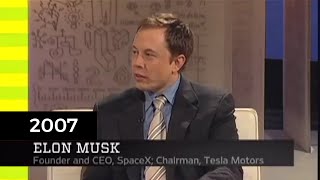 200722:56
 202625:15
 20242:00:15