2012 年 4 月 30 日,美国东部时间上午 11 点 22 分,一枚猎鹰 9 号火箭要从卡纳维拉尔角升空。它的货舱里装着一艘名叫龙飞船(Dragon)的太空船,目的地是 400 公里高的国际空间站。
这次飞行如果成功,将是人类航天史上第一次由私人公司建造的航天器对接空间站。在这之前,能送货上门的只有俄罗斯的进步号、欧洲的 ATV、日本的 HTV,全都是政府机构掏钱、政府机构主导的项目。
在休斯顿约翰逊航天中心的事前简报会上,NASA 和 SpaceX 的高管并排坐在长桌前,向记者解释这次任务到底要干什么。这场发布会的信息密度很高,因为它把一次"商业航天里程碑"拆成了可核查的工程细节:谁在什么距离上拥有最终决定权,哪一段流程是第一次在轨验证,NASA 已经付了多少钱,以及如果失败接下来会怎样。
这趟任务原计划只是从空间站旁边飞过去
NASA 商业轨道运输服务(COTS)项目经理 Alan Lindenmoyer 解释,这次任务原本叫 C2,是 COTS 演示飞行的第二次。它的设计目标非常克制:飞船飞到空间站附近,交会,然后在空间站下方约 2.5 公里处飞过,完成一系列规定的演示动作,再返回地球。
这些演示动作包括 GPS 导航、相对导航、绝对导航、中止机动能力、自由漂移和保持。欧洲的 ATV 和日本的 HTV 在首次访问空间站时,做的都是同一套动作。验证通过,NASA 才会批准最后接近和对接。
换句话说,C2 的及格线是"靠近、演示、离开",压根没打算停靠。
转折发生在 2011 年。SpaceX 主动找到 NASA,说我们想在这一趟里把对接也做了。NASA 审查了方案,做了一遍安全分析,同意给这个机会。任务名称因此改成了 C2+:原本属于 C3 的对接目标,被合并进了这一次飞行。
一次测试飞行,任务范围被临时扩大了。
NASA 已经付了 3.81 亿美元,总投入约 10 亿美元
Lindenmoyer 把 COTS 项目的账本摊开来讲。2006 年 8 月,NASA 和 SpaceX 签了一份太空法案协议(Space Act Agreement)。跟传统的成本加成合同不同,这份协议采用的是里程碑付款:SpaceX 先自己垫钱完成一个阶段性目标,NASA 验收通过后才付下一笔。
截至发布会当天,44 个里程碑完成了 37 个,NASA 累计支付 3.81 亿美元,协议总额上限是 3.96 亿美元。剩下三个里程碑对应的是即将进行的这次演示飞行。
记者 Irene Klotz 追问马斯克:算上 NASA 这笔钱,SpaceX 为走到今天一共花了多少?
马斯克回答,公司从风险投资那里融了 7 亿美元,加上他自己最早投的钱,再加上 NASA 的里程碑付款和其他客户的合同款,累计支出大约在 10 亿美元左右。
发布会现场还有人提到,如果把同样的能力交给 NASA 用传统成本加成合同来开发,按以往模型测算,成本可能高出 4 到 10 倍。这个数字出自 Lindenmoyer 之口,马斯克没有主动提。
用商业合同替代成本加成合同,省下的钱是一个数量级的差距。
四天时间线:从发射到机械臂抓住飞船
NASA 飞行主任 Holly Ridings 用一页页示意图把整段任务拆开讲。她的讲解值得细看,因为这是理解"对接空间站到底难在哪"的最好材料。
飞行第 1 天:猎鹰 9 号发射。升空约 3 分钟后一二级分离,约 10 分钟后入轨,龙飞船与上面级分离,1 分钟后太阳能帆板展开。飞船开始向空间站相位调整。
飞行第 2 天:远场相位调整,也就是慢慢调整轨道高度和相位角,让飞船在正确的时间出现在正确的位置。
飞行第 3 天:飞船来到空间站下方约 10 公里处,点火抬升,从空间站下方 2.5 公里处飞过。这次飞越在整趟任务里象征意味很浓,因为这是龙飞船和空间站第一次直接通信。宇航员 Don Pettit 和 André Kuipers 从空间站向龙飞船发一条测试指令,确认飞船上的灯亮了。这条指令本身没什么用,但它验证了未来更复杂指令的通道,包括保持、撤退、中止。
飞越之后,飞船回到 10 公里下方,绕一个大圈。它先飞到空间站前方 200 多公里,点火,从空间站上方越过,再从后方 200 多公里处绕回来。整段绕飞耗时大约 22 小时。
飞行第 4 天:正式接近和对接。这一天的工作从早上开始,到机械臂抓住飞船,大约需要 7.5 小时。
从 10 公里到 10 米,每一步都得先证明再前进
Ridings 的幻灯片里有一串数字,是整场发布会工程细节最密的部分。
飞船来到空间站下方 2.5 公里处,进入"集成操作"区。从这一刻起,休斯顿任务控制中心拥有最终决定权。之前的所有飞行阶段,包括发射、入轨、远场相位调整,都是 SpaceX 自己的责任范围。进入集成操作区之后,NASA 对空间站和宇航员的安全负责,所以它说了算。
接下来是一连串高度点:1.4 公里、350 米、250 米。飞船在 250 米处自动停下,开始做演示动作。
宇航员从空间站发指令让飞船撤退,飞船转向回到 250 米。SpaceX 从霍桑的控制中心再让飞船前进,宇航员在约 220 米处发指令让它保持。这几组动作验证的是同一条链路:空间站能不能可靠地指挥飞船。
接着是 200 米,Ridings 管这个圈叫"钥匙孔边界"。飞船必须在这里把所有功能验证完,才能继续往里走。
然后是 30 米,飞船自动停下,再投一次票。最后是 10 米,也叫捕获点。飞船在 10 米处悬停,地面做最后一次投票,然后告诉宇航员可以捕获。
宇航员此时做三件事:抑制空间站上的推进器、让龙飞船进入自由漂移、操纵加拿大臂 2 号(SSRMS)伸出去抓住飞船。两边推进器都不能喷火,否则机械臂连着两艘飞船的时候可能被扭坏。
捕获之后是大约两个小时的配置和对接准备,飞船被机械臂送到节点舱的地球朝向端口。第二天早上开舱门,开始约 25 小时的货物搬运。
飞船在轨停留约 18 天后脱离,做三次离轨点火,再入大气层,打开降落伞,溅落在加州外海的太平洋上。
火箭早就不是瓶颈,卡住的是软件和硬件在环测试
记者问马斯克,从 2011 年 11 月推迟到 2012 年 2 月,又推迟到 4 月底,到底是什么拖住了进度。
他的回答很直接:火箭不是瓶颈。猎鹰 9 号已经飞过两次,去年本来随时可以再打几发。龙飞船的很多部件也验证过,比如 Draco 推力器、热防护盾、降落伞。
卡住的是两块。一块是接近操作和对接系统,包括激光雷达(lidar)、热像仪、跟空间站和地面的通信系统、太阳能帆板、散热系统,这些都是第一次上天。另一块更麻烦:软件开发和硬件在环测试(hardware-in-the-loop)。
马斯克解释说,SpaceX 在地面复制了一整套龙飞船的航电系统,放在测试台上跑模拟任务。"就像缸中之脑,"他说,"它以为自己真的飞到了空间站,我们在旁边看它做得对不对。"
问题在于组合爆炸。飞船有 18 台发动机、6 台飞行计算机,还有一大堆其他系统。单点故障、多点同时故障、故障后恢复、间歇性故障,每一种都要测。有些故障组合的数量大到测试矩阵根本跑不完。
更微妙的是"过度敏感"的问题。马斯克提到,最近一个月团队花了很多时间处理误触发中止:飞船因为参数太敏感,在其实一切正常的情况下主动中止了任务。系统必须在该中止的时候中止,但不能因为紧张就中止。
他说的一句话点出了要害:龙飞船是一艘自主飞船,没有人在上面握操纵杆。它必须自己判断、自己决策、自己优化成功概率。这套智能全都写在软件里,软件测试因此成了拖慢进度的主要因素。
两种工程文化撞在一起
发布会里有一段对话,讲的是 NASA 和 SpaceX 怎么磨合,信息量比很多管理类书籍都大。
NASA 的工程师做了几十年航天,很多知识是靠师徒口口相传的:这个零件为什么这么选,那道工序为什么不能省,都是历史经验堆出来的。SpaceX 的工程师团队非常年轻,很多人对航天了解不多,但他们习惯问一个问题:为什么?
Lindenmoyer 的原话是,NASA 工程师过去习惯说"我们一直这么干",现在得解释"我们到底在防什么"。一旦 SpaceX 的工程师搞清楚了要防的是什么,他们就会说"那我这样设计也能解决",然后 NASA 的人反过来从中学到新办法。
Bill Gerstenmaier 补充说,这种碰撞对 NASA 也有好处。有些要求沿用了很多年,从来没人问过为什么,现在被追问一遍,反而逼着 NASA 重新想清楚哪些要求是真必要的。
他还提到另一个变化:NASA 过去习惯自己设计硬件,现在更多是从性能指标出发去验证别人的设计。NASA 拿不到 SpaceX 的详细设计图纸,只能提需求和验收标准。这对 NASA 的工程师是个不小的调整。
Mike Suffredini 举了几个具体例子。SpaceX 遇到过电磁干扰问题,花了很长时间做工程整改。还遇到过发动机分层(delamination)的担忧,他们主动做了一些超出必需范围的测试来确认没问题。Suffredini 说,这种愿意多走一步的态度,让 NASA 更愿意相信他们。
为什么 4 月 30 日之后要等到 5 月 3 日
有记者问,为什么不能像航天飞机那样每天都有发射窗口。
Ridings 和马斯克一起解释了原因,一共有五六个约束叠在一起:
- 这次是演示飞行,飞越动作本身是任务特有的,必须排进时间表
- SpaceX 要留出在轨应急处置的推进剂余量
- 空间站自己的行程很满,有联盟号来回、进步号来回、ATV 活动
- 要避免联盟号和龙飞船同时在空间站附近
- 这次演示要求飞船在白天溅落,方便回收
- 轨道力学上,最优发射时机大约每三天出现一次
马斯克补充说,未来的货运任务会更容易找到接近每天的窗口,但这次为了省推进剂、留余量,宁可等那个最优解。
如果 4 月 30 日和 5 月 3 日两个窗口都错过,下一个窗口在 5 月中下旬。
"别把这次失败当成商业载人的判决书"
美联社记者问马斯克,很多人对商业载人还有疑虑,这次发射会不会压力特别大。
马斯克的回答值得完整引一遍:
肯定有人会给这次飞行赋予过重的意义。但这明确是一次测试飞行,我们可能没法一路走到空间站。今年晚些时候还有两次几乎同样配置的飞行,如果这次没成,我相信那两次会成。我们到达空间站的决心没有疑问,不管是这次还是未来某次。如果这次没走到最后,也不该被当成对商业载人运输的判决。虽然确实会有人试图这么解读。(马斯克)
他说今年还有两次飞行,一次在夏天,一次在年底,具体时间要跟 NASA 商量。
有记者问载人龙飞船的时间表。马斯克说,"完美情况下大概三年,可能略少于三年"。他补充说,因为货运版和载人版的设计高度相似,每一次货运飞行其实都在为载人积累数据。如果飞船有隐患,他更希望在货运飞行里暴露出来,别拿宇航员去冒险。
他还讲了一个细节:龙飞船里空间不小,理论上塞个氧气瓶,人躲进去也能上天再回来。这话是半开玩笑,但点出了货运版和载人版之间的技术连续性。
这次到底运了什么
Suffredini 给出了具体数字:上行 521 公斤,下行 660 公斤。
上行货物主要是宇航员的生活补给,包括大量食品、消耗性备件,还有一个叫 NanoRacks 的有效载荷,里面装了一批学生实验。
下行货物里有一些在轨使用过的部件,比如水泵、水处理系统里的多层过滤床,还有日本宇宙航空研究开发机构(JAXA)通信系统的一个电源盒。这些东西带回来翻修能省钱,否则就得重新采购备件。
他强调,因为这是演示飞行,NASA 对每一件上行货物都做过评估:万一飞船回不来,这件东西丢了能不能承受。评估结论是都能承受,所以飞船里没有放任何"独一份"的关键备件。
龙飞船有一项别的货运飞船都没有的能力:回程。Suffredini 说,在所有货运飞船里,包括俄罗斯的,只有龙飞船能把货物完整带回地球。这个能力对空间站长期运营价值极大。
国际伙伴在担心什么
有记者问国际合作伙伴在这次任务里的角色。Suffredini 回答得很实在:这次飞行对国际伙伴很重要,因为空间站上除了俄罗斯舱段,其他国家的上行补给未来很大一部分要靠商业飞船。飞行安全评审会议上,所有伙伴机构都有代表参加。
他们的关切有两层。一层是货能不能送到。另一层是羽流冲击、电磁干扰这些技术问题。美国有责任保证整个空间站组合体的安全,但伙伴国家要求看数据,确认自己的舱段不会受影响。
日本的 HTV 在这件事上帮了大忙。Gerstensmaier 说,HTV 首次飞行时用的就是类似的"逐项验证再放行"流程,NASA 的飞行控制团队通过 HTV 学会了怎么跟一个非传统合作伙伴交换数据、怎么建立程序。龙飞船的对接流程,很大程度上是踩在 HTV 的经验上往前走的。
马斯克眼里的德州发射场
有记者问,龙飞船未来有没有可能从德州发射,州政府和联邦政府需要做什么。
马斯克说,SpaceX 对德州博卡奇卡(Brownsville)附近的发射场很感兴趣,当地政府动作积极,州层面支持还不够,联邦层面对"从哪个州发射"基本中立。他解释,建第三个发射场是为了避免未来商业卫星、空间站货运、载人、国防任务挤在一起时出现发射台瓶颈。他还提到,可能用卡纳维拉尔角的一座航天飞机退役发射台来做载人飞行。
这段回答在今天看来颇有前瞻性。博卡奇卡后来成了星舰(Starship)的基地。
这场发布会真正在说什么
把整场问答拆开看,NASA 和 SpaceX 在反复强调同一件事:这是一次测试飞行,请按测试飞行的标准来评价它。
Gerstensmaier 在开场就说,今天的飞行准备评审只审了空间站这一段,没有审发射段,跟当年审 ATV 和 HTV 的方式一样。他还特意提醒,4 月 30 日这个日期"还有相当多工作要做",4 月 23 日会再开一次会评估进展。
Ridings 反复讲"投票"和"放行":每一个高度点都要两个控制中心一起确认所有系统状态正常,才允许飞船进入下一步。这套流程的设计前提就写着"可能会出问题"。
马斯克把难度讲得更直白:空间站每 90 分钟绕地球一圈,速度是每小时 17000 英里,比步枪子弹快 12 倍。飞船要追上去,要精确到英寸级,而地面上没有空间站可以练习,只能靠模拟。
他还说了一句实在话:火箭飞过两次,飞船飞过一次,接近操作和对接系统一次都没飞过。这就是这次任务真正的未知数。
十二天后,4 月 30 日的发射因为火箭速度传感器读数异常,在点火前几秒中止。5 月 22 日,龙飞船再次发射,成功入轨、飞越、对接、开舱、卸货、装货、脱离、溅落。它成了第一艘访问国际空间站的商业飞船。
发布会上的那些谨慎措辞,事后看全都成立:任务确实比正常货运难得多,确实需要一次成功来证明整套流程,也确实不该用一次飞行的成败去评价整个商业载人路线。
这场 2012 年的简报会真正留下来的东西,是一套方法:把宏大目标拆成可验证的小步骤,每一步都先证明再前进,每一步都明确谁有最终决定权,每一步都留好失败后的退路。
- 如果你在做一件高风险、长周期的事,学 NASA 和 SpaceX 的做法:把整个流程切成明确的高度点或里程碑,每个点都设"投票"环节,状态不对就不放行。
- 把"谁在什么阶段说了算"写进文档。这次任务里,2.5 公里是权力交接线,之前 SpaceX 负责,之后 NASA 负责。模糊的责任边界是事故的温床。
- 测试预算要按组合爆炸来估,不能按单点故障来估。18 台发动机、6 台计算机的故障组合数量远超直觉,软件测试往往是拖慢进度的那一环。
- 给失败留够次数。SpaceX 在这次之前就公开说今年还有两次机会,这种"不会一锤子定生死"的预期管理,让团队敢在第一次就尝试更难的对接。
- 引入外部视角时,别只给要求,要解释这条要求到底在防什么。SpaceX 的年轻工程师追问"为什么",反而帮 NASA 清理掉了一批没人说得清来由的旧规矩。
- 对外沟通时,提前把"这是测试"讲清楚。马斯克在发布会上反复强调不要过度解读单次结果,这既给公众打了预防针,也给团队减了压。
0:01good afternoon everybody from the Johnson Space Center here in Houston Texas I'm Josh Byerly we'd like to welcome you to today's news conference as we take a look at the upcoming historic demonstration mission by SpaceX to the International Space Station we were joined by an entire panel today which includes bill Gerstenmaier NASA's associate administrator for human exploration and operations we also have Mike suffer dini the program manager for the International Space Station we are also joined by Alan Linda Moyer NASA's commercial orbital transportation services program manager as well as Elon Musk the chief executive officer and chief designer for SpaceX and finally we
0:36have Holly writings who is the NASA flight director who will be on console during the upcoming flight we'll start off with Bill thanks Josh today we did the Flight Readiness review for the SpaceX Dragon flight this was not a shuttle flight review in the sense that we didn't really look at all the aspects of the launch we really just focused really on the ISS portion of the launch this is very similar to what we've done in the past for the automated Transfer Vehicle and also for the Japanese Transfer Vehicle the HTV what we do in to review is we make sure that the station is ready to receive the vehicles that the teams are trained that the crew
1:15on orbit is ready that we thought about all the contingencies that could occur and we're really ready to go go through the demonstration mission and again I think the teams are very well prepared the SpaceX team gave us a nice kind of introductory review of what they've done in their preparations that was a very thorough discussion by the SpaceX team they've done a tremendous amount of work getting ready to get to get to this point they've done a lot of work in terms of both hardware getting it ready to go fly getting the software ready to go fly I was very impressed with the overall work again I think they've made tremendous progress as a teams they've
1:50got that one more long simulation to go do one more simulation to do and Holly will probably talk about that some more there's still some work we need to do some more software testing and needs to get done some other activities everything looks good as we head towards the April thirtieth launch date but I would caution us all that there's still quite a bit of work that needs to be done there's some things we've got to do on our side to validate some software and things after the space ekti SpaceX team and we are teams will have to go look at that data and then make sure that it's all okay so i think there's there's a good chance to make the 30th will
2:23continue to work through this stuff over the next week or so on the twenty-third of april will get back together again and just kind of assess where we are overall to see how things are moving forward but again tremendous progress by the teams i was very impressed with the discussion between the nasa teams and the spacex teams when i when i sear the discussion back and forth it's really one team they're really focused on how do we deliver cargo to Space Station how do we get ready for this next phase and these teams have worked just phenomenally well together so with that kind of attitude I look forward to two good activities as we move move towards
2:56a launch so thank you Mike well good afternoon we're always excited when we have a vehicle coming to ISS but this will be one of those historic launches with the first commercial vehicle coming to ISS to provide supplies not only for this particular flight which is a demonstration flight but really for the long-term this is the beginning of a long-term effort to have the commercial vehicles supply the ISS which is a critical need for the for the program as bill said we had successful Flight Readiness review and then prior to that the program has what we call it stays out stage ops readiness review and at that time what we verify in this new world order is really safety of the
3:40vehicle within a sphere around the ISS we call it the approach ellipsoid and it's about two kilometers by four kilometers around the ISS and the requirements we levy on the spacex company in any of the vehicles that want to do a burn that enters them into Orrange them to come into that ellipsoid requires that they meet our requirements and and all of those requiring requirements are built around safety of the vehicles and safety of the crew it's themselves and so we have spent the last couple of years several months with our spacex colleagues working through the
4:23verifications all of the requirements that had to be met the testing that that was that we dictated but also the testing they did on their own to validate the performance of the vehicle and then as this part of the process is we get closer to launch we're cleaning up our verifications where they complete testing they send the reports to say this is what occurred during the test we review the report reports we review the data and confirm that the vehicle is ready to go so at this stage of preparations as we get close to a potential April thirtieth launch we're in we're in good shape we still have some what we refer to as non-standard open work and that just means there's
5:03some of the verification closures need to be completed they're related to hardware-in-the-loop type testing it's it's where you get the hardware and the software together and make sure they they operate the way you expect so we have the last little bit of that testing to go and then they love our SpaceX colleagues will submit their reports to us based on the plan we have and and we'll review those and assuming everything's fine we'll be ready for the for the launch what is unique about this however as you notice I didn't say we had any requirements for mission success and that's what our SpaceX colleagues have been working on in bill referred to
5:44since we're not responsible for the the asset phase or even the early on orbit phase this is the responsibility of our SpaceX colleagues and we've left it to them to define their requirements and then meet the requirements prior to launch and it's been a learning experience I think for both NASA and SpaceX we've really grown together as two organizations and I would say not only is the logistics that this vehicle will bring not only this flight but in subsequent flights important to this program but I think the relationship between a company like SpaceX and NASA
6:20in terms of our design engineers and even as program managers have learned a lot from one another and so that's been a great benefit for us as a program quickly the SpaceX will bring up this this vehicle even though it's a demo flight will bring up 521 kilograms of cargo to the ISS so we are going to utilize the flight for real hardware that that is necessary for ISS and in addition to that and and and an important aspect unique aspect of the SpaceX will be the return of cargo and we have about 660 kilograms of cargo that will be returned some of it we would like to get back in and refurbished for for subsequent flights and so this is a very important
7:06flight flight for us and we're utilizing it as such however each each piece of hardware that's going up in each piece we've put on there to come home we did do an assessment since this is a demo flight we did an assessment said if things didn't quite work out is that ok and we we didn't put anything on the vehicle we didn't think that we could stand to to not get home but it is
7:30always an advantage to us whenever we can try to get additional information and that's what we focused on them on this flight and the return manifest just real quickly I want to talk about where we are in the in space station on orbit relative to this flight and all the other work the crew has been focusing on on researches as we've talked about a lot over the last several get-togethers and in and as we approach this period
7:56that includes the SpaceX launch and berthing we have a number of activities going on we have the 47p launch that's scheduled next on April the 20th and it will dock to the ISS on the twenty-second shortly after that the the crew will return home dan and anton and anatoly will come home on a 27th of april and then after that we'll prepare the the Don and Andre will prepare for
8:28the the birthing of the SpaceX vehicle and prior to that time I think Holly might touch on a little bit we've done the prep work the crew actually is getting additional training on orbit but not only do they need to do that training for what's going to happen on on the third of may but they also have to do all the work they need to do to get the other crew Rey to come home and also to have the docking of this 47 progress and then after the SpaceX gets there we the next saw use it's going to come up and dock and then after that we'll have the release and return the the SpaceX demo vehicle so so you can see that while we are going to focus on getting
9:06this new vehicle there it is a it is a workhorse for us it is intended to be a logistics vehicle that gets to station it delivers its cargo in and then it departs so the next vehicle can take its lot or so that the crew then can focus on research and and it will begin that way with the very first flight we're not we're not opening up a big hole and having this demo take effect it's an integrated part of an overall plan and we intend to treat it as such and so we're looking very forward to that flight and with that I'll hand it over to Alan Linda more okay thank you Mike
9:38good afternoon everybody so when the decision was made to retire the shuttle and continue our exploration program we very much would have liked to purchase commercial services to resupply the space station but those capabilities just simply didn't exist in the US markets so we decided to think like
10:01think like an investor we wanted to become a consumer of services rather than a customer requirements that would be our more traditional approach writer requirements go higher prime contractor and develop the capability but we believed that these capabilities were within the grasp of us commercial industry so five years ago we set these objectives for the program you could pull those up if you would we had to learn to think like an investor we wanted to place strategic financial investments to help stimulate the commercial space industry then we put
10:42some structure around those investments where we developed the program to have the company's demonstrate these capabilities with the goal of achieving safe reliable and cost-effective services we were looking to help lower the cost of access to space we believed that that would of course help us out and also be the key to opening up new more gets in low Earth orbit and the third thing we we said is if we're successful in placing these investments and have solid commercial partners well then it's important to be able to sustain that new capability sustain the new market that's created and NASA would become a customer for those services and by reducing the
11:32cost we hope that this will also be sustained by opening up new markets by this lower cost access to space well we came we followed through on that promise in December of 2008 not only had we awarded the Space Act agreements for the development program for the new commercial services but we also awarded the resupply contracts for the space station so we certainly follow through our promise to become a very interested customer next chart so this is a summary
12:08of the new capabilities we're about to see demonstrated with SpaceX we did sign the agreement with SpaceX in august of 2006 we monitored SpaceX's performance over the years through a series of pre-negotiated milestones and this is also a difference that from our traditional approach of regular contracting in this case we only made payments after the milestone was achieved it was up to SpaceX to provide
12:39the necessary funding and resources necessary to meet each one of these incremental milestones and then when they were successively made we we made our incremental payments to date we paid 37 out of a total of forty-four 381 million dollars of investment out of a possible 396 million dollars total on the agreement all the milestones are completed except for the last three this upcoming demonstration flight this is the second demonstration under our space act agreement the first demonstration fight was completed for our program in December of 2010 a very successful first flight of the Dragon spacecraft on the Falcon 9 an orbital demonstration and return next
13:32chart please in addition we also have a commercial partnership with orbital sciences this is a very similar space act agreement arrangement with orbital they taste started a year and a half later than our agreement with with SpaceX and they're also making very good progress we'll see orbital planning to fly later this year they'll be starting with a maiden flight of their new launch
14:00vehicle the Antares launch vehicle this will be launched out of the brand new launch pad at Wallops Island Virginia off the eastern shore of virginia so we're looking for that later in the year they have five milestones left the completion of the first stage assembly the maiden test flight then they will be complete the vehicle for the demonstration to the International Space Station and that agreement will finish
14:30up with the flight to the station later in the year as well next card so this is a history of the performance of the milestones that we established in the agreement up top you'll see SpaceX agreements starting at 06 started with the series of design reviews system requirements reviews preliminary design reviews moving into a critical design phase then SpaceX moved on to the test and production phase we saw the maiden test flight in 2010 and then last year we requested and received funding for
15:10additional funding for our program to help improve the chances of mission success for our program so we work together SpaceX and I and we came up with a series of additional milestones to add additional testing to help improve the Chancellor mission except this was primarily system level testing last year SpaceX completed system level thermal vacuum tests electromagnetic interference test acoustic testing and all that was a very high importance to
15:48us there was a lot of learning going on and I think it is going to be very very valuable to us so that was kind of completed last year and now we're moving into the finishing up our demonstration phase with the demonstration to the station so let's talk about the objectives of this light we we call it C 2 that stands for cots to its the cots demonstration to flight this flight originally was to be a flyby to the station that is it was to do a rendezvous with the space station and then it is to do a flyby beneath the station no closer than two and a half kilometers or about a mile a mile and a half and during this period it is going to execute prerequisite maneuvers that
16:39are required before we give the final approval for the final approach and berthing with the space station these are the same type demonstration objectives that were accomplished with other visiting vehicles to the station the ATV and the HTV all demonstrated before the final approach that they had the ability to do gps navigation relative navigation absolute navigation the ability to do abort maneuvers the ability to free drift and hold for a
17:12while these these are the requirements that must be achieved before the go was given to do the final approach that would be a very successful mission under the sea to program and then it would re-enter and be recovered SpaceX approached us last year and said they would like to attempt to also complete the birthing the final approach in birthing to the demonstration on the upcoming flight so after reviewing the proposal and doing the required safety analysis to be assured that the vehicle and the systems are ready to go we agreed to give SpaceX that opportunity for actually completing the birthing demonstration on this flight that will also include
18:00demonstrating the lidar sensors those are the radars and they and the rendezvous centers that gives you the range and the range rate information as you approach the station they'll be doing some clothes in retreat demonstrations hold demonstrations and finally the vehicle will be captured by the robotic arm and then birth to the earth-facing side of the forward node on the station after about 18 days of
18:27demonstrating the transfer of cargo to and from the station we'll see the dragon unbirth from the station and then and then return return home we call this mission c2 plus it's the c2 mission plus the additional objectives of completing this the c3 objectives on this flight so let's see if you run the video now I guess we'll take a look at what we can expect to see targeting now for the end
18:58of the month will see the Falcon 9 liftoff from a beautiful day at the Cape about three minutes later we'll see the stage separation between the 1st and upper stages on the Falcon 9 then about 10 minutes in the flight it will be in orbit the dragon and its trunk will separate from the upper stage about a minute later the solar arrays will be deployed and then it will begin its phasing maneuvers to the space station it takes about a day to get the proper phasing and rendezvous with the station the second day will be used to complete the demonstration maneuvers I talked about and if all goes well SpaceX will rear on debut with the station and on
19:43the third day we'll see the final approach and the vehicle be captured by the arm and birth this operation takes about eight hours by the time you get in to the final approach to the actual birthing with the station after a few weeks on orbit it'll be unbirth and then it will be preparing for a deorbit burn and reentry about two to four orbits later we'll see the dragon reenter parachute deploy and splashdown off the coast to California that would be a very
20:26good day I wanted to thank everybody we're certainly very excited to be here this has been a great partnership between NASA and SpaceX I want to thank my team my quirky chuck project executives been with us since the beginning and his assistant Warren who's helped make available the vast resources acknowledge that at NASA to help SpaceX so thank you it's been a great partnership we're really excited and looking forward to the launch Elon all right all right well I just like to start off by saying thank you to NASA for giving us this opportunity as you may have heard me say before SpaceX would have been able to get started without the amazing work that NASA done
21:12in the past and we wouldn't have gotten this far without the help of NASA so I'd like to be real clear and expressing my appreciation for that I'd also like to express my appreciation to the American public who ultimately funding funding this and and just won't people know that we've really done everything we can to make sure that this mission is going to go well it's been a huge amount of hard work by the SpaceX team partnership with NASA and I think we've got a pretty good shot but it is worth emphasizing that this it is there's a lot that can go well lot they can go wrong in a mission like this because you're going to have the success of the rocket and then
21:52you've got to have success of the spacecraft now we have we've launched the rocket twice before and we've launched the spacecraft once but there's still there still relatively new and then there's the the whole proximity operations and birthing system which is going to be tested for the first time in space and and so there's there's this end up there's no space station on the ground so I work today it has been done with done by a simulation and by approximating the circumstances that it would find in orbit and approaching the space station so I think that's just important to appreciate that this this is this is pretty tricky and I think also for the public out there they they
22:38may not realize that the space station is zooming around the earth every 90 minutes and it's it's going 64 17,000 miles an hour and so you got to launch up then you got a rendezvous and be tracking space station to it then inches really and this is a you know something that's going 12 times faster than bullet from an assault rifle so it's it's it's hard and a bit but I think we've got a
23:06pretty good chance but but there's like said know what point emphasize this that this is as it's been said by how people in the panel that this is that this is a test flight so if if we don't succeed in birthing on this mission then we've got a couple of more missions later this year that and I think we'll succeed on on one of those and yeah so and I think
23:34we've got some videos of the preparation that we can show there we have the rocket in the hangar at Cape Canaveral
24:04dragon spacecraft now one of things is worth learning about dragon is that we try to design something that is very similar between cargo transport and and astronaut transport so it's a we expected it to be relatively few differences between the two there's dragon monster on Falcon 9
24:59here we're doing a wet dress rehearsal which means we load the liquid oxygen and kerosene the fuel of the rocket and I just make sure everything's okay and comin up soon we'll have the static fire where will light the engines and shake things up a little help but keep the rocket hell down and and then see if everything's okay before and we'll spend several days analyzing that information and if that that's looking good then we'll it'll be okay to launch the rocket and in theory so do we have another video and probably Oh cuts massillon so
25:38we got one more video to show hmm for just elements of the rocket and spacecraft being tested
26:27and I think is what it is with the emphasizing that the Falcon 9 has flown twice before and dragging his phone once so I think let people in the public may not be aware of that so the thing that's really being tested on this flight hopefully is the is the proximity operations in birthing system so and there are the things as well like the solar panels and few other things but but it's worth knowing the Rockets phone twice the spacecraft just as fun ones all right well with that all right well
27:02good morning actually afternoon everyone my name is holly writings and I'm the lead NASA flight director for the SpaceX Dragon demo mission I'd like to tell you guys today that the operations teams have been working extremely hard for multiple years really preparing for the launch and leading up to this day so that we could come and explain to you exactly what we've we've built together the first part of course is when you incorporate a new team a new partner in this case SpaceX our first commercial partner into the space station there's a lot of technical things you do the nuts and bolts make sure that we can talk back and forth between the two control
27:47teams the control team in Hawthorne and California the SpaceX facility and of course our team here in Houston commanding back and forth telemetry back and forth and as well as information that can pass all the way from their facility in Hawthorne up to the space station so we put that infrastructure in place to incorporate them as a new partner we move on from there really to build the framework of how we're going to fly this takes multiple years really for their team to learn about the space station for us to learn about the dragon it's really a partnership they are certainly experts in the dragon we're the experts in the space station and we
28:29treat it as one team it's two dynamic vehicles flying in space together and it's extremely important that you communicate and understand each team's roles and responsibilities as was alluded to earlier our role here in Houston is really the safety of the crew onboard the space station the space station itself and then the SpaceX Dragon team is responsible for the mission success and we've built a framework working together where we should be able to get both of those items successfully accomplished we write
29:01documentation procedures flight rules the things you're familiar with with the other vehicles that nASA has flown in space and we make sure that the teams are trained to use all of that information so we practice using our simulation capability learning how that process is going to work coming up with failure scenarios and talking through how we're going to react and recover from those and again as was alluded to earlier we've performed a series of those for all the different phases of the flight the last simulation just the final clean run for the the polish before we go and fly here shortly will actually be next week and so we're really looking forward to doing this
29:47around one last time on on the ground for before we get on orbit the other big piece of our operations team of course is our space station crew since they will be performing the grapple of the Dragon vehicle the birthing to the space station and so that team are our crew team has been working hard to prepare for this mission as well the timeframe that we're discussing launching in is one in which we've got two crew members available to perform the dragon operations and so we've spent a lot of time communicating with them Don Pettit and Andre Kuiper's making sure that they understand exactly what will be expected of them they of course were trained on
30:33the ground but they have been on orbit for a while well we've continued to work down here and learn new things and so we spend a lot of time communicating all of that information to make sure really as the third piece of our operations team they're ready to go for us so now we're going to kind of walk through the mission that we've put together so I could have the first still please you can see the different phases of the flight so we've got our launch followed by the phasing where the dragons still far away from the space station as was mentioned earlier will come up and do a fly under of the space station all the way around we've got some demonstration
31:10maneuvers followed by all of the new activities in the rendezvous and proximity operations the birthing finally the departure re-entry and recovery and I've got some graphics in a minute but before we leave this slide in terms of roles and responsibilities you know really the launch in the the phasing piece is again SpaceX
31:31responsibilities until they get close to the space station that operations team is taking care of the dragon and designed all of that independently we have understanding of exactly how that will go but certainly that's their responsibility when we come up close to the space station then the interaction with the NASA team begins and we've got some gates and some process in place where we make sure that the safety of that space station our space station is protected and again once the Dragon has left after departure the SpaceX team takes over again and works with the FAA
32:14colleagues and brings the dragon home and performs the recovery again certainly that has NASA cargo so we're interested in it but from an operations since the dragon team performs that function in terms of the the departure and the recovery if we go to the next slide please so one of the things that I mentioned was the demonstration objectives these were touched on a little bit earlier we do have some demonstrations to really talk about the abort capability that's one of our primary sort of pieces of our safety infrastructures the capability to always safely perform an abort where if there was an issue the dragon could fly away from the space station to prevent having
32:58any type of collision and so that's a very important aspect of our safety framework different pieces of navigation as you get sort of the space station you have to be able to navigate more accurately and so we make sure that all of those pieces work correctly communication of course to dynamic vehicles in space I need to be able to talk to each other and then just the general controllability in terms of the guidance and navigation you know how the engines work those type of activities this has all been tested extensively by the SpaceX team on the ground had NASA folks as well involved in the in the verification but these are really the very important critical
33:37pieces that we want to validate on orbit look at that capability before we use it in a safety critical situation so it's really a building block approach where we execute a demonstration objective is what we call it so a piece of functionality of the spacecraft make sure it works and then later in the mission we will need that capability let's see next page so here's our mission profile this is obviously a two-dimensional representation of two dynamic vehicles moving very quickly in space as Elon alluded to but if you look at the red arrow down in the bottom right-hand corner and think about the dragon moving in that direction over time you can see down on the far right
34:22hand corner that's really the phasing time frame it's not to scale so that time frame could be you know a day or two or three depending on exactly how long the dragon is going to take two phase to the space station so that capability again is the the function of the the dragon control team so the dragon will come up finished its phasing and where the red arrow is kind of pointing at the green line that's about 10 kilometers underneath the space station and it will perform a what we call burn so turn on its engines maneuver the spacecraft and head up that green line towards the space station ready to perform a fly under of the space station at two and a half
35:07kilometers and so that fly under is very important to us because it's the first time the dragon and the space station will communicate with each other an absolute requirement for proximity operations it's the first time that the crew onboard the ISS will send a command to Dragon and get response this is just a test command so it's a light on the dragon but it's leading towards the crew potentially needing to see to send more invasive commands such as a hold or retreat or even an abort later and command the dragon when it's at the capture point we're also gathering navigation data so the way the two vehicles navigate together is a relative where you get pieces of information from
35:50both vehicles and you do a calculation and then they know exactly where they are in space relative to each other and so we're gathering information to make sure that navigation system works so we're flying to the space station gather all that information the dragon is going to head back down to about 10 kilometers below and then do a big lap around the space station called the the fly around where it comes up the left hand side of that graphic it's phased fairly far out in front of the space station by then greater than 200 kilometers and so it will perform again a burn another turn on the engines and move the spacecraft headed up and over the space station
36:29come across the the top of the space station and then down the backside relative to the graphic again fairly far out from the space station beyond 200 kilometers so that entire process should take just about a full day on the order of 20 22 24 hours to complete let's see next slide please so now we're kind of back where we started at our red arrow roughly again that day later and we're headed again back up to two and a half kilometres below the space station I remember that was the the distance that we did the fly under the day before you can see the green dot that's where we cross into what we call integrated operations and so I mentioned earlier
37:13sort of the responsibilities of the different team members our responsibilities in Houston being the safety of the space station and the crew onboard the space station and so when we're inside of integrated operations which is in close proximity to the space station the team here in Houston has authority over the mission of course again working as a team and in partnership and communicating with a dragon team but we do have the final authority so that we can keep that safety at the very top of the priority list we've come up to two and a half kilometers inside of integrated operations and now we're going to head up to 1.4 kilometer the little dots the little red dots again
37:55represent burns or again a time where dragon will fire its engines and adjust its height relative the space station so it's headed up closer to the space station so now we're flying under at one point four kilometers again next red dot this is our approach initiation so this is the burn that will take the dragon on an intercept trajectory with a position directly below the space station we call it the rbar so it's the radius of this between the space station and the earth if you drew a line from the center of the space station to the center of the earth and 350 meters below the space station you put a little dragon that's where it's headed so it's going to end
38:39up on in that position and eventually we'll get to 350 move another hundred metres and actually pause automatically at the 250 meter hold point next page so now we're up again on the rbar add 250 meters the dragon is holding and we've got some more of our demonstration objectives that we need to complete these involve the crew with some of the commanding so you can see the green dragon represented on the slide will approach from 250 so it starts moving towards the space station the crew will then commander retreat and so it will turn and head back towards that 250 meter whole point the graphic has all of the dragon pictures spread out on the
39:30left so you can see the up and back but they actually all will happen on that our bar line just forwards and backwards is just hard to represent on the slide so now we've gone to the command of the retreat we're headed back to 250 and the dragon team in Hawthorne will send the dragon again towards the space station the crew will tell the dragon to hold that'll be at about 220 meters and so that will be the last of our go no-go objectives in terms of the demonstration objectives we do have go no-go criteria and that's our terminology that we use in our flight rules we're here in Mission Control Houston and with Mission Control in Hawthorne at SpaceX we take a
40:15poll and make sure that all of the systems onboard the ISS all the systems on board the dragon any type of failure detection you know the robotic arm the camera is basically everything you need in order to do that next step of the mission is in the configuration you expected and then after you've had that communication between the two teams and everything is in the proper configuration then the go is allowing the dragon to proceed and continue with the next step of the mission so when we use go go go terminology that's exactly what we're talking about so at this point we're 220 meters below the space station we've completed all of our demonstrations again the controllability
40:56the navigation the abort we have taken the pole and made sure that we've got all of the functionality we need and we're headed on up towards the space station again we're going to cross into what's called the key pouts fear so it's a 200-meter circle around the space station which we kind of use as a line of demarcation for us to know that we need all of that functionality checked out before we head past that point we're
41:27going to head all the way to 30 meters which if I could have this slide back please might easier thank you so we're going to head all the way to 30 meters and the dragon again will automatically stop at 30 meters we're going to perform another one of those go no goes to a pole to make sure we have all the functionality at this point the crew is heavily involved with us they've been monitoring the dragon certainly throughout those demonstration objectives where they were sending several commands and all so as the dragon headed towards the space station with the capability if necessary to go ahead and take action although the dragon vehicle itself is
42:08designed by the SpaceX team to really be very automated and to take care of itself the crew is really they're kind of as a a safety net certainly with the first flight of the demonstration capability we we really would like to make sure we've got all of the crew involved as well as the vehicle itself so we're at 30 meters we've taken our poll now we're going to head up to the 10-meter point you may also hear this referred to as the capture point the Dragon will hold again automatically ten meters from the space station another pole to make sure we've got all of the technical capability required and then we give a final go for capture we tell
42:49the crew that we are ready for that capture and then they really take over from that point they have a command to inhibit the thrusters on the space station so those will not fire they'll take the dragon to what we call free drift so again where the thrusters do not fire and then they will drive the robotic arm the SS rms out and capture the dragon obviously you don't want thrusters on either spacecraft firing when you've got your robotic arm connecting the two until it's had an opportunity to rigid eyes otherwise you might harm it so that process will be taken care of by the crew now we've captured the dragon successfully the next couple steps we are headed towards
43:34doing a birthing of the dragon we do some system configuration to make sure it's ready to be birthed will make sure that the common berthing mechanism the passive side that's on the the dragon is clean of any type of debris and then we'll head on in robotically with a crew flying the robotic arm to birth the dragon to the node to nadir position again the earth facing position all of that activity from coming up the two and
44:09a half kilometers all the way up the rbar takes place in one day it's a fairly long day it's about seven and a half hours for that rendezvous and proximity operation the next morning we'll get up and open the hatch for the first time and perform the very first cargo transfer we're going to perform roughly 25 hours of cargo transfer both unpacking and then packing the dragon while it is on orbit and then several weeks later we'll get the dragon ready to come on home I could have the next slide and so here's our reentry and recovery terms of space station operations we take the robotic arm and unbirth the dragon from node to nadir and birth it from the CBM will hold it
44:56out on the end of the robotic arm make sure it's got all of its navigation capability up running and then we release the dragon it performs a series of burns again maneuvers there are three of them so one you can see where the Green Dragon is a second one at kind of the end of that half circle and then a third one at the end of the second half circle so a series of three we call them departure burns and then the dragon will head away from the space station we check that it is on a safe trajectory away from the space station and then as I mentioned earlier operations team in hawthorne then is in control again of
45:40course of the Dragon in terms of outside of integrated operations and so they will make sure that it's ready to do orbit and come on home splash down on the Pacific and then they've got their recovery operations that they are going to run out to bring the dragon on in the into long beach we're going to start with questions here in Houston that will go down to the Kennedy Space Center and it will go to the phone lines we have quite a number of people were asking the east day with one question one follow-up and we'll come back here and go back around one more time we'll start off with mark thanks mark kuro for aviation week and space technology and I wanted
46:18to go back to the software validation work could you elaborate some on that and if I understood correctly you'll have a follow on to this frr on about the 23rd if you could sort of bridge what happens after that to the launch point piece of it and then Mike and the others can also chimed in there's still some software work that's that's going on some activities are completing and hawthorne where they're doing hardware-in-the-loop testing it to make sure that the software works right with the hardware then when they complete those results they provide test reports and test analysis of that activity back to the NASA team and the NASA team looks
47:04at that to make sure that it all fits and works the way it was supposed to go work they'll also do some testing with the actual vehicle down in Florida well they'll do the same kind of thing will they actually run through the software with the flight vehicle and again those reports come back to the NASA team will take a look at it we will not do a formal review like we did today if that activity what we'll do is we think that'll all be ok but we'll get a report back from the individual teams of safety folks the software folks etc they'll tell us on the twenty-third that everything went as planned there was no surprise is nothing unique there and
47:36then we'll just continue on then towards the launch and some of the activities that occurred towards the launches will be a Flight Readiness firing of the engines will be hydrazine loading in the Dragon capsule a lot of activities occur in that in kind of that final week SpaceX also does their own internal Flight Readiness review and they'll do that on sunday the twenty-second just in front of this review so that'll be one chance for them to go through to make sure all their individual components and systems are ready to go forward so I would say today we had enough assurance that everything is moving in the right direction we're heading towards the 30th
48:08we're not completely there we want to go ahead and get these final checks from the SpaceX team after those checks are complete and we understand where they all sit then we'll say collectively this is the right thing to have forward so we got enough assurance today that the 30th is the right day to head towards but we still reserve the right to take a look at the day to see what the software does and see what the teams find as they go do a more in-depth review
48:33Eric burger with the Houston Chronicle a quick question for Alan that I follow up for Ilan first of all Alan is it accurate to say that NASA is invested 380 1,000,000 so far and the commercial cargo capabilities for SpaceX yes that is the total of the 37 milestone payments we made to SpaceX to date okay and then for Ilan you're in Texas today and it's possible that dragons could launch from Texas in the future I'm curious what the state and maybe the federal congressional officials need to do to make this an attractive place for you to build a space board but I don't
49:09want to get 2 2 off topic because remember this is really about the upcoming mission to the space station but but we are pretty interested in the possibility of a texas-based launch site and I think there's a lot of good action being taken by the local authorities in the Brownsville area in particular not
49:34that much at the state level would certainly appreciate more more help at the state level and and then at the federal level it's not really you know I think the federal level was relatively indifferent as to what what state we were launched from but we thought it was important to look at having a third launch site just to make sure in the future that if we have a lot of missions taking place for commercial satellite launches as well as launches to the space station for cargo and potentially crew and and then potentially did Defense Department missions that that we didn't encounter a launch site to constraint but I should point out also that we're also looking at potentially
50:16using one of the the shuttle pads at the Cape for full crew flight so we want to make sure that that we don't in a future encounter Lord launch site constraints that's that's really what we're after with with that element I Kevin Quinn with Katie RK ABC 13 here in Houston can and maybe this is the question for Ilan I'm not sure maybe it's an ask question can you describe please specifically whether restrictions that could affect launch and how those would compare say to that which was out there for the shuttle program are these tighter restrictions or their lesser restrictions they're probably comparable
50:59I'm we definitely want to err on the side of caution particularly since these are initial flights but I think they're probably comparable and entirely certain but I think that's amore they're pretty compatible we you see it even are expendable launch vehicles we have a lot of triggered lightning rules those rules will be the same we have basically the same visibility rules for the ground observers that are watching the rocket fly those kind of things so those are all pretty similar the winds aloft might have been a little more restrictive for shuttle than than they are for the Falcon 9 but but other than that I think they're they're pretty comparable
51:37overall Jeremy Jeremy diesel from KHOU question for Ilan if this is all successful everything goes exactly as planned right but what becomes the next step the next time line the possibility of seeing a crude flight well you know the assuming this is successful then we look forward to a steady stream of cargo flights to to the space station under our CRS contract that would be really super grade and then you know we because
52:17we've designed the spacecraft and rocket to be very similar between career cago you were in the process will be accumulating a lot of knowledge about how you know how potential crude flight might work and if there is an issue I think there's you know a good chance we uncover it what I want a cargo flight rather than potentially put career risk which is I think pretty helpful and then we do have separate contract NASA fool you know adding in the elements necessary for for crew transport and then there's you but they're a bunch of additional steps that have take place there but we're optimistic that that at
52:57some point dragon will be carrying astronauts that would be really great two years three years five hundred years well yeah there's a lot of variables between here and there well Oh perfect world well it's probably like three years it may be a little less than three years yeah yeah yeah David David
53:20Hirsch and educated for mr. suffered a knee first in the given up the ISS as an international collaboration I wonder if you could give us a sense of what the importance of the international partnership as far as this entire project and the role of international partners in the frr today it's twofold one is the partnership the entire
53:42partnership does benefit from these vehicles and in fact all but our Russian colleagues rely on it we utilize a a suite of vehicles in the futures to to provide up mass to ISS and progress the jacks HTV the ISA ATV and then the two commercial vehicles that we're talking about here today and the lion's share of the up mass will be provided for the u.s. OS segment the lion's share the autumn s will be provided by these commercial vehicles so it's very important to the partnership this fr just like every fr has all the partner agencies are represented and so it's important to them and they worry about not only the fact will it bring it up but there are safety implications
54:26there's plume impingement issues there's EMI there's all sorts of things that we have to prove to the entire partnership that we meet those requirements and all of our requirements are meant to protect us from that and our partners participate in the in the sect review boards and the and the analytical process of determining that we that were not causing any harm to the rest of the spacecraft and in fact the part of the responsibility of the u.s. is to ensure the integrated spacecraft is ok but they would like to see the data and so we provide the data that's necessary to make them feel comfortable that their element is also safe from those aspects
55:10down here no question okay let's come over here I am my name is Jen's Kawara from an HK I hope I could make myself understandable in English but I would like to ask a question to mr. Gerstenmaier and mr. musk everything pretty much seems familiar for reporter reporting for HTV and I would really want to ask what is the connection between this new challenge of SpaceX with the Japanese HTV approach and lambda mu docking in other words was there any improvements or what kind of implications have you had added to this approach for a SpaceX and to mr. musk is I think problem safety is the priority but as a commercial company what kind of Ames have you tried to implicate into
55:59SpaceX's new launch vehicle and how would this challenge this new challenge good in a sense add to your overall I would say on the pursuit for that ain't first of all for your first question I think we learned a lot from the HTV activities we did a very similar approach when HTV flew the first time it flew up and it did a series of gates very similar to what Holly described in a lot of detail here earlier so the same kind of approach where we verify a capability before we commit to using that capability that was done with the the HTV and it was a good chance to see how that process worked how it worked as a team I would say also Holly's team and
56:47the flight controllers they got familiar with getting that data from from an international partner in a case of jaksa they took that information they could then digest that analyze it compare it and work with them so I think working with the international partners gave us a lot of experience of working with a different community that we don't work with every day that allowed us to learn how to exchange data back and forth how to communicate and how to develop the basic procedure that allows us to to learn incrementally that allows us to get into the birthing box to be picked up with the with the SSR MS and I think also that the birthing box concept
57:23using the SS rms to pick up the dragon that's very similar to what we did with HTV and again that HTV kind of paved the way of seeing how the crew would use the arm the overlays they use the camera ops they use a lot of that was kind of proven the first time through with the HTV flights that are coming up so we learned a lot from our international partners and we applied it to the commercial sector and dragon it and it made it a lot easier when we come into this flight it wasn't the first time around we've seen this stuff we've seen the basic process and procedure although the vehicle is very different than the Japanese transfer vehicle I think we're
58:04great grateful for the prior work of H TV as well you know because it made things easier for SpaceX to you know approach the space station because of some similarities and the way things are done so that that was right that was quite helpful the the way in which dragoness is most significantly different is that it returns to earth it will rather intact you know what's got a heat shield and everything so you can return cargo to us so that that's probably the biggest difference and the
58:38I touched on this briefly earlier but because of that there's so many similarities between the cargo version of Dragon and the crew version of Dragon we're learning a great deal about crew transport when we do a cargo mission technically if you've got a little oxygen bottle you can you stir it away on Dragon you in therapy okay you could go to the space station if you tucked away in there and so it's you know it's
59:07it's kind of neat in that respect and then come back to so and then you know there's this sort of a larger context of SpaceX where we want to keep up keep upgrading the technology and making improvements so that ultimately that there can be journeys beyond the space station so that's better jobs your topic for another day but i think this letter if the excitement about that and we're going to keep improving the dragon technology through we have an upgrade plan and three things all right okay I
59:45think that's it from here for now let's go down to the Kennedy Space Center in Florida and take questions from there hello this is Marcia Donna The Associated Press with a question for mr. musk there's still a fair number of people not totally on board with commercial the commercial side especially regarding crew transport and I'm wondering if you you feel a lot of pressure as you go into this last two weeks before launch to succeed and how important is it in your mind to launch successfully into birth on this flight well at this there's no question that this is going to be some people who will
1:00:22put too much weight on this flight and because it is explicitly a test flight and indeed it it we may not succeed in getting all the way to the space station as I articulated earlier but but I think would be a mistake to put too much weight on this flight because there are hopefully going to be two more flights later this year to the space station which will be almost identical configuration so if this one doesn't succeed and get at the space station up I'm confident that one the other two will and it will work with NASA to resolve any issues and and and and then and you know figure those out and and then get to get the space station but there should be no diet about about
1:01:05about our resolve that we will get to the space station whether it's on this mission on or on a future one and and I don't think that if this mission just doesn't get all the way there that it should be taken as a verdict on Commercial Crew transport I think that would that would be that just wouldn't be right and although there will be some people who are trying to do that thank you and if this does go well what is your timeline for those next two flights well that's something we have to work with NASA on but to you know I think it's probably be one
1:01:46in the summer and one at the end of the year but that that time timing remains to be worked out with NASA this is Phillips lassoed NASA Space Flight com I believe this is from his writings can you talk about for an April thirtieth launch the when would be that the red arrow that you talked about on the slide for the racetrack that you're doing about what time after liftoff sort of mission off time with that begin ok so for an April thirtieth launch launches 1122 a.m. central daylight time and you get to the right before the red arrow is on the order of 38 39 hours so if you
1:02:31were using shuttle nomenclature which the NASA folks says I'll do it be a flight day three fly under so flight day 1 launch flight day 2 is really we call it far field phasing flight day 3 fly under so 38 39 hours the fly under itself is on the order of 3 or 4 hours where we're gathering that data and then if you remember kind of from the red arrow all the way around roughly 22 hours and so you're coming back the next day really for a flight day for birthing rendezvous and birthing so go through it one more time slower flight day one launch flight they too phasing flight day three fly under which is a second in our scenario and then a flight day for
1:03:19proximity operation rendezvous birthing so may third the capture itself kind of early morning central Daylight Time 730 of course crew day that's kind of midday crew day so the activities will start pretty early in the morning Houston time and even earlier in the morning california time but the capture would be about 730am in the morning is is what it be planned for on that may third thanks and I
1:03:55believe there if I understand this correctly there's a the primary opportunities on April thirtieth and then there's a secondary opportunity on May third on can somebody explain why there are not there isn't a daily launch opportunity for this mission and is this just a mission specific thing thanks
1:04:17weird yeah so so I'll talk about it a little bit so some of it is is mission specific because of the demonstration you know a Zeon talked about this is definitely the demonstration and so there's a lot more things on this flight that the fly under is one of them some of the objectives that we're performing the analysis that needs to be performed of the data that's gathered on orbit so the fly under is unique to this demonstration mission and so that really
1:04:47kind of helps figure out exactly what the launch dates are the SpaceX team is also reserving some some margin and that they can talk about a long can talk about a little bit just for contingencies again it's a demonstration than they want to make sure they've got enough margin if they if they need it on Orbitz we're also always working on the
1:05:12ISS trajectory so we've got Soyuz flights coming and going we've got progress flights coming and going we've got a TV activities as was articulated earlier and so the ISS trajectory is in flux as well so when you add up all of those different components you end up with these kind of just smattering of launch dates in the early May time frame after the demonstrations complete and we look at all the data potentially will be able to to find those back-to-back type things that you were used to a shuttle but we've got together a bunch of data before we could get to the point where we understand that in detail yeah I can
1:05:54see in future missions they'll probably more easily closer to daily opportunities but for this mission we want to have a really optimal launch so we're minimizing propellant usage getting to the space station and that's that tends to occur roughly every three days so we just want to have as much available in case something goes wrong and we need to make make adjustments to
1:06:21the mission yeah so that's why the three days hi it's James Dean from Florida and just following up on that topic I wondered if I understand I guess that you have April April 30 in May 3 as the first couple of opportunities just wondered if you could elaborate any further on if they're there any scrubs or anything like that are there any blackouts do the range or the sways launch or any other issues and so when did the opportunities fit into the rest of that schedule so I can good I can go ahead and take that one as well so there's actually a little bit of all of those things there certainly ranged conflicts there are always range conflicts there are some beta cutouts in
1:07:07terms of space station there are some ground rule and constraint type cutouts where we don't want a Soyuz vehicle in the dragon vehicle exactly on top of each other we've got to make sure we get one activity completed before we start the next one the Dragon has some constraints as well for their recovery where at least for this demonstration they'd like to land in daylight to help them out with the recovery operations so there's multiple constraints on the table that we need to line up in order to find an optimized launch window for this demonstration mission so the answer to your question is kind of all of the above okay thanks and then for for Elan
1:07:53this this flight of course of course not unusual for things to slip a little bit but you were targeting November at one point and in February and just wondering you know what has proven to be most difficult for you to get to the point where you're ready to go you if any aspect of this was a surprise to you at how hard it was and just as a slightly unrelated question I was wondering if there are any plans to recover the first stage oh sure so okay well I should point out that the rocket is definitely not the constraint i mean we could have launched several rockets
1:08:30buckner and Rockets last year if it had just been the rocket and it obviously wasn't the elements of the Dragon that have been tested before do you like the Draco thrusters or the heat shield or parachutes or anything like that the the tricky part was really related to the proximity operations and birthing system so that there's the light oz for example
1:08:54there's kind of like laser radar thermal imagers the communication system making sure that we communicate effectively with the space station with the ground on with master teedra system there were so there's a lot of basically electronics and new electronics on the spacecraft and so it's the first time flying the the solar arrays and the
1:09:22radiator system so it to the bit that those are new elements to the mix but the thing that really I drives the schedule is the the software testing the development and testing and how how that interacts with the hardware that's where the face hardware-in-the-loop testing what that's what refers to is hot when it does the software always do the right thing in the rights in a particular circumstance and when you've got 18 engines and you've got effectively sort of six flight computers and a whole bunch of other systems just a heap that the test matrix that is enormous and lobular realized that dragon is autonomous I mean it's really it's a robotic spaceship and it's going to go
1:10:15and do this complicated maneuver where we're it's going to growth with the space station it's not as though there's somebody flying it with a joystick or that there's somebody on board that can make a real-time Corrections dragon is kind of make it is making lots of decisions all the time to optimize the probability of success so it's there's quite 11 there's a lot of intelligence on board on board the spacecraft and all of that has to be tested thoroughly and that's that's the biggest driver of the timeline okay I think that's it at the
1:10:50Kennedy Space Center we're going to go to the phone lines now let's start off with a Washington Post and Ryan vast aggie there all right let's try Wired magazine with Jason park yes I don't know that this might be for Holly early auto talked about some of the work that's being done or the training that was done with the crew on orbit a lot of that took place on the ground you said I'm curious what sort of preparations are being done while in orbit I mean is there any way for them to practice any of the maneuvers what type of I guess what type of training has been Walter on orbit okay so the answer is yes there is
1:11:36the capability for them to practice on orbit they practice with the actual robotic arm so the SS rms they do some grappling practice again sort of line up and pretend that the dragon is there and so they know exactly you know looking out the window and looking there at their computer screens what the arm half of that equation is going to look like when the dragon arrives they also have a simulator that they practice with because certainly that the robotic arm is a significant resource and so we do have an internal simulator that they can and practice so they can do multiple runs some very complicated contingencies that we wouldn't want to put our robotic
1:12:25arm in or that can't be done without the Dragon actually there some abort type scenario so again they know exactly how to react so those two primary methods of training they also do some scenarios where they set up all their computers and all their cameras more the familiarization type training to make sure they're have quick reference marks they can find all the data they need rapidly and then they do some self study as well so again kind of that building block approach to Hardware use all the way to the the self study with the procedures and talking to the folks on the on the ground well I bought
1:13:06the whole the demonstration maneuvers and the graphic you showed with the the dragon going from 2 52 220 and then 230 10 meters if any of those particular rehearsal maneuvers don't go correct the first time if they're the ability to retry the demonstration or is it sort of a one shot attempt so the answer is a
1:13:32little a little bit of both the demonstration some of them occur you were talking about the ones on the rbar some of them occur early in the mission shortly after dragon gets on orbit those activities I will take place the data we gathered it'll be submitted from the spacek steam to the NASA team certainly if we did not see something that
1:13:56everyone agreed to was acceptable the SpaceX team might have the capability to retry those as part of their phasing plan that would be somewhat dependent on the margin they have before they get close to the space station if we were flying under the space station and we're unable to gather the data we needed it could be done again but it would require going all the way around and flying under again but certainly that would be an option if we had enough propellant to do that and the ones on the r bar that you mentioned the those in order to go ahead and complete the birthing that day need to go pretty quickly so if they mostly because sitting again on the r
1:14:38bar is not a very good place to stay for a long time in terms of your propellant usage you use a lot of propellant sitting in that area holding your position underneath the space station and about 250 so if they didn't go well it would not immediately mean the mission was over but it would definitely mean you could not continue at that point in time so it might be that the dragon would go off and potentially start another fly around and we would talk about maybe coming back and trying those demonstrations again the next day so it's absolutely a gate to come on in if it did not go well we would look at the consumable resources and work with the dragon team and see if there was
1:15:20anything we could do to potentially repeat or gather additional data that might help us understand the problem that we'd seen the first time okay it's got powers with the Orlando Sentinel actually I i think my question has been resolved but thank you very much okay I appreciate it Mike Wallace space com oh yeah hi I'm so yeah I was interested I'm Ilan talk a little bit about what some of the challenges were from the SpaceX side for this I'm just curious I mean what if what if some of the biggest challenge has been for ya I'm not massive side this is such a new mission for you guys and you're not responsible for the entire thing from start to
1:16:01finish what what like what sort of difference has that made for you guys and sort of what are some of the biggest hurdles to overcome with this one well I would answer that one to begin with it's just getting used to the idea that we're not worrying about the entire phase of the of the flight is an adjustment to begin with probably the biggest difference once you once you set along on that aspect of it probably the biggest difference is we're verifying a system based on requirements we gave for performance but in terms of developing the hardware the design of the hardware how individual boxes are laid out the
1:16:44design concept the components that were used that's not the kind of information we have access to and so it's been kind of an adjustment for our engineers to create requirements and validation steps that give you confidence in the robust nature of the design that's being flown and so that was probably the biggest adjustment that we made it's been as I mentioned earlier it's been it's been really kind of a fascinating process
1:17:16because you begin with this group of engineers have been doing this business for many years who have gotten information passed on from from the engineers before them that have done this job a certain way with a complete push towards safety and mission success because each flight was so very expensive that while safety was critical mission excess mission success is very important and everything from the from the procurement of Tripoli parts all the
1:17:49way up to the integrated performance testing of a system and and how you're going to put it together and how it's going to react anomalies all that was something that you've you spent many many years in your mind perfecting and then to go sit with another company and say this is your requirement and then
1:18:10have that group of very very clever engineers many of whom maybe don't know that much about space many of them who did but all of them very young have them say well why and and instead of the NASA engineer being able to say well this is how we did it the question was why do you do it that way and so when that exchange took place it was quite enlightening experience for us both because once it was clear to the SpaceX engineer what it is that the NASA engineer was perfecting it trying to protect against then the light bulbs would come on ago okay well in order to solve that issue this is how I do with my design and then the NASA guys would learn from that and so the biggest piece
1:18:57of it I think from my perspective and it's it's not a bad thing it's just it's just an adjustment and I think actually it's been good for both sides is that we've learned or we kind of had our eyes opened up two different ways of tackling similar problems and in that spects been very beneficial but I would tell you that that it is and it's an adjustment not to have the very detailed design data that we're that we're used to when you actually design the hardware and we're more looking at it from from a performance standpoint and I would add one thing to a little bit is that the space station team got to see a piece of this as we put modules on board space
1:19:33station again the international partners built to a set of our requirements but they accommodated those requirements in a potentially different way than we did so in a non maneuvering vehicle kind of standpoint the station team got a chance to see how to work with a with the set of with a partner that essentially answers the how to our requirements and Mike's discussion was very good about how both teams have really learned from each other I get a chance to kind of sit back and watch both teams learn from each other and it's been a tremendous learning experience for both of us I think we've learned new things on the NASA side some things we've always done
1:20:07a certain way and then when we get asked now why do you really do that requirement it's really forced our folks to go think about it and we're starting to kind of internalize it hey there may be another way of doing some things that are better so we've definitely learned some things from SpaceX and hopefully I think they've learned some things from us as we go through so as a good partnership you'll learn from each other and you end up with a much better product coming out the other side okay
1:20:32how about Michael with popular mechanics I wonder if someone could break down more specifically with cargo is going to be on the flight of what sorts of hardware and also there going to be any crew provision on there too well in fact primarily it is crew provisions we're flying that quite a bit of food crew provisions some some replacement consumable type components we have one nano Rex payload that's got some has a
1:21:07number of student experiments on it that's the that's a line share of a lot of it is food but the majority of it is actually food and crew provisions what's the total weight again going up and then coming down again 521 kilograms cargo up and 660 kilograms down and the down manifest is not completely finalized one of the things that happens once you get to orbit as you sort of agree on the mast down and and the biggest drivers of that mass knowing that once you get there you might change that a bit but but as I mentioned earlier we do have some while we kept away from putting one of a kind orbit
1:21:52replacement units or you know major components on the the asset side we actually did put some o our use on the return side in hopes of getting them home so we could refurbish them they're not required but in a couple of cases if we can get them home and refurbish them it'll save us money because otherwise we would have had to procure that spare that's certainly in our plan and our budget is procure the spare but but this was a chance to try to get some home and save some money so we actually do have some some or use coming home on the down manifest what are are you those are the
1:22:31replacement spare components to replace components on board we have a pump a couple of multi filtration beds that were in the water processor and our our jaksic colleagues have a power supply box for for their communications system on orbit that's also coming home great thanks Ron okay Lisa Grossman with New Scientist
1:22:58Lisa okay Jason Davis with planetary society okay you had talked about some of the gates and specific checkpoints that the dragon will be required to go through during each stage of the approach and I just wanted to know who holds the final authority to make decisions during a contingency that already been planned out in advance or are there situations where single party either NASA or SpaceX would have to make a decision on how to proceed thanks I'll
1:23:32take that one so it certainly depends on where you are in the mission if it's very early in the flight and the launch and that far field phasing where the dragon is not near the space station then it's the responsibility of the dragon team and SpaceX but once dragon arrives in near the space station and ears kind of defined by my my graphic it's coming up about 10 kilometres below the space station then there are and
1:24:05actually during the fly around that there are go no-go points again i define that earlier as a we take a poll and make sure we've got all the capabilities and all of those gonna go points the team here in Houston a per our documentation holds the final authority there's also a couple other cases if we do have an abort something that is unexpected that the dragon needs to leave the proximity the space station and then the dragon team can figure out that issue and and put the dragon back on a trajectory at to potentially make another attempt that process Houston has authority over that process and then if anything were to go really unexpectedly
1:24:48wrong with the space station even if the dragon is fairly far away from us we would exert some Authority in the sense of telling them we're absolutely not going to be ready for you anytime soon so we don't want you to come up too close to us and so there's kind of the very specific predefined items again those go no goes that are in our flight rule that are height adjust again the burns the maneuvers the dragon performs as it comes increasingly closer to the space station there are those points predefined as it flies around the space station and those points predefined is it comes up to the final rendezvous and and the birthing in the proximity
1:25:26operations and then there's those generic catch owls for if something goes goes unexpected and all of that is been discussed with the team in hawthorne and our team here in houston and is all written down in our in our documentation that we fly with our flight rules okay jean-louis Santini from homs franz by
1:25:53kelly sheraton okay Eric with nature magazine I'll keep going Stephen Clark with spaceflight now maybe they get tired of music and Walters with the German press agency about Irene Klotz thanks Josh I am here i have a couple questions for Ilan the first is including that 380 1,000,000 from NASA how much more money has SpaceX meant to get to this point in the in the development and overall what do you think the odds are that this mission will be completely successful in terms of docking and station and a successful retrieval after splashdown I don't have
1:26:52the exact number that that's basics is spent but but we have we have raised seven hundred million dollars in venture capital the initial Potter which came from me and and then there's been ongoing payments for for the milestones that have been achieved for NASA and for other customers I think the probably the total amount spent cumulatively would be somewhere around a billion dollars so
1:27:19that's cumulative about the life of space eggs and.and in terms of the probability of success I've some hesitation about giving giving exact number since they're pretty big it's pretty big range I think but yeah I I professional has data given to give an exact number but I mean i think that the likelihood that the rocket works is is pretty good since its work twice before likelihood of the spacecraft the non birthing what portion of the spacecraft that have been fun before working is also quite good but then there's there's much more request walk around the proximity operations and birthing system and solar rays which are being tested for the first time for
1:28:11either bill or alan could you just refresh my memory and tell me what it would cost approximately based on I think Gao did a report if NASA had developed a similar capability under a traditional cost plus award fee contract well there were studies done that said if you use our traditional modeling and our traditional approaches and assumptions it could have been anywhere from four to ten times higher under a
1:28:44traditional NASA development thanks very much good luck okay thanks Irene is there anybody else on the phone line that did not get a chance yet it would like to ask follow-up hey Josh bill Harwood with CBS hey Bill go ahead oh thank you a lot too quickly for Holly if the Atlas stays on the range where it is and if so you stays where it is which they will and it's safe sex doesn't get off in those first two attempts what how when would this guy slip how far would it slip I'm assuming after sawyers and it wouldn't be a way to get it in between atlases I use is that right yeah so I mentioned earlier there's quite a few variables in general yeah there's a
1:29:27window kind of this late April early May which is when we've been talking about with a thirtieth and third and even potentially some some options under the Alice's in there and then there's an after so we use window kind of in the you know mid to late May time frame and you know mentioned earlier a lot of the variables and all of those need to line up but those are the two windows that are the high probability ones that we've been looking at right now I can one more quick one for you and this will do it for me Josh can you give us a little bit better sense of what sort of issues you guys have been working on the last couple of months with SpaceX I mean
1:30:04obviously they wanted the launch in February in it it slipped a bit and I've never heard any good details about what sort of things everybody was trying to get resolved it took the extra time if you could give me some sense that i'd appreciate it thanks okay well I can I can certainly tell you from an operational perspective a lot of the capabilities that the SpaceX team wanted to work on were their mission success capabilities things that that Elon can probably tell you whant to them so when they came with those capabilities that obviously requires a joint sort of review and determination one of the the ones we talked a lot about was recovering from abort type scenarios and
1:30:52those capabilities are complicated and difficult and we we done some preliminary work but we really took this extra time to make sure that we've got a real solid plan so that we've got a higher probability of being able to work together to accomplish their their primary objective which of course is the success of the mission and so we made our teams here the operations team as well as other teams available to really talk through some of those items that's
1:31:22my example and I don't know Elon if you if you have others that's really the one we've spent probably the most time on in the operations world talking about because it's very important we want to be able to to do that as a team in the event that we need that capability yeah I think it's like like said earlier you know it's really just about the hardware loop testing and of the software it is that's that that's the biggest driver I mean there are other things that were done in that time but but just testing a vast amount of intelligence that that's occurring in the software and making sure even in a highly unusual situations that the mission is successful at least in the
1:32:07simulation that that's what's taken the most amount of time and it's it's just it's just a very very complex system okay thanks bills or anybody else on the phone lines all right let's come back here to Houston start back over here with Mark thank you Mark kuro a for aviation week I guess I'm a little hazy
1:32:33on whether there's an mmt authority during the flight or if that is the space station I am Mt that sort of is the big picture supervision it's a space station I'm Mt eric berger again with a chronicle a quick question for for Bill and Mike could one of you address the feeling inside the space program with this launch coming up because this is an American company and obviously there's been a lot of heat on NASA the last couple years relying on the glass you're relying on Russian Rockets for humans and this is a potential way out of that so is it something that did a lot of people are looking forward to or how would you characterize the mood sort of
1:33:17leading up to the launch we want to do mood or do I thanks well you know from our perspective which you're referring to is probably a combination of perceived emotions way back when when we started down this road because it had to do with with getting out of the Space Shuttle business and getting into a commercial venture and that probably played a little bit of the role of a misconception and and perhaps not everybody being completely behind this effort but
1:34:00I can tell you from a program perspective and those are the people that I I see and talk to you every day we couldn't be more pleased with what we're off to go do and the reason is a it provides indigenous capability within the u.s. to supply the ISS which we think is very important it does have implications to to huben transport again
1:34:22to ISS its commercializing if you will helping commercialize a low-earth orbit which we think is a very important need and something that that NASA is responsible for and and some of us in particular myself believe this is a very important step for us to take an order for us to do exploration in the future NASA needs to develop and and or encourage capability and help the development of a capability of a commercial capability to support low Earth orbit both in terms of cargo and humans and other capabilities robotic servicing things like that and NASA needs to start focusing on on human exploration beyond low Earth orbit and so those of us who are looking forward
1:35:08to to the next step for NASA really are very excited about this next step for this for the space station and we believe this is in order for Space Station be successful these systems have to be there for us and and so we look on it very favorably and they're very excited about this pending launch this
1:35:33is absolutely critical to Space Station we really need this cargo capability to be able to get to station and a return capability that dragon provides us is truly unique of any one of the cargo providers including the Russians and so use the amount of cargo we can get back with dragon is just phenomenal from return standpoint so we we absolutely need this capability for ISS and we're really rooting for the teams to come through I think it's also been encouraging to see SpaceX to work hard issues you know they had some emi electromagnetic interference issues that they worked and they spent some really good Engineering time to resolve those issues
1:36:09and get them resolved they had some engine delamination concerns and again they were very rigorous they tested some things that maybe you didn't absolutely have to go test but they wanted to go test them to make sure that they were right that's really encouraging so I can really you know get behind somebody that's doing that extra work to get ready to go fly but as Ilan said this is really a tough flight I mean what what we're asking them to go do on this demonstration flight is is amazing when you look at all those things that Holly talked about under charts and they many hours that all this hardware has to work and and all the software has to interact
1:36:44and the six computers and 18 thrusters and all this has to work as a nice combined set to get into this precise box to be picked up by the SS RMS that is no easy task so this will be a very demanding mission and we need to look at it as a test flight it's what it should be we'll see how well that the test works out but there was they've really done a good job in getting ready for this test so as a NASA team where we're ready to watch participate and help and when we truly need his capability for ISS David yeah and just to get a more detailed sense of where we are technically today as of this meeting the hardware-in-the-loop issue that you were
1:37:21describing a little bit early does that relate specifically to something on the timeline that Miss writings was taking us through earlier a specific element there is that as you're saying maybe something that's more generalized over the over the entire mission yeah this will so however in live means would steer a little more color on that it essentially we have a complete replication of the Dragons avionics system on a bench and and then it flies
1:37:50a simulated mission and it actually it's like I sort of like a like a brain in a tub thing it actually thinks it flew to the space station and it is and we watch to see what it does does do all the right things on the way to get there and if it doesn't then where did it go wrong and what happens if we unplug certain devices essentially simulating failure at you know that the worst possible moment does it does it does it then take
1:38:19the proper steps the one of those if you fail several simultaneous things when what if you fail something and then and then restore it that there are many you know if the cross product of all those things is a huge number of tests so that's just weird reduce failures yeah there's nothing along that time like just to move it along because I know it's getting late here that in Miss ridings timeline that you're specifically focused and as far as a mission element that that's that might be problematic you're just need to introduce more failures and troubleshoot that and see how the system is going to react write it exactly in fact the the recent dates
1:38:56in last month or so that the top of things have been to deal with fault if all supports where it actually initiates a mission abort because it was too sensitive to the parameters so if things were actually okay but dragon got too worried and and aborted the mission so from LA so you're right and so it's you know you don't want to have it needs to it definitely is to abort if something's wrong but sometimes it may think something's wrong but it's actually okay and other old sorts and they will different types of failure like licks it you can have something fail and stay off you could have something failed erratically with so it goes off and comes back and and sort of oscillates
1:39:43you can have multiple things fell at the same time and and and the system has to be able to deal with all of those contingencies okay is it here in Houston okay before we finish up we're going to take a look at our launch in Mission coverage that we have upcoming here on NASA television coming up at L minus 1 there will actually be a pre-flight pre-launch news conference from the Kennedy Space Center and then on Monday April thirtieth at ten a.m. central time that is when our launch coverage will begin and once again launch actually scheduled for 11 22 a.m. central time right now and then at one p.m. central time we'll have a post launch news
1:40:18conference from KSC as well on a flight a to which right now should be Tuesday May first we will not we will not have any live coverage here on NASA television but we will have an update during our typical daily ISS update show here at JSC which will air at ten a.m. central 11 a.m. eastern and then on Wednesday May second at one-thirty a.m. central time very early in the morning we'll have our fly under coverage from here at the Johnson Space Center inside Mission Control Houston and a9 a.m. central time we will have a mission status briefing here at JSC as well and then finally Thursday may third a1 a.m. central time that is when our rendezvous and berthing
1:40:57coverage will begin here at the Johnson Space Center once again from Mission Control Houston and then at noon central time we should have a mission status briefing again here at JSC of course all these times are subject to change to see all of this and to also see any of the slides that you saw today from our participants just log on to www.mptv.org
1:41:32and we'll see you back here in a couple of weeks for the SpaceX mission thank you
资源与出处
- 视频在 YouTube 收看
- 档案silicon-valley.tech 档案页本页视频与文稿数据来自 Elon Musk Archive
- 精读本篇精读 Markdown 版
相关视频
同频道、同主题或相邻年份 201449:45
 20128:04
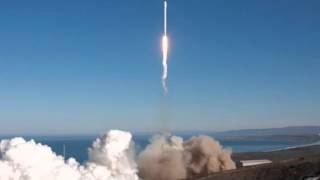 201330:53