6 月底,得克萨斯州奥斯汀的街头会出现大约 10 辆没有司机、也没有安全员的特斯拉。
一家市值接近万亿美元的公司,把无人驾驶商业化的第一枪,押在了两位数的车队上。
CNBC 的大卫·法伯(David Faber)连着追问了三遍,才把这个数字确认下来。有人向马斯克建议,第一天干脆上一千辆,甚至一万辆。他的回答是:那不明智。
我们先跑 10 辆,跑一个星期,然后加到 20 辆、30 辆、40 辆。我觉得几个月内会到一千辆,然后再扩展到其他城市。(马斯克)
10 这个数字本身没什么可看的。有信息量的是他给出的扩张判据:干预次数、事故、以及团队对系统的信心。数量跟着证据走,不跟着发布会走。
他给地理围栏留了后门
法伯问,奥斯汀是不是全城都跑。马斯克的回答很直接:只跑团队认为最安全的那部分区域。
没有把握的路口,车会绕路走。但车里真的没有人。
很多人理解的无人驾驶是全城通行,实际的产品形态要收敛得多:一个划定的区域,一批经过筛选的道路,一套远程盯着屏幕的运营团队,加上随时可以缩小的服务范围。
特斯拉确实在招"车辆操作员"。马斯克没有否认这些人是远程监控。他的原话是,部署期间团队会"极度偏执",这是应该的,"不这样才愚蠢"。随着信心增长,盯屏的人会减少。
他还顺手接了一个监管话题。美国现在对自动驾驶的审批是碎片化的,州一层、市一层,标准各不相同。马斯克认为这行不通:从缅因州开车到纽约,要穿过几十套不同规则,车的行为都得跟着变,这没有任何道理。他主张一套全国统一法规,就像高速公路的驾驶规则一样。
他的预测是,到 2026 年底,美国会有几十万辆、甚至超过一百万辆特斯拉在跑自动驾驶。
车主的车,变成一台会挣钱的 Airbnb
特斯拉商业模型里最容易被低估的一环,就在这里。
马斯克的描述是"Uber 加 Airbnb"的组合。特斯拉车主可以把自己的车加进车队,也可以随时把它移出来。就像你出门时把空房间挂到 Airbnb 上,车不停在停车场吃灰的时候,可以自己去接单挣钱。
法伯提醒他,两年前在同一个位置,他也听过类似的时间表。马斯克的回应是"验证点"逻辑:
一旦你有了一个验证点,一旦它真的跑通了,扩大规模只是时间问题。(马斯克)
这话听着像套话,但它解释了为什么他坚持先上 10 辆。奥斯汀跑通之后,其他城市照抄,例外情况单独处理。他点名了纽约市中心,说那是高度特殊的场景,但美国大部分城市长得像奥斯汀。
至于运营一个打车平台需要的 App,法伯问他有没有。马斯克的回答带着一点他一贯的轻慢:搞个 App 不难,xAI 大概一小时就能写出来。
他还提到,已经有多家大型车企来谈自动驾驶技术的授权,特斯拉态度开放。演示得越多,想授权的人越多。
他不信激光雷达,理由跟道路是怎么设计的有关
法伯把 Waymo 摆到了桌面上。Waymo 大约 700 辆车,28 个摄像头,加激光雷达,加毫米波雷达,在比佛利山庄一带已经跑了很多年,是个跑通的概念验证。
特斯拉的方案是 8 到 9 个摄像头,加神经网络。
马斯克的解释值得完整听一遍:
整个道路系统是为智能、为生物神经网络、为眼睛设计的。所以对这套道路系统最有效的,是人工智能、数字神经网络和摄像头。这套系统不是为从眼睛里射出激光设计的。(马斯克)
这句话的锋利处不在嘲讽本身。嘲讽之外它藏着一个判断:人类建造的物理世界,默认的输入接口就是可见光和听觉,所以匹配这个世界的 AI 也应该用同一套接口。
特斯拉车上确实有麦克风,用来听救护车和警笛。这个细节很少有人提,但纯视觉这个标签因此并不准确,更贴近的说法是"人类感官等效的输入"。
更关键的技术论点是多传感器冲突。特斯拉以前装过雷达,后来关掉了。原因跟省钱无关:
我们发现雷达和摄像头有时候会给出不一致的判断,然后你不知道该信哪一个。多传感器会互相矛盾,这种矛盾本身会导致事故。(马斯克)
这个说法在业界有争议,主流做法是用卡尔曼滤波之类的融合算法处理传感器不一致。马斯克给出的是一条工程路线的取舍:与其花力气解决两个传感器吵架的问题,不如把一个传感器训练到足够好,让吵架这件事根本不存在。
他还当场邀请法伯试乘。法伯说好啊。马斯克说随时,去哪儿都行。
那场"特斯拉闯红灯"的测试,测错了对象
法伯提到周末看到的一场对比测试,某家商业媒体拿 Waymo 和特斯拉做了同路线比较,结论是 Waymo 更好。理由之一是 Waymo 用地理围栏绕开了一个极难的路口,而特斯拉开了进去,在红灯前停了一下,然后闯了过去。
马斯克先撇清了对那家媒体的评价,然后给出了技术层面的反驳:
那本来该是一场监督版自动驾驶的测试,不是无人监督的测试。这类测试的前提就是车上有人会接管。所以那个测试本身没有意义。(马斯克)
这个反驳逻辑上成立。当时路上跑的量产特斯拉,法律和技术定位都是 L2 级别的辅助驾驶,驾驶员对一切负责。用 L2 的表现去推断 L4 的能力,样本选错了。
但他也没有回避问题。他主动说,奥斯汀的部署会有地理围栏,没把握的路口就绕开。
把画面拼起来看,情况是这样的:Waymo 已经在做地理围栏的无人驾驶,特斯拉现在也要做地理围栏的无人驾驶。差别在于特斯拉的围栏会以多快的速度扩大,以及它背后有多少辆车在提供数据。
在中国没训练过中国道路,却拿了第一
这一段的分量,超过了他所有关于竞争对手的表态。
中国不允许把道路视频传到境外训练。所以特斯拉在中国推送 FSD 的时候,模型是用中国以外的数据训出来的。
结果呢?中国本地媒体的实测结论是,即使没有在中国道路上训练过,特斯拉的自动驾驶仍然是最好的。
这件事说明两点。一是端到端神经网络的泛化能力比很多人预期的强,它抓住的更像是驾驶的一般规律,具体某条街的形状对它帮助有限。二是数据地理隔离带来的损失,可能没有想象中那么大。
但产品落地并不顺。马斯克说得很清楚:中国目前批准的只有监督版,车上必须有人。每发布一个新版本,都要重新拿一次增量审批。有时候还得跟试图阻挠的本土车企周旋。
中国是竞争最激烈的市场。(马斯克)
法伯提到比亚迪,说在电动车领域两家基本并驾齐驱,比亚迪似乎在免费提供不同级别的辅助驾驶。马斯克的回答是:
我不太关注竞争对手。我只想着把产品做到尽可能完美。我们想达到的,是一款完美产品的柏拉图式理想。只要专注在这上面,产品自然会有竞争力。(马斯克)
这话听起来像公关话术,把它和前面那句"中国是竞争最激烈的市场"放在一起看,逻辑就通了。他承认压力,但不让压力定义路线。这家公司的资源分配一直围绕能不能做到最好,而非对手此刻在做什么。
那个手势,和他不打算道歉
法伯把话题转向了品牌。特斯拉第一季度汽车收入下降 20%,比去年同期少卖了大约 5 万辆。外面普遍认为,马斯克本人的政治表态伤到了品牌。
两年前在同一个位置,法伯问过同样的问题。当时马斯克的回答是:我不在乎,我想说什么就说什么,就这样。
法伯问,后悔吗。
不后悔。
我相信我们想生活在一个自由社会里,人们可以在合理范围内说自己想说的话。你不能鼓吹谋杀,但言论自由是民主正常运转的基石。这就是为什么它是第一修正案。(马斯克)
法伯把问题收窄了。言论自由那部分他不再纠缠,他问的是去政府效率部(DOGE)干活这件事值不值。你现在是个比两年前更具分裂性的人物,有人爱你,也有很多人讨厌你,其中一部分原本是你的客户。为了这些,把那么多潜在买家推走,值吗?
马斯克的回答绕到了媒体:
不幸的是,我学到的是,传统媒体的宣传非常擅长让人相信不真实的事情。(马斯克)
他举的例子是那个著名的"纳粹手势"。他说那只是在集会上说"我的心与你们同在",当时在讲太空旅行,任何公开演讲的人做过一段时间都会做出类似的动作。传统媒体把它当成了刻意的纳粹礼。
我从来没有伤害过任何一个人。(马斯克)
这里有个细节可以记下来。法伯说他事后给几个和马斯克关系近的人打了电话,所有人的第一反应都是"不可能,绝对不可能"。
谁对谁错可以先放一边。这段对话真正透露的,是马斯克对舆论的基本假设:媒体攻击是系统性噪音,不需要用道歉来对冲,长期只有产品说话。这个假设对不对,市场会给出答案。
USAID:拿不出受助者照片的项目
法伯提到了另一批不满:美国国际开发署(USAID)被砍,国立卫生研究院(NIH)被砍,很多人觉得这些机构被粗暴处理了。
马斯克的回应是逐条列标准。
凡是在 USAID 里有一点点价值的项目,都保留并并入了国务院。如果有例外,团队愿意听,愿意看。
但审查的时候,他们提出的要求很简单:给我们看看受助者的照片,或者给我们联系方式,我们直接对接。
没有人拿出照片,也没有人给我们任何联系方式。我们不会把钱送给华盛顿的游说客和某个国家的军阀。(马斯克)
他还补了一条更狠的观察:
当你停掉浪费和欺诈,欺诈者不会承认自己有罪。他们不会说"太好了,我们终于被停止了"。他们一定会编出一套听起来很感人的说辞,而那套说辞毫无依据。(马斯克)
这套逻辑是不是完全站得住,可以争论。但它至少解释了他的行为模式:把举证责任推给资金接收方,由审计方去证明浪费的存在,而不是反过来。
1600 亿美元是怎么算出来的
法伯作为财经记者,这段问得最硬。
他摆的数据:美国赤字占 GDP 大约 6.7%,利息支出将超过一万亿美元,明年也不会降。马斯克当初说要砍一万亿,现在远远不到。
马斯克的回答分两层。
第一层是时间。四个月,只干了四个月。按他们的算法,赤字改善了 1600 亿美元。
第二层是口径,这层更重要:
该问的问题是:DOGE 这些动作让 2026 财年的增量支出,相比 2025 财年减少了多少。(马斯克)
他举了个具体例子。政府向大量雇员提供了遣散费和提前退休补偿,很多人接受了。这笔钱一直发到 9 月。真正的节省要到 10 月才开始体现,现在账面上根本看不到。
按增量口径算,1600 亿是万亿目标的 16%,用了五个月。
法伯说很多经济学家对这个数字有异议。比如带薪休假成本是 1350 亿,那部分还得补回来;国税局因为裁员,征收额可能下降。各种估算从 50 亿到 320 亿不等。
马斯克没有逐条回应,但他给出了权力边界:
我们是顾问,我们不是国王。要取得进展,需要的不只是行政部门的同意,还有立法部门和司法部门。(马斯克)
这句话把预期往下调了一大截。DOGE 能做的是提出建议、暴露浪费、推动执行,改不了法律的授权范围。真正要动退休年龄这类结构性问题,必须过国会。
Model Y 换代,和一场被误读的下滑
回到汽车主业。法伯问,第一季度汽车收入下降 20%,少卖 5 万辆,你的信心从哪来?
马斯克的回答很具体:Model Y 在全球范围内换线停产。新版本要上,全世界工厂都得停。
选在第一季度停产是有原因的。Model Y 是全球销量第一的车型,不分品类。第一季度通常是全年需求最低的时段,拿这个窗口做产线改造,损失最小。
工厂在改产线,我们就没法造车。现在需求已经出现了大幅反弹,我对此很有信心。(马斯克)
法伯追问了两遍,确认他说的"大幅反弹"是认真的。
马斯克还补了一句,算是对品牌问题的间接回应:大多数人买一件产品的时候,并不太在意 CEO 的政治观点,甚至根本不知道那些观点是什么。
然后他把话拉回到长期:
长期看,真正重要的只有自动驾驶和 Optimus。它们会压倒性地决定这家公司未来的财务成败。(马斯克)
机器人学洗碗,从动捕服到自博弈
法伯问的是最实际的问题:自动驾驶花了好几年才把能力练到超过人类,机器人要学会各种不同的任务,需要多久?
马斯克给了三个阶段的路径。
第一阶段是示范学习,现在正在做。人类穿上动捕服,头上有摄像头,按机器人的方式动作:抓东西、开门、扔球、跳舞。这是为了把基础能力启动起来,就像给婴儿先装上基本的运动反射。
第二阶段是看视频学习,他认为这是真正的门槛:
如果 Optimus 能看 YouTube 视频、看教学视频,然后像人一样照着学会做那件事,任务的可扩展性就会发生剧变。它什么都能很快学会。(马斯克)
他没说已经做到了,说的是未来几年能跨过去。这一步是质变,因为它把训练成本从"每个任务都要人示范"降到"每个任务只要有人拍过视频"。
第三阶段是自博弈。这一步最像人:
小孩怎么学?他有玩具,反复玩积木,最后就搞明白圆块要塞圆孔、方块要塞方孔。就是把机器人放进一个有玩具的房间,让它自己玩,奖励函数是"成功",它会自己学会。(马斯克)
他还说了一个更远的形态:你不需要下命令。它会推断你大概率想要什么,然后去做。
时间表是 2030 年前后年产一百万台。这个数字听起来夸张,但要看参照系:特斯拉上海工厂一周就能下线一万多辆车。产能这一关其实好过,难的是机器人到底能不能干成那些活。
一百万块 GPU,一个吉瓦,和一堆 Megapack
xAI 在孟菲斯的训练集群,现在有超过 20 万块 GPU 在做协同训练。马斯克说这是目前世界上最强的训练集群。
下一步是 100 万块,其中 80 万块是下一代 Blackwell。功率是吉瓦级。
这里有个容易被忽略的工程细节。GPU 对电压波动极其敏感,电网的抖动、瞬时压降、哪怕几秒钟的停电,都会让大规模训练出问题。特斯拉的做法是在集群旁边堆一大批 Megapack 储能电池做电力调理,同时充当不间断电源。
马斯克说,这会是世界上第一个吉瓦级训练集群,工期大概 6 到 9 个月。
他还补充了算力来源的分布:自研的 Dojo 目前对自动驾驶训练的贡献大约 5%,量产的 GPU 仍然主要从英伟达买,也买 AMD。
只要英伟达比我们自己造的好,我们就继续买英伟达。(马斯克)
芯片、变压器、发电厂:瓶颈的三级火箭
法伯问,电力会不会成为 AI 继续前进的卡点。马斯克给出了一个按顺序到来的瓶颈清单。
第一关是芯片。几年前他就说过 AI 的瓶颈是芯片,现在仍然是芯片。
第二关是电气设备。要把 30 万伏的高压电一路降到计算机用的 400 伏,需要大量降压变压器、电缆、保险丝。变压器行业几十年来习惯的是需求平稳,从没遇到过这种量级的突增。现在就是硬短缺。
这里有个巧合,马斯克自己都觉得好笑:AI 的核心算法叫 Transformer,Optimus 这个名字来自变形金刚(Transformers),而眼下真正卡住 AI 的,是变压器(transformer)。
变压器短缺。其他变压器需要的那一个变压器,正在短缺。(马斯克)
第三关是发电本身。等变压器的问题解决了,真正的电力生产缺口会浮出来。他估计到 2026 年中或年底,人们就会开始撞上发电能力的墙,即便监管在放松、审批在加速。
问题在于,建一座电厂需要多久。这个周期的长度,决定了 AI 算力扩张的真实上限。
中国的发电曲线像火箭,美国是一条平线
马斯克在 X 上发过一张对比图,美国的发电量和中国的发电量。他的描述是:
中国的发电量像火箭一样冲向轨道,美国的发电量是一条平线。到今年年底,中国的发电能力大约是美国的 2.5 倍,而且正朝着 3 到 4 倍去。(马斯克)
法伯接着问了一个更大的问题:在电动车、自动驾驶、电池、光伏、发电,甚至最近的生物技术(比如辉瑞引进抗癌药)这些方向上,中国是不是已经在某些重要领域领先了?
马斯克的回答很有分寸。他认为美国在突破式创新上仍然有优势,原因在文化:
要做出突破式创新,你必须质疑权威。突破本质上就是在质疑主流认知。而中国整体上不太鼓励质疑权威,这一点和美国不一样。(马斯克)
但他马上补了一段,语气比前面所有段落都更认真:
我要强调,中国聪明、有才华、又极其勤奋的人,数量多得惊人。我是中国能力的仰慕者。中国以外的大多数人,并不真正理解中国的力量。(马斯克)
这段判断提供了一个坐标系:一端是从 0 到 1 的能力,另一端是从 1 到 100 的规模和成本能力。他把前者留在美国,把后者交给了中国。谁的优势更耐久,取决于未来十年竞争的主战场在哪里。
合并 xAI?"并非不可能"
法伯问得很直接:你会不会考虑把 xAI 并进特斯拉?这样做可以给马斯克发新股,提高他在特斯拉的经济权益,也就是他之前说过想要更多控制权。
马斯克的回答分三层,层层收紧。
任何事都有可能。但特斯拉是上市公司,要拿到少数股东中的多数票,不容易。这件事并非不可能,不过必须由特斯拉股东投票决定。
法伯追问:所以这不是你现在在考虑的事?
马斯克的回答是:目前没有这个计划。但并非不可能,需要股东支持。
这段对话的技术含量在措辞。"目前没有计划"和"并非不可能"可以同时为真,前者说的是现在,后者说的是选项。
七年零薪酬,和一份没人敢签的对赌
2018 年那份 CEO 绩效方案,至今仍在特拉华州的司法程序里打转。马斯克说他从 2018 年到现在,七年,一分钱工资没拿。
法伯说,如果方案通过,那会是有史以来最大的一笔报酬。
任何一家财富 500 强公司的 CEO,如果同意签我当年签的那种方案,你应该立刻去买那家公司的股票。(马斯克)
这话不完全是自夸。2018 年的方案确实是一份纯期权对赌:没有底薪,没有保底,股价要涨到远高于当时水平才能解锁第一档。当时几乎所有人都觉得不可能,后来全兑现了。
法伯还问了一件事:为什么一定要当 CEO?为什么不学拉里·埃里森(Larry Ellison),做个有巨大影响力的所有者,不坐在 CEO 位子上,也不用天天挨骂?
马斯克的回答先纠正了称呼:埃里森是甲骨文的"所有者",他在甲骨文的持股比例比马斯克在特斯拉的持股比例高得多。
这个纠正其实回答了问题,只是没有直说。持股比例不够高,就没法只当"所有者"。
我们坐在智能爆炸的场边座位
访谈最后,法伯问了一个最大的问题:社会准备好迎接 AI 带来的变化了吗?
它来得非常快。我感觉我们正处在智能爆炸的大爆炸时刻,我们坐的是场边座位。有一件事是确定的,它不会无聊。(马斯克)
法伯提到他以前常说的"20% 的灭绝概率",问现在还说不说。
马斯克的回答比过去收敛:
我们应该始终承认存在坏结果的概率,然后努力防范它。不能自满地说一切都会好,没有坏的可能。(马斯克)
他给了一个电影比喻。我们是在一部《星际迷航》里,还是一部詹姆斯·卡梅隆的电影里?前者是吉恩·罗登贝瑞(Gene Roddenberry)设想的那种乐观未来,后者是《终结者》那种。他希望是罗登贝瑞那一种,也希望随之而来的丰裕是真的。
最后法伯问,会不会想念白宫。
马斯克的回答是,他粗略的计划是每几周去待几天,能帮上忙就帮。
把这场访谈当成一份待验证的清单
这场访谈信息量很大。对读者有直接价值的,是他给出了多少个可以被打脸的具体节点:6 月底、10 辆车、几个月内 1000 辆、2026 年底上百万辆、6 到 9 个月建成吉瓦级集群、2030 年一百万台机器人。
这些数字的用处,是让你在三个月、六个月、一年之后,回来核对。
以下是几条能立刻用上的建议。
- 把他的时间表整体往后推,力度比打对折更狠,按三折来估。他说的"6 月底"应该理解为"6 月底开始、小范围、可随时收缩"。真正值得记在日历上的节点是:奥斯汀首月的干预数据是否公开,以及是否在三个月内进入第二个城市。
- 盯三个可观测指标,别盯发布会。一是无人车队的远程接管比例(每千英里多少次人工介入);二是地理围栏的面积扩张速度;三是 FSD 相关收入是否在财报里被单独拆出来。第三个指标一旦出现,说明这块业务已经值得单独定价。
- 传感器路线的争论可以停了。争论谁更安全没有意义,看谁能先公开可审计的安全里程数据。谁先公布每百万英里的事故率并且接受第三方核验,谁就赢了这一局。
- 如果你在电力或能源装备行业,这是未来 24 个月最确定的机会。变压器、并网设备、储能调峰、大功率供电的工程能力,短缺程度超过芯片。芯片可以扩产,变压器不行,因为绕线工和硅钢片的产能都是长周期。
- 如果你在制造业,认真研究中国的成本结构,别只看财报数字。发电量是一条比 GDP 更硬的指标,它不会说谎。当一国的发电能力是另一国的 2.5 倍并且还在拉开,很多产业的成本曲线就已经被写好了。
- 关注两个机器人技术节点。一是"看视频学会新任务",二是"自博弈在真实场景收敛"。这两个节点一旦有可信的 demo 出现,人形机器人的估值逻辑会整体重估。在这之前,所有产能规划都是纸面数字。
- 普通用户不用急着为 FSD 付费。等你所在的城市进入地理围栏、并且连续几个月没有重大事故报道,再考虑。技术成熟和你能用上,中间隔着一个监管审批周期。
- 看他的政治表态时,把"媒体宣传"和"事实"分开。他说的每件事都可以去查原始材料:USAID 有没有给出受助者信息,DOGE 的 1600 亿是哪个口径算的,特拉华的判决书原文怎么写的。这些都能查到。争论观点不如核对账本。
最后一句留给那个电影比喻。罗登贝瑞还是卡梅隆,这个选择不完全由技术决定,更多由人在关键节点上的判断决定。判断的质量,取决于你手上有没有一份可以核对的清单。
这场访谈,就是马斯克自己交出来的那份清单。
0:00Are you going to have full autonomous on the roads of Austin at the end by the end of June? Yes, you are. What gives you that confidence? We have cars driving 24/7 with drivers in the cars and we see essentially no interventions. So now we want to be very careful with the first introduction of unsupervised self-driving meaning that there's the car driving around with no one in it.
0:21so we're no one buying but drivers. Well, yes. And sometimes no one in it at all. It's going to pick someone up. The cars seems to be incredibly safe. So, we have thousands of cars that are being tested, which is creating some strange situations where we just drive. There's just a bizarre number of Teslas driving past people's houses. They're like, "What's going on?" We even saw one last night coming from the airport driving at night alone. Looked very lonely. Yeah, it's looking good for us next month.
0:44Yeah. You know, some estimates have been that you're only going to have 10 to 12 of them on the road initially. I mean, it's going to be a very small amount. Is that correct? Yeah. Yeah. How do you see it ramping up? Well, we'll have to see how well it it does, but you know, I think it's prudent for us to start with a small number, confirm that thing's going well, and then scale it up proportionate to how well we say it's doing, right? And what's going to be a judge of how well it's doing? Are there any incidents? Are there any interventions? But we want to deliberately take it slow and we start with a,000 or 10,000 on day one, but I don't think that would be prudent. So,
1:14we'll start with probably 10 for a week, then increase it to 20, 30, 40. And I think by say, you know, we'll probably be at a thousand within a few months and then we'll expand to other cities. So expand to San Francisco, California, Los Angeles. Is that a real possibility in the not too distant future? I mean, Texas is very different in California when it comes to regulation. They don't really have much here in terms of dealing with autonomous, but it's a different story in California.
1:42California has already approved. Way has been doing autonomous driving for a while. Right now, the approval process is very haphazard and sort of state by state and sometimes city by city. We were talking to the Secretary of Transportation about that very fact a moment ago. It's going to be important to have a unified set of national regulations for self-driving cars.
2:00Otherwise, you're going to get into this weird situation where if you're driving from Maine to New York, you're going to go through tens of different sets of regulations. Cars going to be behave differently. It's not going to make any sense. No. So, so one one set of regulations that just like there is for highway driving that's what I think makes sense for the country as a whole.
2:17My prediction is that probably by the end of next year we'll have probably hundreds of thousands if not over a million Teslas doing self-driving in the US. What percentage of those are going to be well not the cyber cab you're just talking about on full self-driving level four unsupervised full self-driving you do not need to pay attention right for me if I own a Tesla and I have the software and the capability of doing it.
2:39Yes. Right. We'll have a model which is kind of like some combination of Uber and Airbnb. So, if you're a Tesla owner, you'll be able to add or subtract your car to the fleet. Just like an Airbnb, you could rent out your spare bedroom or rent out your house when you're not using it. And the same thing will be available for Tesla owners. So, it's a way for Tesla owners to earn revenue.
2:57Instead of having your car sit in the parking lot, your car could be earning money. We talked, you and I talked about that a couple of years ago. Somewhat ambitious target. Why do you have the confidence now that in a year there'll be a million available? Well, in by the end of so 18 months 26. Okay. Yeah. Once you have a proof point, once you have it working, then scaling up is just a matter of time. But once it's working well in Austin, then we'll make sure it works well in other cities. Then there obviously some unique cases like downtown New York, but that's a highly unusual situation. Most cities in America are like Austin. Although you
3:28can go on full self-driving right now in New York. I mean, you can obviously you have to sit there behind the wheel, but and it'll do it. Oh, yeah. No, it'll navigate the traffic. I've seen it. Yeah. Even a Tesla that you buy right now and the self-driving just cost $9 a month will give you autonomous driving anywhere in the country right now. The question is when is it unsupervised where you're sitting in the back so to speak. Yes. Where you're like asleep and the car you wake up at your destination.
3:53In order for that to be the case, we want the autonomous car to be much safer than a car driven by a person. Right. But you know, again, I'll come to Whimo because even though they only have about 700 cars, they obviously are on the market. They're in Beverly Hills all over the place right now. It's proof of a concept. They've got 28 cameras.
4:08They've got LAR and radar. You've had a different approach. The 8 to9 cameras and the neural network. Why do you feel that that is going to be the equivalent in terms of safety profile? Oh, I think it'll be better. Why? Because the way that the road system is designed is for intelligence, biological neural net and eyes. That's how the whole road system is designed. So, what will actually work best for the road system is artificial intelligence, digital neural nets, and cameras. And we also have the microphones that hear emergency vehicles and that kind of thing. You need to hear a fire engine or a police car. Yes.
4:38Exactly. Right. But that's how the whole road system is designed. It's not designed for shooting lasers out of your eyes. And what we found is that when you have multiple sensors, they tend to get confused. So do you believe the camera or do you believe LAR? They get confused. That's what can lead to accidents. So we used to have, for example, radar in the car, but we found that the radar and the camera would sometimes disagree and then you don't know which one to believe. So it wasn't about expense. Are you seeing the data?
4:59Right. In fact, we turned off the radars in the cars. You turned off the radar. So if I were to say to you, "All right, let's go." You think that you're there in terms of the safety profile you're seeing right now? Yeah, we could take a ride today if you want. Sure. Yeah. Well, I'm happy to take a ride with you anytime you want, wherever you want.
5:14Logistics capability to operate sort of a ride hailing fleet at scale cuz you mentioned obviously let's call it the end of 26. Are you going to have an app? Are you there? Do you have that ability? I think we could figure out an app. Somebody tells me you're not worried about it. But already has an app. Yeah, I know. X AI can probably do it for you in like an hour just fine. Do you ever consider licensing the technology at some point? Yes, I there are a number of major automakers that have talked to us about licensing self-driving and we're very much open to that. I think the more we demonstrate the capability of self-driving, the more that they will
5:46want to license it and we're happy to help. You know, back to the safety profile cuz it's going to obviously be something key focus. I saw this over the weekend. They did a test between Whimo and Tesla. It's not a real publication. Regardless of whether we want to have a debate about their journalistic integrity, the test itself, let me just share it with you and get your reaction, which was the Whimo ultimately they said proved better in part only because it avoided with its geo fencing one very difficult intersection that the Tesla chose to go through. It stopped at a red light, but then it went through the red light. What's your reaction? Look, I'm
6:21not going to comment on some business entire article, but is that a concern at all? because in a way there's no geo fencing. So it's like it's happy to go on the highways in a way that perhaps a Whimo is not. I guess my question is is that a concern at all for you in terms of it encountering things that are still sort of a crucial test and perhaps it fails. No, first of all that actually should have been a test of supervised self-driving and not unsupervised self-driving. So the assumption there is that you have a person who is going to take over. So their test made no sense.
6:50Okay. But when we deploy the cars in Austin, we are actually going to deploy it not to the entire Austin region, but only the parts of Austin that we consider to be the safest. So we will geoffence it. Yeah, of course. Yeah. It's not going to take intersections unless we are highly confident it'll just take a route around that intersection, but there won't be a safety driver in the car. Correct.
7:09Right. The car it won't there's not going to be somebody sitting there. But you did have ads for vehicle operator autopilots. What was that about then? Are there going to be people who are remotely sort of monitoring the performance of the fleet? Yeah. And what will they do? So, there'll be We're going to be extremely paranoid about the deployment as we should be. It would be foolish not to be. We'll be watching what the cars are doing very carefully.
7:31As confidence grows, you know, less that will be needed. You know, again, you spoke about it and we spoke about it a couple of years ago and obviously your investor base, many of whom are watching right now, are interested in the revenue and profitability of this ride hailing, autopilot, and autonomous driving opportunity. EYD, I believe at this point in China is now offering levels of autonomy for free. I mean, are you confident you're going to be in a position to continue to get a premium for that particular level? Well, interestingly in China, we're not allowed to train on videos in China. So, when we released full self driving, it was actually just trained on the rest of
8:11the world, but not in China. And the tests by local Chinese publications, I think, concluded that even without training on local Chinese roads, the Tesla self-driving was the best. It was the best. Yes. But again, I mean, is the technology some pretty wild videos where people are like doing self-driving, which we don't recommend obviously on like narrow mountain roads, including one where it's there's a sharp precipice on either side and no barriers. Are you regulated to have full Where are you in China right now in terms of your ability to offer that product though?
8:42Understood. Unsupervised. We have supervised post for self-driving where there's a person in the car. He has approval in China but whenever we release a new version we have to get an incremental approval and at times we do have to battle other car companies in China who are trying to stop us from it's incredibly competitive market.
9:00China is the most competitive market and the extent BYD which is neck and neck with you I think in the EV race I think it's fair to say worldwide correct I don't really follow that. Well, they're willing. Again, my question is they're willing to seemingly offer different levels of autonomy for I don't want to call it free, but it I don't really think about competitors. I just think about making the product as perfect as possible. You don't think about competitors at all? No, I just think about making what we want to achieve is the platonic ideal of the perfect product. And as long as you focus on that, you will have a compelling product obviously. All right. Well, there's a
9:33potentially compelling product right behind you, which is a robo taxi. So when are we, you know, is in 5 years are they going to be all over the place? Yes, they will. You're confident in that? Yeah. Talking about Tesla obviously, you know, takes me to a certain extent to what some would say is the brand damage done by your government service. I don't know if you would agree with that. There have been some pros and cons. You know, we sat here 2 years ago upstairs and you famously said when I asked you about this very subject, I don't care. I'm going to say what I want to say and so be it. Do you regret that?
10:05No. Why not? I believe that we want to live in a free society where people are allowed to say what they want to say within reasonable bounds. Like, you know, you can't advocate for the murder of somebody, but free speech is the bedrock of a functioning democracy. That's why it's the first amendment.
10:20Without a doubt. But I guess my question is more about your work at Doge, for example. Was that worth it? You know, to the extent you are now, Elon, you were a somewhat divisive figure two years ago, but now you really are. I mean, there are people who love you, but there are a lot of people who dislike you, some of whom were your customers. And I wonder, was it worth the undertaking at Doge and everything else that you've done and how outspoken you've been in terms of the things you believe in to antagonize so many potential buyers andor users of things like a root. Unfortunately, what I've learned is that legacy media propaganda is very effective at making
10:55people believe things that aren't true. An example of that being that I'm a Nazi and how many legacy media publications, talk shows, whatever, try to claim that I was a Nazi because of some random hand gesture at a rally where all I said was that my heart goes out to you and I was talking about space travel. And yet the legacy media promoted that as though that was a deliberate Nazi gesture when in fact every politician, any public speaker who's spoken for any length of time has made the exact same gesture.
11:20And yet there's still people out there and I've never harmed a single person. You know what, Elon? I was you asked for an example. I wasn't even going to talk to you about it cuz in fact I number of people who are close to you and I called them afterwards and all of them to a person were like no way no way of course not but that isn't necessarily the perception the work you've done for Doge has also come obviously into the spotlight in a great deal and you know people are upset about USA ID being put into the wood chipper people are upset about America disappearing people are upset about and this isn't even on your side the NIH and so many other areas
11:51that they feel rightly or wrongly are being cut as a result of your efforts and I just I guess I wonder as you start to transition now back to Tesla in a more significant way. Any program in US ID that had any semblance of merit was retained and folded into the State Department. So, and if there's some exception to that, we're all ears and we'd love to look at it. We just want to see the evidence that the program was actually doing good and not just funding grafted DC and warlords in in some country. Over and over again, we saw not sympathetic sounding programs, right?
12:24But when we actually said, "Well, please show us show us pictures of of the recipients of of the aid. We just or let us get into contact with them." No pictures were forthcoming. They didn't give us any contact information. And we're like, "Look, we're not going to send money to DC crafters and warlords.
12:41That's not a good use of money." So, that's not what we're going to do. Now, invariably, when you stop waste and fraud, it's not like the fraudsters admit their guilt. They don't say like, "Oh, isn't it so great that the money we were getting, fortunately, has been stopped." They will obviously come up with a sympathetic sounding claim. That claim has no merit. I guess what I would come back to, cuz I talk about economics all day long, is, you know, we, to your point you've been making, we have a deficit that's running at about 6.7% of GDP, right? We have interest costs that are going to be above a trillion. It's not going down next year. You entered
13:14this thinking you could cut as much as a trillion dollars. You're nowhere near that. It's not really making the dent. I think you may have thought you might have been able to achieve in terms of a true problem. Would you agree? Well, first of all, it would obviously be ridiculous to assume that we'd achieve that on day one. So, it's only been what, 4 months? Yeah. And we've done by our calculations improved the deficit by $160 billion. That's our, you know, that's your number that's out there. A lot of people take issue with it and say, well, you know, taxpayers expenses such as paid leave, that's 135 billion.
13:47That's got to come back. IRS collection may go down as a result of cuts. There we ask rock. It said between five and 32 billion is what you've actually said. You need to ask the right question to ask is what is the the bet for the actions of Doge, right? What would the incremental expenditures be in FY26?
14:04Yep. Because for example offered early we offered severance and early retirement to a lot of government employees. Many of them took us up on that. That severance went all the way through to September. Yeah. so there's not going to be any savings until October, right? Because the severance goes through September. So the the delta really is what is the spending difference FY25 versus FY26 as a function of DOA's actions. That's how we calculate the number. And we'll see if that turns out to be true or not. I mean by changing the retirement age or really going after some other parts of the budget. We try to go after every part of the budget. Some parts more boring than
14:42others. You're about efficiency. I mean that would take an act of Congress obviously to really make change. We first of all so I think in our opinion we've created $160 billion delta FY25 to FY26 very significant that's 16% of the way towards a trillion in 5 months and in order to make progress we need the consent obviously of not just the executive branch but also the legislative branch and the judicial branch. So if we you know and we are advisers we are not we're not kings here. I get it. So why are you attacking this given that we've made so much progress? You mean the wheat, not me?
15:18I'm not attacking. I'm just asking questions. In fact, I want to ask a lot more about Tesla. I do want to talk about Tesla. I mean, I was talking about brand damage and what you're seeing in the market. You did an interview earlier this morning where you seem to indicate you're starting to see a rebound. Yes.
15:31You know, automotive revenue was down 20% last quarter. I think 50,000 fewer units were sold in the Q1 versus Q1 a year ago. What is giving you confidence in the automotive business or is it all about robo taxis as you've been saying and people can't quite see them behind me the robots as well? Really the only things that matter in the long term are autonomy and optimism. Those overwhelmingly dominate the future of financial success of the company. As for Q1, we had a global factory changeover for the Model Y. So there's a new version of the Model Y that came out which required factory shutdown across the world. Model Y is the number one selling car of any kind on earth. I
16:12watched your presentation during your last right here. I think it's number one selling car in the world. So, you know, we we can't we haven't made cars if the factories are retooling. So, the right time to retool is the first quarter since generally that's when the least demand occurs. But we've seen us a major rebound in demand at this point. I feel comfortable. Major rebound in demand.
16:31Really believe you have seen that. Yeah, absolutely. I mean look the for most people when you buy a product how much do you care about the political views of the CEO or do even know what they are your goal you've also said is to produce a million robots I think by 2030 that's what I had you on the record as saying I think that's a reasonable target and then start towards sustainable abundance which you can get into but you know I wonder we've been talking about autonomous and how long it takes to train the automobile to be able to exceed human capabilities but what about these robots to the extent that how much training are they going to need to
17:02actually be able to do various different types of tasks. Is that long time? yeah, it's it's going to take a lot of compute resources. and it'll take time. I think there there's certain threshold breakthroughs that we think we can achieve where if if optimists can can watch videos you know YouTube videos or how-to videos or whatever and based on that video just like a human can learn how to do that thing then you you really have task extensibility that is dramatic cuz then it it can learn anything very quickly.
17:36so I think we'll get there in the next we're not there yet. relying on a significant uptick in terms of learning and training. Yeah. I know that's why I'm calling it a very significant threshold would be the ability to learn from watching a video just so right. but at the point as opposed to watching a human, right, which is or having a human sort of train it right now. I mean, right now we're training optimists to do like primitive tasks where a human in a kind of a what's called a mocap suit and and sort of cameras on the head is moving in the way that the robot would move to say pick up an object or open a door the basic tasks throw a ball
18:12dance and I think that's needed to sort of bootstrap the intelligence so you can have the basic functions. Then where I think it gets very interesting and very much like humans is that you want the robot to selfplay. So you say how does a child learn? Well, a child has toys and a child plays with the toys, plays with the blocks, you know, at some point figures how to put the triangle in the triangle hole and the circle in the circle hole by doing it over and over again. And this selfplay, once you have a lot of robots, you can do this selfplay, which is that you just put the robot in a room with toys and have the robot play with toys and it will learn. Yeah. And we have a reward
18:49function say like okay the goal of the robot is to put you know that classic child to you put the circle in the circle hole the square square or triangle triangle hole and keep doing it until it works and the reward function is succeeding and there are no advances needed to accomplish that. No advances in AI or compute and things of that nature that can happen. there are some advances needed but I don't think these are insurmountable. I think we can solve these things in the next few years. Okay. So, at that time when millions of these things are coming off of a line like we just, you know, saw with cars, they're going to be fully autonomous. They're going to come off
19:21and they're I mean, the way you've described it, they're going to be able to come in my house and I'm going to be able to say, "All right, do the dishes. Now, I need you to walk the dog." Absolutely. Hold the baby. In fact, you really won't even need to. It'll figure out what you probably want and do what you probably want without you even having to ask. how many GPUs are you going to need for that? Well, quite a few GPUs. we do have our own program called dojo for training which I think will be helpful. It's contributing about 5% towards self-driving right.
19:46Yeah. Is that the one in New York? In New York State. Yeah. Yeah. It's in New York. So but we expect to still buy a lot of GPUs from Nvidia. some from AMD and maybe from others. And as long as Nvidia is better than what we make, we'll keep buying from Nvidia. Is that the case right now? It is. Yeah. I mean you're obviously buying for XAI the Memphis big time, right? Yeah. X XAI is building the most powerful well I think we have the most powerful training cluster in the world right now which is over 200,000 GPUs training coherently you're at 200,000 already now there in Memphis that facility that Okay yes where are you going and the will be at the million GPU level in
20:29the location just near Memphis a million GPUs for a new location or 800,000 additional GPUs a million of the next generation GPUs So the blackwell well yeah wait are you building that now? Yeah. How are you powering? It's it's a gigawatt class system. Yeah you do naturally. It is a hard problem which is the hard problem finding the power getting a gigawatt online. Yeah.
20:50and actually having the gigawatt of power be reliable cuz you get like power fluctuations in the grid and that what whatnot. so we're using actually I just posted something online today which is a whole bunch of Tesla mega packs batteries that are important for power conditioning the grid. so the GPUs do not like power fluctuations.
21:10they're like they like a power steady. so and and then if there sometimes there's slight brown outs or if there's a blackout, you want to have be able to carry through that like an uninterruptible power supply. So we got a lot of mega packs there to support that. It'll be the first gigawatt class training cluster in the world. and the most powerful training. When's that going to be done? Hopefully in about 6 months, maybe 9 months. Mhm. And that's largely powering Grock. Yes. Yeah. It's just power and drive, right? Which continues to advance. I mean, I use it frequently. Yeah. I saw you using that on the Joe, was it with Rogan when you were using that mode? What is that
21:46mode where it's all sassy and curses all the time? Well, this I mean, if you want to have fun at parties, Gro unhinged mode is pretty funny. Yeah, it's next level. Is power going to be the gaining issue for our ability to continue to advance in AI? Yeah, I think we're I mean a few years ago I made a very obvious prediction which is that the limitation on AI will be chips and it's still chips kind of chips today.
22:09then it will be electrical equipment for the because you need to take power at that might be at 300,000 volts all the way down to 400 volts for the for the computer. so it needs you need step down transformers and a lot of them and a lot of you know cabling and wiring and fuses and really you know it's a it's a lot a lot of transformers essentially and the the the electrical transformer industry is not used to big changes in demand. No there's a shortage of transformer literally shortage of transformers and then funny enough the AI algorithm is called a transformer.
22:42and then our Optimus robot is named after Octopus Prime that's a transformer robot. It's a lot. So we have transformers for transformers. Right. Right. But it's the one transformer is the one in shortage that the others need. And then as we solve the transformer shortage, there will be the fundamental electricity generation shortage. And are we there yet or are we going to be there soon? We're getting there soon. My guess is people will start hitting challenges with power generation maybe by middle of next year, end of next year, even with deregulation and effort being made to perhaps move permits along more quickly. So like how many power plants are getting built and
23:17how fast can you build a power plant? Right. Right. China seems to be building them pretty quickly. Oh, China has so many power plants that have been built and are being built. I don't think people quite realize this. I posted on my X account just the graph of US power generation versus China power generation. China power generation is like a rocket going orbit and US power generation is flat, right? so I think by the end of this year, China will have about two and a half times the power output of the United States and it's headed towards maybe three or four times the power of the United States. It's funny when I think about China. I mean EVs, autonomous, we talked
23:49about batteries, solar, power generation, by the way, even biotechnology recently. I don't know if you saw Fizer's licensing cancer drugs. Are they ahead of us in certain areas that are important? the United States still has an advantage in breakthrough innovation. but and I think it's somewhat of a cultural thing which is that to have breakthrough innovation you have to question authority that fundamentally your breakthrough you're you're questioning the conventional wisdom when you do a breakthrough innovation right in China that they don't generally like to question the authority or that's not as encouraged as it is in the US so you seem to be good at finding something and
24:29then making it better yeah I do want to emphasize that the sheer number of smart talented people in China who work very hard is amazing. The amount of talent I mean I'm an admirer of of China's capabilities. I think most people outside of China do not understand the power of China. It really is something special. Yeah. you know in the time we have left I would like to sort of keep the focus on XAI. First of all, you know, you spoke earlier about wanting more control at Tesla. Would you ever consider merging XAI into Tesla? would be a way obviously they could issue shares to you and conceivably would increase your overall economics. Is that a possibility? Well, I guess anything's
25:07possible, but it would be difficult to speculate about something. You know, Tesla's a publicly traded stock. I would think to get a majority of the minority vote or whatever you might need might be not easy. yeah. it's not out of the question, but that would have to be something that the Tesla shareholders would want to vote for. Understood. So, but it's not something you're thinking about doing. It's not currently there.
25:26There are no plans to do so, right? It's not out of the question, but obviously would require Tesla shareholder support for that. Another way you could obviously increase your control would be to get that comp plan passed in Delaware. or through the Delaware Supreme Court or a new one. You haven't been paid, I believe, since 2018. Yeah.
25:44Where are you? Where are you on? 7 years with zero faith. You know, although to be fair, if it goes through, you're going to have an enormous payday. It'll be fine. It'll be more money than anybody's ever made. I Yeah, I suppose so. But I mean, let's just say that if any CEO of the Fortune 500 were to agree to a plan like the one that I agreed to, you should buy the stock of that company immediately. no, I remembered at the time to be fair, the targets were so far above where the stock was and obviously they were met. Yes. Is the board working to your knowledge on another potential plan if in fact the one never gets out of Delaware, the Supreme Court rules
26:17against the chancellor's ruling? I mean, I don't want to speak on behalf of the board, but you know, I'm sure it's on their mind, but you know, this I can't comment on terms of board deliberations. you said earlier, I mean, you want to stay as CEO. Why not, you know, I've wondered, Eli, given all the heat you've gotten in a lot of ways. Why not sort of become like an Ellisonlike figure at Tesla? Obviously, you're a lot younger, but still, he's very influential at Oracle, but, you know, he's not CEO and he doesn't get the attention, at least not entitled. I think maybe a better term for I'm a huge fan of Larry Elsa, good friend of mine. owner. Owner, I
26:48think, would be he's the owner of Oracle. Yes, he is. And he has a lot of it. Finally, I want to So, the CEO, he's just the owner. Owner. Yeah. It's a big percentage, a lot higher than yours actually at Tesla. Yes. An impressive percentage at Oracle. finally, I want to I mean, so many things we haven't gotten to, but we're trying to keep to your time. Are we ready for the changes that AI is going to bring to this society? you know, I try and my job every day to sort of follow them.
27:13Obviously, they've been pushed aside to a certain extent by issues of the day. Yeah, it's coming fast. And it's coming very fast. I mean, I feel like we're, you know, we're in the big bang of the intelligence explosion. Like, we're in we're watching, we're have courtside seats to the big bang of intelligence explosion. one thing's for sure, it won't be boring. No. So, let's not be saying there's a 20% chance of annihilation as often anymore. I think we should always consider that there's some chance of a bad outcome to try to protect against the bad outcome. We don't want to be complacent and say that everything's just going to be fine.
27:45There's no chance of a bad outcome. I sort of think of them as maybe in movie terms as like are we in a Star Trek movie or are we in a Gene Rodenberry movie or a James Cameron movie? Which movie are we in here? And you could either have a Rodenberry or a Cameron outcome. I think in this case we want the Rodenberry outcome. Yeah. And the abundance that may come with it. You going to miss the White House at all or not? my rough plan on the White House is to be there for a couple days every every few weeks. and to be helpful where I can be helpful.
资源与出处
- 视频在 YouTube 收看
- 档案silicon-valley.tech 档案页本页视频与文稿数据来自 Elon Musk Archive
- 精读本篇精读 Markdown 版
相关视频
同频道、同主题或相邻年份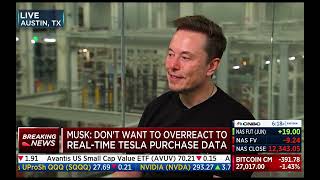 20231:01:45
 202519:34
 20251:35:40