2023 年 7 月 13 日,周四,财经评论者 Mike Norman 在赶去机场之前录了一段十几分钟的视频。他刚看完塔克·卡尔森(Tucker Carlson)对埃隆·马斯克(Elon Musk)的那场专访,其中两段让他坐不住,一段想反驳,一段想点赞。
这段录像后来在网上被当成“马斯克访谈”转发。它其实是评论,不是访谈本身。但对读者来说,它提供了一个少见的角度:同一个人的同一场对话,被同一个人一边指出问题一边称赞,而且指出问题和称赞的分界线划得相当清楚。
被指出问题的是宏观判断。被称赞的是投资建议。
那条分界线本身,比访谈里的任何一句话都值得细看。
把美国和委内瑞拉放进同一个句子,问题就出现了
马斯克在那场访谈里的论证大致是这样:政府可以凭空创造货币,想造多少造多少,这么做迟早引发通胀。他拿疫情期间的情况当例子,也把美国和委内瑞拉放在一起做了类比。
Norman 的反驳从两个方向来。
第一个方向是供给侧。2020 年到 2021 年那轮通胀,需求端确实有政府发钱的因素,但同期还发生了别的事:跨国供应链断裂、整座城市停摆、工厂关门、港口堵船、大量劳动力退出就业市场。全球生产能力在很短的时间里被砍掉一块。
需求端灌了水,供给端同时被掐住,价格当然会跳。把结果全部记在“印钞”这一笔账上,等于把两个同时发生的变量算成了一个。
第二个方向更根本,也是 Norman 认为马斯克“完全搞错了”的地方:委内瑞拉和美国,在货币体系里的位置根本不是一回事。
委内瑞拉背着大量以美元计价的外债。它自己印不出美元。收入一下滑,美元债还不上,摆在面前的只有两条路:违约,或者狂印本币去换美元。后者会让本币汇率崩掉,进口商品价格飞涨,通胀从汇率这条管道冲进国内。所以委内瑞拉的通胀,起点是“欠了别人家的钱”。
美国的联邦债务全部以美元计价,而美元是美联储和美国财政部可以创造的。美国政府不会陷入“账上有债,手里没有那种货币”的局面。
Norman 用的词是“货币垄断发行者”(monopoly issuer)。这个区分是现代货币理论(MMT)的起点,也是那套理论里最容易被误读的一句。
打个比方。一个人欠邻居十万块人民币,还不上就是还不上,除非他去挣。另一个人欠的是自己手写的欠条,债主拿着欠条来兑,他可以再写一张。前者的约束是硬的,后者的约束是软的,软约束落在别的地方,比如物价。
这里要补一句,免得被误读成“随便印都没事”。MMT 说货币发行国不会被账本逼到破产,不等于说印钞没有上限。约束从账本转移到了真实产能和通胀上。一个国家能生产多少东西,决定它能承受多少货币。这条线是硬的。
Norman 顺带说了一句挺不留情面的评语:马斯克聪明到足以理解这件事,只是没人跟他解释过,他也没读过相关的东西。这话可能有点刻薄,但后面还有半句更中肯:大多数这类人都犯同样的错。
通胀的门槛在能买到多少东西,不在印了多少
如果把上面两层反驳合起来看,会得到一个更清楚的判断标准。
印钱本身不制造通胀。会制造通胀的是这件事:被印出来的购买力,超过了经济实际能供给的商品和服务。
拿一个镇子举例。镇上有三家面包店,每天烤三千个面包。突然有一笔钱发到每家每户,人们手里的钱翻倍了,可面包还是三千个。第二天早上,面包的价格就会涨,涨到把多出来的那部分钱吃掉为止。
现在换个情形。镇子还是那些钱,但两家面包店因为面粉运不进来关门了,只剩一家还在烤,每天一千个。价格同样会飞。
两个情形,价格表现一模一样,原因完全不同。第一个是钱太多,第二个是面包太少。真正的情况往往是两个一起发生,2020 到 2021 年就是。这也解释了为什么那轮通胀在不同国家、不同品类上的表现差异那么大,谁的供应链断得更狠,谁的价格就涨得更凶。
对普通投资者来说,这个区分有实际用途。看到“货币超发必然通胀”这类断言时,多问一句:产能那边是什么状态?如果产能完好而货币猛增,通胀压力是真的;如果产能同时在收缩,那么价格信号里混着两件事,需要分开判断。
他给散户的建议,被完整地肯定了
卡尔森在访谈里问马斯克:普通人应该怎么投资股市。
马斯克的回答,Norman 几乎全盘接受。他说自己听到时有点意外,本以为会听到“股市就是个赌场”这类话。
马斯克的建议可以拆成三层。
第一层,选公司看两样东西:产品服务是否真的好,管理层是否真的好。不是看股价曲线,也不是看别人的推荐。Norman 对这一点的补充是,买进去的逻辑应该是这家企业生产的东西被真实需要、它有某种竞争优势、它能守住自己的市场位置。这个优势可能来自规模,可能来自创新能力,可能来自一整个团队的专业程度,路径很多,但结论只有一个:它得比别人强,而且这个强要能被验证。
第二层,长期持有,别动。只要当初买入的理由还在,估值没有离谱到荒诞的程度,就没有卖出的必要。
第三层,市场恐慌、大家夺路而逃的时候,是加仓的时机,不是清仓的时机。
第三层其实是反人性的。股价暴跌时,账户里的数字在缩水,新闻里全是坏消息,社交平台上所有人都在说天要塌了。那个时刻,卖出能立刻止住痛苦,买入则要承受更多痛苦。所以绝大多数人的操作是反过来的:涨得最猛的时候冲进去,跌得最狠的时候割出来。
马斯克还说了另外一句:股价的涨跌,并不总能反映一家公司本身的存续能力。市场每天在给企业报价,但那是一群人在特定情绪下的出价,不是企业真实价值的读数。这两件事在短期内经常脱钩,在长期内才慢慢收敛。
芒格那句话,比任何估值模型都难做到
Norman 把马斯克的建议和查理·芒格(Charlie Munger)的一段往事接了起来。
在某个会议上,有人问芒格:什么时候卖出?
我不卖好资产。只要估值还是合理的。(查理·芒格)
这句话背后的逻辑和马斯克那三层完全一致:如果一家企业的产品服务被市场需要、有竞争优势、管理层可靠,那么持有它本身就是收益来源,卖出的动作反而在破坏这个来源。
Norman 讲了自己的教训,说得挺坦白。他这辈子有好几次,手里拿着很好的资产,看着它涨了一截,觉得差不多了,卖了。回头再看,那些东西后来涨了好几倍。
其中一部分是房地产。另一部分是交易所的会员席位,他当年陆续卖掉了几个,那些席位的价格后来涨得离谱。
他把这件事总结成一句“hard lesson”:好资产要拿住。
这个教训之所以难学,是因为它反直觉。人的本能是在赚钱的时候锁定利润,落袋为安能带来即时快感。但真正的复利需要时间来完成,而每一次“落袋”都在把复利的计时器归零。卖掉一个十年后值十倍的东西,换来的是一笔当下的安心,代价是那九倍。
当然,这里有个前提没有明说:“好资产”三个字要成立。芒格敢说“我不卖”,是因为他买的时候已经把筛选做完了。大多数人的问题不在卖出太早,在于买入时的标准太低。这条建议不能被拿来当“所有股票都不卖”的借口。
坏消息天生跑得比好消息快
访谈里还有一段,Norman 说自己讲过很多次,觉得马斯克讲得也对。
新闻天然带有负面偏好。这不是媒体的阴谋,是两套机制叠在一起的结果。
第一套机制在人的大脑里。人类在漫长的演化过程中把“活下去”写进了最底层。看到威胁时,身体启动战或逃反应,注意力瞬间被攫取,心跳加快,其他一切让路。一条坏消息在这套系统里是最高优先级的信号,一条好消息不是。
第二套机制在媒体那边。媒体靠点击和观看量生存。什么内容能带来点击,就生产什么内容。负面、猎奇、让人害怕的东西点击率最高。于是内容供给往那个方向倾斜。
两套机制咬合在一起:一边是天生对坏消息敏感的大脑,一边是靠坏消息吃饭的媒体。结果就是,人每天看到的世界,比真实的世界更危险一点。
这套偏差在投资上的后果很具体。恐慌性抛售几乎都是被新闻标题触发的,而被标题触发的操作,事后看十有八九是错的。Norman 的说法是“fade the headlines”,标题往哪个方向喊,就反过来做。
他还补了一个反向的应用,这一点很多人容易漏掉:同样的偏差在狂热的时候也成立。当所有人都在用亢奋的语气描述股市、说它会一直涨下去的时候,那也是一条被放大的信号,只不过方向相反。那种时候要考虑的是从桌上拿走一部分钱,等它回落。
这句话的分量在于对称性。多数人只学到“坏消息时别慌”,却忘了“好消息时也别飘”。两种极端情绪都是新闻制造的,都不该被当成决策依据。
顺带一句流动性
视频结尾,Norman 提了一句他自己的短期判断,和访谈无关,但放在这里刚好能说明“看数据”和“看标题”的区别。
他说资金流很强,6 月的税收季刚过,随着流动性扩张,美元会走弱。这个状态大概会持续到 8 月 15 日左右,之后见顶,再进入下一段。
这段判断的价值不在对错,在于它的形式:有具体的时间窗口,有具体的机制,有可以验证的观察点。和“印钞必然导致通胀”那种结论相比,前者是可以被检验的,后者只能被相信。
这场访谈真正留下的东西
马斯克在那场对话里被问到的问题,一个宏观,一个投资,两者的答案质量差得很远。宏观那部分,他把两个货币体系位置完全不同的国家并排放在一起,也把一个多变量事件压缩成了一个单变量因果。投资那部分,他给的建议朴素到几乎没有技术含量,却是几十年经验里最不容易做到的那几条。
这个对比本身就值得记住。一个人在某个领域极其擅长,不代表他在相邻领域也可靠。听一个工程师谈货币,和一个经济学家谈造火箭,风险结构是一样的。判断一段观点是否可信,看的应该是论证过程,不是说话人的名字。
另外一点:那位评论者在同一段视频里,既否定了马斯克的宏观判断,也肯定了他的投资建议,还顺手把芒格搬来当注脚。这种拆法比一边倒的赞美或一边倒的嘲讽有用得多。它示范了一种更省时间的阅读方式:不用给一个人整体打分,只判断他这半句对不对。
- 看到“印钞必然导致通胀”这类断言时,先查同一时期产能那边发生了什么。供给收缩和需求膨胀会造出一样的价格曲线,但应对方式完全不同。
- 读到一个跨国经济类比时,先问一句:这两个国家的债务是用谁印的钱计价的。货币发行国和货币使用国的约束条件不一样,放在一起比,结论必然走样。
- 把自己持有的资产列一遍,对每一个写下当初买入的理由。理由还在就继续拿,理由没了才卖。用这条标准替代“涨了多少”和“跌了多少”。
- 给卖出设一个冷静期。任何由新闻标题触发的卖出决定,至少隔一天再执行,多数冲动会在 24 小时里自己消失。
- 同时警惕反向的标题。当身边所有人都在用亢奋语气谈某个市场时,把它当成减仓信号,而不是加仓信号。
- 判断一段观点值时,看论证链条,不看说话人的头衔。在自己不熟悉的领域里成名的人,说错话的概率和普通人没有区别。
0:00hey what's up everybody it is Thursday July 13th heading back to Florida tonight I want to talk a little bit I saw an interesting interview between Tucker Carlson and Elon Musk online on YouTube I'm not sure when the interview is done I think it still might have been when Carlson was at Fox News but and they
0:29talked about everything they talked about artificial intelligence they talked about you know Tech they talked about Tesla they but the one part that I thought was interesting and what I want to kind of relay to you was they got into a first let me before I say that let me mention that
0:54Musk he's a brilliant guy but he has he has economics and and government Finance wrong I mean he has the wrong understanding you know he's obviously not an mmt guy he has the wrong understanding like he was talking about how the government can create money and basically create as much money as it wants and that's inevitably going to lead to inflation and of course if the government just you know willy-nilly printed money to the point where it led to
1:29the the total capacity of the total productive capacity of the economy to supply the goods and services represented by those purchases represented by that demand then yeah it will it will result in inflation there was nothing in his mansion and I think he was talking about that in reference to what happened during the pandemic but he completely ignored the
2:01aspect of the supply chain disruptions and you know the closures of entire countries you know people out of work in other words the the shutdown of Global Production so you got to be able to make that distinction also he made a comparison between the United States printing money and Venezuela and that's again he misses out on the distinction between Venezuela having debts denominated in a foreign currency mainly the U.S dollar and the United States which is a currency issuer and all of its liabilities I'm not even going to call them debts all of its obligations are denominated in its own Sovereign currency of which it is the Monopoly issuer so it's not it's apples and
2:55oranges it's it's two different circumstances and you know a guy like him he's smart enough to understand this obviously nobody has ever explained it to him and he's never read any mmt Publications or books that's pretty obvious but but most of these guys make that mistake but I want to talk about what he said about the stock market because I think it's very important and and these are sentiments that I have echoed and spoken about many times and when Tucker Carlson asked him well how should people go about investing in the stock market he said basically you should invest in companies where you believe they have good products and services and good
3:38management and then you should hold on to it and then at times when there is you know when people get panicky and they sell the market down you should buy more and more and more the price of the stock doesn't always indicate the viability of the company we know this that the market fluctuates I mean I guide you guys you people through these ups and downs all the time on a regular basis so I thought his and you hold on to it because ostensibly you know you're buying into an Enterprise where you feel or
4:20it's been shown that the goods and services produced by this Enterprise are in high demand they have some sort of Competitive Edge and they're able to dominate the market and that could be in many different ways it could be sheer size it could just be their Innovative Talent you know their brain power I mean it could be a lot of things but he's right about and this goes back to something I I talked about in a previous video where I said Warren Buffett's partner Charlie Munger he was asked by at one of these conferences somebody asked him well when do you sell he said I don't sell good assets I mean as long as their valuation is good and these are companies that I feel you
5:09know we've done our due diligence and and they are they've shown or they've proven themselves to produce products and services that are in high demand and they have you know some kind of Competitive Edge whether that be size or the other things I mentioned then you you hang on to good assets and I've always found in my life because there have been many times many times where I had great assets and I sold out thinking oh it went up you know so such and such and I'm going to sell out and in retrospect it was a terrible terrible decision and a lot of that came in real estate I I had memberships on various exchanges that I sold out which you know went up exponentially so I
5:59learned a hard lesson about hanging on to good assets but I thought he gave very good advice when it came to the stock market I was surprised to hear you know I thought he was going to hear and say something about the stock market being like a gambling casino somebody's outside cutting grass you know every time when you guys used to watch me in New York you'd hear like ambulances and fire engines and police cars now you got someone cutting the lawn and yeah so he's right I mean you
6:35hold on to those assets and you know when it goes down you don't panic you don't freak out he also said something which I think is very true and something that I have spoken about many times was the fact that hang on I'm going to close this window Maybe shut up it's a little bit better something that I've spoken about many times is that there's an inherent negative bias in the news and that just doesn't go towards the stock market it goes you know in general that those kind of negative headlines you know human beings are predisposed
7:21and and I guess this could go back you know evolutionary just our our the animal parts of our brain the very you know the fight or flight response you know the the the most important thing for any living creature is to its protection is to save itself or get out of the the way get out of the situation if trouble threatens and so that's a a very
7:53powerful stimulus in our brain and so it's almost like a natural reaction on the part of people when they see negative headlines they're going to react to that and it's also on the part of the media they know that you know that gets the clicks that gets the views so they tend to gravitate towards putting out that kind of salacious or frightening negativity and so there's an
8:24inherent bias in that and that's why I always say you know fade the headlines and that even applies when things are going fantastic and people talking about you know maybe characterizing the stock market in a kind of euphoric way like it's just going to keep going up and up and up I mean that's also something that you have to pay attention to because that could be a period where you want to take some money off the table and wait for it to pull back anyway it's a very interesting Eddie video physical flows are really strong you know I didn't mention that where as but I've been saying it every day and I've been saying the dollar is going to go
9:04down as flows expand as we came off of that June tax train and that's going to be the case until around August 15th and then you know we'll peek out and we'll go into another period of dream but anyway that's it I got to get packing to head out to the airport and I guess my next video tomorrow will be coming to you from Florida take care everybody bye
资源与出处
- 视频在 YouTube 收看
- 档案silicon-valley.tech 档案页本页视频与文稿数据来自 Elon Musk Archive
- 精读本篇精读 Markdown 版
相关视频
同频道、同主题或相邻年份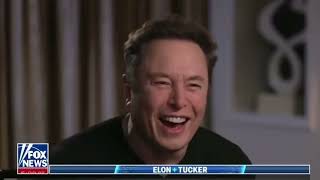 202334:29
 202340:40
 20251:35:40