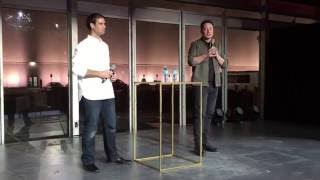
2016年7月,内华达州斯帕克斯(Sparks)城外的沙漠里,一片白色厂房刚开出第一批产线。马斯克站在厂房中央,面对一群员工、记者和当地官员,开始回答问题。第一个问题很朴素:这里现在有多少人在干活?
现场大约一千人。他补了一句:等产能爬到150吉瓦时(GWh),这个数字大概会到一万人。
一万人,在一片连树都长不出来的荒漠上。这句话里藏着这场开业典礼真正想说的东西。特斯拉造的东西早就超出了车的范围,也超出了电池的范围,它是一整套工业系统,要把人类获取能源的方式从"往地下挖、点着了烧"换成"从太阳和风里取"。这类系统撞上的瓶颈,从来不在实验室。
一千人和一万人之间,隔着一条产线
有人问,工厂现在运转到什么程度。马斯克的回答很直接:今天发出去的每一块 Powerwall 和每一组 PowerPack,都是在身后这栋楼里造出来的。
这句话的分量容易被忽略。2016年,外界对特斯拉的印象还停留在"一家造电动车的公司",储能业务在很多人眼里是个附带的小生意。可它已经和整车共用同一条产线、同一个屋顶、同一批工人。储能在他手里从来是已经在出货的实物,PPT 上的第二曲线轮不到它。
一千人到一万人这个跨度,还说明另一件事:这座工厂的产能,是按"整个行业"的规模设计的。150 GWh 是什么概念?2016年全球锂电池总产能加起来也就在这个量级上下。特斯拉一家公司,打算吃掉一块和全行业一样大的蛋糕。
要理解这份野心,得回到当时的处境。那年 Model 3 刚发布,一周内订单冲到三十多万辆,订金收了十几个亿,公司账上却没多少钱。Model X 的产线正在爬坡,鸥翼门和座椅的供应商把交付搞得一团糟。内华达州给了大约十三亿美元的税收优惠,换来这座工厂落地。换句话说,马斯克在沙漠里开这场发布会的时候,手里同时捏着交付危机、现金流危机和一本三十多万辆的订单簿。他站在那儿讲的每一句话,背后都是"必须成"三个字。
还有一层更少被讨论的意义。这座工厂是垂直整合的极端案例。正极材料、电芯、模组、电池包、回收,全在同一个园区里完成。传统汽车工业的分工是层层外包,主机厂只负责总装。特斯拉把最贵、最慢、最难的那一段全部揽到自己手里,短期看是背上了巨大的资本开支,长期看是把成本和节奏的控制权拿了回来。
工厂自己吃自己发的电
有人问到能源结构,马斯克说了一件当时听起来有点超前的事:Gigafactory 完全投产后,会百分之百用可持续能源运行。
具体怎么组合?地热用于厂房温控,风能从别处引进来,屋顶铺满太阳能。三种能源叠在一起,刚好覆盖整座工厂的用电。
这个细节值得停一下。内华达的沙漠白天极热、夜里极冷,厂房对温控的能耗要求非常高。厂房没有走买绿电证书那条路,地热井在设计阶段就打进了地基里。风能和太阳能天然有波动,地热恰好是稳定的那一路,三种能源互补,这套组合是算过的,不只是喊口号。
把这些串起来看:用太阳能和风能造电池,电池装进车里替代汽油,电池报废后回到工厂回收再利用。马斯克在这场问答里没有完整地讲这条闭环,但每一个零件他都提到了。拼起来,就是一个试图摆脱化石燃料的工业循环。
顺便说一句,这个闭环里最容易被质疑的一环是"造电池本身很耗能"。一座年产几十吉瓦时的工厂,用电量相当于一座中型城市。如果这些电来自煤电,电动车的环保账就要打折。所以他把能源结构单独拎出来讲,这不是补充说明,是在堵一个必然会被问到的漏洞。
电池里的材料,一样都没跑掉
观众席里有人问回收。马斯克说,Gigafactory 内部会建回收设施,所有电池包都会回收。
为什么非得建在工厂里?他的解释很工程师:因为特斯拉知道自己的模组长什么样。既然是回收自家电池包,就不用去适配市面上千奇百怪的型号,可以针对性地设计回收机器,做到极高的精度。
接着他说了一段话,值得原样保留:
大多数人没想过这件事。一块锂电池造出来,就算用了十五二十年,到那天为止,当初造进去的所有材料还在里面。没有一样散失到环境里,也没有一样被烧掉。所有的金属,所有有价值的材料,都还在那儿。而今天造一块新电池,材料是整个流程里最贵的一块。如果我们能把同一批材料拿回工厂,成本几乎只有运费。这就有机会把新电芯的材料预算大幅压下来。(马斯克)
这段话拆开看,是三层意思。
第一层是物理事实。电池不会像汽油一样被"消耗"掉。汽油烧完变成二氧化碳和水,物质散了,能量没了。锂电池放电是锂离子在正负极之间来回跑,跑二十年,金属原子一个都没少。这是电化学和燃烧化学最根本的区别。
第二层是成本结构。电池贵,贵在材料,不在制造。正极的镍钴锰、负极的石墨、隔膜、电解液,这些占掉了整块电芯的大头。制造环节的成本反而好压,产线跑得越快、良率越高,单位成本越低。材料这一块,除非找到更便宜的配方,否则很难降下来。回收恰好绕开了这道墙:它把"买新材料"变成"取回旧材料"。
第三层是运输成本。把废旧电池运回工厂,几乎就是全部开销。而电池包本来就要从工厂运出去,物流网络是现成的,反向跑一趟不影响什么。
三层叠起来,"锂峰值"这个说法就站不住了。后面他还会再讲一次,这里先埋个伏笔。
为什么必须在地图上插满 Gigafactory
有人问,会不会在世界其他地方建厂。
马斯克的回答是:每个大洲至少都要有一座 Gigafactory。原因很物理:把车运到地球另一边,物流成本和运输过程本身消耗的能源都太高了。
这里有个容易被忽略的逻辑。一辆电动车开十年能省下大量碳排放,但如果你造它的电池在北美,装车在欧洲,中间跨了大西洋,运输环节的碳账就要重新算。电动车想要真的环保,生产必须贴近需求。
他的路线图是:先在北美达到饱和,然后去欧洲,再是中国,可能还有亚洲其他地区。核心动作是把生产本地化到需求所在地,缩短供应链。
五年后回看,这个判断被执行得相当彻底。上海超级工厂2019年动工,同年投产,柏林工厂2022年投产。当年在沙漠里说的这句话,落地成了钢筋水泥。
还有一层商业逻辑。电池是重量大、体积大、单价高的东西,长途运输不划算。整车更是如此,一辆车装进集装箱漂洋过海,运费加关税能吃掉薄薄的那点利润。所以汽车工业从诞生那天起就是本地化的,特斯拉只是把这条规律延伸到了电池上。
储能和整车,最终会打平
有人问产能分配,多少给车,多少给固定储能。
初期答案:储能大约占三分之一,百分之三十到三十五。长期看,两者会大致相等。
马斯克给了一个宏观算法:如果把全球能源体系切换到可持续场景,在最顶级的口径上算一遍,需要的车用电池容量和固定储能容量,大致是同一个数量级。
这个判断背后是一个很多人没意识到的现实。风能和太阳能的问题出在发出的电和用电的时间对不上,能不能发出来还在其次。太阳中午最猛,用电高峰在傍晚。风在夜里刮得欢,白天工厂要开工。要解决这个错配,只有两条路:要么建大量的储能,要么建大量的备用火电,等于白干。所以能源转型的天花板,不在发电装机,在电池产能。
这里还有个技术上的巧合,很少被提起。车用电池和储能电池对性能的要求差得很远。车上要轻、要猛、要能在零下二十度正常工作;储能柜扔在电站里,重量无所谓,充放电的节奏也慢。一条产线上出来的电芯,可以根据批次调度到不同用途,早期的 Powerwall 和 PowerPack 甚至就直接沿用了车用电芯的配方。这种产线上的灵活性,是特斯拉能同时做两块生意的底层原因。
这也是为什么特斯拉从头到尾都在强调"产能"这个词。技术路线已经清楚了,剩下的问题是能不能以足够快的速度、足够低的成本,把电池造出来。一座 Gigafactory 不够,要几十座。
Model 3:设计工厂比设计产品更重要
有人问到 Model 3。马斯克的状态明显放松了。
他说进展不错,几周前刚完成设计。更让他兴奋的是工程团队对待生产的方式:
在特斯拉内部,大家真的把这件事放在心上了:设计工厂,其实比设计产品本身更重要。要造出价格可负担、质量过硬、还能走量的车,这一点极其关键。(马斯克)
这句话听着反直觉,含金量也高。
传统车企的思路是:先把车设计好,然后交给制造部门去想办法生产。特斯拉反过来,产品设计和产线设计同步进行,甚至把产线放在第一优先级。理由是:一辆车设计得再漂亮,如果产线节拍上不去、良率起不来,成本就永远下不来,价格就永远降不到大众市场。
为什么这么强调产线?因为一款3.5万美元的车,留给制造的利润薄得像纸。Model S 起步价七万美元以上,工厂里慢一点、废一点,价格吃得下。Model 3 不行。产线的节拍每提高一秒,每辆车的成本就变一点;良率每掉一个百分点,整个项目就可能亏钱。这是大众市场车型的算术。
他还提到,Model 3 里有很多不能细说的创新,但有一点可以讲:它是第三代零部件和第三代系统的集合。第一代是 Roadster,第二代是 Model S 和 Model X,到 Model 3 已经是第三代。同一条技术路线走了十年,很多东西被重新设计过好几轮。
这句话听起来平淡,含义却不小:成本下降了。第一代产品上那些又贵又复杂的方案,到第三代往往被更简单、更便宜、更可靠的东西替换掉。而简单,是设计出来的,省不出来。
锂不会枯竭,因为它压根不会跑掉
锂的问题被问得很多,马斯克的回答带着点科普的兴致。
他说,锂是宇宙第三常见的元素,第一是氢,第二是氦。
严格讲这个排序并不准确,宇宙里氧、碳、氖的含量都远超锂。他想表达的是另一层意思:锂在地壳和盐湖里足够多,而且不像氢和氦那样容易跑掉。地球上氢几乎全部被锁在水和碳氢化合物里,自然界中找不到多少游离的氢;氦是惰性气体,跟谁都不反应,基本上飘一飘就飞出大气层了。锂是金属,留得住。
所以,几乎任何盐溶液里都有锂。海水里有,任何一片干涸的古盐湖床里都有。马斯克的判断是:全球实际的锂储量远远超过交通电动化所需。
他还纠正了一个流传很广的误解:
锂只占电池大约百分之二。它叫锂电池,是活性成分,但只占整块电池的百分之二左右。所以把全世界所有车都换成电动的,锂完全不是限制。而且做完这件事之后,我们还能开始回收。锂不像石油,用完就没了。你把这一批电动车造出来,之后就不需要更多锂了,可以一直重复使用、反复处理下去。(马斯克)
这段话讲的是一个根本区别。石油是一次性的:烧掉一桶,地球上就少一桶。锂是资产:造进电池里,永远在循环。所谓"锂峰值"这个概念,逻辑上相当于说"因为铁会生锈所以铁会用完",忽略了铁是可以回收的。
顺带一提,这个判断后来被验证了。2020年之后锂价确实暴涨过一轮,原因是短期产能跟不上需求,地壳里没锂并不是原因。价格一涨,澳洲、南美、非洲的矿就开出来了,价格又跌回去。资源从来不缺,缺的是开采和加工的节奏。
什么都做,等于什么都不做
现场有人问叉车电池。马斯克的回答很干脆:短期不做。
理由是专注。短期内所有精力都要压在 Model 3 上,下一个优先级是紧凑型 SUV。他还提到一个挺有意思的概念:在 Model X 平台上做一个类似小型巴士的东西,稍微改改造型,能装进去的人比想象中多得多。
然后他说了一句听起来像自我提醒的话:专注是决定性的。能做的事太多了,但如果不专注,风险就是什么都做不成。
有人问,会不会做下一代 Roadster。他的回答几乎是所有工程师都会有的那种语气:
我们很想做下一代 Roadster,但现在要专注在可负担的大众市场上。我当然是愿意做的,但那得是甜点。盘子里的东西已经够多了。(马斯克)
"甜点"这个说法很实在。Roadster 是特斯拉的起点,2008年那台小跑车证明了电动车可以很性感,但它从来不是生意。生意在 Model 3 那边。先把主食吃完,甜点再说。
现场还有人提了一句:所有形式的陆地运输最终都会电动化。马斯克同意,并且说特斯拉目前不打算做船,但如果别人做,那也挺好。
这句话透露的边界感很清楚。电动卡车、电动巴士、电动叉车,技术上都不是难题,难题是同一时间只能打一场仗。留出边界,让别人去做别的,这是产业分工的常识,也是资源有限的现实。一家公司如果什么都想抓,最后往往一样都抓不住,这在硬件行业尤其残酷,因为每开一条新产品线,都意味着一笔在厂房、模具、供应链上的重投入。
一千倍的宣传预算,和一场从下面来的革命
最后有人问,普通人能帮上什么忙。
马斯克的回答没有停在"多买我们的车"上。他说,把消息传出去就够了。
我知道在座各位都认为全球变暖是真的,但外面有大量的人不这么认为,这让我很难理解。这是一场没有停过的宣传战,来自化石燃料行业。他们在自保,这可以理解,但这种宣传是持续不断的。他们的钱比我们多一千倍。这场变革只能从人民中来。(马斯克)
这段话在2016年说出来,还算新鲜。放到今天,它几乎成了公共讨论的日常。能源转型从来不只涉及技术,谁掌握了叙事,谁就掌握了政策节奏和消费者的选择。
"一千倍"这个数字没法核实,但它指向的东西是真的:一家市值几百亿美元的公司,对上的是全球最赚钱的产业之一。特斯拉在广告上的投入几乎为零,整个传播靠产品本身和口碑。这种做法有它的代价,但在资源对比如此悬殊的前提下,也几乎是唯一的选择。
他还提了一句美国大选,说接下来会很疯狂,然后主动收尾,谢谢大家。
这场发布会真正说的是什么
把它当成一场工厂开业典礼,你会觉得内容有点散。回收、锂矿、地热、Model 3、Roadster、气候宣传,什么都聊了一点。
但按顺序排下来,其实是一条完整的链:
- 用可持续能源造电池(地热加风加太阳能)
- 电池的成本靠规模和材料控制(150 GWh,一万人)
- 材料在报废后回到工厂(闭环回收,材料成本砍掉一大块)
- 生产贴近需求,减少运输(每个大洲一座工厂)
- 产线设计比产品设计更重要(Model 3 的成本结构)
- 资源不是瓶颈,产能和专注才是(锂占2%,叉车先不做)
六件事,一条逻辑:电动化真正的敌人是成本和速度,技术早就不是了。技术路线在2016年就已经清楚,剩下的全是工程和规模问题。
这也是为什么这场问答里没有太多令人兴奋的新概念。马斯克谈的是正在发生的事,未来的可能性排不上号:地热井已经打好了,回收机器在设计,Model 3 的设计刚刚冻结,欧洲和中国的工厂在规划。全都是执行。
做产品的人,这场问答里最值得抄的一句话是那句"设计工厂比设计产品更重要"。任何一门要把东西卖到大众市场的生意,最后都会撞上同一堵墙:能不能用可负担的成本,稳定地、大规模地造出来。撞上这堵墙之前,产品设计决定了你能走多远;撞上之后,工厂设计决定了你能不能活下来。
关心能源的人,最值得记住的是那个关于锂的常识:它不是石油,不会用完。这个区别一旦想清楚,很多关于"电动车真的环保吗""电池会不会污染"的争论,就有了新的坐标系。
以下几件事可以直接拿去用:
- 评估任何一个新能源方案,先问它的产能从哪来,别只看技术指标。技术能跑通和能造一百万台,是两件完全不同的事。
- 看一家硬件公司值不值得长期关注,看它在产线设计上投入了多少注意力。把工厂当产品的公司,和把工厂当代工厂的公司,三年后差距会非常大。
- 判断一种资源会不会枯竭,先分清它属于被消耗掉的(石油、煤),还是属于被使用着的(锂、铜、铝)。后者只要回收体系建起来,理论上可以永远循环。
- 做产品规划时,学会说"短期不做"。列一张不做清单,比列一张要做清单更能保护你的执行资源。
- 如果你相信某件正在被大量宣传否定的事,别指望用辩论赢。把产品做出来、把成本降下去,是最有说服力的传播。
- 读十年前的科技发布会,重点看它承诺的产能数字,而不是承诺的功能。功能可以画饼,产能数字是要用钢筋和工人兑现的,十年之后一眼就能验出真假。
0:00we could like maybe take a few questions the audience sure like yeah right now we're now right now right now we have never handed we have about a thousand people working on site and with the with the expansion to 150 gigawatt hours we expect there will be some sort of efficiency that that's gained but but
0:29it's still probably on the order of 10,000 people working on that yam oh all of all the power walls and power packs that we're sending out are built right here today so that's operational in the building behind you sir sorry oh yeah so recycling a good point I should mention so we've actually will have recycling at
0:56the gigafactory itself so all battery packs will be recycled which actually makes a lot of sense because this is a real efficient way to recycle it because we know what the module looks like so we can actually design the recycling machines that are exactly optimized for the battery pack because we're not trying to recycle any arbitrary battery pack we're recycling an own battery pack so we can be really precise about the recycling yeah
1:23yeah yeah and recycling is really awesome because most people don't don't think about this but a lithium battery when we build it and even if you after use it for 15 or 20 years at the end of that time all of the materials that we built into the battery are still in there none of them have been dispersed into the environment we didn't burn any of them all the metals all of the interesting materials are still there and today when we make a new battery materials are the most expensive part of that whole process so if we can get that same you know batch of materials back into the factory you know for almost no cost the cost of transporting it there
1:58you know it's a chance to reduce the whole materials budget on that new cell massively so that's that's kind of what the future holds for recycling and I should mention also that when the game pad Factory is fully operational it will be also completely operate around sustainable energy so we're using a geothermal energy geothermal for climate control and then wind which obviously has to be brought in from other places and then solar on the roof and the combination of the wind geothermal and and solar will completely powered the gigafactory so
2:41sure yeah so the question is like what about putting plants in other parts of the world it's definitely going to make sense to have at least the gigafactory and every continent because otherwise the logistics costs and and the energy taken to transport cars halfway around the world is quite high so we'll what
3:10kind of reach a saturation here and then we'll we're going to establish a factor in Europe and a pact between Asia will in China and perhaps in other parts of Asia as well so so I think it's going to make a lot of sense to localize the production to the demand shorten back there yeah so it what percentage of the
3:39output is likely to be four cars versus for stationary storage batteries in the beginning I think it's probably going to be on the order of like roughly a third stationary storage something like that called thirty thirty-five percent but over time I think probably they will roughly equal eyes they'll be roughly about as much as many batteries for stationary storage as there are four cars and if you do this sort of really overarching math of like what is it what's what's needed at a very high level to transition the world to a sustainable energy scenario that better bout works out you need about as much Dean about as much battery capacity and
4:20cars as you do in stationary storage I didn't come yeah well teleportation right model 3 is going well I'm pretty happy with how it's going i'm really excited by the approach that the Tesla engineering team is taking to production I think people are really taking it to heart within Tesla that it's actually even more important to design the factory than it is to design the product itself this is extremely important for making an affordable high-quality car in volume and so I'm actually feeling really really optimistic about it I mean we completed design a couple weeks ago so it's it's it's designers yeah so it's nice design is done and usually in as
5:14you as you do more testing there's there's some tweaks required but we are benefiting from a lot of experience with the Model S and X so I I'm feeling very good about it yeah there there's some really cool innovations I we can't talk about all the stuff inside of it but it is definitely a third generation of a lot of the components and a lot of the systems that we designed originally you know for roadster and then Model S and X so it's come a long way yeah all right
5:41we'll just ops 2 to do a few more questions because I think this could go on for a while all right here sure oh hey no way love no way for me chips for recycling oh oh oh it's like chips you eat chips chips yes and so there-there's definitely I mean ultimately oh you know all forms of terrestrial transport will will go electric I'm I don't currently
6:18anticipate Tesla doing ships but if someone else doesn't sure right yeah so yeah but the lithium question comes out quite a bit but the nice thing about lithium is it's very plentiful so lithium is the third most common element in the universe first being hydrogen second being helium now the hydrogen is all bound up in water on Earth order and hydrocarbons and so you don't quite naturally occurring hydrogen on on earth but and then the helium being a noble
7:00gas just doesn't combine with anything and basically floats away but lithium is a metal and does not float away so there's an enormous amount of lithium in almost any salty solution there's some amount of lithium so snores muscle lithium in the ocean any kind of dried lake bed where there was a salt lake that dried long ago there will be enormous amounts of lithium so the the actual mantle at the mo in the world is far in excess of what's needed for electrification or transport lithium only constitutes about two percent of the battery so it's it's called lithium ion but it's sort of the active ingredient but it's only about about two percent of the the battery yeah so
7:44there's plenty of lithium to convert every car in the world to electric you know that that won't be a constraint at all and and even after that's done we can start recycling it so we won't using lithium it's not like oil or something like that I've heard a lot of those comparisons like peaked lithium which is kind of nonsense because you once you build this this fleet of electric cars you don't need any more of it it's just you can just keep reusing it reprocessing it forever
8:11well Tate it's just a couple more questions forklift back as well but we do need to focus so we won't be doing forklift batteries in the short term because there's just we need to kind of stay focused on on the model 3 particularly in the short term and and then the probably compact SUV is the next next priority we have an interesting concept for creating kind of like a mini bus on the Model X platform and it's actually quite surprising how many people you can get on a Model X if you make it sort of a look a bit like a little bus so bit bit bit focus is
8:57critical because there's so many things that could be done but if we don't focus then it puts risk that we won't get anything done I think in terms of how can you help I think just sort of spread the message and you know that like I mean I know you guys think global warming is real but the crazy thing is like a lot of people out there don't I blows my mind and and you know an M is
9:24this this quiet desert there's a non-stop propaganda campaign from the fossil fuel industry because you kind of I mean they're just defending themselves so it's kind of what you what you'd expect but but they just it's nonstop and they have like a thousand times more money than we do so at this is I mean
9:45this revolution is gonna come from the people that's it's you know I just like you know five propaganda like that's the I things gonna get real nutty with the US election and all that and maybe one more all right we'll take one more well we'd love to do the next roadster but we got a fake we're going to focus on on affordable mass-market cars I would love to do the next roaster be kidding me of course but that's got
10:31to be dessert you know are we good there's a lot of a lot of stuff to do already on our plate but I think Angry better wrap it up with that so thank you guys very much this is no thank you very much really appreciate it you
资源与出处
- 视频在 YouTube 收看
- 档案silicon-valley.tech 档案页本页视频与文稿数据来自 Elon Musk Archive
- 精读本篇精读 Markdown 版
相关视频
同频道、同主题或相邻年份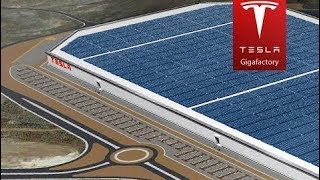 201730:56
 201629:27
 201515:26