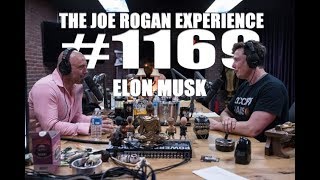
2020 年 5 月,洛杉矶。马斯克坐在乔·罗根(Joe Rogan)的录音室里,开口聊的第一件事跟火箭无关,跟电动车也无关。
他在卖房子。
名下几乎全部不动产,一套套清空。这个决定跟现金流没关系,跟税务筹划也没关系。
我其实有点难过。但占有物多少会拖累你,它们有点像攻击向量。别人会说,嘿,亿万富翁,你有这么多东西。那好,我现在没东西了,你还能拿我怎么样?(马斯克)
攻击向量是个网络安全术语,指系统里那些能被对手利用的入口。一个人拥有的东西越多,可被攻击的入口就越多。马斯克把这条逻辑搬到了生活里。
这期播客录了将近三个小时,话题从卖房子一路滑到脑机接口、AI 共生、疫情数据统计、睡前该不该吃东西。表面上散,底下有一条线:一个人怎么判断什么值得投入,什么该被砍掉。
那栋 Gene Wilder 的房子,和一堆通向虚无的门
他买的房子里有一栋很特别。原主人是吉恩·怀尔德(Gene Wilder),《查理和巧克力工厂》里那个威利·旺卡。
这栋房子就在马斯克主宅的马路对面。当时有人要买下它,然后拆掉,在原地盖三年工地。
我心想,那我还是买下来吧,保住吉恩·怀尔德的灵气,也免得门口变成一个大工地。(马斯克)
房子本身很古怪。橱柜全是手工做的,形状不规则,有通向虚无的门,有奇怪的走廊和隧道,墙上的画也不按常理挂。马斯克在里面住过很短一段时间。
后来出了别的问题。有人跑到他家门口,翻墙进来。隐私没了。
于是他开始买周边的房子。再后来,他在 Somera Road 山顶上看中一片视野极好的地块,上面是一堆老旧小房子,反正迟早要拆。他冒出个念头:把这些小地块收拢起来,盖一栋有点艺术性的梦想之屋,带那种能打开、能飞出隐身直升机的穹顶。
话说到这儿,他自己踩了刹车。
就算这房子真的盖得特别好,它相对于研发去火星的火箭、相对于解决可持续能源,仍然不是对时间的好用法。(马斯克)
他把自己的脑力循环做了个粗略分配。SpaceX 和特斯拉占绝大部分。Boring Company 不到 1%。Neuralink 大概 5%。
一个能造火箭的人,把盖房子列为低优先级。这个排序本身就是一次资本配置。
亿万富翁这个词,是怎么变成骂人话的
罗根提到,近几年「亿万富翁」在公共语境里已经带了贬义。
马斯克的回应没有替自己的财富辩护,他把财富拆开看。
财富是怎么产生的?如果你把人们以更好的方式组织起来,生产出比过去更好的产品和服务,你在这家公司里持有一些所有权,这本质上就给了你配置更多资本的权力。(马斯克)
他点出一个被搞混的概念:消费和资本配置是两回事。
一个人有几栋房子、几艘船、几架飞机,这是消费。一个人决定哪家公司该扩张、哪家公司该关门,这是资本配置。后者听起来不性感,却决定了资源往哪流。
他拿沃伦·巴菲特举例,而且说得很直白。
说实话我不是他最大的粉丝。但他确实在做配置,读大量公司年报和会计账目,其实相当无聊。他在判断可口可乐还是百事更值得拿到资本。你要问我,这活儿挺闷的。(马斯克)
他同时承认这件事必须有人做。一家公司做出让人想买的产品和服务,就该拿到更多资本。做不出来,就该拿到更少,或者直接死掉。市场用这个机制完成筛选。
顺着这条逻辑,他抛出一个更刺耳的观点。
我认为美国尤其存在一个问题:金融和法律领域配置了过多人才。太多聪明人去做金融和律师了。这话既是夸奖也是批评。我们应该少一些人做法律,少一些人做金融,多一些人在做东西。(马斯克)
他补了一句,制造业在美国曾经被高度尊重,现在常常被看低,这个转变是错的。
总得有人干实际的活。(马斯克)
这句话在后面聊疫情时会再出现一次,而且说得更狠。
一年之内,往活人脑子里装一块芯片
访谈进行到中段,话题转到 Neuralink。
马斯克给出的时间表很激进:还没开始人体测试,但可能不到一年就能把设备植入一个人体内。他用的是「有机会」这种措辞,留了余地。目标很朴素:让一个已经失去某些功能的人恢复一部分功能,并且保持健康。
排斥反应怎么办?他拿现有的植入物做参照。心脏监护仪、癫痫监测装置、深部脑刺激(deep brain stimulation)、人工髋关节和膝关节,都已经在人身上用了很多年。哪些材料会引起排斥,哪些不会,医学上已经清楚。
难点在于 Neuralink 得主动工作。它要读神经元的电信号,也要写,要产生电流脉冲。这比一块安静的金属片难得多,但并非做不到。
现在已经有人脑子里装着很原始的装置了。(马斯克)
他特意提了深部脑刺激对帕金森病人的效果,说它大幅改变了患者的生活。
它有点像踹电视机。你会想,天啊,踹电视机不应该管用啊。(马斯克)
靠震动把机器修好,听起来像胡来,临床上却真的有效,而且效果持续了好多年。
第一版设备长什么样?
直径大约一英寸。人的头骨厚度差不多半英寸,马斯克的原话是「我们脑袋上顶着个不小的椰子」。手术时取出一块头骨,把设备嵌进去,与颅骨齐平,缝合之后外人根本看不出来。
设备里有电池、蓝牙、感应充电器,功能上接近一块智能手表。
电极的植入由一台专门开发的机器人完成。机器人负责避开静脉和动脉,减少创伤。电极是极细的线,插入深度通常两三毫米,位置精确,不是随手塞进去。需要的话,也可以取出来。
能治什么?他列了一串。
视力。哪怕视神经已经断了,理论上也能恢复视觉。四肢瘫痪。如果在运动皮层接入,再在肌肉群附近植入微控制器,就能搭一条神经旁路,让患者恢复行动能力,正常走路。癫痫。设备可以实时监测异常放电,然后发出反向脉冲把它压下去。中风导致的失语,或者面部某部分肌肉失控,也能修。阿尔茨海默症造成的记忆衰退,同样在射程内。
它本质上是一堆电路,其中一些坏了,我们把坏掉的电路替换掉。(马斯克)
这句话把大脑还原成了可维修的硬件。听着冷,对病人来说却是好消息。
你的头骨就是那个缸
罗根把话题推向哲学:如果意识可以被保存,那我们怎么知道自己现在没有被模拟?
马斯克说,从物理定律的角度,没有什么是阻止我们保存大脑状态、再把它恢复到某个生物载体上的。就像游戏里的存档。
不过你会有点不一样。可你每天早上醒来,跟昨天也有点不一样。五年前的你和今天的你,差别其实挺大的。(马斯克)
他甚至说,你可以改变自己以为的过去。现在这段对话,也可能是一段被重放的记忆。
概率是多少?
他的回答很马斯克。
我脑子里没有 Neuralink,所以现在是 0%。等你装上了,它就高于 0% 了。(马斯克)
罗根追问:这一切感觉太真实了。马斯克说,是的,感觉是真的。然后他搬出那个老思想实验,缸中之脑。
如果你是一个缸中之脑,那这个缸就是你的头骨。(马斯克)
这句话把哲学问题拉回了生物学。那个容器不用去别处找,它一直在你脖子上。
你早就是半机械人了,只是网速太慢
很多人对脑机接口的恐惧,是怕 AI 接管人类。马斯克的框架不一样。
他把大脑分成两层。一层是爬虫脑、边缘系统,管本能和情绪。另一层是皮层,管规划、概念、复杂推理,猴子干不了这些。皮层比边缘系统聪明得多,两者合作得很好。
我没见过谁想把边缘系统删掉,也没见过谁想把皮层删掉。大家挺乐意同时拥有这两层。(马斯克)
AI 是第三层,比皮层聪明得多,但依然是叠加在皮层之上的东西,取代不了它。
他接下来这句话,把整场讨论的前提掀了。
你已经在和 AI 共生了。你的手机、你的电脑,能做你的大脑绝对做不到的事。完美存储几 TB 的信息,完成我们远远算不出来的计算。问题只是数据速率。你和手机之间的通信速度太慢。(马斯克)
他用 Google Voice、Alexa 举例。你说话,神经网络解码你的语音,理解你的意思,再给出回应。你用手机拍照,图像识别和画质增强背后都是神经网络。人机之间早就在对话,中间隔着一根手指和一块玻璃。
所以在他看来,共生早就发生了,只是带宽低得可怜。Neuralink 想做的事,本质上是把这条链路的速率提上去。
那为什么不现在就用?他自己给了答案:得先证明安全有效。路径是从重度脑损伤患者开始,修复功能,验证可靠性,再逐步扩展。等到人老了,几乎每个人都会面对记忆衰退。到那时候,能让一个人记住自己孩子的名字,能让他晚年保持基本的生活能力,需求是实实在在的。
几乎所有人,只要活得够久,总有一天会需要它。(马斯克)
时间表呢?他把完整的大脑接口放在 25 年左右。前提是文明还在。
假设文明还撑得住。现在看着挺脆弱的。(马斯克)
至于超级智能,他的描述不带乐观色彩。
比我们难以理解的水平还要高,可能根本无法理解。(马斯克)
共生这件事没有强制性。可如果你想搭上这趟车,就得做某种形式的共生。
他还算了笔账:如果共生能把生产率提高一个数量级,那贷款装一个,很快就能赚回来。这个论证方式很典型,把存在性焦虑换算成了投资回报率。
关于疫情,他当时给出的判断
2020 年 5 月,美国还在封控中。马斯克在节目里说了一句很有意思的话。
我基本上在中国看过这部片子了,现在是在看英文配音版。(马斯克)
他的核心判断是:死亡率被高估了,而且高估得不少。
死亡率比世界卫生组织说的低得多。至少低一个数量级。(马斯克)
他的依据是分年龄、分基础病的统计。60 岁以下、没有严重基础疾病的人,死亡概率极低。不是零,但极低。
几乎像是人们特别想要一场恐慌。(马斯克)
他举了医院的状况。当时美国大多数医院是半空的,有些只有 30% 的床位在用。床位空着不见得是好消息,因为择期手术全停了。
「择期」这个词容易误导。三重心血管搭桥手术在分类上算择期,可你要是拖过去,人就没了。髋关节坏掉、疼到走不了路,也算择期。需要换肾的人,也算择期。
这不是整形手术。人们疼得厉害,却因为害怕不敢去医院。这是个问题,不是好事。(马斯克)
他还提到一个反直觉的结论:客观上死亡率比最初估计的低至少 10 倍,可能低 50 倍。作为参照,全球每年有几十万人直接死于流感,而美国只占世界人口的 5%。
他也没把话说满。他承认这次疫情是一次演练,真正可怕的是一种专门杀死大量年轻健康人群的病原体。这次不是。下次可能是。所以改进卫生习惯是有价值的。
男人确实挺脏的,这是事实。(马斯克)
他提到疫情带来的正面副产品:卫生水平提升,对这类病毒的理解大幅进步,针对冠状病毒和其他病毒的疫苗研发被推着往前走。这些收益会留下来。
勾一个框八千美元,上五分钟呼吸机三万九
这部分是整场访谈里信息密度最高的一段,也最有操作性。
马斯克认为,美国的疫情数据被统计口径污染了。
当时很多地方的规定是:一个人只要出现一系列症状中的任何一种,然后死亡,就可以被记为新冠死亡。不需要核酸检测阳性。他要求把两件事分开:确诊新冠,和出现新冠症状。
如果一个人死了,必须区分:新冠是主要原因,还是他同时有三期癌症、心脏病、肺气肿,还被公交车撞了,然后恰好携带新冠?(马斯克)
为什么会这样统计?他给了一个激励结构的解释。
联邦刺激法案原本是为了补贴被新冠患者压垮的医院。结果形成了一个反向激励:医院因为其他病人不来而濒临破产,医生被放假,床位空着,收入断了。这时候,勾一个框能拿到 8000 美元,让病人上五分钟呼吸机能拿到 39000 美元。另一条路是裁员。
这是个艰难的道德困境。你会怎么做?(马斯克)
他没把责任记在医生头上,问题出在规则本身。通往地狱的路是善意铺成的,主要是恶意,但也掺了些善意。
数据一旦被抬高,后果是连锁的。死亡数字看起来居高不下,看起来没按预期下降,于是居家令继续延长,人继续被关在家里。
我们卡在这个循环里了。打破循环的办法是让信息变清晰。(马斯克)
他给的方案很具体:只有核酸检测阳性的人才能被记为新冠病例,不是「有一百种症状之一」;死亡统计必须区分主因和伴随因素。
他还说,公共卫生官员自己就公开讲过这套口径。
我认识很多感染过的人。死亡的一个都不认识。(马斯克)
这句话不能当证据用,样本太小。它反映的是一个直觉落差:媒体上的死亡数字和普通人身边的体验对不上。
七千个中国员工,零死亡
马斯克手上有一份别人没有的数据源。
特斯拉在中国有数百家供应商,一级、二级、三级、四级都有,中国员工约 7000 人。这些人的复工状态、健康状况,他直接看得到。
中国已经全速运转了。几乎每家美国公司在中国都有相当数量的供应商,所以你完全知道他们能不能供货,有没有出现高死亡率。特斯拉中国 7000 人,零死亡。(马斯克)
他还提了武汉的数据。当时每天大约有 10 万人离开武汉,病毒很快传遍中国,再传向世界,而致死率并不高。
这个论证的逻辑是:如果一种病原体的致死率真的像最初模型预测的那样,中国不可能在几周内恢复满产。供应链是诚实的,它不会说谎。
他也承认,这件事在两边都被政治化了,这不好。他关心的是另一个问题:公民自由在这个图景里处在什么位置,政府能强制你做什么,能强制你不做什么,边界在哪里。
从根本上说,这违反宪法。集会自由。我不认为这些东西能在法庭上站得住。(马斯克)
他的立场可以说得非常简单。
如果你属于高风险人群,你不应该被强迫离开家,离开安全的地方。如果你不属于高风险,或者你属于高风险但你愿意拿自己的命去冒险,你有权这么做。这是个自由国家。只要不危及他人,你想做什么就可以做什么。(马斯克)
想待在家里的人,待在家里。不想待在家里的人,不该被强制待在家里。
接着他转向经济。当时有一种流行的说法:政府可以直接给所有人发支票,一切都会好起来。马斯克的回应是整场访谈里最锋利的一段。
有些人有一种荒谬的看法,觉得经济像个魔法丰饶角,东西会自己从里面冒出来。如果某个人比别人拥有更多,那一定是他从丰饶角里多拿了。让我把话说明白:如果你不制造东西,就没有东西。(马斯克)
不种粮食,不加工粮食,不运输粮食,不看病,不修牙,就没有东西。你不能靠立法印钱解决这些。商店会空,机器会停转。他的判断是,持这种观点的人已经和现实脱节了。
睡前那顿饭,正在偷走你的睡眠
聊到健康,马斯克给了一条很实用的建议。
睡前吃东西是个糟糕的主意,它会实实在在损害你的睡眠。它还会引起胃灼热,有时候你自己都察觉不到。你躺平了,身体还在消化,那种轻微的灼烧感会干扰睡眠。想改善睡眠质量、想更健康,睡前别吃东西。(马斯克)
他把后果说得更具体:会损伤幽门括约肌和食道。喝酒然后马上睡觉,是最糟的组合之一。
少量酒精呢?他说证据显示影响不大,可以归到「好吃的食物」那一类。让生活更有趣一点,代价可控。
体重是另一个话题。他承认年纪越大越难保持精瘦。
我年纪越大越觉得,保持瘦真难。超重是件大事。(马斯克)
但他不打算放弃好吃的。
好吃的食物很棒,是人生最好的事情之一。(马斯克)
折中方案是:吃好吃的,但量少一点。
他还讲了一条对家庭很实用的观察。很多死亡是家庭内部传染造成的。小孩子流鼻涕,自己没事,传给祖父母就可能出事。年轻人的免疫系统扛得住,老年人的扛不住。
孩子只要有流鼻涕,就应该远离祖父母。不管是什么病。(马斯克)
抽烟这件事他也顺带说了。十年前他参与过一部电影《感谢你抽烟》(Thank You for Smoking)。
把自己的肺烤了,就是把肺做成熏牛肉,这不是什么好事。(马斯克)
他补了一刀:泰诺(Tylenol)也杀死很多人。在阿片类药物危机之前,泰诺曾经是所有药物里的头号致死原因。剂量问题,很多人不当回事。
锻炼呢?他的坦白程度接近自嘲。
说实话,能不动我就不动。我不喜欢锻炼。真要练,我就举举铁,然后在跑步机上跑一跑,顺便看个剧,前提是剧足够抓人。(马斯克)
他提醒别在睡前看《黑镜》(Black Mirror)。
小时候他练过武术,跆拳道、空手道,还短暂练过巴西柔术。早期看 MMA,罗伊斯·格雷西(Royce Gracie)那批人的比赛给他留下很深印象。
Cybertruck 的两块玻璃,和他没说出口的那句脏话
节目后段聊到车。罗根问 Roadster 什么时候来。
马斯克说疫情打乱了节奏,而且顺序可能会调。
我认为应该先做 Cybertruck,再做 Roadster。(马斯克)
新 Roadster 的形态,罗根形容得很到位:拿 Model S 加宽,堆一堆碳纤维。马斯克没否认,但把细节留给了正式发布会。他只说这车会做一些「不公平」的事,速度比罗根猜的还快。
话题自然落到 2019 年那场发布会。罗根问,玻璃为什么碎了。
马斯克解释了 Cybertruck 的车身:外骨骼结构,高强度硬化钢,拿双手大锤抡圆了砸门,连凹痕都不会有。问题出在玻璃。
我们觉得是之前那一轮测试把底部玻璃的角震裂了。角一旦裂了,就完了。然后你扔那个球,玻璃就碎了。(马斯克)
罗根补了一句,说当时马斯克在台上小声嘀咕了一句「Holy shit」。马斯克没否认。
至少你知道我们的演示是真的,因为我完全没料到会那样。(马斯克)
这句话可以当成整场访谈的注脚。一个把火箭回收、把车送上太空的人,在台上被自己产品的玻璃打了个措手不及,然后承认了。
把注意力当成资本来配置
回到开头那栋房子。
一个把房产清空的人,同时在做火箭、电动车、隧道、脑机接口。这跟苦行没关系,就是配置。他的判断标准很单一:这件事对未来的杠杆有多大。
盖一栋带穹顶的梦想之屋,杠杆很小。让人类成为多行星物种,杠杆很大。造一块能让人重新看见东西的芯片,杠杆也很大。
同一套逻辑贯穿了他对财富、对人才流向、对疫情统计、对睡前那顿饭的看法。资源有限,错误配置的代价由所有人承担。
他在节目里说过一句话,可以拎出来单独看。
你不总是会变好,但你可以渴望变好,或者渴望少错一点。(马斯克)
这句话没什么煽动性,但足够诚实。一个承认自己不知道答案、承认演示会翻车、承认能不动就不想动的人,讲出来的东西反而更值得听。
整场访谈里最稀缺的东西,是他对「不确定」的处理方式。给时间表的时候加前提,给结论的时候标样本量,给预测的时候说明这是概率不是保证。这种说话方式不够爽,可它经得起回看。
罗根问他,希望未来是什么样。他说,希望未来更有趣一点,大家就是在往那个方向使劲。可能会失去一些东西,但希望得到的比失去的多。
文明史上大多数文明兴起又衰落,这件事没有保证。
- 睡前两到三小时停止进食。 这条建议门槛最低,收益最直接。胃灼热和消化负担会实打实拉低深睡比例,而深睡决定了第二天的判断力。
- 喝酒之后不要立刻躺下。 酒精加平躺,是对幽门括约肌和食道的双重打击。想喝就早点喝,留出缓冲时间。
- 家里有小孩的,把「流鼻涕就远离老人」当成硬规则。 小孩的免疫系统扛得住,老人的扛不住。很多家庭内部传染都是这么发生的。
- 想控制体重,先减分量,别戒掉好吃的。 食物的乐趣是生活质量的一部分,把每餐的量砍下来比彻底戒断更容易坚持。
- 运动挑自己最不讨厌的那种。 举铁加跑步机配剧,比特意培养一个「热爱的运动」更现实。关键是能持续。
- 看统计数据时,先问口径。 是检测阳性,还是有症状?是主因,还是伴随因素?这两个区别能改变整个结论的方向。
- 把注意力当成有限资本来分配。 每天问一遍:今天这几件事,哪件的杠杆最大?砍掉那些只消耗不产出的,剩下的时间才值钱。
- 去学一点动手做的事。 不一定要进工厂。修东西、做东西、把想法变成实物,这个能力在任何时代都稀缺,现在稀缺得尤其明显。
0:22Yeah. Yeah, and he was born on May the fourth. First of all, my partner is the one that actually mostly came up with the name.
1:05Archangel 12, the precursor to the SR71. Yeah, yeah, yeah. The SR71 came from a CIA program called Archangel.
1:50Actually, I think it's better being older and having a kid. I appreciate it more. Yeah, babies are awesome.
2:13Yeah, little love bugs. Yeah. Great. Wonderful. It's great. But babies are awesome. Yeah, it's great. Yeah. Also, I've spent a lot of time on AI and neural nets and so you can sort of see the brain develop, which is... An AI neural net is trying to simulate what a brain does, basically. You can sort of see it learning very quickly. You know, it's just wow.
3:07I'm talking about an actual baby. In a lot of ways. There's some ways that are different. An analogy that's often used is like we don't make a submarine swim like a fish, but we take the principles of hydrodynamics and apply them to the submarine.
4:10I mean, the essential elements of an AI neural net are really very similar to a human brain neural net. Yeah. It's having the multiple layers of neurons and you know, back propagation. All these things are what your brain does. You have a layer of neurons that goes through a series of intermediate steps to ultimately cognition and then it'll reverse those steps and go back and forth and go all over the place. It's interesting.
5:44I'm slightly sad about it, actually. I think possessions kind of weigh you down and they're kind of an attack vector. They'll say, "Hey, billionaire, you've got all this stuff." Well, now I don't have stuff now what are you going to do?
6:21No, I said like almost everything, so it's like... I mean, what's the worst that could happen? I mean, you're fine.
6:59For sure. I mean not everyone, but for sure in recent years billionaire has become pejorative like that's a bad thing. Which I think doesn't make a lot of sense in most cases. If you basically organized a company... How does this wealth arise? If you organize people in a better way to produce products and services that are better than what existed before and you have some ownership in that company then that essentially gives you the right to allocate more capital.
7:44There's a conflation of consumption and capital allocation. Take Warren Buffet, for example, and to be totally frank I'm not his biggest fan, but you know, he does like have full allocation and he reads a lot of annual reports of companies and all the accounting and it's pretty boring really. He's trying to figure out does Coke or Pepsi deserve more capital? I mean it's kind of a boring job if you ask me.
8:18It's still a thing that's important to figure out. Like, which is a company deserving of more or less capital. Should that company grow or expand? Is it making products and services that are better than others or worse? If a company is making compelling products and services, it should get more capital and if it's not, it should get less or go out of business.
9:06Yeah, for sure. I think it's really, I do think there, in the United States especially, there's an over allocation of talent in finance and law. Basically, too many smart people go into finance and law. This is both a compliment and a criticism. We should have, I think, fewer people doing law and fewer people doing finance and more people making stuff.
9:43Yeah, yeah, absolutely. Manufacturing used to be highly valued in the United States and these days it's not. It's often looked down upon, which I think is wrong.
10:10Yes. Somebody's got to do the real work. Yeah, I've been thinking about it for a while. You know, part of it is like I have a bunch of houses, but I don't spend a lot of time in most of them. That doesn't seem like a good use of assets. Somebody could probably be enjoying those houses and get better use of them me.
11:19Yeah, that's a requirement. It's a real quirky house, yeah. I mean, all the cabinets are like handmade and they're like odd shapes and there's like doors to nowhere and strange corridors and tunnels and odd paintings on the wall.
12:02It's very quirky. I did live in it briefly, yeah. Well, I had one house and the Gene Wilder house is right across the road from me from my main house. It was going to get sold and then torn down and turned into, you know, be a big construction zone for three years. I was like, whoa, I think I'll buy it and preserve the spirit of Gene Wilder and not have a giant construction zone. Then I started having some privacy issues where people would just come to my house and start climbing over the walls and stuff. I'm like, man...
12:54Then I sort of bought some of the houses around my house and then I thought at one point, well you know, it'd be cool to build a house. I acquired some properties at the top of Somera Road, which has got a great view, and I was like, okay, well there's a bunch of sort of small older houses, they're going to get torn down, anyway. I was like, well, if I collect these little houses then I can build something, I don't know, artistic like a dream house type of thing.
13:36Yeah, definitely. Yeah. You got to have the dome that opens up with the stealth helicopter and that kind of thing, you know?
14:21Yeah, yeah, definitely. I mean, you can only do so many things.
14:52Well, I think I do have high productivity, but even with that there's still some opportunity to [inaudible 00:14:57] time and allocating time to building a house, even if it was a really great house, it still is not a good use of time relative to developing the rockets necessary to get us to Mars and helping solve sustainable energy. SpaceX and Tesla are by far, you know, the most amount of brain cycles. The Boring Company does not take, you know, it's like less than 1% of brain cycles. Then this neural link, which is, I don't know, maybe it's like 5% and then...
15:50No, we're not testing on people yet, but I think it won't be too long. I think we may be able to implant a neural link in less than a year in a person I think.
16:20It's a very low potential for rejection. I mean, you can think of it like people put in heart monitors and things for epileptic seizures and deep brain stimulation obviously like artificial hips and knees and that kind of thing. The probability of, I mean, so it's well known what will cause rejection and what will not. It's definitely harder when you've got something that is sort of reading and writing neurons that's generating a current pulse and reading current pulses. That's a little harder than say a passive device, but it's still very doable. There are people who have primitive devices in their brains right now.
17:17Well, like deep brain stimulation, I think for Parkinson's, has really changed people's lives in a big way, which is kind of remarkable because it kind of like zaps your brain. It's like kicking the TV type of thing. You think like man, kicking the TV shouldn't work.
18:03Oh yeah, sure, sure. Well, for version one of the device, it would be it basically implanted in your skull. It would be flush with your skull, so you basically take out a chunk of skull, put the Neuralink device in there. You'd insert the electrode threads very carefully into the brain and then you stitch it up and you wouldn't even know that somebody has it. It can interface basically anywhere in your brain. It could be something that helps cure say eyesight, like returns your eyesight even if you've lost your optic nerve type of thing.
19:10Yeah, yeah, absolutely. I mean, pretty much anything that it could, in principle, fix almost anything that is wrong with the brain. It could restore limb functionality, so if you've got an interface into the motor cortex and then an implant that's like a microcontroller and near muscle groups, you could then create sort of a neural shunt that restores somebody who is a quadriplegic to full functionality. Like they can walk around and be normal.
19:55Over time, yes. Like the, you know, $6 million man. Although these days that doesn't sound like much.
20:14Well, yeah, the device we're working on right now is about, it's about an inch in diameter. Your skull is pretty thick, by the way.
20:40A half inch. Half inch thick skull ish. Yeah, yeah, that's a fair bit of like... We've got quite a coconut going on there.
20:55Yeah, you basically implant the device. Yeah, think like a smartwatch or something like that. No, but I'd like to.
21:33Yeah, and you replace that say one inch diameter piece of skull with the Neuralink device and that has a battery and a Bluetooth and an inductive charger. Then you also insert the electrodes. The electrodes are very carefully inserted with a robot that we developed. It's very carefully putting in the electrodes and avoiding any veins or arteries so it doesn't create trauma.
22:13Like tiny wires, basically. No, you literally put them where they're supposed to go. Yeah, you insert... I mean, they usually go in like, depending on where it is, like two or three millimeters.
23:04Yeah, you can totally take it out. Yeah, I mean you could for sure, I mean, basically it's a generalized sort of thing for fixing any kind of brain injury in principle, or if you've got like severe epilepsy or something like that. It could just sort of stop the epilepsy from occurring. It could detect it in real time and then fire a counter pulse and stop the epilepsy. I mean, there's a whole range of brain injuries. Like if somebody gets a stroke, they could lose the ability to speak and that could also be fixed. If you've got like stroke damage or you lose say muscle control over part of your face or something like that. When you get older you tend to, if you've got like Alzheimer's or something like that, then you lose memory and this could help you with restoring your memory and that kind of thing.
24:35The thing is it's like a bunch of circuits and there's some circuits that are broken and we can fix those circuits. It's a substitute for those circuits.
25:03Yeah. I mean, there's still a lot of work to do. When I say we've got a shot at probably putting in a person within a year, that's exactly what I mean. I think we have a chance of putting it into one and having them be healthy and restoring some functionality that they've lost.
25:45I mean, ultimately if you want to go with full AI symbiosis, you'll probably want to do something like that.
26:32Yeah, I think this is one of the paths to think like what are... Like AI is getting better and better. Now let's assume it's sort of like a benign AI scenario. Even in a benign scenario, we're kind of left behind. We're not along for the ride.
33:37Best case scenario, but 10 years is more like it. Save your brain state like a saved game in a video game. Well, hopefully a little better than that. But, yeah. From a [inaudible 00:34:54] perspective probably. But yeah, I mean you could save state and restore that state into a biological being if you wanted to in the future in principle, nothing from a physics standpoint that prevents us. Now, you'd be a little different, but then you're also a little different when you wake up in the morning from yesterday and you're a little different. In fact, if you say like you five years ago versus you today is quite a big difference.
35:35I mean the possibilities are endless. You could change what you think was your past. This whole thing right now could be a replayed memory.
36:37There's no way to assign a probability with accuracy here. Well, I don't have a Neuralink in my brain, so I'd say right now 0%, but at the point at which you do have a Neuralink, then it rises above 0%.
37:34It feels real doesn't it? Yeah. I'm sure, it should be disconcerting because if this is not real, what is? But, there's that old sort of thought experiment of like, how do you know you're not a brain in a vent? I mean now here's the thing. You are a brain in a vent, then that vat is your skull.
39:45Yeah. The one that just dragged the baby down the street pretty far? There's definitely some degree of consciousness there.
40:47Well, I hope consciousness propagates into the future and it gets more sophisticated and complex and that it understands the questions to ask about the universe.
41:41I mean, you don't always improve, but you can aspire to improve or you can aspire to be less wrong.
42:37Yeah. Sure. I think so. It's clever compression of a concept and a feeling. Yeah, absolutely.
43:55Yeah, I mean I hope the future is more fun and interesting and we're just trying to make it that way. We might lose a little, but hopefully we gain more than lose. It's not for sure. Yeah. I mean you look at civilization through the ages, most of them they rose and fell.
45:27No, I'm talking about like somebody, some cockeyed concept that happens right now.
45:46Well, when I'm talking about a mind virus, I'm talking about a concept that infects people's minds.
45:59Yeah. It's just wrongheaded idea that goes viral in an idea sense.
46:43Well, I mean it's the kind of thing where your productivity would improve, I don't know, dramatically, maybe by a factor of 10 with it. So you could definitely just, I don't know, take out a loan and do it and earn the money back real fast.
47:19Well, it's not a super huge concern. I mean there are huge differences in cognitive ability and resources already. You can think of a corporation as like a cybernetic collective that's far smarter than an individual. I couldn't personally build a whole rocket and the engines and launch it and everything.
48:49Super sentient to AI. Yeah, like beyond a level that's difficult to understand and impossible to understand probably.
49:13It's not a requirement. It's just if you want to be along for the ride then you need to do some kind of symbiosis. So the way your brain works right now, you've got kind of like the animal brain, reptile brain, kind of like the lymphic system basically. You've got the cortex. Now the brain purist will argue with this definition, but essentially you've got the primitive brain and you've got the sort of smart brain or the brain that's capable of planning and understanding concepts and difficult things that a monkey can't understand.
49:58Now your cortex is much, much smarter than your lymphic system. Nonetheless, they work together well. So I haven't met anyone who wants to delete their lymphic system or their cortex. People are quite happy having both. So you can think of this as being like the computer, the AI is like a third layer, a tertiary layer. So that could be symbiotic with the cortex. It'd be much smarter than the cortex, but you essentially have three layers and you actually have that right now.
50:33Your phone is capable of things and your computer is capable of things that your brain is definitely not. Storing terabytes of information perfectly, doing incredible calculations that we couldn't even come close to doing. You have that with your computer. It's just like I said, the data rate is slow, the connection is weak.
51:18I don't think, that's not how it would be. Like I said you already are symbiotic with AI or computers. Yeah, there's quite a bit of AI going on, artificial neural nets. Increasingly, neural nets are sort of taking over from regular programming more and more. So you are connected, if you use Google Voice or Alexa or one of those things, it's using a neural net to decode your speech and try understand what you were saying.
51:57If you're trying to do image recognition or improve the quality of photograph, the neural nets the best way to do that. So you are already sort of a cybernetic symbiote. Like I said, it's just a question of your data rate. The communication speed between your phone and your brain is slow.
52:35Yeah, if it works I'll do it. No, like I said, if somebody has got a serious brain injury and people that have very severe brain injuries and then you can fix those brain injuries. Then you prove out that it works and [inaudible 00:53:06] expand and make more and more brain injuries, solve more and more. At a certain age we all are going to get Alzheimer's or we're all going to get senile. Then moms forget the names of their kids and that kind of thing.
53:20It's like you said, okay, well this would allow you to remember your names of your kids and have a normal, a much more normal life where you were able to function much later in life. So I think essentially almost everyone would find a need at some point if you get old enough to use Neuralink. Then it's like, okay, so we can improve the functionality and improve the communication speed. So then you will not have to use your thumbs to communicate with the computer.
54:14Yeah, sure. I Think about it a lot. Like I said, this is not something that's going to sneak up on you. Getting FDA approval for this stuff is not overnight. I don't know, we probably have to be on version 10 or something before it would realistically be a human AI symbiote situation.
55:19Like when? Well, assuming civilization is still around, it's looking fragile right now. I think we could have, in 25 years probably I would think there could be a whole brain interface.
55:51Something pretty close to that. Almost all the neurons are connected to the sort of AI extension of yourself.
56:25Well, like I said, you already have a computer extension of yourself and your phone and computers and stuff. So, and now online it's like somebody dies, there's like an online ghost that they're still, their online stuff is still alive.
57:21What's that? I have no idea what you're talking about. Sure. Well, yeah. I mean this certainly has taken over the mind space of the world to a degree that is quite shocking.
58:45Yeah, I mean I kind of saw this whole thing play out in China before it played out in the US. So it's kind of like watching the same movie again, but in English. Yeah, I think the mortality rate is much less than what say the World Health Organization said it was. It's much, much less. It's like probably at least order of magnitude less.
59:33Yeah. I mean, you can look at the mortality statistics by age and whether they have comorbidities, like do they have basically existing conditions and by age. If you're below 60 and have no serious health issues, the probability of death is extremely low. It's not zero, but it's extremely low.
1:00:18It's almost like people really wanted a panic. Most of the hospitals in the United States right now are half empty. In some cases they're at 30% capacity.
1:01:16Yes. I mean, we're not talking about just some of these elective procedures are quite important. You need a triple bypass. It's sort of elective, but if you don't get it done in time, you're going to die. Elective. It's not like, this isn't like plastic surgery. It's more like my hip is, I'm in extreme pain because my hip's blown out or my knee and I don't want to go to the hospital. I can't go to the hospital. People are in extreme pain, people that need a kidney, people that have quite serious issues that are choosing not to go out of fear. So I think it's a problem that's not good.
1:02:28Objectively the mortality is much lower. At least a factor of 10, maybe a factor of 50 lower than initially thought.
1:03:00Well, I think proper hygiene is a good thing no matter what.
1:03:33Men are disgusting it's true. True. And I think that there's definitely some silver linings here in improved hygiene and- Joe Rogan:
1:04:38Yeah. Like killing large numbers of young healthy people, to find that as like a high mortality than that. This is at least practice for something like that. And I think there's this, given it's just a matter, that there will be eventually some such pandemic.
1:05:48Yeah, absolutely. And I think there's a good chance, it's highly likely, I think, coming out of this that we will develop vaccines that we didn't have before for coronaviruses, other viruses, and possibly cures for these. And our understanding of viruses of this nature has improved dramatically because of the attention that it's received. So there's definitely a lot of silver linings here.
1:06:26Yeah. I think there will be a massive lining of here no matter what. Hopefully we can be more of a silver lining than less.
1:07:22Yeah, of course. Well, I mean, I certainly get that. There's no shortage of negative feedback on Twitter. Yeah. I mean, I scroll through the comments. Like I said, it's a meme war zone.
1:09:28Sure. I mean, I've been in the Twitter war zone for, for a while here, so.
1:10:45Well, there will always be some ambiguity, but tweets, it's hard. But maybe there should be like a sarcasm flag or something. Or a "just kidding" or- Joe Rogan: It seems like it would take away some of the fun from people that know it's sarcasm. Like if everybody knew that The Onion wasn't, if you sent people articles. It was something about someone getting angry and an Onion article.
1:11:12Wow, that's amazing. Yeah, I think it's pretty great. It might be the best news source.
1:11:42Is this, like, a female avatar. Well, I mean like five minutes every couple of hours type thing. It's not like I'm sitting on it all day.
1:12:48Yeah, you have to, like I said, take a certain amount of distance from... You read this and be like, "Okay, it's bullets being fired by an opposing army." Like I said, it's not like they know you.
1:17:15Yeah. I mean, in general I think we should be concerned about anything that's a massive infringement on us.
1:18:14Fundamentally a violation of the constitution. Freedom of assembly and it's just, I don't think these things stand up in court, really.
1:18:33Yeah. These would definitely not stand up if the Supreme court... It's obviously a complete violation of rights.
1:18:51Yeah. I mean it just should be if you're at risk, you should not be compelled to leave your house or leave a place of safety, but if you're not at risk, or if you are at risk and you wish to take a risk with your life, you should have the right to do that.
1:19:30Yes. I mean, there's a strong downside to this. So yeah, I just believe this is a free country. You should be allowed to do what you want as long as it does not endanger others.
1:20:41Yeah. I think there's a, as I said, my opinion is if somebody wants stay home, they should stay home. If somebody doesn't want to stay home, they should not be compelled to stay home. That's my opinion. If somebody doesn't like that, well that's my opinion. This notion though, that you can just sort of send checks out to everybody and things will be fine is not true.
1:21:08Obviously several have this absurd view that the economy is like some magic horn of plenty. Like it just makes stuff. There's just a magic horn of plenty and the goods and services, they just come from this magic horn of plenty. And then if somebody has more stuff than somebody else it's because they took more from this magic horn of plenty. Now let me just break it to the fools out there.
1:21:38If you don't make stuff, there's no stuff. Yeah. So, if you don't make the food, if you don't process the food, you don't transport the food, medical treatment, getting your teeth fixed, there's no stuff. They've become detached from reality. You can't just legislate money and solve these things. If you don't make stuff, there is no stuff, obviously. we'll run out of the stores, run out of the... the machine just grinds to a halt.
1:23:03Briefly, but I think if any kind of sensible examination of what happened in China would lead you to conclusion that that is obviously not going to occur. This virus retreated in Wuhan. There's was like, I don't know, hundred thousand people a day leaving Wuhan. So, it went everywhere very fast throughout China, throughout the rest of the world, and the fatality rate was low.
1:23:57The thing is that American companies have massive supply chains in China. Like Tesla, for example. We have hundreds of suppliers. Like tier one, two, three, four suppliers throughout China. So, we know if they are able to make stuff or not. We know if they, if they have issues or not. China is back at full steam and pretty much every US company has some significant number of suppliers in China. So you know if they're able to provide things or not or if there's high mortality rate. Tesla has like 7,000 people in China. So, zero people died.
1:25:34I think this has been politicized in both directions, really. Which is not great. Yeah. But like I said [inaudible 01:25:54] I think there's the question of where do civil liberties fit in this picture? And what can the government make you do, what can they make you not do, and what's okay?
1:26:58Absolutely. Well, I think we're rapidly moving towards opening up the country. It's going to happen extremely fast over the next few weeks. So, yeah. Something that would be helpful just to add from an informational level is when reporting Covid cases to separate out diagnosed with Covid versus had Covid like symptoms.
1:28:27Well right now, the road to hell is paved with good intentions. I mean, it's mostly paved with bad intentions, but there's some good intentions [inaudible 01:28:37] in there, too. And the stimulus bill that was intended to help with the hospitals that were being overwrought with Covid patients created an incentive to record something as Covid that is difficult to say no to, especially if your hospital's going bankrupt for lack of other patients. So, the hospitals are in a bind right now. There's a bunch of hospitals, they're furloughing doctors, as you were mentioning. If your hospital's half full, it's hard to make ends meet. So now you've got like, "If I just check this box, I get $8,000. Put them on a ventilator for five minutes, I get $39,000 back. Or, I got to fire some doctors." So, this is tough moral quandary. It's like, what are you going to do?
1:29:46Let's clear up the data. Clear up the data. So like I said, somebody should be recorded as Covid only if somebody has been tested. Has has received a positive, positive Covid test. Not if they simply have symptoms, one of like a hundred symptoms. And then if it is a Covid death, it must be separated. Was Covid a primary reason for death, or did they also have stage three cancer, or heart disease, emphysema, and got hit by bus and had Covid?
1:30:26This is not a question. The public health officials have literally said this.
1:32:03Yes. But to be clear, you don't even need to have gotten a Covid diagnosis. You simply need to have had one of many symptoms and then have died for some reason and it's Covid. So, then it makes the death count look very high and we're then stuck in a bind because it looks like the death count's super high and not going down like it should be. So then, we should keep whatever, keep the shelter in place stuff there, and keep people in their homes, confine people to homes. So we need to break out of this. We're stuck in a loop. And I think the way to break out of this loop is to have clarity of information.
1:33:24I know a lot of people who got it. I know zero people who died, but I know a lot of people that got it.
1:34:23If you're going to die, you're going to have shortness of breath, weakness and you might cough a little. Yeah, did that person, did they actually have a COVID test and the test come back positive? And then if they died, did they die where COVID was... It doesn't have to be the main cause, but it was a significant contributor to their death or was it not a significant contributor to the death?
1:35:29I mean, every year in the world, several hundred thousand people die directly of the flu. Yeah. And we're only 5% of the world.
1:36:11Yeah. I mean, several years ago, or maybe longer, 10 years ago, I helped make a movie called Thank You for Smoking. Yeah. It's, it's crazy. Barbecuing your lungs is just bad news. It's not good. Turning your lungs into smoked beef, not great. So yeah. Tylenol, by the way, also kills a lot of people.
1:36:52I'm not sure the exact number. But until the opioid crisis, I believe Tylenol was the number one killer of all drugs.
1:39:13Let's just say, it's about the same. Yes. I mean actually, I think a lesson to be taken here that I think is quite important is that, if you have your grandparents and that they're age of grandparents, really be careful with, any kind of flu or cold or something that that is not dangerous to kids or young adults, but is dangerous to the elderly. Basically, if your kid's got a runny nose, they should stay away from their grandparents, no matter what it is. There're things where a young immune system has no problem, an older one has a problem. In fact a lot of the deaths are literally, it's tragic, but they're, they're intra-family. It's, the little kid had a cold or flu and they [crosstalk 01:40:31].
1:41:30Yeah. Actually, just a thing that is tough. As you get older, you tend to put on weight, certainly that's happening with me. The older I get like, "Damn, sure harder to stay lean." That's for sure. And so, actually, being overweight is a big deal.
1:42:18Yeah, absolutely. No. Tasty food is great, it's one of the best things about life.
1:43:08Yeah. I don't know what advice to give, maybe having tasty food but smaller amounts of it.
1:43:34So what? Well Okay, yeah. Actually, this may be a useful bit of advice for people, but eating before you go to bed is a real bad idea and actually negatively affects your sleep. And it can actually cause heartburn, that you don't even know is happening, and that subtle heartburn, it affects your sleep because your horizontal and your body's digesting. So if you want to improve the quality of your sleep and be healthier, it's do not eat right before we go to sleep. It's one of the worst things you could do.
1:44:43It's going to crush your sleep and it's going to damage your pyloric sphincter and your esophagus. In fact drinking and then going to sleep, that's one of the worst things you could do.
1:45:03Yeah, exactly. Small amounts of alcohol, evidence suggests it doesn't have a negative effect on- Joe Rogan: I put it in the same category as delicious food. It kind of makes things a little more fun.
1:45:52It's a big deal and I think, not widely known. I do, although I haven't seen him for a while. But yeah, especially if I'm out, say we're working on Starship or something South Texas and I'm just living in my, I got a little house there in Boca Chica village, and I don't have much to do, so. Or I'm working and I'll just lift some weights or something. Some people love running, I don't love running.
1:46:39To be totally frank, I wouldn't exercise at all if I could. I prefer not to exercise, but if I'm going to exercise, I'll lift some weights and then kind of run on a treadmill and maybe watch a show, if there's a compelling show that pulls you in.
1:47:04Man, don't watch Black Mirror before going to bed either. I did martial arts when I was kid. I did a TaeKwonDo. I did Karate, [foreign language 00:14:51] [crosstalk 01:47:52]. Yeah. And did Brazilian Jujitsu briefly.
1:48:57Yeah. I mean, I kind of got, probably like a lot of people, for the way-early day, the first MMA fights and Royce Gracie, and he was just like incredible.
1:49:29Especially if they know martial arts too. It's like, "Oh no."
1:50:51[crosstalk 01:50:51]. Well I can't say exactly when, but we got to get it... This COVID thing's kind of thrown us for a loop.
1:52:24I mean, I think we should do Cybertruck first, before Roadster.
1:53:02Sounds good to me, sure. Yeah, I mean, go ahead. I don't know specifically, but there's- Joe Rogan: It's pretty dope. They make it pretty dope looking... They take model S and they widen it and give it a bunch of carbon fiber. That's it, right there.
1:54:01Well, I think we've got to leave that for a proper sort of product unveil.
1:54:36Yeah, actually, it's really quite slow. But, okay, sure. Yeah, pretty fun.
1:56:47Well, like I said, we can't do the product unveil right here. But, it's going to do some things that are unfair.
1:57:14[inaudible 00:01:57:14]. Faster than that, yeah. Well, yeah. ...at least you know that our demos are authentic, because I was not expecting that and then I think I muttered, under my breath, like "Holy shit".
1:58:51...show, this is exoskeleton, high strength, hardened steel. You can literally wind up with a sledgehammer, full on double-handed sledgehammer and hit the door and there's not even a dent. It's cool. But we think that cracked the corner of the glass at the bottom and then, once you crack the corner of the glass it's game over. So then when you threw the ball that's what cracked the glass.
1:59:37Yeah, exactly. Well, I think you've got a great show.
我觉得财产会拖累你,而且算是一种攻击面。
I think possessions kind of weigh you down and they're kind of an attack vector.
如果你以更好的方式组织人们,生产出比过去更好的产品和服务,并且你在这家公司拥有部分所有权,那这本质上就赋予了你配置更多资本的权利。
If you organize people in a better way to produce products and services that are better than what existed before and you have some ownership in that company then that essentially gives you the right to allocate more capital.
如果一家公司能做出有吸引力的产品和服务,它就应该获得更多资本;如果不能,它就应该获得更少资本,或者倒闭。
If a company is making compelling products and services, it should get more capital and if it's not, it should get less or go out of business.
我认为,我们应该让更少的人去做法律、更少的人去做金融,让更多的人去制造东西。
We should have, I think, fewer people doing law and fewer people doing finance and more people making stuff.
不,我们还没有在人体上测试,但我认为不会太久。我想我们也许能在不到一年内把神经连接设备植入一个人体内。
No, we're not testing on people yet, but I think it won't be too long. I think we may be able to implant a neural link in less than a year in a person I think.
我的意思是,你不总会进步,但你可以力求进步,或者力求少犯错。
I mean, you don't always improve, but you can aspire to improve or you can aspire to be less wrong.
你可以把一家公司看作一个控制论意义上的集体,它比任何个人都聪明得多。
You can think of a corporation as like a cybernetic collective that's far smarter than an individual.
我就是相信这是一个自由国家。只要不危及他人,你就应该被允许做自己想做的事。
I just believe this is a free country. You should be allowed to do what you want as long as it does not endanger others.
如果你不制造东西,就没有东西。
If you don't make stuff, there's no stuff.
所以,如果你想提高睡眠质量、变得更健康,就不要在睡觉前吃东西。这是你能做的最糟糕的事情之一。
So if you want to improve the quality of your sleep and be healthier, it's do not eat right before we go to sleep. It's one of the worst things you could do.
资源与出处
- 视频在 YouTube 收看
- 视频在 B 站收看UP 主「JRE搬运」搬运
- 档案silicon-valley.tech 档案页本页视频与文稿数据来自 Elon Musk Archive
- 精读本篇精读 Markdown 版