特斯拉续航最长的车能跑 600 多公里,很快会有接近 700 公里的版本,实验室里还放着 1000 公里的方案。电池可以用 15 年,快充也不是难题。
这是马斯克在 2020 年欧洲电池会议上的开场白。主持人原本想聊电池创新,想聊最关键的改进方向,想聊这些改进有多大把握实现。马斯克把话题往回拉了一步:续航、充电速度、寿命,这些指标早就不是电动车的天花板了。
那卡住整个行业的是什么?
成本。
把电芯做到每千瓦时 35 美元,普通人才买得起车
这场访谈发生在特斯拉电池日之后两个月。2020 年 9 月,特斯拉公布了一整套降本路线,柏林勃兰登堡工厂被主持人称为"全球最先进的高产量电动车工厂"。会议主办方显然想知道,那些雄心到底能不能兑现。
马斯克的回答没什么修辞。他说,如果能做到长续航、快充、高日历寿命和高循环寿命,电池能用 15 年,他相信特斯拉现在的电池已经能做到,那么剩下的事情就集中到一点:把成本降下来,让电动车便宜到普通人买得起。
他把这称为根本问题。
长期目标给得很具体:电芯层面,每千瓦时 50 美元,甚至 35 美元,针对的是长续航车型的电芯。为了逼近这个数字,电芯设计要改,生产电芯的工厂设计也要改。沿着降本这条路走,能量密度会顺带提升,续航也跟着变长。两件事不矛盾,是同一件事的两面。
他还说了一句容易被忽略的话:
"造机器的机器,花的功夫比电芯本身还多。"(马斯克)
这句话是整场访谈的底色。大多数人想象中的电池突破,是实验室里某个材料配方被换掉了。真实的产业瓶颈在产线上:一台设备一分钟能处理多少材料,良率能不能稳定在极高水平,出问题时能不能快速定位。这些事不上新闻,但决定了电池能不能便宜。
工厂大只是第一步,物料在厂里跑得快才是本事
主持人追问大规模生产的最大障碍。马斯克的回答从规模经济讲起。
电池要便宜,必须做到极大规模,规模本身会带来成本下降。所以工厂得大。但光是大不够,物料在工厂里的循环时间还要短。一个大工厂配上慢循环,产出依然上不去;大工厂加快速循环,才有高产出。
快循环和高精度,要求每个生产环节都有专门的先进设备。从电芯壳体的成型,到正极和负极前驱体的制备,到正极材料的合成,再到把材料涂到集流体上,每一步的机器都要重新设计。
他提到一个数字上的直觉:把产能放大一百倍,不是把设备多买一百台那么简单。设备的节拍、精度、维护周期、故障率,全都会跟着变化。这也是为什么很多技术看起来已经成熟,量产却要再等好几年。
干电极听起来简单,做起来要命
马斯克用一个具体工艺解释了难点,就是干电极沉积(dry electrode deposition)。
传统做法是把电极材料调成浆料,加大量溶剂,涂到导电箔材上,然后送进烘箱把溶剂烤干。溶剂挥发产生的气体还得收集处理,从环保角度看很不划算,能耗也高。
干电极不走这条路。不用溶剂,不用烘干炉,材料直接涂上去。
马斯克自己给这个工艺打了预防针:听起来可能很简单,实际上非常难。
更麻烦的地方在于设备。很多专用机器来自德国和欧洲其他地方,但市面上根本没有现成的,得一边设计一边制造。当时的进度是台式规模,接下来要做到中试规模,柏林勃兰登堡的目标是直接上量产规模。
这里藏着一个判断:干电极的产业化进度,是观察特斯拉成本目标能不能兑现的最好窗口。成本目标写在 PPT 上很容易,工艺能不能稳定跑起来,骗不了人。
柏林要建全球最大的电池电芯厂
主持人请马斯克谈谈柏林工厂里的电池车间。当地人对这个项目很期待。
马斯克的规划是从加州的小型中试厂起步。那个厂基本是概念验证,跑通工艺、验证设备。柏林要做的规模完全是另一个量级:年产能超过 100 吉瓦时,未来可能扩到 200 或 250 吉瓦时。他很确信到那个阶段,它会是全球最大的电池电芯工厂。
为了这个目标,大量工序要大幅缩短循环时间,大量设备要重新设计成连续流作业。连续流的意思是物料不停下来,从一端进,从另一端出,中间没有等待和堆积。化工和食品行业早就这么干了,电池制造长期是间歇式的,一批一批来。改成连续流,等于把整个生产逻辑重写一遍。
百分之一的灵感,百分之九十九点九的汗水
马斯克在访谈里重复了一个公开说过很多次的判断:任何先进技术的原型设计都相对容易,放大到高产量非常难。
"有句老话说,百分之一的灵感,百分之九十九的汗水。放到电池电芯上,可能是百分之九十九点九。"(马斯克)
他顺手解释了一个现象。市面上总有源源不断的"电芯突破"新闻,这家说能量密度翻倍,那家说成本腰斩。既然突破了,为什么不能大量生产?
因为放大生产过程,比把东西从实验台上搬下来难得多。
实验室里做出一颗性能优异的电芯,靠的是精细控制、慢工出细活、不计成本。量产要求的是另一套东西:同样的电芯一天做几十万颗,每一颗的一致性都要够好,设备不能频繁停机,原料波动要能吸收,废品率要压到极低。这几件事同时成立,才叫量产。
主持人接了一句很到位的话:给大家看看特斯拉的中试厂,你看到这么小的规模都这么紧张,乘以一百倍的产能是什么样,自己想象。
可以住在电池厂隔壁,空气检测仪测不出东西
会议上午的讨论集中在政策层面,多位发言者把可持续性看成欧洲的比较优势。主持人顺势问马斯克,怎么看电池生产的环境影响。
马斯克的回答分几层。
第一层是干电极。它本身就是游戏规则改变者。跟用溶剂、烘干、再处理废气相比,这是根本性的改进,不是把污染从厂内挪到厂外。
第二层是正极的专有工艺。生产正极时避开了一些环境上难处理的步骤。同时降低钴含量,绕开钴矿开采带来的一系列问题,正极做到纯镍或者接近纯镍。少了钴,也少了一堆后续处理工序。
第三层是负极。特斯拉转向高硅负极,用的硅在制取过程里不耗太多能源,和光伏板用的硅属于同一类。硅在地壳里储量丰富,供应链风险比石墨小。
第四层是锂的提取。特斯拉开发了一种不用硫酸生产氢氧化锂的方法,用氯化钠,也就是食盐,从锂黏土矿床里把锂换出来,食盐还能循环使用。传统工艺里硫酸的成本和环境负担都不小,换成食盐,整个链条干净很多。
这几层叠起来,他给出了一个很有画面感的结论:
"你可以住在电池电芯厂隔壁,空气检测仪测不出任何毒素。"(马斯克)
他补了一个佐证。中试厂设在旧金山湾区,那里的环保要求出了名地严。如果工艺真有问题,根本不可能在那个地方跑起来。
这段话对柏林当地居民的意义很直接。工厂建在森林边上,最怕的就是排放。马斯克等于在说,你们担心的那种工厂,不是我要建的那种。
40 吨的电动卡车,续航 800 公里,载重只少一吨
主持人问起一个长期争论:电动卡车到底能不能真正可行。悲观派的理由是电池太重,重到吃掉载货能力,卡车司机不会买。
马斯克把它当成一道计算题。
算法是这样:先看电芯的能量密度,再看电池包的能量密度,再看集成之后的电池包,最后加上卡车底盘,算总质量。问题变成,这个总质量能不能压到和现有柴油卡车差不多的水平。
他的答案是能,原型车已经证明了。
具体数字给得很干脆。半挂卡车拉 40 公吨的货,500 公里续航"轻而易举",他用的是 trivial 这个词。长途运输可以做到 800 公里,长期有路径做到 1000 公里。几辆原型半挂已经在实际运营,跑了一年多。
做法有三条。用高能量密度的电芯;集成成电池包时尽量少加额外质量;采用结构性电池包,让电芯和电池包本身成为车辆核心结构的一部分,而不是一个挂在底盘上的死重。
结果是载重损失大约 1 吨,可能更少,长期看有机会做到零损失。支撑 800 公里续航,电芯级别做到 300 瓦时每公斤就够了。
这里值得停一下。电动重卡真正的对手不是续航数字,是总拥有成本。柴油卡车便宜,但燃料和维保贵;电动卡车贵在购置,省在能源和维护。车队老板算的是五年十年的账。马斯克说这会"极具竞争力",赌的就是这笔账。
欧洲需要一台自己的车,大概率是掀背车
最后一个问题关于原创设计。马斯克公开说过,柏林工厂和上海工厂都会生产原创车型,不只是把加州的设计搬过来生产。
他给的理由是人才。欧洲有大量有才华的设计师和工程师,最优秀的那批人想做原创设计,不想做"加州设计、欧洲生产"的版本。要吸引最好的人,就得给他们真正原创的工作。
那欧洲的原创车会是什么样?
"在欧洲,可能做一台紧凑型车是合理的,比如掀背车。"(马斯克)
他讲了背后的逻辑。美国车偏大,是个人口味;欧洲车偏小。在密集的城市环境里停车,车得能轻松塞进车位。他开着 Model X 在柏林转,找车位找了很久,那台车对欧洲街道来说太宽了。
所以欧洲车型的起点应该是:人们真正想要什么,这个地区最流行的形态是什么。紧凑型、掀背、买得起、好停车。他说这可能是明智的起点,当然之后还会有别的车型。
这段话透露的东西比车型本身多。特斯拉早期的产品逻辑是自上而下,先做贵的、性能强的,再往下走。到了区域工厂阶段,逻辑变了:每个市场按自己的街道、车位、收入水平和使用习惯来定义产品。上海工厂做原创,柏林工厂也做原创,同一套平台,不同的答案。
访谈结束时,主持人还在算加州时间,开玩笑问马斯克是不是掌握了弯曲时间的本事。凌晨两点,这场对话收尾。
怎么用这篇访谈
把马斯克这场访谈拆开看,能得到的不只是几个数字,而是一套判断技术产业化的方法。下面几条可以直接拿去用。
- 看到"电芯突破"的新闻,先问三个问题:循环寿命多少,良率多少,单位成本多少。三个都答不上来,那就是实验室成果,离量产还有距离。
- 评估任何电池项目,把成本曲线放在第一位,能量密度放第二位。能量密度决定车能跑多远,成本决定有多少人买得起。
- 盯住干电极工艺的进展。它是特斯拉成本目标最诚实的先行指标,工艺跑不通,35 美元每千瓦时就是纸面数字。
- 看电动重卡,别只看续航,算总拥有成本。购置价、电费、维保、残值、停运时间,五项加起来才是车队的真实账本。
- 做硬件创业,把八成精力放在"造机器的机器"上。原型做出来只完成了百分之一,剩下的是产线、节拍、良率和一致性。
- 进入一个新区域市场,先去看当地人的停车位。产品形态由生活场景决定,不由总部会议室决定。
- 在欧洲招工程师和设计师,把"原创设计"写进岗位描述。顶尖人才要的是署名权,不是执行权。
- 评估工厂选址的环保风险,看当地监管的严格程度。在最严的地方能跑通的工艺,搬到别处才有说服力。
0:00the collaboration we're discussing may be centered in europe but it is global in scope and no venture better illustrates the international synergies and the potential of battery value chain innovation than the one that has put berlin on the map when it comes to electro mobility i refer of course to gigafactory berlin brandenburg which will be the most advanced high-volume ev production plant in the world tesla declared some impressive ambitions at its battery day this past september and the berlin brandenburg plant will play a role in realizing those ambitious aims joining us now very early in the morning his time is tesla's visionary ceo elon musk
0:53elon musk absolutely great to have you with us and thank you so much either for staying up late or getting up at the crack of dawn great to see you so you you have been putting a lot of emphasis on battery innovation recently i'd like to ask you about why that is and what you see as the most critical areas where improvement is needed and also how realistic the chances are that we will see that kind of improvement
1:30mr musk i think maybe your microphone might be on mute is that possible yes there we go thank you so much i can hear you very well thanks i did i did yeah okay well thanks first of all thanks for having me and it's an honor to talk to everyone so the as far as range is concerned we i think have shown that the range can be very long in fact we we could make it even longer than it is today but our longest range vehicles have a range over 600 kilometers and and there's there's more we could we could actually do more than that and you'll see actually some improved versions of our vehicles come out with over 600 kilometers range starting to approach 700 kilometers
2:23and we even have some amount of development long-term that can do a thousand kilometers so the what we see is really the fundamental impediment to progress with batteries is the cost so if you've got if you've got range if you've got rapid recharge and and all those can be achieved and a high calendar and high cycle life so your batteries can last like 15 years which we believe ours currently can then what it comes down to most of all is improving the cost so that the affordability of batteries is of of the battery-powered cars electric vehicles is improved and so that everyone can afford to buy an electric car that's that's really what we see as the
3:14the fundamental thing that needs to be improved now along the way with there will all there will also be improvements in energy density which really translates to improvements in range so in pursuit of lower cost batteries you you actually end up trying a lot of cases with improved energy density which also gets more range so the long-term goal would be
3:46to try to get to a cost per kilowatt hour of perhaps around 50 cents or 35 cents at the cell level for a long range battery cell and in order to get there there are a lot of innovations that are necessary both in the cell design and in the design of the the factory that produces them so in fact there's quite a bit more work in the in building the machine that builds the machine than in the the cell itself so it needs to design the cell in the right way and then very with the very difficult part and i can't emphasize this enough a very difficult part is then scaling up that production and achieving extremely high reliability and safety with the cells so we
4:46it tells us we've put a lot of effort into this over many years mostly internally but they've also been some key acquisitions that have been instrumental in achieving a low cost per kilowatt hour [Music] and that's that's what we intend to build at the prospective gigafactory in berlin vandenberg area just ask you in terms of scaling up what you see as the biggest hurdles to mass production i think there there is the very element of scale itself in that it's important to achieve economies of scale to make the the batteries affordable so things have to be done at extremely high volume so that means a very big factory and not just one that is big but also one where the
5:43the cycle time through the factories is very low so you have fast cycle time with a big factory is what yields a high output in order to achieve a fast cycle time and and a high precision you need to develop advanced machinery for every aspect of the production system so this is really everything from
6:10how these the cell can is made to the how the the electrode precursors the cathode and the anode precursors are made so then making another cathode materials to applying them to the the conductive conductor and for this we have for example the a very special process called the dry electrode deposition which is much better for the environment it's basically allowing going to put on to apply the electrode to the conductive ribbon in a way that does not require solvent and or or require bait to to them the normal way these things don't you you you create a slurry of the electric materials and then you put the this wet slurry
7:02on and with a lot of solvent and that solvent is baked away by the ovens and and this this is this is obviously self-optimal from an environmental standpoint because you've so you have the gases coming from this from the solvent that you have to then get rid of but with with dry electrode processing you do not need the the solvent you don't need the the drying ovens and you can apply it directly this this maybe sounds simple but it's really very difficult and in fact a lot of the specialized equipment we use for this comes from germany and elsewhere in europe so but it does it doesn't exist it's being made it's it's really under design and and
7:55and you know we're we're we've made them made it now at kind of a a bench top level and we're aiming soon to have it done at a pilot client level and then the intent for merlin brandenburg would be to have it done at at scale a scale of scale in and of itself comes with a lot of design challenges that have it's a lot of r d that's going to be done to solve this talk to us a bit if you would in general about your plans for the battery cell plant within the gigafactory berlin brandenburg as you know people here very excited about this so what more can you tell us sure
8:41so the the we want to go from where we have a sort of small pilot plant which is basically proof of concept in california to something that that will actually be i think possibly the largest battery cell plant in the world i i i think it will be the largest it would be capable of over 100 gigawatt hours per year of production and then possibly over time going to to 200 or 250 gigawatt hours a
9:16year pretty confident at that point it would be the largest battery cell plant in the world and as i said a lot of processes where we have to quite radically improve the the cycle time and where we have to redesign machinery for continuous flow operation i i've said this publicly on many many occasions that the designing the the prototype of really of any advanced technology it is i think relatively easy and then scaling up to high volume production is is very hard and in fact there's an old saying it's like it's one percent inspiration and 99 perspiration it says it might be 99.9 in the case of about battery cells you'll see a lot of announcements
10:14of this cell breakthrough that cell breakthrough this technology breakthrough and say okay well why can't they just make a lot of them it's because the the scaling up of the production process is much harder than moving something out on a lab bench so great in fact it might be helpful to provide everyone with just just a walk through of the tesla pilot plant and if you see
10:42how intense it is even at the very small pilot plant level you can imagine how much more it would be at something that is perhaps a hundred times more throughput thank you it's intense yeah thank you so much for the inspiration perspiration ratio there i'll be taking that into some of our future discussions here at the conference when we talk about technology and breakthroughs let me ask you this because we've been hearing all morning from the speakers on policy issues that they see sustainability as absolutely key to the european comparative advantage in this area so you mentioned some sustainability considerations around solvents and slurry and so on
11:28could you say a little bit more about your view on the environmental impact of battery production and what you're doing at tesla to take it toward a more sustainable direction yeah absolutely as you had i think the the dry electrode production process is in and of itself quite a game changer it's a fundamental improvement compared to using solvent and then having to dry up the solvent and deal with the the of gassing from the solvent that's for sure is a big one there are some proprietary methods by which the
12:09the cathode is produced in the first place where we avoid a lot of the steps that are environment that are difficult to deal with environmentally and one of the things we're doing is we are reducing the for example the cobalt content so that avoids like cobalt mining issues so it would be a pure nickel or almost pure nickel anode
12:39and then eliminating like a bunch of the steps of processing of the clinical electrode which then obviously is good for the environment we're moving to a high silicon anode but it's a silicon anode that where the silicon does not require a lot of it's not energy intense to create the silicon it's using silicon that is comparable to solar sort of solar panels sort of voltaics photovoltaics we also come up with a means of creating lithium hydroxide without use of sulfuric acid so it actually uses sodium chloride essentially table salt to extract the lithium from lithium clay deposits and and that and then that table salt is able to be reused so
13:42there's there's really a whole series of steps that are employed to ensure that the environmental impact of the cell production is is very clean and that you could be living right next to the battery cell plant and you wouldn't even have detectable amounts of any toxins in in the air so if you had like an air tester you wouldn't you would not notice anything literally and it's it's notable that our pilot plant is the there's sort of basic concept is located in the san francisco bay area which is renowned for extreme environmental requirements so if there was anything that was bad it's really not possible to do it in the san francisco bay area
14:30that will be very good news to those who enjoy the beautiful forest around the gigafactory facility so just a couple more short questions if i may one of them regards a long discussion about whether we will ever see electric trucks as being truly viable and you started out in your remarks talking about range so what's your response to the pessimists who say not going to happen well i think this is really just a fundamental calculation of you say like what's the energy density of the of the battery of the cell and then of the battery pack and then of the integrated battery pack and truck chassis so this is a sort of total mass of the of the semi truck before you know before
15:25including the trailer or anything and and can you get that mass down to something which is comparable to existing diesel trucks i think the answer is absolutely yes and we've demonstrated that with prototype trucks and so getting a range of let's say 500 kilometers is i think quite easy i like trivial to be frank for a semi truck and this is assuming a truck that's pulling a load of something on the order of 40 times 40 metric tons so just a heavy truck and then you can take the range if you if you want for long range trucking up to with we think easily 800 kilometers and we see a path over time to get to a thousand kilometer range with a heavy duty truck this is like
16:18said truck on the order of 40 metric ton total mass and we think this is going to be extremely competitive and compelling to the trucking companies and we actually have a few prototype semi trucks that are in operation have been in operation for over a year so you know some keys to that are having like i said a high an energy density cell and then integrating that cell into the pack with a minimum of extra of extra mass and then using as having a structural battery pack where the cells and the battery pack actually form part of the core structure and this is also something that we talked about at battery day and that we will be of course implementing with the semi truck
17:10and the net result is you're able to carry the basically the same cargo as a regular diesel truck like this we think maybe there's a a one ton penalty maybe but at this point we think possibly you can even have less than a one ton pillared reduction but it could long term i think be zero payload reduction or for electric trucks so sort of a you know in terms of like put
17:41you put numbers on this that are specific you know something like around 300 300 watt hours per kilogram something like that at the cell level is enough to to get to these the high ranges that i talked about sort of the 800 kilometer range very interesting thank you so one last question pertaining to something that you have said publicly that both gigafactory berlin and gigafactory shanghai will be making original vehicles can you just say a few words about that give us a little more detail sure yes absolutely so
18:32you know i think there's there's just a lot of talent talented designers and engineers in europe of course and it would i think for a lot of the best people they really want to work somewhere where they're doing original design work they don't want to just be you know doing say the european version of something that was designed in california so i think it's important for in order to attract the best talent to to do original design and i think you know possibly in europe it would make sense to do i guess a compact car so perhaps a hatchback or something like that and it's something that like well what do most people want and in a given region or what is a
19:20very popular approach to take you know in the u.s the cars tend to be bigger for personal taste reasons and in europe the chance to be smaller and i mean if you're trying if you're trying to to park in a dense urban environment having a car that is that actually puts in a parking space easily is important i was driving a model x around berlin and we had quite a bit of trouble finding a parking space that we could fit so i think but you know that would probably be a good candidate for original design but i'm sure there'll be others as well but that that might be the wise place to start and it helps us also say okay we need a car that people can afford
20:06that fits their lifestyle and everything and so probably something like that would make sense yeah i'm excited about doing some original design in europe and many people here excited as well so we will be following with great curiosity and interest the further developments elon musk thank you so much for joining us when i when i calculated the time in california and you know figured out what hour you must have gotten up at i thought you know has he actually succeeded in bending time or is it really two in the morning so we really appreciate your sharing your insights with us and now i wish you a very good night and much success in future thank you guys good to talk to everyone thank you thanks bye-bye
资源与出处
- 视频在 YouTube 收看
- 档案silicon-valley.tech 档案页本页视频与文稿数据来自 Elon Musk Archive
- 精读本篇精读 Markdown 版
相关视频
同频道、同主题或相邻年份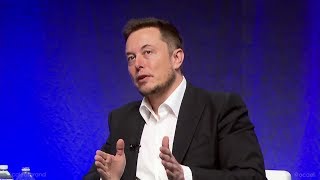 201759:47
 20131:09:25
 20211:37:40