2013 年的 TED 讲台上,主持人问马斯克:什么样的疯狂梦想,会让你想去挑战整个汽车工业,造一台纯电动车?
马斯克的回答绕开了环保。
他说这事得追溯回大学时代。那时他在想,哪些问题最有可能影响人类未来的走向。想了一圈,结论是可持续的交通和可持续的能源生产,是这个世纪绕不过去的最大问题。
然后他补了一句很马斯克的话:
这个问题跟环保无关。就算烧二氧化碳对环境有好处,碳氢燃料也总有烧完的一天,我们照样得找到别的办法。
请注意这个论证结构。他没有从「地球会不会热死」出发,他从「油箱会不会空」出发。前者是价值观,可以吵一百年;后者是物理和地质储量的账,吵不动。后面四十分钟里,他谈电动车、谈太阳能、谈火箭,全部沿用同一套算法。
同样一份天然气,发电厂能榨出三倍效率
主持人追问得更具体:美国大部分电来自烧化石燃料,电动车插上电网充电,凭什么比烧油干净?
马斯克拆成两层回答。
第一层是纯效率账。拿天然气举例,这是最常见的碳氢燃料。同样一份天然气,送进通用电气那种现代燃气轮机发电,效率大约 60%。灌进汽车的内燃机里烧掉,效率大约 20%。
三倍差距来自物理限制。固定式电站可以造得又重又大,没人计较它的体积和重量,还能把废热收集起来推动蒸汽轮机,发第二次电。汽车不行。汽车必须轻、必须小,余热只能从散热格栅里白白散掉,风阻还得自己扛。
把输电损耗、充电损耗全部算进去,用同一份燃料充电驱动电动车,效率至少是烧在油箱里的两倍。
这个数字的意思是,即便电网一度绿电都没有,全烧天然气,电动车已经赢了。太阳能、风电、核电的每一分增量,都是额外赚到的。
第二层是方向问题。人类总归要解决可持续发电,那就顺手把交通也电动化,两件事一次办完,不必分两轮折腾。
马斯克在这里给了一个他后来重复过很多次的判断:所有交通方式最终都会变成电动的。火车、汽车、轮船、飞机,一个都跑不掉。
唯一的例外是火箭,而且这个例外相当讽刺。火箭没法插电,只能自己扛着燃料和氧化剂走,牛顿第三定律没有商量的余地,你带多少质量上天,就得花多少能量,一点都省不下来。
北美唯一一台全铝车身,和一个开太慢被警察拦下的世界纪录
现场放了一段 Model S 总装的视频。主持人问,这台车哪里创新?
马斯克说,想让电动交通早点到来,车就必须极其省电,也就必须极其轻。
屏幕上那台车是北美唯一一台全铝车身加全铝底盘的量产车。为了减重,他们借用了大量火箭设计的做法,因为车底压着一个巨大的电池包,别的地方必须让出重量预算。
然后是风阻。Model S 的风阻系数在同尺寸车里是最低的。
轻车身、低风阻、最先进的电池包,三样凑一起,才有了能打的续航。正常开,250 英里左右。
主持人接着问:电池那么重,这笔账怎么算得过来?
马斯克的答案很干脆:车的其余部分必须足够轻,去抵消电池包的重量;风阻必须足够低,高速续航才撑得住。电池的能量密度短期内提不上去,那就从车身上把每一克、每一个风阻点抠回来。这是一道减法题,不是等一道加法题。
现场还带了个小故事。Model S 的车主之间自发搞起了续航比赛,看谁一次充电跑得最远。当时的世界纪录是 425 英里,创造者叫 Bruno Bowen,人就在台下。
马斯克说这是好消息。坏消息是,为了破纪录,他得一直保持 18 英里每小时的匀速,结果被警察拦了下来,理由是开得太慢。
主持人又问,开这台车最让人意外的是什么?
马斯克说响应性。他们想让驾驶者感觉自己跟车几乎「心灵融合」,转弯、加速,念头一动车就走了,像车本身有第六感。
这件事汽油车做不到。内燃机要从怠速爬到发力区间,中间有一段迟滞,变速箱还得决定降几个挡;电动机从零转速开始就是最大扭矩,踏板踩下去,力立刻到轮上,中间没有传话的人。
他说这个差别很深刻,但只有真正试驾过的人才能体会。参数表上看不出来,试驾五分钟就懂了。
三步走:十万美元、五万美元、三万美元
主持人把话拉回商业:这是台漂亮但很贵的车,有没有一条路让它变成大众市场产品?
马斯克说,特斯拉从成立第一天起就是三步走。
第一代是 Roadster,10 万美元的跑车,小批量,用来证明电动车可以又快又酷。
第二代是 Model S,5 万美元起,中等价格,中等批量。他们现在站在第二步。
第三代目标是一台 3 万美元的车,希望三四年后出来。
他补了一句经验之谈:任何真正新的技术,通常要经过三个大版本,才能变成有说服力的大众市场产品。
这句话今天回头看格外有意思。Model 3 真正量产交付是 2017 年,从这次演讲算起四年,正好落在他自己画的时间窗里,只不过中间那段产能地狱他没在台上预告。
主持人换了个角度质疑:现在全国没有密集的快充网络,你觉得真能建起来,还是只在几条主干道上铺一铺?
马斯克说充电桩比大多数人以为的多得多。特斯拉做了套叫超级充电(Supercharging)的技术,买 Model S 的车主免费用,终身免费。
覆盖情况他报了一下:加州和内华达已经打通,东海岸从波士顿到华盛顿通了。当年年底,能从洛杉矶一路开到纽约,全程只用超级充电网络。
充电速度是别家的五倍。
接下来是时间账,这段挺能说明他的产品思路。
马斯克说,设计目标是把「开车时间」和「停车时间」的比例做到 6 比 7。翻译成人话:开三个小时,就该停下来二三十分钟,因为普通人跑长途本来就是这个节奏。
早上九点出发,中午十二点,你本来就要停下来吃口饭、上个厕所、买杯咖啡,然后接着走。充电插在这个空档里,人不用专门为它多等一分钟。
主持人追问:充满要一个小时吧,得等一个小时?
马斯克纠正:不用充满。更合理的开法是开 160 到 170 英里,停半小时,再继续。这是长途旅行天然的节律,硬要一次充满,反而是在跟人的耐心较劲。
他还补了一句:电免费,不花钱。
天上那个巨大的聚变发电机
主持人转场:能源这件事你只下了一注,还有 SolarCity。
马斯克说,前面讲过,人类不光要有可持续的能源消费,还得有可持续的能源生产。他很确信太阳能会成为主要的发电方式。
他的说法挺有意思:太阳能本质上是间接核聚变。我们天上有一个巨大的聚变发电机,叫太阳,人类文明只需要从里面取一点点能量。
他还说了一件很多人知道、但没真正意识到的事:这个世界本来就几乎完全靠太阳能运转。太阳要是不在,地球就是一个 3K 的冰球。下雨下雪、洋流循环、整个生态系统,全是太阳在驱动。
那汽油算什么?一加仑汽油里,压缩着几千年的太阳能量,被塞进一个很小的空间。人类烧的每一滴油,烧的都是几亿年前存下来的阳光。
所以太阳能现在在账面上打不赢天然气,尤其是页岩气革命之后的廉价天然气。马斯克说他确信太阳能会赢,而且赢得很干脆。他补了一句:如果太阳能赢不了,我们就麻烦了。
主持人问:你们不卖板子给消费者吧?
马斯克说卖,也可以租,大多数人选租。
太阳能的特点是没有原料成本,也没有运营成本。装上去就在那儿发电,能用大概一个世纪。
所以整个生意只剩两件事:把初次安装的成本压低,把融资的成本压低。这两项决定了太阳能的度电价格,别的都是噪音。他们在这两个方向上都走了很远,这也是他敢说能打赢天然气的底气。
零首付、二十年租约,和一次对垄断的撬动
商业模式摆出来:零首付,SolarCity 出钱在你家屋顶装板子,你按月付一笔租赁费,这笔钱低于你原来的电费账单。租约通常 20 年。
钱从哪来?SolarCity 从银行或大公司融资,Google 是它的大合作方之一。投资方要一个预期回报率,SolarCity 拿这笔钱买板子、装板子,再向屋主按月收费。
三方各拿各的:屋主电费降了,投资方拿到回报,SolarCity 赚中间的差价和服务费。整件事里没有谁多掏一分钱,钱是从旧电费账单里腾出来的。
主持人点出本质:你这是在造一种分布式的公用事业。
马斯克接住这个词:对,就是一家巨大的分布式公用事业。他觉得这是好事。
公用事业公司一直是垄断的,用户没有选择。现在板子装在屋顶上,这个垄断第一次遇到了竞争。
这句话背后藏着一个判断:真正的竞争壁垒从来不是技术更先进,是渠道和所有权结构。太阳能板早就有,便宜不下来是因为没人把它做成按月上门的服务。他把卖设备改成了卖电。
主持人问:你真的相信未来一二十年,美国大部分电来自太阳能?
马斯克说,他非常确信太阳能会至少成为最大的单一电力来源,很可能成为多数。
他给了个时间:不到 20 年,太阳能就会成为占比最高的电力来源。
说漏嘴的地方在这儿:他承认这个赌他跟一个朋友打过,两三年前打的,朋友不愿具名。按那个时间算,大概 18 年后见分晓。
现场没有人追问他的期权价格,这件事就这么过去了。
从 PayPal 到火箭,他讲了个笑话
主持人转场:说说另一个赌注。你卖 PayPal 赚了钱,然后去开了家航天公司。为什么?
马斯克说他经常被问这个问题。
然后他讲了个笑话:有个人在航天业赚了一笔小钱,当然,他一开始是有一大笔钱。
我跟人说,我是在找把一大笔财富变成一小笔财富的最快办法。他们看着我的表情,像是在判断我是不是认真的。(马斯克)
他说这话不全是玩笑。2008 年差点就真变成小钱了,公司非常接近失败,只是勉强撑了过来。那次 SpaceX 和特斯拉同时烧钱见底,两家公司他都要救。
SpaceX 的目标是推进火箭技术,具体说,是攻克一个他认为人类成为航天文明必须解决的问题:造出可以快速、完全重复使用的火箭。
主持人问:这是你从小的梦想吗?火星什么的?
马斯克的回答有点出乎意料。他说小时候确实造过火箭,但他没想过自己会干这行。
他真正在意的东西跟火箭关系不大。他想弄清楚,未来要发生什么,才让未来变得激动人心、让人向往。
他给出两种未来的对比。
一种是人类成为航天文明,走向多个星球,在星际之间探索。这个未来让人兴奋。
另一种是人类永远困在地球上,直到某次灭绝事件把一切清零。
他选前一种。
这里藏着他后面所有项目共享的动机。特斯拉、太阳能、火箭,这三件事在他脑子里是同一件事的三个面:让人类有别的选择。
成本砍七成五,而且不申请专利
主持人问:NASA 干了几十年,你怎么把成本砍掉了 75%,具体看你怎么算。
马斯克说他们在机身、发动机、电子设备、发射运营上,每一块都做了大量改进,创新清单很长,在演讲里不太好讲清楚。
主持人追了一句:你没申请专利?你觉得申请专利比不申请更危险?
马斯克的回答是:我们的主要竞争对手是国家政府,专利的可执行性存疑。
这句话可以多品一下。一家商业公司的技术壁垒,靠的是制造业本身的难复制程度和迭代速度,专利文件排在后面。他赌的是「我给你图纸你也造不出来,造出来也比我贵」。
火箭为什么必须复用
现场放了一段视频。马斯克解释:今天所有在飞的火箭都是一次性的,用完就扔。
航天飞机试过复用。但连主燃料箱都是每次丢弃的,那些真正复用的部件,需要一万人的团队干九个月才能翻新好,所以航天飞机每次飞行的成本是 10 亿美元。
然后是一段动画:火箭一级分离之后飞回发射场,竖着落下来,几个小时后加注燃料再飞。
马斯克说,这里最重要的一点是,推进剂的成本只占火箭总成本的 3% 左右,跟喷气式飞机很像。所以只要火箭能真正重复使用,太空飞行的成本有可能降低大约 100 倍。
他给了一个类比:人类用过的所有交通工具都是可复用的。飞机、火车、汽车、自行车、马,全都复用,只有火箭不是。
这个问题不解决,航天文明就无从谈起。按现在的价格,一张去火星的票价要以数十万美元计,可复用的账算通了,票价才有机会降到一张房子的水平。
主持人接了个玩笑:邮轮要是每趟都得烧掉,坐邮轮的人会少很多。
马斯克说,确实,那样会贵得多。
十二层楼高的火箭,悬停在四十米空中
主持人问:可复用进展如何?刚才那段是模拟动画。
马斯克说他们在做一个叫「蚱蜢」(Grasshopper)的测试项目,练的是垂直着陆这一段,也是整个流程里最难的一段。已经做了一些不错的测试。
现场放了实拍视频。为了让人有尺度感,他们在火箭上绑了个假人,穿成 Johnny Cash 的样子。
那枚火箭大约有 12 层楼高,悬停在 40 米左右的高度,靠不断调整主发动机喷管的摆角来控制姿态,靠冷气推进器维持滚转稳定。
一栋楼那么高的金属圆柱体,喷着火,稳稳停在半空,然后慢慢落回地面。
这个画面在今天看来已经不稀奇了,猎鹰 9 号的助推器天天这么干,还能落回海上平台。但在 2013 年,这是第一次有人把这件事做给公众看。台下那一刻的安静,比掌声更能说明问题。
他给出的唯一方法论:第一性原理
主持人问了一个元问题:PayPal、SolarCity、特斯拉、SpaceX,这几个项目差别大得离谱,规模都很大,一个人怎么可能在这么多方向上同时创新?你到底有什么特别的?
马斯克说:我不知道,我真没有好答案。我工作很多,非常多。
主持人抛出了自己的理论:你有能力在系统层面做设计,把设计、技术、商业打包成一个整体,绝大多数人做不到这种综合。而且你对这个打包好的方案有近乎绝对的信心,所以你敢下疯狂的赌注,敢把身家押上去,而且不止一次。
主持人问:这套东西能不能教?能不能放进教育系统?
马斯克的回答是他这次演讲里方法论含量最高的一段。
他说有一个好的思考框架,就是物理学里的第一性原理推理(first principles reasoning)。
意思是:把问题拆到最基本的事实层面,从那里往上推。类比推理走的是另一条路,先看别人怎么做,改改再用。
他解释,人一辈子大部分时间都在用类比推理,说白了就是照着别人的做法,稍微变一变。不这么干不行,不然一天都过不完,光是想穿哪双鞋就能耗掉一上午。
但你要做一件新事情的时候,就必须用物理学那套办法。物理学之所以能发现量子力学这种完全反直觉的东西,就是因为它有这套办法,它不问前任怎么想,它问自然允许什么。
第二个建议是:认真对待负面反馈,主动去要,尤其是从朋友那里要。
他说这听起来像废话,但几乎没人这么做,而这么做极其有用。
整个访谈里,这是他唯一一次给出可以被别人复制的操作步骤。前面讲的全是他做了什么,只有这里讲了怎么想。
顺便说一句,他自己也承认没有好答案来解释「一个人为什么能在这么多方向上同时创新」。台上那个关于系统和打包能力的理论,是主持人给的,他本人没有背下来。这点诚实挺有意思。
把这几条拿走,明天就能用
- 判断一条技术路线,先把能量账和物理极限摆出来。同样一份燃料,集中发电再充电驱动车,效率至少是直接烧在油箱里的两倍。做任何比较之前,先问一句:物理上允许的上限是多少?
- 新产品按三个版本规划。第一版证明可行,第二版做到中产买得起,第三版才进大众市场。指望第一版就爆,等于想跳过两个必要的学习周期。
- 跨界找降本方案。特斯拉把火箭的减重思路搬到汽车上,才做成了全铝车身。你所在行业最贵的那道工序,答案往往在另一个行业已经成熟了二十年。
- 做长期基础设施生意,只盯两个成本。初装成本和资金成本,别的都是噪音。SolarCity 的整个模式就建立在这两项的持续下降上。
- 把用户的时间节奏当产品参数。超级充电的节奏按「开三小时停半小时」定,技术指标给人的生活节律让路,用户才会真的用。
- 遇到反直觉的新问题,别问「别人怎么做的」,问「物理上允许的极限在哪」。类比推理能帮你过完一天,但推不出新东西。
- 主动向朋友索取负面反馈,并且真的改。这条最便宜,也最难做到,马斯克自己说几乎没人这么干。
0:13Elon what kind of crazy dream would persuade you to think of trying to take on the Auto industry and build an all electric car well it it goes back to when I was in in University I thought about what what are the problems that are most likely to affect the future of the world or future of humanity I think it's extremely important that we have sustainable transport and sustainable energy production that sort of overall sustainable energy problem is is the biggest problem that we have to solve this Century independent of environmental concerns in fact even if producing CO2 was good for the environment given that it's we're going to run out of hydrocarbons we need to
0:49find some sustainable means of of operating most of most of American electricity comes from burning fossil fuels how can an electric car that plug plugs into that electricity help right there's two elements to that answer one is that even if you take the same Source Fuel and and produce power at the power plant and CH use it to charge electric cars you're still better off so if you take let's say natural gas which is seem most prevalent hydrocarbon Source fuel if if you if you burn that in a modern General Electric natural gas turbine you'll get about 60% efficiency if you put that same fuel in a combustion engine car you get about 20% efficiency and the reason is in a
1:30stationary power plant you can afford to have something that weighs a lot more is voluminous and you can take the waste heat and run a steam turbo to generate a secondary power source so in effect even if you take transmission lust into account and everything even using the same Source fuel you're twice as at least twice as better off charging an electric car than burning it at at the power plant that scale delivers efficiency yes it does and then the the other point is we have to have sustainable means of power generation anyway electricity generation so given that we have to solve sustainable electricity generation then it it makes sense for us to have electric cars as
2:06the as the mode of Transport so we we've got some video here of of the Tesla being assembled which if you could play that that first video so what's what what is innovative about this process in this vehicle sure so in order to accelerate the Advent of electric transport and and I should say I think actually all modes of Transport will become fully electric with the ironic exception of rockets so there's
2:33just no way around Newton's third law the the the question is how do you accelerate the Advent of electric transport and in order to do that for cars you have to come up with a really energy efficient car so that means Mak it incredibly light and so what you're seeing here is the only all aluminum body and Chassis car made in in North America in fact we applied a lot of Rocket design techniques to make the car light despite having a very large battery pack and then it also has the lowest drag coefficient of any car of its size so as a result the energy usage is very low and it has the most advanced battery pack and that's what gives it the range that that's competitive so you
3:10can actually have on the order of a 250 mile range I mean those battery packs are incredibly heavy but you think the the math the math can still work out intelligently by combining light body heavy battery you can still gain spectacular efficiency exactly the rest of the car has to be very light to offset the mass of the pack and then you have to have a low Drive coefficients that you have good Highway range in fact customers of the model S are sort of competing with each other to try to get the the the highest possible range I think somebody recently got 420 miles out of a single charge Bruno Bruno Bowen who's who's here did that broke the world record 425 that was the good
3:49news the bad news was is to do it he had to drive at 18 mph constant speed and got pulled over by the cops going too slow yeah I mean you you you can certainly Drive if if you drive at sort of 65 mph under normal conditions 250 Mi is a reasonable number let's show that second video showing the Tesla in action on ice not at all a dig at the New York Times this by the way what is the most surprising thing about the experience of of driving the the car in creating an electric car the responsiveness of the car is is really incredible so we wanted really to have people feel as though they they've almost got a mind meld with the car so you just feel like you and the car are
4:29kind of one and as you as you corner and accelerate it just it just happens like the car has ESP U you can do that with an electric car because of responsiveness you can't do that with a gasoline car I think that's that's really a profound difference and people only experience that when they have a test drive I mean this is a beautiful but expensive car is there is there a
4:51road map where this becomes a mass Market vehicle yeah the goal of Tesla has always been to have a sort of a three-step process where where version one was inexpensive cart in low volume version two is sort of medium price and medium volume and then version three would be low price High volumes we're at step two at this point so we had a $100,000 sports car which was the road store then we've got the model S which starts at around $50,000 and our our third generation car which will hopefully be at in about 3 or 4 years will be a $30,000 car but whenever you got really new technology it generally takes about three major versions in order to make it a
5:28compelling Mass Market product and and so I think we're making progress in that direction and I feel confident that that we'll get there I mean right now if you've got a short commute You' or you know you drive you can get back you can charge at home there isn't a huge Nationwide network of charging stations now that are fast do you do you see that coming really truly or just on a few key routes there actually are far more charging stations Than People realize and at tell we developed something called the supercharging technology so so and we're offering that if you if you buy Model S for free forever and so this is something maybe a lot of people don't realize we we
6:08actually have California and Nevada covered we've got the Eastern Seaboard from Boston to DC covered by the end of this year you'll be able to drive from LA to New York you just using the supercharger network which charges at five times the rate of of of of anything else and and the key thing is to to have a ratio of drive to stop to to stop time of about 6 or 7 so if you drive for 3 hours you want to stop for 20 or 30 minutes because that's normally what people will stop for so if you start a trip at 9:00 a.m. by noon you want to stop to have a bite to eat H the restroom coffee and keep going so your proposition to Consumers is for the full charge it can take take an hour so
6:48it's it's common don't expect to be out of here in in 10 minutes wait for an hour but the good news is you're you're helping save the planet and by the way the electricity is free no you don't pay anything actually what we're expecting is for people to to stay to stop for about 20 to 30 minutes not not for an hour it's actually better to to drive for about maybe 160 170 mil
7:11and and then stop for half an hour and then and then keep going that's the natural Cadence of a trip all right so so this is only one string to your energy bow you've been working on on this Solar Company Solar City what's unusual about that well as I mentioned earlier we have to have sustainable electricity production as well as consumption so the I I I'm quite confident that the the primary means of of power generation will be solar I mean it's really IND indirect Fusion is what it is we got this giant fusion generator in the sky called the sun and we just need to tap a little bit of that energy for purposes of of human civilization course
7:52you will know but don't realize they know is that the world is almost entirely solar powered already if if the Sun wasn't there would be a frozen ice B at 3° Kelvin and the the sun Powers the the entire system of precipitation the whole ecosystem is is solar powered but in a gallon of gasoline you have effectively thousands of years of sun power compressed into a small space so it's it's hard to make the numbers work right now on solar and to remotely compete with for example natural gas fract natural gas how how are you going to build a business here well actually I'm I'm confident that solar will will will beat everything hands down including natural gas
8:34how it must actually if it doesn't we're we're in deep trouble but you're not you're not selling solar panels to Consumers what what are you doing no we actually are you can you can buy a solar system or you can lease a solar system most people choose to lease and the thing about solar power is that it it doesn't have any feed stock or operational cost so once it's installed it's I mean it's just there it works for for de Dees it'll work for probably a century and and this is so so therefore the key thing to do is to get the cost of that initial installation low and then get the cost of the financing low so that the because that interest those are the two factors that
9:12drive the cost to solar and and and we've made huge progress in that direction and that's why I'm confident we actually beat natural gas so so so your current proposition to Consumers is don't pay so much up front let us in Pay zero up front we will install panels on your roof yes you will then pay how long is a typical lease typical leases are are are 20 years but but the value proposition is is is as you're sort of alluding to quite straightforward it's it's no money down and your utility utility B decreases it's pretty good deal so that seems like a win for the consumer no risk you you will pay less than you're paying now and for you the dream here
9:54then is that I mean who owns the electricity from those panels for the longer term I mean how how how do you the company benefit well essentially the Sol City raises a a chunk of capital and from from say a company or a bank Google's one of our our big Partners here and they have an expected return on that Capital with that Capital solic City purchases and installs the panel on on the roof and then charges the homeowner or business owner a monthly Leaf payment which is less than the utility bill but you you you yourself get get a sort of long-term commercial benefit from that power you're kind of building a distributed new type of distributed utility exactly what it
10:40amounts to is a giant distributed utility and it's I think it's a good thing because utilities have been this Monopoly that and people haven't had any choice so effectively it's the first time youve there's been competition for this Monopoly because the the utilities have been the only ones that owned those power distribution lines but now it's on your roof so I think it's actually very empowering for homeowners and businesses and you really picture a future where a majority of power in America like within
11:12what a decade or two or within your lifetime is is is solar I I'm extremely confident that solar will be at least a plurality of power and and most likely a majority and I I predict it will be plurality in less than 20 years I'd say I made that bet with someone definition of polarity is more from solar than any other source who did you make the bet with with with some some a friend who remain nameless but oh just between
11:45us and I made that bet I think two or three years ago so in roughly 18 years I I think we'll see more more power from solar than any other source all right so let's go back to another bet that you made with with yourself I guess I mean a kind of crazy bet you you made some money from the sale of PayPal you decided to build a space company why on Earth would someone do that got that question a lot that's true people to did you hear the joke about the guy who who who made a small fortune in the space industry and he you know obviously started with a large one is the punch line and and so I I tell people I was trying to Fig figure out the fastest way to turn a large Fortune
12:25into a small one and they'd look at me like is he serious and strangely you were so so so well what happened it it was a close call I mean things almost didn't work out we came very close to failure but we managed to get through that point in 2008 the the goal of SpaceX is to try to advance rocket technology and in particular to try to crack a problem that I think is vital for Humanity to become a spacefaring civilization which is to have a a rapidly and fully reusable rocket would Humanity become a space fairing civilization so that that was a dream of yours in a way from from a young age or like you you dreamed of Mars and Beyond I I made I did build Rockets when I
13:11was a kid but I didn't think I'd be involved in this it was really more more from the standpoint of what are the things that need to happen in order for the future to be an exciting and inspiring one and I I really I really think there's a fundamental difference if if you sort of look into the Future Between a Humanity that is that is a space ring civilization that's out there exploring the Stars on multiple planets and I think that's really exciting and compared with with one where we are forever confined to Earth until some eventual Extinction event so you've somehow slashed the cost of building a rocket by 75% depending on how you calculate it how on Earth have you done
13:48that NASA has been doing this for years how have you done this well we've made significant advances in in the technology of the airframe the engines the electronics and the launch operation I mean there's a long list of of of innovations that that we've come up with there that they're a little difficult to communicate in in this talk but the the because not least because
14:13you could still get copied right by I mean you you haven't patented this stuff it's really interesting to me you didn't patent because you think it's more dangerous to patent than not to patent since our primary competitors are National governments the enforceability of patents is questionable it's really really really really interesting but but the big the big innovation is still ahead and you're working on it now tell us tell us about this right so the the big innovation in fact let's let's let's roll that video and you can you can you can talk us through it what's happening here absolutely so the thing about Rockets is that they're all Expendable all rockets that fly today
14:50are fully Expendable the space shuttle was an attempt at a reusable rocket but even the main tank of the Space Shuttle was thrown away every time and the parts that we're reusable took a 10,000 person group 9 months to refurbish for flight so the space shuttle ended up costing a billion dollars per flight obviously that that doesn't work very well for so what what just happened there we just saw something L that's right so it it's important that the the rocket stages be able to come back to be able to return to the launch site and be ready to launch again within a matter of hours wow yeah reusable rocket
15:27yes and and so what so what a lot of people don't realize is the cost of the fuel of the propellant is is very small it's much like on a jet so the cost of the of the of the propellant is about 3% of the cost of the rocket so it's possible to achieve let's say roughly 100 fold Improvement in the cost of space flight if you can effectively reuse the rocket that that's why it's so important every mode of Transport that we use whether it's Planes Trains automobiles bikes horses is reusable but not Rockets So so we must solve this problem in order to become a space Fring civilization you asked me the question earlier of how popular traveling on cruises would be if you had to burn your
16:08certain cruises apparently are highly [Laughter] problematic definitely more expensive so that so that's so that's potentially absolutely disruptive technology and I guess paves the way for your dream to actually take at some point to take Humanity to Mars at scale like see Colony on Mars
16:30yeah exactly SpaceX or some combination of companies and and governments need to make progress on the direction of making life multiplanetary of establishing u a base on on another planet on Mars being the only realistic option and then building that that base up until it we're a true multiplet species so so progress on this let's make it reusable how how is that going that was just a simulation video we saw how's it going we're actually we're we've been making some some good progress recently with something we call the the grasshopper test project where we're testing the vertical Landing portion of of of the plate the sort of terminal portion which is quite tricky and and
17:11that's we've had some good tests can we can we see that yeah so that's just to give a sense of scale we dressed the Cowboys as Johnny Cash and bolted the mannequin to the rocket all right let's let's see that video then because this is this is actually amazing when you think about it you've never seen this before a rocket lasting off and then yeah so that rocket is about the size of a 12-story
17:46building so now it's it's hovering at about 40 m and it's it's constantly adjusting the the angle of the pit andure of the main engine and maintaining rooll with with cold gas thrusters how cool how how have you done this these projects are so these PayPal solo city Tesla space they're so spectacularly different they're such ambitious projects at scale how on Earth has one person been able to innovate in this way what is it about you I don't know actually
18:39I I I don't have a good answer for you I work a lot I mean that's and a lot I I well I have a theory I have a theory all right my my theory is that you have an ability to think at a system level of design that pull together design technology and business so if Ted was TBD Design Technology business into one package synthesize it in a way that very few people can and and this is a critical Thing feel so damn confident in that click together package that you take crazy risks you bet you bet your fortune on it and you seem to have done that multiple times I mean almost no one can do that is that could we have some of that secret Source can we put it into
19:27our education system system can someone learn from you it it is truly amazing what you've done oh thanks thank you well I I think there I do think there's a good a good framework for thinking is physics you know the sort of first principles reasoning I mean generally that I think there are like what I mean by that is boil things down to the that their fundamental truths and reason up from there as opposed to reasoning by analogy through most of our life we we we get through life by reasoning by analogy which essentially means kind of cough what other people do with slight variations and you have to do that otherwise it's it's mentally you wouldn't be able to get through the
20:04day but when you when you want to do something new you you have to you have to apply the the the physics approach and physics has really sort of figured out how to discover new things that are counterintuitive like quantum mechanics it's really counterintuitive so I think I think that's an important thing to do and then also to really pay attention to negative feedback and solicit it particularly from Friends this may sound like sort of simple advice but it hardly anyone does that and and it's incredibly helpful boys and girls watching study Physics learn from this man El musk I wish we had all day but thank you so much for coming thank you that was awesome it was really
20:47really cool look up just pick him up that was fantastic thank [Music] behind every great artist is inspiration Vision passion curiosity tradition and the master artists who came before since 2002 the Rolex mentor and prote arts initiative has paired promising young talents with established Masters in the fields of dance film literature Music Theater visual arts and
21:49architecture for a year of guidance insight and one-on-one [Music] mentoring helping ensure the world's artistic Heritage is passed on from culture to culture and from one generation to the next at Rolex we're proud to carry on the centuries old Heritage of mentoring because we believe behind every great artist is a great [Music] artist
资源与出处
- 视频在 YouTube 收看
- 视频在 B 站收看UP 主「跟着TED演讲学英语」搬运,标题注明带中文字幕
- 档案silicon-valley.tech 档案页本页视频与文稿数据来自 Elon Musk Archive
- 精读本篇精读 Markdown 版
相关视频
同频道、同主题或相邻年份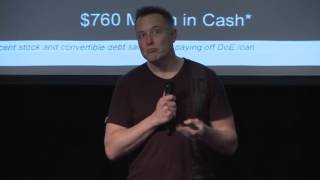 20131:25:37
 20131:02:58
 201740:51