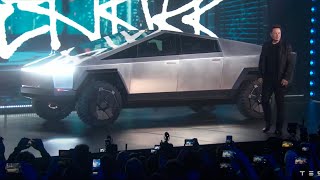
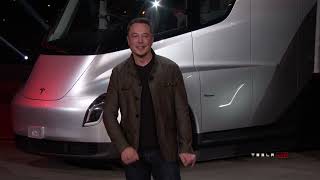
一辆车从黑暗里滑出来,停在聚光灯下。车门向上掀开,马斯克从里面走出来,朝台下挥手。这台车没有方向盘,没有踏板,也没有后视镜。
2024 年 10 月,特斯拉在洛杉矶华纳兄弟片场办了这场发布会,名字叫 We, Robot(我们,机器人)。马斯克坐进来的那台车叫 Cybercab。
他上台后没先聊造型,先抛了一个数字。
一周 168 小时,一台私家车只跑了 10 小时
马斯克给出的账是这样的:一台普通的乘用车,一周被使用的时间大约 10 个小时。一周总共 168 小时,剩下那 158 小时,车就停在那里,什么也不干。
这还没算上找车位的那些分钟。他自己补了一句,在洛杉矶找车位有时候挺烦人的。
所以今天被当成"正常"的很多东西,其实是一种被习惯掉的浪费。车买回来,保险要交,贷款要还,车位要占,全部成本摊在那 10 个小时里,单小时的成本高得离谱。
换成自动驾驶,逻辑就变了。同一台车可以被调用 5 倍、甚至 10 倍的时间。同一笔购置成本,产出翻了 5 到 10 倍。
他用的类比很朴素:现在的车是资产,但大部分时间处于闲置状态。自动驾驶把这部分闲置时间变成了现金流。
从"你得盯着"到"你可以睡着"
特斯拉今天在路上跑的 FSD,按马斯克的说法叫"有监督的全自动驾驶"(supervised FSD)。车能自己开,但驾驶位必须坐着一个随时准备接管的人。
发布会要讲的是下一步:无监督的全自动驾驶(unsupervised FSD)。车自己开,人可以在里面睡觉,醒来就到目的地了。
这个跨越听起来只是去掉一个"监督",实际上是整个责任主体的转移。有监督的时候,兜底的是人;无监督的时候,兜底的是系统。所有关于自动驾驶的争论,真正卡住的地方就在这里。
马斯克没绕开这一点,他直接给了时间表,后面再讲。
电梯操作员这个职业,已经消失得没人记得了
为了让"把命交给机器"这件事听起来不那么吓人,马斯克翻出了一段历史。
几十年前,每部电梯里都坐着一个操作员。人坐在那儿,负责按楼层、控制开关。偶尔他累了、走神了,会出事故,把人夹在半空里。
后来电梯自动化了。你走进电梯,按一个按钮,门关上,到了楼层门打开,你压根不会想这件事。
他说,如果今天你走进一部电梯,看见里面坐着一个操作员,手里握着一个大闸刀开关,你第一反应是"这太奇怪了"。
以后的汽车就是这样。(马斯克)
这个类比的锋利之处在于,它把"人类驾驶"从一种技能,重新定义成一种过渡期的临时工种。人们不会因为自动电梯存在而感到恐惧,因为那一代坐过人工电梯的人已经老去,剩下的人从一开始就只见过自动的。
马斯克对安全性的判断是:自动驾驶汽车会比人类驾驶安全 10 倍。后面聊到训练数据时,他把这个数字往上抬到了 10 倍、20 倍、30 倍。
车会变成一个能移动的小客厅
安全之外,他更愿意讲的是时间。
全世界的人每天在车里耗掉多少小时,这些时间现在被彻底浪费了。双手要握方向盘,眼睛要看路,脑子要保持警觉。自动驾驶把这部分注意力还给人。
还回来之后能干什么?刷手机、看电影、干活,或者什么都不干。
在自动驾驶的世界里,你可以把车理解成一个舒服的小休息室。你坐在里面想干嘛干嘛,出来的时候已经到目的地了。(马斯克)
这句话背后的产品思路,跟过去一百年的汽车设计是反着的。过去所有设计都围绕"驾驶者"展开,踏板的位置、仪表的角度、挡把的手感。一旦没人开车,这些设计的支点全部失效,车内的空间逻辑要重写。
Cybercab 干脆把方向盘和踏板都删了。这不是造型上的激进,是把"人可能想开一下"这个选项从产品定义里彻底移除了。
每英里 20 美分,比城市公交还便宜
发布会给出的成本数据,是整场最实在的部分。
美国城市运营一辆公交车,每英里的成本大约是 1 美元。这是运营成本,不是票价,票价是被补贴过的,真实开销远高于乘客掏的那几块钱。
Cybercab 的运营成本,马斯克估计会落在每英里 20 美分左右。把税和各种费用算进去,乘客实际支付大概 30 到 40 美分。
这个价格意味着什么?一种点对点、不用换乘、不用等、有座位的出行方式,成本低于城市公共交通。
他把这个叫"个性化的公共交通"(individualized mass transit)。词有点拗口,但意思清楚:公交的便宜,私家车的体验。
售价也给了:低于 3 万美元。现场的反应说明这个数字比预期低。
一个人管 10 到 20 台车,像牧羊人
关于"车卖给谁",马斯克提了一个挺有意思的生意形态。
今天的网约车司机,是一个人开一台车。未来可能出现另一种角色:一个人管一支车队,10 台、20 台,负责充电、清洁、调度、维护。
你有一小群车,你是那个牧羊人,你照顾你的羊群。(马斯克)
这个角色不需要会开车,需要的是运营能力。它把"司机"这个职业拆成了两半:驾驶交给了软件,照料留给了人。
这也解释了为什么特斯拉要把车卖给你,而不是自己组一个巨型车队全包了。让几百万个体车主各自持有一两台车、闲时接入网络赚钱,扩张速度会远快于一家公司自己买车、自己建停车库、自己雇人维护。
时间表:明年、2026、2027 年之前
马斯克给的时间线分三段。
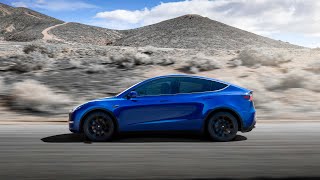
第一段,得州和加州,明年开始跑无监督的 FSD,用的是现有的 Model 3 和 Model Y。前提是监管批准,然后推广到美国以外。
第二段,Cybercab 进入量产。他自己先打了个预防针:
我在时间表上一向有点乐观,但大概是 2026 年,或者说 2027 年之前。(马斯克)
第三段,Cybercab 会以非常高的产量制造。
他在台上主动承认自己乐观,这个细节比任何时间点都值得记。特斯拉的历史上,Roadster、Model 3 的产能爬坡、Cybertruck,几乎每一个节点都推迟过。方向往往是对的,日期经常是错的。听这类发布会,把功能当真、把年份往后推一年,是比较稳的读法。
顺带说一句,现场有人问到别的车型,马斯克的回答是:现有的车本身就能实现无监督 FSD,没必要等一台新车。
为什么纯视觉能行:几百万台车在同时替人类活一遍
有人会问,凭什么觉得软件能比人开得好?马斯克的答案只有一条:数据量。
路上跑着几百万台特斯拉,每一台都在采集驾驶场景。人类司机一辈子能遇到的极端情况,可能就那么几次。而这几百万台车加起来,每天都在遇到别人一辈子都碰不到的怪场景。
这就像是同时活了几百万次人生,看到一个人在他整个生命周期里都不会遇到的罕见情况。(马斯克)
除了见过的场景多,机器还有几个物理上的优势。
它能同时朝所有方向看。人靠两只眼睛,视野有盲区,注意力只能集中在一处。车上的摄像头覆盖 360 度,同时处理,不分主次。
它不会累。人开长途会困、会走神、会低头看手机、会跟副驾聊天。这些事机器都不干。
所以他的结论是,安全性天然会高出 10 倍、20 倍、30 倍。
不需要激光雷达,这是成本结构问题
马斯克特意强调了一点:解决方案是 AI 加视觉,不需要昂贵的设备。
这句话针对的是行业里另一条路线。多数自动驾驶公司依赖激光雷达(LiDAR)、高精地图,单车硬件成本很高,而且地图覆盖不到的地方就没法跑。
纯视觉路线的好处直接体现在账上。今天已经造出来的 Model 3、Model Y、Model S、Model X,硬件上就具备实现无监督自动驾驶的能力。不需要为自动驾驶额外加装一套传感器套件,整车的制造成本能压得很低。
这个选择是否正确,行业里吵了很多年。但它在商业上的推论很清晰:如果纯视觉方案成立,那么几百万台已经在路上跑的车,都是潜在的机器人出租车,不需要重新造。
100 亿瓦的算力,藏在停着的车里
这一段是全场最容易被忽略、但可能最有长期价值的部分。
Cybercab 会搭载特斯拉的 AI5 芯片,而且算力是"超配"的,远超车辆自身驾驶所需。
为什么要超配?因为车一周只开 50 个小时,剩下 100 多个小时是停着的。
如果有一亿台车,每台提供一千瓦的推理算力,加起来就是 100 吉瓦(100 GW)的算力,这个量相当可观。(马斯克)
他把这个类比成亚马逊云服务(AWS)。AWS 的本质是把别人闲置的服务器租出去。特斯拉想做的是把车主闲置的车载算力租出去。
一台停在地库里的车,白天跑网约车赚钱,晚上提供推理算力赚钱。同一个硬件,两份收入。
这个设想能不能成,取决于两件事:车与云端之间的带宽,以及推理任务能不能被拆得足够碎。但它至少解释了 AI5 为什么要超配。硬件设计的余量,往往是下一步商业模式的伏笔。
充电这件事,插头被删掉了
Cybercab 没有充电口。
它开到一块充电板上方,停住,靠感应充电(inductive charging)补能。整车没有任何需要人弯腰插拔的部件。
这个改动看起来小,但放在"无人车队"的场景里是必须的。如果一台车要自己跑网约车,中途还得有人来给它插枪,那整个无人化的闭环就断了。真正的无人运营,要求补能环节也不需要人。
马斯克对此的评价很平淡:本来就该是这样。
停车场里把 parking 换成 park
城市被车占据的空间,很大一部分是停车场。地面上的大片沥青,立体停车楼,商场周围一圈一圈的车位。
马斯克说,自动驾驶普及之后,车不需要停在市中心等着主人下班。它们把人放下,就开走,去接下一单,或者去城市边缘充电、清洁。
于是那些停车场就没用了。
我们要把 parking lot(停车场)里的 parking 拿掉。(马斯克)
英文里"停车场"叫 parking lot,把 parking 换成 park,就变成了"公园地块"。这个文字游戏是他现场抛的,但背后的推算是实的:城市里被停车占掉的土地,可能比公园绿地多得多。
他没有给具体数字,只说了这件事"机会很大"。
Robovan:能装 20 个人,也能装货
发布会中途还亮了一台更大的车,叫 Robovan。
造型很难描述,低矮、流线、没有明显的车头车尾,从街道上开过来的时候视觉冲击很强。马斯克的形容是:你走在街上看见这个开过来,会觉得太酷了。
它的参数很直接:最多载 20 人,也可以把内部改成货运,在城市里运货。
定位是解决高密度场景。一支运动队要一起出门,20 个人一台车就够。想要把出行成本压到极低,也可以用这个。马斯克给的成本是每英里 5 到 10 美分这个量级。
现场有人把它叫 Robo van,也有人说像 Robo bus。名字会怎么定还不知道,但它补上了 Cybercab 没覆盖的那一块:一个人坐得起,二十个人也坐得起。
Optimus:把车上的技术换个外壳
发布会后半段,话题从车转到了人形机器人。
马斯克的论证方式是把两台机器拆开对比。一台车需要什么?电池、电力电子、电机、变速箱、软件、AI 推理芯片。一个人形机器人需要什么?也是这些。
我们为车开发的所有东西,电池、电力电子、先进电机、变速箱、软件、AI 推理计算机,全部适用于人形机器人。同样的技术,只是把带轮子的机器人换成了带手臂和腿的机器人。(马斯克)
这个逻辑解释了为什么特斯拉做机器人看起来这么快。它不需要从零建立一个供应链,绝大多数关键部件已经在车的产线上跑了很多年。
现场放了一段进度回顾:最早是一个穿着机器人服装的人在台上跳舞,被嘲笑过;然后是一代代原型,行走速度、关节灵活度、手部自由度逐年提升。
2 到 3 万美元,比一台车还便宜
价格是这场发布会第二个让人坐直的数字。
马斯克的预测是,规模化之后,一台 Optimus 大概卖 2 万到 3 万美元,长期看可能比一台车还便宜。
能干什么?他念了一串:当老师、看孩子、遛狗、割草、买菜、当朋友、端酒水。总结成一句就是,你想得到的它都能干。
他给出的判断很重:
我认为这会是史上最大的产品,任何品类里最大的。地球上有 80 亿人,我觉得每个人都会想要一个 Optimus 伙伴,有些人可能想要两个。(马斯克)
如果这个判断成立,需求量的单位不是千万台,是十亿台。这个量级会重新定义"制造业规模"这件事。
他还提到,这些机器人本身也能生产产品和服务。也就是说,机器人不只消费端的产品,也是生产端的劳动力。
杯子 80% 是满的
讲完机器人,马斯克主动提了风险。
数字超级智能(digital superintelligence)是存在风险的,这一点他没有回避。他给的概率是:80% 的可能性会有好结果。
看右边,杯子是 80% 满的。(马斯克)
如果这个概率成立,后面跟着的推论是:商品和服务的成本会大幅下降,任何人都能获得他想要的产品和服务。他把这个状态叫"富足时代"(age of abundance),并说几乎没有人在真正设想过它长什么样。
这个说法值得停一下。过去两百年,人类经济的核心矛盾是稀缺:东西不够,所以要分配、要定价、要竞争。如果商品和服务的边际成本趋近于零,"分配"这件事的规则会被整体重写。工作、收入、社会地位,全部挂在这套规则上。
马斯克只讲了光明面。80% 好结果的反面是 20%,他没有展开那 20% 具体是什么样子。
今晚的机器人不是预录视频
发布会最后,马斯克做了一件挺关键的事。
我们想让大家看到,Optimus 不是一段预录视频,也不是被隔离起来的。这些机器人会在你们中间走动。请对 Optimus 机器人友善一点。(马斯克)
然后他宣布开始派对,放起了《What Is Love》。
现场的 Optimus 在人群里穿行,在吧台倒酒、递饮料,跟人合影、聊天、玩石头剪刀布。会场另一头,50 台完全自动驾驶的特斯拉在跑试乘,其中 20 台是 Cybercab。试乘路线占了二三十英亩的场地,被设计成主题公园那种游乐项目的体验,路线拉得很长。广播里在提示 VIP 优先乘坐,普通观众去别的区域排队。
这里有个细节值得单独说。让机器人在真实人群里自由走动,风险远高于让它们在台上表演。人会突然伸手、突然改变方向、突然蹲下。能在这种环境里跑完一整晚不出问题,比任何一段剪辑过的演示视频都有说服力。
当然,也要说清楚另一面。据现场参与者的反馈,那一晚的 Optimus 在很多交互环节仍依赖远程人工辅助。这不影响发布会展示的技术方向,但说明离"自己应付任何家庭场景"还有距离。
他想要的未来,不是《银翼杀手》
发布会开头有一段闲笔,讲科幻电影。
马斯克说他很喜欢《银翼杀手》(Blade Runner),但那个未来他不想住进去。阴暗、潮湿、压抑,一个没人愿意待的世界。
我喜欢《银翼杀手》,但不确定我们想要那个未来。我觉得我们想要他穿的那件风衣,但不要那场末世。(马斯克)
他想要的是另一种:如果有一块水晶球,你能看见未来的样子,看完的反应应该是"我希望现在就在那儿"。
这个偏好解释了特斯拉一系列产品在造型上的选择。Cybertruck 上路的时候,很多人的第一反应是"这车怎么长这样"。马斯克的说法是,他们想改变道路的样貌,未来应该看起来像未来。
发布会场选在华纳兄弟片场也不是随手定的。那里拍出过大量描绘未来的电影。在一群虚构未来的拍摄地,展示一个团队认为能实现的未来,这个安排本身就是一句台词。
这场发布会到底改变了什么
把整场信息拉回来看,有几个判断值得记住。
第一,汽车的使用率是一个被长期忽略的变量。一周 168 小时里只用 10 小时,剩下全是沉没成本。自动驾驶做的第一件事不是让驾驶变轻松,是把这部分沉没成本重新变成产能。这也是为什么"每英里 20 美分"这个数字比"没有方向盘"更重要。
第二,成本结构的竞争,赢在硬件复用。纯视觉路线意味着现有几百万台车都能接入无人驾驶网络,不需要重新造车、不需要加装激光雷达。Cybercab 卖 3 万美元以下,也是同一套成本逻辑的延伸。
第三,时间表要打折听,方向要认真看。马斯克自己在台上承认乐观。把 2026 理解成"两三年内",把明年在得州加州跑无监督 FSD 理解成"监管批准之后陆续放开",是更靠谱的预期管理。
第四,机器人和车是同一条技术线上的两个产品。电池、电机、电控、软件、推理芯片全部通用。这意味着人形机器人的成本曲线,会沿着电动车已经趟过的路往下走。2 到 3 万美元的定价预测,不是拍脑袋,是从供应链复用推出来的。
第五,最容易被低估的是那段算力设想。一亿台车、每台一千瓦、合计 100 GW 的分布式推理算力。如果这个网络真的建成,特斯拉的业务边界会从"卖车"变成"卖算力",两者不是同一个量级的生意。
至于那 80% 的乐观概率,说实话,没人能验证。但可以确定的是,把方向盘和踏板从一台量产车里删掉这件事,已经从概念图走到了试乘现场。
如果你想知道这件事会怎么影响你
- 把"自动驾驶什么时候来"这个问题换成"我所在的城市什么时候允许无监督上路"。技术进度和监管进度不是一回事,后者往往才是实际的时间瓶颈。关注本地交通管理部门的法规动态,比关注发布会日期有用。
- 如果你在考虑买车,先算一下自己一周真正开多少小时。多数人算完会发现远低于 10 小时,那么这笔支出的真实单小时成本会高得吓人。这个账算清楚了,你对"要不要买"和"买多贵的"会有完全不同的判断。
- 如果你从事驾驶相关工作,现在开始积累的是运营能力而不是驾驶能力。车队调度、充电管理、车辆清洁维护,这些技能在无人车队时代依然稀缺,而且门槛不高,可以先从兼职做起。
- 如果你在做投资或者职业选择,盯着"硬件复用"这条线索。同一套电池、电机、AI 芯片既能造车也能造机器人,能复用这套供应链的公司,成本下降速度会远快于从零起步的玩家。
- 如果你关心 AI 的能源账,记住"分布式推理"这个词。未来几年,算力不只集中在数据中心,还会分散在几亿台移动设备上。谁掌握这些设备的调度权,谁就掌握了一块隐形的算力资源。
- 最后一条,看到任何发布会演示,先问一句:这是剪辑过的视频,还是真实环境里跑出来的?这一次的答案是后者。这个标准可以拿来做你判断所有科技发布会的尺子。
0:01[Music] statements made in this presentation are forward-looking statements that are subject to risks and uncertainties actual results May differ materially from those projected more details can be found in the written materials [Music] [Applause] ladies and gentlemen here everywhere online around the world outer space I'm
1:09[Applause] France and on behalf of everybody at Tesla welcome to we robot just want to thank Warner Brothers for hosting us here as you know this is the birthplace of many epic films many of them depicting a vision of the future we're here tonight to experience that future that is closer than you
1:39think and who better than Elon right to show us that future so it looks like elon's on his way so let's welcome him all here
2:04what's up oh e [Music] [Applause] [Music] [Applause] welcome welcome to the Wii robot party so we we have we have quite a show for you tonight I think think you're going to like it as you can see I just arrived in the robot taxi the Cyber cab and there's 20 more where that came [Applause] from so they've been traveling they're all there's no people in them as you can see the cars just going by with no
4:55people and we have we have 50 fully autonomous cars here tonight so you'll see model wise and the Cyber cab all driverless you'll you'll be able to take a ride in the Cyber cab there's no steering wheel or pedals so I hope this goes well we'll find out [Music] so so you see a lot of sci-fi movies where
5:39the future is is dark and dismal where it's not a future you want to be in so you know like I I love Blade Runner but I don't know if we want that future I think we want that that duster he's wearing but but but not but not the the ble apocalypse we want to have a fun fun exciting future that if you could look in a crystal bowl and see the future you'd be like yes I wish I could be there now that's what we want so so when we think about transport today there's a lot of kind of pain that we take for granted that we think is normal like having to drive around La
6:22in like three hours of traffic yeah and people that live in LA I mean you know try to get from Pasadena to you know Elsa gundo during rush hour is like you can fly to you know another City faster and you can get to cross town La so and you have to drive the whole way unless you're in a Tesla of course our Tesla already does quite well at this you know supervised self-driving so supervised full self full self-driving is actually working quite well I'm sure there's people in the crowd you you're using that yeah
6:59so it we'll move from supervised full self- driving to un unsupervised full self- driving where the car you could you could fall asleep and wake up at your destination so but there's also a challenge for a lot of people that cars cost too much I mean when you factor in everything that goes into a car and the car insurance and the car payments and the storage of the car it's it's very expensive so with the and you say like how often are what how many hours a week are cars used your average passenger car is only used about 10 hours a week out of 168 hours so the vast majority of the time cars are just doing nothing but if they're autonomous they could be used I
7:48don't know five times more maybe maybe 10 times more so you could actually for the the same car would have five times as much value maybe maybe 10 times as much value it's it's there's 168 hours in the week and like I said only 10 of them I use for driving so and then then a bunch of those hours are looking for a parking spot which is you know can be pretty annoying at times so so we want
8:17with autonomy you get you get your time back this is a very big deal so it's it's not just a sa like it it'll save lives like a lot of lives and prevent injuries I I think we'll see autonomous cars become 10 times safer than a human I me you think of times past were there were there used to be an elevator operator in every elevator but once in a while they get you know they get tired and accidentally sh somebody in a half you know so so now we have automated elevators you just get in an elevator and you press a button and you don't even think about it and it just takes takes you to the floor and if you did see an elevator operator with a big relay switch you'd be like
9:03that's weird now that's that's how cars will be and and it's not just the lives saved in injuries but if you look at the think about the cumulative time that people spend in a car and the time they will get back that they can now spend well I guess on their phones or or or watching a movie or doing work or whatever you want to do you can think of the the car in an autonomous world as being like just a little Lounge you're just sitting in in a comfortable little lounge and you can do whatever you want while you're in this comfortable little lounge and when you get out you will be at your destination so yeah it's going to be awesome
9:50so so in fact we we I think the the cost of autonomous transport will be so low that you can think of it like individualized mass transit the like the average cost of of a bus per mile for a city not not the ticket price because that is subsidized but the average price is about a dollar a mile whereas the cost of cyber cab we
10:18we think probably over time from the operating cost is probably going to be around 20 cents a mile and price including taxes and and everything else probably ends up being 30 or 4 40 cents a Miley one so yes and you will be able to buy [Applause] one yes exactly U and we expect the cost to be below [Applause] $330,000 and I think there'll be an interesting you know business model where like let's say somebody is an you know UB LIF driver today they where they can actually sort of manage a fleet of cars and like a sort of manage I don't know 10 20 cars and just sort of you know take care of them like a like a Shepherd tends their flock you have a
11:11little your flock of cars and you're the shepherd and you take care of your a flock of cars I think that would be pretty cool and it's I think it's going to be it's going to be a glorious future it's going to be really something special so AV yes good all excellent questions so we do expect actually to to start fully autonomous unsupervised FSD in Texas
11:45and California next [Music] year and that that's obviously that's with the model 3 in model Y and then we we we expect to be in production with the the Cyber cap which is which is really highly optimized for autonomous transport in probably well I tend to be a little optimistic with time frames but but in in in 2026 so yeah before 2027 let me put it
12:19that way and we'll make this this vehicle in very high volume and but well before that you will you will experience the a robotic taxi bya the model 3 and model y program and model snx to but to the the model the the your 3 and Y will be will achieve U unsupervised full soft driving with with permission in where wherever Regulators essentially approve it in the US and then and then to follow in outside the US so and it's cyber TR 2 yes of course sorry I don't want to beet yes yes all our cars are basically old cars that we make
13:06so let's let's not get new on here all right next [Laughter] slide so one of the reasons why or the the the computer can be so much better than a person is that we have millions of cars that are training in on driving so it's like like it's like living millions of lives simultaneously and seeing very unusual situations that a person in their entire lifetime would not see but hopefully yeah exactly so it's so with with that amount of training data it's obviously going to be much better than what a human could be because you can't live A Million Lives and it's also it can see an all dire simultaneously and it doesn't get tired or or text or any of those things so
14:05it will naturally be like I said 10 20 30 times safer than a human just for all those reasons and and I want to emphasize that the solution that we have is is AI and vision so there's no expense of equipment needed so the the model 3 and model Y and snx that we made today will be capable of full autonomy unsupervised and and that means that a cost of producing the vehicle is is low now we we are going to actually over speec the computer for the Cyber cab so our ai5 computer will be
14:51somewhat overspeed and because I think there's actually also an opportunity sort of like in Amazon web services where if the car is driving for 50 hours a week There's still over 100 hours left and it it there's a potential there to have a massive amount of distributed inference compute where if you've got like say a fleet of 100 million vehicles and a kilowatt of efficient inference compute you have 100 gaw of of compute which is really quite substantial and if it's there you might as well use it so yeah so
15:28that's that I think will make sense so all right so our autonomous future is is here as I said we've got 50 tesas driving autonomously we're trying to give you a sense of what what cities will be like in the future and when you when you get in you'll see like it's really quite a wild experience to just be in a car with no steering wheel no pedals no controls and it feels great so and we
15:58you know we have enough Vehicles here so everyone should be able to to try it out and experience this the set that we built here it's a very big set so it's like really we we've used Ser I don't know 20 30 Acres or something like that it's really big so it's it goes on the ride's long and we we set it up we set it up to feel like a like a ride like a park ride so it'll be it'll be cool and you'll get to experience it tonight
16:29something we're also doing is and it's really high time we did this is inductive charging so the robot taxi has no plug it it just goes over the inductive charger and charges so yeah it's kind of how it should be thanks guys I love you too so one of the things that like is really interesting is how will this affect this the cities that we live in and when when you drive around a city or when the car drives you around a city you'll see there's like there's a lot of parking lots there's there's parking lots everywhere parking garages there and and so what would happen if you have an autonomous world is that you can now turn parking lots into parks and so from we're taking we're
17:27taking the in lot out of parking lot welcome so there's a lot of opportunity to create green space in the cities that we live in so I think that would be quite fantastic oh and also so what what what what happens if you need a vehicle that is bigger than a model [Applause] y the the Roven the Roven is this is a we we're
18:17going to make this and it's going to look like that now can you imagine going down the streets and you see this coming towards you that' be sick so this this can carry up to 20 people and it can also transport Goods so you can config good for goods transport within a city or transport of up to 20 people at a time so this is going to the Roven is
18:48what's going to solve for high density so if you if you want to take a sports team somewhere or you're looking to to really get the cost of travel down to I don't know 51 cents a mile then you can use the Roven some people call it the Roba van but so yeah you know one of the things that we want to do and we've seen this with the Cyber truck is we want to change the the look of the roads the future should look like the future [Applause]
19:30so speaking of [Applause] robots so everything we've developed for our cars the batteries Power Electronics the advanced Motors gearboxes the the software the the AI inference computer it all actually applies to a humanoid robot so the same techniques it's just a robot with arms and legs instead of a robot with with wheels and We've made a lot of progress with the Optimus and as you can see we we started up with someone in a robot suit sort of and then we've progressed dramatically year after year so if you extrapolate this you're really going to have something expect spacular something that anyone could own so you can have your own personal
20:35R2-D2 C3PO and I think at scale the you know this would cost something like I don't know 20 $330,000 probably less less than a car is my prediction long term you know take us a minute to get to the long term but but fundamentally at scale the Optimus robot you should be able to buy an Optimus robot for I think probably 20 to $330,000 long to him so and and and what can it do it can it'll basically do anything you want so it can be a teacher babysit your kids it can walk your dog mow your lawn get the groceries just be your friend serve drinks whatever you can think of it will do and yeah it's going to be awesome and I I I think this will be the biggest
21:32product ever of any kind yeah because I think everyone of the 8 billion people of Earth I think everyone's going to want their Optimist buddy and there's going to be some maybe two and then there will be they'll be producing products and services I I predict actually provided we to address
22:00risks of digital super intelligence 80% will 80% prob probability of good a good outcome look on the right side the cup is 80% full the the cost of products and services will decline dramatically and basically anyone will be able to have any products and services they they want it will be an age of abundance the likes of which people have not almost no one has envisioned it will be something special so now one of the things we wanted to show tonight was that Optimus is not
22:43a canned video it's not walled off the Optimus robots will walk among you please please be nice to the Optimus robots so you'll be able to walk right up to them and they'll serve drinks at the [Applause] bar and you'll directly I mean that's it's it's a wild experience just to have humanoid robots and it's they're there they just in front of you so yeah with that
23:25let's party [Applause] I love you guys too if you look at that gazebo over there let's get the party started [Music]
24:14what is baby don't [Music] hurtt baby don't hurt me don't hurt me no [Music]
24:54more I don't know why you're not there I give you my love but you don't care so what is right and what is wrong give me a What is love baby don't hurt me don't hurt me no what is baby don't hurt me don't hurt me no more w oh w [Music]
26:27okay e [Music] n [Music] I [Music] I [Music] I [Music] he [Music]
32:25[Applause] [Music] [Applause] [Music] [Applause] [Music] right oh we [Music]
33:57hey [Music] he [Music] I [Music] one [Music] he know no she's not
40:15[Applause] oh hello everyone Midwest is currently prioritizing VIP rides GA guests please make your way to our other amazing zones to board your Robo taxi experience thank you
44:34[Music] down [Music] he he he [Music] he [Music] he [Music] hey [Music]
50:47the rain the rain the rank the rank the rank [Music] he [Music]
59:21he [Music] he hey he a a e [Music] my [Music] [Laughter] [Music]
1:08:25you w [Music] you [Music] w [Music] for e [Music] he [Music]
1:17:55he [Music] he hey [Music] he
资源与出处
- 视频在 YouTube 收看
- 视频在 B 站收看UP 主「极客未来」搬运,标题注明带中文字幕
- 档案silicon-valley.tech 档案页本页视频与文稿数据来自 Elon Musk Archive
- 精读本篇精读 Markdown 版