一个六岁的男孩被禁足在家,然后又收到表哥生日派对的邀请。他决定必须去。
他先打算骑自行车。妈妈告诉他,骑车需要执照,警察会把他拦下来。他不确定这话是真是假,但决定还是走路稳妥。那是在南非比勒陀利亚,派对在城的另一头。他自己估计,十到十二英里。
他走了四个小时。快到时,妈妈正带着弟弟妹妹离开派对,一眼看见他在马路上晃。
她看见我了,我就一路狂奔到我表哥家,还差两个街区,然后爬上一棵树,死活不下来。(马斯克)
这是 2013 年 2 月,加州山景城,计算机历史博物馆。马斯克四十二岁,坐在台上接受记者艾莉森·范·迪甘(Alison van Diggelen)的访谈。台下坐满了人,门外停着一辆 Model S。
主持人开场时说了一句话:过去这些年,几乎所有评选二十世纪和二十一世纪最有影响力人物的榜单,马斯克都名列其中。
他确实走了很远。整场对话里更值得细看的,是他讲每一段经历时那种几乎不加修饰的直白,包括那些失败、恐惧和难堪的部分。
十二岁卖游戏,钱一分没留下
十岁那年,他在南非的一家电脑店看到真正的计算机。之前他玩过雅达利的早期机型,但店里摆着的是 Commodore VIC-20,一台你可以自己写程序的机器。
他买回家,又找来自学编程的书。这在当时是他见过最酷的东西。
然后他开始写游戏,把游戏卖掉,用卖游戏的钱买更多游戏,再买更好的电脑。这个循环他一直玩到十二岁,靠一款自己写的游戏赚了五百美元,按当时汇率折合南非兰特。
访谈者问他,那时候赚钱是不是目标。他说不是。
我基本上把钱全花在更好的电脑和《龙与地下城》模组上了。(马斯克)
他把自己形容成一个书呆子:要么在读书,要么在电脑前,或者看漫画、玩桌游。他很喜欢钢铁侠的漫画,但从来没有想过自己会跟电影版扯上什么关系。访谈者问概率有多大,他说 0%。
十四岁读叔本华是件危险的事
十二三岁的时候,他经历了一次存在主义危机。他开始读各种试图回答"人生意义"的书,越读越觉得一切都没有意义。
家里恰好有尼采和叔本华的著作。
你不该在十四岁读那些书,它们非常负面。(马斯克)
把他从那个坑里拉出来的,是道格拉斯·亚当斯的《银河系漫游指南》。这本书给他的启发很具体:很多时候,提出问题比回答问题更难。如果你能把问题正确地表述出来,答案反而是容易的那一半。
他由此推出一个结论:如果我们能更好地理解宇宙,就能知道该问什么问题;如果一个问题最接近"生命的意义",那我们就该朝那个方向走。所以,扩大意识和知识的边界,本身就是一件值得做的事。
这套逻辑听起来很抽象,但它后来变成了他做所有事情的地基。
十七岁,一个人上飞机
他早就在策划离开南非。十四五岁时尝试过几个方案,都没成。
想去美国,因为他在书里读到的所有酷技术,几乎都发生在美国。他当时甚至不知道硅谷具体在哪,只觉得那是一个传说中的地方。
他试过说服已经离婚的父母中的一位搬到美国,这样他就能跟着过去。父亲一度答应了,后来又反悔。马斯克猜,父亲是工程师,在南非已经站稳脚跟,不想在另一个国家从头再来一遍。
转机来自母亲。她出生在加拿大,但没拿到美国国籍,这条链断了。马斯克替母亲填了表格,帮她拿到加拿大护照,自己也顺带拿到了。
拿到加拿大护照三周之内,我人已经在加拿大了。(马斯克)
他先去了安大略省的皇后大学(Queen's University),后来拿到奖学金转到宾夕法尼亚大学,读物理和商科双学位,商科在沃顿。
这里有个细节很能说明他当时的处境:父亲说过,只付南非境内的大学学费。要么在南非免费读,要么自己想办法。他选了后者。
他在大学里划了三个圈
在皇后大学和宾大的那几年,他一直在想一个问题:什么最可能影响人类的未来?
他跟朋友、室友聊,也跟前女友聊。有一次约会,他全程只讲电动车。
她后来告诉我,我问她的第一个问题是:你考虑过电动车吗。她说从来没有。(马斯克)
那场对话显然不太成功。结论倒是清晰,他圈出了三个方向:互联网、可持续能源、太空探索,让生命成为多行星物种。
他强调,当时这只是一份抽象判断,不包含"我要亲自去做"的意思。他以为别人会去做,自己只是旁观者。
结果他全做了。
在斯坦福只待了两天
1995 年夏天,他到斯坦福读博。待了两天,就决定离开。
理由非常朴素:他当时在写互联网软件,如果不赚钱,就会没钱吃饭。而当学生可以当助教、做研究,还能顺便研究电动车储能技术,那是他的默认计划。
另一个念头压过了这个计划。他意识到,如果去读博士,接下来几年他只能站在旁边,看着互联网以极快的速度爆发。
那会非常难受,因为我真的很想参与进去。(马斯克)
他退了学,和弟弟一起创办了 Zip2。
1995 年,超过一半的风投不知道互联网是什么
公司起名叫 Zip2,他在台上反复说这名字糟透了。
原因是他们觉得自己不懂起名,就找了家广告公司给建议,从一堆方案里挑了这个。"Zip"听着挺快,"2"大概是觉得有科技感。他现在的评价是:我们当时非常蠢。
麻烦在于这名字带数字,别人可以拼成 Zip2、ZipT wo、ZipT oo,每一种拼法都对应一个不同的网址,而他们只买得起其中一个。
1995 年秋天,他们去见风投。超过一半的人不知道互联网是什么,也没用过。有人认真地问他:那东西是不是政府和大学在用的?
转折点是网景(Netscape)在 1995 年底上市。
虽然很多风投还是不懂、还是没用过,但有人靠这个东西赚到钱了,所以它总算进了雷达。(马斯克)
第二次融资时,所有人都感兴趣了。
Zip2 的商业模式很务实:既然互联网上还没有广告收入,那就帮传统公司上网。他们给报纸和媒体公司写软件,客户包括《纽约时报》公司、耐特骑士(Knight Ridder)、赫斯特(Hearst),做在线出版、地图导航、黄页白页。
马斯克对这段经历的遗憾在于,他们做的软件其实相当成熟,有些地方不比雅虎、Excite 差,但所有功能都要经过媒体公司这道闸门,而这些公司并不知道怎么用。
我们会建议他们怎么用,然后这些功能就被用得远远不到它应有的水平,非常让人沮丧。(马斯克)
Zip2 后来卖给了康柏(Compaq)。康柏当时手里有 AltaVista,想法是把 AltaVista 和一堆技术公司捏在一起,这个想法没成,但康柏的人还算厚道,这笔收购给了马斯克做下一家公司的本钱。
PayPal:五周十万用户,客服五个人
他不想重复 Zip2 的问题,所以下一家公司要直接面向用户。选金融,理由是钱本身是数字的,带宽需求低,那个年代大多数人还在用调制解调器。
1998 年底到 1999 年初,X.com 成立。另一端,康菲尼迪(Confinity)在做 Palm Pilot 之间的红外线转账,演示很酷,真正让用户感兴趣的是他们配套的网站。两条路最后汇到同一个点,2000 年 1 月,两家合并。
合并后增长快得离谱。头四五周就来了十万用户。
然后问题全来了。软件有 bug,千分之一的出错率,乘以十万用户,就是一百个愤怒的人,而他们的客服坐在帕洛阿尔托大学大道上,一共五个人。
一出问题,客服电话基本就炸了。(马斯克)
同时,Visa 想关掉他们,万事达想关掉他们,eBay 想关掉他们,联邦贸易委员会(FTC)也想关掉他们。各州金融监管机构一个接一个找上门。
马斯克说,2000 年和 2001 年,公司几次差点死掉。
活下来的原因,他归给团队。PayPal 那批人后来散出去,做出了 YouTube、LinkedIn、Yelp、Yammer,名单相当长。
PayPal 后来以大约十五亿美元换股卖给 eBay,之后 eBay 股价翻倍,作为最大股东,马斯克这笔赚得不错。访谈者问他有没有想过买座岛躺着。他说:
躺在沙滩上作为主要生活方式,听起来是最糟糕的事情。我会疯掉,可能得靠药物才行。(马斯克)
他说自己喜欢高强度,沙滩待几天可以,再长就不行。
他飞去俄罗斯买洲际导弹
SpaceX 的起点并不是"我要造火箭"。
他年轻时就相信人类会在太空上走得更远,结果没有。阿波罗登月之后,人们以为会有月球基地,会有人去火星,这件事停了,甚至倒退了。航天飞机只能到近地轨道,土星五号能去月球。航天飞机退役之后,连这个能力也没了。
他一开始的判断是:技术没问题,意愿不够。
所以他想到一个慈善性质的项目,把一个小型温室送上火星,里面放脱水营养凝胶和种子,着陆后加水,让植物长出来。他脑子里已经有一张照片:红色的火星地表上,一个小温室,里面一片绿色。
你得先想好那张"关键画面"。(马斯克)
他的判断是,人们会对"第一次"和"最远"感兴趣。这是生命走过的最远距离,是火星上的第一个生命。如果这件事能成,也许能让 NASA 的预算涨上去,人类就能接着往下走。
他花了好几个月做设计,找公司做各子系统的规格。算下来,温室本身、通信、着陆,几百万美元能搞定。钱卡在火箭上。
当时美国最便宜的火箭是波音 Delta 2,大约五千万美元,加上面级,全部下来六千万。他想发两次,因为只发一次万一失败,效果会反过来,大家会觉得这人真蠢,把钱扔水里了。
两次就得一亿多。他能拿出的上限大概就是这个数。
于是他去了俄罗斯,三次,谈购买两枚洲际弹道导弹,去掉核弹头。
那些会谈非常奇怪。我觉得他们觉得我有点疯,后来他们读到 PayPal 的事,就想,好吧他是有点疯,但他有钱。(马斯克)
他补了一句,说他对俄罗斯人的印象是"极其资本主义"。
火箭贵得没有道理
从俄罗斯回来的路上,他换了个判断。
他原来以为要害在意愿。后来他认定,真正的障碍是没有人相信"有办法"。美国人从骨子里是探险者,这个国家的建立本身就是一群人从别的地方来。只要人们相信这条路走得通,而且不用牺牲掉医保这种要紧的东西,他们就愿意支持。
问题于是变成:证明有路。
他开始大量读火箭的资料,想搞清楚那六千万花在哪。结论是,火箭贵没有好理由。就算一次性使用,成本也能大幅下降。如果能做到像飞机那样重复使用,成本会塌方式下降。
燃料成本只占火箭总成本的 0.2% 到 0.5%。(马斯克)
他拿飞机打比方:机票钱和飞机本身的价格,差着至少两个数量级。火箭的物理原理没理由让它必须昂贵,只是从来没人把可重复使用做成过。
他也很清楚失败的几率。主持人提到他说过"失败是最可能的结果",问他怎么看失败。
我认为失败是坏事,我不觉得它好。但如果一件事足够重要,就算失败风险很高,你也要去做。(马斯克)
他给创业者的建议很直白:先接受最可能的结果是做不成,然后只在你觉得自己非做不可的时候去做。
吃玻璃,凝视深渊
他引用了朋友、同为创业者的比尔·李(Bill Lee)的一句话,说这是对创业最准确的描述。
创业就像吃玻璃,同时凝视深渊。(比尔·李)
马斯克说,创业的头一小段挺有意思,接下来是好几年地狱。而且不吃那块玻璃,你就做不成。
通用把 EV1 压成了方块,车主在废车场点了蜡烛
他对电动车的兴趣比对火箭更早,二十多年前就开始了。他来硅谷的第一份暑期工作,就是在洛斯加托斯的 Pinnacle Research 研究超级电容器,方向就是电动车的储能。
那家公司做的是钌钽氧化物电解电容,能量密度接近铅酸电池,放在电容器里是惊人的数字。麻烦在于钌这种东西全球一年只开采几吨,按毫克卖,完全无法规模化。
他当时的判断是,大车厂迟早会做电动车,这是显而易见的方向。通用推出 EV1,丰田推出电动版 RAV4,他觉得验证来了,接下来该是 EV2、EV3,一代比一代好。
然后加州放松了电动车的强制规定,通用召回了所有 EV1,把它们压成小方块。
车主们的反应让他印象很深。他们不想还车,去法院申请禁令,在压车的场地外面办了烛光守夜。
你上一次听说哪家公司的客户,为了一款产品停产而办烛光守夜?还是通用这种体量的公司。(马斯克)
他说自己想不通,还需要比这更明显的信号吗?客户非常不满,他们宁愿这车不被召回。
2003 年,他和 JB·斯特劳贝尔(JB Straubel)吃饭。斯特劳贝尔当时在研究氢动力飞机之类的东西,饭桌上提到 AC Propulsion 做的 tzero:一台改装成锂电的汽油跑车,用的是消费级电芯,零到六十英里加速四秒内,续航 250 英里,双座跑车,几乎是 Roadster 的原型。
这车极其原始,没有车顶,可能连车门都没有,没有安全系统,没有气囊,没做过认证,根本不能卖。要变成能商业化生产的车,还有大量工程要做。
马斯克一直催 AC Propulsion 把它商业化,说钱我来出。对方不肯,他们想做一台电动版 Scion,听上去不错,成本会到七万五千美元,没人会买。
那个技术在当时根本撑不起一个划算的产品。(马斯克)
最后他告诉 AC Propulsion:你们不做,我就自己开一家公司做。对方说,还有另外几个人也有兴趣,你们不如合起来。特斯拉就是这么来的。
他出了 95% 的钱,本来可以从第一天就当 CEO,他拼命不想当。
同时当两家初创公司的 CEO 是个糟糕的主意。如果台下有人觉得这是个好主意,它真的很糟糕。(马斯克)
后来他还是当了,再后来又多了第三家。
太阳能真正的难题不在电池板
SolarCity 的起点是火人节(Burning Man)。他去的时候带上了两个表兄,林登·赖夫(Lyndon Rive)和彼得·赖夫(Peter Rive)。两人之前做过一家叫 Everdream 的公司,做大规模计算机管理软件,几万台机器的那种,后来卖给了戴尔。他们正在找下一个方向。
马斯克劝他们做太阳能。理由是整个可持续能源的等式需要两边:一边是电动车的消费端,一边是可持续的能源生产端。太阳是显而易见的主力。地球几乎完全靠太阳能运转,唯一没被冻成三开尔文冰球的原因就是太阳。人类文明消耗的能量,相对于太阳送到地球的能量,是个极小的数字。
他认为当时整个行业搞错了重点。
所有人都以为电池板是问题,其实不是。标准效率的太阳能板,做起来跟做干墙差不多难,说实话干墙可能还更难一点。(马斯克)
真正的难题在另一边:怎么把太阳能铺到几万、几十万户人家的屋顶上。这本质上是物流问题,等于要给几百万栋建筑重新做屋顶,然后解决并网,然后管理这几十万甚至上百万套分布式系统。那会是一个复杂度极高的分布式公用事业。
这恰好是赖夫兄弟的强项:写能管理几十万台计算机的分布式软件。
他说自己基本上就是去开董事会,听这次又有什么好消息。除了 2008 年底那几次,绝大多数时候两个表兄干得极好,几乎不需要他帮什么忙。
为了两个后视镜,他去见了交通部长
主持人问,政府是不是在阻碍创新。
他的回答是有时候会。政府一般不会主动挡路,麻烦来自监管的层层累积。
他举了汽车行业的例子。二十世纪初汽车行业是创新的温床,现在关于汽车的法规能塞满这个房间,细到前大灯该长什么样,甚至规定仪表盘上某些界面元素。这些规定很多已经过时了,它们来自当年只能用一个小灯泡照亮一张图的年代。
Model S 的仪表板上必须留出空间,放那些"检查引擎"之类的小指示灯。我们问,能不能就在同一块区域渲染不同的图形?不行,因为人们"期待"在那块位置看到它。可根本没人期待。(马斯克)
另一个例子是后视镜。他想用小型摄像头代替侧后视镜,把图像显示在车内。法规要求必须有后视镜。他去见了交通部长,问能不能改。两年过去,什么也没发生。
你可以去争,但成功概率不高。就算能改,也要花很长时间。(马斯克)
如果给奥巴马五分钟
主持人的问题是:如果你有五分钟见奥巴马,会建议他做什么来刺激经济、鼓励创业、创造就业?
马斯克先泼了盆冷水。他说当总统这件事的实际情况是,你是一艘巨轮的船长,但舵很小。
如果总统桌上有一个按钮,写着"经济繁荣",他一定会用最快速度按下去,快到你能用光速测出来。那个按钮叫"连任按钮"。(马斯克)
所以他不确定总统真正能做的有多少。他自己的立场是尽量减少政府对经济的干预,政府应该当裁判,不当球员,而且裁判别太多。
有一个例外:存在未被定价的外部性时,市场机制会失效。他举的例子是大气和海洋吸收二氧化碳的能力。这种情况下政府应该介入,最好的介入方式是给那个被消耗的公共资源定一个正确的价格。
如果问题在于大气里碳的累积,那就应该对碳征税,同时取消所有补贴。逻辑很简单:应该对坏东西征税,而不是对好东西征税。我们就是这样对烟草和酒精征税的。(马斯克)
他说现在的做法是,把几万亿吨埋在地下的碳氢化合物挖出来烧掉,把碳排进大气,等于在地球大气上跑一场疯狂的化学实验。石油天然气公司手里有不计其数的钱,你不能指望它们主动退场。它们更愿意花大钱游说,投放一些不靠谱的广告来维持现状。
他把这比作当年的烟草公司:找个人穿着白大褂假装医生,暗示抽烟对身体有好处,甚至让孕妇在广告里抽烟。
我们正在拿大气玩俄罗斯轮盘
谈到气候变化怀疑论者,马斯克先承认了怀疑本身的价值。他说自己相信科学方法,对任何事情都应该保持健康的怀疑,从科学角度讲,你永远是在谈概率,不是谈确定性。
他认为很多怀疑论者真正在说的是"我不确定这件事百分之百成立",这个说法抓错了地方。真正该问的是反过来那一面:
这件事对地球上相当一部分人口造成灾难性后果的概率是多少?是大于 1%,还是连 1% 都不到?就算只有 1%,我们为什么要跑这场实验?(马斯克)
他用了俄罗斯轮盘的比喻:我们在拿大气玩俄罗斯轮盘,每过一年,就往弹仓里多压一发子弹。
他还补了一个更让他觉得荒谬的点:石油总有用完的一天,我们终究要走到可持续的交通方式上,这件事没有选择。
既然如此,为什么还要跑这场实验?这是世界上最蠢的实验。(马斯克)
乔布斯、阿姆斯特朗和负反馈
主持人问到乔布斯。
马斯克说当然敬佩他,随即讲了个不太愉快的故事:他曾在一次派对上试图跟乔布斯说话,对方非常无礼。他补充说,不觉得这是针对自己,乔布斯对很多人都这样。
那次他是被拉里·佩奇(Larry Page)介绍过去的。他和佩奇在谷歌融资之前就认识,佩奇把他介绍给乔布斯,所以不算他硬凑上去搭话。
乔布斯是个了不起的人,做出了极好的产品,他身上有一种魔力,非常鼓舞人。(马斯克)
主持人问,你会不会试图模仿那种魔力。他说不会。
乔布斯比我酷多了。(马斯克)
另一个更难受的批评来自尼尔·阿姆斯特朗(Neil Armstrong)。这位登月第一人在国会听证会上公开反对商业航天进入太空领域。
那挺让人难受的,因为阿姆斯特朗是小时候的英雄。被他批评,是个打击。(马斯克)
他接着说,他认为阿姆斯特朗在那场听证会上被其他利益方影响了,未必完全清楚自己在说什么。
主持人问他一般怎么处理负面反馈。他说自己没有正式意义上的导师,但会尽量多地向人索取反馈,拉里·佩奇是好朋友,他很看重佩奇的意见。
负面反馈尤其有价值,因为人一般不愿意给你负面反馈,除非是在博客上,那他们就很愿意。(马斯克)
公司是一群人被组织起来做一件事
关于怎么建团队,他先给了一个定义式的说法:公司就是一群人组织起来,创造某种产品或服务。所以你要做的第一件事,是说服别人加入你。
说服的前提有两个:对方得相信这件事至少有合理的成功概率,以及一旦成功,回报要和付出相称。
一开始相信你的人会很少。但随着你做出进展,证据会积累,相信的人会变多。(马斯克)
他的建议是,尽早做出一个能看的东西。是硬件就做一个像样的原型,是软件就做一个能跑的演示,至少能画出来,让人真正"看见"这件事是什么。然后尽快迭代,让它变得越来越真实。
关于时间管理,他先说了睡眠。他发现睡不够的时候自己脾气很差,效率也低。他试过压缩睡眠,清醒的时间变长,产出反而变少,因为脑子不清醒。他的经验值是每晚平均六到六个半小时。
行程是这样的:周一在 SpaceX,周一晚上飞湾区,周二周三在特斯拉,周三晚上飞回去,周四周五在 SpaceX,最近几个月周六再飞过来,周六周日分给特斯拉或 SpaceX。
中间那些碎片时间靠手机处理邮件,在车里、在走路、在任何醒着的时候。
然后就是投入大量小时真的去工作。(马斯克)
关于创意从哪来,他的回答很朴素:洗澡的时候最多。他承认这很老套,事实就是这样。另外就是深夜,如果脑子里有事就睡不着,会在家里来回踱步好几个小时,偶尔画点东西,或者给自己发封邮件。
五个儿子,一对双胞胎八岁,三胞胎六岁。他说自己经常带孩子出差,他们明显不太感兴趣。
至于将来会不会让孩子接班,他的态度很清楚:如果他们真的对特斯拉或 SpaceX 有兴趣,他会帮他们;他不想把人硬塞进 CEO 的位置。
那对公司和对孩子都不好。除非董事会和整个团队都认为他们是最合适的人,那才可以。(马斯克)
他曾经打算捐掉 99% 的资产
这段回答信息量很大,也很少被引用。
他说自己在大学时就想好了,要像巴菲特那样,把 99% 以上的资产捐出去。到现在他大体上仍然倾向这个方向。
让他犹豫的是一件事:福特、通用、克莱斯勒三家,通用和克莱斯勒破产,福特没有。他认为福特之所以能做出更好的长期选择,一部分原因是福特家族的影响力。
于是他开始觉得,保留一部分家族长期持股可能有价值,它能作为一种正向力量,让公司做真正长期的事。
他还提到惠普(HP)。他觉得惠普后来的结局令人难过,某种程度上是因为休利特(Hewlett)和帕卡德(Packard)两个家族的影响力被削弱了。他认为当年那两个家族反对那次合并是对的,他们本该赢。
他说这件事他还在想。
SpaceX 暂时不会上市
主持人问 SpaceX 今年有没有 IPO 计划。他说没有。
他解释了特斯拉和 SpaceX 当年为什么要上市:需要融资,股权结构也比较复杂,上市是解决办法。SpaceX 没有这个必要。
更重要的原因是时间尺度。
SpaceX 的目标是超长期的,市场不是。我担心上市太早,市场压力会逼我们做短期的事,放弃去火星这种长期项目。(马斯克)
主持人提到两个搁置的项目:Hyperloop,从洛杉矶市中心到旧金山市中心半小时;以及电动超音速飞机。
马斯克承认他答应过要写一篇关于 Hyperloop 的文章,去年年底太乱。他对特斯拉的公开市场做了交付承诺,必须兑现,那需要极端的投入。同时 SolarCity 的 IPO 也在推进。
那场 IPO 极其艰难,用他的话说,是咬着牙才过去的。
如果十二月不做,就得往后推很久。我们已经推了很多次,再推就得做私募,整个事情就不对劲了。就像你站在圣坛前,婚礼却没办成,非常尴尬。(马斯克)
他说如果那次不成,外界会把它看成一次失败,而太阳能行业已经经不起更多"不够成功"了。
他想死在火星上,只是别是撞上去
最后一个问题关于未来。主持人提到他那句著名的话。
事情的原委是有记者问他是否想死在火星上,他说是,然后赶紧补充:
但不是撞击那种死法,这一点要说清楚。(马斯克)
他说希望能在身体还撑得住旅程的时候去,不想七十五岁才出发。
理想情况下五十多岁吧,那会挺酷的。(马斯克)
他强调这是"希望"和"努力促成",并非"一定会发生"。
至于飞行汽车,他说别人在做,不属于他的项目。他认为接下来会有大突破的领域是基因组学,读写基因的能力在快速提升;人工智能也很可能出现突破。
整场对话里,他回答得最快、最不假思索的几个问题,都关于失败。走四小时去派对、退学、去俄罗斯买导弹、把钱全押在火箭和电动车上。他从没把这套东西包装成勇气,他只是一直在说:这件事足够重要,所以即使大概率失败也要做。
四十二岁的马斯克坐在台上,讲这些事情的时候语气平平。台下那辆 Model S 停在展厅里,那年它刚拿到《Motor Trend》年度车型。十一年后回头看,这场对话里最像预言的一句,是他谈监管时说的那句"你可以去争,但成功概率不高"。
他后来一直在争。
如果你读到这里,可能想知道能从这场两小时的对话里拿走什么。下面几条是我觉得可以直接用的:
- 先想清楚那张"关键画面"。马斯克做火星温室时,脑子里先有的是一张照片:红色地表上的一小片绿色。产品、公司、项目都一样,你得先能让人"看见"它,才谈得上说服别人加入。这也是他给创业者的第一条建议:尽早做出能演示的东西,然后尽快迭代到更真实。
- 把"意愿问题"和"路径问题"分开。他一开始以为人类不去火星是意愿不够,去了三趟俄罗斯才想明白,真正的障碍是没人相信有可行的路径。你手上推不动的事,先问一句:是大家不想做,还是大家不知道怎么做得起?
- 在成本结构里找那个 0.5%。火箭的燃料只占总成本的 0.2% 到 0.5%,真正贵的是那次性使用的箭体。任何一个行业里,如果最大的一块成本来自"用完就扔",那里就有重构的空间。
- 主动去要负面反馈。他的说法是,人一般不愿意给你负面反馈,除非在博客上。所以要主动、反复、点名地去问,而且优先听那些难听的。
- 把睡眠当成产能的一部分。他试过压缩睡眠,结论是清醒时间变长、总产出变少。六到六个半小时是他的平衡点。这个数字不值得照抄,但"少睡等于多干"这个假设值得怀疑。
- 在概率上做判断,别等确定性。他谈气候时的逻辑可以搬到任何高风险决策上:别问这件事是否百分百成立,去问它造成严重后果的概率是多少,哪怕只有 1%,我为什么要赌。
0:15welcome ladies and gentlemen to the Computer History Museum I'm John holler the CEO and it's my pleasure to welcome you tonight on behalf of our trustees our staff our members our amazing volunteers all the people involved in making the museum a great place thank you thank you for being here tonight for the kickoff of our revolutionaries speaker series for 2013 we have major funding for the Revolutionary speaker series from Intel we're delighted to have Intel support for the fourth year running now and it's just it's fantastic because it enables everything that we do to make these revolutionaries programs possible we also also get additional
0:51funding from the William K Bose Foundation I want to say a special thank you to Tesla for arranging to have a Model S here this evening I hope you had a chance to see the Model S downstairs we've been looking forward for years to an event when we could have the Motor Trend Car of the Year at the Museum and we have it here tonight so thank you to Tesla we asked SpaceX for a
1:14rocket that proved to be a little more challenging but maybe someday and now for tonight's program Here's a thought exercise if you compiled a list of the 75 most influential people of the 20th Cent Century who would be on your list or if you compile perhaps a list of the hundred people who most affected the world in the 20th century who would be on that list now think of the same list that you might start compiling for the 21st century so far and if all of that proves to be a little too much I can offer some help Elon Musk has been on every single one of those lists that has been compiled for the 20th century to date no matter who seems to be drawing
1:59the lists up few scientists entrepreneurs or industrialists of the last century could stake a claim to a career as boldly ambitious as the one Elon Musk is fashioning now transforming a large measure of the world's Commerce and payment systems as co-founder and chairman of PayPal in 1999 might be enough for anyone for one lifetime but Elon Musk has gone on from there to pursue his passion for solving business environmental and scientific problem problems on a global scale he may be best known for his work at Tesla where he serves as CEO and head of product design the path breaking Tesla Roadster and now the model S have changed almost all of the assumptions
2:43that the automotive world has made about what the styling performance and future of a new generation of electric cars might be simultaneously he serves as chairman and principal shareholder of Solar City the nation's leading provider of solar power systems but perhaps his most ambitious and intriguing work is taking place at SpaceX where he is CEO and chief designer SpaceX is erasing the boundaries between space flight and private Enterprise it has a multi-billion dollar multi-year agreement with NASA to be a Workhorse for cargo flights to and from the International Space Station and in 2015 that is the company's stated goal it will begin man space FL what is the
3:28source of Elon musk's revolutionary thinking how has he been able to do what he's done with the investors he's attracted and the teams that he's built exploring these questions and more tonight with Elon is Allison van digan who is a very notable and noteworthy journalist here in Silicon Valley a contributor to KQED in The Huffington Post and one of the best interviewers in the field through her series fresh dialogues we're delighted to have Allison here tonight this is her first time on stage she's going to be terrific as will Elon please join me in welcoming Elon Musk and Allison van [Applause] digan so I'd like to start you grew up in South Africa right and I heard a
4:10wonderful story of when you were six years old and you started breaking the rules even then so you were six years old and you were invited by your cousin to a birthday party but there was only there were two problems with that one you were grounded and two it was on the other side of toone yeah so can you explain tell tell the audience how you got there all right well I mean this was when I was six so the memories are a little fuzzy at this point but as I recall yeah I I I was
4:45grounded for some reason I don't I don't know why but I think I felt that was unjust and and and I really wanted to go to this party my cousin's party who was five you know so this like kids party but so I I I I at first I was going to take my bike but then and I told my mom this which is a mistake and and and she she told me some story about how you needed a license for a bike and and the police would stop me so I wasn't 100% sure if she was that was true or not but I thought I'd better walk just in case so yeah just I I I sort of thought I knew the way and but it was clear across town so I don't know it was 10 or 12 miles away it's really really quite
5:34far further than I realized actually and so I just started walking to to my cousin's house I think it took me about 4 hours and and just as my mom was leaving that party with my brother and sister she saw me walking down the road and freaked out and then I I saw I saw she saw me so I I then sprinted to my cousin's house and I was just just about two blocks away and then climbed a tree and refused to come down oh so the first of many rule breaking Adventures for Elon Musk so by the by the time you were 12 you're already an entrepreneur and making a profit I understand you you you earn $500 equivalent in Rand for creating a video game can you tell us about that
6:23and what the inspiration was yeah sure so I when when I was about 10 I walked into a computer store in in South Africa and saw an actual computer I previously had some some early sort of precursors to to the the Atari system and then I got the Atari system which I'm sure a lot of people here have played and and and but then I saw you could actually have a computer where you can make your own games and it was a Commodore Vic 20 so that was the first computer I bought and and then and then I got some books on how to teach yourself programming and and this was like the coolest thing I'd ever seen so I was just like this is super awesome and so started programming games and
7:12and then selling games in order to actually buy more games so bit of a circular thing so and more games and better computers and that kind of thing so right so the money wasn't the the end goal for you it was more a means to an end yeah basically I'd spend money on yeah better better computers and Dungeons and Dragons modules and things like that we nerd Master 3000 basically
7:42yeah so I understand at that time you were heavily into Comics I'm curious to know did you love Iron Man the comic Iron Man I did kind of like Iron Man yeah you did did you ever did you ever imagine that you would be the inspiration for the movie version I did not no that would that was that was pretty that was pretty much I would say 0% I would have said 0% chance what kind of kid were you I mean can you can you look back and see yourself were you were you a bit of a lunar kid bookish kid I certainly I wasn't all that much of a loner at least not willingly so but but I I certainly was quite
8:24I was very very bookish I was reading all the time so I was either reading working on my computer reading comics playing dungeons dragons that kind of thing and I understand Hitchhiker's Guide to the Galaxy that wonderful book by Douglas Adams that was a that was a key book for you what what was it about that book that that fired your imagination yeah so I guess when I was in the around 12 or 13 I had compan existential crisis and I was reading various books on trying to figure out the meaning of life and well like what does it all mean because it starts seeming quite meaningless and then my we happen to have like some some books by n and schopenhauer in the
9:11house which you should not read at age 14 is bad it's really negative so so but but then I then I read hit is gu the Galaxy which like quite positive I think and and sort of highlighted the the an important point which is that a lot of times the question is harder than the answer and if you can properly phrase the question then the answer is the easy part and so the if to the degree
9:42that we can better understand the universe then we better know what questions to ask and then whatever the question is that most appro approximates what's the meaning of life you know that that that's that's the question we could ultimately get closer to understanding and so I thought well to the degree that we can expand the scope and scale of Consciousness and and knowledge human knowledge
10:11then that would be a good thing wow so you're having these deep thoughts at what age 10 14 yeah sort of in the puberty I guess was 13 13 through 15 probably the most traumatic years right and so by the time you were 17 you were you were ready you were actually left right I assume you hatched the plan earlier when you were around 14 15 I did hatch the plan earlier actually I I tried to hatch several plans which they did not hatch right but by 17 you were on a plane from South Africa you you had enough of South Africa you were ready to seek new pastures now why was it the United States was your destination why not Europe or somewhere else in the world well just whenever I'd
10:56read about cool technology it would tend to be in the United States you know or more broadly North America or including Canada so so I kind of wanted to be where The Cutting Edge of Technology was and of course within the United States Silicon Valley is is the is where the the heart of things is so although at the time I didn't know where Sil Valley was it sounded like a mythical Place really great so yeah so I I I wanted to come to the to the US I try to convince my my mother or father who were divorced if either one of them would move to the United States then I could then I could get there at one point I convinced my father but then he renaged
11:39unfortunately so you had him convinced and then he changed his mind he did say yes and then and then he changed his mind why I don't know I guess he was sort he was fairly established he's an engineer he was sort of established in South Africa and didn't want to have to go through that again in another country right so you got on that plane all by yourself at 17 yeah so I I actually got my my
12:06mother was born in Canada and actually her her father was American U but unfortunately she didn't get her American citizenship so then that broke the link and I couldn't get my American citizenship but she was born in Canada so I could get I actually filled up the forms for her and got her a Canadian passport and me too and then as soon as within 3 weeks of my getting my Canadian passport I was in Canada right and then you ended up at University of Pennsylvania yeah you did degree in physics and business yeah so I I I was in Canada for a few years at Queens University got a scholarship to go down to University of Pennsylvania because one of the downsides of of
12:46coming to University of North America was that my my parents said they would not would not pay for college if it was well my father said he would not pay for college unless it was in South Africa so so it was either so I could have free college in or or find some way to pay it here and fortunately I got a scholarship at at upen and and so did did he U
13:09business under dual undergraduate business and and physics at upan Wharton and it was there that you came up with this idea of three main areas that you felt were most important to humanity can you describe how You Came Upon them was it just one day you had a flash of inspiration these are the three areas that are important and I want to concentrate on or how did did that how did that inspiration come to you now I think I was thinking about it for a couple years and during sort of freshman and sophore year at queens and then also at upen and I was trying to
13:43think what would most influence the future you know what the problems that we that we have to solve and and I I actually talked a lot to friends and and my housemates and that kind of thing and dates which is not maybe not the best thing so yeah actually met met a woman I dated briefly in in college who now works at Scientific American as a writer and and and she she related the anecdote that we went on a date I was all I was talking about was electric cars that was not a big a winning
14:25conversation so it was a bit of a monologue was it yeah she said she said the first question I asked her was do you ever think about electric cars no she never does so you learn from that that wasn't the best shout out L wasn't wasn't great it has recently it's been more effective there you go I know this
14:50man that's wonderful we'll get on to Tesla soon but I want to I want to go from from University of Pennsylvania you ended up in Silicon Valley and you've described Silicon Valley as darwinian can you talk about what it was the most positive sense really and was positive can you elaborate on what that means and why it had to be Silicon Valley what what Drew you to Silicon Valley well well I was at I was at pen and there was a professor who who was chairman of a company in Sil Valley that was working on Advanced capacitors for use in electric cars or potentially for use in electric cars as it turns out they they're way too expensive but but I thought well this is this is
15:39really awesome because then I asked if I could get a summer job because it was in Silicon Valley and working on technology for electric cars I thought well that's that's pretty much as good as it gets so I got a summer job here was in Las Godus actually at at Pinnacle research doing electrolytic Ultra capacitors which were but they had a the problem was that they they used the ruthenium tantalum oxide and there was I think only a few tons of ruthenium mined in the world so not very scalable and they you know they'd sell it to you by the sort of milligram so you know that's you know there's a problem but but it had a pretty high energy density it's sort of roughly
16:27equivalent to a Le acid battery which for capacitor is huge mhm but you ended up then after that at at Stanford yeah so then I I thought well Stanford is in Silicon Valley sort of epicenter and so that's where I wanted to come you Stanford or Berkeley and Stanford sort of Sunny air so I like to Sun air that's great and you I understand you were at Stanford University for a whole two days before you decided no it's time
16:57I'm going to do my first startup yeah I figured well so this is a summer of '95 and and I've been working on some internet software so because the three things I thought were pick the world with internet sustainable energy and and space exploration making life multiplanetary so the but but on the internet thing I just couldn't figure out how to make enough money to to feed myself you know cuz like if I didn't makes make make money then I would like run out of food and die so that was that was not good so basic needs right yeah literally
17:39so whereas you know if I was a student then I could be teaching assistant and do you do various things and and and do research on electric vehicle Tech technologies that that was my default plan but but then I also thought that if I if I did a PhD at Stanford then I could I would spent several years watching the internet go through this incredibly rapid growth phase and that would be really difficult to to handle like it's like it really wanted to be doing something so you saw the wave growing it sort of really seemed like things were going to take off although nobody made any money on the internet at the time in '95 there was really nobody was making any money
18:16on the internet and in fact even on Sand Hill Road people were like what's the internet they amazingly when we tried to get funding for a company in I think it was November or something of9 there about October November more than half of the bench capitalists we met with did not know what the internet was and had not used it that's amazing yeah literally I like it's like isn't that they literally ask isn't that something that the government and universities use like for now but you know yeah but then then netgate went public in late 95 I think it was and then after that even though lot of vure capitalist still didn't understand it and still hadn't
18:56used it they they somebody had made on it so now that was on the radar yeah so when we went to get funding the second time we tried to get funding everyone was interested right so this company was zip 2 that's right and terrible name yeah what what what was the reason for that name well we were just incredibly stupid at the time I think that was that's the the main reason for that name and because we got some
19:26Ad Agency because we thought well we don't know anything about names so we'll get some add in to suggest a bunch of options and then zip two seemed kind of Speedy I don't know what the hell why the hell we chose that stupid name and it has a digit it's like why would you pick it because it could be zip to could be Zip T wo it could be zip t oo so like people like literally spelled the name every variation which is bad if you got a URL and you don't have the other ones so so so is up to started off as
20:02basically like said we're trying to figure out how to how to make enough money to exist as a company and the so so since there wasn't really any advertising money being made we thought we could help existing companies get online bring their stuff online so we developed software that helped bring lot of the newspapers and media companies online CU a lot of them just didn't they also didn't know what the internet was big customers didn't you yeah mhm and and even the ones that were aware of the internet didn't have a software team so they they weren't very good at developing functionality and so we had as investors and customers the New York Times company night rder H and and so we
20:46were able to get them to pay us to develop software for them to bring them online so online publishing stuff and we did maps and directions and yellow pages and white pages and various other things and we developed quite sophisticated technology actually but I it wasn't actually being employed super well by the media companies like we we would suggest ways to use it and then it would not be used as effectively as it could be it was very frustrating right but you did sell that company successfully to compact yeah right and that allowed you to go on and create x.com that's right yeah exactly so the yeah compac had had alter Vista so their their thought was combine alista
21:34and a bunch of other technology companies and see if that would if that would work which it did not but but nonetheless they they they were pretty nice guys and bought the company and and that gave me the capital to to do another company and I want I want to do another company in the internet because I thought we haden't really reached the potential that we could have with with sub2 because we had really sophisticated softare our software was sort of at least comparable to what Yahoo or excite or others had in fact I mean I thought in some ways it was better so but it wasn't because it
22:08was all filtered through these Partners it wasn't getting properly used so I thought we I I want to do something that could be more a more significant contrib contribution to the internet and and so the initial thought was with financial services because money is digital it's low band with at the time there was you know most people were on modems still on modems and because this was late 98 early 99 so this was x.com was a precursor to PayPal basically you merged with confinity and it became PayPal major success yeah so it worked out better than we expected yeah so yeah confinity so
22:56initially confinity and EXO com started out with from slightly different directions and then converged to the same point with with x the thought was to create integrated set of financial services so you could go to one place and do all of your financial anything and and then as a feature we had the ability to transfer money or Securities or anything simply by enter entering a unique identifier so like a you know email address or phone number or something like that and but when we demo the system the hard stuff which was the integration of all the financial services people would not be interested in but they'd be really interested in in being able to transfer
23:35money using an email address even though that was actually quite easy and so we focused our our energy on that and although it's easy in principle it what gets really hard is is adding security while still keeping it easy to use that so because you know it's like the Willie lurman quote like why do people why do you rub Banks because that's where the money is so why do people rub PayPal the same reason and and so you can e you can dial up the security to a really high level but then you're going to make it very hard to use and and so that that that was was one of the toughest things we wrestled with and then confinity originally started as kind of software for Palm pilots
24:18and and then they had a demonstration application which was the ability to beam money from one Palm Pilot to another using the infrared Port yeah people remember that one yes that was big at one point and and then they they had a website sort of parallel to that where you because once you beam the infrared tokens you had to still then synchronize your P pilot and do
24:45the transfer via the website so but then people weren't that interested in the PM pilot stuff but they were interested in the website so we kind of converge to the same point and we're quite close together so we we decided to merge the companies and in I think January or so of 2000
25:03was very toing period and the the the growth in the company was was pretty pretty crazy like we had at at the end of the first sort of four or five weeks we had 100,000 customers it's incredible incredible growth did you anticipate that when you started definitely did not and and it wasn't all good because we had some bugs in the software and you know what even if the bug only occurs one in a thousand times still have, customers you have 100 very angry customers like where's my money that would be you know reasonable a reasonable concern that people would have and and then we we we had customer service on University and Avenue and paloalto there were five
25:56people so when something went wrong customer service phones were basically explode oh my goodness and so we we had many challenges and then the various Financial Regulatory Agencies were trying to shut us down visa and mascard were trying to shut us down eBay was trying to shut us down FTC was trying to shut us down there were a lot of battles there wow it's quite incredible with all that adversity you you conquered and you came out with hundred million right yeah it was a close call we definitely I mean came very close to dying there in 2000 and 2001 and what was the reason for that success what would you put it down to in that case how did you
26:40overcome well you know I think we had a really talented group of people at PayPal and a lot of those people have actually gone on to start many other companies yes you know YouTube LinkedIn Yelp Yammer it's like quite a long list actually and so for you personally there you were with several hundred million were you not tempted just to go on buy an
27:08island really what was it that drove you what I'm getting at because I I know you didn't but what I'm getting at is why were you so driven to jump into the next thing well I was did you take any time off I I did take a bit of time off because after PayPal I did reasonbly well for PayPal I was the largest shareholder in the company so and we required for about a billion and a half in stock and then the stock doubled so so you know it did
27:42did reasonably reason well but the the idea of of like lying on a beach as my main thing just sounds like the worst that sounds horrible to me just boredom factor I would go Bonkers I would you know I would have to be on serious drugs I mean just or serious P coladas right exactly I mean it's just I'd be super duper bored so that I mean I like I like
28:13high intensity I mean I like going to beach for a short period of time but but not much longer than like you know a few days or something like that right so let's talk about the seeds of SpaceX I understand it started not as the idea of let's let's start start a rocket ship company you had a philanthropic idea you were really surprised when you found out that NASA didn't have any plans to go to Mars and you came up with this idea of let's put a greenhouse on Mars so can you explain how that whole idea came into being for for
28:49SpaceX sure well so so when I was thinking of like what I thought would would affect the world as a student it wasn't really from the standpoint of those are the things I'll get involved in it was kind of more in the abstract these are the things I think will happen that will affect the world but but not that I will be involved in them as it turns out I have but I I always thought that we would make much more progress in space and it just it just didn't happen it was it was really disappointing so yeah I was I was was really quite bothered by it MH so you know when we
29:29went to the moon we were supposed to have a base on the moon we're supposed to send people to Mars and that stuff just it just didn't happen it we went backwards you we got the space shuttle but the space shuttle could only go to lowth orbit where a Saturn 5 could go to the moon now the space shuttle is gone and so that just seemed like a a really bad thing so I thought well
29:56maybe it was a question of of there not being enough attention or will to to do this but this I this was was this was a wrong assumption so I so but that that's the reason for the greenhouse idea was to the thought was if if if there could be sort of a small philanthropic Mission to Mars you know so I wasn't I was expecting to lose all all the money that I invested in in that but if we could send a small Greenhouse to the surface of Mars with with seeds in in dehydrated nutrient Deale and hydrated Point Landing and you'd have this great shot of you know little Greenhouse with with little green plants with on on a red background I
30:42thought that would get people excited so you literally imagined a photograph inspiring a new generation yeah you got to sort of imagine the money shot if you will so so yeah I think I think you know green plants in red background would be that and and people tend to get interested and excited about precedents and superlatives so this would be the furthest that life's ever traveled the F the first life on Mars as far as we know and and I thought well maybe that would result in in a in a bigger budget for NASA and and and then we could sort of resume the journey that was the basic idea and and I I spent several months on this actually and went to Russia three times
31:28because I was able to to figure out how to get the cost of the spacecraft low and the communications and the the the greenhouse and all that to a reasonable number reasonable meaning several million dollars and did you have did you actually physically draw out a greenhouse of how you imagine yeah yeah actually I hope we got that somewhere that would be amazing to see yeah I mean I'm sure it looks pretty goofy in retrospect but but that's the that's the idea that we had and it's so and I I spent several hundred, just kind of getting the design worked out and engaging some companies to come up
32:10with the design specifications for the subsystems and and then but then it came to buying the rocket and the problem was that the the cost of rockets is really high and the lowest cost rocket in the us at the time was the the Delta 2 Boeing Delta 2 and and that would have been about $50 million yeah and then you need still need to have like an upper stage from so probably 60 million all in and that was and I wanted to do two of these missions because I thought if if it did just one and and it didn't work then that could have like the the opposite of effect like look how dumb it is to do to to try a same all this money down the drain right what an idiot
32:59so so I wanted to do two and I just didn't have enough money to to do two complete missions so you had a budget of about 100 million something like that well I was hoping it would be less than that but but not more than I mean not more than that but but then yeah I guess roughly on that order is about most I'd be I mean I couldn't I couldn't spend much more than that so
33:28so the Russians didn't help you out yeah had three three quite interesting trips to Russia to try to negotiate purchase of two Russian icbms yeah and did they think you had evil inent no they just thought I was crazy but I mean that's not good either U if you're buying icbms but minus the nuke I mean I think that would have been a lot more so so you didn't talk nukon no I I mean I didn't I I got slightly got the feeling that that was on the table if
34:07I which which was very alarming but but yeah that that was those are very weird meetings with with the the Russian military and whatnot I mean I think they they thought I was bit crazy but then they thought they read about PayPal and okay it was crazy he's got money he did something right yeah well and more importantly I could pay him right yes so so that's that's really I mean there yeah it was remarkably capitalist was was my impression of the Russians yeah right right i' I have heard that before yep so tell me how what was the turning point from you know talking with the Russians and then deciding okay I'm going to do this I'm going to set up a
34:50company what was that turning point for you well I I I guess I I I had I came conclusion that my initial premise was was wrong that in fact the there's there's a great deal of will you know that there there's there was not such a shortage but people don't think there's a way and and that if people thought there was there was a way or at least something that wouldn't you know break the federal budget then then people would support it which in retrospect I think is actually kind of obvious because the the United States is a distillation of the human Spirit of exploration people came here from other places I mean it's you know there's no n there's no I
35:40mean there's no nation that that's more a nation of explorers than un United States but but people need to believe that it's possible and it's that it's not you know it's they don't have to give up like healthcare or something important you know it's just it's got to be that that that's that's important so so I thought okay well then it's not a question of will it's it's a question of showing that there's a way and and the and I started reading quite a bit about Rockets to try to understand why they're so so freaking expensive you know is there something you know where does this the $60 million go for the Delta 2 and that's subsequently Now Delta 2 I think is1 $100 million
36:21even some crazy number and Delta 2 is I mean that's a relatively smaller rocket so if you go to like a really you know one of the bigger Rockets it's anywhere from $200 to $400 million anyway so so I came conclusion that there there wasn't really a good reason for Rockets to be so expensive and and and that there could be a lot less and even in in Expendable format there could be less and and and that in if one could make them reusable like airplanes then the cost of rocketry would go would drop dramatically cost of space travel would drop dramatically because the the cost of the fuel was maybe anywhere from 0.2 to.5% of the
37:09cost of the rocket right you know it's kind of like a plane I mean how much is the cost of the fuel in the plane versus the plane itself it's a at least a two of magnitude difference but nobody had really been able to make a reusable rocket work so that that but I thought okay that if we can do that then that would that would really be the the key breakthrough for space travel right but you also said that so far we have not succeeded I should point out you've also said that failure was the most likely outcome can you talk about failure in that sense and in a broader sense of being an entrepreneur and an innovator why is failure so important well I I mean I I think I
37:52think failure is bad I don't think it's good but if if if is important enough then you you do it even though the risk of failure is high MH and and so I think my advice if somebody is wants to start a company is they should bear in mind that the most likely outcome is is that it's not going to work and they should reconcile themselves to that POS strong possibility and they should only do it if they feel that they they they are really compelled to do it you know right because it's it's it's going to the way starting company works is like usually in the beginning it's the very beginning it's kind of fun and then it's really hellish for for a number of
38:36years you talked about chewing glass yeah there's there's a a friend of mine who's successful entrepreneur and started actually his career around the same time as I did and he he has a good good good phrase his name's bully he said yeah your starting a company is like eating glass and staring into the abyss and and you agree with that generally true yeah and and and and if you
39:05don't eat the glass you're not going to be successful that's that's yeah tough medicine tough medicine so let's move along and we're going to get down into Innovation and motivation shortly but I want to just go through your whole business career first so shortly after founding SpaceX you then got interested in electric vehicles and I understand you watched the visuals for the death of the ev1 when they were all smashed talk about that and and why you felt even after founding SpaceX I have to get involved with Tesla yeah well as I said like my
39:48interest in electric vehicles goes back a long time to you know goes back 20 plus years scene yeah EXC exactly and and in fact the the original reason I came silen Valley was to work on electric vehicle energy storage technology right and and I I thought that that the big car companies would develop electric cars because obviously the right move and and and and I thought that was Vindicated when General Motors and Toyota announced their General Motors was doing the ev1 Electric Vehicle One Toyota did the electric R 4 the original one and they made those announcements and then and they brought those to Market and I thought okay well this is this is great
40:34you we're going to have electric cars GM's going to obviously do the ev2 and three and then you know they just get keep getting better and everything would be cool and and then when when California relaxed its regulations on electric cars GM recalled all of the ev1s and crushed them into little cubes you know which is seems kind of nutty so in
41:01fact the people didn't want their EV ones recalled yeah and in fact they they tried they tried court orders to stop the cars from being recalled they they held a candle it vigil okay at the yard where the cars were crushed did you attend that vigil no I I did I did not you moved by it well certainly I mean it's it's crazy if if I mean when is the last time you heard about any company customers holding a candle it viil for the demise of that that product particularly AGM product okay I mean I mean what bigger wake up call do you need it's like it's like hello the customers are really upset about this they would really prer it if it didn't get
41:51recalled so that that that kind of blew my mind so I was like wow okay and then and we had the Advent of lithium ion batteries which really helps helps the it makes you know that that's one of the key things for making electric cars work it's still nothing and so in 2003 actually had lunch
42:15with one of the other co-founders of the company JB strael who was actually working I think on like a hydrogen airplane or something and he mentioned to me the t0 car that was done by AC propulsion AC propulsion I think consist of guys some of who had actually been on the ev1 program and they they took an a gasoline sports car kind of a kit car and outfitted it with with lithiumion
42:49batteries sort of consumer great cells and they created a car which was which is essentially the preaster of the Roadster and and in fact it had very similar specifications so subz sub4 second 0 to 60 milph 250 mile range and also two-seater sort of sports car but but it had but it was quite primitive it didn't have a roof one thing at all and in fact I don't know if it had doors but it didn't have any Safety Systems no airbags it wasn't homologated so you couldn't sell it so in order to sell that car in order to create a commercial version of the car something that a manufacturer could produce and sell to people there was a fabit of work that was required and but anyway I
43:43kept trying to get AC propulsion to commercialize the the t0 and I said look I'm going to I'll fund the whole effort can you know you really need to do this and they they just they just sort of refused to do it they didn't want to do it they they wanted to make I think the what's that oh they want to make like an electric Scion which in principle sounds good except that it would have cost $75,000 and nobody wants to buy $75,000 iion and and the technology just
44:18was not ready there was just no way to to make a good value for money proposition and what was what was it that compelled you to say I have to be CEO here and Lead this company why not say you know I'll help you JB get this get this ruling well I really didn't want to be CEO of two companies if I tried super really hard not to be actually and
44:47yeah so anyway so AC repulsion finally said Okay I I actually told AC repulsion look if you're not going to do this I'm going to create a company to to do do this and they said well there's some other guys who are also interested in doing that and you guys should combine efforts and and and create a company and that's basically how Tesla came together and and
45:15then we had like a lot of drama and but but I mean I I had since I was the you I provided like 95% of the money so I could have been the CEO from day one but I really you know the idea of being CEO of two startups at the same time was not appealing and shouldn't be appealing by the way if anyone's thinking that's a good idea it's really terrible idea but then again you know going back to your trajectory here not only did you take on two you took on three you had a an epiphany at Burning Man I understand and decided you have to watch those epiph burning not necessarily what you should pursue
46:02and you came up with the idea yeah it's it's well you know solar is kind of part of the whole sustainable energy thing so sustainable energy you have to have sustainable means of of producing and consuming energy and so even if you have electric cars you have to have the other side of the equation say how do you produce energy in a sustainable way way and I think solar is the obvious
46:31primary means of sustainable energy generation u in fact the Earth is almost entirely solar power today the the the only reason we're not a frozen ice ball at sort of 3° Calvin is because of the Sun and and the Sun is responsible for all precipitation it's it's responsible for the vast majority of the ecosystem apart from sort of chatres the bottom of the ocean so the the there's just a tiny amount of energy that people that people consume to to power civilization it's actually a very tiny amount of energy relative to the amount of energy that the sun sends in our general direction and so in order to deal with that we couldn't in fact power the entire world with solar
47:18power quite easily this is maybe not super obvious to people B so was that the Epiphany you had at Burning Man was it a vision no I knew that long long I knew that in college but what what was the the key Vision that came to you at Burning Man we all want to imagine you there Vision the no it was it was more the the I wouldn't say it was a a particular
47:47Epiphany it was more that I was at Burning Man with with with my cousins or to my cousins ly Lyon and Peter Lyon and Peter R who are awesome guys and they and and they were sort of trying to think what should they do after their after their first startup so they did company called everdream which did large scale management of of computers so if you've got like 60,000 computers it's kind of hard to manage them so they wrote this they create a software that enables people companies to do that and that company actually got sold to Dell so they were looking for a new Venture and looking for your ideas well I would initially looking for my ideas but I actually was trying to
48:28convince them that they should do solo and because I just thought I just thought it was an area that needed people like them who really good good entrepreneurs so and and since I was like somewhat overcommitted I thought to say the least yeah I thought well and and I said like look if if you guys will will do a solo company I'll I'll find you you know F all the funding and you know whatever guidance I can or help I can provide i' do that that's and I thought it was really important that there be you know good entrepreneurs like them in in Sol solar because just wasn't wasn't doing very well as an industry so
49:18and I thought people were kind of focusing on not the they weren't focusing on the right problem the everybody sort of thought that the the panel was the problem but actually it's it's not it's it's a problem but it's not it's not the it's not the most important problem the and and the
49:42panel is somewhat commoditized at this point so it's you know making standard efficiency solar panels is about as hard as making drywall it's really easy in fact i' say drywall is probably harder and but but what what is a thorny problem is trying to figure out how to get solar on tens of thousands
50:02eventually hundreds of thousands of rooftops right the logistics part yeah it's it's kind of like you got to re-roof millions of buildings right and and then figure out how the grid interconnects work and then manage all those systems like so if You' got hundreds of thousands or maybe millions of systems eventually you've got to manage all these distributed systems you have this really complex distributed utility effectively which I think actually plays to two their strengths in creating their price strength in creating really scalable software for managing you know hundreds of thousands of computers in a distributed fashion right and and that's that's kind
50:42of what they did and did an awesome job it was just like I basically would show up at the board meetings to hear what's the good news this time you know it's like really you know we had like maybe a couple of bad news board meetings well late 2008 there were some bad news board board meetings but for the most part apart from a few a few times when the macroeconomic conditions were really terrible they just did an amazing job with you know almost no help from me so you've been able to leave it in their good hands yeah it's they deserve the vast majority of the credit for for the success of that company awesome so I'd like to move on to Innovation and
51:19motivation there's been a lot of talk lately about the fact that Innovation is leveling off we're not making the dramatic increases or improvements in Innovation like we did when the plane was invented do you do you agree with that and no I don't agree with that I don't think that's true okay I think we've we've seen well and I'm not sure what time period that is exactly but we've seen huge improvements in
51:46the in the internet and new new things I mean in you even in recent years Twitter and Facebook being being pretty huge when people kind of thought the internet was done MH and you know I think there there are some of the things that we're doing like you know electric cars or or a new thing and
52:08I I I do think there's there's a pretty significant break through I mean in genomics we're getting better and better at decoding genomes and and being able to write genetics I think that's going to be a huge huge area I think there's likely to be some breakthroughs in artificial intelligence and I suspect we will even see the flying car all right is that is that going to be an El on musk production no you're going to let someone else do that yeah I well I think someone else I think someone else is doing that all right okay that's another conversation do you feel the government is standing in the way of innovation at all well sometimes the government I I
52:54don't think the government tends to stand the way Innovation but sometimes it can overregulation becomes very difficult I mean in the the order industry used to be a great hot bed of innovation at the beginning of the 20th century but but now there's so many regulations that are intended to protect consumers I mean the body of regulation for cars could like full you know this room it's just crazy how much regulation there is down to like what the T the head lamps are supposed to be like and the they even specify the some of the elements of the user interface on the dashboard which and some of these are completely anachronistic because they're they're
53:40relating back to the days when you had like a little light that would illuminate an image so like we have to reserve space on the instrument panel the model S for where all of the the indicators like that a car would have you know you got like these little lights like check engine or whatever yeah like all these little little things there's like a whole bunch of them and we can't have anything else in that space like well how would it create one space and render a different graphic like oh no because people are expecting to see it in that space like nobody is expecting to see it in that [Music] space yeah so you feel you can't argue with these regulations you just have to
54:19well you can argue with them but not with great success and and you you can actually get these things changed but it takes ages like one of the things we're trying to get is like like why should you have side mirrors if you can have say little video cameras tiny video cameras and have them you know display an image inside the car but there are all these regulations saying you have to have side mirrors and I went and met with the secretary of Transport like can you change this regulation still nothing has happened that was like two years ago you know so your head against a wall here a little bit it's not easy to get these regulations changed so talking of
55:00government President Obama is obviously trying to do what he can if you had five minutes with President Obama what would you advise him for one stimulating the economy and an entrepreneurship and creating jobs is there one thing that if he could successfully get through that would be a big stimulus do you think well I think actually I I think the reality of being president is that you're actually like the captain of a very huge ship and have a small Rudder because because obviously if I mean if there was a button that a president could push that said economic Prosperity you'd be like they're hitting that button real fast full steam ahead you
55:44measure the speed of light by how fast they me they press that button because that would be that's called like the re-election button so so so I'm not sure how much the president can really do but but I think I think you know I'm I'm generally a fan of like minimal government interference in the economy like the government should be kind of a like the referee but not the player and there shouldn't be too many referees but but there is an
56:21exception which is when there's an unpriced externality such as the CO2 capacity of the oceans in atmosphere so when you have an unpriced externality then the normal Market mechanisms do not work and then government is government's role to to intervene in a in a way that's sensible and the best way to intervene is to is to put is to assign a proper price to whatever the the common good is that's being consumed and then and then so you're saying there should be a tax on gas there should be a tax on carbon you know if if the bad thing is carbon accumulation in the atmosphere then then needs to be attacks on on that and then we can that will and then you get rid of all subsidies
57:05and all everything else and it seems like logical that you should tax things that that are most likely to be bad rather than you know like like that's why we tax cigarettes and alcohol because those those are probably bad for you certainly cigarettes are and so so you so so you want to ER on the side of taxing things that are probably bad and and not tax things that are that are good and so I think given that there is a need to gather tax for the you know to pay for the federal government we should shift the tax bur to to bad things and then adjust that that tax of that bad thing according to whatever is going to result in in the behavior that we think
57:57is beneficial for the future I mean I I think currently that you know what we're doing right now which is Mining and burning trillions of tons of hydrocarbons that that used to be buried very deep underground and now we're sticking them in the atmosphere and running this crazy chemical experiment on the atmosphere and then you've got the oil and gas companies which have ungodly amounts of money and you can't expect them to just roll over and die like they don't do that so actually what they much prefer to do is spend enormous amounts of money lobbying and running bogus ad campaigns and that kind of thing to preserve their their situation you know it's a lot it's a
58:37lot like tobacco companies in the old days I mean they used to run these ads with doctors like well guy with a doctor you know a pretending he's a doctor you know essentially implying that smoking is good for you and like having pregnant mothers on ad smoking do you have a message for the climate change Skeptics and and the the Big Oil people
59:00well as far as climate change skeptic I me like I'm you know I like to I believe in the scientific method and one should be one should have a healthy skepticism of things in general and you know as if if you're first things from a scientific standpoint you always look at things probabilistically not definitively and so I think a lot lot of times if somebody's a skeptic in the science Community what they're really saying is that they're not sure that it's 100% certain that that this is the case but that's that's that's not the point the point point is that is is is is look it from the other side see what what do you think the percentage chance is of of
59:33this being catastrophic for some meaningful percentage of the Earth's population is it greater than 1% is it even 1% if it is even 1% why are we running this experiment right you called it a Russian Roulette we're playing Russian roulette with the atmosphere we're playing Russian roulette and then and and as each year goes by we're loading more rounds in the chamber it's not it's not wise so so that's
1:00:01and and and what makes it super insane is that we're going to run out of oil anyway like it's not like there some infinite oil supply we're going to run out of it so we know we have to get to a sustainable means of of of Transportation no matter what so why even run the experiment right it's the world's dumbest experiment right yeah [Applause]
1:00:34so let's move on to focus on Silicon Valley Steve Jobs is was and is a wonderful Silicon Valley icon is he someone that you've admired and what have you learned from Steve's life and work U well he's certainly someone i' I've admired although I did try to talk to him once at a party and it was super rude to me but I don't think it was me I think it was sort of you know po the course I think you weren't the first yeah not the first no it was but but yeah and I
1:01:07was actually there with like Larry Page is an old friend of mine I've known Larry since before he got Venture funding for Google and Larry was the guy that introduced me to Steve jop so it's not as like I'm I'm going like and tugging on his coat like you know please talk to me but you know so was introduced by Larry pig is not bad so but I mean he obviously he was an incredible guy and made fantastic products that that you know and I know there was like a a certain the guy had a certain magic about him you know to sort of that was kind of that was really inspiring so I mean I think that's that's really great is there is there that magic that you try and
1:01:42emulate no I I think Steve Jobs is way cooler than than I am so oh okay so I'd like to get inside your head a little bit about you know when you come up with an idea do you doodle it you know on a pad of paper or do you get your iPad out and and take notes I mean when you come up with something new you know a new rocket design or whatever it is how does that manifest itself could we see you being creative I mean it's somewhat cliched but it's it happens a lot in the shower I don't know what it is about showers or yeah exactly get the camera
1:02:28like y no I'm just no I do I just kind of stand there in the shower so you have long showers I do actually long showers sounds wrong but yeah I do and so there's not to mention the Burning Man epiphanies right that those are those are huge so yeah I think that's yeah and and and then there there are sometimes like late at night if I've been thinking about something then I can't sleep and I'll be up for you know for several hours thinking about sort of pacing around the house and thinking about things and occasionally I'll I'll sketch something or send myself an email or something like that right so we have a question from the audience who inspires you or
1:03:23do you have a mentor well I I don't have a mantro per se although I try to I try to get feedback from as many people as possible and so I have I have like friends and I ask them to you know what they think of this that that and the other thing and you know as mentioned you know lar Larry's a good Larry p is a good friend of mine value his advice a lot and have many other good friends and so so I think it's good to feedback in particularly negative feedback actually because you know obviously people aren't don't love the idea of giving you negative feedback unless unless it's like some you know on on on blogs they they do that yeah how do you deal with negative feedback
1:04:10because you got some tough criticism especially with SpaceX you had incumbents like Neil Armstrong even U speaking out and saying this is wrong we don't want you know commercial companies in space it's not a place for Commerce so how did you deal with that and how do you deal with in general cuz you've had a lot yeah that was kind of troubling because you know growing up NE is kind of a hero so it's like it kind of sucks to you know back that's a bit of a blow yeah so yeah but I I
1:04:45think in his case he was somewhat manipulated you know by by other interests so I think he quite knew what he was saying in those in those Congressional hearings so yeah okay and talk about you know it's one thing to have these wonderful ideas in the shower at Burning Man but there's another thing to build motivate and retain a team of
1:05:09excellent people can you talk about some tips and some things you've learned that obviously work for you yeah well I mean if you think about a company a company is is a group of people that are organized to create a product or service that's that's what a company is so so in order to create such a thing you have to convince others to join you in in your effort and and and so they have to be
1:05:37convinced that that that it's a sensible thing that it's like that there's at least some some good some reasonable chance of success and if if there is Success that the reward will be commensurate with the effort involved and you know so so I think that's getting people to to believe in what you're doing and in in you is is is important so in in the beginning there will be
1:06:07there will be few people who who do who believe in you or what you're doing and but then over time as you make progress the the evidence will build and and more more people will believe in in what you're doing so I think it's a good idea when creating a company to to to create it to have a demonstration or you know if it's a product to have like a a good markup or if even if if it's software to have good demo Weare or to be able to sketch something so people can really Envision what it's about think that that's a try to get to that point as soon as possible and then iterate to make it as as real as possible as fast as possible yeah I if that makes sense but okay
1:06:55so you're running you're CEO of two companies you're chairman of Solar City talk about time management how on Earth do you do this well do you get any sleep sometimes not enough sleep is is really great because because if I find if I don't get enough sleep then I'm I'm quite grumpy I mean obviously I think most people are that way and and and also like I try to sort of figure out what's the right amount of sleep because I I found I could have I could drop AOW a certain threshold of sleep and although I'd be awake more hours and I could sustain it I would get less done because mental acurity would be affected so I found generally the right number
1:07:41for me is around 6 to six and a half hours on average per night that's not too bad yeah right and any other tips on average though any other tips on on just managing to run two companies simultaneously I mean do you do you find I mean I know you're up here Monday Tuesday is it all Tesla when you're up in Silicon Valley and all SpaceX Wednesday Thursday it's having a sort of
1:08:08having a smartphone is incredibly helpful because that means you can do email during interstitial periods like if you're in a car you're walking in the bathroom everywhere you can do email practically when you're awake and and so that's really helpful to have email for space and Tesla integrated on on my phone and then
1:08:32and then it's just you have to apply a lot of hours to actual working actually working so the way I generally do it is I'll be working at SpaceX on Monday and then Monday night fly to the Bay Area spent Tuesday and Wednesday at the Bara then at at Tesla and then fly back on Wednesday night it's spend Thursday and Friday at SpaceX in in in the last several months then I would fly back here on a Saturday and either spend Saturday and Sunday at Tesla or spend Saturday at Tesla and Sunday at SpaceX and and where do the boys fit in you have five Sons yeah did they tag along with Dad on some of these trips I do drag them along on a lot of things actually
1:09:25they're remarkably unimpressed by yeah I wish they would be sort of more interested but I mean they're only the twins are are eight and the triplets are six so maybe they'll get more more interested later but do you see one day grooming one of them or several of them to take over your companies well I I mean I think if if if they're inclined to I mean if they're really interested in working at teslo SpaceX then I you know help them do that I'm not sure want to necessarily try to insert them into the CEO role at some point you know it's kind of like if if if the rest of the team and the board kind of felt that they were the right person then that would be that would be fine but
1:10:12I wouldn't want people to feel like I kind of you know installed you know my my kid there and I don't think that would be good for either the companies or the kid really but but I have I I I was actually at one point over school thought that you know it's best to give away kind of like 99% or more of one's assets kind of
1:10:38like the buffet school ofth and I'm still mostly of that incline in that direction but after seeing what happened with Ford and GM and Chrysler where GM and chryler went went bankrupt but Ford did not and and Ford seemed to make better long-term choices than than the other two companies and that's in part because of the influence of the Ford family and I thought well okay there may be some Merit in having some longer term family ownership at least at least a portion of it so it's it acts as a positive influence this is still something I'm think about but acting as a positive influence in in the long term so the company kind of does do proper long-term things
1:11:22and like I'm you know if look at what happened also in in silic Valley with with HP I I think it's quite quite quite sad and and that that that to some degree is because there was much diminished influence by the the the huet and Packard families right I think they should have prevailed in in in their you know where they were opposed to the the merger that took place at one point and I think they were right actually right and keeping and looking to the Future for SpaceX is there an IPO plan for this year no there's no IPO plan no let say running a public company does does have its drawback so you're not in a hurry
1:12:13no okay I mean in the case of Tesla and SpaceX we we had to raise Capital and and we had kind of a complex Equity structure that needed to be resolved by by going public and and so so I thought we we kind of needed to do that in those two cases we don't have to do that in SpaceX I think think there's a good chance we will at some point in the future but but spacex's objectives are are super longterm and and the market is is not so I'm a bit worried that if we did go public certainly if we're in public too soon that it the that market pressure would would force us to do short-term things and abandon kind of long-term projects like going to Mars
1:13:01right going to Mars very longterm yes that's an important one so you do have other projects on the back burner you've talked about the hyperloop a way of getting people from downtown LA to downtown San Francisco in under half an hour an electric supersonic airplane yeah which of those two are bubbling up that we might hear more about in the near future well I I did promise that I'd do some paper on on the hyperloop
1:13:29idea and things got a little a little hectic towards the end of last year because had I had these had committed to to make these milestones at Tesla to to the public markets and I had to stay true to that obligation which required just a just an insane level of work and attention and
1:13:53and then we also had the solar City IPO which was a very difficult IPO to to get done I mean that IPO occurred just by the skin of its teeth I mean that was so so such a tough one were you just determined it had to be in December well if it wasn't in December it would mean pushing it out you know quite a bit and and the problem is that we' already pushed it out quite a bit so if we didn't go public we'd have to do a private round and then and it just the whole thing wouldn't feel right you know it's like you're sitting at the it's like you're you're you know at the at the altar and you don't do the do the wedding it's like what a bit awkward you know to say
1:14:40the least yeah so so we really need we really needed to do it and and and I think if we hadn't done it people would have looked at it as a failure and it wouldn't have been good because there's just been too many failures in the Solar or too many not enough success let's say in the Solar Arena they needed to be sort of we need to choke up the success in the it's a rare piece of sunshine for the solar year ironically for a solar industry does not have a lot of that yes so it's time unfortunately for the last question you come a long way since you were that six-year-old little boy breaking the rules you turned 42 this year right what is on the
1:15:20cards where do you where do you see yourself in 10 years time 20 years time 40 years time because you famously said you want to die on Mars just not on impact right exactly tell us about that dream yeah well actually was asked by journalist do you want to die on Maus and I said yes and I was like but wait not not impact just to be clear that's one of the possibilities
1:15:51so yeah so I I guess I I mean I'd like to be able to go to Mars while I'm still able to manage the journey reasonably well so I think like I don't want to be like 75 and go to Mars you don't want to take your Zimmer frame with you right U you know it it it could be at least in the beginning could be you know mildly uous so wanted to
1:16:20I'd like to I'd like to get there I don't know I mean ideally in my 50s that would be that would be kind of cool so you see that happening in the next well I mean I I aspire to make that happen and I I can see the potential for that happening and I'm not saying it will happen but I I I I I think it can happen I'll try to
1:16:45make it happen great ladies and gentlemen Elon Musk thank you very
资源与出处
- 视频在 YouTube 收看
- 档案silicon-valley.tech 档案页本页视频与文稿数据来自 Elon Musk Archive
- 精读本篇精读 Markdown 版
相关视频
同频道、同主题或相邻年份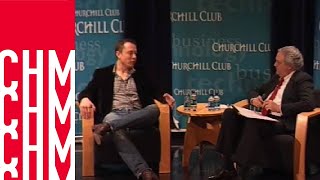 20091:32:59
 201341:11
 201315:18