2000年,巴西弗洛里亚诺波利斯(Florianópolis),一场生日聚会。彼得·迪亚曼迪斯(Peter Diamandis)劝一个29岁的年轻人别去开火箭公司,理由很实在:你会把钱全赔光。
年轻人当时觉得他说得对。自己估的成功率,大概10%。
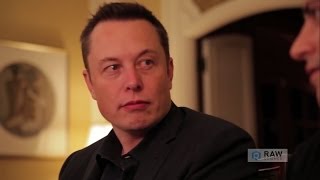
21年后,两个人又坐到一起。迪亚曼迪斯已经是XPRIZE基金会创始人,对面坐着的是马斯克。采访前几天,NASA刚把29亿美元的登月着陆器合同给了SpaceX。
马斯克的开场是:
"看来结果还行。我猜你很庆幸我没听你的建议。"(马斯克)
这场对话的主线是XPRIZE碳移除奖,奖金1亿美元,人类历史上金额最高的激励性竞赛。但马斯克聊开之后,话题从气候跑到火星,从火箭复用跑到人口崩溃,中间还穿插了一段他开着飞机掠过亚马逊雨林的回忆。
下面把这场对话里有信息量的部分拆开讲。
他不认为人类注定完蛋,但也不想赌那0.1%
马斯克先给自己定位:在气候问题上,他站在光谱中间。
一头是"CO2没什么好担心的,多点是好事",另一头是"我们完蛋了,什么都做不了"。他两边都不站。
"我不认为我们目前注定完蛋,这一点非常重要。"(马斯克)
让他紧张的另有其事。今天的排放量还好,当前的排放增速也还好,真正的问题出在加速度上。
他看的是基林曲线(Keeling Curve),那条记录大气CO2浓度的曲线。在人的时间尺度上看,它相当线性;放到地质时间尺度上,它陡得像悬崖。
真正的危险出在非线性事件上。
西伯利亚冻土里埋着海量的冻结动植物残骸,温度一旦升到把它们化开,甲烷会跑出来。海洋深处也可能封着气体,海水一暖就释放。这类事情不需要人类配合,一旦启动,没有刹车。
他还给了一个概率论证,逻辑简单到没法反驳:
"就算你认为有99.9%的把握,把所有CO2排进大气和海洋不会出事,那也等于说有0.1%的灾难概率。我们只有一个地球。就算只有0.1%,为什么要冒这个险?这太疯狂了。"(马斯克)
换个说法:他算的是赌注大小,跟期望值关系不大。赢了收益有限,输了没有第二张桌子。
浓度数字他也给了。400ppm,甚至500ppm,大概还行。但如果全球继续工业化,人口从80亿涨到90亿,人均工业产出再翻几倍,1000ppm可能就相当糟糕。而趋势正朝那个方向走。
还有一笔常被忽略的账:海洋酸化。往海里加碳酸,pH值就变,珊瑚礁先死。这件事此刻正在发生,不需要等到2060年。
然后是那段必然性论证,马斯克讲得像个几何证明:
石油和天然气会用完,不会永远持续。所以不管气候争论怎么收场,终点只有一个,可再生、可持续的能源。这在逻辑上是注定的。剩下的变量只有到达的时间。
既然终点确定,早到比晚到好。
他补了一句关键的:即使今天停止所有CO2排放,也不够。还需要从大气和海洋里把碳提取出来的机制,而这种机制现在不存在。
这就是1亿美元奖金要买的东西。他称其为一场"不明智的实验",问题是人类打算把这个实验跑多久。
火箭烧燃料这件事,他承认绕不开物理
访谈里有个尖锐的插曲。迪亚曼迪斯半开玩笑地提到"虚伪":你的火箭也排碳。
马斯克没躲。
"现在真的没有办法绕开火箭的物理原理。"(马斯克)
但他接着讲了一个长期方案。这套东西已经写进Starship的设计里,算不上公关话术。
Starship的推进剂配比:接近80%液氧,20%液态甲烷。
液氧怎么来?空气分离。原料是空气,电力来自风电和光伏。这八成用可再生电力就能造。
甲烷怎么来?萨巴蒂尔反应(Sabatier reaction)。从大气里抓CO2,和水的氢结合,生成CH4,副产物还有氧气。剩下那两成也就解决了。
也就是说,Starship的燃料在长期内可以做到可持续生产。这套工艺在火星上是必须的,地球上只是提前用。
他顺势把话拉回到为什么要去太空。
火星上没有给富人留的逃生舱
马斯克给的理由和钱无关。
人类面对的存在性风险里,有一部分完全不受控:小行星撞击、超级火山、第三次世界大战。这些事发生一次,地球上的文明就归零。把全部鸡蛋放在一个行星上,是个糟糕的资产配置。
迪亚曼迪斯追问:你觉得文明能撑多久不出大事?
马斯克的回答是历史学的:
"历史不支持(文明能永远持续)。我们一直在对自己的文明做蠢事。古埃及人、古罗马人,他们现在在哪?巴比伦人、苏美尔人,随便你说。"(马斯克)
文明兴衰是常态,例外极少。
但他特意澄清了一个误解:火星上并没有给有钱人准备的逃生通道。
"去火星更像沙克尔顿(Shackleton)去南极那本书里写的。危险、不舒服、漫长的旅程,你可能回不来。但这是一场光荣的冒险。"(马斯克)
他描述得很直白:吃得不好,条件艰苦,而且"一开始大概率会死一批人"。
即便这样,想去的人有成千上万,甚至上百万。
"我们是一个探索的物种。"(马斯克)
"不强迫任何人去,只有志愿者。"(马斯克)
发射台上的"业力责任"
访谈前一天,马斯克去了39A发射台看Crew-2的箭船组合体。
这个发射台送人去过月球,1981年第一架航天飞机也是从这里升空。
"操作这个发射台有种业力上的责任。它就像时代广场,发射台里的时代广场。"(马斯克)
他提到一级火箭外壳上那片黑色。
有人以为是涂层,其实是再入时烧焦的痕迹。团队试过擦掉,擦不动,已经烧进材料里了。后来索性不擦了。
这引出一个他常被问的问题:坐复用过的火箭,还是全新的火箭,哪个更安全?
他的比喻是飞机:
"你愿意坐刚从工厂出来那架飞机的首飞,还是愿意坐已经飞过几次的?我认为让试飞员先试试比较好。"(马斯克)
飞行验证过的(flight proven),在统计上更靠谱。这次Crew-2任务还会复用龙飞船本身。
Starship真正的突破不是大,是像飞机一样复飞
迪亚曼迪斯请他把Starship和土星五号做个对比,好让观众有个尺度感。
马斯克说,从照片和视频里最难感知的就是尺寸。
"它会成为有史以来最大的飞行物体,推力和重量是土星五号的两倍。120米高。"(马斯克)
因为它太宽,比例反而掩盖了体量。看那张登月效果图,旁边站着的人小得像蚂蚁。
运力:到月面至少100吨,可能接近200吨。这个数字远超NASA的要求。
为什么造这么大?目标是月球上的永久有人基地。南极有科考站,月球上也该有。科学家亲自在场,能做的研究比远程操作多得多。月球还是架大口径望远镜的好地方。
他引了海因莱因(Robert Heinlein)的一句话:如果上帝想让人类有太空飞行,她会给我们一个月亮。
月球就是个绝佳的跳板,位置就在"海岸边上"。火星要远得多。
但马斯克强调,尺寸排不到第一位。
"比Starship的尺寸更重要的是它打算完全、快速地可复用。这是进入太空的根本性突破,是人类成为真正的航天文明必须有的东西。"(马斯克)
现在猎鹰9做到了什么程度?助推器能复用,龙飞船能复用,二级不能。复用间隔大约一年,正在压到几个月,很快可能一个月以内。
一个月周转一次,按航空标准仍然算不上"快速"。
Starship的做法完全不同。助推器分离后六七分钟返回,被发射塔的机械臂直接抓住,放回发射架。
飞船绕地球飞一到四圈,调整地面轨迹对准着陆区,同样被塔抓住。
节奏是这样的:助推器一天能用十几次;飞船加注推进剂、重新安装在助推器上,理论上每三小时一次,实际做到六到九小时。飞船的数量会比助推器多。如果将来有了海上发射平台,可以把位置摆好,让飞船单圈就能返回。
算一笔账:
"一天三次飞船发射,一年就是1000次,每次150吨。那才叫真正的太空计划。"(马斯克)
这个数字值得停一下。人类历史上所有火箭发射加起来,到现在也就六千多次。Starship的设计目标是让这个数量级变成年度常态。
1亿美元买的不是PPT
说到碳移除奖,马斯克先讲了动机。
他想催生一批关于长期碳捕获的想法,特别是搞清楚最优的经济路径,以及所有连带后果。
"你不希望解药比疾病更糟。"(马斯克)
他拿种树举例。有人说,种树不就完了。
"没那么简单。一万亿棵树,好吧。肥料从哪来?水从哪来?你要浇灌它们吗?你种树的地方原本是什么栖息地,会被破坏掉什么?"(马斯克)
"我不反对种树,我支持种树。但给撒哈拉盖上树,非常困难。"(马斯克)
规则的核心只有一条,但很硬:团队必须真的造出东西来。
他讲了一段关于PPT的话,值得原样保留:
"PPT上什么都能成。你可以做一个传送到仙女座星系的PPT,还能配上模拟动画,看,嗖,根据这页幻灯片,你现在已经传送到仙女座了。可它实际上不工作。"(马斯克)
所以获奖团队必须在四年内,实际建成一套每年至少提取1000吨碳的装置。
这些碳要真的称出来,算出来的数字不算数。运行一个月,按速率折算成一年1000吨,可以接受。最终要把碳放上秤。
他对原型和量产的区别有很清楚的判断:
"在我看来原型是小事,量产才是难的。人们通常以为难的是原型。百分之一的灵感,百分之九十九的汗水。想法多得是,真正把它做出来很难。比如说,去月球这个想法很简单,去月球很难。"(马斯克)
迪亚曼迪斯接了一句玩笑:所以我不是那个出主意的人。马斯克回:想法多得是,关键在执行。
封存100年,只是及格线
规则里有一条被反复讨论:碳要封存多久?
一年显然不够。碳封存的速率必须远远高于它重新溶解回大气的速率。
最后定的是100年。团队要证明自己的方法能把CO2以某种形式锁住至少一个世纪。做到90%的留存率,大概也能过。这条线是妥协出来的,但方向很清楚:现在能不能存住只是第一步,真正要回答的是放大之后还存不存得住。
更严的一条是:必须是净负碳。排1000吨、收1000吨,不算数。收的必须远远多于全过程排放的。
还有"完全成本"(fully considered cost)这个概念。马斯克解释说,要把好处和坏处都算进去。
如果封存过程本身有环境代价,哪怕很小,也要计入。反过来,如果提取出来的碳能做成有用的产品卖钱,比如建筑材料、水泥、有用的砂石,那这笔收入也要算进去。
最终要回答的问题是:净成本最低能做到多少。
这条对商业团队其实是个机会。马斯克说,这相当于一笔免费的风投:
"你也可以把它看成不稀释股权的风险投资,给公司的免费的钱。希望我们同时在创造一个巨大的市场,向人们证明这里确实有东西。"(马斯克)
奖金结构是这样的:第一名5000万美元;二三四名共分3000万;接下来一年拿出1500万,分给进展最实在的15支队伍,每队100万,算种子资金;另有500万留给学生团队。
马斯克还说了一句不太像规则制定者会说的话:如果最后有人拼了命做出真东西却一分钱没拿到,那太糟了,到时候可以加钱,他也愿意扩大奖金规模。
为什么一万亿棵树不是答案
比赛设了四个技术类别:直接空气捕获、海洋(海带、海草、浮游生物)、陆地(树木和土壤)、岩石(矿化、增强风化)。
每一类马斯克都泼了点冷水,但泼得有道理。
树木这一类,问题在于增量。地球上能长树的地方基本都长了。亚马逊他飞过很多次:
"那是一片了不得的丛林。你会飞很长时间,什么都看不到,没有灯,没有火,只有黑暗。然后飞过巴西利亚,突然出现一片灯光。"(马斯克)
要在干旱地区大规模扩林,就得解决水、肥料和土地本身。淡水要运输,肥料要生产,每一步都有能耗。这些能耗要折算成碳排放,从总账里扣掉。
算完净碳账,效果往往没有直觉上那么好。
海洋这一类他也提醒过:海洋已经吸收了大约三分之一的排放,酸化正在发生。从海里把碳捞出来再安全封存,难度不比从空气里抓小。
岩石这一类,矿物自然风化固碳的过程要几千年。人类要比它快几个数量级才有意义,而加速风化本身就消耗能量和物料。
所以这次比赛没有"现成答案"这条赛道。马斯克被问到为什么不直接大规模应用现有技术,回答是:
"目前不存在能以合理成本扩展到千兆吨级的技术,这就是这场比赛的根本目的。"(马斯克)
成本和可扩展性,其实是一件事
现场提问里有个数据站得住脚。提问者Chuck Brady算了一笔账:
如果目标是每年移除100亿吨碳,全球GDP是87万亿美元,按每吨200美元的封存成本算,总花费2万亿美元,约占全球GDP的2%。这个负担似乎可以承受。
瓶颈不在钱,在没有可扩展的捕获和封存技术。
他接着问:团队该优先考虑可扩展性,还是成本?从特斯拉和SpaceX能学到什么?
马斯克的回答干脆:
"成本不够低就不可扩展。前面那个数学挺合理的。我们也许能承受GDP的1%到2%,但如果是GDP的20%,就极其痛苦,要砍医疗和社会福利。如果是GDP的200%,根本不会发生。"(马斯克)
有人会说,可以先做贵的,再慢慢降。他不这么看。至少在规模化之后成本要降下来,否则这条路走不通。
"能移除足够多的碳吗?作为一个文明我们负担得起吗?这两件事才重要。"(马斯克)
他还加了个约束:封存碳的过程中不能制造新的环境问题。或者即使有,解药也必须远好于疾病。
"就像吃药有点副作用,但你希望药比病好得多。"(马斯克)
市场没错,是价格错了
有人问:碳捕获的钱该谁出?政府、石油公司,还是所有人?
马斯克的答案回到了经济学101:
"市场体系在价格准确时运作得很好。问题是我们没有正确地给大气和海洋里的CO2定价。这是经典经济学里的未定价外部性。我们没有为垃圾处理付费,所以垃圾堆起来了。"(马斯克)
逻辑上的解法是对碳征税。同时用税收返还的方式,确保它不会不成比例地打击低收入人群。
"价格就是信息。我们的信息错了。"(马斯克)
这句话的分量比它听起来重。市场谈不上失灵,问题出在输入的数据上,输出自然错。要让系统自洽,得先把那个漏掉的成本塞回去。
火星上的燃料,用的就是这场比赛的技术
有人问,这场比赛出来的技术能不能用在火星上。
答案是:火星的燃料生产本来就是这套工艺。
火星大气的主要成分是CO2,还混着氮、氩和其他微量元素。地表之下是大量的水冰。把CO2和水冰放在一起,用钌催化剂走萨巴蒂尔反应,出来的是甲烷和氧气。
这正是Starship选甲烷氧的原因:在火星上可以就地生产,形成闭环。
"火星按其本质,必须使用可持续的能源和可持续的火箭推进剂。"(马斯克)
他还顺手科普了火星的水量。火星表面基本被冰覆盖,只是盖了一层灰尘,所以看不见。
"如果把火星暖化,北半球会出现一个平均深度接近一英里的海洋。大概40%的星球表面会被水覆盖。"(马斯克)
这个认知是最近才有的。"20年前我们还不知道,现在到处都在发现冰。"(马斯克)
他排的两个最大风险:超级AI和人口崩溃
访谈中途,话题拐到了人口。
马斯克说,觉得地球人口过剩的人应该看看窗外。
"地球将在未来20到30年面临大规模的人口崩溃。文明是轰然死去还是呜咽着死去?这肯定是呜咽着死去。"(马斯克)
数字是这样的:全球总和生育率曾经是每个家庭五到六个孩子,现在2.4,已经低于更替水平。美国低于更替水平。欧洲大部分地区、俄罗斯、日本、韩国、新加坡,都远低于更替水平。
他说这个问题比大多数人意识到的严重得多。
人口统计学有个残酷的地方:它是可以预知的。去年的出生率决定了20年后的成年人口,因为一个人长大需要20年。未来20年的劳动力数量,今天已经定下来了。
社会支持体系不是为倒金字塔设计的。退休者与劳动者的比例一旦失衡,财政结构就会出问题。
"感谢上帝,机器人要来了。我们会需要那些机器人。"(马斯克)
但他补了半句:你不想让年轻人实际上被奴役去照顾老人,而人口金字塔倒过来的时候,这就会发生。
问到存在性风险的排序,他的答案是:
第一位,超级先进的AI。第二位,人口崩溃。小行星撞击排不上号。
这个排序和一个航天公司创始人的身份有点不搭。但听完前面的逻辑就顺了:AI的失控风险发生在未来几十年内,人口结构的变化已经在发生,而小行星撞击的概率低到可以用工程手段慢慢解决。
招人只看三件事
有人问他怎么组建团队,尤其是Neuralink和Boring这种新公司。
先纠正了一个印象:这两家都很小,几百人。SpaceX超过8000人,Tesla更大。他说自己90%以上的精力都花在SpaceX和Tesla上。
关于最早的那家公司Zip2,他讲了一段很具体的经历。
当时他准备去斯坦福读研究生,研究方向是电动车用的先进电容器。身上有10万美元学生贷款和一台电脑。
那个夏天他想明白一件事:互联网会成为人类的神经系统。你可以在亚马逊丛林中间,访问到比待在国会图书馆里的人更多的全人类知识。他想参与创造这个东西,于是开始写软件。
互联网上第一个地图和导航、第一个白页、第一个黄页,都是他自己写的。后来招了几个实习生,弟弟加入,朋友格雷格·库里(Greg Kouri,已去世)加入。再后来拿到300万美元风投。
"我觉得这太疯狂了。就我们几个人加几个实习生,他们给300万美元。"(马斯克)
他总结的招募逻辑有三层:
- 这个人早上愿意来上班,享受工作本身。工作环境的品质在这一层起决定作用。
- 财务回报公平。人不该因为理想主义被廉价使用。
- 对真正顶尖的人来说,他们要知道自己做的事有没有意义。花十年做这件事,世界会不会不同。
核心还是那句话:讲清楚任务,讲清楚要解决什么问题,并且自己真的愿意往里搭血汗。
让人过得更苦的环保方案,赢不了
有人问:技术只是一部分,怎么改变人的行为和习惯?
马斯克的回答很直接。
"改变人们的习惯很难。基本上,如果你想说服人们让自己的生活更痛苦,这个论证很难赢。"(马斯克)
所以特斯拉当年的思路里没有"劝人牺牲"这一项,做法是把车造得比油车好。
"更快,每英里成本更低,外形漂亮,有很酷的先进技术,开起来更有意思,而且不用去加油站那种脏地方。"(马斯克)
剩下的是长途焦虑,用超级充电网络解决。
这套逻辑他讲得很清楚:如果为了拯救环境,人必须穿粗毛衣、生活变得难受、吃的东西也难吃,这场运动注定推不动。
"任何移除碳的方案,只要不让人的生活质量变差,就会容易接受得多。"(马斯克)
这话对做碳移除的团队是个提醒。技术指标是一回事,能不能被人接受是另一回事。
两笔钱的区别,以及十七岁能不能报名
现场有人问了个容易混淆的问题:XPRIZE刚颁出去的2000万美元碳奖,和马斯克这1亿是什么关系?
前者是NRG COSIA Carbon XPRIZE,奖金2000万,任务是抓天然气和燃煤电厂烟囱里的CO2,把它变成能卖钱的产品。两支获胜队伍做的是混凝土。现在他们在扩大规模。
"那笔钱是解决烟囱,这笔钱是解决全球尺度。"(马斯克)
区别在入口。一个从排放源头抓,浓度高,好抓;一个从大气和海洋里抓,浓度低了几百倍,难度不是一个量级。
还有个17岁的印度学生问能不能报名。
马斯克的回答是没有年龄限制。学生团队本来就单列了500万美元,他认为这部分很重要。
他提到之前的Hyperloop学生竞赛。几届办下来,最快的车跑到了接近音速的一半。
"那挺刺激的。这东西能跑到多快?他们来不来得及刹车?还是直接撞上尽头的护栏?"(马斯克)
Hyperloop比赛后来停了,换成了隧道竞赛。
说到隧道,他的判断是这门技术一百年没怎么变过。
"很长一段时间里,别人问我看到什么机会,我都说隧道。当时半开玩笑。"(马斯克)
现在不玩笑了。几乎每个大城市都堵,而自动驾驶成熟之后,RoboTaxi会比公交和地铁更便宜,点对点,刮风下雪都能跑,人会更愿意坐。到那时候路面上的车只会更多。
公共卫生是另一个角度。再来一次大流行,人怎么在拥挤空间里移动?地下是个答案。
拉斯维加斯的隧道快投入运营了,这是第一条商业线路。他希望看到更多公司做隧道,把成本压下来,做成多层立体、真正贯穿城市的地下网络。
一只玩乒乓的猴子和它的公平性
访谈里插了一段轻松的内容。Neuralink放出的视频里,一只猴子用意念玩Pong。
迪亚曼迪斯问他跟猴子对战过没有。
马斯克说他玩过意念乒乓球,但猴子练得还不够久,现在可能打不过他了。
"猴子敏捷性很好,它们要在树枝间荡来荡去,抓握反应很快。我觉得猴子打快节奏游戏可能真的很强,也许比人类强。"(马斯克)
他甚至顺着玩笑往下接:可以赞助一支猴子电竞队,去打人类最强战队。
玩笑归玩笑,这段其实点出了一件事:脑机接口在动物身上已经能做到读取运动意图并实时转成操作。这是后面所有临床应用的物理基础。
还有一句他讲得很轻,但信息量不小:
"猴子很喜欢打游戏,还喜欢喝奶昔。基本上跟人一样。人类喜欢零食、游戏和汽水,猴子也是。"(马斯克)
实验动物能在游戏里持续配合,靠的是奖励机制。这套机制能跑通,说明信号读取的稳定性已经过了及格线。
十一二岁那场存在主义危机
最后一个问题来自Godfrey,一位住在纽约的渐冻症患者。他说自己正在用Model S的辅助驾驶,这项技术对残障人士意义重大。他问马斯克:谁、什么,在驱动你保持这种强度的工作?
马斯克的回答没有提任何人。
"我一直是个挺疯的小孩。我对世界非常好奇,我们怎么会在这里,生命的意义是什么。"(马斯克)
他说自己十一二岁的时候有过一场存在主义危机,试图搞清楚这一切到底是怎么回事。
最后的结论是这样的:
"我们其实不知道答案。但如果扩大文明的规模和范围,我们理解生命意义的机会就大得多,甚至能搞清楚该问什么问题。所以我们应该努力扩展意识的规模和范围,去更好地理解关于宇宙这个答案,该问的问题是什么。"(马斯克)
这段话听起来抽象,但它和前面所有具体的事都能对上。
造可复用的火箭,是为了让文明不把鸡蛋放在一个行星上。做电动车和储能,是为了让文明不至于在能源耗尽之前先被自己排出的东西搞垮。做脑机接口,是为了让意识多一条通道。挖隧道,是让城市里的人少堵几个小时。连掏1亿美元办碳移除比赛,也是同一个逻辑的延伸:把文明的存续概率往上抬一点。
他把"意义"这个问题换了个问法。答案是什么,他承认不知道;他关心的是该问什么问题。而要给这个问题争取时间,就得先让文明活得够久、够大。
这大概是理解他所有决策的一把钥匙。看起来分散的几家公司,底下是同一句话。
可以立刻做的事
这场对话如果只留下情绪,就浪费了。下面几件事是真能动手的。
- 去xprize.org下载规则草案并提交意见。公开征询截止到5月中旬。马斯克在访谈里反复说了三遍"规则可以改",还说自己愿意为漏掉的好团队追加奖金。这意味着现在的条文还只是草案,提意见有用。
- 组队之前先算三笔账:年提取量能不能到1000吨、吨成本能不能压到可负担区间、封存100年后还剩多少。三笔账里任何一笔算不下来,方案就不成立。别先做装置。
- 把"完全成本"当成设计约束,放在方案阶段就考虑。你用的水、肥料、电力、运输,全部要折成碳排放从总账里扣。很多看起来漂亮的方案是倒在这一步的。
- 如果你在做早期项目,注意那1500万美元。未来一年分给15支进展最实在的队伍,每队100万,不需要等到四年后决赛。这笔钱的性质,马斯克自己说是"不稀释股权的风险投资"。
- 学生团队单独去申请那500万。没有年龄限制,17岁也能注册。Hyperloop那几届比赛证明,学生队能做出真东西,不只是论文。
- 做硬件的人,记住那句"原型是小事,量产是难的"。评审要称重,要一年的运行数据,要能算出成本。样品好看没用。
- 关心价格信号的人,把碳税当成基础设施问题来看。马斯克的原话是"价格就是信息,我们的信息错了"。在讨论补贴和罚款之前,先问那个漏掉的外部性有没有被塞回价格里。
访谈快结束时,马斯克说明天早上要去看发射,会熬一整夜。
迪亚曼迪斯跟他要一张去博卡奇卡的邀请函,想亲眼看一次Starship飞行。
马斯克答应了。
二十一年前那个劝他别开火箭公司的人,现在在排队等着上他的火箭。
0:00yeah we've known each other for a long time now yeah 21 years i think it was like 2000 yeah whoa it is i think it was 2000 in in like brazil brazil it was actually a similarly nice sort of setting yeah is it deo's birthday yeah florianopolis and florianopolis yeah and you're trying to convince me not to start a rocket company i was trying to convince you to fund the original x prize before i met anusha yes but also like really advised me not to start art company because i'd lose all my money which i thought i thought you were probably right so i thought you know 10 has a success but anyway seems to have worked out i'm sure you're glad you didn't follow my advice
0:39yeah oh my god so we're going to talk a little bit about the rules try encourage teams around the world to register for this thing get as many innovators students talking about it yeah i mean our goal is like basically to do something that you know to have it be sort of interesting fun and ultimately useful and to spur creative ideas for what is actually the smartest way to take the trillions of tons of carbon that we we've removed from the ground and will remove from the ground from deep deep underground and and and we've we've placed that carbon in the atmosphere and oceans which obviously changes the the chemical constituency of the surface of
1:22the earth yeah and you know i know i i i i should sort of measure measure my statements in that i think i think we the earth like i don't i don't think we're currently doomed to be clear this is a very important very importantly you know there's there there are people in all parts of the spectrum from ranging from nothing to worry about co2 is just makes things better to we're doomed and there's nothing we can do about it i am somewhere in the middle so my concern with the co2 is not kind of where we are today or even you know the current rate rate of carbon generation but really if it if we if the carbon generation keeps accelerating and we keep getting
2:14a that increase in the in the keeling curve you know the co2 plus milling the atmosphere and if if if we keep going and if we're complacent then i think we we could there's some risk of of sort of non-linear climate change so so you know that's why we that we've seen the co2 plus be fairly linear on on our time scale although it looks very exponential on geologic time scale and but there are certain potential non-linear events like if we raise the temperature to the point where we melt the siberian traps or something like that and methane escapes yeah yeah there's just a massive amount of of sort of frozen dead plant animal matter in in siberia there's potentially
3:07trapped gases deep in the ocean if the ocean warms that could be released so you know these this is just these are just risks that are not wise to take and since we know that long term we're going to have to have renewable energy anyway because we'll we'll run out of oil and gas it's not going to last forever so we know we know where this ends up this has to end up with renewable sustainable energy it's taught logical it's really just a question of do we try to get there sooner or later and we should try to get there sooner it's obvious why around the why around the ex how long do you want to run this experiment yeah it's also true that even if we
3:50stopped co2 production that's probably still not enough that we do need mechanisms for extraction of co2 from the atmosphere in the oceans that don't exist right now you know i said i i am people started to think i'm sort of like i i i'm kind of in the middle of the spectrum you know i think if we stopped co2 production today which obviously we could not do without civilization coming to a grinding halt and mass starvation and all sorts of terrible things happening so we could not stop co2 generation day but i think at the you know the sort of 400 possibly even 500 ppm level i think it's probably probably okay but if you know as as the world industrializes and sort of
4:34at eight billion people get to nine billion people have a lot more industrial output per person you could see the you know you know at what what might be okay it's sort of four or five hundred parts a million co2 in the atmosphere might become quite dire at a thousand yep and the trend is certainly in that direction if we don't do anything about it so that that's why i think it's just probably an unwise experiment to to run even if you think that the
5:08this is why i think it should be a compelling argument to even those who would assign a low probability to increase co2 causing problems like let's say you think it's 99.9 likely that that adding all the co2 to the ocean's atmosphere is is going to be fine so you so you're saying there's a 0.1 percent chance of disaster well there's only one way it's like right now we got one planet even if 0.1 percent chance of disaster why are on that risk that's crazy so so i think what's likely to play out is that we will continue to add a lot of a lot more co2 the ocean's atmosphere and also you know ocean acidification as you know is also an issue it's you don't want it you
5:58don't want to sort of add carbonic acid to the oceans and change the ph level because it destroys reefs and all that so which it's actively doing right now as we're watching yeah yeah yeah exactly yes so this is a problem no i remember when i first met you elon you had it was about two thousand and i remember you had two massively transformative missions it was one making the making humanity multi interplanetary yeah and the second was bringing us to a sustainable economy yeah a sustainable energy economy right exactly and i think you've done pretty damn good are you are you happy with the progress you've made yeah i think it's it's hard to complain this part you
6:40know the outcome so far has been been great although obviously to be you know we've we've not we've not yet sent anyone to mars and and hopefully we'll in the future and in fact just a few days ago or last early last late last week i guess nasa awarded spacex the contract awesome 2.8 2.9 billion dollars for the next lunar lander yeah so spacex a spacex craft will be the the next craft to put humans on on the moon i believe the first human will be a woman actually this time so this is great those great so but of course we have to actually do it and and then we've got tomorrow we've got the our third asteroid launched before we dive into the to the carbon removal
7:28rules and so forth i mean it's obviously better dichotomy because our rockets do produce carbon you know true what a hypocrite is obviously just he's always just in for the money but but let's talk about let's talk about the crew crew i feel like i should address this is being have a good bite you want your rockets that that produce carbon here's the problem is right now there is there's really no way to get around the physics of a rocket so i think it's important for the long term preservation and and ultimately the expansion and extension of this the scope and scale of consciousness and the long-term probability of survival of humanity and life as we know it we must become a
8:10multi-planet species because all these risks that we can't control existential risks asteroids strikes yeah yeah yeah there's like super volcanoes but we could do it you know we could have world war three or something you know there's like i'm optimistic about the future but you but you also say like okay well so how long do you think civilization will last before there's a catastrophic event if you say infinity you're this is not correct yes okay this is this is not history does not suggest that it's just yes we do dumb things to our civilizations all the time you know and and you know those ancient egyptians the romans ancient romans where are they now let's
8:49do the video series where are they now the babylonians sumerians the yeah you name it you know so so there's been many civilizations that risen and fallen and anyway we've got to preserve we're going to become multi-planetary and right now the only way to do that is with with rockets that do burn fuel but we do have a long term plan for sustainability of of even rocket flights by generating propellant using sustainable energy wind and solar to generate starting first with liquid oxygen and for our starship vehicle it's almost 80 liquid oxygen and 20 liquid methane and the oxygen it's obviously pretty easy to create that you just use wind and solar electricity and
9:43and you do air separator because you've got the oxygen already in the air the plants are making the oxygen so you can use this you can just use electricity basically renewable electricity to create 80 of the propellant on the rocket and then for the remaining 20 you can use the body a process where you take you actually take co2 out of the atmosphere and you combine that with water to create ch4 and more o2 and that's and that's in fact what we would do on mars sure to generate propellant sure so so there is a long-term plan for sustainable generation of propellant for the rockets i do want to emphasize that and if there's some if there's some other way to do that now we we
10:17certainly would yeah but i'm just trying to try to sort of address this apparent inconsistency in you know if jeremy is bad why why are you doing that with rockets yeah and listen i think it's a moral imperative for the human race to be able to move off earth while we have the opportunity everything we know is right here and just because it's like it's it's not it's just one of the other christians so much feels like oh is this some escape hatch for rich people no no you know they think it's like so you know going to mars reads like that book for shackleton going to the antarctic you know it's it's dangerous it's uncomfortable it's a long journey you might not you
10:59know come back alive but it's a glorious adventure and it'll be amazing an amazing experience and your name will go in history yes but you might die and it's going to be uncomfortable and then we probably won't have good food and all these things you know so if if if an arduous and dangerous journey where you may not come back alive but it's a glorious adventure sounds appealing mars is the place and you still have thousands of volunteers if not millions of volunteers who would want to go i mean honestly a bunch of people probably will die in the beginning it's it's tough sledding over there we're an exploring species yeah yeah exactly not forever we don't
11:37make anyone go so it's volunteers only you have a you have a a dragon capsule on the pad crew 2 is nominally or you still go for launch tomorrow yeah awesome you want to just spend two minutes talking about the crew 2 mission yeah so yeah we've got hopefully a great mission plan for tomorrow this will be our third flight of of people to the space station we had the test mission with two astronauts then the first sort of operational mission with four the second operational mission with four you know it's an international crew a great group i was just looking online they're sort of you know picking their sort of you know hopefully not final meal but
12:22you know they're gonna pay whatever their favorite food is you know from their country and so i'm actually heading over there tonight to just to wish him wishing well i was out at pad 39a to see the stack yesterday a couple of things one pad 39a historic yeah if this is where people went to the moon yeah from that pad from that pad the first space shuttle launched back in 81 sts-1 and so that's it's a lot of like karmic responsibility to be operating yeah it's like times square the time square of launch launch pads it's amazing yeah amazing and and the first stage has a beautiful patina on it it does it's this will yeah it'll be the it'll be a reused stage so
13:06when the stages come back they kind of get scorched so the black there sometimes people think is that or something no that's it got scorched from reentry your team said they used to wipe it off to clean it and then they're just like why bother it's kind of hard to wipe off it doesn't wipe off easily yeah because it's kind of like baked on there and it's interesting you kind of have to repaint it really we're having a discussion about is it safer to use a stage that's flown already versus a new stage yeah so i i think what we'd say is like flight proven flight proving yes yeah so elections this is an airplane do you want to be on the first flight of that airplane
13:42when it comes out of the factory or do you want to be on a later flight i'd say let somebody let the test pilots do their thing before you you you know if they fly a plane so you flying a plane you want to see that plane is flowing a few times before you get in i think so i i think it should be on balance better and then and then we're also we'll also be re-flying the start re-flying the the spacecraft the dragon spacecraft beautiful so we're trying to get reusability is obviously very important you know in many arenas so reusability is important and reusability in rockets is important i remember being in hawthorne seeing your first your falcon one there
14:19and it was just amazing it's coming so there's some funny pictures of of basically the the sort of spacex as a kind of like a kindergartner and me might be being like ordered to 20 years younger and yeah we're just in this tiny little warehouse in el segundo yeah i remember well before we go to jump into the guidelines one last question update on starship because that's what i mean starship's taking us to the moon taking us to mars and it's it's the it is audacious can you compare it to the official basis compared to the apollo vehicle the saturn v for comparison for a second for folks to know get a sense of it sure well i think the thing that's least
15:02obvious from when it's on the ground from the front of the videos and pictures is the size of it so it's it's gonna be the largest flying object ever so it'll be twice the thrust and weight of the saturn v amazing so that's just from end taller so including the launch escape tower so it's a very tall rocket 120 meters tall and because it's so wide the proportions are obscure that fact how big it is yeah you can see in some of the pictures that have been released when it's landing on the moon and the the people look like ants it's very it's big rocket this is this this rocket is capable of you know at least a hundred tons and probably closer to 200 tons of useful
15:49payload to the surface of the moon so it's designed it to be far in excess of nasa's requirements and so it's really intended to be something that you know that can enable a permanently occupied base on the moon so you know we've got to put obviously from the occupied base in in antarctica and it would be great to have one of one on the moon as well and you can do you know i think a lot more research if you have the scientists actually there and we could have some some very powerful telescopes no it's the moon you know there's some great sayings from from robert heinlein that said if you know if god had wanted humanity to have space flight they would have you
16:30know she would have given us a moon yeah right exactly it's a great staging place it's exactly it's sort of it's just just off the coast mars is is much much much much further yeah one last question but yeah so but i think most actually more important than the size of starship is the fact that it is intended to be fully and rapidly reusable yeah so this is the fundamental holy grail breakthrough needed for for access to space to make humanity a true space bringing civilization we must have a fully and rapidly reusable rocket now we've made some progress in that direction with falcon 9 where the booster is reusable and the dragon spacecraft upper
17:16portion is reusable but the the the the second stage is not reusable and the and i would say right now i would not say the falcon booster spacecraft and and fairing they're not rapidly reusable like it takes a fair bit of effort less effort than the much less effort than the space shuttle took yeah but but it doesn't turn around every year or so yeah yeah exactly that four and a trick take about a year a year to turn them around you know we're getting it down to a few months basically and soon i like probably under a month to turn around a booster but learning how to see and then having to bring it back and then sort of taking a month or so to to get it ready
18:03for launches still it wouldn't call that rapid by aircraft standards whereas starship is intended to be both fully and rapidly usable so the the booster comes right back to the launch pad literally is caught by the the the launch tower yep so it's it lands and is actually caught by launch tower arms i mean there's certainly something that looks like science fiction exciting it's guaranteed so the booster gets it comes back about six or seven minutes later and it's called so it's a right there and then court by launch tower arms and placed right back onto the launch stand and then the the ship is i actually want the ship also to be caught by the
18:50the launch tower now the ship will take it takes at least 90 minutes to orbit the earth yeah and we may take more than one it may take three or four orbits to get the ground track realigned with the landing zone the lighting zone depending on where you are but the point is that the ship will come back and replace be right land right by the tower and be placed right back on and so like a 767 just refuel and go it's it's intended to be such that the booster can be used i don't know a dozen times a day and the ship wow the ship could be you know like basically every couple hours and the that that's mostly about reloading propellant and and mounting
19:34the ship and then the ship could probably be used you know probably every in in theory every three hours if you can make the ground track match but certainly every say six to nine hours or twice a day for the ship and we'll make more shifts than there are boosters so and i think if once we have the floating space platforms we we can set they put the position them such that the ship can come back in a single orbit amazing so there could be like three you know let's say if you get three ship launches per day that's a thousand flights a year of each with hundreds 150 tons now we're talking a real space program let's go to let's go to the questions
20:17on on the carbon removal price we'll be going to your questions at in twitter in about about 20 minutes 15 20 minutes so elon this is the largest prize ever ever largest incentive prize ever and i would argue for one of the most largest of civilization scale challenges we have sure and we get into the rules in a second so that folks who are looking at creating teams can understand why why we created those rules but why did you fund this let's start with the the why there yeah i think i wanted to spur ideas and thinking about the long-term need to capture carbon and you know i think this is one of those things that's going to take a while to figure out what the right solution is
21:05and especially to figure out what what the best economics are for for co2 removal and and and all the things i think through all the consequences you don't want the cure to be worse than the disease so you know sometimes people say well just plant a bunch of trees i'm like that's not so easy you know like like a trillion trees sure exactly and then you've got to like okay well how you get fertilizer are you going to water them where's the water going to come from what habitat are you potentially destroying where the trees used to be it's it's not it's not just a no-brainer if there's a plant about it but it's not to say that's not a good viable option we should plant some trees
21:43i i i'm in favor of planting trees it's just not a question of like okay you know there are like vast sections of like like the sahara desert or or the you know the some large barren areas very dry areas in the u.s where you couldn't theory plant a lot of trees but you're going to need a lot of water yeah and you're going to like like you're going to have to cultivate them it's not like they don't just throw some seeds on the ground we'll drop them from orbit yeah and i mean so just i think it'll be good to sort of kind of frame the frame the debate and and understand okay what things are really going to move the needle how much are they going to move the needle
22:26you know if we're talking about getting tens or hundreds of billions of tons of carbon in what form will that carbon be yeah will it be stable over time and like i said like what is this going to cost humanity to do however it's paid for what what is it going to cut what's the thing that's going to take the you know be most affordable i think there are a lot of open questions on this there are let me let me chunk the rules for for those listening and you and your team amazing team and marcus extravoir and xenia tata and their team work really well together so the first thing is that for a team to win this and we'll talk about the prize amount and so forth they've got to
23:11actually build something that works yeah and demonstrate something that can extract a thousand tons per year a kiloton of carbon per year as a demo scale model yeah i think by the way we're very much open to adjusting the rules to be clear to everyone like like meaning if things aren't working or whatever reason like we need to adjust rules we'll address the rules the the the fundamental goal is to have spent 100 million and actually ended up being probably like 120 million or whatever with you know cost of managing the prize and everything so they'll be you know the other day probably something like 120 million spent and hopefully that's spent
23:52well and usefully and that what comes out of it is something that matters to the future so that that's that's the goal to be clear and so if people have you know ideas for adjusting the rules yeah we're going out as guidelines yeah and we're gonna have i think until mid-may for get public feedback tell us if we miss something right we will turn them from guidelines to rules once we get really feedback and we've gone out to so many of the amazing clients scientists out there yeah and it's yeah unless the rules need to need to be valid for the for the four years of this prize duration yeah so we're super open to critical feedback don't hesitate to you know yell and say
24:36this this is how it should be different in some way or whatever you know the goal is just to like let's have it be a useful exercise and and have people have a good time trying to figure out this problem i think it's sort of a it's a fun problem to try to to work on and yeah we just wanted to be useful at the end of the day you know and and and have it not be sort of an academic exercise or something that never amounts to anything i think one of the things that you've said and i've said is you know everything works on powerpoint everything works in property exactly you could have a powerpoint presentation for a teleportation system to the andromeda galaxy and even have a
25:09simulation of like look here we are bloom you're in the according to the slide you have now teleported to andromeda and like but it doesn't actually work so to win this prize a team actually during the four years has to build something that can at minimum pull out a thousand tons of carbon per year yeah so they can show us that do they have to do they have to pull out a thousand times or just show that the rate it works no they have to pull out like a literal thousand times we'll weigh it we're good we're not scale and we're gonna we're gonna like you know maybe we could calculate it to be a thousand times but the rate at which yes they'll have
25:45to run it for a year to get a thousand times out but they're they're if they're running for a month that's okay probably it's okay okay all right and i mean i mean about a month they have you know like a hundred times and then it needs to fit on our weighing machine or something you know like i don't get away at some point we'll use whatever we know ships
26:08and you know part of the the actual physically doing it is that they can they have enough data to calculate costs which are going to be important but we're we're not looking for theory we're looking for practice and yeah and you know how hard it is to make something real it's very hard to make something real i think in my view prototypes are trivial and production is hard yeah and there's the the general generally people think it's the prototype that is the hard thing prototypes are well i mean obviously you're gonna have that one percent of inspiration but as the saying goes it's one percent inspiration 99 perspiration yeah ideas are plentiful actually getting
26:45it done is very hard you could say for example what about the you know the idea of going to the moon it's easy going to the moon is hard so that's why it's not the idea man yeah there's plenty of ideas it's executed so the second was my idea to go to the moon i patented it okay good see you there yeah the second thing is and this is a term that you that you use first is that the teams have to be able to calculate the fully considered costs of pulling out the co2 and what does that mean to you yeah so i think fully considered cost actually just means that if there are you want to look at both the benefits and the cut the cost actually so if if in
27:31sequestering carbon removing it from the atmosphere oceans has some perhaps some environmental impact which might be small but it's not negative that certainly needs to be taken into account and and then by same token if what's done is in extracting carbon is a useful product that from which you can generate revenue then that should count too so and i'm just sort of saying for argument's sake like let's say you could create you know construction construction material like you know can we cement cement yeah yeah exactly i'll talk about that later some kind of useful rocks that are rocks that are useful or sand or i don't know yeah something that's useful for
28:22construction then you could say okay well this is what we could sell it for and you know and then just fully consider pros and cons and and and say okay this is what you know if if we need to pay to have it done in the future which you probably will have to do then what's the what's the lowest net cost and and to be clear
28:48the the working teams what they do has to be net negative right it's not a break even it's not playing a thousand tons and then emit a thousand tons in fact one of the things we talked about absolutely one of the things we obviously yeah one of the things we talked about it's gonna be worse than the disease yes how long do you need to sequester the carbon for us we had a big debate you want to share what you came up with there what the team the the rate of carbon
29:19sequestering needs to far exceed the rate which say it is potentially dissolving back into the atmosphere so you know like if if yeah and so one of the rules is that you have to sequester for at least 100 years right so we yeah we set a a target does it look forever yeah you know a year is not long enough so we said you have to demonstrate that your methodology is going to contain the the co2 in some fashion for 100 years at least yeah maybe with maybe there's a small amount that that is lost maybe it's not perfect you know i think we'll probably want to set it to you know 100 for 100 years out but if
30:02it's like i don't know 90 for 100 years that's probably okay you know so it just needs to be something that if we scaled it up would it work yeah and that's the third part obviously that's the third part common sense text test really yes and the hardest thing is that the winning team has to prove to our judges that their approach can actually scale to a gigaton level otherwise it's not going to be useful exactly it can't be niche yeah it can't be inherently niche and if anybody knows about scaling up i think yeah you do yeah scalable scaling is hard yeah so yeah i i don't know what the answer is here really but i think if if a lot of smart people work on this
30:46it could be some really creative solution something generally useful for the world in that regard absolutely yeah and i think just be clear like we're looking for pragmatic solutions it doesn't need to be perfect you know it's but it's got to be something that's just fundamentally if we scaled it up would it would work yeah that's it so let's talk about the prizes that are up for grabs first place is going to be 50 million yeah which is significant our hope is that it's going to attract enough cognitive surplus out there to focus in on this yeah 30 million
31:21split between sort of a second third and fourth place prize and one of the things that you and your team put forward is maybe it might be split into different categories right different approaches yeah i mean we want to reward people who have done great work yeah fun fundamentally i'm open to increasing the price size too over time so if it turns out like hey somebody really really kicked ass and and and somehow there's not a price for them we'll also add some more to the price that's that's extraordinary yeah absolutely i want somebody to have like spent like you know massive blood sweat and tears have done something useful and they get nothing for it that would
31:57be pretty bad yeah so but i think also you know this somebody's going to probably get a company out of this you know because i think this will be a need long term and you know so and and so this is kind of like you can also think of it as like you know free venture money yeah you know non-diluted venture capitals yeah free free free money for your company and hopefully we're also creating a massive marketplace and proving to people that there is there's a there there here yeah so 50 million for the first 30 million split among second third and fourth in the next year we're taking 15 million dollars and distributing a million dollars to the top 15
32:39teams that appear to be making the most progress the most real just giving some people some seed money basically yeah and then you've set aside 5 million for student teams yeah which is really important you want to talk about student teams i know you're passionate about that yeah yeah we've done a lot of student competitions for example hyperloop i'm just trying to you know spur ideas in advanced transportation and it's really just basically an electric car and a vacuum tube to be precise i mean and we've had several of them and and you know the the last half-life competition they actually i got like i think halfway to the speed of sound so yeah it's pretty impressive and as the
33:19thing was you had to get to the fastest speed and then and then stop without crashing yeah so that's pretty it's kind of exciting it's like is this thing going to you know get what speed is going to get up to are they going to slam the brakes on in time or is it going to hit the crash barrier at the end so it was pretty fun and then we kind of got to we i put down on pause and now we're doing tunneling competitions it's a nice change that yeah that technology has not changed that much in a century no honestly i think we're we're gonna you know i mean for i don't know five or seven years i for a long time i was like people ask me what opportunities do you see i said
33:56tunneling and then i think i was joking but i think this is the way to solve traffic in congested cities and almost every major city is congested so and with as autonomy gets better and better and you have robo taxis and everything the rover taxes will be cheaper than the bus or subway and people will want it and it'll take you point to point it you know even when it's like raining and snow and it's you know so it's going to be better also i think for you know from a public health standpoint like if there's another pandemic and you know how do you get around you know it's like you you know it's just difficult to go into in crowded spaces so then anyway so i think tunnels are
34:34going to be really important in the future for relieving congestion in in cities so you know i hope others start tunnel telling companies and just improve titling technology and that you can have effect these warp tunnels just going all the way through you know 3d like multiple levels and we're the first operational one in vegas that's it's going to go into operation i think in a few months you know we could see our talk about macaque monkeys playing pong as well link that was amazing yeah that was awesome yeah but i'm not going to go though i'm going to focus still on our on our i played mindfulness against the monkey he did did it no but it hadn't practiced as much yet so
35:15now it might be able to beat me monkeys have very good agility yeah they've got to catch the branch they can swing through the trees and we cannot not very well you know yeah so i think a monkey actually could play like a fast twitch video game really well that's great maybe better than a human you can sponsor a team yeah exactly esports it's just monkeys yeah against the best teams yeah the monkeys actually love playing video games and and drinking smoothies no it's just like humans i mean basically humans love snacks and video games and soda monkeys you know oh that's awesome yeah we're about to go to questions in in two minutes i know we got a stack of them
35:55i just want to hit on there are four categories that teams can can put their approaches forward first is direct air capture pull it out of the air any comment on that sure well i mean this you can certainly pull it out there's a lot there's lots of ways to get carbon out of the air it could absorb it many different ways yeah category two is ocean sort of algae kelp plankton a lot of co2 in the oceans people don't realize that category three land trees i mean mark benioff has you know been backing a trillion trees project i mean that's where they're gonna be planted we'll find out okay there's by the way when people say that earth is being overpopulated
36:44that's not true it's like look out the window and i know you and i have had this conversation that you're more worried about under population oh yeah yeah earth is going to face a massive population collapse in a over the next 20 20 30 years massive yeah and it's this this is definitely you know most civilization you know question of like a civilization gonna die with a bang or whimper this would definitely be dying with the whimper yeah we need the birth rate is very low yeah it's been dropping right it used to be five six children per family globally it's like 2.4 below in the u.s it's below below replacement levels i mean in in most of europe russia japan korea
37:25singapore you know it's it's it's well below replacement but i would still say so are you i mean when we spoke last about this area you're still a sort of abundance optimist that the world is getting better on many levels yeah i think that the world is generally getting better you know i have some concerns about advanced ai like the you know
37:53that that's a risk if i say like existential risks i'd say super advanced ai is one and and probably the second biggest risk after that is population collapse not asteroid impact no the population collapse the thing about demographics is both ways you know what's going to happen in 20 years because you know the birth rate last year and takes like 20 years for a person to grow up yeah so we know what the adult population is going to be 20 years from now because we know what kids were born last year i think it's we have a serious issue with population collapse that's far bigger than people realize and and you know just the the social networks and everything
38:40i mean the social support networks were not really set up for a high ratio of retirees to workers somebody so so then well thank god we've got robots coming in yeah the robots exactly we'll need those we'll need those robots but you don't want to have the youth effectively enslaved to take care of the elderly you know which is what would kind of happen if you have an upside down demographic pyramid let's get to the questions first of all if you're interested in the guidelines or to register a team go to xprize.org you can download the guidelines again up until i think may 13th we're looking for a public comment please tell us what we could do to improve it
39:21and then please register you know as a team so we can communicate with you if you're interested before we go to the questions and you go to xprize's twitter account at xprize to ask questions let's go to a short video from dr marcus extravar we call him dr x he is the lead for us an amazing brilliant individual who leads our carbon and climate work all right let's let's see what dr extra wars to say okay
39:58[Music] i'm looking for a hundred million dollar answers that can help change the course of human history and help heal our planet but what's the question in the next 100 seconds i'm going to explain i'm marcus extevor vice president of energy and climate at xprize the question is how do we take centuries of co2 emissions out of the air and oceans if you've got the skills to answer that question we'd love to hear from you today now let's start with the basics we've got to reduce our co2 emissions and get to net zero but net zero is not enough we also have to go carbon negative and we need to get there fast that means taking co2 that's currently
40:35in the air and oceans removing it and storing it for a long long time do you know how to remove co2 using the land oceans rocks or even taking co2 directly out of the air we've got to get the co2 from up here and locking it away down here we know plants and trees can do this and been doing it for a long time they're great at this but do you know how to help plants and trees sequester that co2 in the vegetation and soils in a way that's durable and can last for centuries how do we use the oceans to sequester vast amounts of co2 kelp and seagrasses are great at this and about a third of our emissions are already in the oceans do you know how to
41:06remove it and sequester it safely what about rocks and helping them remove co2 many rocks can do this naturally but the process takes thousands of years on its own do you know how to dramatically speed that up now you might already have an amazing idea in direct air capture in soil sequestration or tree planting or farming or maybe kelp farming in seagrass marine biology ocean alkalinity enhancement geologic sequestration mineralization and enhanced weathering or maybe a technique no one's heard of before we want your 100 million dollar ideas enter the largest incentive prize in history visit xprize.org to find out how to register a team and get involved
41:37together we can help balance earth's carbon cycle and protect our climate for future generations what does 100 million dollar answer look like it looks like any other crazy idea it just has to work cool i love that he's brilliant yeah it's great yeah yeah just we're so we're so lucky to have amazing people which is what spacex and tesla i mean people who care about about changing the world all right we're gonna go to some questions let's we have some over here the first one is from chuck brady in austin chuck is one of our innovation board members one of the earliest funders that did the background work in the climate for here and so i found this question super
42:18fascinating so he says if the bogey is 10 gigatons per year and the global economic output is 87 trillion dollars at least it has been last year then at 200 per ton to sequester cost sequestration is 2 trillion or about 2 percent of the global gdp so it seems like a reasonable drag in overall economy if we could stop reverse climate change the shortcoming right now is we don't have a scalable way yet to capture and sequester co2 so that's the background that seems like a reasonable estimate so here's his first question should competing teams prioritize scalability over cost and what lessons from tesla and spacex have you learned to help teams thinking about the design
43:05of their solutions well i think it's not unless the cost is affordable it's not scalable i mean i thought the prior math was was pretty sensible there you know we could we could afford something perhaps which is one or two percent of gdp but it would be extremely painful if it was 20 of gdp yeah we started having to cut into healthcare and and all sorts of you know social care programs and if it's 200 of gdp it's not happening at all yep chuck has a second question i also thought was really important is while we want the lowest cost that we'll do a gigaton per year or more inevitably they're going to be trade-offs between cost and scalability no actually i think
43:53something's not scalable unless if the cost is is low yeah so or at least if the cost at scale is low yeah i mean i mean it gets hot and scalable you could say like i could plant a tree yeah sure okay yeah yeah but we just need to solve the problem and and and so both cost and scalability need to be addressed it's like is it gonna be remove enough carbon to matter and can we afford it as a civilization yeah those are the two things that that matter and then just obviously making sure that it in in sequestering the carbon we're not at the same time creating some new environmental issue so i mean that's an important point right that we're not creating a new
44:41environmental issue at the same time that we are yeah yeah or or maybe it is but it can only be basically the cure is going to be much better than the disease obviously yeah so just like you know you take take some medications maybe there's like slight side effects but but you generally want the medication to be much better than the disease so it just got to make sense like we can see a path to this to working at scale and solving the problem it has to have some chance of that paresh galani from los angeles one of our vision circle members says who do you think should be paying for the cost of carbon capture is it government oil industry attacks across everyone do you have a
45:20sense about that well generally the market systems work very well when prices are accurate and the problem we have right now is that we're not correctly pricing the cost per ton of co2 in the atmosphere and oceans so and there are various attempts to try to get get at this with subsidies and whatnot but but really the market system will work work well if the market systems work well if there is not a pricing error yeah and we have a pricing error in that we are not paying for this externality it's in classic economics it's just a non-priced externality in the we're not paying for our garbage removal so then garbage piles up you know so and so the the logical thing to do and i
46:06think the you know vast majority of economists would agree is to put a tax on coven and then you can find ways with with tax rebates and whatnot to make sure it's not an aggressive tax that it does not unfairly you know negatively disproportionately negatively affect people on low incomes with tax rebates and stuff so i think that's the way that that's the thing that systemically i think is important to address it if you correctly price something the market system works prices are just information we have the wrong information so giulio from dublin says do you expect the technologies coming out of this competition to have any use on on mars for example and ps thank you
46:54for what you're doing for humanity yeah i think so interesting thing on mars is that mars is a primarily co2 atmosphere that also has some nitrogen and carbon and other trace elements and argon i should say in addition to primarily co2 so in order to produce propellant on mars we would act we would take the co2 from the atmosphere combine that with water ice mars has a lot of ice under the dust it's amazing that we didn't that 20 years ago that wasn't known i mean we're discovering it every place now yeah yeah mars is just it's basically covered in ice yeah it's just got dust too so it's hard to see the ice under the dust but there's there's i believe
47:42if if you warmed mars up you'd have an ocean with an average death depth i think almost a mile or something like that on the northern part of the of the planet it's like something like 40 of the planet would have an ocean potentially up to a mile mile deep or something like that like like a big it wouldn't be like just a little lake or something like that so so you take the water ice h2o and you combine that with the co2 in the atmosphere you use something like this body a process where you run it over a ruthenium catalyst and you get that basically methane yeah again methane gets ch4 and o2 oxygen and that's that's actually why we designed the
48:26starship to use methane oxygen is because we can actually create that very sustainably yeah in fact literally by pulling the co2 out of the atmosphere combining with water and then and then using that as propellant and so actually by its very nature mars has to have a sustainable sustainable energy it's a sustainable rocket propellant so let's go to india rohan kumar from mumbai says why don't you simply implement the available technologies on a larger scale like which technology
49:03yeah tree planting i mean i i think there should be more trees i mean i think the i would say that there currently does not exist technologies that can scale to the gigaton level at a reasonable cost and that's the underlying purpose of this competition is to to either either demonstrate existing technologies can and teams can use whatever technologies they want or to really innovate and come up with new approaches like yeah yeah it will the thing is that generally if if trees can grow somewhere they generally usually do grow they you know they like unless somebody that they generally yeah there's no one there pulling them out other than humans in
49:48the amazon yeah i mean the amazon is quite a thick quite a big big jungle i've flown over the amazon many times and that is one hell of a jungle in fact that like you would fly for long periods of time and see nothing no lights no fires no nothing just darkness and then eventually like fly over brazilian capital and like out of nowhere there's a bunch of lights but but there's just this you know in in order to have a big increase in in in tree biomass we would have we would have to irrigate and you know provide manure you know like like basically fertilizer and we'd have to cultivate make it have hospitable for the trees to grow yes and then you say okay well what's
50:35the energy cost of the of the fertilizer and the getting the fresh water there and you know just making it habitable for trees it's it's you got to factor in the you know the energy cost the fertilizer and energy cost the water and all that so it's like okay what's the actual net carbon result it's not as good as people might think it's again i'm not saying i'm anti-tree i'm pro-tree but it but it would just be very difficult to blanket the sahara with trees so let's this is an important one here as teams are coming together so grant in washington dc says what is elon's and peter's process of building a strong team and ultimately i think the quality of
51:16your team is everything oh yeah sure absolutely so once you get things done how do you i mean when you start a new company like like neural link or boring how do you recruit that first core team well neural link and boring are very small companies i should emphasize like these are tiny compared to spacex and tesla which is sure well well well over 90 of what i do is just spacex and tesla so your neural link and warren company or each just a few hundred people but how do you these teams have 80 000 people that's incredible dude yeah so it's tells us spacex is like over 8 000 people so but how do you recruit that your initial team to work on something is it do you put
52:04out word do you do you know somebody typically do you build around somebody else do you pull from your existing companies well it varies i mean my i mean the first company way back in the day zip2 what i did was i just wrote software you know so i didn't have any money so i came out to what's up two i came out to go do grad studies at stanford i had a hundred thousand dollars in like student debt and one computer and i was gonna actually work on advanced capacitors for use in electric vehicles i remember that you're saying that way way back in the day yeah so and i spent a couple summers working on that before in silicon valley before going to stanford and then that that
52:53summer i was like well you know the internet's going to be something that really changes the it's gonna be one of the biggest impacts on on humanity you know it's like humanity communication will go from being like osmosis to humanity having a nervous system where you could access any part of humanity's knowledge from from anywhere from any connection anywhere you could be in the middle of the amazon jungle and have access to all of humanity's information more than if somebody was living in the library of congress so i was like well i want to be part of creating that and so i just started writing software i've been writing software for a long
53:25time but i actually wrote the first maps and directions on the internet first white pages first yellow pages by myself and then you know we've hired a few interns and then my brother joined another friend of mine greg curry he's passed away and and then we got some venture funding i thought it was crazy that these guys were gonna give us like they gave us like three million dollars and i was like this is insane like we it's just us and some interns and they're giving us three million dollars this was crazy look at this that must be mad so i think what i'm hearing you say is if you know the the first most critical part of the team is you as the
54:04as the founder and the passionate knowledge useful things let's try and squeeze in a few more well i mean i think like the things you get over like for for for spacex it was just literally like okay we we we should become multi you know multi-planet species and but these are like long answers so but i think in general if you want to recruit people that are you know really talented and driven you have to say you have to state what the what's the mission what's the problem we're trying to solve yeah and and and just be clearly willing to you know pour a lot of blood sweat and tears into it and have a convincing argument for why it matters you know there's you know say like
54:46there's three three major things for in terms of motivation it's like first of all somebody's got to look forward to coming to work in the morning like if they're like are they enjoying the the work itself intrinsically that's very important and the right work environment can really make make a big difference there i think the ideally is that they also feel like that their rewards will receive fair financial compensation like that they're that you know that the financial rewards are are good and fair and then third for the really for the best people in the world they'll want to know are they is what they're doing going to matter yeah like so
55:29if they spend 10 years doing this it will make a difference to the world or you know what people notice but what matter you know lise from san diego says the expert has just awarded 20 million in prize money related to carbon removal can you explain what the difference is between that and the musk foundation's x prize we had a 20 million dollar energy cosia prize for pulling co2 out of the smokestack of a natural gas and coal plant and turning it into a product more profitable in the cost of extraction and we just the two teams that won that were creating concrete and right they're up and scaling so that's a you know now it's instead of just out of
56:12the plants right now and thank you to wyoming for their support there it's now can we pull it on a global global level okay but what sort of tonnage are they able to do i actually don't know the answer but nandan from india says can a 17 year old register given that i have the resources and ideas yeah i think so sure i i think it's not age level there's no age limit where in fact student teams are going to be important oli from london says technology is a piece the climate change solution but how do you change behavior and habits what do you think about that i think changing people's behavior and habits is tough or basically if you're trying to convince people to make
56:59life more miserable for themselves this is a hard argument to win so with with tesla when we created tesla we're like okay look we we got to make a car that's exciting and and fun and and looks good and then people don't have to if you're trying to convince people to that in order to save the environment you have to wear a hair shirt and and make life miserable and your food is going to be terrible it's that's this is our uphill battle okay so at tesla we're like we're just going to make electric cars that are better than gasoline cars faster yeah lower cost per million they look beautiful they're faster then they have also you know cool advanced technology they're more fun
57:39you don't have to go to gas stations which are nasty and so you know but you got to solve long distance problems with superchargers so i think it is actually you know going to be way more palatable to people if if if it's if whatever solution is is removing carbon does not make their quality of life worse yeah one last question here from from godfrey in new york i know godfrey he has got als and he is loving his fully self-driving model s okay i mean it's not fully self-righteous yeah i know but but it's getting there it's getting there it's getting there and and so he's i mean for people who are disabled it's extraordinary technology it's coming and he's a brilliant
58:24brilliant human being he says hi elon big fan of your work massively and eternally grateful to you for being a powerful source of inspiration to me can you please share who and what inspires you and drives you to be so insanely productive at a superhuman level so what who and what well i don't know i think i i i always i was always kind of like a crazy kid i suppose i was just very curious about the world and how do we come to be here what's the meaning of life and all that and i always had a really intense desire to understand things and learn
59:14yeah i mean i had sort of an existential crisis where i guess when i was 11 or 12 or something trying to figure out what it's all about you know and ultimately came to the conclusion that we don't really know the answer but but if we increase the scope and scale of civilization then we we have a much better chance of understanding the meaning of life and why we're here or even what are the right questions to ask so therefore we should strive to expand the scope and scale of consciousness to better understand the questions to ask about the answer that is the universe well on behalf of the human race on behalf of everybody watching elon thank you for all that you
59:59do i know you worked 24 7 and driven by passion so thanks yeah just grateful for what you've done and thank you for supporting and launching this this x prize it's meaningful beyond belief and hopefully now it's everybody else's turn to try and dig in and form teams yeah i hope you'll have a good time and and get some some productive stuff comes out of it that'd be great yeah that would be awesome for everybody tuning in i know we have literally thousands of questions we're going to be going to to twitter spaces live which is twitter's new audio chat feature dr marcus extravoir and xenia tata and i will be there to engage and answer as many questions as we can
1:00:43about the rules is this like twitter's clubhouse this is twitter's clubhouse yes yes okay awesome so pal again i'm gonna be there tomorrow morning good luck with the launch yeah it's gonna be a late night i'll i'll be up all night because launch is pretty early in the morning so yeah i'm gonna i'm gonna tap on you for my invitation to the to boca chica for a sure a starship flight it's pretty wild seeing that it's
1:01:12that feels like the future it it's pretty insane yeah yeah buck rogers here we come yeah yeah all right see you guys on twitter spaces elon all right thank you
资源与出处
- 视频在 YouTube 收看
- 档案silicon-valley.tech 档案页本页视频与文稿数据来自 Elon Musk Archive
- 精读本篇精读 Markdown 版
相关视频
同频道、同主题或相邻年份 202119:47
 201740:55
 201610:42