2014 年 5 月,特斯拉第一季度财报电话会。巴克莱的分析师第一个提问,想知道中国订单能给下半年贡献多少交付量。马斯克的回答让电话会静了一拍:中国不缺需求,特斯拉反倒得限制发往中国的车,否则世界其他地方就没车可卖了。
十几分钟后,摩根士丹利的分析师问了另一件事:北美订单环比涨了 10%,交付量却在往下走,需求是不是见顶了?
两段对话搁在一起看,就摸到了理解特斯拉的一把钥匙。2014 年这家公司身上所有反常的数字,都能用同一句话解释:卡住它的是产能,需求那边一直松着。
特斯拉语汇里的“销量”,指的是交付量
马斯克在这场电话会上花了不少时间纠正一个词。
“销售的通常含义是需求。在我们这里,销售指的是交付,它衡量我们实际把多少辆车送到了客户手上。如果生产和交付能力更强,本可以交付更多。”(马斯克)
为什么非要抠这个字眼?因为 2014 年上半年的特斯拉,供给是唯一的瓶颈。产量定死,交付量就是产量的函数,市场想买多少辆车都改变不了这个结果。这时候把交付量读成销量,会得出完全反向的结论。
北美 Q1 交付量下滑,真实原因是公司主动把车往欧洲发。欧洲此前的等待期太长,北美相对短,公司想让两边接近一些。同一时间,北美订单涨了 10%。
马斯克顺口给了一个更硬的证据:我们第二季度的产能已经卖光了。
中国:不缺订单,缺服务中心
2014 年 4 月马斯克访华。他对这趟行程的描述带着明显的意外感,从政府部门到产业界再到普通消费者,他遇到的好意超出了预期。他还特意补充,这种善意在他宣布本地生产计划之前就已经存在。
他给中国团队下的指令很反常规:门店少开,90% 以上的精力砸在服务中心和超级充电站上。做这些的目标是接住已经卖出去的车,拉销量这件事排在后面。
结果就是那个听起来很矛盾的决定,限制发往中国的车。马斯克的原话是,如果不限制,就会“饿死”世界其他地方的产能。
他在中国遇到的唯一不满,来自一些二线城市的客户,他们的交车被推迟了。理由很具体,不能让一个服务中心离客户 500 英里远。有些客户的等待期长达四五个月。
电话会上有位分析师抛了个更尖锐的观察:他们接触过一些中国内地和香港的客户,下的是高配订单,后来却要求退款,原因是住宅楼的电路太差,物业不允许安装充电设备。
马斯克的回应是,没看到大量取消。特斯拉在交付前有一道前置条件,客户必须先装好壁挂式连接器。不同地方的电路能承受的安培数差别很大,有的能上 80 安,有的只有 20 安,这构不成系统性问题。
他顺势讲了一个容易被忽略的产品决策:在中国和其他地方,超级充电站要建进城市内部,不能只建在城际之间。北京、上海、伦敦、旧金山都需要。因为这些地方的人常常没有固定车位,伦敦很多街区只有路边停车。城市内超充解决的是“没有私人车位”这个更根本的问题。
CFO 迪帕克·阿胡贾(Deepak Ahuja)补了一个反向结论。外界一直传中国电网质量差,他们实际安装硬接线充电设备和超充的过程里,情况恰好相反:中国的电网设备很新,相当稳健。
三到四年后在中国造车,但不搬走加州一条产线
马斯克在这次电话会上给出了一个时间表:三到四年内,很可能在中国进行本地整车生产,供应中国市场以及周边一些国家。
他强调了两条边界。产能不会从加州搬走,前提是加州工厂开始接近产能上限。欧洲也会走同样的路。
背后的账很简单,物流。把两吨金属运过半个地球不划算。用本地生产满足本地需求,是一件不需要太多论证的事。
至于中国对新能源汽车合资股比的要求(当时是 50 对 50),马斯克的回答是太早,无法预测。他承认没有在认真推进合资谈判,当下的优先级还停在服务网点和充电网络上。
电池厂:同时在两个州挖坑,是在买时间
超级电池厂(Gigafactory)是这场电话会的主线。摩根士丹利的分析师问了一个看似基础的问题:正式的最终协议,是不是破土动工的前提?
马斯克的回答把正在谈的几个州都点名了一遍。他说要精确表述,免得州政府产生误解:特斯拉会在多个地点同时破土动工,把“整个项目完不成”的风险压到最低。
时间表具体到月:第一个厂址大概在下个月,也就是 2014 年 6 月动工,第二个再晚一两个月。
多开一个工地的增量成本怎么算?阿胡贾给出了判断标准:在那个时间点上,项目晚一个月造成的损失,远大于同时启动两个工地多花的钱。超级电池厂必须赶在 Gen 3 车型的产能上线之前投产,晚一天都是硬损失。
加州为什么一开始不在名单上
加州最初不在四个候选州的名单里,后来州长和团队做了大量工作,把加州拉回了一个狭窄的区间。马斯克用了两个词形容这个状态:可能性不大,但也不是零。
他专门解释了最初排除加州的原因,因为他觉得公司没把这件事讲清楚。真正的卡点是审批时间,补贴跟这件事扯不上关系。
超级电池厂是一个大型绿地建设项目。加州审批这类项目的流程复杂而漫长,可能要等一年以上才能拿到许可。这些审批最终大概率不会发现任何有实质意义的环境影响,可监管机构履行法定职责需要时间,这个时间特斯拉付不起。其他州的流程要简单得多。
他给出了一个后果推演,这段话值得完整听完:整车在弗里蒙特生产。如果整车产能上线的时候电池厂还没投产,特斯拉会有一整套昂贵的设备、一大批训练有素的工人,却造不出电池包。那才是真正的麻烦。
还有一条底线,即便加州把审批时间解决了,电池厂的日常运营成本也不能明显高于其他州。
一个屋顶下的工业园
超级电池厂到底怎么组织生产?马斯克给了一个很好的比喻:一个屋顶下的工业园。
角色分工是这样的:特斯拉相当于房东,负责生产模组和电池包;松下是厂内唯一的电芯生产商;此外还有一批公司生产正极、负极、隔膜、电解液这些前驱材料,产出物再喂给松下。
数字上有个容易漏掉的细节。厂内的电芯产能目标是约 35 GWh,电池包的总产能更高,差额部分约 15 GWh 的电芯要从世界其他电芯厂采购进来。这部分外购大概率也来自松下,如果松下满足不了,就换别家。
松下关系当时被外界追问得很紧,因为正式协议迟迟没签。马斯克说已经签了意向书(LOI),双方成立了联合工作组,几乎每天或至少每周对接,预计当年晚些时候达成最终协议。他的态度是这件事从来算不上大新闻,预期一直是松下。
至于其他参与方,阿胡贾补了一句:在谈的对象不止松下,超级电池厂里有大量环节松下根本不碰,所以各家之间更多是互补关系,拼的是不同的生产工序。
30% 的成本降幅,以及“可能超过”
超级电池厂的核心目标是把每千瓦时电池成本降低 30%。
马斯克对 30% 的表态是“高度自信”。紧接着加了一句:谨慎乐观地认为会超过这个数字。他拒绝做承诺,但表示有相当的机会。
信心来自哪?来自和松下以及一批前驱材料公司一起拆解供应链的成本结构。拆完之后发现,可优化的空间比预想的大。
给矿老板打电话这件事,汽车行业没人干
马斯克还讲了一段跟矿企打交道的经历。
电池成本里各成分的权重,和大众印象差得很远。锂经常被夸大,它通常只占电芯质量的百分之几。真正的最大成本项是镍。特斯拉为此和加拿大几家大型镍矿谈过。
矿企的反应很有意思。马斯克说,这些公司从来不接汽车公司的电话,他们的客户是伦敦金属交易所,是不锈钢厂。镍是不锈钢的常见合金成分,餐具里就有不少镍,镀镍银器也是这个逻辑。所以矿企接到特斯拉的电话“特别高兴”,而且对怎么优化材料成本有不少好想法。
“它们平时根本接不到我们这种公司的电话。”(马斯克)
这段对话的另一层是供应链伦理。马斯克说,会尽量确保上游供应商,一直到矿山这一层,都是按正当方式做事的公司:有没有认真对待环境,有没有善待矿工。
同一场电话会里,还有人问到锂的纯度能不能带来额外收益。回答是几乎不能。纯度不驱动电芯性能,它就是采购里的一项价格变量,不同供应商的处理工艺和原料来源会影响报价,仅此而已。
真正讲究的是负极。特斯拉用了很高比例的合成石墨,因为天然石墨的微观结构太随机,合成路线能拿到更精确、更一致的碳结构。马斯克的原话大意是,你不能随便拿一堆从地里挖出来、结构杂乱的东西就往电芯里塞。
Model X 迟到,卡在一条密封条上
Model X 推迟了,马斯克自己也承认这算不上新闻。
原因讲得很直白:Model S 需要更多时间做对,进入各个国际市场也需要更多时间,资源被这两件事占住了。在 Model S 没理顺之前,把注意力分给 Model X 不合理。
新的节奏是:当年年底会有量产候选车(release candidate),明年第二季度开始交付量产版。
为什么候选车到量产之间要留那么长的验证期?因为 Model X 的产能爬坡会比 Model S 陡得多。Model S 起步很浅,先慢慢造,出了问题还能在小批量里改掉。Model X 一上量就是大批量,必须在各种温度、各种气候、各种路况下把问题验证干净,否则等来的就是召回和糟糕的客户体验。
他还专门讲了鹰翼门的工程难度。目标是让这扇门带来实用性的跃升,噱头这条路被排除掉了,所以细节必须做对。难的地方听起来很不起眼:门要在多个铰链上运动,有多重接合点,密封条既要挡住雨、风、雪和路噪,又不能太显眼,还要在多年使用后保持一致。团队在密封工程上花了大量时间。
顺着这个话题,他吐槽了整个行业的一个习惯:车展上的概念车惊艳,量产的实车却被削得七零八落,这很糟糕。特斯拉的基准预期反过来,量产车在每一个维度上都要比概念车更好。
7 月的产线改造,是当年最大的降本动作
Q1 研发费用环比涨了约 30%,符合计划。构成有三块:Model X 的开发、Model S 在各市场的本地化(右舵、日本、英国、香港)、以及 Model S 的持续改进。
持续改进这块值得单独说。马斯克提到公司已经做了几百个小改动,多数单拎出来用户根本注意不到:座椅舒适性、装配细节、后门开度加大方便上下车。他认为这些加在一起,会明显改变用车体验。他还提到未来几个月会有几个“非常棒的”软件更新,然后笑着说,别问是什么,他不打算讲。
毛利率目标是 Q4 达到 28%。电池包大约只占整车价值的四分之一,降本的钱要从全车各处抠出来,指望电池包一个地方是不够的。
当年最大的单项来自人工和制造费用。7 月工厂会停产约 10 天,改造一条新产线,自动化程度更高,布局更合理,人工工时下降,同时产能大幅提升。
降本的真实颗粒度是这样的:这里省 5 美元,那里省 100 美元,几百处加起来才成一个可观的数字。
“我希望存在某一个愚蠢到极点、贵到极点的零件,只要修好它,车就便宜了。可惜没有这种事。”(马斯克)
有一条原则贯穿全场:任何让产品变差的降本都不做。他甚至提到,有些地方特斯拉反而增加了成本,比如底盘护板(underbody shield),这类支出还拉低了 Q1 的毛利率。他批评行业里常见的做法,把产品价值剥掉一层来压缩成本,那笔账最后是用户来付。
“靠削减产品价值来降低成本,那不是降本。”(马斯克)
关于研发费用占收入的比例,长期看会是高个位数。但马斯克给了一个更本质的约束条件:研发的天花板由招募并整合优秀工程师的速度决定,预算排在后面。
上半年的瓶颈是电芯
为什么交付量集中在下半年?马斯克给的答案很具体:上半年受限于电芯供应。电芯在日本生产,装船、海运、清关都需要时间。这个瓶颈在 Q3 会明显缓解。
按当时的观察,全年 3.5 万辆的交付目标有把握至少达成,可能还会略超。实际的生产数字会更高,因为公司在扩张,大量车辆正在运往世界各国的路上。
储能:现在不想卖,因为电芯不够
有分析师问固定式储能(stationary storage)的商务拓展进展。
回答分两层。第一层是长期判断:已经和大多数大型公用事业公司、能源服务公司谈过,长期需求“相当惊人”,看电网的体量和可再生能源需要缓冲的波动量就够了。
第二层是当下动作:不主动去创造需求。电芯受限,做储能等于挤占整车的电池供应。现在的工作偏工程侧,设计一款能大规模量产、可堆叠的储能包。
家用版本的产品形态,马斯克描述得很具体:形状像 Model S 电池包的一片,很扁,挂在墙上,罩子要好看,集成双向逆变器,即插即用。可以叠着挂好几个,凑出有商业价值的容量。细节要等到当年年底或明年初再谈。
几个容易被漏掉的数字
- 2014 年资本开支指引 6.5 亿到 8.5 亿美元。2015 年的开支由超级电池厂和 Gen 3 的准备主导,Model X 的支出大部分已经过去,只剩上市前的模具和设备尾款。
- 超级电池厂的电芯产能目标约 35 GWh,加上外部采购的约 15 GWh,对应更高的电池包总产能。
- 全年交付目标 3.5 万辆,产量会高于这个数字。
- 北美订单 Q1 环比增长 10%,同期北美交付量下降,原因是车辆被分配去了欧洲。
- 马萨诸塞州经销商协会的上诉,在电话会当天被驳回。
把这场电话会串起来,能看到一条很清晰的线:2014 年的特斯拉只有一个真问题,电芯。中国要限制发货,因为电芯不够。储能不推,因为电芯不够。超级电池厂要同时在两个州挖坑,因为电芯晚一天就是灾难。Model X 的产能爬坡要格外小心,也是一辆车出问题会吃掉本就紧张的资源。
所有决策都指向同一个方向,先解开那个结。剩下的都是解结过程中的副产品。
顺带说一句,几年后回看,马斯克在这通电话里给出的几个时间点兑现得参差不齐。超级电池厂落在内华达,2014 年 6 月确实动了工。中国本地生产比“三到四年”晚了不少。Model X 在 2015 年 9 月开始交付,比这场电话会上说的明年 Q2 又晚了几个月,鹰翼门那几条密封条,果然是最大的坑。
- 读处在产能爬坡期的公司财报,先在脑子里分清两个约束:产能约束和需求约束。看订单增速和交付增速的差,比看交付量本身有用得多。
- 判断一个重资产项目的执行风险,看它愿不愿意为时间付溢价。同时开两个工地是浪费,也是保险,愿不愿意买这份保险,反映出管理层对工期的真实判断。
- 评估选址时,把审批周期当成硬约束。优惠政策可以谈,审批时间谈不动。
- 做供应链降本,往上走到原材料那一层。越靠近矿山和基础材料,议价空间和被忽视的优化点越多,因为大厂通常不往那儿打电话。
- 产品延期时,别只看延期本身,看它把时间花在哪。补短板(把 Model S 做对)和打磨差异化功能(鹰翼门密封),是两种完全不同的取舍,后者更容易失控。
- 做硬件平台化时,优先复用已经验证过的形态。储能包照抄 Model S 电池包的一片,比从零设计一个新形状省下的是整段验证周期。
- 听电话会时留意管理层对“词”的纠正。当一个 CEO 花五分钟解释某个词不该那样理解,那个词背后通常藏着这家公司当下最重要的约束条件。
0:01good day ladies and gentlemen and welcome to the Tesla Motors first quarter 2014 Financial results Q&A call at this time all participants on a list in only mode later we will conduct a question and answer session and instructions will follow at that time I would like to turn the call over to your host Jeff Evanson with investor relations please go ahead thank you Patrick and good afternoon everyone welcome to Tesla's first quarter Financial results question and answer webcast I'm joined today by Elon Musk Tesla's chairman and CEO and deep pakaha Tesla's Chief Financial Officer as well as JB strable our chief technology officer we announce first quarter
0:42results today in our quarterly shareholder letter this letter is available at the same link as this webcast also a replay of this webcast will be available later today at the same link please note that certain Financial measures used on this call such as revenue and income are expressed on a non-gaap basis and have been adjusted to exclude the effect of lease accounting used on Model S Sales with a residual value guarantee and charges related to stock-based compensation our Gap results and reconciliations to non-gaap measures can be found in the shareholder letter during the course of this call we may discuss our business Outlook and make other forward looking
1:27statements such statements are predict based on Management's expectations as of today actual events or results could differ materially due to a number of risks and uncertainties including those mentioned in our most recent form 10K filed with the SEC so we are ready to take questions so please press star one to ask a question we are going to try to limit the call to about 45 minutes so please be respectful of other callers by limiting your questions so Patrick let's have the first question please our first question comes from Brian Johnson with Barkley your line is open yes good afternoon I know Elon you're back from China just want to get a sense of
2:16what the order book in China is looking for how much of a contribution that's going to make to your especially second half implied delivery targets and then you know do you have to get Beyond Beijing or Shanghai this year in order to grow in China grow further in China well really don't think we've got any kind of demand challenge in China in fact I I I was blown away by my visit
2:47to China at the level of interest and enthusiasm for for Tesla and the amount of Goodwill that I encountered from people at all levels from the government from people in industry and and sort of consumers in general and I I'm really optimistic or how things will go there we we are trying to expand our service centers and supercharger coverage as fast as possible in China it's not it's not to generate sales
3:23it's just in order to be able to deal with the cars that we deliver in market so so we're really doing very few stores in China just our focus is 90% Plus on on service centers and and superchargers and and and then I think we'll we'll actually have to to limit the amount of cars we send to China otherwise it would starve the rest of the world production so I mean that's really how how we view things there I did mention that we are likely to do local vehicle production in China in three to four years although I should mention that Goodwill existed before I said that it wasn't that goodwi wasn't as a function of that U but that that will be for vehicles
4:20delivered to the local Ms in China and maps to you know some surrounding countries and and actually I just we clear that that wouldn't mean shifting any production from from California that that would be assuming that California is starting to reach its Max production it it it makes sense for us to start looking at local local country factories and you don't think we'd be looking at one in in Europe as well just to these really aimed at minimizing Logistics cost because shipping two tons of of metal over long distances is not very efficient so it's just the sensible thing to do is to to try to satis satisfy local Demand with local production over time in any sense of
5:15quantification either the orders or the deposits or the weit times in China we're actually really trying to get the weight times down in China that's it's it's really quite a long wait time in fact the only source of unhappiness that I encountered in China was that some customers who are in the some of the midside cities are are unhappy that we're delaying their deliveries because it'll take us a bit longer to get service and and supercharger access but the service is a necessary requirement we can have a service center be like 500 miles away from where somebody lives so that that's the
5:59that's how I biggest CH is like cust unhappiness that they're not getting their cars soon enough and I think the wait time is quite long in some cases like four months or five months or something like that yeah thanks okay thanks Brian our next question comes from Andrea James with d and Company your line is open thanks for taking my questions your R&D expense is ramping pretty significantly sequentially Q2 and I was wondering if you could just talk about what components make up the R&D increase and then also in line with that how are the costs to bring the model X to Market kind of tracking against your earlier expectations yeah hi AJ so our R&D
6:48expenses went up exactly as planned in q1 and it's primarily driven by all the engineer design and testing work that's going on on our new product development it's the model X as well as what we doing to get the model S ready for China and other markets yeah for example it's like rightand Drive is exactly you know Japan localization fin localization UK right Hong Kong that kind of thing right so it's more driven by those expenses rather than just headcount increases and so these are the the iCal expenses that you typically see before the launch of new products yeah I should say that some of you know some of that is also that we want to do ongoing Improvement to the
7:40model S there as As Time Gone by we've made hundreds of small improvements to the car and like a lot of these people wouldn't necessarily notice but I think collectively they they add up to an improved experience with the car so we've made some improvements in seat comfort for example and
8:08you know here and there in fit and finish we're modifying the rear door so it can open wider so rear rear Ingress egress is improved there there's a whole bunch of things software improvements continue to make software impr I think there's some it's very exciting software updates that going to come come out in the next few months that will improve the experience for for the whole Fleet of customers out there and and if anyone think about asking me about that I'm not going to take say what they are so just a lot of information as it is but I think cust customers can look forward to some some really awesome functionality improvements in their existing car you're doing a lot
9:00more in country testing before launching a new markets to make sure it's an outstanding customer experience that in China and doing it in other countries too yeah exactly it's the I was mentioning but earlier like the there was a bit of unhappiness in in in China about some of the midside Cities you know delaye customers deliveries but what we found is that it's it's more important that we can service the cars really well that charging is sorted out and and and and to make sure that when customers do get their car they have an excellent experience I think we you know we didn't do as good a job as we should have done in in some of our prior Market launches we want to
9:41make sure we recognize that mistake and and corrected and going forward and I want to make sure I mentioned model X costs are also obviously driving the increased R&D expenses as we working model X model X is is like the the biggest thing PR Rd expense obviously you with with the X we're really
10:05trying to make an amazing car and very importantly to have a car that that with a production version is better than the Prototype better than the show car one surprises me crazy about the car industry is like you'll see often these great show cars and then when you actually get the production C it's some you know bizarre thumb down Pim of of of the exciting prototype that was displayed that's that's terrible so as of the Baseline expectation has is that whenever we have a prototype the production car is better in every way so that's that's that's quite quite difficult to do and requires some
10:52greater problem solving you with model X one of the biggest challenges is the the faling door making sure that that is truly a step change in utility for the car and not a gimmick so it's got to work perfectly and the details have to be done just right and there it's amazing how like saing The Little Things become quite significant engineering challenges such as for example getting the the seals on the fing door to work probably and not be
11:29too prominent so that you you got to Ste OB against rain wind snow and and against road noise and but you've got a something that's articulating across multiple hinges you've got P Junction joints and that kind of thing so it's it's quite a difficult sealing problem too to get it right and and be consistent and remain good over many years so we SM a lot of time on seel steel engineering thank you for the thorough response and one more and then I'm done and why hasn't your gigafactory partner Partners why haven't they signed on the dated line yet I actually I was right for somebody asked that question so we actually do have letter of intent signed with with Panasonic so we're
12:28happy to announce that that yeah we have a bit of intense sign I mean for us that's actually not that big of a deal because our expectation has always been that Panasonic would be the partner with the gigafactory I believe that's been Panasonic intent in fact just just to make sure we're both on the same page JB spoke with Panasonic yesterday just to make sure we we're on exactly the same page so David do you want us elaborate on that sure well you know as El said we do have a signed letter of intent and you know under that letter of intent We've also you know created a joint working team between Panasonic and Tesla you know that's that's working
13:16you know almost daily certainly weekly exploring you know all the mutual topics and and answering questions and making progress you know we're we're actually quite comfortable that we're heading you know toward final agreement you know in the later part of this year and it's it's something where you know as we said it doesn't seem like a big step change there something that's been you know progressing you know smoothly for the the last months and and we feel confident in it yeah I yeah I think
13:49we're I think we're I think quite confident highly confident at this point of achieving the 30% reduction in cost per kilowatt hour you know maybe moving towards I say cautiously optimistic about exceeding that number I don't want to make any commitments but I think we've got a decent chance of exceeding that number as as we explored the the cost structure on the supply chain with Panasonic and with a number of other companies that c make the the precur materials we found that there's really a lot of opportunity for ation and for cost ruction and in fact we've had a number of conversations that are really interesting with mining companies
14:42talking about the some of the key constituents that go into into the the cell such as the nickel and the Cobalt the lithium although lithium is sometimes sort of as bigger thing than it really is for lithium cell like usually maybe a couple percent of the the cell Mass but the biggest cost constituent is is nickel and and there wer
15:06conversations with some of the the big nickel mines in in Canada in particular and we've been really I'd say positively surprised by the potential for cost reduction on in producing the the preuss materials and it's kind of funny it's like the in talking to like some of the mining companies it's like it's like nobody ever calls them like they're we call them up and like hey yeah we never get calls from from companies like Tesla it's other words like selling to the unun and Metal Exchange or you know it's the big stainless steel companies because nickel is a common allo constituent in steel and like Cutlery for example usually involves quite a bit
15:55of nickel so if you're riping pork is usually electroplated nickel silver is usually what they they do so it's a the mining guys are like super happy to hear from us and have you know quite quite good ideas for how to optimize the cost of materials so we're minimizing Logistics and processing and just doing a fairly sensible things a lot of it's actually quite obvious to create a
16:28a supply chain that can deliver a large volume of battery packs with dramatically reduced costs and I should say we also you know trying to do our best to ensure that in the supply of the components for the cell that that our supplier is you know going all the way to to to the m level are companies that operate in a good and fair way you know so like you know
16:59do they take reasonable care an environmental standpoint do they take care of people working in the mine that kind of thing so as much as we can we want to make sure that that the our suppliers are good suppliers you know yeah thank you so much our next question comes from Adam Jonas with Morgan Stanley your line is open first question just following up on on the gigafactory is is the formal announcement a formal announcement or kind of more more than a letter of intent a prerequisite for breaking ground on the factory I know we we actually expect
17:44to break ground on the first gigafactory location or or I want to be precise about this because I I don't want any of the states with which we're talking to to sort of have the wrong impression we're going to move forward with breaking ground on multiple sites in order to minimize the risk of completion of of gory and we expect to break ground on the
18:16on the first of those probably next month so it's really quite soon and then shortly thereafter maybe a month or two after that we'll break ground on the second one and should also say that California's potentially backing the running so that's I mean it's it's I it's still it's still in these sort of improbable you know the category improbable but
18:53it is it is back in the running and the governor and his staff of really I think Tred to do everything they can to make California a significant candidate for the gigafactory the the main thing with with California is it's got nothing to do with incentives or anything like that it's it's the time to completion the gigap back I don't think we did a good job of explaining why California wasn't on the list of four states to begin with and it's it's just because this is a large Green Field construction project California has quite a complex and lengthy process for approval of Greenfield sites and
19:41you know so so what we couldn't afford was waiting like a year or more for permits to to proceed which would I think ultimately show you know no no no environmental impact of any significance but it would just take a lot a long time for California Regulatory Agencies to process the information that they would need to F their obligations under
20:10California law whereas in other states it's a much more streamlined approach U and since since the vehicles will be built in pront in California if we don't if we don't have the gigafactory online when we have the vehicle capacity online we will actually be in deep trouble because we'll have fly equipment and toing and people for making cars but not not be able to produce the battery packs so that that was the reason why California wasn't originally on the list the governor legislature are going to try to do something about that but I think the question of timing is is still a big one and and then we also need to make sure the ongoing operational costs of the gigafactory are
20:57not significantly worse than other states so I think like I said I think California is still in the sort of improbable but but not not impossible category at this point so okay thanks thanks I like to just add a followup when you're thinking about the gigafactory is is the idea to have just one dedicated full cell supplier like a Panasonic or is it possible that it could be Panasonic and and kind of some coopertition with another battery component comp or cell supplier kind of making another part of the of the subcell the cathod or anod it just kind of is there kind of mutual or pure exclusivity for a Panasonic for example and then finally on China do you have or the expansion of
21:43other Manufacturing in China or Europe is that within the scope of your current capitalization and financial resources or is that something or that of your expectation of your ca cash flow generation or is that another item on the list that might require New Capital at some point thank
22:03you yeah so so the way the gigafactory is set up right now is we Panasonic would be the the only company producing cells in the Giga Factory and way one way to think of GCT is like sort of like an industrial park under Under One Roof Tesla's producing the modules Tesla is sort of the overall I guess landlord when we're producing the mod modules and the battery pack then the the the cells are produced by Panasonic and then we actually have a number of other companies producing the precursors to the the anode cathode separator electrolyte and so forth that are then feeding into Panasonic however if referring back to our original sort of short presentation on on the
22:51Giga you'll see that the cell capacity Target is around 35 Gatt hours but the the pack capacity is that's so we expect to bring in cells from other cell factories in the world to make up the other for roughly 15 gwatt hours and those would be I would expect a lot of those would be Panasonic sales but you know to the degree that Panasonic isn't able to meet that demand there would be other suppliers as well
23:27okay thank you our next question comes from Patrick arkal with Goldman Sachs the line is open good evening I just a couple ones here you know just you know in terms of the Cadence of of some of the Opex items I mean maybe just like R&D specifically you know deac in you know you described how there's a sequential increase of 30% you
23:56know can you I guess the first part of my question is you know how do we think about it you know trending in the back half and then you know sort of longer term you know how how do we see that as an expense as we sort of model out over the next couple of years you know I I I think Best in Class you know vehicle producers probably have that in the mid single digits as a percentage of sales but you know just given your growth profile it would probably be higher can you help us just dimensioning to to to to mention that just as we think about our forward modeling yeah as time in future quarters as we go towards the end of the year and U potentially next year early as model X U
24:45development is behind us I would expect some reduction in R&D spending and then of course gen 3 will pick up and other products that we start working but to your broader point of percentage of Revenue we clearly see that as revenue is going to pick up significantly the percentage of Revenue of R&D expenses is going to be I expect in the single digits in know High single digits clearly so I think we won't be too far away in that sense from some of the other I
25:23would say more growth oriented companies don't want to just B it against Automotive because we will be doing more R&D in general as absolutely okay great I think like R&D is maybe more limited by the pace of which we can recruit great enger talents and integrate to the companies rather than you know some a budget yeah gotcha okay that that's helpful and then you know just as we think about the Cadence of of of of deliveries
25:54you know which is obviously very back half loaded but you know you're you're obviously you know confident in the 35 can we just get like a little bit more clarity as to sort of what's driving you know sort of the the back half inflection is it you know cell capacity is it that second excuse me that second production line coming on is it just you know it seems like it's more Supply driven than demand driven but just wanted to you know get a little bit more clarity on on on what's driving that that qu quential progression yeah the main thing in the first half year and this something actually I mentioned I think that last late last year is that the for the
26:39first half this year we're constrained by sell Supply we expect that to and I mean it is in the process of alleviating and we expect that to really really start alleviating in in the third quarter basically and and there's obviously a bit of a delay because the celles are coming from Japan so they got produced and you know put on the water and P over here and that kind of thing thus far from what we see you everything's on track to have cell Supply you know be able to at least meet but you know probably exceed by a little bit the the 35,000 you know targeted deliveries our production number of will be higher than that because company's growing quite a
27:29bit we've got a lot of vehicles that'll be on route to various countries so and then there is that other constraint I mention which is mention which is the vehicle production line U we'll actually be taking the the factory the pr- factory down for roughly 10 days or so in July to convert the new line which enables the substantial increase in production capacity on the vehicle side as well as a labor hour reduction so it's just a fund more more efficient process yeah so the if it is worth
28:13highlighting the point because very often the media it seems like there's a confusion between Tesla production and Tesla demand you know sort the you know for example like all the like we're sold out of Q2 production right the so the way the term sales usually means demand but in our case sales means deliveries it's not a measure of demand it's a measure of how many costs we were actually able to get to customers if we had been better at production and delivery we would have delivered more cost
29:00thank you okay thanks thank you guys our next question comes from Colin Rush with Northland Capital markets your landine is open you know with the the model X you know previously you talked about going into production before the end of of 2014 can I just understand exactly you know what you're saying with the the prototypes being done by the end of the year versus production and and how we should think about that relative to the previous comments yeah I mean there's no question were delayed on the model X although that's I would say prly new information so the you know relative to our earlier forecast we have to spend a lot more time making sure we got the model S
29:48right and longer to get to some of the the international markets and whatnot so it it just didn't make sense for us to be focusing on Model X if we didn't have model a Model S house in order the no I think we're in in pretty good shape on the S front so our focus is very heavily on the X and just making sure it's it's a phenomenal product and we expect to be delivering
30:23production costly Q2 next year we'll have we'll have the production design articles like I guess beta articles or you production release candidates you know around the end of this year but we want to make sure we've got a decent period of validation with the with those release candid vehicles because the production ramp for model X will be much greater than for S so much steeper so with s we had quite a shallow production ramp start off real slow and you know so as we encountered issues were're able to correct them without having a large number of cars production on the roads with with X it's going to be sharp ramp which means we really need
31:14to make sure that we proberly validated issues and and and and in all temperatures and cl climates and Road types but the the car is is really solid before ramping up production otherwise you know we risk having a recoil or a bad customer experience okay and then just one quick technical question you know is as you look at the the components and the
31:46the materials inside of your your cells the the quality of lithium how much leverage do you think you can get as as you start to see higher quality lithium from the supply chain quality of Li how much you mean by in terms of a high higher Purity I should say it's really not been an issue yeah that that's not not a big trade-off or driver of performance you know it's something that we're constantly looking at with the different suppliers and you know trading off different processing mechanisms and different feed stocks and that can affect the pricing but you know the ultimate Purity doesn't really drive performance of The Final sell yeah I mean I mean there are some things
32:30that are sort of a tricky or or that matter like for example like the anode the the structure of the the carbon in the anode is important I mean we we use a very high percentage of synthetic graphite you know because that that gets a sort of a more precise micr structure and you know so there's some some potential you know tradeoffs there there as to how much work have you put into creating the synthetic graph L
33:07you know and I think generally we want to probably aim for highly precise you know micr structure so you know which is a little trickier to do you don't want to just have kind of random micr structure stuff that came out of the ground great thanks a lot guys question comes from John ralo with Marl Lynch your line is open hey guys thank you very much for taking my call first question is We've recently had conversations with several of your customers in China and Hong Kong who have placed firm orders pretty high trim levels and now are actually seeking refunds because what they've discovered is that the electric wiring at the residential level is so poor that
33:52charging equipment is not being permitted in their high-rise buildings so I guess the question is I mean are these kind of oneoff exceptions or or are you guys seeing you know kind of a trend in this no we're not really seeing a lot of cancellations as most I've heard I mean one of things we have required customers place the deposit is that we want to before they take deliver of their car we want to make sure that they have a wall connector installed
34:24but you usually like the the wiring situation the Bing distes what Max amperage the outlet can be so some places U may be able to handle you 80 amp outlet some maybe only 20 amp but it's pretty unusual to to yeah see this something we are doing though u in in China and other parts of the world is we're we're putting supercharges in cities not just between cities this is obviously important places like you know Beijing Shanghai
35:02London San Francisco where where at times people may have a challenge with having a a fixed parking space I me so it's less about maybe the wiring thing it's more like sometimes people don't have a defend parking space they might have street parking or something you London's a particularly tricky one with his a lot of high neighborhoods just have Street walking yeah if I might add you know there there's been a lot of questions about you know the the supposed poor quality of the Grid in China but you know from what we've seen you know installing hardwired charging equipment and superchargers it's actually been you know somewhat the opposite and then you know quite a
35:45robust you know very new actually new equipment new grid so we had not seen very many problems yeah no exactly in fact it's exactly JB said it's we've actually found it's been a positive POS surprise for us in China not a negative Point okay and then for my second question I think in in the in the release you mentioned that North American deliveries were up I think 10% so this would still sequentially so this would still imply that they were lower than the first quarter in the second quarter of 13 and about in line with the third quarter is that a fair characterization just yeah John just to clarify we said the orders in North America were up 10% not deliveries
36:28okay so how were the deliveries in the quarter in North America the deliveries were down we were trying to reduce the lead time in Europe we had a long lead time there and we were shipping a lot of cars into Europe so that we come to a more even lead time between North America and Europe yeah I think this is getting back to that what I was talking about earlier this it's it's it's easy to confus deliveries with demand deliveries and demand at not the same thing for Tesla they all for other car companies but not not for Tesla okay thanks very much guys so so me clear we're seeing a
37:09steadily increasing demand in North America and so yeah okay thanks guys the next question comes from Rod lash with bank your line is open hi everybody it it seems like you're making a lot of progress in terms of purchase material and efficiency just looking at the numbers and what I'm looking at is it looks like your product gross profit you reported like 190 Million last quarter but there was a a gain in there so maybe it was 180 million in Q4 and then this quarter you did 180 million including a charge so it would it seems like your gross profit didn't move even though your Revenue was down I'm just hoping
37:58that you can maybe give us a little bit of an update on where where your your incremental margins stand today just given some of the progress that you've made in a city-state basis these incremental units what kind of conversion for incremental volume do you do you achieve today on the gross profit
38:22line I'm not exactly clear what your question is but I think do your broader Point there is a gross margin Improvement that's happening because of cost improvements that we continue to achieve and this is the internal road map that we have on a variety of actions to achieve material cost reduction some internally some at our supplier some through design and those actions will continue throughout the year and that's why we feel comfortable that we will achieve 28% gross margin by Q4
38:57yeah there's I think a couple of important points i' like to make here which is so first of all I overall that we we we don't we don't do any any cost down if it makes the product worse so that doesn't really gain us anything which is it's quite tempting to do that sometimes and it drives me crazy when companies all to you know elsewhere in the car industry or other Industries reduce cost by reducing value that's that's not a good thing so our cost
39:32reductions are really aimed at like figuring out how to get the molecules in the right shape in a smarter way as opposed to trying to sort of strip value out in fact in number of cases we've actually added cost to the car because this we thought there was something that needed to be improved you know the under body Shield is an example of that and our gross Marg in
40:02q1 would be we have a number of sort of charges against that defec that negatively affected gross margin would have been a little bit higher if it hadn't been put things like for example the under body Shield right activity but I think I think it it's we feel fairly comfortable if achieving the 208% gross margin about the end of the year on The Mod front okay thanks and you indicated again in your release 650 to 850 of capex this year can you give us some some high Lev thoughts on preliminarily what next year might look like as you're starting to ramp up the the gigafactory and also I I know that you made some reference to SG and R&D as a percentage of sales but I guess for
40:51your stage of of development I'm not sure that that's really applicable and you give us an idea of you know how that might look on on an absolute basis well it's a bit too early for us to give clear guidance or thoughts on 2015 capex clearly 2015 at a high level will be dominated by spending on the gigafactory as well as we start to prepare for Gen 3 I think much of
41:24mors and morx spending would be behind us there'll be some lagging model X spending from a capex perspective just before launch from a tooling and an equipment perspective so there'll be a small change or there'll be a change in the categorization of spending and then beyond that clearly we will continue to expand rapidly Glo globally with our stores service centers and superchargers so that growth will continue but I think U we can provide you a bit more clarity on that perhaps a couple of quarters from that okay and just last one on on China when you do actual expand to domestic production do do those requirements you know for 5050 J J JV
42:11Partners do they apply to you or are there any exceptions for new energy vehicles or or do you you actually have any thoughts on that at this point I think it's it's too late to to make a prediction on that front yeah so I think we we can't say for sure what what how things will look at at that time I can't say that we're postponing any serious partnership discussions with with the different companies in China because still we're still really at toly stage
42:47so we're not not we're not trying to sort of run this to ground because we've got sort of really basic priorities of getting cus and supercharging all that in China and so yeah we just don't have any anything to say on that front yet okay great thank you the next question comes from Ben Callo with Robert W bear your line is open all right thanks for taking my question back to the the battery Factory can you talk about the cost associated with running two two sites in parallel maybe three in any optionality you have there and then adding maybe two more on top of it one is how much work have you done
43:36as far as business development with stationary storage to get comfortable with that that angle there and then as far as additional investors should we wait to see them after panan comes to the table I'll stop there thanks guys well I the Reas I mean your first question was fundamentally are we spending too much money by working on two sides together and I think as Elon has said a few times for us it's really critical that we have the first Giga fact Factory ready on time to supply the sales for Gen 3 and that delay every one month delay at that point is far more expensive for us than the incremental cost that we may incur up front to have to kick off two sides at
44:32one time absolutely yeah maybe I can speak to the the stationary business development part of the question you know we we have done a huge amount of effort there and work there and we've talked to you know most major utilities and Energy service companies at this point you know it's still early days in that that effort and I think maybe the thing to focus on is you know our our long term optimism you know looking at the the price versus cost of what we you know expect we could do and you know the the demand for the long-term demand for stationary energy storage is is quite extraordinary when you look at the size of the grid and what needs to be
45:14done with renewable energy and you know buffering the variability of that so you know I I think that's really you know where we keep our focus is is on you know the long-term economics that it could be enabled once the gig effect online yeah exactly right now we're not trying to build demand for stationary storage because we have cell constrained so come of the expense of vehicles so
45:39what what we're doing right now is more on the engineering side figuring out what would be a really cool stationary storage pack that you know that could be produced in volume and that could be combined so you could stack a whole bunch of them if you wanted I think particularly for like the the Home Solution I mean the sort of thing we have in mind is something that looks a bit like the B pack on the model S or something really flat just maybe takes it's so coming you 5 Ines up the wall like wall mounted you know nice you know a beautiful cover integrated by directional inverter and just plug and play that's the sort of thing we have in mind
46:28for the station storage pack on the residential front which could conceivably you could stack a bunch of them and you know have something that works commercially as well you know we probably only want to talk about that in in detail you end of the year or early next year or something like that yeah and and I think the third part of your question was about you know other other participants in the Giga Factory and you know we we are talking to various different people in parallel I think there's it's important to understand you know that there's a lot of aspects of this that that Panasonic simply doesn't do so it's not necessarily a competition but it's
47:10you know you know complimentary you know different pieces of the production operations so you know those discussions are underway but it's premature to talk about any specifics great thank you guys very much next question comes from Craig Irwin with web Bush security your line is open good evening thank you for taking my question so Elan when you look at the Chinese market everybody knows that this is the the largest luxury Automotive Market in the world but it's it's not a market that that we have as much visibility as we might like how do you quantify the total opportunity for sales for Tesla and what have you seen since you launched in China that surprised you or maybe that
48:00you didn't expect and and how is the shaping the the plans for your your store but your store map over there and the obvious service centers and and and other Investments well I I don't think I think you probably know about as much as I do about the demand for our cars in China so it's not as with some incredible crystal ball as you mentioned China is the biggest market for cars in the world and actually the biggest market for for premium sedanss in the world so to
48:43the degree that our sales track that of other manufacturers presumably China would over time become the biggest market for Tesla I mean that's that's prob the the best guess that anyone could make at this point I mean all I know in in the short term is that we really don't have a demand issue in China like we've got a lot of lot of demand and so our
49:14Focus then obviously is just to make sure that that demand is serviced and we we're trying to roll out service centers and supercharges as fast as we possibly can and my instructions to the China team are to spend money as as fast as they can spend it without wasting it that's that's what's happening yeah makes sense thanks
49:40Craig let's let's make this the last question please our last question comes from Colin Langan with ubvs your line is open hi this is Rah Chada on behalf of Colin can you help us understand the difference in the variable cost structure for a Model S compared to a comparable luxury sedan like a maybe a BMW 7 Series and other than the battery which are the key areas where you'll be able to cut costs as you go ahead and Achieve scale we don't really know what the gross margin is of individual product lines and other companies so it's difficult for us to make an exact comparison there the sorry I just don't know how to answer that question exactly as far as
50:26cost reduction it's across the whole vehicle it's not just in the battery pack battery pack is one portion of the car you know it's but it's you know it's maybe a quarter of the value of the car it's not it's not like this is not a it's not the overwhelming portion of the car so cost reductions really come across the board are there any specific components which you know you see in bigger opportunity to cut cut cost then or the process I mean the biggest thingle cost reduction within Q4 this year would be related to labor and overhead which yes so as I mentioned earlier in the call we have a much more efficient production line that's going to go come
51:23online in July which you know has more automation and it's just set up in a better way and you know so it's making the car with greater labor efficiency is the biggest single Improvement but there but there are really hundreds of improvements across the board and what really comes down
51:49to is you make anywhere from like a $5 to you know $100 Improvement Here There and Everywhere and pretty soon it adds up to a significant number I wish there was like one place where this is where this is this one incredibly stupid super expensive thing that if we fixed would suddenly make the C cheap that that is unfortunately not the case thank you and then do you have any update on U the dispute with the dealer
52:21body oh I think there was something that happened just today I mean the stuff tends to be reported in real time so it's not like this we know that is not public information but I think the the appeal in Massachusetts from the dealers was denied today so dealers hearing okay the hearing we didn't I thought we got something the email no that's all okay fine all right well so no no update on the de for okay thank you thank you all right Patrick I apologize I cut off Craig Irwin there if he's back in the queue we could take another question from him anything we have Craig wiwin and Q W bush Securities your line is open sorry about that thanks Jeff no not
53:20a problem not a problem so I really appreciated the the comment in the shareholder letter about 10% sequential growth in orders in North America we understand your your obviously capacity constrainted and you've got great demand but one of one of the points of controversy is the potential for declining shipments into North America can you maybe give us a commentary about your year-over-year order rates in North America whether or not you expect to continue selling modelized vehicles with similar volumes once you've started to satisfy some of the European and Asian
54:09demand S I mean rather not make any additional predictions about deliveries I mean I mean I I see demand in North America we I mean I tell you Lally what we see is we see a steadly increasing demand in North America that's the information that we have we don't have something that's more predictive than that that that's helpful thank
54:44you thank you all right thank you Patrick for getting Craig back on the line I appreciate that so this concludes our call thank you everyone for joining us this afternoon we look forward to seeing many of you this month in New York next Monday we'll be at the Deutsche Bank clean Tech conference and on Tuesday we'll be at the wet Bush transformational Technologies conference and finally at the end of May we are presenting at the Freeman Billings Ramsey energy technology Summit so we hope to see some of you at some of those conferences thank you everyone have a great day bye-bye ladies and gentlemen thank you for participating in today's program this concludes the program you may all disconnect
资源与出处
- 视频在 YouTube 收看
- 档案silicon-valley.tech 档案页本页视频与文稿数据来自 Elon Musk Archive
- 精读本篇精读 Markdown 版
相关视频
同频道、同主题或相邻年份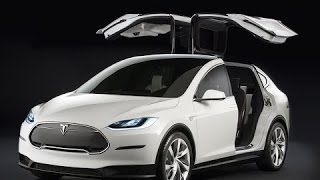 20151:12:57
 20151:00:33
 201154:18