2015年第三季度财报电话会上,摩根士丹利的分析师亚当·乔纳斯问了一个关于自动驾驶出租车的问题:特斯拉会不会把自动驾驶汽车卖给Uber这样的公司,还是干脆绕过中间商,自己搞按需出行的平台?
马斯克回答:“不予置评。”
乔纳斯显然不习惯这个待遇,追问了一句:这个问题是不是问得很蠢?马斯克说,不,这问题挺聪明的,但还是不予置评。乔纳斯又问,是出于竞争敏感性,还是这个概念本身太不确定?马斯克说:“有些事有合适的宣布时机,现在不是时候。”
这场电话会里,马斯克一共说了好几次“现在不是时候”。除此之外,他聊得非常实在:Model X的量产卡在哪颗螺丝上、Autopilot推送后事故率是升是降、为什么通用汽车宣称的电池成本不靠谱、以及他为什么坚持垂直整合。这些内容比“不予置评”有价值得多。
两位新高管:一个来自谷歌,一个曾把修车时间从18天压到2天
马斯克开场先宣布了两项人事任命。
第一位是杰森·惠勒(Jason Wheeler),接任首席财务官,从下个月开始上班。他此前在谷歌担任财务二把手,负责全球财务职能。马斯克对他的评价是“超级聪明,真的理解我们在做什么,文化上非常契合”。现任CFO迪帕克·阿胡贾会和他共事几个月,完成平滑过渡。马斯克专门感谢了阿胡贾对特斯拉的贡献。
第二位是约翰·麦克尼尔(John McNeil),出任全球销售和服务负责人。他此前是Insurgio的CEO,拿过小中型公司类别的“最受尊敬CEO”。马斯克提到一个细节:约翰过去十年甚至更久一直是所在公司的最高负责人,这是第一次不做一把手。
约翰的另一段经历更关键。他在Insurgio之前联合创办了Sterling Collision,把行业平均维修时间从18天压到不到2天,压缩了90%,同时业务保持每年40%的增长。马斯克说这话时语气里带着明显的兴奋。
维修时间这件事,是理解特斯拉的钥匙。
传统车企把经销商和维修网络当资产,特斯拉把维修时间当敌人。一个能把修车时间从18天打到2天的人,来管全球销售和服务,逻辑就通了:特斯拉卖出去的是从下单到维修的一整套体验,任何一个环节卡住都算产品问题。
马斯克说,未来几个月还会有更多管理层补强的公告。
Model X的量产,卡在门边的密封条上
瑞士银行的分析师科林·兰根问的第一个问题,关于Model X的订单取消。外面有很多传言,说签名版订单的取消率很高。
马斯克说,没有根本性的异常。签名版Model X的转化率甚至比当年Model S上市时还高,X上市之后的整体需求也比S当初更强。
需求从来不是问题,产能才是。
他描述了自己的日常:一周七天,每天都会收到一份关于制造进度的更新,以及当天卡在哪里的清单。这些问题小到外人听了会觉得荒谬。他举了个例子:门边密封条的位置对不对,直接影响到钣金的间隙和面差是否达标。
“这非常细微。”马斯克说。
德意志银行的分析师罗德·拉什追问得更细。马斯克在这里纠正了一个表述:他没说年底前生产交付几百辆,他说的是年底前达到每周几百辆的产能。具体来说,他预计下个月就能摸到每周700辆的生产率。
他解释了为什么不愿意给出精确的季度数字。产能爬坡是一条指数曲线,你把日历窗口放在指数曲线的起点、偏右一点、还是更偏右一点,绝对数字差异巨大。“你知道它最终会到哪儿,但不知道在那种快速变化的阶段它长什么样。”
关于第二排的单柱座椅,马斯克承认它依然是个挑战,但不再是卡脖子的那个点了。眼下卡住的是门边密封条这类小东西。他把这个过程形容成穿过一连串约束条件,而且这些约束每天都会变。
有位分析师问,1600到1800辆每周的目标是不是能在2016年初实现。马斯克说,第一季度大概能落在那个区间的下半段,如果一切顺利,明年年底可能超过区间上限。他加了一句限定条件:这取决于明年的全球宏观经济环境。
关于Model X的定价,马斯克重复了公开说过的说法:同等配置下,Model X不会比Model S贵超过5000美元。有分析师追问“同等配置”是按电池还是按座椅数算,回答是按同样的电池和座椅配置。
还有一位分析师问,Model X要卖到多少量,毛利率才能到20%以上。马斯克的回答是,长期看X的毛利率会和S接近,差距在几个点以内。他自己补上了前提:S已经量产三年,是一个非常成熟的产品,X才刚开始。
Autopilot推送之后:每天近百万英里,还没发现有事故是它造成的
斯特菲尔的分析师詹姆斯·阿尔伯丁问Autopilot的推送情况。当时特斯拉已经通过空中升级,把Autopilot推送到4万辆车。
这里有个容易搞混的地方,马斯克解释得很清楚。
安全功能是默认开启的,不额外收费。自动紧急制动、侧向碰撞规避、前向碰撞预警,这些都在所有车上默认打开。
便利功能要花钱。自动转向、自动泊车这些,选装价2500美元。绝大多数下单的车主在订车时就勾了这个选项。没勾的人事后想开通,价格会贵一点,3000美元。马斯克说,未来几个月会开放这种事后开通,他打了个比方:“有点像应用内购买。”
关于实际使用数据,CTO JB·斯特劳贝尔(JB Straubel)回答得比较谨慎,说不方便分享具体细节。但他给了一个量级:Autopilot硬件车队每天累积的行驶里程接近100万英里,其中相当一部分是在Autopilot开启状态下跑的。
早期数据“非常正面”。原话是:我们知道很多事故被Autopilot避免了,我们不知道有哪起事故是Autopilot造成的。不过他强调这是早期数据,还需要观察。
然后马斯克主动补了一段,语气明显变重。
他说YouTube上出现了一些相当疯狂的视频,这不好。特斯拉会给Autopilot的激活加上额外限制,尽量减少人们拿它做疯狂事情的可能性。
这段插话很关键。2015年Autopilot刚推送,网上开始流传车主双手离开方向盘、爬到后座、甚至坐在副驾拍视频的片段。马斯克在财报电话会上专门提这件事,说明内部已经把“用户滥用”列为需要主动干预的风险。九年后回看,这个判断是对的。
高盛的分析师帕特里克·阿钦问,有报道说车辆在没被指令的情况下出了事故,这些报道有多少真实性。
马斯克的回答很坦诚:软件发布时我们就说了这是Beta版,系统会随着时间学习和改进。出现错误报告不奇怪,这正是我们描述过的情况。他说系统每周都在变好,预期学习速度会加快,几个月内会感觉相当完善。
“Beta版”三个字,是理解Autopilot的一把钥匙。特斯拉把一套还在学习的软件推给几万名真实车主,用真实道路数据喂养它,同时明确告知这是Beta。这种做法在汽车行业前所未有,在软件行业是常态。马斯克把软件行业的迭代逻辑搬到了车上,代价是要承受真实世界里的错误和舆论压力。
有人问自动驾驶会不会卖给租车公司,马斯克说现在不是时候
回到开头那个被拒绝的问题。
亚当·乔纳斯问得很具体:假设特斯拉成为自动驾驶运输的领导者,是把自动驾驶车卖给Uber、Lyft这类公司,还是特斯拉自己搭平台做按需电动出行,把中间商干掉?
马斯克的第一次回答是“不予置评”。乔纳斯不依不饶,说你一般不会在长期战略问题上打太极,这不像你。
马斯克承认这问题很聪明,但还是不说。
JB·斯特劳贝尔补了一句关键的:“我们的战略还没有完全烤熟,所以在没想清楚完整故事之前,我们宁愿等想清楚了再宣布。”
乔纳斯抓住这个措辞:“‘没有完全烤熟’意味着烤箱里确实有东西。”
马斯克没接这个话茬,让JB继续回答Autopilot的数据问题。
这段对话只持续了一分钟,但信息量不小。2015年,特斯拉内部已经在认真思考自动驾驶和出行服务的结合,只是还没到能公开讲的阶段。三年后,马斯克在“总体规划第二篇章”里正式提出特斯拉共享车队(Tesla Network)的构想。六年后,特斯拉推出Robotaxi的构想。这个“烤箱里的东西”,后来烤了很久。
同一场电话会里,还有一位分析师问自动驾驶的地图问题:很多车企说高精地图是通往更高等级自动驾驶的关键约束,特斯拉自己跑出来的里程数据有没有帮助,会不会自己做地图?
马斯克的回答是:“财报电话会不是发布未来产品的地方。”他补了一句,一般来说,特斯拉计划在财报电话会上做产品发布。这句话像是在暗示什么,但他没有展开。
固定储能:2016年的产能已经卖光了
科林·兰根问固定储能业务,2017年20到50亿美元的营收目标是否还成立,有没有值得点名的大机构订单,15%的毛利率目标还靠不靠得住。
马斯克的回答很直接:固定储能现在是一个产能受限的生意。
他给了一个判断:就算只算已下单客户里的一小部分,假设那部分订单全部有效,2016年全年的产能也已经卖光,订单排到了2017年。所以现在的问题落在能造多快上,需求那头不缺。
他预期固定储能的产能会有“非常戏剧性的增长”,但不愿意给精确的季度数字,理由和Model X一样:指数增长曲线上,日历窗口稍微挪一挪,绝对数字差异巨大。他说,总的来说,在特斯拉他想对季度数字更谨慎一些,尤其是在产能剧烈爬坡的时候。
毛利率目标没有变化。马斯克说15%没问题,阿胡贾补充说内部目标其实高于15%,产能爬坡上去之后毛利率自然会改善。
关于“储能是不是大宗商品生意”这个问题,后来在电话会接近尾声时又被提了一次。提问者说,市场上很多人认为储能是commodity business,JB你怎么看?
JB的回答很漂亮:能源本身确实是大宗商品,这恰恰是机会的来源,还把机会做大了。因为能源是商品,所以谁能让存储技术更好地集成、更即插即用、让客户更快解决问题,谁就能做出差异化。技术差异在这类产品之间依然很大。
马斯克的补充更直白:在大宗商品生意里,如果你能提供一美元的价值只收八十美分,那就是最牛的生意。
通用汽车说电池只要145美元一度,马斯克说没人接近我们
帕特里克·阿钦提到,通用汽车在分析师日上放了一张幻灯片,说他们在研发145美元每千瓦时的电池。这个数字大概率不含电池包成本,但即便调整之后,看起来还是低得惊人。他问JB怎么看,会不会担心一两年内被大幅超越。
JB说,报告我们读了,不太担心。那份报告和后续评论里有很多混淆,把售价和电池包成本混在一起谈。特斯拉对自家电芯类型和形态的成本路线图很有信心,认为那是最优的成本路径。
马斯克的回答更进一步:
我们一直在为电芯成本和电池包成本焦虑。我们不认为有任何人在通往接近我们的路上。如果他们真在,我会第一个去祝贺他们。(马斯克)
这段对话可以单独拎出来看。2015年,整个行业都在质疑特斯拉的电池成本能不能降下来,传统车企放出各种低价数字。马斯克没有纠缠那些具体数字,他把话题拉回“谁的路线更优”。九年后,特斯拉的电池成本优势依然是它最深的护城河之一,而当年放话的几家,有的已经退出了这个赛道。
毛利率、驱动单元和那条百万英里的目标
有一位分析师问,一年前特斯拉的目标是到这个时间点做到28%到30%的毛利率,但汇率等因素改变了世界,未来18个月该怎么看毛利率。
马斯克的回答是:目标是稳步提升,希望18个月内S和X的毛利率超过30%,可能更快。但他强调,每提升零点几个百分点都需要极其密集的努力,而且这个假设建立在汇率不再发生剧烈变化的前提下。
阿胡贾补充了路径:材料成本下降、制造效率提升、单车工时减少,加上规模效应让成本和费用的分摊更有效率,几条线一起走,才有这条路。他说得很实在:“这是大量的苦活,我们必须做到。”
有分析师开玩笑说,你们可能更希望华尔街把模型调低一点,好让你们轻松超越。马斯克笑着说是的,然后补充:这是我们的目标,我们相信有到达那里的计划,但路上可能有意外。不过可以肯定的是,一定会比现在好。
瑞士信贷的分析师丹·高茨问驱动单元的质量。早期Model S的大驱动单元出过一些问题。
马斯克的回答里有一个数字很关键:特斯拉内部把驱动单元的耐久目标从大约20万英里,改成了100万英里。原话是:“我们想要永远不会磨损的驱动单元,这是我们的目标。”
他解释了早期问题的根源:从手动给驱动单元的花键注油脂,过渡到自动注脂的那个阶段,注脂量有波动,注少了就会过早磨损。这个问题仅限于早期的那批大驱动单元,现在已经解决,大单元和小单元执行同样的标准。
一位分析师还问到了第三季度工厂停产改造的事。马斯克说那次改造主要是为了增加Model X的产能,为2016年的生产需求做准备。关于2016年的具体指引,会在下一次电话会给出,但方向是继续降低Model S和X的制造成本,同时推进Model 3。
第四季度交付17000到19000辆,变量在最后几周
美银的分析师约翰·墨菲问第四季度的交付指引。17000到19000辆,低端和高端的差异是不是主要取决于Model X的爬坡?
马斯克确认了。变量有两个。
第一,Model X的产能到底在哪一周真正起来。前后差几周,对全年的X产量影响巨大。
第二,年底的物流。
他描述了一个很现实的场景:圣诞节和新年期间,所有物流通道都堵着,人们不在家,可能还有暴风雪。这些都会影响年底的交付。所以季度末的物流挑战,加上X产能爬坡的指数曲线形状,共同构成了那个区间的不确定性。
有分析师追问,那17000辆是不是可以理解为Model S的基本盘?马斯克说不能这么看,因为第三季度少了一整周,而且Model S的产能从三季度初一直爬到年底。所以环比看着跳跃很大,实际没那么夸张。
他补了一个对比:2010年特斯拉全年交付500辆车,现在两天多就能交付500辆。
关于第四季度的资本开支,阿胡贾说第四季度仍然是Model X投入的高峰,大量设备和工装正在付款,供应商的生产工装也在验证和安装。2016年的资本开支会低于2015年,具体指引下次电话会再给。
他特别强调了一点:特斯拉非常想实现正向自由现金流,但这是“愿景”而非“承诺”。原话是:“我要强调这是aspiration,不是promise。”
关于库存,有分析师问,第三季度产量超过交付量,第四季度又要冲交付,怎么处理库存。阿胡贾说,第三季度末有较高的在途成品库存,正是为了支撑第四季度的交付,第四季度会消耗这部分库存。季末的库存水平会和几个季度前差不多,是一个支撑销售和服务活动的健康水平。
有分析师问资本效率,说汽车是资本密集型生意,三年后还是这么花钱吗,有没有办法变得更轻资产。
阿胡贾的回答可以记下来。他说,特斯拉为取得现在的成果所花的资本,在整个行业里看是非常高效的。他说这话有底气,因为他本人在福特干了很多年,有对比基准。随着每年增加产能,单位产能对应的资本开支还在持续下降。
马斯克补了一段话,是这场电话会里最有分量的一句:
我们相信资本效率,也相信它会随着时间变好。但我们也相信,公司是通过做难的事情来创造价值的,而不是把这些难事外包给别人,因为那样的话,价值就归别人了。(马斯克)
这句话解释了特斯拉几乎所有的战略选择:自建超级充电网络、自建电池工厂、自研座椅、自研自动驾驶芯片、自己造注塑模具。外人看着觉得重、觉得累、觉得不划算,但马斯克的逻辑是:难事本身不值钱,把难事做成的能力才值钱。外包出去,能力就长在别人身上了。
柴油门与零排放积分:加州空气资源委员会不够狠
约翰·墨菲问柴油门。大众的排放丑闻爆发后,零排放车辆积分应该会更抢手,特斯拉有没有机会在短期内卖个高价。
马斯克的回答分两层。
第一层是机制:这取决于零排放法规怎么演变。按理说,柴油门之后,零排放的要求应该收紧。但他说,目前还没看到收紧的迹象。
第二层是批评,说得很直接:特斯拉认为加州空气资源委员会(CARB)在这个问题上不够严格。他的原话逻辑是:如果我们连零排放积分都卖不出去,那说明监管力度根本不够。
摩根大通的分析师瑞安·布林克曼问得更宏观:大众的丑闻对整个电动车市场有什么影响,会不会提升电动车的需求,会不会让真正合规的燃油车变得更贵,从而让Model 3更有成本竞争力。
马斯克的回答是,这件事把整个排放测试流程放到了聚光灯下。消费者现在明白了一件事:汽油车,尤其是柴油车,真实世界的排放远高于测试时的排放。
他预期监管机构不会再对这些事睁一只眼闭一只眼,所以那些真正要满足法定排放要求的燃油车和柴油车,生产成本会明显上升。这会让车企加速它们的电动车计划。“这是好事。”
至于对特斯拉的短期好处,他说可能有,但到目前为止还没看到。
超级工厂:储能产品已经开始生产,电芯明年下半年
奥本海默的分析师科林·拉什问超级工厂的进展,什么时候能看到电芯从工厂出来装进车里。
JB回答了几个时间点。
第一,特斯拉能源产品的生产已经在超级工厂启动,比计划提前了不少。这部分生产在工厂的一个独立区域,和未来生产电芯的区域分开。
第二,电芯生产预计明年下半年启动,也比原计划略早。初期下线的电芯会优先分配给特斯拉能源产品。
第三,装车的电芯,也就是给Model 3用的,目标仍然是2017年左右。这个时间点没有变化。
关于租赁,有分析师问租赁比例和所有权结构有没有变化。马斯克说北美市场的租赁比例略有上升,但增量全部被银行租赁伙伴承接了,特斯拉自己并没有大规模做直接租赁。所以不管是对残值担保还是对租赁,从特斯拉的角度看没有区别,纯粹是消费者的偏好。他说这个趋势里没有什么深层或重大的东西。
每周20项工程改动,和那句“想买就现在买”
RBC的分析师约瑟夫·斯帕克问了两个关于硬件的问题。第一个是,如果出现无法通过空中升级解决的硬件问题,特斯拉的服务网络能不能扛住,毕竟服务店相对门店和展厅的比例还偏低。
马斯克的回答里有一个数字,比任何财务指标都更能说明特斯拉的用户粘性:在《消费者报告》的调查里,97%的特斯拉车主说下一辆车还会是特斯拉。他说,坦率地讲,这是唯一一个大家应该关心的数字。
关于召回,他说特斯拉过去处理过,服务团队做得不错。公司的做法是主动的:在被迫召回之前,如果判断某个部件未来可能出问题,就提前修掉。
第二个问题更尖锐:Autopilot现在只是第一代,传感器以后会增加,新功能会加进来。特斯拉又没有严格的车型年概念,怎么管理品牌和不同代际车辆之间的体验差异?
马斯克的回答是特斯拉的产品哲学:
我们的理念就是持续改进。每周大约有20项工程改动被应用到车上。它不像其他厂商那样打包成一个车型年,一次性全放出来。在我们这里,是一系列滚动式的改变,车型年的意义没那么大。(马斯克)
他承认有些改动会大一些,比如加上Autopilot的摄像头、雷达和超声波传感器。但公司会尽量把这种台阶做小。
然后他讲了一个朋友常问他的问题:什么时候该买Model S?
他的回答永远是:就现在。
朋友会问:你们半年后不是要出更好的车吗?
他说:对,当然。
“但如果他们的目标是等到没有重大改进的时候再买,那他们永远买不了。”
这段话表面在讲买车时机,实际在讲特斯拉的产品逻辑:这台车永远在变好,所以永远没有“最佳购买时点”,只有“你需要用车的时点”。对一家把持续改进刻进基因的公司来说,这是必然结果,也是它和传统车企最底层的差别。
订单同比增长50%,但马斯克说那是因为以前太弱
高盛的帕特里克·阿钦问订单同比增长50%的事,想听区域拆解。
马斯克的回答有点反常识。他说,从另一个角度看,特斯拉在亚太其实相对较弱,在欧洲大多数国家也相对较弱。公司正在修复这些根本性的弱点:铺好超级充电网络,铺好服务中心网络,纠正外界对公司的认知。
他说,在很多地方,建立消费者信心需要时间。人们需要反复听到特斯拉,才会对一个重大的资产购买感到踏实。
马斯克没把50%的增长算作“我们做得多好”的证明,他把它当成“我们之前在哪些地方做得不够”的提醒。这种表述方式很马斯克:把好消息归因于修复弱点,而不是归因于自己天生强。
关于Model S和Model X的长期需求,本·卡洛问得很直接。马斯克的估算是在经济条件不变、市场充分成熟的前提下:Model S每年大约10万辆的需求,Model X差不多量级。他补了一句,有些市场成熟起来需要很长时间。
关于垂直整合,约翰·墨菲问得很细。特斯拉把Model X的第二排座椅收回自产,又收购了模具公司,未来Model X和Model 3会不会把更多零件收回自产,怎么在成本和资本密集度之间做取舍,如果做对了,能不能加快产品推出的节奏。
马斯克的回答是“完全同意”,然后给了一组让人意外的数字对比:
特斯拉历史上只做过一次很小的收购,是密歇根的一家模具公司Riviera Tooling。收购花了大约1000万美元,而特斯拉花在加急冲压模具上的钱,比这个收购价还多。
“这根本不用想。”
他说,特斯拉要把Riviera当成一个中心,招募顶尖的模具工程师,目标只有一个:缩短新产品从设计到量产的关键路径。因为公司最终是被模具卡住的:从车设计完成,到工装全部到位,可能要花将近两年。在他看来,这个时间长到荒谬,必须大幅压缩。
关于座椅,他确认特斯拉已经把座椅大幅收回自产,现在特斯拉自己生产座椅。
关于自动驾驶的终局:不智能的车会像马一样,只剩情感价值
电话会快结束时,道尔公司的分析师安德莉亚·詹姆斯问了一个更宏观的问题。她说,在硅谷的世界观里,自动驾驶是必然,所有车都会自己开。她想确认这是不是特斯拉的看法,以及Autopilot对特斯拉的长期收入和车辆电动化目标有多核心。
马斯克的回答是他一贯的风格:先给一个大胆的判断,再给时间表。
他说自己在公开场合说过,长期看,所有车都会实现完全自动驾驶。在15到20年的时间框架里,新车生产中不配备完全自动驾驶能力的车会非常罕见。对特斯拉来说,这个时间会早得多。
然后他说了那句后来被反复引用的话:
当路上跑的车都具备完全自动驾驶能力的时候,那些不具备完全自动驾驶能力的车会是负资产。就像拥有一匹马一样。你养它纯粹是出于情感原因。(马斯克)
这个比喻很马斯克。马曾经是交通工具,汽车出现后,马变成了情感消费品。他认为自动驾驶普及之后,手动驾驶的汽车会经历同样的转变:从工具变成玩具,从必需品变成收藏品。
这个判断对不对,2015年没人知道。但这段话解释了特斯拉为什么在Autopilot上如此激进:在马斯克的框架里,自动驾驶迟早会成为新车的标配,谈不上什么锦上添花的选装件。谁先到,谁定义规则。
Model 3还有两年,但节奏会加快
太平洋皇冠的分析师布拉德·埃里克森问,Model X这次爬坡这么难,会不会改变特斯拉对Model 3上市节奏的思考。
马斯克的回答是:Model 3仍然瞄准大约两年后。
但他预期未来产品的节奏会改善,因为公司有更多资源去缩短关键路径,比如他前面提到的冲压模具和注塑模具。这些东西才是真正驱动时间表的,从车设计完成到工装全部到位要将近两年,这个时间必须压下来。
这段话透露的信息是:特斯拉把Model X爬坡的痛苦,转化成了对“为什么慢”的结构性诊断。慢的原因不在工程能力,模具和工装这个环节的周期太长才是根子,而这个环节过去依赖外部供应商。收购Riviera、自建模具能力,就是在拆这个结构性瓶颈。
这场电话会真正在讲什么
如果把这场电话会里的所有问题按主题归类,会发现一个有意思的分布:大部分问题在问“这个季度怎么样”,少部分问题在问“明年怎么样”,几乎没有人在问“五年后怎么样”。唯一问五年后的人,被“不予置评”挡了回去。
但马斯克的回答里,反复出现的是五年后的逻辑。
他谈密封条和座椅,是为了说清楚指数曲线的形状,因为那条曲线的终点是每周几千辆。
他谈Autopilot的Beta版和那些疯狂视频,是因为他知道这套系统最终要接管方向盘,眼下必须先把用户行为管住。
他谈驱动单元从20万英里改到100万英里,是因为他在为“车比人活得久”的时代做准备。
他说不智能的车会像马一样只剩情感价值,是因为他真的相信这件事会发生。
这场电话会里,一句特别坦白的话来自JB·斯特劳贝尔:“我们的战略还没有完全烤熟。”
一家公司在财报电话会上承认自己的长期战略还没想清楚,同时又在同一场电话会上给出18个月毛利率超30%、驱动单元100万英里、电芯2017年上车这些具体目标,这种组合本身就说明了特斯拉当时的状态:方向确定,路径在试,节奏在调。
九年后回看,那些“不予置评”的东西大多成了现实,那些具体数字有的实现了,有的推迟了。但有一点没变:马斯克依然在电话会上说“现在不是宣布的时候”,然后过几年把东西拿出来。
给读者的几条具体建议
- 看财报电话会,别只盯着当季数字。真正有价值的是管理层怎么描述约束条件。这场会里,马斯克花最多时间讲的是密封条、座椅和模具周期,营收数字反倒没占多少篇幅。约束在哪里,公司的真实状态就在哪里。
- 听到“不予置评”时,记下来,别跳过。2015年马斯克拒绝回答自动驾驶出租车的问题,三年后特斯拉网络写进了总体规划。管理层拒答的问题,往往比他们愿意答的问题更重要。
- 判断一家公司的技术路线,看它怎么处理“难事”。马斯克那句“公司通过做难事创造价值,外包出去价值就归别人”,是理解特斯拉垂直整合战略的唯一钥匙。下次看到某家公司把核心环节外包,可以想一想它长期能留住多少价值。
- 面对指数增长的业务,别用线性思维做季度预测。马斯克反复解释的那句话值得记住:在指数曲线上,日历窗口挪一周,绝对数字差异巨大。对这类业务,看趋势方向,别抠单季数字。
- 如果你是产品经理或创业者,记住“每周20项工程改动”这个数字。持续改进落到组织层面,就是把大台阶拆成小台阶的能力。口号谁都会喊,能把台阶拆细的团队才稀缺,用户也几乎感觉不到产品在换代。
0:01Good day, ladies and gentlemen, and welcome to the Tesla Motors Incorporated thirdarter 2015 financial results Q&A conference call. At this time, all participants are in a listen-only mode. If you'd like to ask a question during today's question and answer session, you may do so by pressing the star then the one key on your touchtone telephone. If anyone should require assistance during the call, please press star then zero to reach an operator. As a reminder, today's conference is being recorded.
0:27I'd now like to introduce your host for today's conference, Mr. Jeff Evansson, head of investor relations. Sir, please begin. Okay. Thank you, Liz. And good afternoon, everyone. Welcome to Tesla's third quarter Q&A webcast. I'm joined today by Elon Musk, Tesla's chairman and CEO, JB Strao, our CTO, and Deepak Auja, Tesla's CFO. Our
0:55Q3 results are announced in the shareholder letter at the same link as this webcast. As usual, this letter includes GAAP and non-GAAP financial information and reconciliations between the two. During our call, we will discuss our business outlook and make forward-looking statements. These are based on our predictions and expectations as of today. actual events or results could differ materially due to a number of risks and uncertainties including those mentioned in our most recent form 10Q filed with the SEC. And
1:29now Liz, let's go to the first question, please. Sure. I I can probably Oh, do you have I I can say to make some comments. Yeah, actually Liz, we'll have our CEO Elon make some initial comments. Go ahead, Elon. I just wanted to to note that we've made two fairly significant hires. the first which is Jason Wheeler. he will be our
1:57CFO starting next month. Deepo and Jason will be working closely together for the for the first few months to have a smooth transition. and once again I'd like to thank for his awesome contribution to Tesla. Thank you Elon. and and so Jason comes to us from Google where he was basically a number two finance guy at Google responsible for their global finance function. and just thought he was a super smart guy and really
2:35understood what we were doing and was like a great cultural fit with the company. So I think that's that's going to be great. and then in addition John McNeel has joined as head of global sales and service. and John is the former CEO of Insurgio. he's been named sort of most admired CEO in the small midsize company category. In fact I believe this is the first time in maybe a decade or more that John actually has not been head of the company that he was working at. So and before in Sovio he
3:18co-ounded Sterling Collision which where he was able to reduce industry repair times by 90%. So the average repair time went from 18 days to less than 2 days while growing the business of 40% a year. so John's an awesome addition to to the team as well. and he's actually he's been been doing great. He's been working now part-time at Tesla for a few months and just just started full-time and has already done a lot of good. So, I'm
3:51pretty excited about those two people joining the team and and we expect to have some additional announcements in the months to come as we add bench strength to the Tesla management team. Okay. Thank you, Elon. All right, Liz, why don't we go to the first caller, please? Our first question comes from the line of Colin Langan with UBS. Your line is now open.
4:16Oh, great. Thanks for taking my question. in the press release, you seem to address this a little bit, but there has been a lot of chatter about cancellations for orders for the X. I mean, and I think the press release says signature series. Is that across the models? And how should we think about the different versions of the X rolling out over the next couple quarters?
4:38over there. Well, I I don't think there's been anything fundamentally different. I mean, so far on the signature series Model X, we've seen a much higher or a higher conversion rate than we had seen on the S launch S. So, overall, the demand for the X after the launch of the X and has been
4:59higher. So, we don't see any fundamental issues. Yeah, I mean, as we talked about before, really the main thing with the X is is just scaling up production. we're making steady progress with each passing week. actually I seven days a week, every day I I get an update on manufacturing progress and what the issues are. and we we see no
5:25fundamental issues on the production ramp. it's just a question of how quickly we can solve each issue and and they're really down to like the little little things like the placement of the seal on the door and whether that results in the Brighter alignment being correct. This is quite nuanced. so
5:46so we feel you know very confident of being able to get to several hundred vehicles per week by the end of the year. Okay. And can you give an update on stationary storage? Is that still trending to your target of 2 to 5 billion by 2017? And I think the release mentions that there are some institutional orders. I mean, are there any noteworthy orders that you'd want to call out in on the storage side that we should kind of look as being big drivers? And are you still confident in your sort of 15% gross margin for that business?
6:20Sorry, that was like a whole bunch of questions. the the with respect to stationary storage I mean the that has gained sort of a production limited thing. so we're trying to scale out production as as much as possible. I mean we've by almost any metric by if we imagine the most we could possibly make in 2016 we've already sold out of that. or at least if you if you were to take even a small fraction of the number of people that have placed orders and assume that those orders are valid even if a small portion of those are valid will be sold out of all of 2016 production and be well into 2017. So
7:05so it's really mostly about predicting our production rate. and you know we we expect very dramatic increases in in the stationary storage production. the the reason I feel a bit cautious about giving exact estimates is that when when you have an exponential increase the exact calendar window over which the that you place that that exponential has quite a big impact on the numbers. So
7:45and in fact in in general at Tesla I want to be a little more cautious about giving quarterly numbers particularly when we have very dramatic ramps like the example is with the Model X. You know you can imagine if you if you have strict calendar windows and you place them over the over the beginning of an exponential or slightly to the right or slightly more to the right the the actual differences are quite dramatic.
8:11so like you know where it's going to end up but not what it looks like in that rapidly changing escove situation. yeah so and on the margin side is still on target and that's thank you very much for taking my question. Sorry. On on the you're raking up a little bit on the margin. the gross the gross margin is it still at your or is it still trending to the the 15% target? I think you mentioned on the last call.
8:41Oh 15. Yeah. yeah, I don't think there's going to be any problem meeting a 15% margin target. Obviously the the margin improves as the production ramps up. So yeah. Yeah. I I don't know if we want to discuss the specific margin targets, but it it should be in excess of 15. That's our that is our internal target. Yeah, I mean, yeah, once you get away from the very early stage of production, I think long-term margin 15 is no problem.
9:14Okay, thank you for taking my question, Liz. Next call, please. Our next question comes from the line of James Albertine with Stiffel. Your line is now open. Great. Thanks for taking my question and good afternoon. just a point of clarification first on the announcement of the 40,000 vehicles that you've rolled the autopilot feature out to over the air. can you just clarify once it's rolled out over the air, is there then a point at which the consumer has to determine to spend I think it's $2,500 to activate it and is there any detail you can provide us on those that are are paying to activate the autopilot feature at this time?
9:57most people who ordered the car actually order it with the autopilot convenience feature. So the the the autopilot safety features are default on in all vehicles. so this is automatic emergency braking side collision avoidance, forward collision warning, that kind of thing. the convenience features like auto steer, auto park are $2,500, but like so most people have have actually had actually already ordered that. So, those that that hadn't haven't order it can actually turn it on for, it's
10:35actually slightly more if you get it after the fact, turn it on for $3,000. and that's something that we'll be allowing people to to do, at some point in the in the coming months. you know, sort of like a an inapp purchase, I guess. yeah. Okay, great. And then I wanted to ask a question as it relates to now that we're past sort of the as I understood it the peak spending period in advance of the Model X launch. How should we think about capital expenditures and our cash flow models for the fourth quarter?
11:12and maybe it sounds like you've reiterated the positive free cash flow guide you had originally stated earlier this year, but just some thoughts as it relates to the cash flows in the fourth quarter would be great. Yeah, I mean in Q4 we are still in the peak of our Model X investments. A lot of our equipment and tooling is being paid off in Q4 as a production are proving out their production as our suppliers are proving out their production tooling as well as the equipment is getting installed and getting signed off in our factory. So Q4 is going to be a peak for Model X.
11:49Clearly 2016 our capex should be less than 2015 and then we'll provide you further guidance on that in the next earnings call. Much appreciated. And oh sorry go ahead. Sorry I was going to say like we we do have a like a very strong push towards free cash flow. I mean that is you know our our aspiration is to be positive c I do emphasize this is an aspiration not not a not a promise but our aspiration is to be positive cash flow in Q1
12:24understood and thank you for that for that caller Deepo best of luck and we look forward to meeting Jason when he's fully ramped and on board thank you James take care our next question comes from the line of Adam Jonas with Morgan Stanley. Your line is now open. Thanks everybody. Elon, just thinking longer term here. assuming Tesla establishes itself as a leader in autonomous transport, do you see a business case for selling autonomous cars to ride sharing firms or can Tesla cut out the middleman and offer ondemand electric mobility services directly from the company's own platform?
13:06I think we would have to say no comments. I mean, Elon, it's it's kind of unusual for you to punt on strategic questions of a long-term nature. Is this a dumb question or a funny question? I actually I think it's quite a smart question actually. Why? but still no comment. Okay, I I I won't I won't antagonize. Let's let's move on. I mean, it it it's just it's it's just odd because you you normally I've never heard you punt like that. That's all. but any case, you know, is it is it because of a competitive sensitivity or or is it because the concept itself is just too in flux?
13:59I think there's a right time to make announcements. This is not that time. Fair play. All right. Can I ask one on autopilot and and nor I mean nor nor is our strategy fully baked here. So to for us to state what what it would be would it's not fully baked. So there's no you know we would prefer to
14:25announce something when it's when when we we think we've got the full story understood. So saying it's not fully baked implies there's there's something in the oven but just okay kind of need to move on. Let's move on JB. All right let's go to JB real quick then. autopilot can you share any early data you might have collected with us post the automated driving software update. How many miles have been driven with autopilot engaged?
14:52How many accidents prevented? Things like that would be really interesting and I think illuminating. Thanks, guys. Well, I I don't I don't think we want to share any particular details on on on specifics around user feedback on that, but you know, certainly people are using it in a variety of situations. you know, this has gone out to the whole fleet of autopilot enabled cars and, you know, those are racking up, you know, miles extremely quickly. You know, at this point, I I don't have the exact number at the tip of my tongue, but it's, I believe, several hundred thousand miles of driving. So, so a million a day, I think. It's almost a million a day of cars that are
15:32have autopilot hardware. so I mean the the early data this is early data emphasize is that it's very positive. so we're aware of u many accidents that were prevented from from autopilot and we're not aware of any that were caused by autopilot. That's but but this is still this is still early. and but it's a good indication. so it it appears to be quite beneficial from a safety standpoint and and I believe some of our customers have posted videos to this effect.
16:21Excellent. Thanks everybody. Our next question comes from but I do want to emphasize we we discourage there's been some fairly crazy videos on on YouTube. We we we are this is not good. and and we will be putting some additional constraints on when autopilot can be activated to to to minimize the possibility of of people doing crazy things with it.
16:49Our next question comes from a line of Joseph Speck with RBC Capital Markets. Your line is now open. Thanks. Good afternoon. I guess it's it's been a while since we heard anything about this. I just wanted to get a better sense of how you feel you're set up to deal with potential issues on the cars on the hardware side where fix can't be OTAA to the vehicle both because when you when you look at the coverage at least in the US the the ratio of service centers to stores and galleries is still you know trailing a little bit. So you know how does that build out look going forward and how would you potentially handle a a hardware situation at this point?
17:27I'm not sure I fully understand your question. So you mean can you give an example if you had a hardware recall for like just like you mean like sure I mean we we've handled recalls in the past with with our service team it's gone gone quite well u in general we try to be proactive so if we
17:52you know without well before we're sort of forced to do a recall we proactively try to fix things in the cars that we think might might in the future be an issue. and the customer happiness is as measured by the really the key question that I think people should be concerned about which is will your next car be a Tesla? That's like the key question on Consumer Reports. 97% of PE of
18:23respondents said that their next car would be a Tesla. Frankly, this is the only question people should care about. Okay. And then thanks for that. I one more I guess I I guess sort of hardware question as it relates to autopilot where you know this is clearly stage one and and you know you could add sensors over time and and maybe some new features as well. So h how do you think about managing the brand and the vehicles when when that happens? Because as the sensor suite changes, it can create two potentially different experiences when and I guess it's a little bit more the reason I think it's a little bit more of an issue for Tesla is just you don't
19:06have the the strict sort of model year you know nomenclature. So you're you're you're not so I guess I just wonder how you think about that and and maybe some thoughts on how on your current sensor suite and how you see that evolving as well. okay I think these are pretty open to your questions but the we we have a philosophy of just continuous improvements. so every
19:34week there are approximately 20 engineering changes made to the car. So, it's not really it's a it's not as it's not nearly as discreet as you're alluding to, with with other manufacturers. They tend to sort of bundle everything together and in a in a model year. In our case, it's a series of rolling changes. so model year doesn't doesn't mean as much. You know, there are cases where that step step change may be a little higher than normal as for the example with you having the autopilot, camera, radar, and ultrasonics.
20:08but we we try to actually keep those step changes as small as possible. and you know so that I mean essentially like a common question that I get is from friends is say when should I buy a Model S? And my answer is always right now because and they say well what aren't you going to make a better one in you know 6 months? We're like yep
20:33of course. but if if their goal is to only buy a Model S when there aren't significant improvements happening, then they will never buy one. Okay, Liz, why don't we go to the next caller? Our next question comes from the line of Patrick Archin with Goldman Sachs. Your line is now open.
20:56Okay. Yeah, great. Thank you. good evening. a couple questions. you know, just one on the on the battery side. I think a lot of us were surprised that the GM analyst day they they put a slide up which said that they were working on a battery that was $145 a kilowatt hour. That probably didn't include the pack cost. But, you know, even adjusting for that, that seemed like a pretty low number. And I don't know, maybe JB you know, how
21:26did you guys react to that presentation? Is it realistic? I mean, are you worried about the threat of a large form factor battery being the same cost as yours within, you know, kind of a one to two year time frame would be my first question. Well, we we definitely read the report and we're not terribly concerned about it. I think also there was a lot of confusion in that particular report and some of the comments following about sell price versus pack cost and in
21:57general you know we're we're quite comfortable in our our position with the type of cells and the form factors we're using and we think that's going to be the best cost cost positioning cost roadmap in the future. Yeah. So really high probability. I mean, I we're constantly agonizing about sell cell cost and pack cost and
22:19we don't we don't think anyone is on a on a path to be even close to us. If they if they are, I would be the first to congratulate them. Got it. Well, that that's that's very helpful and and quite reassuring to know. you know, my second question just was on in the press release you talked about orders having increased 50% year-on-year and, you know, maybe just a little color on that. I mean, that's that's obviously impressive. you know, given a model that's been out there for a few years.
22:55you know, just any additional color on on regional breakdown or or what that's being driven by. we haven't provided that in the past. Other I think all I mean maybe the way to put it is that Europe and APAC were really strong and and so was North America and North America North America has always been strong and with Europe and Apac being strong too you know we were at 50% year-over-year.
23:24Yeah. I mean, I maybe quite frankly can look at it the other way around. Like, I think we were actually relatively weak in APAC and and and relatively weak in in most countries in Europe. And we're fixing those fundamental weaknesses by ensuring that we've got a good supercharger infrastructure, a good service center infrastructure, that any perceptions about the company are addressed. and in a lot of places, it takes time to build build consumer confidence. they need to hear the the you know they need to hear about Tesla a lot before they're comfortable u making a significant asset purchase. So yeah it's a matter of the execution but the team brand awareness and our
24:06expansion of our global net. Yeah. So it's but I wouldn't say it's not like really I mean all regions have improved quite quite significantly. Yeah. got it helpful. If I can squeeze one last one in really quickly. on the topic of autopilot, there were some reports of you know, the car like taking accidents and stuff when it wasn't told to and things like that. And I I don't I just didn't know if there was much validity in in any of that stuff. I mean, have have you guys you know, are are any of these things true?
24:44because I mean you sound very confident about the technology yet initially there were some reports of of errors and and and things like that. Well, I don't think it should be a surprise that there were reports of errors. I mean, we described the software as a beta release and one and and that the the system will learn over time and get better and that's exactly what it's doing. so I think it's it's exactly what we described is is occurring. and and the system is getting better with each passing week. so I I would expect that
25:20that learning to to accelerate. and and and for you know I think it'll it'll start to feel quite refined within a few months. Got it. Understood. Okay. Thanks a lot, guys. Okay, our next question comes from the line of Rod Lash with Deutsa Bank. Your line is now open. Hi, everybody.
25:46had a couple questions just first on Model X. I just wanted to confirm did you say you thought you could get a few hundred produced and delivered by year end? And just so that we understand what's been happening here. Is it just the seat at this point or are there other unique challenges that you think prospectively affect the ramp of the vehicle?
26:12no to be precise I said several hundred per week. We expect to reach the production rate of several hundred per week next month. Okay. and there's no predict the exact number that will be developed because it because of what of what I was mentioning earlier of like we're on kind of an exponential ramp. So exactly you know one one week this way or that can actually make a significant number significant impact in the in the absolute number of vehicles delivered.
26:45we do feel comfortable at this point of reaching the 700 per week production rate before the end of the year i.e. next month. and the the issues are a bunch of little things. I mean door seals right now is is a challenge. For example, the monopost seat in the second row is still a challenge but less of a challenge. It's not the gating factor.
27:15this is there's basically going through a series of constraints and those constraints can change from one day to the next. but the important point is that we see we don't see any fundamental obstacle to achieving a production rate of several hundred per week sometime next month. Okay.
27:33And it sounds like the target that you laid out the 1600 to 1,800 a week it sounds like you you might think that that's achievable in early 2016. And wanted to confirm that you you you didn't provide capex for next year but but also if you can just confirm is that what you're sort of thinking you need to achieve that free cash flow break even.
27:59yeah we I think it's likely that you know that that we could be in that 1,600 to 1,800 range we per week range in Q1. I I mean I'm guessing we'll probably be towards the lower end of that range. but then you know maybe exceed exceed that the high end of that range towards the end of next year if things go well. I mean there are some caveats there you know but depends on what macro macroeconomic conditions are like around the world next year. but but but right now we we do see that 16 to800 per week on average
28:44as as occurring in in Q1. Great. And and just lastly if I can slip one last one in. you ramped up your capex presumably in part to achieve some increased targets for Tesla energy. Could you just give us some highle thoughts on what you you might be able to ramp up to for that for that business line maybe in 2016?
29:11Well, the the capex requirements for Tesla energy are not that significant as a percentage of the total for yeah I mean I think just to sort of pro provide a broader perspective the the the capex increase so for let's talk 2016 the capex in 2016 is primarily going to be for model 3 and the gigafactory as
29:38we looking at 2019 and beyond it's not necessarily for much of the capacity required in 16. Clearly, there is a little bit of capex there for Tesla energy, but that's not the driving factor. Much of that capex has been put in place by end of this year for our needs next year. Okay, great. Thank you.
30:02Our next question comes from the line of John Murphy with Bank of America. Your line is now open. Good afternoon. just a a a first question. on insourcing. I mean, obviously you guys are pulling the the second row seats inhouse for for the Model X, and there have certainly been some acquisitions and and work you've done on on forging and casting. I'm just curious as as you look at, you know, production going forward for the Model X and even the Model 3, if there would be opportunity to insource more, you more parts to really kind of solve, you know, the issues you're facing with some of these suppliers. And as you think about that, how you make that decision around cost
30:39and capital intensity and if you get that right and can insource more if you could potentially increase, you know, the cadence of your product introductions and the product launches themselves. Yeah, I totally agree with that. That that's exactly that's the reason like we've only actually in the whole history of Tesla only done one tiny acquisition and that was for Riviera Tooling in in Michigan. and we're planning to use that as a hub to recruit top tool and die manufacturers, basically tool and die engineers to Tesla Michigan and
31:17with that exact goal, which is how do we reduce our critical path to market, you know, our time to market for new products. because we end up being constrained by basically tools and and molds. and anything we can do to tighten that time frame either organically or as an acquisition is is a good thing. I mean the I mean the crazy thing is that that that $10 million or so that we spent acquiring Riviera was less than what we spent on expediting our stamping dies.
31:50So it's like a no-brainer. and and we want to do that in general. We're like looking at all of our critical path items and saying, "Okay, how do we execute faster on and reduce the critical path for new product introductions obviously with an eye towards model 3 and making sure that model 3 happens as as soon as humanly possible.
32:14But is is this significantly just around tooling tool and die or there other you know parts like I mean where you could actually be doing all the seating you know internally or start doing thinking about wiring harnesses or stuff that would be that you know in intensive and and as far as insourcing.
32:31we actually are in we we have substantially insourced the seats at this point. so Tesla is producing its own seats. yeah, so that that that is actually something we've we've already done. Okay. and and then just a second question on the fourth quarter. you're talking about 17 to 19,000 units being delivered. I mean, is the just is sort of the low end and high end of the range really dependent on the ramp on on Model X and you sort of see 17,000 at the low end is sort of your base with your Model S. just trying to understand that you know the range and sort of sort of how we should think about mix in the fourth quarter.
33:13Yeah. The the the big variables are what how you know exactly in which week do we do we are we able to really spoil up Model X production you know and a few weeks movement one way or the other has quite a big impact on Model X production. And then of course we still have to get those cars delivered.
33:34So and and at the end of the year they can often be logistical challenges because it's like Christmas and New Year's and all all the logistics channels are jammed and people are not home. so and and there can also be adverse weather weather events like blizzards and things. So that's what it's sort of logistical challenges at the end of quarter and when exactly does the what what and what exactly does the Model X production ramp exponential look like that that's what introduces the uncertainty.
34:12Okay. So so we shouldn't think of the 17,000 as sort of a base level for Model S. There's a lot of variables that are going in here in addition to the Model X ramp, right? Yeah. end of quarter logistical challenges around Christmas or always throws is a bit of a wild card. Gotcha.
34:30Okay. And then just lastly, real quick, I mean, with everything that's going on with Dieselgate, obviously your ZEV credits might be a lot more you know, desired by a lot of folks out there. I know you guys are talking about no ZEV credits in the in the fourth quarter as far as the sales or actually at all for you know, sales or gross profit.
34:47But I mean, you know, over time, I mean, is there an opportunity to to maybe sell them at a much higher price if you as they become, you know, available? I know it's not a big part of the business and but I mean, it does seem like an opportunity maybe in the short run to make a lot a lot of money on on some increasing demand.
35:04I mean, it really depends on what happens with zero emission vehicle regulations over time. you you'd think given diesel gate and all that that that there should be a tightening up of zero emission requirements like you know but but we're not seeing that yet. frankly the we we do not think that the California Air Resources Board is being sufficiently stringent in this regard. I mean, if we if we can't sell ZEV credits, then it's obviously not the the regulations are not strong enough.
35:44Okay, great. Thank you very much. Our next question comes from a line of Dan Gouts with Credit Swiss. Your line is now open. Hey, thanks for taking my questions. you made a lot of changes to the plant in Q3. do you have any metrics to share with us in terms of improved production and efficiency? and how does it make you feel about kind of the the ability to hit production numbers and margin in 2016?
36:16And I'm not sure what changes are you referring to in Q3. well, what you what you guys did during during the shutdown to final assembly and and the body shop. Oh, well, that was essentially at that point to put in additional capacity in our for Model X and it sets us up for our production needs in
36:422016. I mean overall clearly we'll provide further guidance in the next call but our goal is to keep on working on manufacturing cost reductions on SNX. we see their opportunities and the team's going to be focused on that while also working on model 3. So we we're truly a multi-product company and working on several directions.
37:09Okay, great. And then just one question on autopilot. I mean a lot of automakers talk about about mapping as a key constraint to getting to higher levels of vehicle automation. does your, you know, does the experience the miles being driven by u, Model X, autopilot help you guys in that regard at all? I mean, are you planning to, come up with your own, mapping?
37:40I think this is this is earnings call is not the time for for future product announcements. In general, this is not meant to mean anything. So, in general, we're going to plan on making product announcements in in earnings. Okay. Maybe just squeeze in one more that the the the newer drive unit.
37:58you know, how is kind of the quality level been on that versus I think you had kind of a bigger drive unit that that you used initially for the first couple of years. yeah, right now we're actually very very happy with theuh quality of the drive units. I mean, internally, our goal, we we we changed the goal of of the drive unit endurance from
38:22being approximately 200,000 mi to being a million miles. you know, just just basically we want drive units that just never wear out. That's our goal. and and I think we've made really good progress in that direction. So the drive units going out now are are and for the last you know several months have been excellent. So that yeah we
38:46we should probably note that I mean we've also made improvements to the large drive unit and those those issues were really limited to early population large drive units. So today we we hold the same standard on on both units that are being built. Yeah. exactly. There was there was like this one period of time where we had
39:05I mean it's like the risk of getting into the weeds like the we transition from manual just before we transition to to to automatic grease injection into the spline of the Raj drive unit. we had variation in how much grease was put into the into the spline and if not enough grease was put into the spline it would have premature wear.
39:26So like one example, but other than that drive unit, it's been great. Our next question comes from the line of Andrea James with Doward and Company. Your line is now open. Thanks for taking my questions. a year ago you guys been targeting 28 to 30% gross margins by around this time. but clearly the world changed on you with currencies and so forth. So what's the right way to think about gross margin over the next 18 months?
39:56Well, we we what our goal is to steadily improve gross margin and hopefully exceed 30% on the S and X vehicles you know within 18 18 months hopefully sooner than that. but but it is it does require quite an intense effort to you know for every fraction of a point of of gross margin. So and that that assumes you know current there's not some radical shift in currencies that that happens again.
40:28so the so yeah if if yeah according to our plans at least we would exceed 30% gross margin within 18 months on the SNX line. Okay. And that would be without a meeting. Go ahead. Go ahead. Yeah, it's a combination of various initiatives company from material cost reductions, manufacturing production efficiencies and labor hours per unit reduction combined with economies of scale that as our volume goes up our cost allocation is more efficient which brings our labor and overhead cost on a per unit basis down. So clearly as we act on all of those directions and add volume, we see a path that we can achieve that and it's it's a it's a lot of hard work
41:16and we need to do it. Okay. Maybe you'd prefer if the street kept the model a little bit low and let you guys get there. yeah. Yeah, absolutely. Yeah. I'm and we're just we're describing that, you know, this this this is our this is our goal and we believe we've got a plan to get there. but but
41:40we you there could be unexpected issues along the way that that prevent us from getting there. But I mean I think we'll certainly be better than where we are today. Yeah. I mean that's that's like quite certain. Assuming constant dollar some of these external Yeah. Yeah. Okay. And just two more.
41:59when we really got a a lot of people that want to ask questions yet. So maybe just one more just one more. Okay. So I guess I then I'll step take a step back. It seems like in the Silicon Valley ccentric worldview autopilot where driving is going and all the cars are going to be driving themselves. But I'm just I just really want to know is that Tesla's view and how central is autopilot to your long-term revenue profit and vehicle electrification goals?
42:27Well, I'm I'm actually on record of saying that I think that all cars will go fully autonomous in in long term. I think it'll be quite unusual to for for to see cars that don't have full autonomy, let's say, in for new car production in the 15 to 20 year time frame. and and and for
42:51Tesla, it'll be a lot sooner than that. So I actually think in the you know at the point at which cars being made that have full autonomy that any cars that are that are that are being made that don't have full autonomy will have negative value. It will be like owning a horse. You know we're not you know you're really owning it for sentimental reasons.
43:18Thank you. Our next question comes from the line of Emanuel Rosner with CLSA. Your line is now open. Hi, good afternoon. I wanted to first ask just put a finer point on the the fourth quarter. So, deliveries of you know 17 to 19,000 units seems like not a huge contribution from Model X within this. how do you ramp up the Model S deliveries sequentially so fast? I mean it doesn't look like in the I guess in the Model S history we've seen sort of like such a sequential increase in in in deliveries like so what you know what are you doing I guess better in in this particular quarter
44:05well it's not as big a leap as as it might seem from Q4 to Q3 because there's a there's a whole week missing from Q3 and and we continue to ramp the the rate all the way from beginning of Q3 through end of year for for Model S. So I it's actually not not too much of a stretch or less than a of a stretch than it may seem. and and certainly we've had much bigger sequential jumps before than this.
44:38This is you know very you know it's it's worth noting that you know 2015 in 2010 Tesla was delivering 500 cars per year. we now deliver 500 cars in a just over two days. Okay. that that's helpful. And then just on again final point just on the Model X you know for this particular quarter it sounds like you're have you actually started production? Sounds like you're still working out some some issues there.
45:17And what has essentially surprised you as you sort of like ramp this up which is you know causing maybe the actual you know u production in larger numbers to be maybe slight slightly later than it would have been. Yeah. I mean the thing the thing about a car is because there's several thousand unique components in a car the production can only move as fast as the slowest component. so even though 99%
45:46of the model X is ready for high production you know less than 1% of the parts are not u but those are what drive the rates. so that's that's the thing that makes car you know vehicle production really really challenging and the vehicle ramp really challenging. and you don't you know you don't know in advance what those issues are going to be or you would do something about it. So that that's you know the yeah and then you can you basically think of like the the production will move as fast as the the least lucky supplier
46:29that we have in our in our network. So yeah, most you know then there are sort of fires, floods, issues of various kinds around the world. and yeah, so se several thousand parts and effectively if you go down to tier two and tier three several thousand suppliers, it moves as fast as the you know thousandth worst supplier.
46:57Our next question comes from the line of Ryan Brinkman with JP Morgan. Your line is now open. Hi, good afternoon. Thanks for taking my question. just maybe going back to the dieselgate issue again, but from a bigger picture perspective. I'm curious what impact you see to the electric vehicle market from these revelations at VW. You know, could it increase the demand for electric vehicles to your benefit? Does it maybe make non-electric vehicles more expensive to produce to truly comply with the emission regulations? Does that help, you know, the Model 3 be more cost competitive? I'm just curious what impact you see overall to the industry and then to Tesla specifically.
47:38well I mean the this has really shined a spotlight on the whole emissions testing process. and I mean it's it's now obvious to consumers that gasoline and well especially diesel but also gasoline cars have real world emissions that are substantially greater than what's experienced in the in the test you know when they when they go through testing.
48:07and you know I think the the what what one would naturally expect from this is that regulators will no longer turn a blind eye to these things and and and so the the cost of producing gasoline diesel cars that actually meet the legal emissions requirements is going to be quite a bit higher. so I would expect the car companies to accelerate their plans for electric vehicles. which is great.
48:42and there might be some near-term benefit to to Tesla. but I mean, thus far, we we we haven't we haven't actually seen it, but but there might be one. okay, great. And then just last question, you know, I understand that deliveries for the Model X initially are clearly a function of how many you can build given your large backlog of orders, but in trying to estimate what demand might look like, you know, more medium to long-term, is there anything more that you can say now or that can be shared about the pricing of the vehicle beyond the signature series?
49:19Well, I just what I mentioned publicly, which is that we expect the, you know, similarly equipped Model X to be no more than $5,000 greater than the price of Model S. Our next question comes from the line of Colin Rush with Oppenheimer. Your line is now open. thanks so much. can you talk a little bit about the acceleration in the ramp at the Gigafactory? What are you seeing at this point in terms of you know your ability to to fully accelerate in 2016 and and when do you think we might see cells coming out of the factory and into cars?
49:55Well in particular you know as we've mentioned we've accelerated the production of Tesla energy products at the Gigafactory. So you know that's what has started just recently there and and that was quite a bit ahead of plan. That's that's happening in a separate section of the factory from where the cells will be produced. but also as we discussed we do expect that cell production will start up the second half of next year. which is again a little bit ahead of plan and you know some of those cells would initially be allocated toward Tesla energy products and you know we still are targeting you know around 2017 you know for the first cell production that would be going into
50:33vehicles and into the model 3. So that that remains on target. And then just in terms of the dynamics around leasing are you seeing any real meaningful changes in terms of overall lease take rates or you know a change in ownership kind of dynamics at this point. We are seeing a slight increase in the lease rate in North America.
50:55and as we indicated in the letter that increase is been fully consumed or taken up by our bank leasing partners rather than Tesla direct leasing. So you know whe whether we do resale value guarantee or leasing from our perspective it's no different and it's it's a consumer preference.
51:20So you know there's nothing deep or significant that we are seeing in that trend. Our next question comes on the line of Brian Johnson with Barclays. Your line is now open. Yeah. kind of three quick questions or two quick ones. One more philosophical. first you know again on the 4Q it appear you talked about building up finished goods inventory. We don't have the final numbers yet, but for the last for the last quarter, production outpaced deliveries and you're guiding to that four 4Q. So, what's what's going to be different in terms of hitting that ramp up on deliveries for Model S in 4Q visav
52:04drawing down that inventory you're referring? So for model S for Model S. Yeah. I mean as we indicated in the letter in the letter we were carrying higher finish inventory that was in transit at the end of Q3 to support those higher deliveries in Q4 and it's the draw down of that
52:30extra inventory that allows us to do that. Our ending inventory at Q4 is going to be no different than what we have had a few quarters back. So, it's still a fairly good level to support all our all of our marketing and sales and service activities. So, overall you know the increase is demand based and it's fully doable
52:58and the question yeah go ahead. Yeah. And to clarify, just the Model X pricing, is that based on range and features or is it just based on battery size, the 5,000 difference for a comparably equipped car with R features? Okay. And does so equipment means battery or range or Yeah. So with the same battery and the you know same number of seats and that kind of Yeah. And final question and maybe this is one you know for a Jason Deepo Elon conversation is you know
53:39autos are a very capital intensive business. I mean as much as you're pursuing a different model on the battery side it looks like there's a lot of capital going into tooling and all these complicated mechanical things not to mention service. you know, as you kind of think forward three years, is that more or less the way you're going to spend capital or is there anything you could do to kind of be more asset light in the process?
54:08I mean, I think stepping back, maybe the better way to look at it is that at Tesla, our cap capex spend for what we are achieving in my mind has been really efficient in the industry, right? I mean and it's worth noting spent huge part of his career at Ford. So you know you have a good basis for comparison right and so and as we look at every year and as we add incremental capacity and the capex related to that we are continuing to increase on that efficiency in terms of capex dollars per unit of production.
54:46So fully agree this is an asset intensive business. and the key here in terms of return on investment is how efficient we are with that capital and that's what we focused on. Yeah, we yeah absolutely we certainly believe in in in capital efficiency and getting better with with that over time. But we also believe that you know companies build build values build value by doing hard things
55:17not outsourcing those hard things to other people because then they deserve the value. That's a key point. Our next question comes from the line of Brad Ericson with Pacific Crest. Your line is now open. Great. Thanks for taking my questions. I guess consistent with, you know, a lot of your commentary recently, you called out in the shareholder just wanting to emphasize quality on the Model X and sounds like it's warranting a little bit slower ramp here in the near term. You know, with what you've gone through over the past few years in bringing this car to market, does this change your thinking at all over the longer term when you think about the pace at which
55:55you'll bring Model 3 to market relative to to longer term targets that are out there? Well, I think we're we're still aiming to have Model 3 in about two years. so but but I think the the cadence of future products should improve as we have more resources to shorten the critical path on things like I was mentioning earlier like stamping tools and molding dies and things that tend to drive our our schedule because from the point at which the car is is designed it it can take almost 2 years to get fully toled up. that seems like a crazy amount of time to us and and we want to try to reduce that significantly.
56:52Got it. Thanks. Our next question comes from the line of Ben Ko with Robert W. Baird. Your line is now open. Thanks. Elon, could you talk a little bit as you guys have increased your sophistication around the market, what you think the addressable market is for the S going forward? And then could we talk a little bit about getting to 20% or above gross margin on the X? What kind of volumes we need? And then third, can we touch on the energy storage industry? One thing that I hear a lot in the marketplace is it's the commodity business. JB, could you touch on that?
57:30and anything you're seeing there. And and Elon, last time on the call, you threw out some pretty big numbers for energy storage. do we talk about here? And I don't think that people really, you know, gave you a lot of credit there. So, could you just talk about what backs up those numbers?
57:50I mean the I think it's just basically if as we mature in various markets around the world then you know it's always a question you know how long does it take to mature in these markets? Some markets are a lot harder to solve than others. and and then there's also macroeconomic conditions you know will there be a recession or not will there be when will there be a recession? and you know so these these will will obviously make a difference. but I mean I I think in the in the long term you know there's there's probably close to $100,000 a year. Sorry 100,000 vehicles a year of of S demand and maybe something comparable to you know for X.
58:42holding economic conditions constant and assuming full market maturation which could take like quite a long time in some markets and and maybe to your to your energy storage question you know I mean obviously energy is a a commodity market but I don't think that in any way really changes the the opportunity there in some ways that's sort of what creates it and creates makes it bigger exactly it's what creates the opportunity for us to ramp much faster faster. and we still see a lot of technical differentiation amongst these different products. you know, just because energy itself is a commodity doesn't mean that the ways that you create it are the same. And, you know, the storage
59:25technologies and how well they're integrated and how plug-and-play they are for customers to just use them to solve problems and, you know, do that very quickly is quite different amongst all the different people trying to address this. Yeah. Yeah, I mean if you can if you can sell a dollar for I mean basically if you can provide a dollar's worth of value for 80 cents, you know, compared to your competitors in a commodity business, that's that's amazing. That's like if you want to be in a commodity business.
59:53Got it. And then on the margins on the X volume. well, I think that they're going to be comparable to to the S over time, but it'll, you know, but it is important to bear in mind that the S is a much more mature product. so we've been in production with the S for 3 years. I would expect the modules to be within a few points of one another over the long term. Great. Thank you very much.
1:00:19This is what we indicated in the letter. Okay, everyone. Thank you very much for joining us today. We look forward to talking with you next quarter. Bye-bye.
资源与出处
- 视频在 YouTube 收看
- 档案silicon-valley.tech 档案页本页视频与文稿数据来自 Elon Musk Archive
- 精读本篇精读 Markdown 版
相关视频
同频道、同主题或相邻年份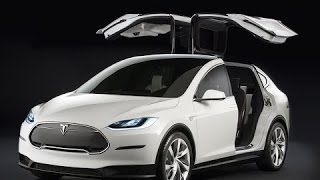 20151:12:57
 201455:28
 201154:18