2015年7月,特斯拉第二季度财报电话会。摩根士丹利的分析师Adam Jonas问马斯克一个问题。他说Uber的CEO Travis Kalanick最近跟人讲过,如果到2020年特斯拉的车能自动驾驶,他想把特斯拉的车全买下来。Jonas想知道:向共享出行公司卖车,对特斯拉算不算一门真生意?还是说,特斯拉干脆绕过中间商,自己搭平台,直接卖按需电动出行服务?
马斯克先夸了一句:"这是个有洞察力的问题。"紧接着补了一句:"你不必回答它。"然后说,"我想我不应该回答。"
电话会议里,这种沉默比任何宣言都响。
2015年的特斯拉,全年交付目标5万到5.5万辆,Model X难产,Autopilot连beta都没推。但那个问题已经飘在空中了:车企该不该自己做出行网络。十年后再看,这道题整个行业都绕不开。
这场电话会里,类似的判断还有不少。有的被数字包着,有的藏在一句玩笑里,有的一句话带过。下面把它们拆开看。
史上最难造的车,卡在第二排座椅上
Model X的产能爬坡出了名地难。马斯克自己说的:这可能是世界上最难造的车,他一时想不出还有什么比它更难。
难在哪?一般人会猜鹰翼门。结果不是。
马斯克在回答分析师Andrea James的追问时讲得很直接:鹰翼门大概率不在关键路径上。真正的麻烦是第二排座椅。他形容那玩意儿像一件雕塑艺术品,但要把工程做对,极其棘手。还有一部分内饰件、内饰饰条,也可能压在关键路径上。
更麻烦的是,关键路径每天都在换。
"一个复杂产品背后是几千家供应商,你能说进度由第一千个最不走运、最慢的供应商决定。但如果我们提前知道是哪几家,我们早就动手了。"(马斯克)
这句话把制造业的本质说透了。不是最难的那个零件决定进度,是最倒霉的那个。
供应商出的问题五花八门,从不可抗力,到设计做错了必须推倒重来。你没法预测,只能一边跑一边救火。
晚一周少800辆,这才是产能爬坡的算法
Rod Lache问,全年交付指引从5.5万下调到5万至5.5万,是不是跟Model X发布有关?
马斯克的回答给出了一个很具体的换算公式。产能爬坡是一条指数曲线,爬到一定程度会变成S曲线。每多花一周爬这段指数,Model X的年产量就少大约800辆。
换句话说,延迟不是线性的。晚一周,全年就少800辆。晚四周,少3200辆。这就是为什么一家车企在爬坡期给指引时那么谨慎,一个月的工程延误,账面上就是一整年的缺口。
他特别强调,这不是Model S订单积压的问题。S的需求没问题。问题全在X。
关于产能,他给了个更细的数字:工厂设计能力是每周1000辆S加1000辆X。但产能和实际产量不是一回事。有的周能冲到2000辆,有的周因为换模具、设备维护,产量很低。全年平均下来,就是每周1600到1800辆。
Patrick Archambault追问,之前外界听到的风声是每周2000辆,现在下调到1600至1800,是不是有什么结构性障碍?
马斯克的回答很像他自己:
"坦白讲,主要是我们不想把预期定得太高,然后逼得自己只有超额完成很高预期才能感觉良好。赢要赢得像赢才行。"(马斯克)
他承认,2000辆作为愿景是做得到的,但不想把话说死。定一个够得着的横杆,比定一个每年都要解释为什么没够着的横杆舒服。
推荐计划不是促销,是一场90天的实验
John Murphy问推荐计划。每位老车主推荐一个新买家,双方各得1000美元,加起来成本约2000美元。这跟特斯拉获取一个新客户的成本比,到底省不省钱?
马斯克的回答出人意料:这压根不是省钱的动作,目标是打平。
"如果我们在获客上省下2000美元,我们基本上就把这笔钱让给终端客户。它不一定是让获客更划算。"(马斯克)
那为什么要做?为了回答一个更根本的问题:门店到底该开多少家。
特斯拉把门店看成"需求创造"的装置。一家店开在哪儿、开多少家、密度多大,这些问题过去没有数据支撑。推荐计划跑90天,就是要量出"口碑推荐"这条渠道的效率。如果推荐极其有效,那门店就不必开那么多。如果推荐一般,那门店还得继续铺。
他坦白说,这90天里会有一段双重开支。门店照常运营,推荐奖励照发,两边同时花钱。因为实验只能并行跑,没有别的办法。
这段回答透露了一个管理习惯:特斯拉愿意为"知道答案"付钱,哪怕这笔钱当期看是浪费。
Autopilot:飞机上的自动驾驶仪,不是无人驾驶
Patrick Archambault问Autopilot到底算什么水平,是手离方向盘脚离踏板的那种,还是只是车道保持加前撞预警?
马斯克先说他不熟SAE那套分级。然后给了一个非常马斯克式的类比:
"我们不想设定这样的预期,说你可以完全不管车在干什么。我们想设定的预期是,它很像飞机上的自动驾驶仪。你打开自动驾驶仪,但仍然期待飞行员盯着飞机在干什么,不会睡着,也不会从驾驶舱消失。"(马斯克)
技术路线上,这套系统融合了四路输入:前视摄像头、前视雷达、侧向超声波,再加GPS导航。整合由特斯拉自己做,零部件来自多家供应商。
能力边界说得也清楚。前方有车可跟的时候,转向、加速、刹车表现都很好,置信度很高。前方没车、只有车道线的时候,表现也还行,但会随着软件迭代慢慢变好。
时间表:8月15日推给早期访问客户,也就是公开beta。之后看反馈,看不同地区遇到的问题,一到两个月后广泛发布,包含高速Autopilot和自动泊车。
还有个细节被问到:会不会有人机交互设计,比如你手离开太久就报警?马斯克说还在讨论,想先看早期访问计划跑成什么样,再定报警的门槛。
收入确认上,Autopilot的递延收入大部分能在年内回收,可能有一小部分滑到2016年。
美元和车型结构,一起啃掉了毛利率
Rod Lache问毛利率。有几个因素在拖:新车型发布、产品结构变化、Autopilot收入递延。
Deepak Ahuja给了两个主因。第一个是美元。美元从Q1到Q2走强,吃掉了大约100个基点。第二个是产品结构,70D和70这些相对低价的车型开始上量。
2016年能不能回到25%以上?两位高管都给了肯定的回答,前提是Model X和Gigafactory一起上量。
Brian Johnson追问Model S那个30%毛利率的内部目标。马斯克的回答很干脆:那个目标是美元大幅走强之前定的,现在情况变了。产品结构也变了。最近几个季度公司的注意力更多放在Model X上,一些降本措施本来指望Q4落地,可能会滑到Q1。
他的结论是:抛开汇率不谈,毛利率的趋势是在改善的,尽管产品结构在往下走。但30%这个硬指标,下个季度不会实现。
这段回答的诚实度值得记一笔。一家公司公开承认自己的内部目标已经不作数,理由还是外部变量,这在财报电话会上不常见。
储能:10亿美元预订,从一场3分钟的发布会开始
Rod Lache问储能业务的爬坡。马斯克的回答带着明显的小心,反复强调不确定性,因为指数曲线的形状决定了,同样的总订单落在不同季度,单季数字会差很远。
但需求数据是硬的。到目前为止的预订,对应超过10亿美元的动力电池包和家用储能墙。10万份以上的预订。而这一切是在什么条件下发生的?没有营销,没有广告,没有销售团队。只有一场发布会、一次网络直播,和3分钟媒体问答。
马斯克自己也说,这里显然还有改进空间。
数字指引:Q4储能收入4000万到5000万美元。明年可能是这个数字的10倍。2017年再翻5到10倍。
他补了一句:2016年能造出来的产能,现在基本已经卖光了,前提是这些订单是真的。从迹象看,它们像是真的。
Conor Langan追问,10亿美元是订单还是预订?马斯克说,都是预订,预订可能变成订单,也可能不变成。10万多份预订,每份对应几台设备,动力电池包那份可能一台都不止。
JB Straubel补充了一个最初判断的修正。团队原本以为大头会是商用和公用事业级的PowerPack,结果家用PowerWall的零售需求强得出乎意料。现在大概是七成对三成,PowerPack占七成,还没到五五开。
但订单结构差别巨大。PowerWall平均一份订1到3台,取中间值1.5台。PowerPack平均一份5到10台,最大的单笔订单约250台。
储能真正的经济学,跟太阳能没关系
这场电话会里,马斯克讲了一段最容易被忽略、但价值最高的话。他说储能业务被过度地和可再生能源绑在一起了。特斯拉当然相信可再生能源,但可再生能源并不是储能需求的门槛条件。
"电力消费有很高的峰谷差。如果你有缓冲,也就是储能提供的缓冲,电厂只需要按平均用电量运行。理论上,如果全球都配上储能,你可以关掉全世界一半的电厂。这跟有没有太阳能板、有没有风车无关。"(马斯克)
这段话是整场电话会里最有信息量的判断之一。储能的竞争对手不是电池厂商,是那些只在用电高峰才开机、效率极低的调峰电厂。全球电力系统为了满足那几小时的峰值需求,建了大量全年大部分时间闲置的发电资产。储能把这些资产的价值直接抽掉。
他还讲了一个地域差异。德国和澳大利亚的电价是按时间段计费的,白天贵、夜里便宜,用户能直接感受到储能的套利空间。美国大部分地区还是单一电表计费,用不用电、什么时候用电,价格都一样。所以PowerWall在分时电价的地方算得过账,PowerPack在哪儿都算得过账。
Deepak还补了一句成本结构:储能刚起步时毛利率大概15%,随着规模上去,长期可能到25%甚至30%。最终定价多少,要看需求的价格弹性。
中国:买得起车,上不了牌
Emmanuel Rosner问中国市场。特斯拉在中国的策略调整开始见效,具体改了什么?
马斯克的回答点出了一个中国特有的门槛:牌照。在中国很多大城市,弄一块车牌极其困难。一座城市给不给电动车牌照豁免,直接决定生意能不能做。不给豁免,客户买得起车,但开不上路。
特斯拉花了不少时间,现在除了北京,其他地方的电动车牌照豁免都拿到了。北京还在争取,态度乐观。
但这件事没法复制到别的市场。这是中国独有的问题。
他接着讲了一个更普遍的规律:品牌认知的成熟度是分层的。加州人对特斯拉的认知和信任度极高,属于高成熟阶段。美国东北部属于中等。亚洲大部分地区还在最低阶段。欧洲也是,一个国家一个国家地建信任,快不了。
"加州人爱这车,不代表别的地方的人自动就爱。信任得慢慢建。"马斯克说。
特斯拉进中国才一年多。这个数字放在品牌建设的时间尺度上,确实很短。
地图得自己画,因为没有别人画得够准
Adam Jonas问了一个很聪明的问题,开头还带了一句提醒:"有时候从回避里能读出比答案更多的东西。"
背景是当时几家德国车企联合竞购诺基亚的地图业务Here。Jonas想知道,特斯拉在自动驾驶所需的地图能力上,是继续向外部供应商买,还是用自己的车队加机器学习,自建一套。
马斯克这次没回避,给了个很实的答案:
"事实是,公开可用的数据精度不够支撑自动驾驶。导航数据、街道数据,都太粗了。所以我们其实没有太多选择,只能自己建一套驾驶数据集,长期来看,才能提供高质量的自动驾驶体验。"(马斯克)
这话在2015年说出来,分量很重。当时大部分车企还在指望供应商提供地图,特斯拉已经认定这条路走不通。今天所有做自动驾驶的公司都在建自己的高精地图,但那时候这个判断并不主流。
Jonas那句"从回避里能读出更多",用在前一个问题(Uber)上更准。地图这个问题,马斯克答得很干脆。而Uber那个问题,他一个字都不肯多说。
50万辆,比过去五年更小的一个跨越
Ben Kallo问,2020年50万辆的目标还算数吗?
马斯克的回答用了对比:五年前,特斯拉一年造600辆。现在,三天就能造600辆。从这儿走到50万辆,跨度比过去五年走过来的那段要小。
这个类比有点粗糙,但方向是对的。从0到10万的难度,和从10万到50万的难度,不在一个量级。前者要证明模式成立,后者是复制和扩产。
扩产的空间在哪儿?他说Fremont加Gigafactory大概能撑到50万辆出头,再多就得上新厂。三到五年的时间尺度上,需要在亚洲建厂、欧洲建厂、北美再建厂。他还拿NUMMI(Fremont工厂的前身)做了个参照:那座厂当年满负荷也就年产50万辆左右。所以特斯拉做到类似规模,算是合理。
工厂停产那一周,干了什么
Andrea James问工厂停产期间到底完成了什么。马斯克说,那一周同时干了两件事:为Model X做准备,以及提升Model S的生产效率。
为Model 3埋的最大一颗伏笔是油漆车间。新油漆车间的设计能力是每周1万辆。这是Model 3量产的物理前提之一,因为油漆工序通常是整车厂最慢的瓶颈。
另外还有铸造产能的大幅提升,以及在冲压上的重大投入,包括一些不属于传统冲压的先进金属板材成型技术。
JB Straubel补充, plastics和油漆这两块改动最大。原有油漆车间做了改造,新车间同步准备。很多车间在Model X之前就扩了产能,扩产能必须停线,停线又不能在正常生产时做。
关于驱动单元,从Model S初代的大驱动单元到"小驱动单元",制造难度大幅下降,自动化程度高得多。但Model 3会用第三代生产技术,再做一次改版。
还有一个产能细节:小驱动单元的产能其实是超配的,因为双电机版本越来越多,一台车要两个。
对手做电动车,马斯克为什么高兴
George Gall抛了个多选题。未来两年,通用会出主流电动车,奥迪、保时捷会出高端电动车。特斯拉怎么看待这些对手?是威胁?是共同把电动车市场做大的同盟?还是因为对手做得不够好,反而给消费者留下"电动车就是这样"的负面印象?
马斯克先开了个玩笑:这是我第一次收到多选题形式的提问。
然后给了答案:
"看到其他车企做电动车项目,我们真的很兴奋。到目前为止做得不多,项目都很小,很多时候只是为了满足监管的最低要求,所以过去不算好。但我看他们未来的计划,觉得方向是对的。我很乐意看到整个行业转向电动。我们的专利已经开源了,不构成障碍,也许还能帮上忙。"(马斯克)
他还加了一句判断:整个行业最终都会转向电动,没有太多选择,只是越早越好。
这个态度和很多人的直觉相反。一家公司通常不希望对手变强。但特斯拉当年的处境是,电动车这个品类本身还太小,最大的对手不是别的电动车,是燃油车。品类做大了,先行者拿到的份额比在一个小池子里独占要值钱。
置换业务:卖得比收得快
John Murphy问官方认证二手车业务。4月启动,一个季度做了2000万美元收入。卖了多少台?库存多少?
Deepak说,卖车的速度快过收车的速度。也就是说,需求端比供给端热。这门生意的好处是资本效率极高,车不是特斯拉造的,卖出去赚的是佣金。
但有个硬约束:只接受置换,而且必须是客户同时在买新车。这一条把二手车业务和整车销售绑死了,不会变成一门独立的囤车生意。
马斯克说,历史太短,不敢预测。但这里的上行空间是有的。
现金流:一亿美元的信贷额度只用了五千万
John Murphy问资本开支和融资。Deepak给的数字是:信贷额度只提了5000万美元,总额度可以扩到7.5亿美元,接近10亿美元的空间。
Ryan Brinkman追问,Q4能不能实现自由现金流转正?Deepak的回答是:Q4比较接近,不好说。但Q1 2016肯定是正的。
Ben Kallo直接问,这场电话会出去之后的头条会不会是"特斯拉要融资"?
Deepak的回答是:这个问题我们不能具体评论。
这个回答方式本身就是信息。不能否认,意味着桌上确实有这个选项。
汇率那笔账,得连着两个季度一起看
Patrick Archambault问到一个会计细节:Q2有一笔每股10美分到13美分的汇兑收益,是什么?
Deepak解释,这是资产负债表上外币和应收款在季末汇率下的重估。它不代表季度中间实际发生了什么。Q1是大幅汇兑损失,Q2是收益。把两个季度合起来看一整年,净影响很小。
他强调,绝大部分是未实现的,只有一小部分是季度内实际发生的。
这段问答看起来技术性很强,但透露的东西很实在:特斯拉的报表在汇率上波动很大,看单季数字容易被误导。
那个被回避的问题,才是这场电话会真正的标题
回到开头。Adam Jonas的问题问得很准。他没有问特斯拉会不会造自动驾驶车,他问的是:车造出来之后,钱从哪个环节赚?
如果自动驾驶成真,一辆车的大部分时间可以不在车主手里。它可以去接单、去送人、去跑运输。那么卖车给Uber,和自己在平台上运营车队,两者的商业价值差着数量级。卖车是一锤子买卖,运营是从每公里里抽成。
马斯克说"我不应该回答",理由很清楚。2015年的特斯拉,产能还没爬明白,现金流还是负的,Model 3连影子都没有。这时候公开讲要做出行网络,等于给自己加一个十年期的对手,还要解释给资本市场听。
但他也没否认。
十年后回看,特斯拉确实在做这件事。FSD、Robotaxi、自营车队,一条线拉下来。2015年那个下午,一个分析师问对了问题,一个CEO选择了沉默。
这也是为什么这场电话会值得重读。里面那些具体的数字,800辆、2000美元、10亿美元、每周1000辆,都是当时的样子。而那些被回避、被一句话带过的判断,才是后来的样子。
读财报电话会,一半的功夫在读数字,另一半在读数字之间的空白。
- 读一家公司的电话会,先看它怎么回答"不确定"的问题。给出换算公式的(比如晚一周少800辆),说明它真的算过;只说"不好预测"的,说明还没摸到底。
- 注意高管主动修正自己过去目标的地方。马斯克承认30%毛利率目标因为美元走强不再成立,这种坦白比坚持原目标更有信息量。
- 预订金额和订单金额要分清。10亿美元是预订,可能转化也可能不转化。看这类数字时,先问一句"违约成本是多少"。
- 看一家公司怎么描述对手。马斯克说乐见全行业电动化、专利已开源,背后是"品类太小"的判断。判断一家公司是在做品类还是在抢份额,看它怎么对待对手。
- 被回避的问题往往比被回答的问题重要。翻电话会记录时,把"不予置评"和"我不应该回答"的地方圈出来,隔几年再看。
0:00ladies and gentlemen thank you for standing by and welcome to the Tesla Motors Incorporated second quarter 2015 Financial results Q&A conference call if anyone should require assistance during today's call you may PR St than zero on your Touchstone telephone for a live operator as a reminder this conference may be recorded it's now my pleasure to turn the floor over to Jeff Evanson sir the floor is yours thank you Huey and good afternoon everyone welcome to Tesla's second quarter Q&A webcast I'm joined today by Elon Musk Tesla chairman and CEO JB strable our CTO and
0:37Deepak ahua Tesla's CFO our Q2 results are announced in the shareholder letter at the same link as this webcast as usual the letter includes Gap and non-gaap financial information and a Reconciliation between the two during our call we will discuss our business Outlook and make forward looking statements which are based on our prediction and expectations as of today actual events or results could differ materially due to a number of risks and uncertainties including those mentioned in our most recent form 10q filed with the SEC and now huie let's go to the first question please yes sir and as a reminder ladies and gentlemen to que for a phone question you may press star than
1:21one on your touchone phone and our first question will come from the line of John Murphy with Bank of America maril Lynch please go ahead your line is open good afternoon just a a a first question on the pre-owned program it seems like there's a fair level of success there with 20 million in Revenue I'm just curious if you could demension how many vehicles were sold through that program how many units remain in inventory there and if we think about how that inventory is restocked sort of what percentage of new Unit Model S's that are that are purchased are accompanied by a Model S tradeing
2:04hang on one second hi John Deepak here you know firstly we just kicked off the program in April so it's actually been pretty heartening to see how it's done so far and you know to keep it at a high level we we we were actually we are actually selling these cars at a faster rate than we are getting these trade-ins to come in so as this program picks up it's going to really be a successful program and and it's creating good demand for us on the pre-owned side yeah I mean just I'd hesitate to make predictions based on such early history but I mean I think there's there's room for optimism in the future here because these These are obviously very
3:10low we we don't have to make the car so we're essentially getting a commission on selling the car and it's it's very Capital efficient so you know I think there's some upside potential there but but nothing we want to sort of really make predictions on until we have more of history okay maybe to think about it sort of in terms of you know I mean the every vehicle that's going into this pre-owned program I would imagine is accompanied with a a new model S sale I'm just trying to understand how the acquisition process is working absolutely yeah okay yeah we we accept to trade in only when that customer is buying a new model as if that's what you're trying to suggest
3:56yes yeah that's what sort of what I was trying to get at and understand the percentages but I guess it's too small right now to to be too material then there just a second question is if we think about the the referral program you know an interesting you know marketing angle here just wondering if you can sort of juxtapose what you think the ultimate cost was it looks like it's about $2,000 Allin versus your acquisition cost for a customer and just trying to understand where you're going to save money and how this makes the the the sort of the customer acquisition process more cost effective well it's it's not necessarily making it more cost
4:32effective it's intended to be somewhat of a wash so that if we achieve a $2,000 savings we essentially pass that on to the End customer and and and we don't know what that's really going to look like until the program is complete which is not you know sort of almost 90 days from now I early indications are quite positive but but obviously you know for for this 9-day period there's going to be some overlap where we essentially incur dual expense for because we're not you know we still have all of our stores and and we're you know have the referral cost
5:08so I don't think it's have going to have a big impact on our numbers but it's there will be some dual expense because there's no way you have to kind of run these experiments in parallel so there's no real way to do it otherwise and and how did you build up the $2,000 acquisition cost because as you mentioned it seems like there's a lot of fixed costs that wouldn't get taken out that quickly in in the test phase I'm just trying to understand how you think about that $22,000 number and how you come up with that yeah it's not taken out in the test phase it's it's to inform our long-term decisions in terms of how many how many stores should we open me a store
5:47should be thought of as like a demand Generation item and in order to understand should we do a lot of stores small number of stores somewhere in between we kind of need to know how this referral program how effective a referral program is I mean if you can think of some other way to to do this that we we're not aware of we love to hear about it sure we we'll brainstorm on that then just just lastly as we think about you know the the cash burn in the quarter but also the setup of the credit lines it seems like you know you guys are recognizing that you know at some point down the line there might be a need for a capital raise you know would you
6:27consider an equity raise in the market or do you think these credit lines are enough to lean on for now before you you know you ultimately have to make a decision on on raising capital in the next 12 to 18 months yeah we only Drew Down $50 million on our credit line so we have sufficient lines available and that's expandable too to 750 which gives us some comfort that we can be close to a billion dollars as we go through the year and clearly as ramps up and gets to steady state and enables us to generate free cash flow so we feel pretty comfortable overall on that front and you know we'll just take it you know as as opportunities come in the future so D
7:17you think as as you go through the the launch of the the model X and ultimately the model 3 that you'll turn cash flow positive at the right point where you might not need to do a capital raise going forward is that kind kind of how you're thinking about this with the credit lines on top
8:30thank you sir our next phone question will come from the line of Rod lash with Deutsche Bank please go ahead your line is open hi everybody couple questions first maybe you can just elaborate a little bit on the the the drop in the forecast from 55,000 to 50 to 55 is is there some aspect of the model X launch that isn't what you projected it doesn't really sound like this is related at all to the backlog of for Model S correct I mean we we do think that it's going to be quite a challenging production ramp on the X and if we are faced
9:16with a choice of deliver great we only want to deliver great cars so we don't want to you know drive to a number that's you know greater than our ability to deliver high quality Vehicles so and and and the nature of the the production ramp which is basically an expon exponential ramp that then that then U becomes an scurve is that you basically for every week the longer that it takes us to climb up that exponential is about an 800 vehicle reduction of the of the X but but that that's why we sort of do do want to emphasize the longer term longterm really just mean meaning like you know q1 next year type of thing it's not super longterm I think it when gets a
10:15better picture of the business just sort of thinking about that and that's where we we feel really you know highly confident of the 1600 to 1800 combined production of snx and and both both production and demand okay the was there an adjustment from something like 2,000 units a week to that 1600 to 18800 and are we
10:43thinking about like a 48 we production year or are you thinking about this in terms of the full calendar year yeah so that's a good question it's like there yeah that's averaged over the year so that that means like in a given week we might we might go as high as 2,000 to make up for holidays you know Factory retooling and that kind of thing okay your run rate of gross
11:16margin obviously it's being affected by a number of things by launches by mix the deferral of autopilot Revenue can you just talk a little bit about what are some of the issues there what what is the issue with autopilot would we would it be reasonable to expect the margins to rise again to
11:36the 25% plus level once X is out and and Gea Factory begins to ramp Iron yeah definitely the the most of the autopilot deferral we should be able to recover that later this year there may be a small portion going into 2016 but difficult to say at this point and you know the two big issues that have been affecting us I'd say is the dollar the the strong dollar and then the mix especially as we have started to build 70D and the 7D cars recently the dollar has had a huge impact just from q1 to Q2 it took 100 bases points out for us roughly so even after we consider all
12:22that and we look at 2016 to say that we'll be at 25% and better with snx combin yes we should be there okay and just lastly you've had a few more weeks here since the announcement of the stationary storage business do you have any additional thoughts on how that's expected to ramp yeah I I do want to practice this with you know some degree of uncertainty because this is quite new and and again we've got that challenge of you know exponential ramp and then depending upon how you move the on how the dates fit over an exponential ramp the actual numbers in a given quarter could be quite quite different but the the demand has been really crazy so it's it's
13:14well in excess of I mean if you just take the the reservations that have been made thus far it's for well over a billion dollars worth of power packs and power walls so and that's with no marketing no advertising no Salesforce to speak of really we've not tried to sell it it's basically a presentation and a webcast and 3 minutes of press Q&A so there's probably room to improve yeah the so this is I mean really we're
13:51basically sold out of what we could make in 2016 at this point MH you know assuming these orders are real which they seem to be so we're looking at maybe again you just cor this with with meaningful uncertainty 40 to 50 million in stationary storage in Q4 and and maybe as much as 10 times
14:22that number in for next year so it's you 40 40 40 50 m ion that you know this this year and and 10x that next year and I mean that that growth rate is probably going to just you know keep going at at quite a Nutty level it's probably at least a few billion dollars in 2017 it's somewhat speculative at this point but it I think that's that's likely so it's it's sort of growing by half order of magnitude to an order of magnitude per year great thank you thank you sir and our next question will come from trip chry with global equities research please go ahead your line is now open thank you a a couple of questions regarding the validation units I was wondering regarding model X do
15:24we have a general ballpark number in terms of how many validation you we may have to produce before the robots become smart enough I'm not sure I totally understand your question like when when we had the model S retooling we created few Model S validation units I think probably around 40 or 50 units which were used to train the robots so
15:53before the product really goes into production I do believe there are some valid ration units of the car that are produced so as to train the robots I could be wrong but that's my understanding so that that that's true there actually it's it's a little more complicated than that because there are parts of the factory that that that are much more automated than other parts so there's you know in terms of the the programming the the the robots it varies quite a bit in terms of how much program there is how difficult their programming is but but we actually have you know now produced several
16:39model X's off the you know the the Tesla production line but they they this is a complex machine with several thousand unique components so there are still a lot of low volume parts from suppliers on the model X and but with with each week we we we keep building more and more X's off the line with greater and greater pot maturity and and then as as our says we expect to do our first delivery of production model xes at the end of next month excellent I had a question also on the autopilot I was wondering are you are you aware of This research paper from Alex I think they also call it Alex X net in few conferences we went they talk a lot about image
17:32classification especially with Nvidia and if you haven't heard about it that's fine but if you have heard about it I was wondering are we working with some similar Technologies with autopilot or we are doing everything inhouse in terms of image recognition and auto steering the overall system is designed by Tesla but then there components from a number of other suppliers the autopilot that or the auto steer high highway autopilot essentially is using a combination of the the Ford camera Ford radar the side Ultrasonics and then the the GPS navigation system so it integrates those four systems in order to do Auto
18:25steer on the on the highway and yeah so that's that's what we're sort of working out the final details on we're targeting release to our Early Access customers on August 15th and then depending upon how that is received and what issues we encounter in different parts of the world we expect to go to wide release on autopilot Highway autopilot and and Auto Park in one to two months after that last question is regarding the cender year 201 16 production I
19:09was wondering in 2015 this current year we are having a few retooling and you know getting the the assembly lines or I should say the production lines of model X and Model S little up and coming do we see any similar disruption happening in 2016 or we are pretty much straight and when we will put the model 3 line in place it will be completely isolated from model X and Model S there are periodic down periods
19:45in order to do equipment maintenance where where that can't be accomplished in let's say you know on a Saturday Sunday but we're not anticipating any any significant downtime for for snx you just sort of like maybe it's one or two weeks out of the Year some something like that and that those because we do we do productivity improvements to reduce the the production cost and you know like
20:16I said just general equipment maintenance for the model 3 we're we're really are doing our best to make sure that it does not affect snx production we we don't currently anticipate it affecting SX production in 2016 but there may be some effect in 2017 if I may squeeze in one more you didn't mention that model X production is challenging like there's a difference between saying doable and undoable and everything is challenging in the world like I was wondering like we have a control over this challenge because every problem is if it's not a we never enjoy something not challenging you're saying it from a challenging like it is out of control or
21:06challenging because you're enjoying doing it well I think there's there's a there's some things are definitely a lot more challenging than others and the model X is I think a particularly challenging C to build maybe the hardest cardival in the world I I'm not sure what would be harder excellent but it but it is an amazing vehicle and I think it's going to blow people away looking forward to it thank you all right thank you thank you sir our next question in Q comes from Adam Jonas wegan Morgan Stanley your questions please hey Elon DEC f first question Steve jinon was recently quoted saying that Uber CEO Travis clanic told him that if by 2020 Tesla's cars are
21:57autonomous that he'd want to buy by all of them is this a real I mean forget like the 2020 for a moment but is this a real business opportunity for Tesla supplying cars to ride sharing firms or does Tesla just cut out the middleman and and sell On Demand Electric Mobility Services directly from the company on its own
22:21platform that's an insightful question you don't have to answer it I I think I don't think I I don't think I should answer it okay we let's move on second question is there's been sometimes you can tell more from the non- answer than from the answer there's been a lot of excitement about mapping technology from for autonomous and semi-autonomous applications with the German Consortium bidding firm for here noia business we wouldd love to hear your views Elon on on how you view Tesla's mapping capabilities is this something you need to license continue licensing from outside vendors or can you use your own unique connected machine
23:03learning Fleet to build your own mapping capabilities and be self-sufficient can you or would you rather not answer that well the fact of the matter is there is not publicly available data that is sufficiently accurate for flot pilot you as far as navigation data Street data it's it's too Co so it it looks
23:30like we we don't really have much choice but to create our own data set for driving in order to in the long term in order to provide a high quality autopilot experience awesome yeah yeah I mean it's yeah that's just that's just the only way we can think of to to do it great thanks okay thank you sir and it looks like our next question in Q will come from Ryan Brinkman with JP Morgan please go ahead your line is open hi thanks for taking my question first question is you know I'm just curious what the the new guidance you know for range of deliveries 50 55k versus 55k prior what does that mean if anything for the the earlier Target of free cash flow
24:22break even in 4 q is that something we should think about maybe more in in 1q6 then certainly in 1 Q we will be free cash flow positive Q4 it's hard to predict given that range certainly towards the end as model X deliveries are ramping up we would be but then if you look at the full quarter it's somewhat close to call okay okay thanks that's helpful and then just last question you know it seems like we've seen a number of announcements in quarter Now by by utilities and and other companies about using your your power pack you know companies like Amazon Etc I'm curious how much of the Tesla energy business do you now expect to generate from corporate or
25:09institutional Demand versus U more retail customers I'd be interested too if if this mix an expectation if it's changed over time at all since you first debuted the product sure this is JB you know we're getting a little bit better sense of it but it's still early days and you know I I think initially we thought that the majority of the business would be the power pack and the commercial or institutional business and you know we've actually been a bit surprised at how strong power wall the retail demand is and the interest is so you know I again it's hard to guess at numbers but I would say that you know we're perhaps in the maybe not quite close to 50/50 but I
25:57think 7 % perhaps power pack yeah it's really early days because a big dependency here is when when someone orders a power pack how many power packs do they order and you know because so power packs of 100 Kow hours and but you know industrial and U utility customers May order as many as 100 or
26:26I'm not sure one so far is a like 20 a single site and that yeah on that order magnitude hundreds yeah so so I think our biggest one is around 250 or so so that yeah it could be quite quite a large in terms of kilowatt hours quite quite a large amount going in direction of power pack in terms of unit volume the power wall would be the greatest but but but the likely thing for power wall is somebody's going to order maybe one to three maybe it's average of one and a half or something like that whereas power pack you know could be an average of five to 10 yeah and I I think as as the market grows and as as we go further into the future we're going to see you know more and more
27:14total energy demand coming from Power Pack that's still our expectation yeah exactly so I mean a real important thing to understand I mean maybe worth drilling at this a little bit that for stationary storage the fundamental economics of cost are are always true meaning that the there was always a a cost advantage to someone to to to to a systemwide implementation of stationary storage because of the high peak to trough electricity usage so
27:57like if you have buffering which is what station storage allows for then you you only need your power plants to operate at the average energy usage which means that you can you can basically in in principle shut down half of the world's power plants if you had stationary storage this is independent of renewable energy it does not matter whether you have solar panels window this is just just being able to
28:32shut down half your power plants if you have buffering because you can then have your power plant output at the average of what is needed by the the consumers see that's very seems like yeah it seems like sometimes people link this too much to renewable energy of course we were huge Believers in renewable energy but that is not the gating function of of demand for
29:04stationary storage station storage is really as compared to to existing power plants great thank you yeah and then like depending on the country that that that that may be represented at the as a price to the user of the electricity so for example in Germany and Australia that there is
29:33time based cost of electricity you it's like cost more sometimes a day than others whereas in most the US that you just have a meter that's taking over so it it doesn't differentiate between say day use of energy or not use of energy so in places where the price represents the cost the power wall makes economic sense
30:01but the power pack makes sense everywhere great thank you sir our next phone question will come from Patrick Aron with Goldman Sachs please go ahead your questions please oh yeah good afternoon thanks for taking my questions you know just wanted to follow up on the autopilot and I'm sorry if you guys have said this but you know can can we talk a little bit more about the capability that that's going to bring is that you know kind of a hands off feet off kind of product that would be somewhere close to like nits a level three or we just talking about you know kind of more Lam keep assist and you know forward Collision warning that sort of stuff
30:46that that would still be kind of one to two you know let me just start off with that question yeah I'm not too familiar with what the variousness levels mean but I tell you just what what it will translate to in the initial autopilot the we don't want to set the expectation that it's that that you can just basically pay no attention to what the car is doing we do want to set the expectation that it's much like the autopilot in a plane where you turn the autopilot on in a plane but there's still an expectation that the pilot will pay attention to what the plane is doing and you know won won't sort of go to sleep or to disappear from the cockpit so we
31:32do want to set that expectation with consumers that said in terms of what the capability of the system is I I think it's capability in steering and control of acceleration and braking is is is excellent when it has a tracking vehicle in front and you know you basically have high confidence in steering braking and acceleration when basically when you're in some kind of traffic situation where there's there are there's a a car in the road in front of you I think it's it's pretty good in the absence of that so if it's just Lanes it's pretty good and and it will get better over time as we refine the software so this I I would certainly not take the initial
32:25version of autopilot s the fin fin version it will just get better and better over time got it no that's help just with software updates just with software updates to be clear and then I take it there's some kind of sort you know human machine interface thing that keeps you focused and beeps if you try and use your blackberri or something that that's still something that we're debating and I think we want to see how the Early Access program goes that's basically our public beta
32:56and and based on on that we'll set the warning levels yeah got it more of a a guidance question you know it was touched on earlier that you know the 16 to 18 is down from I think what was you know being floated around as 2000 for for next year's production level you know I I get that the production overall might be lower based on a slower rant but I is is there you know something structural that's you know keep keep you from hitting that 2,000 you know as as on a on a run rate basis understanding that you can kind of surge to that at certain points is there something that you know kind of in preparing for the launch you realized that you're just not going to have the
33:41capacity that you thought you would have frankly the main thing is we don't want to set you know you know high expectations and then that then the only way for us to feel good about the future is that if we exceed really high expectations so it's sort of like winning needs to feel like winning if that makes any sense so that that's really what you
34:22know why are we sort of setting those numbers you could we do 2,000 you know aspirationally yes do do we want to commit to that ideally not yeah got it understood just setting the bar at achievable levels is something that makes sense and just last one for me like an accounting issue I think there was like a 10-cent gain or a 13c gain on like FX revaluation like
35:02I don't know DPAC what I didn't know what that was exactly yeah that's driven by our balance sheet currency and receivable revaluations that happen at the quarter end exchange rates it's not really it's not representative of what happens during the quarter during in the middle of the months and based on where the exchange rates were we had good news this time from that revaluation clearly as you're aware Q q1 we had significant bad
35:41news and if you really net the two out on a full year basis it's a small number okay got it so it's just the impact of transactional stuff sequentially yeah okay got it all right thanks a lot guys thank you sir next question just to clarify there's translational and transactional in the sense that we have foreign currencies on hand which we are translating $2 do at quarter end and that impact has to flow through income right but it's we haven't actually done the exchange yeah yeah it's it's unrealized there are there is some realized portion that happened during the quarter most of it is unrealized yeah all right understood thank you
36:29thank you next question comes from the line of Emanuel Rosner with clsa clsa please go ahead your line is open hi good afternoon everybody I wanted to wanted to start just with a a quick Mass question so your comment suggested that the if there's any sort of delay towards the end of Q4 this would have an impact of about 800 model X units per week and then you're also guiding to about six 1, 1600 to 18800 combined volumes of production per week next year does that just simplistically mean that you're targeting the mix to be roughly 50/50 between X and S right from the get-go in 2016 it it does Al although it's it's
37:17I wouldn't put too much Precision on that because what we're going to try to do is to push push the production slightly more in the direction of X because people have been waiting for a long time for their cars and then you know in any given month it could be 60 40 one way the other if you look at worldwide demand for SUVs and sedans it's almost dead even at 50/50 and you some some regions
37:48sedans are favored some regions SUVs are favored but but generally it's on a worldwide basis 50/50 but it is difficult for us to say exactly what what the SX demand ratio will be until the car is out there and people are experiencing it and we see what the relative order volume is but but we have we have we have so many Advanced orders on the X that this is certainly not not going to be an issue in the early days and we're all going to try to get people their car as fast as we can okay so I understand the the demand aspect but I guess from a production capacity point of view you think that as of early 2016 you could theoretically have as many X as as Model S being
38:43produced yeah I mean to to sort of put our cards on the table here I mean we're setting Factory capacity to be 1,000 S's and 1,000 X's per week this but this is Capac you know what actual production and capacity are not exactly the same thing so there's always you know some percentage lower than the capacity that is is you know
39:15or or like occasionally you may hit capacity but but it's hard to maintain capacity but but you know our our goal is what what what our total plan is I can tell you is is that we want the factor to be able to make up to 1,000 X's up to 1,000 s's per week next year and in terms of capacity and then actual production you know is affected by real world issues so there will be you know maybe some weeks where there is 2,000 produced and some weeks where there's very few produced because we've got Factory tooling situations hence the 16 to 1800 average over the year that we're predicting I be fair to say the goal of the factory is to Not Just Produce cars
40:05but it's to produce cars with the right cost and the right quality yeah yeah particularly I mean once we hit steady state we can certainly you know do that but it's it's just diff difficult during the ramp ramp phase yeah okay that's very clear and then one question on China so very happy to see that your revised strategy is U getting some traction so what exactly are you doing differently there I guess besides offering a home charger for you know the buyers of modeless are there any other things you're doing differently in China and any lessons that you can learn from there in terms of you know applying that to to other regions well China is you does have a
40:55unique set of challenges the for example is the whole license plate question you know to get a license plate to drive a car in a lot of the major Chinese cities is quite difficult so whether you have the electric vehicle exemption in a given City or not makes a big difference because if you don't then people can buy the car but they can't drive it so we've been it's taking us a while but we've been successful in getting EV plate exemptions in you know everywhere except Beijing and we're optimistic about Beijing receiving Beijing exemption in the in the future hopefully near future so that that that's important for for China but not something that one can extend to to
41:42other parts of the world the I think the yeah I mean it's I think I think it's really just that in China and and in most most countries that the there is a bit of a slow build of awareness and confidence in Tesla and depending upon when we went to Market in a particular country the that that feeling is going to be at a low or or a high stage of maturity in in say in the US say particularly
42:19California it's a high stage of maturity the awareness and comfort with Tesla in California is very high and and but you know that that's sort of at a moderate stage of maturity in say the northeast of the United States and still at the lowest stage in in most of Asia and and the same has been true in Europe basically it seems like with with every with every country you've got to you you've got to build confidence in the brand over time and it's it's it just takes time you can't just have it be immediate and just because people love it in in California does not mean they automatically love it in other places you've got to build the confidence over time yeah we've been in
43:10China now only slightly over a year yeah just a year yeah understood and then final one just on the on the Giga Factory can you just give us an update on U you know how things are going there in terms of the the preparation and then there was also as I think you you've been mentioning a bunch of hints throughout you know throughout the months on potentially wanting to add some space there you know adding some you know capacity can can you talk I guess more precisely in terms of you know where would you see capacity go beyond sort of like the the initial
43:50stages yeah I I'll say a few words and maybe J JB can weigh in I mean whenever engaging in speculative speculative comments like this I think it's it is important to just remember they are speculative and not not not not a prediction that we would have say with with very high confidence but what we have found is with the gigafactory is that as we spent as we spent more and more time on it We've we've found we've been been able to improve the space efficiency of of
44:27the of the production and the overall efficiency by more than our initial expectations so the net net result is is that we think in the same volume we can do potentially significantly more output J do you want to elaborate on that yeah I I think our our plans are are still on track and unchanged for the first you know phases of production to support model three and to support the Tesla energy business but the ultimate production capability of the site is
45:04is what we you know believe can go much higher than we maybe initially thought it could and and we do remain on track for construction at the site you we'll have first equipment you know being installed the end of this year and planning to start production on Tesla Energy Products q1 2016 and G we we're already in production Premont clearly sorry yeah we're already in production with Tes Energy Products in Fremont but that production will transfer to the the gigafactory next year and expand and ramp significantly yeah perfect great to be hear thank you very much thank you sir our next phone question will come from the line of Brian Johnson with Barclays please go
45:50ahead your line is now open your questions please good I've got two questions one on the power wall excuse me power pack opportunity and another relating back to Model S model X on the power pack want to get sort of a deeper understanding of where you see your competitive Advantage if I think about simplistically four levels of a stack in terms of the utility power pack solution with the upper level being sort of the grids software to interface with the grid kind of tie in when's it needed when's it not needed second layer the battery management software and then at the hardware the inverter and other Power Electronics followed by the battery itself where do you see your
46:36advantage at each of those levels how is it important to play at all of those levels and how do you interface with some of the existing middle people you might call them or consultants in the industry or other software providers who might be providing elements of the stack already well it's a it's a pretty detailed question you know I I think one of the maybe at a high level one of the biggest benefits that we offer and where we have a competitive strength is having a system that that solves pretty much all of those problems together I think a lot of other people aspiring to be in this market you know sell One Piece among that entire stack as
47:18you're calling it and then you'd have to go to different companies to find the other pieces you know at Tesla we're integrating all those pieces together for a very you know turn solution that you know utility or commercial customer can can just install you know I think you basically plug-and play matters even if you're at the megawatt scale yeah exactly and I think of course you know the pricing fundamentals starting with the battery itself are are really the the foundation of that but you we have a lot of expertise and a lot of you know knoow and Power Electronics and software as well you know that we've built on the car side of the business
47:56for many years and how about the software to interface with the grid and determine one to charge one to discharge yeah that's something we're we're working on you know now and we're also working in partnership with many different utilities on this you know there's not a perhaps a universal point of view on exactly where that where that control and and sort of dispatch should live you know a lot of utilities want to be very involved in that themselves so you know we're we're basically setting up the tools and the the infrastructure so they can control in a way that's familiar and the most convenient for them it's it's effectively like API it's effectively
48:41like an API so that there a Utilities System can can essentially call can can put put aall call power to the pack and and then they they can query the pack for for information about its status but as jie was saying like this it does have to interface with quite a heterogeneous set of systems around the world so that that's why you have to have basically an an API interface to to the pack saying you know so that that the utility system can request power or put power to the pack yeah and maybe just one more okay comment you know at the commercial level you know that is something that Tesla is engaged in much more directly for things like demand management and and those
49:33type of applications but it's a bit of a different answer depending on which Market we're in here and S how are you getting the utilities comfort with the cycle number of cycles and the lifetime of this is are are they sort of taking your word forward or is that something they're seeking to explore through Pilots Andor their own high-intensity testing of your battery packs well we have a lot of data actually it's not they don't just have to take our word for it you know the a lot of these tests have been running for a long time and we can show them you know fairly hard cycle data and and some lifetime data so that's been very helpful and also of course there's you
50:17know all the sort of field experience from the automotive Fleet you know that is much bigger than what we're deploying in the stationary Fleet and and will remain so for a number of years so you know having the the the confidence there and how those batteries have aged and and done quite well you is extremely helpful in building a confidence got it and just final quick question Model S you noted some risk to 4 q depending on what happens with the X ramp up early in the year you talked about a 30% gross margin for the model S part of 4q of course that was not for 4q overall you know where where do you sp on that 30% internal goal
51:02now yeah that 30% goal was before the dollar began to really strengthen at this level so clearly that has had a fairly large impact on it and and also the mix has had had some impact our Focus also in the last few quarters has been much more so on Model X there are various other cost reduction opportunities that we have that we hoping to get in Q4 but they could potentially get delayed into q1 we want to make sure they happen right and we are at the same time focusing on X so I would say broadly if we put aside exchange we see a trend of improving gross margin despite mix over
51:54time okay but no longer a hard 30% in 4 ke no not not not in not next quarter basically but next year you know contingent on macroeconomic conditions not going wacky that that seems like a you know potentially an attainable member okay thanks thank you sir next question comes from the line of con Langan with UVS please go ahead your question please oh great thanks for taking my questions can I just follow up on some of the numbers you through out on stationary storage the billion dollars is that orders or reservations I just want to get a sense of How firm that was and did you imply that so it sounds like 400 four to 500 million for next year and is it a few
52:51billion for 2017 as the storage Market is that we said yeah the these are these are reservations so you can you reservation may be in order or or maybe not but that's certainly what people said that they want the yeah so there's over 100,000 reservations that have been placed for power and power pack and of that the you know
53:25there's you can sort of speculate as to what what the how many power walls how many power packs per per reservation it's likely to be more than one so particularly in the power pack case so yeah that's what leads us to think 40 to Q4 maybe 10x that number next year and then 5 to 10x that that number in 2017
53:54but as I said earlier the you know as we get further away in time that the numbers are more speculative yeah and what would that put you in terms of market share in storage at that point that up being most of the market stationary storage in 2017 we don't really know well I mean
54:16the market is definitely growing very quickly so it's it's a b part we're I'd say we're speculating on what the actual entire Market is going to do and how that's going to grow so that's I don't think you can draw a lot of conclusions from like what what is the market you know how many how much the stationary storage was sold last year just just as at the beginning of electric car production for Tesla people were trying to say well how many electric cars have been sold were sold last year are almost none therefore Tesla will sell almost none yeah that's to summarize what the vast majority of predictions were about the model S yeah the the prices that St stationary
54:56storage you know was selling at last year for instance are so much higher than where they would be will be in 2017 that you know there you can't extrapolate those two yeah the the demand of poing storage increases at at a a sort of quite an extreme exponential as the cost of the cost per kilow hour decreases you the used to think of like things in terms of levelized cost of energy and and depending upon where you are in the world that number in some places is very high some places is quite low but as you start to approach the the the the average value that the demand basically scales into the ter multi-watt hour range so yeah I
55:54mean grid parity is kind of the wrong concept here but it's maybe a somewhat of an analogy to think about at good parity the market is staggeringly gigantic and what is your all- in cost I know it's 250 for the power pack I mean when with installation or anything do you have any estimate of what it actually costs like a commercial or utility all in well it it it depends a lot on this the scope and scale and how many other pieces of that installation are bundled together so so we haven't you know quoted or listed those numbers since they vary so much from from one installation to the next you know the the battery cost is really what what matters most in the economics so that's
56:39where we've listed those prices any sense of the the highend lowend range for an installation nothing that we we'd be ready to share quite yet okay and just last question how should we think about the margin profile over the next few years as a ramp I I believe you said Q4 would be pretty low should that meaningfully improve and when do you kind of get parody with your gross margin the auto
57:14side we are getting quite speculative about the the battery business but that I can't read your writing oh 15% yeah I think the yeah I mean in the early days the the battery gross margin sort of on the order of 15% but you know over time that that could rise to 25% or maybe 30% but we we just don't know that quite yet and we'd have to look at what the price lity of demand is to understand whether we should you know where where should we be pricing and what's the what's the right gross margin a for okay all right thank you very much thank you sir our next question in Q comes from Ben Callen with Robert W Barrett please go ahead your line is now
58:16open hi thanks for taking my question as far as the the mod x go goes last time Elon you you talked about configuration in July and I understand with with the slippage but when can we start you know thinking about configuring cars if we have orders out there customers have orders and then you know with a you know about a month away from deliveries when do you expect to show it to
58:45people we probably a aim to Upper configuration in two or three weeks of the X so that that should go live on the website before the end ofth in terms of the initial deliveries of the the a that's sort of consistent with what we predicted on the last call which is end of September okay and then you know as we look out to the Target of 500,000 cars in 2020 and you know some of the things that you've learned recently do you still ST stand behind that number and and you know what gives you confidence in looking ahead to that number and ramping up production sure I I I am I do remain
59:41confident about half million cars in 2020 and you know maybe maybe being able to to exceed that it's worth noting that if so 2020 that's five years from now if you go 5 years in the past for Tesla we were producing 600 cars per year now we can produce 600 cars in 3 days so I think you're going
1:00:13from from here to 100 thou from from here to 500,000 cars a year is a much smaller leap than what we did U over the past five years got it and then when we think about your currency exposure are you guys where are you guys at on thinking about moving any kind of manufacturing outside of the US or any parts of manufacturing or additional
1:00:41manufacturing well it depends on what time frame you know the next few years we expect to be focused on Fremont and and the gigafactory in Nevada long-term meaning like you know we're getting very speculative here but you know in the three to five year time frame it's going to make sense for us to think about localizing production in different markets having a factory in Asia Factory in Europe other factories in North America so in order to you go go beyond the
1:01:31500,000 units a year that's what we would needs to so the a Tesla Factory and in Fremont and in Nino is that's sort of size for the fiber K level might be able do a little bit more than that but but say 500k should be very achievable the the new fact when when was Opera is numi it would it roughly half million Vehicles a year so for us to do a similar number is is you know just quite reasonable I think without
1:02:10without adding new factories so the new factories would be for going past a half million and my final question a headline after this call might be you know Tesla is going to raise Capital just from your comments I think that some people are going to walk away thinking that and I just want to make sure that you guys can set the record straight if that's you know in the in the cards in the near term or if it's not thanks guys we can't comment on on that
1:02:48specifically so all right next question yes sir our next question comes from the line of Andrea James with d please go ahead your line is open hi thanks for taking my questions what if you learned or discovered between the time when you set that 55,000 unit goal and I guess now when you're saying it's better to have some more breathing room on the ramp and also I guess one more just along with that is there any supplier in particular that's concerning you
1:03:24I I'm actually don't I don't want to sort of name specific suppliers but I our biggest challenges are with the second row seat which is it's an amazing seat like a sculptural work of art but a very tricky thing to get right the Falcon wing door actually seems to probably not be the not be a a
1:03:53critical path item there are some interior components interior trim that that are possibly on the critical path but it it's it's it's always hard to say exactly what what lies on the critical path because it tends these things tend to P play a schedule Lea Rog and it's kind of a you know a set of constraints that you know one day it's this constraint then next day it's another constraint and the the pace of progress is is really dependent on which supplier is the slowest and least lucky so you if a supplier has
1:04:41unexpected challenges which can range from Force majure to Simply Having to redo a design because the the initial design was wrong the the when you have a complex product Like the Model S with thousands of that's dependent on thousands of suppliers you can say that that the pace of progress is determined by the thou the thousandth least lucky and slowest but if we knew in advance which ones those would be we would take action so the yeah it's
1:05:28no that's helpful I think everybody understands that you're an investment in Tesla is is a company that's learning as it goes along so it's always interesting to see what you're discovering as you attempt to to build the other thing can you walk us through what you accomplished during the factory shutdown in the quarter it looks like you really did a lot of work in in one week can you help us understand the significance and then also maybe painted in terms of what you're doing in the factory this year that's going to actually repurposed or can be even be used toward model 3
1:06:01production yeah so the the retailing was both for the X as well as for improved efficiency of s production and I think we've got a lot accomplished there for model 3 the biggest single item is the the paint shop so the paint shop is size to be able to do 10,000 cars a week so we've laid the foundations for for that that rate in the Paint Shop I think that there's also room for
1:06:40significant increases in our Foundry in terms of casting and we we've also made a significant investment in stamping and some some Advanced metal sheet forming technology that isn't stamping yeah think add to that I think in Plastics and paint especially paint we made modifications there on on the existing paint shop we're getting the new one ready I think we essentially added capacity in many different shops you ahead of model X U which required some production Interruption to do it right including getting our production control and inventory management processes much better and it just can't do that when production is running what about the Drive Unit
1:07:37investments in the Drive Unit manufacturing is any of that small Drive Unit going to be used for model 3 or it seems like you're really scaling up there we' suddenly learned a great deal going from the original model S Drive Unit to the small Drive Unit or it's called the small Drive Unit it's dramatically easier to build it's much more automated that said I think we would we we will do a a further revision for the model 3 and essentially go to third generation production technology for the model 3 yeah maybe one thing to keep in mind is the small Drive Unit you know capacity is is quite in excess even of vehicles because of allhe drive and you
1:08:28know as that has has ticked up you know we've increased the capacity of the small Drive Unit and production that you see as well because you need two of them and then finally I guess deac I'd love for you to stay as long as possible but I'll just ask this anyway what's the status of your CFO
1:08:51search we're interviewing candidates all the time Park is part of the interview process and yeah I think we're we are talking to some interesting candidates I'm sure if there's anything more to say about that no I mean clearly I'll stay around to ensure there's a smooth transition and we're continuing to talk to lots of candidates and make sure we find the right person to come in okay thank you actually do you have any progress on Regional heads of sales and then that's my last one thanks oh well yeah we do have a regional head of sales for Asia who came to us from EMC and then you know there was some price about I had of North American Sales who came from B and then you know
1:09:44just because we have like one person from bbery then people think we're coughing Apple which is ridiculous he's he's great but he's just one guy and and then we're continuing to search for our head of Europe sales thanks so much thank you ma'am and we do have one additional question in the queue looks like our less question queue comes from the line of George Gall with evercore please go ahead your line is now open good afternoon and thank you for taking my question I have a strategic question for you it looks like in the next two years we'll see a new and improve act electric vehicles from your peers ranging from mainstream models from this GM to more premium vehicles
1:10:32from aium Porsche strategically how do you think about feature electric vehicles from other oems a do you view them as a threat and competition in a limited EV Market the used them as contributors to the common cause raising awareness of ev's overall consumer EV adoption and hence the EV Market size or C give un certain compromises of the competitor's efforts to dat do you actually see them as the opposite I.E they form negative Prejudice in consumers Minds with respect to electric vehicles costs practicalities and
1:11:10performance I think this is the first multiple choice I've gotten as a question any if you just look at our comments in the past what we've said is like we're really really excited to see other car companies do electric vehicle programs you know what's been been done to date is not much they've generally been fairly small programs and and often just set to achieve a regulatory minimum so that's that's hasn't been
1:11:47great thus far but I am encouraged by what I see about their future plans they sound like they're headed in the right direction and I would be super happy to see the whole industry go electric and you we have open source out patent to so those wouldn't be an impediment and perhaps it could be helpful and yeah it' be it'd be really great if the whole industry would just go electric as soon as possible in fact I mean our our view is that the whole industry will go electric eventually that really won't have much Choice but the sooner they go electric the better cool very clear thank you all right thanks okay I think that was the last question in the queue thank you everyone
1:12:43for joining us and we'll talk to you next quarter goodbye thank you thank you gentlemen and thank you ladies and gentlemen for joining us today we hope that you found today's event informative this will conclude our call you may now disconnect and have a Wonder wonderful day
资源与出处
- 视频在 YouTube 收看
- 档案silicon-valley.tech 档案页本页视频与文稿数据来自 Elon Musk Archive
- 精读本篇精读 Markdown 版
相关视频
同频道、同主题或相邻年份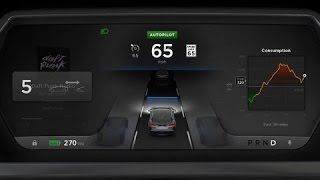 20151:00:33
 201154:18
 201156:07