2015 年 12 月,猎鹰 9 号把 11 颗卫星送进轨道,一级火箭掉头飞回来,垂直落在卡纳维拉尔角的着陆区,落点几乎正中靶心。发射前马斯克被反复问过有多大把握,他的答案一直没变:六成,也许七成。
一家成立 13 年的公司,做出人类历史上第一次轨道级火箭回收,做之前老板心里的胜率是六成。剩下那四成不是客套话,他清楚这件事难在哪里:火箭以每小时 5000 公里的速度飞离发射台,方向还是反的,然后掉头回来,在真空里保住推进剂,穿过高超音速、超音速、亚音速三层气流,最后点一次火,稳稳站到一块不大的水泥地上。
着陆之后电话会立刻开了。马斯克的声音听起来像刚跑完步,语速快到好几次自己笑出来。他说一切看起来完美,卫星准时入轨,一级火箭几乎正中着陆场中心,上面级滑行之后二次点火也验证成功。“我们没法要求一个更好的任务,或者更好的一天。”
一次没有瑕疵的飞行
先把这次任务拆开看。它不只“火箭落回来了”这件事。
猎鹰 9 号当天送上去的是 11 颗 Orbcomm 通信卫星,一颗不少,全部准确进入预定轨道。上面级完成部署后并没有马上结束,而是做了一段滑行,然后在太空中重新点火。这次二次点火是专门安排的技术验证,目的是证明上面级能在长时间滑行之后可靠重启。要把载荷送去更高轨道,或者送去更远的目的地,这一步绕不开。马斯克说这一项也顺利通过了。
真正抢走所有头条的是下面那一截。一级助推器完成任务后分离,掉头,返航,再入,点火,垂直着陆。整套动作一气呵成,落在着陆区正中央附近。马斯克用了“正中靶心”这个词,说话时的语气还带着没散尽的惊讶。
任务的完整程度值得单独强调。很多年前也有过类似尝试,多半是亚轨道试验,或者干脆把火箭砸进海里。这一次不同:它先把 11 颗卫星送到位,再回头把自己完整地带回来。马斯克后来专门点了这一点,说这才是有分量的地方。一枚火箭为了证明自己能回收而空跑一趟,和一枚火箭干完活顺手把自己捡回来,两件事的含金量差着量级。
“我以为它炸了”
电话会上有记者问得挺有意思:你今晚一直被全世界盯着看,压力是什么感觉?
马斯克的回答不太像发布会的标准答案。他说他没怎么来得及看网上的反应,气氛太密集了。然后他讲了一个细节。
火箭返航时,他跑出了发射控制中心,冲到通往发射台那条堤道上,想亲眼看看着陆。他当时的念头很朴素,只希望这次能顺利入轨,那也算个不错的结果。然后他看着助推器掉头回来,点火,落下。
就在火箭触地的同一瞬间,音爆传到了他耳朵里。
声音的速度大约每小时 1000 公里出头,着陆点离他站着的地方大概三四英里,声波要走几秒钟。偏偏这一次,音爆到达的时机和触地的时机几乎完全重合。他第一反应是火箭炸了,心里想的是“完了,又来了”。
“我跑出去,想看一眼着陆。音爆几乎和火箭同时到达我这儿,所以我一开始以为它炸了。后来我跑回控制中心,看到那段画面,火箭还稳稳地站在那里。”(马斯克)
他说完之后自己笑了,说“我还是有点不敢相信”。这句话在整场电话会里出现了不止一次。一个把火箭当日常交通工具来做的人,用这种语气描述自己产品的表现,说明他心里那本概率账还没更新过来。
6000 万美元的火箭,20 万美元的燃料
第一个提问的记者替纽约的同行问了一个所有人都关心的问题:如果真能把复用做出来,发射成本能降多少?
马斯克给了一组非常干净的对照。猎鹰 9 号造一枚大约 6000 万美元,它的体量和复杂度大致像一架大型喷气式客机。而加满一次推进剂要多少钱?大约 20 万美元,其中绝大部分是液氧,剩下是一些气体。
“一枚火箭造价大约 6000 万美元,像一架大飞机。而推进剂的成本只有大约 20 万美元。所以长期来看,成本下降的潜力大概超过 100 倍。”(马斯克)
他自己算得保守。6000 万除以 20 万是 300 倍,他说超过 100 倍。这个数字把复用的维护、检修、翻新成本都预留了进去。
这个类比真正的杀伤力不在数字,在结构。汽车、飞机、轮船、自行车,所有成熟的交通工具,买来都是用很多次的。只有火箭,用一次就整根扔进海里或者烧掉。它之所以贵,很大一部分原因是你每次发射都在重新造一根新的。如果这根火箭能回来,那 6000 万美元里的大部分就不再是消耗品,而是固定资产。
这也解释了为什么回收这件事在商业上比在技术上更让人兴奋。技术上是“人类第一次”,商业上是“成本结构换了一套算法”。前者的意义写在史书里,后者的意义写在报价单上,而报价单会决定谁能上天。
只把发动机捡回来,不算数
电话会上有人追问了一句:你们说的复飞,是只复飞梅林发动机,还是整根一级火箭?
马斯克的回答很干脆:必须是整根火箭。他打了个比方,假如一家公司造的飞机能飞很多次,另一家公司造的飞机只能飞一次,那差距是数量级的。但如果大部分飞机都是一次性的,只有发动机留下来重复用,机身扔掉,那就不算真正的复用。
这个区分很重要。航天史上不是没人试过回收零件,问题是回收的部件占比太小,省下来的钱抵不过回收本身的成本,账算不过来。马斯克的意思是,只有把一级火箭整体捡回来、整体再飞一次,经济性才成立。否则还是“造一次性飞机,只是把发动机拆下来留着”,听着像进步,其实还是原地。
他顺带说了 SpaceX 现在的产能:猎鹰 9 号正以每三周一枚的速度在造。这个数字放在复用的语境里就很有意思。造得越快,能回收的助推器就积得越多,很快会出现一个“助推器舰队”。这个说法在 2015 年听起来还有点科幻,但他说的时候语气很平常,像在讲一件已经排进生产计划的事。
这枚助推器不飞了,它要去 39A 当展品
有记者问,这枚刚落地的助推器接下来怎么处理,还会再飞一次吗?
答案有点出人意料:这枚大概率不会再飞了。
计划是这样的。先把助推器运到 39A 发射场,也就是阿波罗 11 号升空的那个工位,SpaceX 从 NASA 手里租了下来。在那里做一次静态点火,让发动机全推力工作一遍,确认所有系统完好,确认它有再次飞行的能力。
“我们大概会把这枚留在地面上,因为它很特别,它是第一枚回来的。我们会通过测试确认它能再飞,然后把它放到某个地方,就挺好看的。真正的复飞,大概会用后面某一枚助推器。”(马斯克)
这个决定很务实。第一枚回收的助推器作为工程样机,价值不在于再飞一次,而在于被反复拆解、检测、分析。它身上每一处受过的力和热,都是后续复用设计的原始数据。放到展台上之前,它先得被工程师们从头到脚审一遍。
至于真正复飞的时间表,他给得比较模糊:SpaceX 明年的飞行计划有十几次,目标是明年之内让某一枚回收的助推器再飞一次。注意他用的是“某一枚”,不是“这一枚”。这个措辞本身就说明他心里很清楚,第一枚的归宿是当标本,不是当主力。
复飞难不难?发动机已经点过十几次了
有记者直接问:把一枚用过的火箭重新飞一次,技术上有多难?
马斯克的回答比大多数人预想的轻松。他说一级火箭在地面上已经做过很多次全时长点火测试。这一枚尤其特殊,它在太空中经历了多次发动机重启,然后又完成返航点火和着陆点火。在发动机验收测试阶段,每台发动机点火次数大概在 10 到 15 次之间。再做一轮同样的测试,没有看到任何性能退化。
他还提到一个更长远的目标:让两次飞行之间的维护工作尽可能少,理想状态下除了加注推进剂,几乎不需要做别的。他自己也说得很清楚,这需要几年时间去一点点磨,不可能一步到位。但他给了一个方向性的判断:随着时间推移,复用成功率会超过 99%,无限接近 100%。
这种表述在 2015 年听起来非常激进。十年后回头看,可回收火箭的复用次数已经变成常规操作,但在当时,一枚轨道级助推器能完整落地本身就是新闻。他敢在会上说“99%”,依据是发动机在地面已经反复点火而没有性能衰减,这个依据在当时确实成立。
这次为什么算革命性事件
有记者请他把这件事放进历史坐标里评价一下。
马斯克的回答没有太多修辞,信息密度很高。
“我认为这相当重要。很难说它会被摆在历史的哪个位置,但我确实认为它是个革命性的时刻。从来没有人把一枚轨道级助推器完好无损地带回来。而且这是一次有用的任务,它把 11 颗卫星送上了轨道,然后回来着陆。这也许才是真正有意义的地方。”(马斯克)
他接着给了一个能量层面的参照。这一级火箭能把 125 吨的质量加速到每小时 5000 英里以上,这个过程中转移的能量极其可观。跟以往任何飞过的火箭相比,这是技术上的根本性跃迁。
然后他用了那个后来被反复引用的比喻:这就好比别的飞机都只能用一次,而你有一架可以反复飞的飞机。
他还提到了 SpaceX 这 13 年的历史。之前他们已经两次让火箭在海上软着陆,那两次都是高能量任务,速度大约每小时 7500 公里,能量转移超过 300 吉焦,再入高度在 200 公里量级。但那两次只发了一个简短的说明,没怎么声张。这一次不一样,这一次他们确实大张旗鼓了,因为这一次火箭站在了地上。
这个对比值得留意。同样是软着陆,落在海上和落在陆地上,对外界的分量完全不同。海上那两次,公众看不到画面,也很难理解其中的难度。陆地上这一次,火箭就站在那儿,谁都能拍一张照片。传播上的差别,有时候比技术上的差别更能决定一件事在公众记忆里的位置。
火星账本:100% 和 1% 的差别
电话会上有一段话,讲的是复用到底为了什么。马斯克没有绕弯子。
“这需要未来有足够的预算。我认为这是通向那个目标的关键一步。那个目标真的承担不起不复用的代价。成本是 100% 还是不到 1%,这中间是天壤之别。这就是我信心的来源。”(马斯克)
他说的“那个目标”,是火星。
这段逻辑值得展开。去火星不是发射一次的事,是要把上百吨的设备、燃料、补给送上轨道,再组装、再出发。如果每一吨载荷都要配一根全新的火箭,成本会高到任何国家、任何公司都负担不起。反过来,如果火箭能反复使用,成本降到原来的百分之几,同样一笔钱能送上去的载荷就是几十倍。
换句话说,复用不是为了省发射费,复用是让火星从“不可能”变成“很难”的那道门槛。
这段也是他在整场电话会里唯一一次语速慢下来的地方。前面讲技术细节的时候他很快,讲成本账的时候他甚至有点啰嗦,把“天壤之别”说了不止一遍。一个人在什么话题上会重复,往往说明那个话题在他心里占的分量。
猎鹰重型:三枚助推器的空中芭蕾
最后一个问题关于猎鹰重型。
马斯克的解释很形象。猎鹰重型本质上是一枚猎鹰 9 号,两侧各绑一个改装过的一级火箭作为助推器。真到发射的时候,会是一场相当精彩的空中芭蕾:两个侧助推器分离,对称地飞回发射场着陆;中间那个芯级也需要一个着陆点。
“两个侧助推器分离之后对称地飞回来,我们还需要另一个着陆台,第三个着陆台留给中心芯级。不过猎鹰重型的大多数任务,中心芯级大概率会落在海上平台上,因为它的能量实在太离谱了,是猎鹰 9 号最大能量转移的两倍,已经逼近极限了。”(马斯克)
这段话透露的信息比表面多。三枚助推器同时回收,意味着着陆区要能同时容纳两个落点,还要处理三枚火箭的返航时序。而中心芯级因为飞得更快、更远,返航所需的推进剂余量更紧张,落在海上平台成了更现实的选择。
从一枚助推器着陆,到三枚助推器协同回收,走的是同一条技术路线。2015 年这个晚上完成的,是这条路线的第一步。第一步的意义往往不在它本身有多完美,而在于它把后面所有步骤从假设变成了可以规划的事。
这一晚真正被验证的东西
把整场电话会的信息拢一拢,会发现兴奋的落点其实不在“火箭站住了”这个画面。
画面好看,但它只有一次。真正被验证的是一串条件同时成立:火箭能在高速分离后掉头返航,推进剂能在真空和过载中保持在该在的位置,栅格翼能扛住从高超音速一路降到亚音速的气动载荷,发动机能在极短窗口里完成最后一次点火,落点精度能控制在几米量级。任何一个环节掉链子,画面都不会出现。
马斯克在描述这套动作时用了“极其复杂”,还说返航点火那一段“挺吓人的”。一个把火箭当日常交通工具来做的人,用“吓人”来形容,说明他清楚里面剩的余量有多薄。
所以这一晚之后,很多事情的性质变了。复用从“理论上可行”变成“工程上已经发生过一次”,接下来要解决的只剩重复次数、维护成本和周转时间。工程问题一旦从 0 变成 1,剩下的就只是时间和钱的问题。而时间和钱,恰恰是最容易被规划的两样东西。
电话会结束的时候,马斯克说了句很轻的话:谢谢大家,有后续问题发邮件到媒体的邮箱,晚安。语气像个刚干完一件大事、还没缓过劲来的工程师,不像在开一场改变行业格局的发布会。这种轻描淡写,有时候比任何豪言壮语都更让人印象深刻。
- 看这类技术发布会,重点抓“条件同时成立”的部分,别只看最上镜的那个画面。画面是结果,条件才是能力。
- 遇到成本类论断,自己动手算一遍。马斯克说降本超过 100 倍,按 6000 万和 20 万算出来是 300 倍,他的说法留了维护余量。这种保守反而是可信度的信号。
- 判断一条技术路线能不能成,看它有没有“从 0 到 1”的那一次实证。2015 年这次着陆就是那个 1,之后所有的复用数字都从它开始做乘法。
- 读创业者自己给出的成功概率,比读他们的宣传语有用得多。六成这个数字,比任何“我们一定会成功”都更能说明他对技术难度的真实判断。
- 如果你在做长期项目,留意马斯克那句“需要几年时间去磨”。真正的护城河往往不在第一次成功,而在第一次成功之后把成功率从六成磨到九成九的那几年。
0:00But if there are any questions that were covered in the live webcast, I'm happy to answer them. everything we've seen thus far is the mission appears to be perfect. the satellites were deployed right on target. and the Falcon 9 booster came back and landed. It looks like almost dead center in the on the landing pad and and then the upper stage did a sec to the coast and then restarted to prove out the coast restart. So it looks like as far as we can see right now it it was it was absolutely
0:49perfect. So yeah, we could not have asked for a better mission or a better day. this is really amazing for SpaceX. I think and actually it means a lot for I think for the future of So yeah, I'm happy to jump into questions. Ladies and gentlemen, if you would like to ask a question, please press star and the number one on your telephone keypad and we'll pause for a moment to compile the Q&A roster.
1:26Okay, our first question comes from the line of Bill Harwood. Thank you, Mr. Russ. One question I've been asked by anchors in New York is if you can perfect this technology to the point where you can begin actually reusing boosters. Can you give us even a sense realizing no exact numbers are available, just a sense of what that might mean for lowering launch costs?
1:45Thanks. Yeah, absolutely. so the Falcon 9 rocket costs about $60 million to build. it's kind of like a like a big jet. okay. And, the cost of the propound, which is mostly oxygen, and and the gases is only about $200,000. So you know that that means that you know the the potential cost reduction over the long term is probably in excess of a factor of 100.
2:30Thank you. And your next question comes from the line of Chris Davenport. Hey, thanks so much for taking the time to do this and congratulations. I want to ask, how confident were you leading up to the launch today that you'd be able to pull off the landing? Thanks. I my personal
2:56probably a lot of people asked me before the flight. and I I thought we had probably about a 60% chance of success. Maybe maybe 70%. there just so many things that have to go right and and it's an incredibly complex set of maneuvers that the the booster has to make. you because it's it's sort of flying away from the pad at 5,000 in this case 5,000 km an hour.
3:25in in what in the upcoming flights it'll be going 8 or 9,000 km an hour or or or you know roughly 5,000 mph in the wrong direction. So it has to deploy the the upper stage do a U-turn contain the propellant without the centrifuging but the reason has to be done with boosters because it's evac with with and two thrusters because it's in vacuum quite rapidly and then then restock to boost back in this case the arc to Cape Canaveral which was quite quite a scary maneuver and then deployed the hypersonic ribbon to maneuver from hypersonic through supersonic subsonic and then finally to fight the engine to landing. there was there was actually it was
4:19the the I ran out on the causeway to just sort of watch the landing. and the the sonic boom reached me about the same time as the the rocket touched down. So I actually thought at first that it had exploded. but it turned out to be just that the sonic boom almost exactly coincided with the touchdown point so that the sound reached me several seconds later.
4:48so at first I thought, well, you know, weeks we got closed, but but then then I I I went back into launch control and and there was this amazing video of the rocket still standing there on the on launch pad or landing, I should say. So, yeah, I can't I can't quite believe it. And your next question comes from the line of report. If you can just identify what outlet you're you're from, I'd be ready.
5:25Hi, this is Stephen Clark from Space Flight. Now, can you hear me? Yep. Yeah. I was just wondering, Elon, thanks for doing the call. I was just wondering what your plan is for this particular booster over the coming days and weeks, and do you intend to fly it again? Thanks. Yes. So the the plan is to take take the booster over to
5:53complex 39A is the you know the Apollo 11 launch site that we that we releasing from NASA here at the cave. and and do a static fire on the launch pad there. so confirm that all systems are good and that we're able to do a full thrust firing of the of the rocket. and then I I think we'll probably keep this one on the ground just because it's it's you know kind of unique. It's the first one that we brought back. So, I think we'll probably keep this one in the ground and just confirm through test that it could fly again. and then
6:47then put it somewhere to just quite neat. So, I think I think we'll end up reflying one of the subsequent boosters. We have quite quite a big flight manifest. and we should be doing well over a dozen flights next year. But I I think probably before you know sometime next year we would aim to reapply one of the the rock boosters.
7:21And your next question comes from the line of JC. Hi. Thanks. Congratulations. can can you tell put this event in historical context where you think it it ran? I think this is quite significant. it's difficult to say exactly where it would land, but I I I do think it's it's it's a revolutionary moment.
7:58no one has ever brought a booster, you know, an oral class booster back in intact. And you know this is this is this is something that was actually it was a useful mission. It delivered 11 satellites to orbit and then came back and landed. I think that's perhaps the thing that's really significant that we did we achieved recovery of the of the rocket in a mission that actually deployed 11 satellites.
8:42I this is a fundamental step change in technology compared to any other rockets that has ever flown. yeah, I mean if if you read the blog post that I wrote it quite hastily just before the launch while while we're going through the countdown that that I think would give some some good context.
9:16this is a first stage capable of of basically hauling 125 tons at over 5,000 mph which is an incredible amount of energy to transfer to a payload. So yeah I mean yeah this is this is this is really a world of difference compared to to other rockets. I mean it would be like having an aircraft that can be used many times when all the other aircraft you want to be used once.
10:06How confident are Could you touch on the how challenging you think it will be to get a a reflight accomplished straightforward actually because we we've we've done multiple full duration firing of the boost stage on the ground. we fired this stage I mean, including all of the the the
10:40engine restarts that had to occur while it was in space and then coming back for landing. I I think we must have and during the the engine accepted testing, I think we've effectively started the engines now. depending on which engine it is between 10 maybe 10 to 15 times. So you
11:05know doing another batch like that would not be a problem. We see we see no degradation. Forgive me for jumping in again but are you talking about refflying the Merlin as well or just the stage? Okay. Yeah. So I think it's very important to refy the whole the whole rocket you know I I like I think the sort of aircraft or really any other mode of transport analogy is appropriate here. you can imagine like if a company is making aircraft that could be flown many times and and or another company was making aircraft that could be flown once or even if if like if most
11:51of the aircraft could be flown many times were single use if someone kept the engines but threw away the airframe that that really wouldn't count. And again, if you would like to ask a question, please press star, then the number one on your telephone ke. And your next question comes from the line of Scott Powers.
12:26You're right. Congratulations. First of all, while while the landing was certainly remarkable for everybody and you're excited for that, the launch itself must have also brought some emotions to you saying what happened last time. can you describe what we're going through as it went out and at what point you thought you're back in
12:49business after I ran outside the control center the causeway towards the ascent and I was just wishing for all the things that it would be just orbit. And I think that would have been a good take that and then yeah I was going to be in touch with the the crew and launch control and and give me on the on the flight. and then I I watched the booster come back in, light it engine, and and landed.
13:38Really felt like it was it was almost right on top of us, even though it was maybe 3 or 4 miles away. And I mean, as I mentioned earlier, the the sonic boom sound, you know, the sound only travels about 1,000 kilometers an hour. this the sonic boom reached me just at the right touch down. So I thought it had exploded but and then and then I I went from know that that was
14:17okay. That's pretty much what happened. Thank you very much. I think our next question comes from the line of caseing. Keith telling NASA.com. Hey Eli, I just want to let you know I've seen a spaceship being Falcon take off and land twice today. Once in the movie theater, once on my screen, so thanks for that.
14:39one thing I could still earlier question, how do you expand upon having a rocket like you said that you can reuse? At some point, what do you what do you advertise the number of flights at some point? Do you have an engine that sort of just worth the cost of launching at cost for somebody? Have to really plan that out yet or you just wait to see how many of these you actually get back?
15:01Well, I mean I I think that we're going to get quite a few rockets back. So, I imagine we're going to have a whole fleet of booster rockets accumulating quite rapidly because we're building them right now at one every 3 weeks. So that it's really going to be but even if the unit test rate is only 18 23 and
15:26I think over time will be you know more than 99% it's going to be very close to you know 100% I think over time and and then we'll figure out how to make the reuse as as easy as possible so that really no work is required between reuse apart from the prop. Yeah. So, I I think we'll have to it'll it'll take us a few years to to iron all that out and make sure it all works well.
16:05that I I need budget farewell for the future and and I think this is a critical step along the way toward being able to establish vital that goal here. It's really fundamental. This is not what it would it would cost would really be unaffordable. There would be a difference between something costing less than 1% costing 100%. It's all the difference in the
16:57world. I think it's really quite produce my confidence. That's what that's all about. [Music] And your next question comes from the line of Eric Burger. Hello. Congratulations, Elon. I wonder if you could talk a little bit about what you were thinking tonight. you know, you didn't do this in the desert kind of in the, you know, with no one watching. You had the world watching as you started landing. And I'm just kind of wondering the kind of pressure you felt like before it came down and and then what it felt like as you saw and saw the reaction of people online and at your company headquarters. So I haven't had much chance to look at things
17:56online very close atmosphere to join and it's been 13 years SpaceX started and you know many many plus calls obviously we had you know some good results but with history. There and we did pretty much make a big deal of it. we did stop land the rocket in the water twice. and those were very high velocity missions. 71.1K exceeding the 300 GIC
18:51energy transfer and has an altitude of about 200 kilometers. so we did do that twice doing a short press release on on YouTube a good deal of it. and and so I really think I mean obviously speaking really fast. Okay, this is going to be the last question. Great question. Oh yes, we'll do one more please. Real quick. get your next question comes from the line of Ter.
19:42Hello, Elon. Thank you so much for for doing this. my main question has to do with with the next booster now, the Falcon heavy. I'm just wondering how much of this successful landing can be applied now or scaled up to that that heavy rocket and u and what's your confidence boost your confidence for for that larger booster too? Thank you.
20:07Yeah, absolutely. So, the Falcon Heavy essentially consists of Falcon 9 with two modified stages attached to a strap- on basement. So if it would be that would be quite quite an exciting aerial ballet with the you know two side boosters dropping off and doing it symmetric back to the launch site we need to have another landing spous and then a third one for the center. although I think most of the Falcon 9 or Falcon heavy emissions
20:51will see the center core land on the ship most likely because it's really going ridiculously the the transfer energy double that of night. so the poly maximum transfer energy approaching a territory. Okay. Thank you. I'll see you. Thanks everyone. Great. Thanks everyone. hit us up at mediaex.com if you have any followup. Have a good night.
资源与出处
- 视频在 YouTube 收看
- 档案silicon-valley.tech 档案页本页视频与文稿数据来自 Elon Musk Archive
- 精读本篇精读 Markdown 版
相关视频
同频道、同主题或相邻年份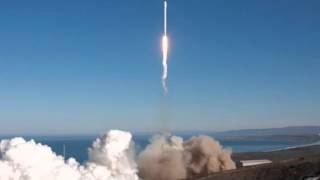 201330:53
 20151:00:33
 20151:12:57