2005年6月,国际空间发展会议(ISDC)的周五午餐会上,马斯克在问答环节说了一句话。
“我们尽量不告诉太空行业以外的人,这东西是给火箭做的。因为他们会以为火箭是魔法做的。”
底下笑成一片。这句玩笑背后有个挺现实的处境。一家做阀门的普通工厂接到询价,听说零件要上天,很多人的第一反应是“我恐怕没这个水平做火箭上的东西”,报价的事反倒往后放了。行业标签本身就在加价。
那天马斯克三十四岁。SpaceX成立满三年,猎鹰一号还停在范登堡的发射台上,等第二天做一次热试车。一次成功发射都没有。
他上台前,会场刚颁完一个奖。赞助人叫山姆·丁金,自掏一千美元,奖励2004年发表的最能推动载人航天报道的文章。获奖的是《圣路易斯邮报》的记者艾利·肯蒂什,为写X Prize做了五十次采访。颁奖词里有句话说得挺重:记者决定了第一次私人航天器致命事故里,死者会被写成殉道的英雄,还是被忽悠的受害者。
这话在2005年不算夸张。私人航天还没证明过自己,一次事故足以决定整个行业在公众眼里的样子。马斯克站上讲台时,手里连一次成功发射都还没有。
三万块的燃料,六百五十万的发射
他开场就说,这屋子比平时好讲。平时得先花时间解释为什么太空值得做,这里不需要。
所以直接讲钱。
猎鹰一号加满推进剂要多少钱?三万美元左右。整次发射卖多少钱?六百五十万美元。
三万美元对六百五十万美元,这个比例就能说明问题。航空公司的账本里,燃油常年是最大的一块支出,占比三四成很正常。火箭完全反过来,推进剂在总成本里小到马斯克自己都说,那是个“会计错误”。
换句话说,火箭的贵,主要不贵在烧掉的东西上。
2002年初,公司还没正式注册,他先把一群工程师凑到一起,利用几个周六的时间坐下来算账。这批人参与过美国大多数主力火箭的研制,也了解俄罗斯人的做法。当时还在做咨询的迈克尔·格里芬(Michael Griffin)也在小组里,后来成了NASA局长,马斯克在演讲里特意提了一句,说自己很高兴。
小组要回答的问题很朴素:化学火箭贵成这个样子,是不是有什么物理上绕不过去的坎?
结论是没有。没有什么根本性的东西阻止化学火箭变得比现在便宜得多。剩下的贵,来自几十年积累下来的做事方式。
这个判断是整个SpaceX的地基。如果贵的根源是物理定律,那再多的商业模式创新也没用。如果贵的根源是流程,那流程就可以被重写。
西南航空不是个比喻
马斯克给SpaceX找的参照系是西南航空。
西南航空进场的时候,机票普遍很贵,它开出的票价常常只有联合航空或者达美航空的百分之十五到二十。当时的反应很统一:不可能,这么便宜一定是牺牲了可靠性,或者账算错了,撑不了多久。
结果西南航空成了这个行业里最赚钱的公司,市值比所有竞争对手加起来还大,准点率不差,安全记录也不差。它做的事情是把整套运营逻辑重新想了一遍,票价只是结果。
这里要小心一个理解偏差。西南航空能改的只有服务流程,飞机还是那架波音737。马斯克认为自己手里的牌更好,SpaceX能改的是技术本身。
他给这件事定了一个可以量化的目标:把入轨成本压到每磅500美元以下,时间点是这个十年结束之前。
为什么非要一个数字?他的说法很直白:你不能测量,就很难判断自己是不是在进步。
这句话听起来像管理鸡汤,但放在航天这个行业里相当扎人。太空发射的成本几十年没有实质下降,部分原因就是没人被要求用一个数字交代自己到底改善了什么。
信号是工程,噪音是管理
SpaceX的内部结构是照着硅谷科技公司搭的,因为马斯克前两家公司就是这么搭的,而且都成了。他说希望第三次也一样。
具体长什么样:层级很平,工位挤得很密,工程团队规模不大,但都是各自领域里顶尖的人。
他给这套结构起了个名字,叫高信噪比。
信号是工程,噪音是管理。
说完顺手补了一刀:很多大型航空航天公司的信噪比很差。
台下坐着不少这个行业的人,这话没引来嘘声,反而有人笑。因为大家心里清楚,一枚火箭的研制周期里,有多少时间花在了流程、评审、协调和汇报上。
同时推动可靠性和成本下降的,是简化。能找到更简单更省事的做法,就用那个做法。新技术还是老技术不重要,能把活干完就行。他在幻灯片里写得很直接,简化就是SpaceX的信条。
三年,从一张白纸到发射台
总部在埃尔塞贡多(El Segundo),洛杉矶国际机场往南一英里,七万五千平方英尺的工程和制造空间。火箭就在洛杉矶造,马斯克自己都说听起来有点怪。推进和结构测试放在德州,一块三百英亩的试车场。
公司下个月满三岁。这三年里,团队从一张白纸开始,把整枚火箭设计完,两级、整流罩、两台新发动机,其中一台带涡轮泵,全部从设计走到制造走到测试。
默林(Merlin)发动机是美国过去二十五年里第二款新研制的入轨助推发动机。上一款是波音的德尔塔发动机,再往前是航天飞机主发动机。
二十五年只出两款发动机,这个数字本身就说明了行业的节奏。新玩家进场,第一款产品就是国家级工程级别的难度。
已经签下的发射合同:美国国防部两单,马来西亚太空局一单,美国商业客户一单,客户是毕格罗宇航(Bigelow Aerospace),要发的是空间站的缩比模型。另外还有一份一亿美元的空军不定期交付合同,马斯克希望这份合同能被用足,预计从明年起每年一到两次发射。
演讲里放了三张对比照片。刚搬进来时的厂房,一年后地板上正在组装原型,再往后飞行器已经站在发射台上。
三张照片摆在一起,说服力比任何一页PPT都强。
卡车,不是法拉利
讲到技术,马斯克先讲定位。
猎鹰一号的近地轨道运力是一千五百磅左右。这个数字是倒推出来的,做法上先问够不够用,再谈最优。
他优化的是单次发射成本,没在单位质量成本上做文章。问题是:能造出的最小、又有实际用处的运载火箭是什么?答案是至少一千磅到近地轨道才够用,最后做出来一千五百磅。
整次发射成本650万美元,两级都用液氧煤油。
一级发动机叫默林,海平面推力七万五千磅左右。性能不算突出,马斯克说得很清楚,他们没打算追求最高的性能指标。
目标是造一辆可靠的卡车,不是法拉利。(马斯克)
所以没有去做分级燃烧、超高比冲的那种发动机。入轨需要的性能是“够好”,不需要把边界推到极限。二级发动机也用煤油,架构和一级差不多,少了涡轮泵,是台低压发动机。
把发动机做成卡车,代价是运力效率低一点,换来的是设计简单、零件少、出问题的环节少。这个交换在航空业被验证过无数次,在航天业却被长期忽视,因为大部分项目的第一优先级是性能指标,可靠性和成本排在后面。
可复用这件事,猎鹰一号从设计就做了。一级靠降落伞落进海里回收,但定价里完全没算回收带来的折扣。先把一次性发射的账算清楚,回收成功当作额外收益,这种算法保守,也让人挑不出毛病。
马斯克对回收有信心,前提是降落伞打开。理由很朴素:火箭在试车台上被高压水柱浇,在德州试车场经历过雨夹雪,经历过三十五英里时速的侧风把雨点横着吹过来。如果它能扛住这些,海水应该伤不了它,捡回来稍微翻新一下就能再飞。
他还提到烧蚀部分的成本,比发动机上一个主阀门还便宜,比雇拖船出海把它捞回来还便宜。这个细节说明了一件事:真正烧钱的地方不在材料本身。
掉一台发动机也能入轨
过去一年多,开发重心转到了猎鹰五号。
这是中型运载,运力在德尔塔二号重型的级别,接近完成。猎鹰五号从设计上就考虑了载人。
核心设计是多发动机冗余。任何一台主发动机失效,都还能入轨。
马斯克用客机打比方:几乎所有客机都是多发动机,掉一台不会掉下来。喷气涡轮发动机比火箭发动机可靠得多,这个原则在喷气机上成立,在火箭上就更应该成立。他把论证的起点放在航空业的常识上,然后问一句:为什么这里不这么干。
整流罩能做到五米,能装的东西不小。
关于发射时间,他讲得很细。试车原本排在5月3日,那天点火器的一个传感器坏了,错过窗口,接着又得给德尔塔二号让路。新时间定在演讲次日,太平洋时间下午一点左右,做完整的发射模拟,地面点火五秒钟。他补了一句,如果你人在现场,五秒钟是很长的一段时间。
真正的发射要等范登堡的泰坦四号先走。泰坦四号当时计划七月中发射,但它自己带的载荷是保密的,外面看不到细节,时间只能算个大概。马斯克的推算很实在:假设七月中走,靶场会在两到三周内安排发射日,那么八月是个不错的赌注。
另一手准备在夸贾林环礁。SpaceX在那里有一个自己的小岛,叫奥梅莱克(Omelek),混凝土下周浇完,八月底就能用。如果泰坦四号拖得厉害,就直接去夸贾林。到时候可能两枚火箭同时在发射台上,一枚在范登堡,一枚在夸贾林。
一家三岁的公司同时准备两个发射场,这种节奏在那个年代的航天业几乎没见过。
火箭是魔法做的
问答环节最有意思的一段,是供应商。
有人问,SpaceX去找那些不在航天行业里的供应商,对方什么反应。
马斯克的回答就是开头那句:不告诉他们这是给火箭做的。如果说了,对方的第一反应是“我恐怕没这个水平做火箭上的东西吧”。
他也承认,航天供应商里确实有做得好的,比如做阀门的Marotta、做旋压件的Spincraft。但他总结了一条原则:
想要便宜、快速、大概率能用,找普通商业供应商。想要昂贵、漫长、也许能用,找航空航天供应商。(马斯克)
这条原则背后是他对整条供应链的判断。航空航天供应链的质量太差,任何一大块工作分包出去,价钱立刻失控。所以SpaceX选择垂直整合,金属自己切削、自己焊接,一路做到整箭。
垂直整合在商业教科书里通常是被批评的模式。它意味着资产重、管理复杂、弹性差。但在一个供应链本身有问题的行业里,自己干的成本可能比买还低。这套选择由环境逼出来,跟理念无关。
我们不想当求人的那一方
有人问,未来会不会用NASA的风洞和试车台。
马斯克的回答很硬。有可能,尤其是做大推力推进的时候。但有一条原则:
我们不想当求人借设施的那一方。要用NASA的设施,NASA就得把我们当客户对待。如果还得解释为什么想用,那就不用。(马斯克)
再加上用NASA设施要走大量文书流程,影响执行速度,所以常规选择是自己建。真正独一无二、只有那一台能测的设施,才值得去谈。
这段话在2005年说出来,分量和十年后不一样。当时的SpaceX还没有一次成功发射,说这话凭的是姿态,战绩还谈不上。台下有人问他靶场对成本的影响,他给出的是所有监管相关加起来最多占四分之一,占开发和发射总成本的20%到25%。
四分之一不算小,但也不是决定性的。真正决定性的还是那三万块燃料和六百五十万发射价之间的差距。
火星一吨,载人还差得远
有人问猎鹰五号能往火星送多少。
马斯克的回答是,看轨道,C3等于零的情况下大概一千二百公斤,一吨出头。大致相当于德尔塔二号重型的水平,火星探测车就是那个级别的运力送上去的。够做机器人任务,送人远远不够。他顺口开了个玩笑,说送人得用大得多的家伙,除非那人已经不在人世了。
下一个型号会是德尔塔四号的级别,可以用共助推核心的思路把整个一次性运载火箭的能力范围覆盖掉,最多六万磅入轨,也许再往上一点。
今年晚些时候会宣布一件不小的事,能力比现在公开的强得多。但他想等猎鹰一号先飞了再说。原因他也讲了:先做出点东西来,再声称要做什么。
他把这套产品思路叫7-Eleven战略:小的、中的、大的、超大的。
猎鹰一号是小的,猎鹰五号是中的,后面还有大的和超大的。一家成立三年的公司,在产品路线上已经画到了覆盖整个运载能力区间。
猎鹰五号的报价也报了:一千五百八十万美元,加上大约一百万的靶场费用,全下来一千七百万左右,运力一万三千磅出头,比德尔塔二号重型稍强。
载人方面,猎鹰五号签的时候就是按NASA的载人标准来的,安全余量大部分情况下还超过标准。过载最大不超过五个G。
这场演讲里,马斯克没有讲火星殖民的时间表,没有讲星舰,没有讲可回收火箭的垂直着陆。他讲的是三万块的燃料、六百五十万的发射价、每磅五百美元的目标、一条糟糕的供应链、一台叫默林的发动机、一个叫奥梅莱克的小岛。
这些东西拼起来,才撑得住后来那些听起来很大的话。
- 先做一道除法:把你所在行业的成本结构拆开,算清楚每一块的占比。火箭的燃料只占发射价的千分之五,说明真正贵的往往不在大家以为的那块。算完再决定改什么。
- 找一个成熟行业的样板,把整套逻辑搬过来重想,别在原流程上打补丁。西南航空改的是运营方式,票价只是结果。
- 给自己定一个可量化的目标数字,写下来,定期对照。不能测量的进步,多半是感觉。
- 外包之前先算总账。供应链每转一手都会加价,在一个本身效率不高的行业里,自己做可能比买便宜。
- 别追求性能极限,先追求够好且可靠。卡车能到的地方法拉利不一定能到,但卡车更可能准时到。
- 对外宣布之前,先做出东西。可信度靠交付攒,发布会攒不出来。
- 采购普通零件时,别让“这是给火箭用的”这句话出现在询价单上。行业标签会让报价凭空涨一截。
0:13this is now the the third great meal we've had i want to thank the staff here at the sheridan national these just been great meals we've been having here with them several years ago i held i i chaired a couple of other conferences for another association with this this hotel and so when they they came up as the the winner of the sweepstakes to have this conference i was i was actually pleasantly surprised to see them come at the top of this list that knew that we would have we would have good meals here they just they just never cease to amaze me what they're able to produce and just the vista here i mean looking out i know that we've had the rain
0:59had the clouds last night hopefully these clouds will go away so that when we come back for dinner tonight or for lunch on saturday and sunday you'll be able to see the washington view that you just will not get any other location in the washington area it's just amazing the view that you get from this from this room here we want to go ahead into our our program here for lunch because we just have another outstanding speaker it just never stops the speakers that we have on our program here this weekend first of all though we have an individual who's who's coming here today to make a presentation of an award so at this time i'd like to call upon introduce to you an individual
1:46dr sam dinkin is the chief economist of optimal auctions a weekly communist at the space review and a space investor he was there at the start of the b2b internet explosion at ge in 1995. he's conducted research at gerne r d and at ibm research at lecg assisting qualcomm with bid strategy and rollout plans he had 100 patents approved for in one year at ibm research including a patent for all externally adjustable implants he gained his spectrum auction clients 200 million dollars
2:26he has claimed he has saved his electricity auction clients 2.3 billion dollars he is here to present the space journalism prize he sponsored which he can tell you all about [Applause] the space journalism prize is a one thousand dollar prize to the author with the best article promoting sp human space faring that appeared in print or on the web during 2004 and i'll do another one next year and on after that the criteria for the prize were impact originality quality of writing and research the entries were difficult for us to judge because they all had excellent quality of writing where all the entries could use a little work is impact in order to become a
3:23space-faring race people need to be taught what to hope for the space journalism prize and the space journalism association are about focusing on that duty of the race with that duty comes tremendous power the space journalists are the main influencers on public opinion about space the people are the bosses of congress and the president so journalists influence whether the space budget is 16 billion or 32 billion dollars space journalists influence whether companies succeed in their fundraising space journalists will help determine how the public proceeds perceives the first fatal crash of a private space vehicle will the dead be canonized as martyred
4:05heroes or duped victims space journalists have the power to set the human species on the road to becoming eternal next year the space journalism prize will be happy to accept sponsorship we will also be recruiting celebrity judges and including this year's winner the winner this year wrote an amazing series for the st louis post dispatch that included 50 interviews dramatic writing and dense coverage of the epic story of the x prize the prize was a wonderful way to spark the human imagination the story captured the courage hope and tenacity of the sponsors and the winners eli kentish
4:56well i'd just like to say that when i was when i discussed this story with my editors in st louis they said oh no not the x prize not again guys wearing you know aluminum foil under their clothing and i found that it's not all guys wearing aluminum foil under their cone although there may be some of them here but actually i was not interested in space at all and i have to say talking to many of you actually in writing the story and working with you i really developed a true appreciation for people who are out there doing as opposed to just saying something about it so elon and pete diamandis and obviously bert rutan deserve the major credit but really all of you
5:48trying to make your dreams happen are a real inspiration for me and i hope to write about people like you for the rest of my career thanks [Music] so i just wanted to say thank you to clark lindsay and jeff baus for being the two judges on the prize in addition to me and thanks to george whitesides for letting me present thanks thank you all
6:23okay into the main part of our program to introduce our guest speaker for today i'd like to present to you one of the leaders of booz allen hamilton's aerospace and defense practice and a director of the national space society and a good friend eric fisher thanks bob good afternoon i'd like to add my personal welcome to everybody here in this room and not in this room was attending attending the isdc this year this is really an encouraging turnout and a wonderful turnout and i'm pleased and and hope you have all been enjoying the sessions to date and hope you i wish you a good next two or three days as well i'm sure they'll be tremendously exciting i have to admit
7:18that i feel a little extraneous introducing the speaker for lunch today because there can't be a person in this room who perhaps doesn't have a shrine to him or to him at his or her house these days elon musk and it's it is my my honor and and pleasure to introduce our speaker today elon musk has insight and drive and experience that way outstrip his years after university of pennsylvania and wharton he went on to found what really probably were two of the most interesting and critical and successful internet and enterprise software related businesses that were ever founded paypal and zip2 he both founded them as well as random once he got tired with that he sold them off and
8:12turned his attention to space where he'd always had a strong interest and certainly in the last short few years elon has become if not the main symbol than one of the main symbols but in my mind probably the main symbol galvanizing and driving force for the entrepreneurial space industry so without further ado since you all know of him well i'd like to invite and welcome elon musk
8:47wow that was really kind all right so what i thought i'd do is is kind of look through a presentation on spacex some of you are probably aware of the details of what we're doing and some are probably less familiar so i'll go through it fairly quickly and then try to leave as much time as possible for any questions and you're welcome to ask me you know anything about the rocket or the business i think i can probably answer just about everything maybe a few confidential items okay first time so basically spacex i started spacex because it seemed to me that we weren't making the kind of progress we really needed to make in the cost of access to space
9:39and if we don't make cost i mean sort of this is i'm preaching to converted here normally the room is not quite as converted as this room is but so i'm telling you things you already know but you know as long as it costs us hundreds of millions of dollars to put a few people in space not even you know far away space just three or four miles above the source of the earth we're never going to get anywhere we're not we're not going to become a space faring civilization i think probably i mean what i what i really think is is the overriding goal and what i suspect most people in the room think is is certainly a is a is an extremely important goal is
10:22becoming a space bearing civilization ultimately becoming a multi-planetary species and if we're not on that on that path then we really need to get on that path so given that the fundamental obstacle to that is really the cost of getting there they weren't making progress in that direction that's really why i started spacex and
10:47before actually formally starting the company i put together a group of engineers that have been involved with most the major rock developments in the u.s and had some familiarity with the way the russians did it and in fact the current nasa administrator mike griffin was on that feasibility study group so i'm very glad to see he's the new administrator and we thought we sort of sat around over a series of saturdays in early 2002 and try to figure out is there anything fundamental because i don't really know anything about rockets at that time is there some sort of really difficult physical thing that that makes it fundamentally as expensive as it is and
11:29you can't make improvements and it quickly became obvious that there really isn't anything fundamental that prevents chemical rockets from being much cheaper than they are right now you know giving example the the propellant cost of the falcon one what it costs to fill the the gas tank essentially is about thirty thousand dollars on and that's on a six and a half million dollar launch initially we want to keep driving that that launch cost down but you know in airlines that is a dominating factor often the predominant factor in in cost whereas for for rockets it's it's an accounting error and we need to get to the point where that actually makes or it's not an
12:14accounting error and actually unless you have really bad accounting and you know it's it's actually where propellant cost actually matters so anyway so the way i usually describe it to people is that the goal is to be kind of like the southwest airlines of this space business when southwest airlines came in airfares were really expensive and and southwest came in affairs they were often you know 15 20 of what he say united or delta was was charging and people at the time said well this this is really impossible they must be compromising reliability or there must be something messing with this picture they won't be able to sustain those prices
12:59they've got a business and you know the fact the matter is southwest airlines today is the most profitable airline in the industry has a market cap greater than the sum of all of all of its competitors and it still offers those prices and and reliability is good on-time performance is good so you know they went and they really rethought the whole space business every ass open that's right the whole airline business and and so with that sort of you know a good kind of model to think of what we're trying to do is rethink the business of space transportation now we have i think we've got actually a greater ability to improve in our case because we're actually
13:41driving the fundamentals of the technology whereas southwest airlines can only improve on the service and have to work with an existing technology base of this you know the 737 but anyway that's the basic idea and i believe in setting objective benchmarks so because if you can't measure it it's very difficult to figure out if you're improving and so the benchmark objective is a factor of ten and to put an actual number on that it's less than five hundred dollars a pound to to orbit is is the goal i think we can actually get there before the end of this decade so
14:19it's structured like a silicon valley technology company because that's how i know how to structure companies work work well the first two times so hopefully third time as well and you know a few common things there's very flat hierarchy it's you know we're sold in fairly densely packed cubes we have a fairly small engineering team but they're really really the top engineers in their field and we have what i call it a high signal to noise ratio where signal is engineering and management is noise and i think there's a lot of big aerospace companies have a very bad signal noise ratio so and then the the big driver in terms of both reliability and cost improvements is
15:09simplicity so that's really our manager at spacex if we can figure out a simpler easier way to do something we'll do it we're gonna care about whether it's new technology old technology you know doesn't matter we just want to get the job done our headquarters are in el segundo which is about a mile south of lax and we have about 75 000 square feet of engineering and manufacturing space we actually build manufactured the rocket right there in la which sounds kind of weird to build a rock in l.a but we do and then we do our propulsion and structural testing in texas we have a 300 acre propulsion test facility out there and i'll show you some pictures of that later in the
15:52presentation some of the slides brother i'm going to go through pretty quickly thanksgiving so we made pretty good progress our third birthday will be next month in june and so approximately three years we've designed the entire rocket from scratch gone through design design built and tested the entire rocket both stages the fairing two new engines including a pump bed engine and our engine is actually going to be only the second american orbital booster engine developed in the past 25 years the other one being boeing's delta engine and before that the shuttle the space shuttle main engine
16:38okay we've managed to get a few launch contracts two with the dod and one with the malaysian space agency and one with a u.s commercial entity which is bigelow airspace and the last one being the falcon 5 launch with bigger airspace being a subscale launch of his space station so that should be doubly cool and then we also you may have seen the announcement that we were awarded a 100 million dollar air force idiq contract which hopefully will be used to the fullest extent and i would expect sort of one to two launches a year starting next year on that contract i don't know if you saw the the last if you head back one slide sort of the contrast is
17:29that just looks black to me but essentially that prior slide was the facility when we moved in this is it one year later we're assembling a prototype on the floor and next slide and then when you're after that the coil vehicle is on the launch pad and the flight vehicle is actually currently on the launch pad and we expect to do a a hot fire on the pad tomorrow
18:00so because delta iv finally finally odell ii finally launched this morning to 5 a.m or whenever it was and so we're cleared to do the the pad hot fire and then the actual launch should take place as soon as the titan 4 defies vandenberg which is in approximately the august time frame or july always time right let's see if this works
18:52if it's not showing up then the video is not going to play anyway it's just a launch simulation video if you want to see that video you can actually just go to our website spacex.com and the videos that video along with a number of other video segments is available we post things regularly there i'll skip over this sort of reliability stuff we think it's very important but
19:20it's very important but not really trying to sell anyone here at launch i think but basically yeah simplicity is the key to both there's you know on the cost side there are several key technical innovations and propulsion system structures avionics guidance control launch processes and we're a fairly vertically integrated business we actually literally machine the metal then the metal weld all that sort of stuff in-house because what i've discovered is that the aerospace supply chain is is so bad that as soon as you as soon as you subcontract any significant portion of that work to somebody it becomes very expensive so we've generally found it's more
20:12efficient to be vertically integrated than outsourced and so falcon 1 capability is just over a thousand like 1500 pounds to low earth orbit the falcon 5 capabilities about six tons actually we'll get to that later it's the optimization in the case of falcon 1 was really in terms of a cost per flight to orbit so it wasn't a cost per unit mass optimization it was what is the smallest useful vehicle that we can build and deliver satellites on and we concluded that was yet to be at least sort of a thousand pounds to leo and we ended up exceeding that going to about 1500 pounds total cost per launch is about six and a half million dollars all in
21:07both stages lux kerosene what one note where the element actually next slide is the first stage is intend to be reusable it comes back by a parachute to a water landing the pricing does not include any assumptions for usability i'm actually fairly confident that reusability will work provided the parachute opens i mean i think if the parachute opens and i i i don't think the sea water is going to hurt the rocket if you see what it goes through on on the test stand and on the launch pad where it gets deluged with water high pressure water and you know in a test stand in texas i mean we've had sleet snow rain that's hitting you sideways at 35 miles an hour
21:57extremely high winds so i i don't i think if it's provided we get get it back i think it'll actually be require very little refurbishment in order to launch a game the first stage engine which we call merlin is most of the approximate specifications of it a lot of this is on the website but basically it's a roughly seventy five thousand pound thrust sea level engine and
22:29of of modest performance i mean one of the things that we haven't tried to do is try to achieve the highest possible performance our goal has been to create something which is a reliable truck essentially rather than a ferrari so we haven't produced for instance a you know stage combustion super high isp engine this is you need to be pretty good but to get to orbit at all but you don't have to be you don't really have to push the envelope any further than we pushed it here looks like our upper stage engine also locks kerosene and similar in architecture to the first stage engine except that it doesn't have a turbo pump and it's a low pressure engine
23:19so falcon 5 which is the falcon 1 development has really been winding down now for the past several months and essentially it's almost complete at this point so the development focus for about the past year has been more on the falcon 5 which is our medium lift vehicle the falcon 5 is approximately in the class of a delta ii heavy it's also intended to at least from our standpoint be safe enough to carry people it has engine out capability so you can lose any one of the main engines and still make it to orbit i think that's actually a very important principle given that airline transportation almost all airliners have multiple engines so if you lose an engine or you don't go down
24:09and jet turbines are far more reliable than rocket engines so if that principle makes sense for jet turbines it really makes sense for rocket engines and we expect to be able to accommodate up to five meter fairing as well so it'll have really put some pretty big stuff up there and here's some pictures of our test site that's a the our propulsion test type at night next one that's our main structural test and falcon one so we actually have a a large steel brace which surrounds the vehicle and the vehicle is hydraulically bent and crushed at various points to simulate flight loads that's a horizontal test stand that's a picture of a merlin engine at full thrust
25:04that's our small vertical test stand where we test the upper stage engine and that black pipe there is a diffuser which helps simulate vacuum conditions it's a vertical test stand two which is another picture of merlin in the vertical configuration and that's our really big test and that's capable of testing basically thrust levels up to about 3 million pounds so that that test end runs about 100 feet into the air 70 feet underground and we hope to use that to its fullest capacity and maybe beyond so that'll be exciting and the r in it stands for rocket
25:52so is there so any questions i can answer oh you know that's a good question i think the what what is the throw weight of falcon 5 to mars well it depends on which trajectory i mean the zero three the zero c3 number as i recall is about 1200 1200 kilograms something like that yeah it's like about a ton a little over a ton i mean basically it's about as capable as the delta ii heavy is that since the mars exploration rove is there so anything that delta ii could throw to mars falcon fight for 30 miles could you know couldn't really certain people if they were alive i need something much bigger than that but you could certainly do robotic missions
27:02sure we don't like to disclose too much ahead of time because well frankly we'd like to it's more a question of sounding credible anything else because we'd like to get some things accomplished before we claim we're going to do other things but the plan is to do a vehicle which is in the class of delta iv after falcon 5
27:28and you could you could apply sort of a common booster core approach to that and you know encompassed the entire range of the the elv capabilities so up to about 60 000 pounds to orbit maybe a little beyond that i i can say that we'll we'll be announcing something fairly significant later this year as far as much more of capability than than is currently represented but we'd like to i ideally i'd like to have falcon 1 launch before we make any big announcement in that direction but you can expect that from a strategy standpoint we're you know called the 7-eleven strategy you know we're going small medium large and extra-large or big gulf water it's super big
28:11so if alpha one's obviously small falcon 5's medium we'll have it a lodge at an extra large sure actually how much has the range impacted the ranges impacted your cost of development in your future business plan i think range-related stuff is probably i mean all regulatory staff combined i'd say at most 25 percent of the cost i mean still it's
28:4320 to 25 of the total cost associated with both development and launch
29:05the ablative portion is actually really cheap i mean it's it's it costs less than one of our main valves on the engine so i don't give away some really detailed proprietary numbers but i can say it's really de minimis i mean it costs us more to hire the tugboat to go out there than it does to replace the ablative
29:28can you sure and by the way you know we put out a i put i write a little update every three or four months i've been waiting to get the hot fire done before doing the next update the the hot fire that we're planning to do which hopefully will take place tomorrow it was originally supposed to take place on may 3rd and then we had an igniter sensor failure which we lost that day and then we have to go behind the delta ii and so it goes on anyway but it's supposed to happen tomorrow around around one o'clock pacific time and it's going to be a complete launch simulation including about five seconds of flame on the ground five seconds feels like a
30:29long time if you're there by the way then as far as the actual launch date we think we'll be ready to go as soon as the titan iv departs which is currently scheduled to be around mid july so and and that's there's a contingency there both on the on the titanfall rocket as well as the payload which is a classified payload and so we only have limited visibility into that because they won't they won't give you specifics when there's classified stuff involved but we expect assuming that they launch in mid-july we expect the range would give us a launch because the lane the range has to assign a launch day to us we assume the range would assign a launch day
31:15that is within within two or three weeks of the titanfall departure so therefore titanfall left you know i'd say basically august would be a good bet and then as far as kwajalein that's actually going very well we have our own little island there called amalek and it's the concrete is all you know i think the last bit of concrete is getting poured next week so all the concrete for the pads and the propellant storage and the vehicle hanger and all that sort of stuff is almost all done we expect to have that launch site active and ready to do something with in the in the late august time frame so if time four gets significantly delayed then we'll go out of kwajalein and we
32:08expect to actually have two rockets one at one at vandenberg one and kwajalein possibly on the pad at the same time
32:32my question to you is i presume you are reaching out to a lot of suppliers who are really not part of the space industry what kind of reaction do you get from the holders of these businesses that's a good actually we try not to tell anyone outside of space business that's for a rocket because they assume rockets are made of magic so so you know if you tell them for a rocket they go like well you know i don't think i'm quite good enough to do something for a rocket they're like i'll be fine
33:15so we generally i mean there are some suppliers that are airspace suppliers that do do a good job i'd say like maratha valves does a good job for example spin craft does a good job of spinning domes you know there's there's a few i started always sort of paint old aerospace supplies with with the same negative brush i think there are definitely some good ones out there but generally we find as a principle that regular industrial suppliers if you want something cheap fast and it's probably going to work then you should use a regular commercial supplier if you want something that's expensive takes a long time it might work use the aerospace supplier
34:04just to follow on his question are there any test facilities in nasa like wind tunnels or rock test stands that you anticipate needing for your future work so on there are there any nasa test facilities that we anticipate needing for our work it's possible you know when we get to the really big propulsion stuff that we want to use some of the nasa test facilities you know as general rule you know we don't want to be the ones begging to use facilities so if if if if we're going to use nash facility then that that nasa facility has to behave like we're the customer if they don't have like we're the customer we're not going to we're not going to work
34:46work there and you know if we have to sort of justify why we want to work there we're definitely not going to work there so you know i think just for pace of execution reasons because there's also a lot of paperwork involved using nasa facilities we've chosen to use our own facilities but i think like i said for big stuff or where you know where that's you know it's like one-of-a-kind sort of test facilities that's that's probably where it makes sense to work work with nasa as far as using test facilities
35:35sure it's actually on the website it's basically it's about 50 15.8 million plus about a million in range related fees so you can say 17 all in and that's for a delta ii heavy class vehicle a little more than that yeah about 13 000 pounds so it's a little more capability than adult two heading
36:07no i mean we've signed falcon 5 to be it's actually consistent with the nasa man standards for you know as far as safety margins and all that are concerned actually exceeds them most cases and i think the fact that it's this engine out redundancy is you know is good as well the g loading is certainly fine it's you know maxes out at five g's approximately so yeah i don't think there's any any issue with putting people on it
36:52elon on behalf of the conference in the national space site we really want to thank you for your talk and being here with us today and accept this memento on our on our behalf thank you very much you
资源与出处
- 视频在 YouTube 收看
- 档案silicon-valley.tech 档案页本页视频与文稿数据来自 Elon Musk Archive
- 精读本篇精读 Markdown 版
相关视频
同频道、同主题或相邻年份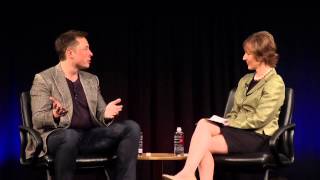 20131:16:52
 201553:04
 201844:56