2015年6月28日,马斯克44岁生日。SpaceX的猎鹰9号火箭升空两分多钟后解体,Dragon飞船连同两吨多的物资一起坠入大西洋。任务代号CRS-7,是SpaceX向国际空间站运送补给的第七次商业货运任务。
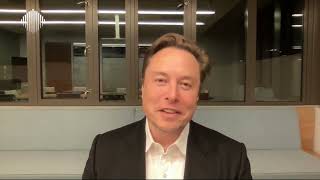
事故发生不到一个月,他出现在波士顿的ISSRDC大会(国际空间站研发大会)上。主持人介绍他时说,这个人不需要介绍。马斯克坐下,第一句话是夸椅子舒服。
然后主持人问的第一个问题,就是那次爆炸。
这场对话发生在SpaceX相当尴尬的时间点。猎鹰9号还没成功回收过,商业载人飞船还在测试,卫星互联网只是一个刚起步的构想,火星计划听起来像科幻。马斯克坐在台上,聊的是失败、成本和下一次怎么做得更好。
数据对不上,才是真正麻烦的地方
马斯克说,这次事故对SpaceX是巨大的打击,所有人都在全力调查。麻烦在于,数据很难解读。这不像某个零件坏了、换个零件就能解决的事故。各种数据之间似乎存在矛盾。
目前唯一清楚的是,上层液氧箱发生了某种过压事件。但具体原因和事件顺序,还没有一个能解释所有数据的理论。调查因此多了一层麻烦:要么某些数据本身是测量误差,要么存在一个能把这些看似冲突的数据统一起来的解释,而他们还没找到。
他们要做的事情很笨,也很硬核:把每个传感器每一毫秒的读数整理出来,和地面摄像机拍的视频对齐,再考虑数据包从生成、编码到传回地面花了多少时间。在毫秒尺度上,这些延迟会让因果关系的判断完全不同。
马斯克说,他不想在没搞清楚之前随便表态,因为说错了后面还要改,更麻烦。他希望在周末之前能给出更确定的说法。
我的顾虑是,我不想说一些后来被证明是误判的话。(马斯克)
主持人提到,马斯克在事故后发的推文对很多人有帮助。马斯克说,等调查有清晰结论,并且和尽可能多的专家交叉验证过,会把完整故事讲出来。NASA的反馈很有价值。
有人问,政府参与到底是帮忙还是添乱。马斯克说,和NASA的互动其实很好。最大的挑战是同时涌来大量询问,很难立刻回复每一个人。短期最需要的是把数据聚拢,建立精确到毫秒的时间线。地面视频和火箭数据的时间匹配很麻烦,一个数据包什么时候生成、什么时候编码、什么时候传回地面,在毫秒尺度上都会影响判断。
他说,整体来看,目前的互动相当不错。之前发动机故障那次,双方的讨论就很有成效。
火箭回收:那次本来是最有希望的一次
SpaceX的总体目标,是把太空运输的成本降下来,降到太空旅行变成一件平常事,能把大量的人和货物送到其他行星。马斯克说,这些事得发生,人类在太空里才会有像样的未来。
可复用是这件事的核心。火箭最贵的部分是助推器,占总成本的70%到80%。如果每次发射都把助推器扔掉,成本永远下不来。
过去几年,SpaceX做了很多垂直起降测试,用的硬件基本就是飞行配置。马斯克说,终端降落阶段他们能搞定,起飞降落都没问题,问题在于把所有环节拼起来。
2015年那次失败之前,他们本来对CRS-7任务寄予厚望。助推器计划在大西洋上的一艘无人船上着陆,那是当时最有希望成功的一次。结果火箭炸了,正好赶上马斯克生日。
他说,会记住这个生日的。用他的原话,那是低谷。
真够扫兴的。不过我会记住它。(马斯克)
半年后,2015年12月,猎鹰9号第一次在陆地上成功回收。在那场访谈里,马斯克说的还是“希望今年晚些时候能做到”。
他还提到,助推器复用只解决了70%到80%的成本,上层复用还没解决。这是下一步的难题。火箭造出来了,设计上也考虑了易复用,但助推器第一次完整回来之后,实际检查结果才是真正的考验。
他进太空行业,本来是为了给NASA涨预算
主持人问,你做过Zip2、PayPal、Tesla、SolarCity,为什么偏偏对太空这么上心?
马斯克的回答绕了一个大弯。
他最早的想法,是让NASA的预算变大。预算大了,太空探索就能做更多事。怎么让预算变大?让公众对送人去火星这件事兴奋起来。
具体方案是:造一个很小的温室,装上种子和营养凝胶,送到火星表面。着陆后水合凝胶,种子发芽,火星上就有了第一株植物。公众对“第一”和“最”这类词很敏感,“火星上第一个生命”“旅行距离最远的生命”,标题一定好看。
然后人们会想:既然植物都上去了,为什么不送人?去他的植物,应该送人。
公众一兴奋,国会就会支持更大的NASA预算。这是他的完整计划。
问题有两个。第一,他钱不够买火箭。第二,这个项目100%没有商业成功的可能,投进去的钱100%拿不回来。
相比之下,SpaceX当时在他看来只有10%的成功概率。但10%比0%强,所以他说,那就干这个吧。
主持人说,上帝保佑你。马斯克说,这个目标值得。
他不喜欢冒险,但他接受失败的概率
有人问,你作为梦想家,遇到失败的时候会不会怀疑自己的愿景?是什么让你继续下去?
马斯克说,他天性就是继续往前走,说不出什么更深的道理。事情不顺的时候确实很绝望,很难保持同样的热情。
但他认为,他们做的事对未来很重要。如果SpaceX做不到,不清楚还有什么能做成。而且如果他们失败了,就会成为别人论证“这种事不该尝试”的理由。所以无论如何得撑住。
他对风险有一套自己的算法。
他不喜欢为了冒险而冒险。很多事情的失败概率很高,但想要创新突破,就只能这样。任何真正有创新性的事情,都伴随显著的失败风险。如果结果足够激动人心,冒大风险就值得。
一旦决定走这条路,他会尽最大努力降低风险。用他的话说,提高成功概率。走一条高风险的路,本来就要花很多力气把风险一点点削掉。
当初做SpaceX,他觉得大概率会失败,但还是应该试一试。
Dragon 2最值得说的,是它不用扔掉发动机
商业载人这块,SpaceX是NASA选中的合作方之一。马斯克说进展总体顺利,小分歧也有,比如他觉得留给粪便的质量和体积配额太多了。他说这话的时候自己都笑了,还追问了一句:真有那么多么。
2015年早些时候,他们在卡纳维拉尔角做了发射台中止测试,结果不错。
Dragon 2最大的技术创新,是推进着陆。
传统载人飞船,比如俄罗斯的联盟号,逃逸发动机装在飞船顶部,像牵引车一样把飞船拉走。这套系统每次飞行都要扔掉,没法复用,还会挤占别的重量配额。
传统逃逸塔的问题不只是浪费。它装在飞船顶部,发射时如果不出事,这套系统就是死重,飞船上每一公斤重量都要花燃料送上去。而且逃逸塔本身也是火箭发动机,也有故障概率。用完就扔,意味着每次都要重新验证。
Dragon 2把重型推力器装在飞船侧面,逃逸时推着飞船走。这些推力器不用扔,可以留着做推进着陆。飞船可以精确降落在陆地或水面上。
马斯克说,这个能力感觉更像未来。
更有意思的是,同样的推进着陆能力可以扩展到向月球、火星或其他地方运送载荷。火箭发动机能控制着陆,就意味着几乎可以在任何地方降落,把科学仪器送到太阳系各处的成本会大幅下降。他说已经在和NASA其他部门讨论这件事。
Dragon的复用账本,卡在一个鸡生蛋的问题上
有人问DragonLab,就是把东西送到低轨道,几周后再带回来。马斯克说这个方向有潜力,但不算SpaceX的重点。Dragon主要优化成空间站运输车,DragonLab和科学交付平台是它的延伸。
等Dragon 2开始常规飞行,飞船的复用性会很高。如果飞船和助推器都能复用,有人愿意飞很多次,太空进入成本会大幅下降。
这里有个鸡生蛋的问题。发射有固定的基础开销,不管一年飞几次都得摊着。如果一年只飞两三次,每次分摊的固定成本就很高,复用省下来的钱会被吃掉。只有发射频率足够高,边际成本才能真正降下来。
频率高了,又带来新麻烦:要找到那么多愿意飞的客户,要保证每次复用的翻修周期足够短,要维持一支随时能开工的队伍。马斯克说,这就是他们要面对的挑战。
在太空行业发财的段子,他听到不想再听
台下有位俄罗斯人,来自联合火箭航天公司,说这家公司很快要并入俄罗斯航天国家集团。他专程跑到美国来问一个问题:马斯克在太空行业的成功秘诀是什么,他要带回去告诉俄罗斯的企业家,这条路走得通。
马斯克的回答不太像成功学。
他说,太空绝对不是最容易创业的领域。如果让大多数人按投资回报率排序,太空排得很靠后。他自己非常支持太空,但事实就是,开对冲基金或者在很多其他行业赚钱,都比太空容易得多。汽车行业也很难。
然后他讲那个段子。怎么在太空行业赚一笔小钱?答案是:先带一大笔钱进来。
这个笑话我听得太多,后来别人刚开口我就直接跳到包袱那句。我说我的目标是把一大笔财富变成一小笔。他们还挺惊讶:他怎么知道的。(马斯克)
关于政府是不是好伙伴,马斯克的回答很实在。太空创业环境不轻松,官僚程序确实要打不少交道,但SpaceX活下来了,而且NASA的合同是它能活下来的重要原因之一。
他更愿意把太空的机会放在“目的地”上,发射只是手段。
他打了个比方:联合太平洋铁路(Union Pacific Railway)修通之前,美国东西海岸之间的贸易极其困难,要么坐马车,要么走很远的航线。铁路一通,机会就爆出来了。加州、华盛顿州、硅谷、好莱坞,这些产业都是在交通打通之后长出来的。
所以SpaceX要做的是那段铁路。先把运输这一环建起来,把去低轨道的成本降下来,未来再把去月球和火星的成本降下来。
如果去火星的交通足够便宜,那里的创业机会会多得惊人。有人会开第一家披萨店,有人会建第一家钢铁厂。火星上还会出现一些地球上根本想象不到的生意。
前提是有个地方可去,有办法到那儿。
《火星救援》里,风力被夸大了
主持人问他看没看安迪·威尔(Andy Weir)的《火星救援》。马斯克说看了,写得好,是他读过的最写实的火星题材小说之一。
但他还是挑出一个错:火星上的风其实没那么大力气,吹不倒人。风速确实高,但大气密度只有地球的百分之一左右,动压很低。电影开场那场风暴把人吹飞的戏,物理上不成立。
他担心的是另一件事:这部电影可能让人不太想去火星了,看起来太苦。
他说,应该拍一部讲火星有多酷的剧。像狂野西部,有枪手,有牛仔,那种感觉。主持人说,那你得写本书。
不押注物理突破,现有物理就够用
哈佛和MIT背景的提问者Anita问了一个战略问题:在降低太空成本这件事上,你怎么在“优化现有工程”和“押注突破性物理”之间分配投入?比如反重力、新型推进。
马斯克的回答干脆:他们几乎不在物理突破上花时间。
他对这类突破没有特别的期待。原因在于现有物理框架内的空间太大了。他说,与其指望一个连模糊轮廓都说不清的突破,不如相信标准模型给出的边界内还有巨大改进空间。
猎鹰9号还能继续优化。下一代火箭系统还在很多年之外,会是深冷甲烷氧(deep cryo methalox)方案:甲烷和氧气冷却到接近凝固点,远离沸点那一端。这套系统他期待做到完全复用。
如果做到,太空发射成本有可能下降两个数量级。
关于研发投入,他说SpaceX招工程师的速度就是能找到人的速度,没有名额上限。真正卡住的是人,预算不构成限制。难的是找到思维方式对路、能真正成为团队资产的人。
3D打印发动机,省下来的重量和接头
一位巴布森学院的学生问到Dragon 2的Super Draco发动机,那台用3D打印做出来的发动机。
马斯克说,Super Draco是钛合金打印出来的,成本降了不少。核心原因是打印能做出一体化的冷却通道。
传统做法是造内壁、造外壁,再把两件套起来钎焊,中间一堆接头。工序繁琐,重量也大,任何一个接头都是潜在的失效点。打印可以直接做出带内部冷却通道的整体推力室,这种结构用别的工艺做不出来。
结果就是更轻、更便宜,可靠性也更好。
下一代发动机Raptor也在大量使用打印。现在3D打印最大的限制是尺寸包络,能打的东西有大小上限。但涡轮泵部件和喷注器的大部分关键零件都能打出来。
这让迭代速度快了一个量级。传统上要等铸件,一个铸件开发要几个月,铸错了再改,又是几个月。用打印,同样的迭代周期可以压缩到几周。
发动机开发最耗时的就是这种反复试错,打印把这个循环缩短了。
Hyperloop他不商业化,只办学生比赛
有人问Hyperloop的进展,以及和SpaceX有没有关系。
马斯克说得很清楚:他本人和SpaceX都不会去商业化Hyperloop。目前至少有两家,可能更多公司独立在做这件事,和他没有股权关系。
SpaceX要做的是办一场学生竞赛,类似Formula SAE那样:学生设计pod,互相比赛,看谁做得最好。
为此SpaceX会在附近修一条大约一英里长的低压管,接近真空。学生在里面跑自己的pod。
目的只有一个:让学生对工程感兴趣。他和SpaceX在Hyperloop上只参与到这里。
空间站的科学价值,和他承认的一件事
一位正在写国际空间站专著的社学家问:你怎么评价空间站的科学价值?在太空探索里,怎么划线区分“奢侈”和“必需”?
马斯克的回答很坦白。他说自己几乎所有时间都在想怎么把东西送上去,说实话,他直到看了那部新的IMAX空间站电影预告片,才第一次比较完整地看到空间站内部的画面。
他把SpaceX整个团队都带去看了那场预告。他说等电影正式上映,观众会被震住。
空间站的价值在哪?它是唯一一处在地球大气层之外、处于微重力环境的实验室。很多实验在别的地方做不了,尤其是人体生理学方面的研究。科学家可以亲自上去,在这个独一无二的实验室里工作。
他还提到一点很多人不好意思说的事:酷,本身就是价值。公众觉得空间站很酷,公众希望太空里有人的活动。这是空间站最不可替代的部分之一。
主持人接着这个话题问下去。他说NASA内部一直有个纠结:一边要向公众说明低轨道研究的实际好处,一边又清楚“酷”是吸引注意力的关键。他自己加入NASA时是纯粹看重用途的那一派,这些年才慢慢承认酷的重要性。
然后他问了一个更具体的问题:听说商业载人任务的宇航服,你想亲自参与设计?
马斯克说是。他们花了很大力气做宇航服,功能和美学都要。难的地方在于,只优化功能是一回事,只优化外观是另一回事。电影里那些宇航服好看,但真穿上不能工作。
所以问题变成:怎么做出既好看又能用的东西。
他给出的目标很简单:当人们看到这套宇航服,第一反应应该是,我想穿一次。
我们希望人们看到那套宇航服时会想:是啊,我有一天想穿上它。它看起来很酷。(马斯克)
卫星互联网:光在真空里比在光纤里快
一位记者问到卫星互联网计划的进展。
马斯克说还在早期阶段,希望明年能发射一颗测试卫星。长期潜力很大,但他不想把话说满。这个行业里已经有不少公司试过,栽了跟头。
目标是一套覆盖全球的通信系统,提供高带宽、低延迟的连接,任何地方都能接入。卫星之间还要有星间链路,让远距离通信更顺。
他讲了一个很多人不知道的物理事实:光在真空里的传播速度,比在光纤里快大约40%到50%。
而现有的海底光缆是沿着大陆轮廓铺的,中间要经过大量中继器和路由器。从加州的一台服务器给南非的一台服务器传数据,实际路径绕得很远,延迟很高,光子速度还打了折扣。
如果这段通信走太空,路径更直,速度更快。所以除了给没有网络覆盖的地区提供带宽,这套系统在远距离互联网传输上也有优势。
他特意区分了这套系统和过去失败案例的不同。早期的低轨通信系统,比如Teledesic,当年的电子设备带宽很低,模拟成分居多,根本没法跟地面电话网竞争。铱星(Iridium)走的是另一条路,直接连手机。
SpaceX这套系统不和手机直连竞争,它连接的是一个披萨盒大小的用户终端。终端用相控阵天线,扁平,能自动追踪卫星,装在窗户上或者任何能看见天空的地方就能用。
虚拟现实,他说有人可能再也不想摘下来
最后一位提问者来自旧金山一家叫SpaceVR的创业公司,带来一台虚拟现实摄像机。他们的想法是:VR会成为太空探索的未来,它能把普通人放到每一次任务的最前线。
马斯克说他在Oculus和Valve都体验过VR演示,印象很深。如果把这项技术往后推演,那种身临其境的感觉会强到难以分辨。他半开玩笑地说,有些人可能再也不愿意把它摘下来。
他觉得把VR用到太空上会很有意思。至于现场演示,他说今天时间上有点紧,但既然对方在加州,接下来几周可以安排一次。
这场对话里,最有用的几条
2015年的马斯克还没有回收成功过一枚火箭。他在台上谈失败、谈成本、谈怎么把概率一点点往上抬。十年后再看这场对话,能从中抽出几条对今天做事仍然成立的东西:
- 把模糊的故障拆成毫秒级的时间线。事故调查里最贵的产物,是那份把传感器数据、地面视频、数据包传输延迟对齐的时间轴。遇到复杂问题,先建时间轴,再谈原因。
- 先算清成本结构,再决定优化的顺序。助推器占七到八成成本,所以回收助推器优先于回收上面级。资源永远有限,按成本占比排序,别按技术炫酷程度排序。
- 用低概率但上限巨大的项目,替代零概率的完美项目。火星温室计划成功后也赚不到钱,SpaceX当时只有一成胜算。两个都不确定的时候,选那个失败了还留下能力的方向。
- 把“酷”当成真实需求,别当成包装。空间站的价值里有一部分就是公众觉得它酷。做产品时,让人第一眼想拥有,和让它真的好用,得同时优化,不能只挑一个。
- 能一体化制造的零件,别用组装件。3D打印冷却通道让发动机更轻、更便宜、接头更少。检查你现在的设计里,有多少重量和失效点是为了迁就制造工艺而存在的。
- 把迭代周期当核心指标。铸件迭代要几个月,打印迭代要几周。快的那条路会赢,和单件成本无关。
- 新市场先修路,再开店。联合太平洋铁路的经验:交通成本降下来之前,目的地的生意做不起来。评估一个新赛道时,先看它的“铁路”修到哪了。
0:00so it is my great honor to introduce a man who needs no introduction I'm not sure where he's at but I'm sure he's going to come in here somewhere where is he oh okay there you go a gentleman who we can call Elon and everybody at least in this country I know exactly who you're talking about but Mr Elon Musk he's the CEO lead designer of SpaceX
0:24everyone I think knows this SpaceX is an amazing commercial company it's the first company to to launch commercial rocket into low earth orbit with their Falcon 1 launch then in 2008 they were one of the winners of a contract to bring services to the International Space Station they're the first commercial company to birth with the International Space Station bringing supplies they're also the first commercial company to return a sizable return vehicle with the all the components still intact which is very important to us back to to the surface of the Earth and so it's an amazing company has done a great job and continues to push the boundaries you
1:10you'll hear from Elon but his Interest really is not so much in low earth orbit as it is going Beyond low earth orbit and and making sure Humanity will continue to live by exploring beyond beyond Earth Elon has a a varied history of things that he's been involved in this was this is one of the things that makes it so exciting to have this conversation with him today you he's not one-dimensional space guy he's involved in Tesla motors which he is a co-founder and CEO and also a a major player in the design efforts and what they choose to go build and and how of course he was a co-founder of PayPal and zip 2 he's deeply involved in a number of other Industries as well and
1:54so it's my great honor to welcome Elon Musk to the stage thanks for coming appreciate it okay well these are great chairs you guys look at those chairs you're in let's see so Elon you've you and I were going to have a little chat this morning we said it was going to be a fireside chat so minus the Fireside I guess we're ready again I've as you heard I've encouraged folks to ask a few questions along the way but I have a few a few questions I thought to get us started so the first one which is probably on everybody's mind is perhaps you want to discuss a little bit about the the recent loss of the dragon and the in the Falcon 9 here on SpaceX
2:537 sure well I mean I think it's OB it's a huge load to to SpaceX and and or we take these missions incredibly seriously the invest the everyone that can engage in the investigation at SpaceX is very very focused on that and in this case the the data does seem to be quite difficult to interpret like whatever happened is is clearly not not a sort of simple straightforward thing so we want to spend as much time as possible just reviewing the data obviously going over it with with NASA and with fa and with number of other customers and just sort of seeing what feedback everyone has based on their prior experience to see if we can get to what the most likely root
3:53cause is look at look at both what we think most likely happened and then anything that's a close call and try to address all of those things and maximize the probability of success for future missions any hints on where you think the problem lies you well I know the this there's media and the audience so they yeah so you have to be careful you're right I never really learned that but clearly that is a lesson now working on so so it's yeah I mean I you know the I I think I think I think we'll be able to say something more definitive
4:36towards the end of the week at this point really the only thing that's really clear is that there was some kind of over pressure event in the upper stage liquid oxygen tank but the the exact cause and the sequence of events there's there's still no clear theory that fits with all the data so we have to determine if some of the data is u a measurement error of some kind or whether there is actually a theory that matches the the sort of what what appear to be conflicting data points okay very good I I'll just make a comment the tweets you put out regularly particularly when events like this happen are really useful to everybody we really do appreciate it you you'd be
5:22amazed at how many folks quote what you said and and and how how glad they are that you just step right out and at least give some sign about what's going on and that you know we'll get through it things are going well so we appreciate that absolutely and for sure as soon as we we think we've got a clear line on on what what happened and we've sort of crosschecked it with as many experts as we can and we certainly appreciate the the feedback from from NASA on this front very very much appreciated the we'll certainly quite a put out that story my only reticence about saying something quite yet is I don't want to say something that subsequently turns out to be a Mis
6:01misunderstanding of the situation oh yeah absolutely understand that so one of the questions that I ask myself regularly is at what point does all this government help hurt so this event occurred and we have you have NASA folks there from from about three different programs that intend to use your services ISS being one of them you have the FAA that's that's involved the range folks are there
6:38without feeling like you're giving your customers a hard time how is that interaction and what what should we consider doing differently so that we in those areas where we can help we are helpful and in those those areas where we're really keeping you from getting your job done we we can modify ourselves yeah actually I think the interaction with NASA has been great thus far the the the biggest challenge is there there are a lot of inquiries coming in simultaneously so it's it's hard to
7:17sort of keep you know respond respond to everyone right away but but actually it seems to have gone fairly well the the biggest thing that's needed in the in the sort of short term is the ability to sort of gather all the data create create a very precise timeline so you know by by the millisecond we know what each sensor was reading and we can correlate that with ground video and actually like one of the biggest challenges is matching the the things to the exact time you know because when you're talking about you know a matter of milliseconds you know being able to say what is the ground track video compared to the data as received by the you know by by the station from the
8:00rocket and then taking into account for exact the the actual time taken to generate a packet of information when was that sensor read when was it encoded into a packet and when was that packet sent to the ground when when you're dealing in in milliseconds that all that stuff actually makes quite a big difference yeah sure so the that's the the the biggest sort of effort we've been engaged in thus far is just putting together super detailed timeline and then just making sure that they have the sequence of of events down as precisely as possible that's what we' working on and but but actually certainly with with the interaction we've had with with NASA and
8:44with us it's actually been quite good thus far and we've explained that this is what we're doing and and then we we very much welcome any feedback or input or review of the data that would lead us to a better understanding of the circumstances I thought we had a very productive discussion back when we had the engine one anomaly and so I found it to be very useful but that's a perspective from from a NASA perspective so it's always interesting to know your perspective of that yeah it seems to be quite quite good actually right now yeah so
9:19You're Building in the last couple launches you've had Landing legs and you've been working on Landing the first stage back eventually to shore can you talk a little bit about that and what your vision is for that and for SpaceX in general as you go forward sure well the the overarching goal of SpaceX is to try to advance the state of space transport Advanced space transport technology to the point where well it get as far along the path as we can to to where space travel is
9:53hopefully common place at some point in the future and and where we can send large numbers of people cargo to other planets and you know it's like that's the sort of thing that that needs to happen for Humanity to have a great future in space so we want to keep pushing that and I think like key to to that future is reusability so that's why we've worked quite hard on reusability unfortunately we we haven't succeeded yet and in fact the last launch ironically was we we we actually had the best chance of Landing the vehicle on the on the this sort of drone ship that's keeping station in the Atlantic so we're actually quite sort of geared up for for hopefully this
10:37would be a really great launch and unfortunately ended up being the the opposite on my birthday of all things a real Downer you'll remember it though definitely low Point but but but I do think in in the future launches that that we've got a decent chance of landing on on the ship and then bringing the Boost AG back to land and then the next challenge of course is trying to figure out how to efficiently effectively reuse it
11:13and it is designed for easy reuse in theory but we got to see what the stage looks looks like when it comes back in one piece MH we we have been able to over the last few years do a number of vertical takeoff and Landing tests of Hardware that's essentially in the flight configuration so we know we can we can handle the the the terminal phase if you know if things go right we can take off the land no problem so it's just a question of completing all the the pieces and hopefully later this year we'll be able to do that but that that that's key so but of course that doesn't address upper stage reuse but IT addresses boost age reuse which is sort
11:56of 70% to 80% of the of the of the cost and and but I think would be a great step towards lowering the the cost of space transport so you know if you look at your history I guess zip 2 payal these are largely software type efforts now you've got Tesla electric cars you're building a battery plant
12:28Solar City I guess you're involved in Solar City so why space this seems space to me and just what I rate we with you seems to be more of a passion than the others or our businesses but I I I can't tell why space why are you why do you think it's important for us to be sure have quick access to L orbit well the I mean actually technically I mean with with the Tesla and Solar City they're about helping to solve the sustainable energy problem and so we're trying
13:02to make progress on that front on the with those companies with with SpaceX it's trying to help solve the kind of space bearing problem I mean I I think that a a future where we're space spring civilization and a multiplet species is very exciting inspiring awesome future and in order for that to happen we've got to dramatically improve the cost of space flight and and that's that's why why
13:35SpaceX exists is to try to try to lower the cost of space flight which we've made some progress in doing but still I would call a improvements thus far evolutionary not revolutionary and but with with a lot of continued work I mean I think there's the potential for for order of magnitude or greater improvements reusability being key to to all of that of course and yeah and then hopefully you know we want to if if we can keep improving the the cost of space flight then eventually if that trend is in the right direction it could be leading to a city on Mars and certainly along the way a lot of activity in lowth orbit and the moon and you know lots
14:22of other exciting things so one of the things we're trying to do with the International Space Station is try to figure out which Industries will prosper from the use of low earth orbit to try to understand or or help grow the Eon an economy essentially in low earth orbit and folks who are doing that are all taking risks today our job is to try to reduce the risk as much as we can near term so that they can get the information they need to really have a business case for the future but everyone's trying to to calculate a risk so is there an Elon
15:04Musk philosophy of risk vered benefit and when you when you think is the right time to jump in Ian what is your thought on on how to approach new Industries Innovative areas and when's the right time to jump in or not or do you just may is there no crystal ball or is it a crystal ball or Ouija board I mean how do you how do you figure out what you should go after well definitely the Ouija board of quot much more reliable than the crystal ball so the yeah I mean I I don't really like
15:44risk for risk seek or or anything it's and and I do think that lot the things are are very risky with a low chance of success but if you want to try to come up with an Innovative breakthrough that's kind of that's going to be how it is anything which is significantly Innovative is going to come with a significant risk of failure and
16:11but you know if you've got to take big chances in order for the potential for a big positive outcome and you know just and if I mean if the outcome is exciting enough then then taking a big risk is worthwhile yeah it's really how I approach it but but then once executing down a path I actually do my absolute best to reduce risk you know because or or to improve the another way of saying to improve the probability of success because when you're trying to do something that is very very risky
16:49that you you you have to spend a lot of effort trying to reduce that risk as you and walk down that path I mean when when I saw basx the I thought the odds of success were very low I thought we most likely fail but I thought well we should give it a try nonetheless and then I'm not sure if you know what what what preceded SpaceX cuz the why I got into the space well I you I remember you trying to purchase the a vehicle to from our Russian col you're talking about well actually it was the
17:30reason I got into space was to try to increase NASA's budget well God bless you then the the and but so I'll tell you so the roundabout way I thought we that might be accomplished was I thought well if if NASA's budget was more was larger than we could do more in space exploration and I thought well what work particularly if we could get the public excited about sending people to Mars and I thought well if I could do a small greenhouse and and send that to the surface of Mars with seeds and in nutrient gel and you hydrate the gel and Landing you have a little miniature greenhouse and then you you'd have the public tends to get excited about precedents and superlatives so be like
18:19the you know sort of first life on Mars the furthest life ever traveled and and get people sort of excited about well maybe we should send people there like the hell with plants we should people you know right right and and then I thought well that could if if that could get the public really excited about sending fuel to Mars then that would translate into Congressional support for a bigger NASA budget that was the goal and then I I didn't have enough money to buy and I thought that that outcome would have 100% chance of no no no commercial success so 100% chance of of losing all the money so so compared to that SpaceX which I thought maybe had a 10 %
18:59chance of success that was an improvement there you go well that makes that makes good sense so are you still thinking about that I do remember that conversation this was the idea where you used Martian reguli you send these self-contained habitats not habitats chamber kind of things and grow small yeah like a meter across or something but but just to prove the concept yeah just to get I mean the real goal was to get the public excited you get some engineering data about what does it take to maintain a little habitat on Mars type of thing but the main thing would be to get the public excited and you know get people to be you know the public to be in favor of a
19:41big an Assa budget that was the goal well again God Bless you that's a worthy goal I hope you don't stop so commercial crew so you've been selected as one of the providers for the commercial crew can you tell us a little bit about where that's headed for you as a company and perhaps maybe how it's affected your company if it has if it's changed anything and how you approach space I think things seem to be going fairly well on the commercial Crew front I mean the I mean overall I think I
20:17mean like there are small disagreements here and there but overall I like I think we very much agree with the way it's being done and yeah I think it's it's it's pretty pretty good I mean there are a few things where the like it seems like the amount of of sort of mass and volume reserved for poop is too high like sorry I don't know that's like
20:43but that's you know there like little things like that we're like well are they really going to do that much poop but it's it's quite it's quite a large volume really is so I could really they're pretty small disagreement so I think that it seems to be pretty pretty sensible and and then we did the the launch a board test earlier this year which at the cape which actually went went pretty well and
21:14yeah so things are going going along getting pretty exciting and yeah I think there's also some potential use for Dragon 2 as as a science delivery platform you know going to sort of delivering payloads to to Mars or other places we're in discussion with other parts of NASA about some of those ideas because the propulsive landing you know it could really lower the cost of getting science instruments to various places in the solar system so it's kind of exciting so I'm going to come back to that in just a second but commercial the the crew vehicle versus the the dragon cargo vehicle clearly there are some significant differences fairly Innovative approach I think to abort
22:02testing where traditionally you've seen the the jessen rocket on top that it's a puller versus The Pusher technique where you utilize fuel that you otherwise would use for the on orbit but of course you're not going in there so very Innovative approach are there other areas where you feel like you're from an innovation standpoint you're making some significant strides with the crew vehicle yeah I think the the the big items for
22:32well the the biggest item really for Dragon 2 is the ability to do a propulsive landing and it's basically H having heavy thrusters on board so those same heavy thrusters can then do the abort but retain the the engines so instead of in a normal sort of crude Mission like say take the soos for example they'd have a a tractor motor
22:59on the nose of the vehicle that would have to be basically a rocket engine on the nose that would have to be discarded on every flight which is a potential reliability issue and it and then you have obviously unable to reuse the the the the abort system and yeah and it adds you know adds bunch bunch of mass but but then in addition those same thrusters can be used for propulsive landing so you can achieve a precise pulsive Landing which on on land or
23:32water which is I think a significant Improvement and I mean it's sort of also it's sort of like really I think feels feels more like the future to to have that that capability and then as I mentioned it for it can be extended to do payload delivery to to the moon or Mars or other places because of the the the generalized capability of propulsive Landing to to land land almost anywhere very good so let's go back to Dragon at one point you had a conversation talked a little bit about something I think was referred to as Dragon lab where you go to low earth orbit and do what I assumed was sorty kind of research and then and bring the vehicle back are you still pursuing that
24:21or something like that is this an area where you think that there is a potential I think that that there there is some potential for to essentially just take things to Lo orbit and then bring them bring them back you know after a few weeks or something like that it's it's not a huge area of attention at at SpaceX but I think we might do a few missions like that but
24:45yeah I mean dragon is is very much sort of its primary optim optimization is as a transport vehicle to in front the space station and and so things like Dragon lab and then the science delivery platform I think are interesting extensions of that and I think as as Dragon 2 first flies and
25:08then gets into regular flight I think there'll probably will be some you know more applications that that people can think of particularly since with Dragon 2 the reusability of the vehicle should be quite high so if we have reusability of the Dragon spacecraft and reusability of the the the the booster and somebody's willing to sort of do do a bunch of flights with with with the fully reused system there's the potential for for much lower cost access to space the the there is a bit of a chicken and egg challenge because like the there's a certain amount of fixed cost that have to be carried no matter what so the the the marginal cost of launch or the cost of each subsequent
25:53launch can drop quite significantly so long as the launch rate per year is is High it stays up yeah of course that adds other challenges to the system yeah trying to fly as often as you as you need to to make that yep well let's see I I don't want to bore everybody with all my questions and we had talked about if folks had any questions in the audience let's see this oh wow they're not bashful that's good so I don't know if we're going to need microphones but but I'll I'll start here
26:28and I would like to ask you a question which is I'm coming from the solar energy so my question because you are like a kind of mentor and of visionary and you give hope to a lot of people around the globe because when they see you they realize that they can realize their dreams but my question is different when you are a dreamer when you are
26:59when you are a dreamer when you are a Visionary of course you have your vision but there are moments that sometimes maybe you stop believing in this Vision especially in the moments of some problems or failure so could you tell me and could you tell also to thousands of people who maybe will be motivated by your answer what keeps you fighting for your vision what helps you to
27:34well I mean I I think I'm kind of constitutionally just geared to to just keep going I don't know it's yeah I mean it just I I I don't know I mean it certainly there are times when you know things don't go well and then that's quite despera for sure and so then it's it's difficult to proceed with the same level of enthusiasm but but I do think like
28:07I do think the things that we're doing are are you know pretty important to the Future and if we don't succeed then you know there's well there's there's not it's not clear what other things would succeed and if if we don't succeed then we will be certainly pointed to as a reason why people shouldn't even try for these things so I think it's important that we do whatever is necessary to keep going okay and last question last question you so in 2004 when you are going to Bary man with your cousin you were thinking there is a sun and let's make energy out of it yeah and I would like to ask you why do you believe so in solar energy and in and CLE Tech energies and also in
28:57sustainable energy and the last question I will not ask any more questions what will be the role of solar in the exploration of Mars sure I think solar energy is probably fairly significant for Mars and what's going to be quite important is having a very lightweight solar system that you
29:22know both volumetrically and gravimetrically dance so actually you were sort of playing with different concepts like you know that like thing that potty thing where you inflate it and it rolls out the thing like what one of the solid Concepts is is to have like a big roll that you just basically inflate and it rolls out with with with like really
29:49thin solar panels on it but but it's it's going to be pretty important because really you either got to do that or nuclear and you know nuclear has has its challenges but but for solar it's it's pretty straightforward so I think I think solo is very important to the Future exploration of Mars for sure so thank you and I wish you that your next birthday is very successful thank you so much okay let's go let's go okay go ahead valtin okay my name is Valentino I am from the United rocket and space corporation which shortly will become a part of State Corporation Ros Cosmos so I made this long quest to the West because I'd like to ask one question of Elon Musk
30:41what is his secret to become a successful businessman in space industry and then coming back to Russia to tell Russian businessmen there is a way to become a tycoon in space industry so serious seriously speaking I'd like to ask you when you started your business was the government your partner was it useful in what areas
31:09and so there are always two sides of the coin sure as there there were times when you had to fight bureaucracy thank you sure well well I should say with respect to starting a space business it's definitely not the easiest environment to start a business I think if most people were to rank order what's the highest return on investment I I mean space would not be very good I mean it's I I I'm very Pro space so it's like I you know but it's I mean it's just true that like if you you know start a hedge fund or if if you're in like many other Industries then you it's much easier to make money than the space industry this is not the easiest one to make money in
32:01it's yeah car industry also quite [Applause] difficult so so the in fact I mean when starting SpaceX the the joke I I heard the joke this this joke so often it was ridiculous the joke was how do you make a small fortune in the space industry and the punch line of course being start with a large [Applause]
32:38one yeah I I got I point i' heard the joke so many times that I would just get to the punchline and say like well I wanted to figure out how to turn a large Fortune into a small one that was my goal and they're like wow how did he know that so yeah that I mean I do think there's there is opportunity in space but but it is is it's it's a it's it's tough goinging I think if but I think if if if SpaceX and other companies can can lower the cost of transport to to orbit and perhaps Beyond then there's a lot of potential for entrepreneurship at the destination I mean you can think of it like the like the Union Pacific Railway you know before there was the UN Pacific Railway
33:22was real hard to have commerce between the west coast and the East Coast if go buy a wagon or a really long sailing Journey but once there was the transport then there were huge opportunities and now look at sort of you know California and Washington State and and and all the industries that have been created in Silicon Valley and Hollywood but you you got to have that fundamental transport element otherwise there's just it's really tricky so we're trying to establish that transport element make it easier to get to lowth orbit and hopefully in the future make it easier to get to the moon or Mars and I I do have this long-term vision of like if if there was
34:06affordable transport to to a place like Mars I think the entrepreneurial opportunities would be phenomenal you know because there'd be people that would want to create everything from the first pizza joint to the first Iron or factory to be like just a enormous amount of opportunity for people to create things on Mars and there' be different things on some of the things on Mars would be different that we don't even imagine on Earth be very exciting so I think that's that's really key to making things happen in space is you got to have some place you got to have some place to go and some place and some way to get there so yeah so so along those lines
34:47did you you read Andy wear's book The the Martian yeah yeah it was good what did you think I thought it was it was pretty excellent certainly one of the most realistic books on Mars that that I've read I mean like there were a few things like the wind force on Mars is not really that high well there it's not going to knock you over or anything it's high obviously High Velocity but low Force but overall I thought it was pretty cool and apparently it's been made into a movie and everything so you don't you don't have a cameo on that one too I don't have a cameo on that one I'm I'm a little worried that it might not make people too keen on going to Mars U
35:27was like this is looks really hard I think we need a show about AAS is awesome and it's like the wild west and you got the Gunslingers and like the cool Cowboys and that kind of thing all all right maybe you got to write a book too let's see there's a question over here go ahead hi there my name is Anita goell I'm here at out of Harvard MIT run a company called nanobio Sim so in your vision and dream to achieve lowcost space travel how do you allocate your Investments between engineering and essentially driving down the cost of existing technology versus investing in new breakthrough physics things like Breakthrough propulsion physics anti-gravity what's
36:13your vision in the bifurcation of those two kinds of portfolios well we don't spend a ton of time on U physics I the I think with with current physics there the huge potential so rather than rely on a breakthrough which we you know really it's difficult to Invision what that breakthrough would exactly be or even
36:40inexactly be the I'm quite confident that with what we know of current physics sort of just going with kind of you know where the standard model of physics is today that there are dramatic improvements possible in space light and I think with the you know certainly with with Falcon 9 I think we can make improvements and then with our next Generation rocket system which is still you know many years away that'll be a deep cryo methalox
37:13system I think I think we can achieve full reusability and that that's really that's a that's a huge potential for you know like maybe a two order of magnitude reduction in the cost of space flight so as far as R&D is concerned like we we we we we hire grade Engineers as fast as we can find them so it's like the it's not that easy to find I should say great Engine with the sort of like the right mindset and everything we we hire at at the at the maximum rate that we can find people that we think would would really be an asset to the team so there's no limitation on that okay over here hi my name is Zachary malt I'm a student from Babson College I just want to say it's
38:04an honor to be here I read Ashley V's biography about you one thing that really was intriguing to me was the super Draco engine for the dragon V2 that was used printed out of a 3D technology do you envision using that technology more in the future and when you first SP exploration and do you think that'll how will that affect the costs in terms of getting to Mars everything like that yeah Absol absolutely so as you alluded to we we we actually print the super Draco engines so they they're printed out of titanum inel and and that
38:38actually allows us to reduce the cost of those engines quite a bit in particular because we can print integral cooling channels so when you've got an hour glass chamber and you've got cooling channels in in the wall of the chamber where the whole wall can consist of cooling channels it's normally quite difficult to create that thrust chamber or nozzle
39:05because you got to create an inner jacket outer jacket kind of machine the the inner jacket it's and then bra the whole thing together it's real pain and you got a bunch of joints in there to make it all work so with printing you can print something that you can't make by any other means so it's actually ends up being lighter and cheaper than if we built it by traditional methods for our next Generation engine which we call the the Raptor which which as I mentioned is sort of a it's it's a it's a deep cryome methyls so what I mean by that is the the methane and oxygen are cooled to close to their freezing points so not not far from the freezing point as opposed to close to
39:46their boiling point which is more which is normally the case the you know with that engine we're trying to print as much as possible it's it's a bit the biggest limitation on 3D printing right now is the the size envelope so there's a limit on how big we can print something but we're able to print the the turbo pump components and much of the injector not the whole thing but but many of the critical parts we can print so that actually helps us in speeding up the development so instead of waiting for castings to be developed which can take several months and then if the cast is wrong you've got to iterate on the casting and each iteration can take
40:31several months with printing we can those iterations can be reduced to a matter of weeks or months so that that actually helps with the the speed of development as well see over here hi I'm Ross Spong rock with a company called high orbit I wondered if you give could give us a little bit of an update on what's going on with the hyperloop and is there any over between the worker Doom with SpaceX and hyperloop Technology yeah SpaceX is not neither I
41:05nor SpaceX are doing anything to try to commercialize the hyper Loop there are I think at least two maybe more than two companies that have formed that are completely independent of me or SpaceX that are working towards commercializing the hyperloop techn or hyperloop idea or design what what SpaceX is doing is we're we're we're going to just create a little Student Competition for for h Loop ideas so kind of like around the the way that Formula SAE Works where students come up with a design and compete against each other to design the best pod so what what SpaceX will do is just construct about a mile long low pressure tube near nearly vacuum tube basically in which
41:56students can kind kind of race their pods so we're it's just basically to support get get students excited about engineering that's the that's the only involvement to space Tex myself with the hyperloop at this point okay over here hello I'm paa castano I'm a sociologist and I'm writing a book about the International Space Station how would you describe the scientific value of the International Space Station and where would you draw the line between luxury and need when it comes to space exploration well I mean I for space I mean I really spend all of my time thinking about just how to get to the space station to be honest I I I
42:47actually hadn't even really seen a proper movie of the inside of the space station until I went to see the a preview of the new IMX thing that's coming out and it's amazing like when that space station IMAX movie comes out people are going it blown away it's awesome I actually brought my whole team at at SpaceX to go go see the
43:09preview of the of the IMX movie and I mean it it's like it is a very unique Laboratory because this the only thing that's in sort of microgravity that's above the Earth's atmosphere and you can learn a lot about basically human physiology and do experiments that you can't really do any any other lab
43:37and you know and you can have bring scientists up and they can actually work in this incredibly unique lab so I think that there's a lot to to to be gained there and and I think it just you can't sort of you know ignore the coolness factor of it like that's like people think it's pretty cool so I think it's pretty cool and you know
44:05the the public want to have something going on in space that that involves people and yeah and it's it's just I don't know it's the coolest thing going on in space so like there's a lot of value to that you know we try to to who sell's the wrong word it's the word we use but sell's really the wrong word we're trying to get people to recognize that there's a platform in low earth orbit and that this is important What's Done In Low Earth orbit has benefit to to those of us on Earth that will never actually go to space but in doing that you're trying to get their interest level and part of their interest level is the cool factor that you talked about and and I've always
44:54kind of struggled with that being sort of a black and white I I understand the purpose in my head that's why I joined NASA right but over the years this is one of the things that I've started to recognize as important so my question to you is did we I've heard a rumor that for the suits for commercial crew that you wanted to play a role in that and so is that true and and is there some reason behind the design of the suit that you want to personally be involved in other than crew safety yeah I think we' actually spent a lot of effort on the space suit design on the both the functionality and the Aesthetics but I I think just just getting it's actually really
45:41hard because if you just sort of optimize functionality it's one thing if you optimize for Aesthetics it doesn't work like you know those things that you see movies they don't work so the the so so it's like okay how do we make something that looks cool and works and with with a key
46:05goal here of being being that you know when people see that space suit they they we want them to think yeah I want to wear that thing one day yeah that looks awesome so that that's that's the reason for it very good let's see we'll do a couple more questions and then let's let's can we get back into in the back here or do we have somebody else here already with the microphone all right go ahead thank you and we'll do one more after that I'm Alex Pearlman I'm with Boston magazine and I'm writing for vice today I was hoping that you could give us a little bit of an update on the most recent news with the idea of putting satellites to provide internet to developing countries and
46:49unconnected people thanks sure so we're still at the early stages of sort of a big Leo constellation communication idea and we're hopeful hopefully going to launch I get a test satellite next year and but but I I I think the long-term potential of it is is pretty pretty great but I don't want to overplay or overstate you know things quite you know this you know or any stage of the game really but the the the the long-term goal is to to create a comprehensive Global Communication System that's that provides high bandwidth low latency connectivity anywhere in the world and provides cross links through the satellites so that you can have improved long distance internet one
47:45of the things that sort of you realize when you look at this is that you can actually have a a more direct path through space and you can and photons move faster I mean depending upon what fiberoptic material they're running through photons actually move about 40 to 50% faster in in vacuum than
48:09they do in fiber optic cables and if you look at the the way that the fiberoptic cagles go they trace the outlines of the continents and they go through many repeaters and routers and everything so if you want to say communicate from a server in California to one in South Africa it's a very very long route and sort of very roundabout path and it's high latency low photonic speed and you could actually have that communication be quite a bit faster if it's in space so I think there's there's the potential for for doing a fair bit of longdistance internet activity as well as providing bandwidth broadly
48:53but it's also withth saying that a lot of companies have tried this and kind of broken their pick on it and I think we we want to be really careful about how we deliberate about trying to make this thing work and not not overextend ourselves so we're being we're being you know fairly careful about it but I I'm I do think this is something that should be built and would be quite good to have are you
49:27well in our case the the communications technology would be substantially more advanced in the past with say attempts like tadic the the the electronics of the day were very low bandwidth I mean they're really analog or barely digital and they weren't very high bandwidth so so it really didn't compete with say with terrestrial phones in the case of t they were looking to compete with or or to address cellular needs the system we're talking about would not attempt to compete with sell needs so for example it wouldn't compete directly with say aridium which is which which can talk directly to a handset our system would seem to would seek to talk to a small user terminal
50:18that's about the size of a pizza box or or much like you know current dishes that I satellite dishes but but it will be flat cuz we have phased Ray antenna that's tracking the satellites but you could mount it in a window or just anywhere outside as long as you can see the sky it would work see back here we'll take our last question back here hey Elon thanks for coming out I would like to show you we brought a virtual reality camera here to record for the first time we have a small startup in San Francisco called space VR and we believe that virtual reality is the future of space exploration because you can put people on the very cutting the very
51:03front of every every exploration mission is that something that you've given much thought or have any opinions on well I've I've gone I've received the virtual reality demos at Oculus and at valve and it's pretty impressive you can sort of imagine if that's extrapolated into the future it's really going to Super feel like you're there and I wonder if some people are never going to want to take that off honestly it's like it's pretty I mean it's pretty entrancing but I I I do think it be quite exciting to do that for a space as well yeah do you have a setup here yeah okay it's right there wow okay cool you have time
51:58launch the last one so you want to come see okay where are you based in where you based San Francisco okay I think maybe today is going to be tricky but but but maybe since you're based in California I could we could arrange something in you know in the coming weeks all right let's see Elon we'll
52:26we'll call it a a conference I wanted to first thank you very much you've been very generous with your time and we you know from the moment I called you you were all in and it's really this open conversation and your your thoughts on on the on what's in front of us that really excites us all in this room so thank you very much for your time we really appreciate it yeah thank you thanks for having me all right right thanks again appreciate see you soon
资源与出处
- 视频在 YouTube 收看
- 档案silicon-valley.tech 档案页本页视频与文稿数据来自 Elon Musk Archive
- 精读本篇精读 Markdown 版