2009年,特斯拉全年交付的车不到一千辆。马斯克坐在镜头前,被问到一个略显刁钻的问题:你自己怎么没上过太空?
他说,如果纯粹出于个人兴趣,他早就去了。
这句话放在那一年有特殊的重量。当时美国的航天飞机即将退役,2010年之后,美国宇航员要去国际空间站,只剩下一个选择:买俄罗斯联盟号的座位。而在同一年,通用汽车申请破产。破产前一年,这家公司还在对外宣布,Volt 增程电动车是他们的未来。
一个人说两年内能把人送上天,一家公司说自己的未来是电动车,然后这家公司倒闭了。2009年的美国汽车与航天工业,就处在这种错位的时刻。
17岁拿到加拿大护照,三周后他已经在加拿大
马斯克在南非长大。他形容自己从小就是技术导向的人,自学编程,动机很朴素:他想写游戏。
12岁那年,他把第一个游戏卖掉了。
他读到的所有关于技术和创新的报道,来源都指向同一个地方,美国。所以他很早就知道自己想去哪儿。他试着说服父母搬过去,但父母已经离婚,两边都不愿意动。母亲后来先搬到加拿大,再搬到美国,但那已经是后来的事。
真正的转折点是一本加拿大护照。17岁拿到手,三个星期之后,他已经在加拿大了。
这段经历他讲得很平,没什么情绪起伏。但如果把它和后面的选择放在一起看,逻辑是一致的。他做决定的方式,是先锁定目标,再倒推需要什么条件,然后等条件成熟的那一天立刻动手。拿到护照三周就出发,这个反应速度不太像十七岁。
大学时他认定只有三个领域能改变人类未来
PayPal 卖给 eBay 之后,马斯克手里有了足够的资本。主持人当场也没记清具体数字,说的是“一点几、多少来着,五十亿美元”。这笔钱让他有能力去做更大的事。
而他后来做的事情,其实在大学期间就已经想清楚了。
他说,当时他认为只有三个领域会最大程度影响人类的未来:
- 互联网
- 向可持续能源和可持续交通的转型
- 太空探索,尤其是把生命扩展到多个行星
第三个他自己都没指望能参与。他只是觉得这件事对人类未来非常重要。
我从没想过自己会参与第三个领域,但那在我看来是对未来极其重要的事情。(马斯克)
PayPal 的钱让他同时进入了其中两个:太空领域的 SpaceX,可持续能源与交通领域的 SolarCity 和特斯拉。互联网那一条,他自己已经走完了一遍。
这里有个细节值得留意。他说的不是“我想创业”,也不是“我想做电动车”。他先定义了三个方向,再去找自己能在哪几个方向里下注。顺序是先有判断,后有公司。
到太空和到轨道之间,差着625倍的能量
采访者问他太空探索进展如何,马斯克先说了一件让他有点无奈的事:公众分不清“进入太空”和“进入轨道”。
他给了两个数字。做一次亚轨道飞行,需要的终端速度大约是 3 马赫;进入轨道,需要 25 马赫。
因为能量需求随速度的平方增长,算下来,亚轨道大约需要 9 个单位的能量,入轨需要 625 个单位。亚轨道飞行所消耗的能量,只有入轨的 1.5% 左右。
这个差距决定了商业航天被分成了两个完全不同的赛道。
亚轨道这一档,杰夫·贝索斯有自己的项目,理查德·布兰森也在参与,方式是出资支持加州 Scaled Composites 公司做研发。马斯克说,这些亚轨道项目未来有可能长成入轨级别的公司。
SpaceX 从一开始就在入轨这一档。他的原话是,这一档需要多得多的资本,而且是在物理极限的边缘上往前推。
2008年,SpaceX 的火箭第一次入轨。他说那一刻是巨大的解脱,也是一个里程碑。
火箭公司卖的不是火箭,是发射
采访者问他下一步,他说接下来一个月要为马来西亚发射一颗卫星。然后他纠正了一个常见的误解。
火箭生意和航空生意不一样。你不是把火箭卖掉,你卖的是发射服务。(马斯克)
那一年晚些时候,SpaceX 还要从卡纳维拉尔角发射更大的猎鹰9号(Falcon 9),这枚火箭将承接国际空间站的相关任务。
采访者接着问了一个更大的问题:在一些看起来只有政府才有能力做的领域,私营部门是不是能做得更多?
马斯克的回答很干脆。私营部门擅长优化和创新,在做事这件事上通常比政府更强。但有些东西确实更适合政府,比如基础研究。
那为什么航天工业几十年没有出现大幅进步?他给了三层原因。
第一层是资本门槛。开一家火箭公司需要的钱太多。
第二层是技术门槛。这本身是极难的技术挑战。
第三层是人的门槛。全世界真正懂火箭的人,数量非常少。
三层叠加的结果是,熊彼特说的“创造性破坏”没法在这个行业里发生。没有新公司进来搅局,就没有迫使在位者改进的压力。所以几十年过去,火箭还是那个火箭。
采访者问他,这些东西不是他大学学的。他学的是物理。马斯克承认,物理和火箭科学完全是两回事,但物理给了他一个分析框架,剩下的靠自学补上。
至于自己的核心竞争力,他的定义是技术。如果一件事需要被设计和发明出来,而且要保证创造出来的价值大于投入的成本,这就是他擅长的部分。
汽油的真实成本,没有人付过
话题转到车上。采访者那天下午刚开过 Roadster,评价是“到目前为止一切顺利,很棒”。
他提到在 Google 停车场见过几辆,问这是不是一款特别吸引硅谷人的车。马斯克说不好判断,可能是因为这里的人对技术和性能感兴趣,也可能是因为这里有钱人多,愿意为一种他们认为代表可持续能源方向的东西花钱。
然后他说了特斯拉存在的理由。
加油站的价格没有反映汽油的真实成本。(马斯克)
他用了一个经济学的类比。渔业资源没有定价,所以人们会过度捕捞,最后是整个资源崩掉。汽油是同一类问题:消耗的是一种公共资源,但没有人为此付费。
具体到汽油,没被计入成本的东西包括海洋和大气里的二氧化碳浓度、各种附带效应,以及战争。
所以他的结论是,加油站实际上一直在享受补贴,只不过这笔补贴没有写在任何账单上。
要填平这个价差,只有一条路:靠创新,让电动车比原本更早变得更好。
采访者抛出一个假设。如果1992年克林顿刚当上总统时,就动用联邦政府的全部资源去开发一款电池技术过关的电动车,是不是可行?
马斯克说,那时候投入大量资金,确实能做出相当不错的电动车。但真正让电动车成立的东西是锂离子电池,而锂离子电池那时候还没到。
1000磅电池,只装得下2.5加仑汽油的能量
电池一直是电动车的死结。马斯克给了一个让人记住的对比。
Roadster 上的电池组,是当时世界上最先进的电池组,重量大约1000磅。它的能量含量,相当于2.5加仑汽油。
他没有停在这个数字上,紧接着解释了为什么这不意味着车跑不远。
先是一个概念澄清。日常说的“电池”,其实指的是电芯(cell),也就是那个装着化学物质的小罐子。多个电芯组合起来才叫电池组(pack)。电池组越大,处理起来越难。
特斯拉用的是商品化电芯,市面上到处都能买到,笔记本电脑里装的就是同类东西。真正的难点不在电芯,在电池组。
把几千个电芯组合在一起,要保证它们在各种条件下都安全:跑过20万英里、经过减速带和坑洼、承受极端温度、发生碰撞时不起火。还要保证整个电池组的电荷和温度保持平衡。
这些问题的难度,比单个电芯的难度高一个量级。
电池组是特斯拉最核心的技术积累。电机、电力电子和整套管理软件也是自己设计的,但电池组是最重要的那一块。
然后是效率那一半。好的电机把电能转成动能的效率大约是90%,而汽油内燃机通常只有17%到18%,剩下的能量基本都变成了热。
所以那块只装得下2.5加仑汽油能量的电池,实际跑起来比数字看起来远得多。同样一份能量,Roadster 的利用效率大约是普锐斯的两倍。普锐斯还不是跑车。
采访者顺势问起通用的 Volt。马斯克解释了架构差异:Volt 是插电混动,电池续航大约40英里,之后由发动机带动发电机继续供电。特斯拉选的是纯电路线。
他在这里主动补了一句,说他回答这类问题时常被解读成在攻击 Volt,其实不是,他希望 Volt 成功,认为那可以是一辆不错的车。
通用破产前一年,还在说 Volt 是未来
采访者提出一个更尖锐的对照:通用汽车在破产前一年,还对外宣布 Volt 是公司的未来。
然后他提到了 EV1。通用当年真的造出过一款量产电动车,后来项目被取消,车被收回。纪录片《谁消灭了电动车》(Who Killed the Electric Car)就是调查这件事的。
片子里有一个画面:车主不愿意交回车辆,因为这些车要被集中销毁,他们办了烛光守夜。
马斯克的评论很短。如果有用户愿意为一款产品守夜,那说明也许你应该去做第二代。
采访者追问,那为什么这件事是一个2003年成立的创业公司做出来的,而不是全球那么多成熟车企?菲亚特也是成功的汽车公司,他们还收购了克莱斯勒。
马斯克的回答回到了技术演进的规律:颠覆性技术,尤其是存在巨大技术断层的领域,通常来自新公司。
他顺手举了 Google 的例子,说同样的道理,为什么搜索是拉里和谢尔盖做出来的。他还补了一句,自己在 Google 拿到风险投资之前就认识拉里了。拉里和谢尔盖都是特斯拉的投资人,而且他们开特斯拉。
先卖给富人,所有新技术都这么起步
批评里最常见的一条是:给有钱人造跑车,解决不了能源问题。
马斯克的回应是,人们误解了特斯拉先做跑车的原因。任何新技术在起步阶段都很贵,因为工程师的第一件事是让它能用,能用之后才开始优化,一遍一遍优化下去。早期的电脑、早期的手机都是这样。
早期的汽油车同样是富人的玩具,一直到成本降下来、产量上去,才变成大众商品。
另一半原因是钱。一家创业公司拿不出十亿美元去建一座年产几十万辆的工厂,而只有达到那个产量,车才可能便宜。同时这又是第一代技术,本身就有大量问题要解决。
两个约束叠在一起,结论很清楚:产量上不去,技术也没成熟,那就只能小规模地犯错。
在小规模上把错误犯完,比在十万辆的规模上犯错便宜得多。
当时的进展是,特斯拉已经进入稳定生产,年化产能大约一千辆跑车。采访者那天开的 Roadster,是第二代产品。第一辆量产 Roadster 在2008年2月交付,通过了全部法规认证,那辆车是马斯克自己的。
他承认早期不太顺利,出问题的是动力总成里的一些部件,不是最难的部分,理论上属于容易的那一类。修好之后,产能爬到了每周交付20到25辆。
几个月前,特斯拉发布了 sedan(后来的 Model S),售价5万美元左右,大约是 Roadster 的一半,功能性也强得多。这款车2011年投产,目标年产两万辆,累计生产约十万辆。之后还会有 SUV 等衍生车型,再往后的第三代平台,目标是把价格压到3万美元以下。
采访者问他怎么衡量成功。他的答案不是销量,也不是利润率。
对我来说,特斯拉的成功标准是,我们把电动车的到来至少提前了五年。(马斯克)
采访者追问,那目标到底是加速电动车的普及,还是建立一家伟大的电动车公司。他说这两件事是同义的,做成一件事,另一件自然会发生。
40天做出一台原型车,戴姆勒给了1000辆的订单
特斯拉还有一块很多人不熟悉的业务:给别人供应动力总成。戴姆勒是客户之一,合作项目是把 Smart 变成电动车。
马斯克说,Smart 这款车从设计之初就打算做电动版,但戴姆勒一直解决不了电池问题。
特斯拉找过很多家车企谈合作,大多数没什么下文。他描述对方的态度:硅谷一家小创业公司,能懂什么我们不懂的,能做什么我们做不到的。
转折发生在一次顺路的拜访。他去印度的路上在斯图加特停了一下,见了戴姆勒全球研发负责人韦伯博士(Dr. Weber),开门见山:我们要怎么做才能一起干活?我们知道你们有资源做大众市场的车,我们没有。
他提出电动 Smart 这个方向。韦伯的回应是,如果能做出一台原型车,事情就好办得多。
JB Straubel 带的动力总成团队接下来拼命干。40天之后,戴姆勒的人来参观,车就停在那儿,钥匙递过去,请他们开一圈。
对方很喜欢。先是一份小额研发合同,然后是一千辆车的供应合同。如果这一千辆做得好,后面可能是几万辆。
这件事的说服力不在 PPT 里。一家老牌车企对创业公司的所有怀疑,在一台能开动的原型车面前都不太站得住。
买车便宜没用,油价会替你算账
采访者提到了塔塔的 Nano,售价2300美元,问这款车在未来的汽车格局里处于什么位置。
马斯克说,做便宜的车是好主意,Nano 是个好想法,拉坦·塔塔(Ratan Tata)是位绅士。
但他指出了一个时间维度上的问题。随着油价上涨,买车的一次性成本会变得越来越不重要,真正重要的是用车成本。
他对油价的判断很直接:会超过2008年看到的144美元,2010到2012年之间可能接近200美元甚至更高。具体什么时候到,取决于下一个景气周期什么时候开始。如果下一轮繁荣在四年后到来,油价就在那附近见顶。
Roadster 的目标用户,他描述得很清楚:喜欢性能车的人,车库里可能停着保时捷或者兰博基尼。这辆车0到60英里加速3.9秒,在 Top Gear 的测试赛道上,标准版 Roadster 跑赢了保时捷 GT3,Roadster Sport 版本更快。0到60比兰博基尼快,比几乎所有常规跑车都快,只有法拉利 Enzo 那种百万美元级的超跑能赢它。
他的销售话术只有一句:如果你想要一台高性能车,同时想要良心干净,这是唯一的选择。
sedan 面向的是另一群人:想要一台好轿车,也希望良心干净,而且运营成本比同级车低。
采访者的下一个问题关于融资。批评的声音说,特斯拉拿了大量外部资金,却没有达成目标。
马斯克承认进度比计划慢,但目标没变。原计划是融一笔约1亿美元,从2008年夏天开始推进,结果撞上了他所说的“五级飓风”级别的经济环境,一切都停摆。公司被迫收缩计划,裁了一轮员,钱只能从现有股东内部筹,他个人出了相当大一部分。
他形容那段时间是“让人揪心的日子”。但到采访时,公司状况已经好转,预计第三季度实现盈利,来源是 Roadster 的销售和给戴姆勒供应动力总成的业务。
2010年之后,美国宇航员可能要看俄罗斯脸色
采访者说他是争议人物。他的回应是,他尽量不去制造争议,但争议似乎总能找上他。
为什么会这样,采访者给了自己的解释:因为他想得大。一个在私营领域成功的软件人,不觉得有什么事情是别人做不到而自己做不到的。
具体到把私人宇航员送上太空这件事,马斯克说,这取决于 NASA 什么时候来问。他希望就是那年。白宫当时成立了一个载人航天未来委员会,几个月内会出建议,他希望其中一些建议对 SpaceX 有利。
不利的情形是什么,他讲得很清楚。如果 SpaceX 不做这件事,2010年之后美国将完全依赖俄罗斯把宇航员送上空间站,几十亿美元会花在一个事实上的单一供应商身上。他认为这不可接受。
采访者问他本人为什么没上过太空。他说没去过。想不想去?想。如果纯粹是个人兴趣,他早就去了。
他提到谢尔盖·布林也表达过一些兴趣。
但他现在很难承担个人风险。他有一组三胞胎和一组双胞胎,还有几家公司要负责。他说自己年轻的时候冒过很多险,现在如果再去冒险,押上的不只是自己一条命。
采访最后,主持人问他孩子有没有坐过 Roadster。他说 twins 当时和他一起在纽约,孩子们喜欢这辆车,但车不太适合小孩,后座基本没法用。他说 sedan 会合适得多。
把这三件事放在一起看
2009年这场访谈里,马斯克讲的所有事情,底层是同一个方法论。
先定义终局,再倒推路径,然后在约束条件里找可行的那一小步。
电动车的终局是完全电动化,但电池成本高、产量上不去、技术是第一代,所以第一步只能是高价跑车,用有钱人的钱养技术,用小批量把错误犯完。
航天的终局是入轨,亚轨道那点能量只占1.5%,所以他从一开始就不做亚轨道,哪怕那更容易讲出一个好听的故事。
汽油的终局是价格必须反映真实成本,但没有人愿意现在就付这笔钱,所以唯一的桥是让电动车提前变好,把时间往前拽五年。
他对时间的判断也很一致:油价会到200美元,航天飞机退役后美国会失去载人能力,电动车的到来可以被提前五年。这些判断里没有一句是“也许”或者“可能大概”,全是可以在几年后验证对错的具体命题。
这也是这场十六年前的访谈现在读起来还有意思的原因。里面提到的绝大多数事情,后来都发生了,只是时间和顺序不完全一样。猎鹰9号在2010年首飞,比访谈里说的“今年晚些时候”晚了几个月。Model S 在2012年交付,比2011年晚了一年。特斯拉直到2020年才第一次实现全年盈利,比2009年第三季度晚了十一年。
方向对了,节奏全错。这大概是所有长期判断的常态。
给今天还在做长期判断的人
- 判断一个行业能不能被改造,先拆它的准入门槛由什么构成。SpaceX 那套分析可以直接借用:钱的门槛、技术的门槛、人的门槛。三个都高,在位者就不会被逼着改进,这个行业就有空间。
- 新技术早期定价高的时候,别急着骂。先问一句:这是在用高毛利养研发,还是在用高定价掩盖成本降不下来。前者会降价,后者不会。
- 算硬件的账,把购置成本和运营成本分开算。油价、电价、维护、折旧,任何一项发生趋势性变化,结论都可能反过来。
- 跟大公司谈合作,别带 PPT。带一台能开动的东西过去。40天做原型车这件事的说服力,抵得上一百页材料。
- 做电池、储能这类系统级产品,把主要精力放在电池组而不是电芯上。电芯是商品,几秒钟就能买到,难的是几千个电芯在一起还安全、还均衡、还能扛二十年。
- 给自己定一个可以被证伪的成功标准,比如“把某件事提前五年”,而不是“成为行业第一”。前者能指导你每天做什么,后者只能用来对外宣传。
- 资源不够的时候,主动选择在小规模上犯错。这一点反直觉,但错误在小规模上便宜得多,而技术成熟度只能靠犯错换来。
- 遇到行业里的共识判断,试着算一遍能量或者成本的账。马斯克说的“亚轨道只占入轨能量的1.5%”,不是一个修辞,是一道可以自己动手验算的算式。算过一遍,你对这个行业的理解就和只会转发新闻的人不一样了。
0:00welcome thank you thanks for having me U I've been a big fan of the show for a long time let's just talk about you first so that if the audience does not know growing up in South Africa yeah yeah and what how how did you end up in Canada well I guess growing up in South Africa I was actually was very technology oriented and I I taught myself how to program computers mostly because I wanted to program games and I when when I was about 12 I programmed sold my first game and whenever I read about technology and and great Innovation it's it it was coming from from the United States and so I it was you know that's where I wanted to be and I tried to convince my parents to
0:40move move there and neither of them would they they were divorced I tried to my mother I tried my neither would do it my mother later moved back to to initially Canada and then and then the US and so when I 17 as soon as I got my Canadian passport 3 weeks later I was in Canada so here you are and and you come to Canada and make it the United States and then you and and several other guys come together and create PayPal right and you sell at eBay for 1 Point whatever it was $5 billion yeah so after PayPal that that gave me you know a fair bit of capital and there there were there were three areas when I was in college there were three areas that I thought would
1:20most affect the future of humanity and and those were the internet the transition to a sustainable energy and Transportation sector and the third was space exploration in particular the extension of life to multiple planets now I didn't ever expect to be involved in the third one but I but I just that seemed to me that's something that would be very important for the future and with the the capital I got from the sale of PayPal I was able to go into both those those areas and and so H hence SpaceX and and in in the space and then in in the sustainable energy and transportation you've got Solar City and and and Tesla let me talk about space exploration just for a
1:56moment how is it going in terms of creating the systems that will engage Us in space exploration not just for governments and not just for NASA but for private citizens as well well you have to divide the efforts that are going on into what what is an orbit class effort versus a suborbital class effort and there's really a very big difference but the general public doesn't understand the difference between getting to space and getting getting to orbit and so it's it's important to make that distinction to to do a suboval flight you need a terminal velocity of a bar mark three right to to get to orbit you need a terminal velocity of Mark 25 it's it's a
2:35huge huge difference and because the energy required to do that scales with the square of the Velocity so sub orbital might be nine units of energy orbit is 625 units of energy so it's only about 1 and a half% of the energy of orbit is required to get to sub orbit so so there's there a number of efforts in the sub orbital category that certainly could grow one day to to to orbital there's Jeff us has has an effort and I know that that's something that that's pretty Branson involved in this or Not Branson absolutely not not so much directly from the technology standpoint but from he's he's funding that development at scaled composits in in California what
3:16are you doing so we're in the we're in the in the in the orbit class and and that's it's a lot more capital and and and and that's really where you're sort of pushing the the Ragged edge of of what's what's physically possible and last year we got to orbit with for the first time with with our rocket and that was certainly a huge relief and a milestone yeah and so what's the next step you're going to rock it into orbit yeah so next month we we were putting a satellite for Malaysia into orbit and then from Malaysia for for Malaysia for Malaysia yes a Malaysian satellite and but but in the rocket business the rocket company does launch it's not like the airline
3:58business so you don't sell the rocket you sell the launch right and and then later this year we'll be launching out big rocket from Cape canaval that's the Falcon 9 and that's the one that's going to be servicing the space station among other things is there a philosophy here that somehow the private sector can do a lot more than than it has done in in areas that seem because of the because of the size Rel you know reserved for government yeah definitely the the private sector is very good at at optimization and and Innovation I mean private sector is generally better at doing things than the government I think that's that's that's fair to say
4:37but you know there are certain things that that that the government that that are suited to the government like basic research and that sort of thing but yeah so as far as SpaceX the the reason that there hasn't been a huge number of hu a big Improvement in in the space industry I think it's because of of it's very difficult for for sh's Creative destruction process to to to come to effect because it is such a significant amount of capital that's needed to start a rocket company and and it's a very difficult technical Challenge and the number of people that that really understand rocketry in the world is a very small number so it's it's just it's really a huge barriers to
5:24entry and and that's why we haven't seen the forcing function of improvement that that there should have been over the years is and your understanding came from sort of from this was not what you studied in college well I studied physics but well studying physics and studying rocket science is a very different thing yeah no gives you the basics gives you the basics good framework good analytical framework so but no I picked it up long way yeah what is your core competence you think you I think it's technology
5:56technology yeah yeah technology if if it if it if something has to be designed and invented and then and you have to figure out how to ensure that the the value of the of of the thing you create is greater than the cost of the inputs then that's that's probably my core skill now bring me to the car and and I drove a car this afternoon so far so good which was terrific it's the Roadster where does that stand you
6:25obviously I've been I've been in the Google parking lot yeah okay would seen a few there I've seen a few there I'm sure that's true in other place in Silicon Valley yeah I don't know whether it's particularly a car that appeals to people in in Silicon Valley because of interest in technology and high performance and lots of other things or or what whether they're a lot of rich people in who willing to spend that kind of money for for something they think is on The Cutting Edge of causes they believe in sustainable energy right right right tell me about how where you are in this development of this electric car which most of all this extraordinary sort of
7:03power yeah you know yeah zero to TI 60 time at 3.9 seconds and and and the this is extraordinary when you think about the sports cars and anything else that's out on the road today yeah in fact on the top gear test track our standard Roadster beats a Porsche GT3 exactly that's a reference and and the Roadster sport will do even better yeah so but you've also said in terms of where you want to go that that developing a high performance sports car is not what this is about absolutely this is about something else and you want to develop a sedan yeah the the the whole purpose behind Tesla the reason I put so much of my my time and money into helping
7:42create the business is is is we want to serve as a catalyst for accelerating the electric car Revolution the the price of gas at the pump does not reflect the true cost of gasoline because you have a consumption of of of a public good it's it's one of the most it's really a common problem economics you have the same thing in in in fishing where because there's no cost to to fishing stocks people just over fish and you know and you you have disaster that that that ensues and and here we we're not paying for the cost of of the CO2 concentration in the oceans and atmospheres we're not paying for all these the ancillary effects the wars and all the other things at at at the at the
8:19gas pump so you effectively have a subsidy taking place at at the gas pump because of that so the only way to bridge that is is with Innovation is to try to tr try to make electric cars better sooner than they would otherwise be suppose this this is hypothetical which may or may not speak to the point but suppose 15 years ago right let's say Bill Clinton as president who talked about the road to the 21st century and all of that suppose he had said I I I believe so much in sustainable energy that I want to make a commitment and the federal government using all of its resources will develop an electric car with appropriate battery power that will change the the face
9:00of automobile the automobile industry in the world was that very doable and Bill Clinton was elected in 1992 17 years ago yeah the you could have made a reasonably good electric car around that time for for a lot of investment and should that have been done should the US government have made that kind of otherwise you will not be able to change the driving habits of
9:27Americans was it a worthwhile expenditure at that time I it probably would have been a worthwhile expenditure but the the the thing that really helps electric cars is lithium ion right and when did that come around I mean explain why batteries has always been the great dilemma for de developing an electric car sure well the the energy contained within a battery is is so much less than than than is contained in gasoline that I mean it's really almost it's hard to quite describe another way put it is the the Tesla battery pack in the Roadster which is the most advanced battery pack in the world right the common reference is to call what is actually a cell a
10:07battery right so a cell is the little single can chemicals and then if you have multiple cells that's that's what actually battery that's that's literally what a battery means multiple cells multiple cells and then and usually as the batteries get bigger and bigger they get harder and harder to deal with so the the cell that we use is a commodity cell bu anywhere pretty much and and it's the same sort of thing that's in in any one of number of laptops right the the challenge is combining those cells into and having thousands of them making sure they're safe making sure they they'll last for 200,000 miles or 100 th000 you over bumps and potholes and extremes of
10:45temperature and safe in a crash and and that that compounds the problem massively and you got to make sure the charges and temperature is balanced across the whole thing so the the the the difficulty is really at the Pack level much more than it is at the cell level and and that's really where where the single biggest area of Tesla's expertise although I should point out that Tesla also has we designed to build the motor and and the power electronics and the software that manages the whole thing so those are important too but the battery is the single most important thing and the the Tesla battery pack to reference to gasoline it weighs about
11:201,000 pounds and it has the energy content of 2 and a half gallons of gasoline so so that means you got to have a lot of charges well what that means is that but but there's there's an advantage that that that because the the the consumption of that energy is much more efficient in an electric car and this and this is I'll get to you know why why is the Tesla roads twice as efficient as as Toyota Prius which is obviously not not a sports car right and the reason is because an electric motor is fundamentally super efficient at turning energy into motion so a good electric motor such as the one that that we have in the Tesla Roadster is about 90% efficient at
12:02turning the electricity into motion whereas a a gasoline internal combustion engine is somewhere typically in the range of around 17 or 18% most of what it does is generate heat so so even though it's only 2 and a half gallons gasoline that 2 and a half gallons of energy content goes really far compared with you know if you had if that if that was okay compared to the Prius but also compared to the new GM volt right how does it do in comparison with The Volt the vault is a different architecture it uses a it's a plug-in hybrid architecture so it it's a I think got about a 40 mile or so battery that's what they say and and then there's a a an engine with a generator that allows
12:43you to go beyond the the 40 miles exactly right and whereas ours ours is pure electric and the strategy that we've we've decided to to Hue to is is a pure electric strategy and I mean i' I've been criticized sometimes for responding to questions like yours to to explain why why we've gone pure electric and then people have taken that to be an an attack on on on the vault which is is not the case I I hope the Vault succeeds and I think it can be a pretty good car all that kind of I I don't take this as an attack I'm asking question totally it's it's it's not but that but I just wanted to to put that you know and what I hope to do in this conversation with you is figure out what
13:23it is you've done because you've got a fair amount of attention figure out why you're not further along than you are orig figure out why you are and what your expectations are to do when and where is the game for you I think it's taken a while for the industry to come around to to this point but I think it's it's largely at this point it's it's it's almost become conventional wisdom that the future is is electric cars the only question is this interim period of of this transitional period but but if you look at the pace of of battery Improvement it's clear that that's why I mean it's inevitable the future will be entirely electric and the irony
13:58of all this conversation is that that in the last year a year before its bankruptcy General Motors had announced that the bolt you was the key to their future that is an automobile company right yeah exactly I mean one area of criticism I think that is that is is valid regarding Jim is Prius help them come to that conclusion by the way well they should have probably done a Prius or something like that but I think if if you knew they had the ev1 right right exactly which didn't work didn't work but didn't make it for reasons I'm not clear right and you know as a marketing success yeah Chris Payne did a movie Who Killed the Electric Car about it and it was s trying to investigate
14:36that issue but I think it's it's it's notable that in in that movie it shows that the customers who had the ev1 the cost had to be taken away from them and crushed and they held a candle it vigil right if you have people that really love a product to the degree that they're willing to hold a candle it vigil for it that that says hey maybe you should make an ev2 it certainly does say that you know so the the the car that I drove today Roadster 2 I think I mean I think it was a roadster before this this is right right second iteration of it yeah came came through production what year the the the first Road Road number one the first first production road so which
15:15was fully you Department of Transport legal and all that sort of stuff all the standards yeah yeah was February of last year and that was my car that was the car your car meaning what the one one yeah and so then you decided immediately to make improvements on that yeah yeah absolutely it was we it was a little a little rough goinging in the beginning and we had some issues with some of the power Trin components in fact not the not the hard stuff but the stuff that's sort of theoretically easier and you we're able to fix those and and get get production wrapped up and now we're at the point where we're delivering about 20 to 25 cars a week you know that Tata Motors obviously
15:54you know in I know r on T take for a moment what he's doing in India yeah developing a little sedan for $2,300 the non right right where do you put that in the whole equation of where the future of cars are well I think it's a good idea to have affordable cars you know I think I
16:17think where the problem with with with something something like like the N which I think by the way say problem I think it's a great idea and roton is a gentleman in Scotland exactly all of those I agree with yes it's hard not to yeah ex exactly I think where where it's going to come challenging in the future is as the price of gasoline rises the cost of of of acquiring the car is is much less of an issue than the cost of operating the car and and I think oil it's inevitable it's already moving back up and you do you have some assumptions in your own calculations as to where oil will level off I I think it will it will exceed the numbers we've
16:56seen last year 144 oh yeah sure absolutely I think we'll see it s to approach $200 and Beyond by 2010 11 12 somewhere in there I say whenever the next boom is so if let's say the next boom is is four years from now it'll be around that around that point of all your businesses which one do you care the most about well right now my my time is is split roughly evenly between Tesla and SpaceX so it's I guess it would be pretty pretty even between the two and then Solar City is is is doing great on its own and the the two co-founders there Lyon and Peter R have done a phenomenal job and thankfully it requires very little my attention right now the reason to create a sports car A
17:41Roadster as the first stage of this is because it attracts attention or what oh the so good great great question so because people often misinterpret why we have created a a sports car CU they they will say you know the implication will be sports cars for Rich guys is not a way to solve the energy problem right exactly and S of like that I feel that there was somehow a shortage of sports cars for Rich guys or something like that and that was right not you know if if you're if any new technology is expensive when it starts out and you can point pretty much anything and and the because the first thing that that you the engineers are trying to do is
18:20make it work and then when you made it make it work then you optimize and you optimize and you optimize and you you look at the early days of of computers or cell phones or almost anything even in the early days of of of gasoline cars they used to be toys for rich people until they were made affordable and and mass came yeah and and and and then you combine that the car and and then you combine that with the fact that we're we're just a little startup and
18:45you know there there's just no way that we could afford a billion dollars to make a a giant car plant that that would make you know hundreds of thousands of cars a year because that's the kind of volume you have to get to to make to make cheap cars and and then and it's also the first iteration of technology so we had both a volume problem and a a a new technology problem and so that naturally that you have to to reach scale you have to reach scale and you have to work the bugs out of the system and and so you got to make and you want to makeing mistakes at a small scale okay so how's that going reaching scale and and and being able to to create a marketing a
19:24business plan that will enable you to reach a large audience you know and and create and continue the development of the technology that will make it even more attractive it's it's going really well actually so it was we had a few bumpy bumpy years in the beginning but at this point we're we're producing at a steady state of about an annualized production rate of about a th000 rows to sports cars a year we unveiled our sedan a few months ago which is a much more functional car and it's it's a $50,000 car so it's basically it's about half the price of the road and the production runs say for the year 2010 for the road to will be about a thousand and for the sedan sedan
20:05the sedan is only coming out in two years so in 2011 will be the first year and what's the what's the projection for that we're expecting to do 20,000 units a year for the sedan it's always difficult to predict these things exactly but but our Target is is is we'll produce a total of about 100,000 of them in about 20,000 a year and there going to be many variations on that we'll do an SUV and we'll do you know other things and then we'll do our our third generation platform beyond the the the sedan the model sedan will be a sub $30,000 car so we're trying to get to mass production as soon as we we possibly can and and but that's both from the cause that that we make
20:44ourselves as well as the cause we do in partnership with others like the diner deal you may have read about and yeah so so how do you measure the odds of success personally I would say success for me for Tesla is that we've Accel accelerated the Advent of electric cars by at least 5 years so that that that but is that the goal to to accelerate the Advent of electric cars or to create a great electric car company I think the two are synonymous I mean or I mean that you do one you do the other okay yeah and why is it that it's it's happening by a guy who created a startup in 2003 rather than a whole range of
21:25sort of industrial automobile companies around the world not just here Fiat is a successful car company in they own Chrysler right well disruptive technology like where you really have a big technology discontinuity it tends to come from new companies you know you could ask the same question of why does Google come from why did Google come from Larry and Larry and surge who by the way I've known Larry since before he got Venture funding for for for Google then is he but is he an investor in Tesla he is Larry and S are is in Tesla and they drive them or don't drive them yeah they drive them absolutely it because some of the criticism that comes at you and
22:06the company now is that that you went out to seek a lot of external financing and did not reach your goals well we we taking us longer to reach our goals but but we're definitely our gos what was it to raise 100 million to raise 40 or what was it what was the goal well I think you know some of some of the the stumbles were were Silly mistakes we made ourselves some of them were were Market EX alities and we were getting ready to raise or we're in the process of raising about $100 million round that began in in sort of the summer of last year and then ran into you know Force Five hurricane right an economic circumstance that took everything I yeah and so we so that
22:47that forced us to scale back our plans a little bit we had to do do do a a layoff and we had to raise the money internally from existing investors I had to put up a lot of the money personally and there was just no money and so that that was it was sort of a hair raising time for for the company but at this point we're actually in good shape we expect to be profitable in the third quarter and that comes from the success of the Roadster yeah and and the Roadster and we also have powertrain supply business to diamler as well for the for an electric smart that we're doing with them make the Smart Car an electric car yeah you know the Smart car was always
23:23intended to be an electric car but they could never they could never get the battery right so a year and a half ago we met with dla and that I was trying to convince him to work with us we actually I mean we really tried hard to work with a lot of different car companies and and what happened well I guess they they think well they took the attitude of what you know what is some little startup in Silicon Valley know that that that we don't know or couldn't do and and what would you say to them well we we should drive our car and look at our technology and I don't know it just never seemed to sort of sink in but d daima for dla did actually so I I I went I went
24:03through stard one day on the way to India actually and met with Dr wer the head of global R&D and and we had a conversation I said well what does it take for us to to to work together we'd love to do something we love to do something with you know an affordable Mass market car that you know we ourselves couldn't do right now because we we don't have the capital resources L most of it yeah and and and so I said what about you know what what about electric smart and because a smart was intended to be an electric a car and and and what would it take for us to work together and he said well if you could do a prototype that would that would really go a long way so we did we worked
24:38really hard the power train team lit by JB strael did an awesome job and 40 days later when when they came out to visit we said here's the car take a drive and and they they really liked what they saw and so what did they do then then they said okay well let's let's take it sort of another step further and and they they gave us a little little R&D contract and and eventually got to the point where where we got a contract for to to supply a thousand cars for them and then if we do well on that we'll we'll potentially go into you know tens of thousands of cars so so but this is a car that any everyone could afford and and could hopefully come quite soon do you have a
25:14profile of the people who you think will want to buy these roadsters yeah absolutely it's it's the kind of person who who who likes the performance car U maybe they own a Porsche or a you know you know Lamborghini or you know this car is actually faster than Lamborghini 0 to 6 yeah it's it's it's I think faster than almost any anything for anything I know of yeah I mean there like things the really sort of million dollar supercars obviously those will those will be like ferari Enzo is going to be faster but but it's it's pretty much faster than than any normal normal sports car and and it's really easy to drive if you want a high performance
25:52car with a clean conscience this is the only option and the sedan is going to be for someone that wants a great sedan and and and also you know clean conscience and it's also going to be cheaper to operate than yeah you are as you well know a controversial guy as well I try to I try not to be controversial but it seems controvers Seems to find it finds you it it finds you because you think big you're a software guy who has been successful in the private sector y you know and see no reason you can't do things that other people have not been able to do no l how large the corporate Enterprise create the best electric car or B put privately
26:39astronauts in space right which you say you will do in two years well yeah it sort of depends on when NASA asks us to do that if so if if NASA turns on the on ask us to do that this year which we're hopeful they will the the White House has a convene a panel on the future of human space flight that that panel is going to make the recommendations in a few months I I hope those some of those recommendations will be favorable to to SpaceX because the alternative is if if if SpaceX doesn't do it we will be entirely dependent on the Russians to carry our astronauts to the space station after 2010 and billions of dollars will be spent on essentially a soul Source
27:17situation to the Russians which I think is is is outrageous you haven't taken advantage of the opportunity to go in space yourself have you no I have not have you wanted to I if it was if it was purely a matter of personal interest I would I would have done it already I mean I do want it I do want is Serge interested in that or no Sergey is is express some interest in that some interest yes yeah I I would like to go at some point but it's I'm also in the point where I I it's difficult for me to take personal risks I used to take a lot of personal risks because of children I've got my you know kids and and and responsibilities with the companies as well and and so if if I
27:58do things with I have personal risk at this point I risk more than than my own my own being you've had how many triplet you have one set of triplers and one one set of twins yeah they have the twins with me in New York actually so they they did like they like the car yeah yeah they can't drive in the they can't go in the roads because it doesn't you know it's not very kid-friendly but but the San know it's not very good friendly you're right the sedan will be ideal for them so right much success to you thank you coming thank you for joining us see you next time
资源与出处
- 视频在 YouTube 收看
- 档案silicon-valley.tech 档案页本页视频与文稿数据来自 Elon Musk Archive
- 精读本篇精读 Markdown 版
相关视频
同频道、同主题或相邻年份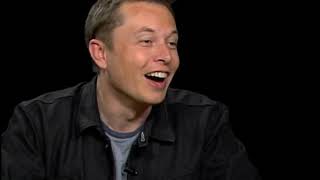 200929:29
 200816:35
 200911:02