2008 年 8 月,SpaceX 的第三枚猎鹰一号(Falcon 1)火箭在级分离之后出了问题。新换的发动机推力瞬变时间比上一台长,飞行没能按预期走完。到那时为止,这家公司三次发射,三次没有入轨。
四周后,马斯克坐在旧金山一场活动的台上,语气平得像在讲别人的事。他谈的不是失败复盘,不是融资进度,是地球四十亿年的生命史,是"生命从海洋走上陆地"和"生命变成多行星物种"哪个分量更重。
台下的人刚看完那段火箭升空的视频。
这场访谈值得翻出来重读,因为它卡在一个非常具体的时间点上:特斯拉刚开始交付第一批量产 Roadster,订单 1200 台;SpaceX 三发三败,靠 DARPA 和空军的合同撑着;SolarCity 刚拿到摩根士丹利三亿美元的债务融资。三家公司里,两家账上的钱不够撑过下一年。
马斯克在台上说的每一句话,都当成这事一定能做成来讲。
Zip2:那笔没人记得的三亿美元
主持人在开场补了一段介绍。马斯克 23 岁大学毕业,带着一辆车、一台电脑和 2000 美元去了旧金山湾区,创办了一家叫 Zip2 的公司,做在线目录,形态像早期的雅虎。四年后,公司以三亿多美元卖给康柏(Compaq)。
那是当时最大的一笔互联网公司收购。
主持人说,他提这件事,跟金额无关,跟"没人记得"有关:马斯克后来干的事太多,这笔开山之作反而被淹没了。
这个细节放在整场访谈的最前面,很说明问题。Zip2 卖掉的时候,马斯克二十七八岁,钱够花几辈子。后面二十年他做的所有事,没有一件是为了让钱变得更多。
PayPal 真正的增长引擎,是个没人当回事的小功能
屏幕上放出了 2000 年 PayPal 的首页。马斯克是联合创始人,公司后来以 15 亿美元卖给 eBay。
主持人问他,一开始的设想是什么。
马斯克的答案比 PayPal 后来的样子大得多。他判断金融领域的创新严重不足,而钱本质上只是数据库里的一条记录,带宽需求低,不需要对互联网做大规模基础设施升级,所以这个领域天然适合被改造。
他想把所有金融服务塞进一个地方:房贷、各类金融关系,无缝集成。媒体当时管这个叫"超级银行"(super bank)。
但演示产品的时候,出现了完全相反的反应。
每次演示,人们对整合金融服务都没什么反应,但对"用邮箱地址转账"这件事特别兴奋。这本来只是个小功能。(马斯克)
于是团队把精力全压到那个小功能上。它成了真正的增长引擎。公司从"超级银行"收窄到"邮件付款"。
不过马斯克在访谈里补了一个很少被提起的事实: PayPal 的成功很大程度上依赖底层那些金融服务。它的货币市场基金收益率在全美排得上最高,它还有一张走万事达卡(MasterCard)系统的借记卡,能在现实世界消费,能在 ATM 直接取现,直接对接 PayPal 账户。这些不是装饰,是商业模式的一部分。
这段自述里有两条经验,马斯克自己没总结,但清清楚楚摆在那:用户对哪个功能兴奋,资源就往哪里压;被砍掉的那部分想法不必扔掉,它可以退到后台做支撑结构。
被自己公司拿掉 CEO 之后
1999 年,Evan 的公司和另一家公司合并成 PayPal,马斯克担任 CEO。2000 年大部分时间他在这个位置上。
那年他结了婚,没休过假。他出去两周,一趟融资行程兼蜜月。
回来的时候,公司内部已经很紧张。管理团队认为他不是带队的那个人,董事会开始讨论怎么办。
他本可以硬扛。
主持人问得很直接:接替你位置的人后来给你的公司投了两千万美元左右,你怎么跨过那种被背叛的感觉?
我不认同他们的结论。但我理解他们为什么那么做。Peter、Max、David 这些人很聪明,动机大体是对的,他们做了自己认为正确的事,除了那些理由在我看来不成立。不过很难反驳最终结果,因为结果是正面的。(马斯克)
他说,与其永远恨他们,不如做对关系更有利的事,他为此花了很多功夫。后来 Peter Thiel 主导的 Founders Fund 投资了 SpaceX,而在这之前,马斯克也投过 Peter 的项目。
这段叙述里有个判断容易被忽略:他区分了"结论"和"动机"。结论他至今不认,动机他认。这个区分让他省下了未来十几年里可能要浪费掉的敌意。
还有一句更实际的:在关键时点,内斗的成本高于让步的成本。
特斯拉的门槛,和 DeLorean 的尸体
屏幕上换成了一台特斯拉 Roadster。
马斯克给了一句电梯演讲:这车比法拉利快,比普锐斯省。
数据是这样的:0 到 60 英里加速 3.9 秒,除了法拉利 Enzo 之外,比任何法拉利都快。而这个数字还低估了真实加速能力,因为汽油车的 0 到 60 是从车轮开始转动算起,但车轮要等离合接合才动,通常要 0.25 秒以上。Roadster 没有离合,直驱,所以换算下来相当于汽油车 3.6 秒。
能效是更狠的一项:按当时的加州电价,跑 250 英里花 4 美元。EPA 综合工况续航,开着空调,244 英里。
售价 10.9 万美元。马斯克承认贵,但强调要和保时捷 911 比:"产品有说服力是一回事,价格有说服力是另一回事。"
主持人提到,媒体把他描述成一个微观管理者,说他连大灯设计都要改。
马斯克纠正了那个词。
是纳米管理者。(马斯克)
他也不辩解自己是完美主义。他说的是另一件事:车绝对不完美,他自己有个毛病,看到产品会立刻看到所有缺陷,需要重新给自己编程,才能也看见好的部分。但有一条底线绕不过去,产品没有说服力、价格没有说服力,就不会是一家好公司。
他举的例子是车门门槛。这台车用了从路特斯 Elise(Lotus Elise)继承来的底盘。
事后看,我们应该把整台车完全重新设计,一点 Elise 的部件都不用。这不像你走进一栋房子,以为只改这个换那个就行,最后你把整栋房子都改了。更好的做法是把房子推平,重来。(马斯克)
原因很实在:车重了 30%,载荷点全都不一样,底盘必须大改。他说当时坚持要降低门槛,而现在还是太高,"你可以想象再高两英寸,在我看来几乎没法用"。
主持人在旁边递了个话头,说马斯克讲过 DeLorean 失败是因为造了烂车。
他接得很干脆:绝对不想再造一个 DeLorean。那车看起来挺酷,性能很弱,不可靠,一堆小毛病。
然后是一段讲给创业者听的话。他说,他们可以造一台更差的车,也还是能卖掉一些,但如果卖得不够多,生意在未来投资人眼里不够有吸引力,就拿不到钱进入下一阶段,甚至连维持现状的钱都拿不到。
当时的订单是 1200 台,押金至少 5000 美元。
美国上一家成功的汽车创业公司,是 1941 年的 Jeep
主持人抛出一个不太好接的问题:美国上一家成功的汽车创业公司是 1941 年的 Jeep,这难道不说明造车这事很糟吗?
马斯克的回答把整个逻辑翻了过来:如果是汽油车,他不会做这件事。
创办特斯拉,跟"世界缺少跑车"没关系。他要做的是加速人类摆脱汽油,环境原因、经济原因、国家安全原因,每一条都很根本。
他甚至给了一条不需要相信环保的路径:就算你不认环境和国家安全,石油不可再生这一点绕不过去。
如果不找到替代方案,迟早经济问题会导致经济崩溃,字面意义上的崩溃。因为油价会到 20、30、40 美元一加仑,开始接近黄金的价格,那会疯掉。(马斯克)
他还讲了一个常被中国读者忽略的机制:特斯拉的价值不只在特斯拉自己做了什么,还在于它给整个行业立的例子。
证据是雪佛兰 Volt。Bob Lutz 是 Volt 的推动者,他公开承认,是特斯拉促成了 Volt 的启动。几年前 Roadster 发布时,他看到新闻稿,拿着它去找开发团队,说:加州一家小公司都能做到,我们为什么不能?
一台卖 10.9 万美元、年销量以千计的车,撬动了一家全球汽车巨头的产品线。这笔账,用销量算不出来。
SolarCity:戴尔模式搬到屋顶
主持人放出一张旧金山南边工厂的照片,说这是马斯克日常参与最少的一家公司。
马斯克给的电梯演讲是:为太阳能做的事,就是戴尔(Dell)为电脑做的事。
他展开解释:戴尔不做 CPU,不做硬盘,不做内存,但把它组装起来,管理终端客户关系,管理服务。这个环节极其重要,因为如果每个人都要去英特尔买 CPU、去别处买硬盘自己攒,很少有人会拥有电脑。
SolarCity 干的是同一件事:把太阳能打包,让使用变得极其简单,一个电话,无缝、无痛。
真正有分量的是金融侧。公司跟摩根士丹利做了三亿美元的债务融资,终端用户零首付签约,装上太阳能之后电费账单直接下降。按马斯克的说法,这单生意不需要犹豫。
当然不是每栋房子都行:屋顶要朝南,面积够大,所在地区电价不能太便宜。加州大概三分之一的房子符合条件。
增长数据他随口就说了:招人的速度就是增长的速度。8 月份数据出来,SolarCity 一个月的规模等于加州排在它后面五家太阳能供应商的总和。他补了一句,功劳全归他们。
把时间尺度拉到四十亿年
主持人终于问到了火星。他说,马斯克带着几亿美元从 PayPal 和 Zip2 出来,没有去买共同基金,而是创办了一家火箭公司,明确目标是把上天的成本降下来,最终帮人类去火星。为什么?
马斯克的答案从大学时代讲起。他当时判断三个领域会显著影响人类未来:互联网、向可持续能源经济转型、生命延伸到地球之外。
他说自己当时觉得第三件事根本轮不到他参与。
至于为什么第三件事重要,他给了一套判断方法。
历史的镜头是区分"此刻看起来重要"和"长期真正重要"的好办法。把尺度拉长到地球四十亿年的生命史,里程碑只有那么几个:单细胞生命、多细胞生命、植物和动物的分化、从海洋到陆地、哺乳动物、意识。(马斯克)
在这个清单上,生命变成多行星物种至少和"从海洋走上陆地"同一量级,可能更重要。
他给的理由很具体:海洋到陆地是渐进的,陆地上待不下去还能跳回海里。星际旅程没有这个退路。
然后是整场访谈里最重的一段。他说,地球四十亿年历史里,生命第一次有能力走出地球,这扇窗可能开很久。他对地球的未来很乐观,但某些事可能把窗关上,让生命永远无法延伸到地球之外,那就危及了生命,或者说意识的延续。
那是很糟糕的事。生命是浪费不起的东西。(马斯克)
这段话放在 2008 年听,是一种近乎荒谬的乐观。金融危机正在把全球汽车业掀翻,通用和克莱斯勒在华盛顿要钱,特斯拉的融资快断了,SpaceX 三发三败。而台上这个人在谈论四十亿年尺度上的一个窗口。
十几年后回看,那扇窗确实没关。
火箭首席设计师,和一场大概率会赢的轮盘赌
访谈中间插了一段猎鹰一号发射的视频。主持人问,几亿美元、几年的工作,就那么射上天,什么感觉。
马斯克说发射日"菊花一紧"(他的原话是 pucker factor 很高)。
然后他讲了一句容易被当成玩笑、其实是事实的话:他本质上是个物理出身的人,算个不错的工程师,商业那些事是因为不得不做,如果他不做,没人替你做,公司就会出问题。
他还是那枚火箭的首席设计师。原话是,大部分情况下他不用图纸就能把火箭重画一遍。"看着自己的孩子飞上去,挺吓人的。"
三次飞行,三次没入轨。第二次和第三次都飞得远远超出太空边界,速度差了一点。
客户一个都没跑。十二次飞行合同,没有客户要求退钱。马斯克的解释是,SpaceX 的客户很专业,他们理解开发阶段的飞行相当于软件的公测版,会崩。他们真正期待的是走出开发阶段之后的可靠性,而那取决于把设计相关的问题一个个消掉。
最近一次的失败原因他也讲得很清楚:装了一台全新发动机,推力瞬变时间比上一台长,级分离之后出了问题。
还有一个被隐瞒得很好的细节。前三次飞行是 DARPA(美国国防高级研究计划局)出的钱,第三次是空军作战响应空间办公室出的。他们想要的不是把卫星送进轨道,是"快速发射"的演示。所以从他们的角度看,三发全部付清,值。
主持人最后问了个狠问题:创办火箭公司像玩俄罗斯轮盘赌,你怎么知道什么时候该停,什么时候承认自己走不通了?
马斯克说每次发射确实有点像俄罗斯轮盘赌,只不过你大概率会赢。停的条件很简单,钱花光的时候。
然后他补了一句在当时听起来几乎不可信的话:去年公司是盈利的,今年也会盈利,虽然利润很小;手上的现金加上现有合同,不算猎鹰一号,也够撑到明年年底。
主持人说时间不够了,提问环节取消。
这场访谈里真正能拿走的东西
2008 年的马斯克还没被封神。他在台上被问到"为什么车必须完美"时要自我辩解,被问到"美国上一家成功的汽车公司是 1941 年的 Jeep"时要解释自己为什么不算疯。
但这场访谈里他给出的每一个判断,后来都被验证了:PayPal 靠一个小功能起飞,特斯拉靠一台贵车撬动了整个行业,SolarCity 靠金融创新而不是技术突破做大,SpaceX 靠客户对"公测版"的容忍活到入轨。
这些不是运气。是他在每个节点上都算清楚了成本、让了什么、压了什么。
- 演示产品时做记录,看用户究竟对哪个功能眼睛发亮。把资源压到那个功能上,别压到你最得意的那个模块上。被砍掉的部分不必扔掉,它可能退到后台变成支撑结构,就像 PayPal 的货币基金和借记卡。
- 跟合伙人或董事会起冲突时,先分清两件事:你不认同的是他们的结论,还是他们的动机。动机没问题就说明还有得谈,把精力花在把关系修回来上,代价通常低于打一场内战。
- 定价对标同级替代品,不对标"新技术应该有的溢价"。特斯拉 Roadster 卖 10.9 万美元,参照物是保时捷 911,不是"环保情怀"。
- 别在别人的旧平台上打补丁。用现成底盘改车,最后发现车重了 30%、载荷点全变,改到只剩外壳是自己的。评估自研还是复用的时候,先算改动比例,超过阈值就推平重来。
- 给早期客户一个明确的阶段定义。SpaceX 直接告诉客户现在是开发阶段,相当于软件的 beta 版,会崩。十二份合同没有一份退款。含糊其辞才是客户流失的真正原因。
- 做长期决策时换一个时间尺度重算一遍。把当下这件事放进十年、五十年、四百年的刻度里,看它还剩多少分量。这个动作不花成本,但能过滤掉大量看起来很急的事。
- 盯住现金流的可持续性,别只盯融资叙事。马斯克在 2008 年说的不是"我们融到钱了",是"我们去年盈利,今年也盈利,加上现有合同能撑到明年底"。这句话比任何愿景都更能让人安心。
0:00thanks Jane and it's my pleasure to be here with you on Musk Jane provided I thought a great introduction but I just wanted to add one more thing before we get to questions when he one was 23 he he got out of college he went to San Francisco the Bay Area with a car a computer and $2,000 yes right and he
0:25started a company called zip - it was sort of like what the early Yahoo was it was an online directory four years later when he was about my age he sold the company for just over 300 million dollars to Compaq and I bring this up not because it was the largest Internet company acquisition at the time but because he's done so much stuff since then that nobody even remembers this this initial success screw zip to doesn't get much play so I'm gonna ask him some questions we're gonna go through he's got you know as Jane said three mind-blowing companies and then hopefully we'll have some time for you all to ask him some questions so start thinking and we'll get to those so
1:08I'm gonna put up something that probably looks familiar to most people here this is the home page of PayPal in 2000 even was a co-founder and the company was sold to eBay and OH - for 1.5 billion dollars and we all know what PayPal is today but I was hoping you could sort of share with us kind of what your vision was from the beginning well it certainly evolved over time initially the I well after slings up to I want to do something more in the Internet and it seemed to me that they hadn't been all that much innovation in the financial sector and given that money is kind of a just an entry in a database and it was low bandwidth so it wouldn't didn't
1:47require some big infrastructure upgrade to the Internet it seemed it should lend itself to innovation so try to think of what could be you know what were something compelling it can be done and I thought well if we can combine all all types of financial services in one so you have like the mortgages or like basically all your your tire financial relationship seamlessly integrated together in one place on that would be cool and then there was a little feature that just seemed like an obvious feature which was ability to transfer money from one person to another by entering unique identifiers like a email address there was like this is sort of a little feature but then
2:28whenever we demonstrate the product people wouldn't get excited about the consolidated financial services but they would get excited about emailing money so he's sort of focusing on our energy on that and that really ended up being the big driver of growth right so it sort of went from a super bank I think that's what the media yeah like a super financial services thing yeah to to really narrowly focusing on email payments so although I should point out that actually a lot of people aren't aware that a lot of the success of PayPal is due to the underlying financial services that are there such as the money market fund which is one of the highest yielding in fact I think the
3:03highest yielding in the country and the fact that there's a PayPal debit card that's which operates off the MasterCard system so you can you have it you can buy things you know buy things in the real world and get cash from an ATM that directly taps into your into your PayPal account those are actually very important to the PayPal business model right so you were CEO of the company for most of 2000 I think yeah you went and 99 and 99 two years PayPal merged or sorry Ewan's company merged with another company copia it became PayPal where he was running the company he went on an investment raising trip and when he got back -huh what happened well yeah so you know I
3:51think it's not a good idea to leave the office when there are like a lot of major things underway which are causing people a great deal of stress yeah but it was a combination of needing to raise money and I had not I've gotten married earlier that year and not had any vacation or honeymoon or anything so it was kind of a combined financing trip to slash honeymoon yeah
4:19and anyway but away for two weeks and there was just so much that there was just a lot of worry and that that caused the management team suicide that I wasn't the right guy to run the company and and so the board was like you know geez what do we do so basically I could I could have fought it really hard but instead I said you know rather than fight it at this critical time best to sort of concede it's amazing to me how you managed when I first asked you about this you said you buried their hatchet and
4:58you know one of the basically the person who replaced you just put I think 20 million dollars or so into your company and yeah how did you get past that kind of betrayal I mean how did you how did you guys patch it up yeah that's actually an interesting story well well I didn't agree with their conclusion I understood why they took the action they did and they're not you know Peter and Max and David and the other guys not I mean they're smart people with generally the right motivations they did what they thought was was right and I think for the right reasons I mean except that the reasons weren't valid in my opinion but it's
5:43hard to argue with the ultimate outcome which is which is positive so you know I just thought you know it's just easy to be better and and and and have I just hate them forever but you know it's best that the right better course of action is to any other cheek and and sort of you know may make the relationship good and it was you know but I put a lot of effort into sort of making things good and yeah and then yeah actually recently
6:12the founders fund which is comprised primarily of X PayPal people including Peter who replaced me as CEO invested in SpaceX yeah and I invested in Peters things before that so I want to put up something about what this you know PayPal sale to eBay helped make possible tell us tell us what we're looking at that's the Tesla Roadster which is the world's first production electric sports car and how much does it cost
6:45give us the sales pitch okay they just opened a dealership so he should be good at this yeah actually I've sold a lot of cars so the Tesla Roadster is the the nut that the nut shell that you know the elevator speech thing is that the roadster is faster than a Ferrari and more efficient than a Prius so it actually has better acceleration than any Ferrari except the Enzo and it's about 3.9 seconds zero to
7:17sixty and that that actually understates the true acceleration because 0-60 for gasoline cars measured from when the wheels start moving but the wheels only start moving when you engage the clutch and it typically takes about a quarter second or more to engage the clutch but there's no clutch it for our car it's direct drive so you don't have a clutch engagement lay so it's it's like equivalent to a gasoline call with a 0-60 of about 3.6 seconds and it's good
7:46incredibly good handling and then the the energy efficiency of the car is the most amazing thing it only costs four dollars at current California rates to go to about 250 miles so the range the current EPA rated range which is a combination of highway and city with the ekend ish turning on is 244 miles so
8:09it's amazing so this is I mean it's so cool it cost one hundred nine thousand dollars yeah it's it's expensive but it's comparable to like a Porsche 911 you know so we want to have something which was in the price range of a comparable gasoline car that it could you know probably beat and
8:32you know so that's that's key because it's one thing to have a compelling product but it has to be a compelling product a compelling price right you in in the press obviously this this has gotten a lot of attention and you one's taking a lot of flack for various redesigns it you've sort of been you've been portrayed as a micromanager you know redesigning the headlights or whatever throws in a no manager I've
8:58improved service attitude so why why does the car need to be perfect I mean why did you need to redesign you know the doors for instance well first of all the car is definitely not perfect okay in fact I one of the things that that troubles me personally is like when I see a product I it's sort of I can mmediately see a readout of all the floors I need to reprogram myself or my myself like a look at the good things as well so it's certainly far from perfect but the the the acceptance I mean fundamentally if you don't have a compelling product at a compelling price you don't have a great company and that's that was really my gate the gate that the product hit the car had to pass
9:45through and so there were things like the dorsals because we used a chassis that was inherited from lotus elise in retrospect we should have completely redesigned the car and not and not use any elise componentry because we really it's not like you go into a house and you think you'll just change this with that and it'll be okay and then you end up changing everything in the house it would've been better to just level the house and start and do something new because the car i'll cars 30% heavier the load points are all different so we had to really redesign a chassis and one
10:22of the things i said we've got to do is to lower the dorsals and as it is I'd also is still too high but if I'd say imagine if they're two inches higher because that's what they were but it made it made it almost unusable in my view yeah I mean the what would Ilana I think you were quoted saying something like DeLorean failed because yeah built a bad car yes and you need to the car needs to be worth one hundred nine thousand dollars absolutely absolutely exactly if you don't exactly did not want to create another DeLorean and the DeLorean kind of looked kind of cool but it was really weak on on performance yeah it was unreliable and there were
11:00lots of little issues with the car and we just didn't want to be in that situation and it's not like I mean we could have built a worse car and still sold a bunch of them but if you don't sell enough to make it make the business look attractive to future investors you're not gonna attract the capital to take it to the next level or even to sustain where it is how many orders have you taken it's 1,200 1,200 deposits Wow so we only take orders when so he puts down a deposit of at least $5,000 yeah so I'm gonna move to another company but you told me that the last successful car startup was Jeep in 1941 yeah in the u.s. yeah in the u.s. so doesn't that
11:40kind of say something bad about going to the car business I mean why why go for this well it's certainly I would not have done this if it were a gasoline car so this is not about it's not because I thought the world had a shortage of sports cars that we start started Tesla it's because it's very important that we accelerate the transition away from gasoline for environmental reasons for
12:09economic reasons for national security reasons it's very very fundamental and frankly yeah so you know even even if you don't think leaving the environmental reasons if you don't believe in the national security issues reasons it's obviously gasoline oil is not a renewable resource and sooner or later the economic issues are going to cause a collapse of the economy literally a collapse of the economy if if we don't find find an alternative because you'll be paying 20 30 $40 gas gasoline if stuffs gonna get you know it's going to start approaching the price of gold I mean it's gonna be crazy so we got to find a renewable
12:53alternative and the the good that Tesla's doing is not just Tesla's what what test does itself it's the example that Tesla sets will rest the industry in fact people have probably seen the announcement for the Chevy Volt well Bob lights the Bob let's is the champion of the Chevy Volt and he credits Tesla with the twist was starting that the getting a Chevy Volt started because when we unveiled our Tesla Roadster a couple years ago he saw the press release he took the tears of press release went to his developing guys and said if a little company in California can do this why can't we yeah and that's what prompted the Chevy Volt yeah well let's talk
13:33about how we power these things oh that's it that's a picture of the workshop in or just south of San Francisco right and then this is another company that you on it's probably one that you're maybe least involved with on a day-to-day basis yeah but it's it's Solar City and sort of the elevator pitch for this one as you've told it to me before is you know you're gonna do for solar power what Dell did for computers which is such a nice way of putting it and I was hoping you could just unpack that for us a little bit certainly well Dell doesn't make the CPU
14:06or the hard drive or the memory but they put it all together and they manage the relationship with the end customer and they manage the service and and and all that and that's a very important element because if you had to go to Intel and buy your CPU and somewhere else and buy your you know hard drive and put that all together very few people would have computers yeah so Solar City is about packaging that all making it really easy to use just basically make one call it's just seamless and painless and then they also have a lot of innovation on the financing front so they did a three hundred million dollar debt facility with Morgan Stanley that allows the the
14:43end consumer to sign up for solar power put no money down and your utility bill decreases so it's a complete no-brainer now it doesn't work for every house because your house has to be you know South Face you know having to have a south-facing roof and be of sufficient size and and you have to be in an area where electricity is not super cheap yeah but it works for a lot of a lot of houses and you know maybe a third third of the house in California or something like that and so they've just enjoyed phenomenal growth I mean they're literally growing as fast as they can hire good people and I mean the numbers for the month of August came in and solar cities as big
15:20as the next five solar power providers combined in California so and all credit to them I mean really phenomenal job I mean III was sort of weighing every now and again like yeah what about that so how about that but really isof very little creative managing their no not at all yeah thank goodness so Jane brought
15:43up Mars in our introduction and you know you got out of PayPal with and zip to you know with a lot of money and I think I'm sure people in this room have had this happen to them and and many people will have it happen sometime in the future I hope and instead of buying mutual funds or I don't know doing whatever one does with several hundred million dollars you decided to expect
16:13securities the Heather they're great you you decided to start a rocket company with the express purpose of well making it cheaper to get stuff in outer space and then eventually going to Mars for helping humanity go to Mars and I just wanted to know you know why why do that it isn't obvious
16:40well when I was in college there was sort of three areas that I sort of what's really going to affect the future Humanity in a significant way the three things that seem to be most significant to me were the Internet of the transition to a sustainable energy economy and the third was the extension of life beyond Earth becoming multiplanetary I didn't think I'd be involved in at all in option three but
17:07the reason I think it's important is it is it goes to how we decide that anything is important and the lens of history is a good way to distinguish what seems important in the moment from what is truly important over the long term and if you zoom out and look at a long enough period of time instead of four billion year history of Earth and the evolution of life itself then there's only about half dozen or so major of milestones in the you know history of life there's obviously single-celled life all facility life differentiation to plants animals the transition from oceans to land mammals
17:46and consciousness and so and then also on that scale would fit life becoming multiplanetary it would be I think at least as important as life going from the oceans to land and probably more important or more significant because at least that that was a gradual transition if you didn't if you if if land was if things got a little uncountable on land you could just hop back in the ocean and that's not really feasible on interplanetary journeys so you know here
18:15we are it's sort of the first time in the four billion year history of Earth that life has been able to go beyond Earth and that that window may be open for a long time and I'm optimistic that I hope it will and I'm actually really optimistic about the future of Earth but something may happen that that closes that window and prevents us prevents life from extending beyond Earth and that risks the extension of life or at least consciousness as we know it and that would be a terrible thing life is a terrible thing to waste so if I want to give people a sense of what kind of we're talking about so we just have a short oh this is but you know building the rocket and
18:54this should give people a sense [Music] so so that's your rocket and and and that launched yeah that that launched what about three three weeks ago four weeks ago yeah and we'll get to what happened but I just want to ask you I mean watching that in and and when you watch that for the first time the first your first rocket went in Oh 5 I believe or right I mean how did that how did you feel you know a hundred million dollars years of work and you know you're shooting something you know in the air I mean it must have been amazing yeah it's pretty nerve-wracking that's for sure the pucker factor on launch day is very high so know you know something
20:07well yeah I mean you know I'm actually should be said I'm actually kind of like a physics guy I mean I'm a good engineer really and I do kind of the business stuff because you know you kind of have to do the business stuff or if you don't do the business stuff somebody else can't do it for you and then then you could be in trouble and I actually the chief designer of the rocket I mean I could tell you I could redraw that rocket without without benefit of blueprints for the most part yeah so it sort of like seeing my baby go up there you know and it's it's pretty scary so so there
20:43have been three flights so far and and each one is has obviously the goal is to get into orbit each one has sort of not made it did you deal with the get to space okay you got to space but it didn't you you didn't get where you want it to go not all the way sorry necessarily go all the way on the first few days SpaceX has [Laughter] get it working way up there so but it
21:18certainly flights two and three got to well into well beyond the boundaries of space didn't get too full a little velocity though yeah but I mean you've got a sex has several hundred employees and and obviously you said it was like your baby I mean how did you deal with it personally and then how did you deal with the company as a manager sort of helping them get past it and helping your customers get past it obviously to to keep their money because nobody's taking their money out of a sex they've sold twelve flights and none of the customers have asked for their money but that's true so how did you do that what's a therapy that's a hand-holding
21:57or just I think the customers that are that of sign up for SpaceX are pretty sophisticated and they understand that in the early in early attempts at flights you know in the development phase essentially the called the beta phase if it was software there will be crashes and things things weren't initially Gauhar percent or they obviously do expect that once we get out of the development phase that there will be good reliability and that really is a function of eliminating design related issues yeah you know the last launch I had a problem because we had a brand new engine on it that had a thrust transient there was longer than the last one and
22:44so there was an issue following stage separation right but generally they've quite sophisticated customers and they understand what's going on and and actually the first three flights were paid for by it was supposed to were paid for by DARPA the Defense Advanced Research Projects Agency and the third one was paid for by the Air Force operation responsible space office and their outcome the outcomes they were looking for we're not really the the delivery of a satellite to orbit they were actually looking for demonstration of rapid launch right and so they actually felt that that we will fully paid for three flights right so I'm gonna ask one more question and then
23:22we'll have some time for a quick Q&A you know there's there's another rocket that looks just like this right now in the Marshall Islands where SpaceX launches from and it's I think you told me it's gonna go on this coming week hopefully or hopefully this end and you know you told me and I think you've written this elsewhere that starting a
23:45rocket company is it's so risky it's like playing Russian roulette and well each launch is a bit like Russian roulette yeah okay and but you know you yeah less Russian let you know it's worth pointing out that you're probably gonna win but but I wanted to ask you you know Russian Roulette you know how do you know that you're dead I mean when do you when do you stop when do you say you know what I've I'm not gonna make it or how I think if we run out of money but we actually I know this sounds crazy
24:21but we were profitable last year we're gonna be profitable this year I'm not a big profits refill a small profit and we have enough funding on hand and with existing contracts that independent of Falcon 1 to last through the end of next year ok so I was just told I guess we don't have time for questions and I'll let that be my last question and but Ilan thank you so much for being here and just sharing your story with us it's it's so inspiring thank you thank you [Applause]
资源与出处
- 视频在 YouTube 收看
- 档案silicon-valley.tech 档案页本页视频与文稿数据来自 Elon Musk Archive
- 精读本篇精读 Markdown 版
相关视频
同频道、同主题或相邻年份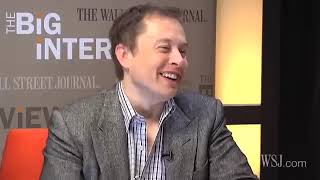 200816:35
 200911:02
 200629:09