2018年8月7日,马斯克在推特上敲下一句话:正考虑以每股420美元把特斯拉私有化,资金已到位(funding secured)。
这条推文的代价,后来很多人都知道了:马斯克和特斯拉各被SEC罚款2000万美元,他本人辞去特斯拉董事长,三年内不得再任。
但在这份质询证词里,马斯克给出的解释是另一套逻辑。他坐在律师对面,把当初脑子里的算术一步步拆开:真正需要退出的股东,我估计只有25%左右;沙特主权基金愿意按80%的规模出钱;三倍覆盖。既然如此,说一句“资金已到位”,有什么问题?
这套算术到底站不站得住?他又是怎么从一场以为是寒暄的会面,一路走到那条推文前面的?
一顶帽子上面再戴一顶帽子
质询一开始,律师就咬住一个身份问题不放。
马斯克既是特斯拉的CEO,又被当成这笔交易的“买方”。律师问他,这两个身份,你能不能分得清?
马斯克的回答很实在,实在到有点危险。
“我不会声称自己能完美地把脑子劈成两半。人很难把心思完全隔开。要做到戴两顶帽子,这本身就是件非常困难的事。犯错是人之常情。”(马斯克)
律师追问,你说的“帽子”到底指什么。马斯克说他脑子里浮现的画面很具体:一个人头上已经戴了一顶帽子,上面再叠一顶帽子。全场笑了。
他还补了一句,自己是很强的视觉型思维,很多概念在脑子里都是画面。
这段对话看着轻松,其实是整场质询的底色。律师想确认的是:你作为CEO该对全体股东负责,作为“买方”又代表另一边,这两件事会不会打架。马斯克的回答等于承认,会很打架,我不保证自己每次都分得清。
他反复强调一个词:从技术意义上说,我是“买方”;从任何有意义的意义上说,我都算不上。因为他不会真的去买股份,他还是这家公司的CEO。他也讲到,这里存在双重责任:既要对公司好,也要处理被冠以“买方”之名的那个角色该做的事。
6点06分,工厂会议室
话题转到2018年7月31日的那场会面。
地点是特斯拉的工厂,具体是工厂里的一间会议室。日历上的时间戳显示下午6点06分。马斯克看到这个时间还开了个玩笑,说这个时间戳引用的是格林威治时间,当年法国人为了本初子午线定在格林威治还闹过一阵。
对方来了三个人。马斯克只认得其中一个:Yasser Al-Rumayyan,沙特公共投资基金(PIF)的负责人。另外两个人他不认识。马斯克的幕僚长Sam Teller也在场,但不一定全程都在。
马斯克说,他当时以为这就是一次“非会议”。原话的意思大概是,就是又一次联络感情、碰个面的那种会,跟过去两年里很多次一样。
他记得自己可能只是在对方进门时说了声嗨。他记得对方在记笔记,但不知道记了什么。他记得有人桌上放着某种平板设备,不确定是不是iPad。
会面开始是寒暄。然后Yasser很兴奋地告诉他一个消息。
他们已经在市场上买到了接近5%
Yasser说,PIF已经在公开市场买入了特斯拉的股份,一直买到接近5%的位置,几乎是踩着线停下来的。
马斯克说他很惊讶,之前并不知道这件事。他的反应是:“太好了,谢谢你们告诉我们。”他说他对任何把资金托付给特斯拉的人都是这个态度。
真正关键的是下一句。Yasser说,卡住他们的唯一因素,是5%的持股披露要求。他们想要大得多的股份,但不想在没跟马斯克打招呼的情况下越过这条线,因为一旦越过,就会因为披露要求引起轰动。
马斯克确认,对方说得非常明确:他们要的量级远超5%,稍微多一点根本满足不了。原话是“extremely explicit”,明确到不能再明确。
他以为这事交给了孙正义
接下来的部分是整场证词里最有戏剧性的转折。
Yasser告诉马斯克,他想帮特斯拉完成私有化,想把这件事做成。
马斯克的第一反应是不敢相信。因为在之前的会面里,他一直有一个印象,而且是错误的印象:PIF已经把这类投资决策委托给了孙正义(Masa,软银创始人)。
他当场问对方,这事你们不是交给Masa了吗?
Yasser的回答是“绝对不是”。而且他明确说,不想通过软银来做私有化,因为那样就得给软银付一笔分成,他们不愿意。
马斯克说,他还追问了一句:你们确定要做这件事?对方说,确定。
然后他问了那个最关键的问题:还需要别的决策者点头吗?
Yasser的回答是:这就是PIF的好处,只要王储支持我,我就是决策者,而他支持我。就这么多,这事就这么定了。
马斯克的原话是:那听起来很棒,这听起来是件非常令人兴奋的事,我们至少应该搞清楚这里什么是可能的。
他还说了一句挺有意思的话,说自己很看重忠诚。如果一批长期持有特斯拉的投资者因为私有化而被迫离开,而他们本人是想留下的,那在他眼里是件大事。
石油挖完之后,沙特要干什么
律师问,PIF为什么对特斯拉这么感兴趣。
马斯克的解释绕开了财务回报,直接讲战略。他说这件事其实很明显:他们得想清楚,石油挖完之后这个国家要怎么办。
他们的收入高度依赖石油和天然气,这个局面很脆弱。所以他们在找一条路,让自己在未来的能源格局里仍然有位置,哪怕那个未来是太阳能、电池和电动车。
马斯克说,从他们的角度看,这笔钱买到的东西超出了财务回报。它关乎国家安全。他们想要的不止投资回报,他们得回答一个问题:石油没了之后,这个国家靠什么活着。
他列举了几条可能的路径。沙特有大片沙漠,有充足的日照,可以铺大量光伏板,再用超高压输电把电送到世界其他地方。也可以建电动车工厂或者电池工厂。
但这些事,拿5%的股份是换不来的。要有大得多的股份,才谈得上影响力。马斯克说,不一定是控制权,但肯定要远高于5%。
他也说得很直白:如果让对方完全按自己的意愿来,他们当然想要一个控股地位。但这种事会在很多层面引起担忧,所以他们不会当面这么讲。可从战略上看,这一点是显而易见的。
什么叫take private
律师花了不少时间,让马斯克解释“take private”这个词在行业里的标准含义。
马斯克的回答是:标准模板是收购几乎全部流通股。他举了戴尔的例子,2013年戴尔私有化,收购了大约80%的非戴尔股东手里的股份。
也就是说,一个不带任何修饰词的“take private”,隐含的意思就是收购绝大多数外部股份。而且这种收购通常要付溢价。
律师追问溢价大概是多少。马斯克说,具体数字在谈判前谁也说不准,但大家心里都有一个常识性的预期,20%左右。他说这是私有化或并购里很典型的数字。
律师问他,你在那条推文之前,知道有哪家公司做过类似的私有化吗?
马斯克的回答有点出乎意料:他说他并不清楚,而且他做事情也不一定参照先例。
25%对80%,三倍覆盖
这是整场质询里最核心的一段。马斯克在这里把自己的算术完整地摊开了。
他说,当他听到对方说要做私有化,脑子里第一反应是“不行,我不想那么干”。
他不想按标准模板来。标准模板是把不愿意留下的股东挤出去,他不喜欢这种“挤出”(squeeze out)的做法。他想的是:现在所有的股东,只要愿意留下,就都留下来。留不留应该由本人自由选择。
所以他在心里估了一个数:大概有25%的股东不愿意在一家私有公司里继续持有特斯拉。
而对方脑子里的模板,是按80%来准备的。80%对25%,这是三倍多的覆盖。
马斯克的结论就是:如果你实际上有三倍超额认购,那么在标准私有化的所有要素都具备的前提下,这个覆盖足够支撑“资金已到位”这个说法。
他特别强调,这个判断是在对方先说出“我们要做私有化”之后才做出的。他的原意是想告诉对方:这件事比你们想的要容易,因为大部分现有股东会留下来,需要的钱没有你们以为的那么多。按他的说法,对方准备好的资金实际上已经超额认购了这笔交易。
律师反复确认,对方是不是知道你说的“大部分股东会留下”是什么意思。马斯克说,Yasser手里有一份相当详细的股东名单,至少有公开的资本结构表,所以他清楚“大部分股东”指的是谁、有多少。
律师又问,对方是不是以为其他投资者不会参与。马斯克说,是的,对方很清楚这一点,他们本来就是按“其他大部分人不参与”来准备的。
他最初想的其实是退市
有一个容易被忽略的细节:马斯克说,他一开始想的路径之一,是直接退市(delist)。
他承认,自己当时并不了解所有能让公司变成非上市公司的路径。为了探索这些路径,又不能制造选择性披露的问题,他觉得自己必须去跟主要投资者谈,搞清楚一件事:有没有一条他们支持、他们也愿意留下来的私有化路径。
所以“直接退市”是当时摆在桌上的选项之一。退市不需要交易对手方,操作上更简单。但退市之后流动性还是问题,所以它只是选项之一,后面还有别的路要走。
不能偷偷跟大股东谈
这里有一段很关键的自述,解释了那条推文为什么会存在。
马斯克说,他不能在没有公开消息的情况下,单独去跟这些大投资者谈私有化。因为那样就构成选择性披露:你先告诉了少数人一个重大信息,市场其余部分还蒙在鼓里。
而且这些谈话只能一个一个来,不可能同时把所有人叫到一起。
所以他必须先让“私有化”这件事有一定的公开度,让市场对这件事有基本认知,然后才能去跟投资者逐一沟通。
这条逻辑链,把“发推”和“必须公开”直接连了起来。在他叙述里,那条推文起的是前置条件的作用:不公开,就没法谈;要谈,就得先公开。
他也提到,他当时心里有一个参照物:SpaceX。SpaceX是私有公司,运营开销小得多,执行效率比上市公司特斯拉更高。他在那篇博客里写过这个判断。所以如果问他,从CEO的角度还是从“买方”的角度,私有化有没有强支撑,他的回答都是:有。
一个他承认算错的地方
证词里有一段马斯克主动认错,说得很坦率。
他当时以为,私有化之后会有某种机制,让小的散户投资者也能继续参与。他甚至还想过,可以为小投资者设计一个载体。
后来他发现,没有这种机制。
他顺着这个话头,讲了一段跟本案关系不大、但他显然想说很久的话。
他说,大量财富创造其实发生在公司还是私有的阶段。但小投资者只有等公司上市了才能参与,而到那时候,大部分财富创造已经完成了。这种结构在加剧财富分化,后果不好。
他也承认,最初那些监管规定的初衷是好的,就是反欺诈,防止有人被骗走钱,这一点没问题。
但他认为,如果有一个可信的受托机构,比如像Fidelity这样的机构,再加上非常直白的披露文件,那么普通人参与私有公司投资的门槛应该更低一些。他提到那个百万美元的门槛,说这个门槛很麻烦。
说完他还道了个歉,说自己跑题了。
三大机构股东的暗示
马斯克说,他当时脑子里有一个具体的想法:能不能让特斯拉变成一个类似SpaceX的结构,开销小得多,运营更轻。
他举了个证据。Fidelity已经是SpaceX的股东。T. Rowe Price和Baillie Gifford都曾申请成为SpaceX的股东。而这三家,他认为正是特斯拉最大的三家机构股东。
他的推理是:一家已经投了,另外两家想投,说明机构投资者里这种偏好很普遍。既然它们能接受SpaceX那样的私有结构,应该也能接受特斯拉变成类似结构。如果这三家都愿意,那私有化就会比大家想象的容易。
他也承认,自己当时知道这些机构在某些基金上对持有上市公司有特殊限制,但具体有多严格,他是后来才知道的。他后来跟这些机构谈过之后发现,限制比他预想的要苛刻得多。
但这里有个死结:他不能在没有公开信息的情况下,提前去跟这些机构逐一确认。所以只能先公开,再谈。这又绕回了那条推文。
孙正义的晚餐和印度工厂
证词快结束时,马斯克主动提到后面还有一场跟孙正义的晚餐,说那顿饭里也有不少好玩的事。
他说孙正义当时刚跟莫迪吃过饭,然后在饭桌上坚持:你必须把工厂放到印度去。
这段跟私有化案本身关系不大,但它把当时那个圈子的气氛带出来了。一边是沙特主权基金想在沙漠里建电动车产业链,一边是软银想把工厂按到印度,马斯克夹在中间,听着各方给特斯拉规划未来。
而他自己脑子里想的,是能不能让股东都留下来,能不能少花钱,能不能像SpaceX那样轻装上阵。
这套算术的问题在哪
回头看他那套“25%对80%、三倍覆盖”的逻辑,它有一个前提:25%这个数字,是他自己估的。
他没有做过正式的股东意向调查,没有签任何文件,没有拿到任何一家机构的书面承诺。他手里有的,是对方愿意出钱的口头表态,加上自己对股东留存率的判断。
他在证词里多次用“我相信”“我当时的判断是”“我可能说错了”这类说法。他也承认,自己并不能完美地区分CEO和“买方”这两个身份。
律师反复问的其实就一件事:在你打下“资金已到位”这几个字的时候,你手里到底有什么?
马斯克的回答是:我有对方明确的意愿、有对方按标准私有化规模准备的资金、有我对股东留存率的判断,三样加起来,我认为说这句话是合理的。
SEC显然不这么看。他们要的是可核实的事实,比如钱在哪里,谁承诺的,承诺了多少,什么条件。一套自洽的推理,哪怕逻辑上站得住,也替不了这些东西。
这也是这场质询最有意思的地方。它把一条推文背后的完整思维过程摊在了桌上,包括那些事后看站不住脚的估算,包括那些他以为自己知道、其实是误会的判断,比如他一度真的以为PIF把决策权交给了孙正义。
一个CEO在脑子里跑完一整条交易推演,只用了几天,然后把结论用九个字发了出去。剩下的部分,由律师在几年后一个字一个字地问回来。
对做技术、做产品、做创业的人来说,这份证词有一个很直接的提醒:你脑子里的推演再自洽,也不等于对外可以陈述的事实。推演是你的,陈述是要被人逐字核对的。
- 任何涉及金额、交易、融资的公开表述,先问三个问题:对手方是谁,钱在哪里,有没有书面确认。三个里缺一个,就把话说软一点。
- 别把“我认为他会出钱”当成“资金已到位”。前者是判断,后者是事实,法律只认后者。
- 同时担任多个角色时,重要决策要留痕。会议记录、邮件、时间戳,这些东西在几年后会成为唯一能证明你当时想法的东西。
- 不要在没有公开信息的情况下单独跟大股东谈重大事项。选择性披露的红线,往往比你想象的更容易踩到。
- 公开发言前,假设每一句话都会被逐字拆解。拆解之后还站得住,再说。
- 如果你在做一个可能影响股价或估值的判断,先把估算和事实分开写在纸上。哪些是数据,哪些是推测,一眼能看出来,能救你很多麻烦。
0:12Yeah. No. [laughter]
0:26Sorry. yes. I I think those Yes. Yes.
2:24Sorry, what was that? Yes. Mhm. Yes. I think it is. Yes. it's to the best of my recollection, that is true.
3:57all public statements related to the Twitter transaction? I would I think it would be good to review those statements before answering. We've reviewed a lot of statements. Yeah, I mean I think if it's documents that you have in mind, then I mean it We've We've cuz we've also reviewed documents that are unrelated to the transaction. So then obviously that cannot be with relating to the transaction.
5:14Yes, these are from the standpoint of a buyer. Although as I explained and in fact as I articulated in the blog post, this is not a buyer in any standard sense of the word. This is more from the standpoint of wanting to have a more efficient the operated company. and and in the belief that it could be more efficiently operated as a private.
5:41So it's only a buyer of in a very technical sense of the word.
5:56I mean I I obviously I cannot I I am still CEO of the company. And so there is a double duty of what is right for the company and then what is right from the standpoint of of treatment. What of what is here termed as a buyer, although it's not a buyer in any meaningful sense of the word.
6:20I'm not a buyer in a in in a in the sense of me acquiring shares.
6:41I would not I would not try to claim that I'm perfectly able to separate and be in two minds. I mean that this is when it's human, you know, it is difficult to completely partition one's mind.
7:08Yeah, I think it would be fair to say that aspirationally these were from the standpoint of a buyer. Essentially, I was trying to do the right thing from what perspective this was operated from. At the same time, I'm also the CEO of the company. So you know, it's it's it's far from certain that I was In fact, I would not claim to be perfect in this regard. I think this is a very difficult thing to do, is to wear two hats.
7:44each. And to err is human. I'm sorry, which one? This hat analogy is really a Is there one? Capacity, sure. Capacity. Well, I I just cannot get the picture of a I have the picture of a hat. [laughter]
8:39And somebody you know, having a hat on a hat is I mean, I have like a very sort of visual perception of things. Yeah. Yeah.
9:12I'm sorry. Eight and the Yep. Yes. I think that is aspirationally accurate. I mean, it's certainly possible. I mean, that that was certainly what I intended but that's certainly what I intended to lead. But it it it is also possible that I made some mistakes here, you know, or in the process.
9:59I I the Well, I think it's important to like my my motivations for doing this were at least from my perspective to enable Tesla to execute better over time. cuz I felt that at SpaceX, where we are private, we're able to execute better than at Tesla, where we are public. and I I I described that in the in the blog. so if you ask me in either capacity, did I think that there was strong merits to being private?
10:35I would have said yes. Not exactly. one of the things that we could have done would just be to delist. There's no counterparty. Yes. from the taking Tesla private but tweets for you know, basically since I didn't know all of the ways that one could go private. so, in order to explore these ways and to be able to do so without creating a select disclosure issue, I felt I needed to talk to our major investors and to understand is there a path to being private that they would be that they would support that they would think is a good idea?
11:52would they be able to to stay with the company because if they were not able to stay with the company, that's a big deal. Well, I am actually I live strongly in loyalty and it's just if they have been loyal investors in Tesla and are unable to remain, that's a big factor if they wanted to.
12:11so so one of the considerations was what if we simply delist? No counterparty. Yes.
12:37No, no, I mean it's still you know at some point we but that's still one of the options in the future to stay listed.
13:17so I'm telling you it's my chief of staff.
13:34Do you mean to set up a meeting or something? Oh. Yeah, Sam did I think Sam mentioned that Yes, sir. Pick on I think Yes, sir. I call you sir of Arabia. wanted to meet. Yes.
14:26No. I was surprised that we I mean I [clears throat]
14:34Y- You're You're serious. tried to meet with me quite a lot over the past 2 years and we've had some meetings. Olivia is the managing director or he is the head guy. Yes.
15:14He was like, "Okay, come meet me in the factory." And So, we met at the factory.
15:39Specifically in July. I mean, he might have sent me a text or something. Possible. No. Yeah. Yes. No. I think just verbally. I I didn't think I mean, I think it I I was just really was case of you know, No. Nope.
17:02No. I mean, I thought this was going to be a non-meeting. Like like another like relationship touching base meeting. It was something like that, too. No. What time of day you mean? Or I think the 31st. Is that right?
18:21Yeah. not really, but I know I've not seen it in this format before, but normally it's just a line on my phone.
19:08Yeah, so I put it in the subject. 6:06 p.m. Yeah. Right. It's kind of amazing that that's referenced off of little Greenwich. The French had a real fit about that.
20:16I almost about right, yeah. I'm not sure if that's when the meeting actually occurred, but that certainly is what's referenced on the calendar. Yeah. The factory, the the car factory. Yes.
20:51yeah, I mean it's just the conference room in the Yeah. possibly. There's a lot of meetings in that conference room. You know. I think I was at I might have said hi. but I recall seeing them in the conference room. Well, I said hi as they were going in or something. I think three.
22:00There were three individuals. I don't know the other two, but I I do know Yasser. No.
22:26Yeah. No. Yes. Correct. I think Sam Teller. I mean I mean I know Sam Teller was there. I'm not sure if he's there from the from the entire meeting.
23:19No, it's like Vegas in the factory. Can't even when it's the fun part. but you cannot see it's like you lose track of time. Yes. Yeah. Oh, phone maybe probably not, sure. But probably I might find it was with me, but I'm not sure. It might have It's either charging at my desk or in my pocket usually.
23:57That's probably his phone. I don't know for sure. I think yesterday had some kind of tablet thing. I'm not sure if it was an iPad or something else. Yeah. Some sort of tablet device. Maybe. I'm not sure. I don't think so. But I I don't I'm not that at the last we were sitting. I I do remember them like writing things down.
24:46But I'm not sure what they wrote. I'm not certain. Not that I'm aware. Literally might have said hello as they walked in. Yes. [clears throat]
25:36I don't remember everything about the meeting. There was like pleasantries. feel like exchanged pleasantries. And then he was very excited to tell me that they had made a substantial investment in Tesla. in the public markets right up to the absolute limit of just below 5%. That I recall, yes.
26:22That's correct. No. I was surprised to learn this. I was like, great. Thank you for bringing it to our attention. That's awesome. As I do anyone who places their funds in our trust.
26:56No, I don't think so. I hope. He as I recall he said he that that the only thing that was limiting them at 5% was the reporting requirement. And they wish to have a much larger stake. and wanted to help Tesla go private. What do you take to the private essentially? What what Yeah, wanted to help take the taste wanted to make it happen. Wanted to make Tesla the to take private happen.
27:41I told him I was interested in taking a company private. and he But but he volunteered that I I I I he volunteered that he wanted to to take he wanted to take Tesla private and moreover that And So I was like quite surprised to learn this and and the and he said that that that yeah like I said he said that he had always wanted to do this. And I was like really? And I thought you had delegated this to Masa.
28:24And he said definitely not. in fact he would not want to do a take private through Masa. Because then they would have to pay a percentage to Masa. And they did not want to do that. I I was like okay, well that was surprising to me because in prior meetings which I assume we will get to in in your questioning.
28:50I was under the mistaken impression that this they had delegated this responsibility to Masa. he's like, "Okay." Okay, so that's quite that's quite exciting. Is there I said, "Are you sure you want to do this?" And he's like, "Definitely." And and then so so then I I said, "Well, is there are there any other decision makers needed?" He says, "No, that's the advantage of PIF.
29:26I am the decision maker as long as the Crown Prince supports me, and he does." that's it. This done. I'm like, "Okay." That sounds great. Let's try to pursue this. That's that sounds like a very exciting thing to pursue. We should at least understand what is possible here. Sure.
30:17derivation take private Going private, this was mentioned several times. Yes. I mean, he mentioned that he had invested 5%. Had he purchased 5% of the company already? just on the open market and that the only thing that was inhibiting a higher ownership was the reporting the reporting requirement to get 4.99% and what wanted to go considerably higher but did not want to do that without checking with me and obviously this would create a splash because of the reporting requirement and so but that's their interest was much higher than 5% by law
31:20Yes, definitely. No, they were extremely explicit that they wanted to have a much larger stake in Tesla. Not a slightly larger stake, but a much larger stake. This is Now, this is pretty obvious because they need to figure out a plan for when oil runs out. And so they need to They They They They really want to figure out how they can be part of energy in the future even when it is solar power and batteries and electric cars and that kind of thing.
31:58So this is a fundamental strategic importance to them. From their standpoint, their ideal situation if they could do it would be total black acquisition of Tesla. Obviously. This is not This sort of investment is not merely a financial investment. This is something that is of a national security importance to them.
32:37It's not just a matter of getting some return on investment. They need to figure out what the hell the country is going to do when they're out of oil.
32:57I mean, I don't have, you know, I think guess what entirely what's in their minds. It's It's It's pretty obvious if you are in the position of Saudi Arabia that you need to find a solution for what the hell you're going to do when the oil runs out. Obviously, this is a very big deal.
33:17You know, they'll run out of money. They're very dependent on oil. This is not a good situation. so they got to figure out something. And energy is there's currently a big provider of energy in the form of oil and natural gas. So, from this standpoint, continuing in the energy business, albeit renewable, is seems like a good thing.
33:46and there's a wide range of things they could do. they've got a lot of desert, a lot of sun. So, they could put a lot of solar panels up and then transport that energy to the in elect- sort of high ultra high voltage electrical connections to other parts of the world. they could have electric car factory or battery factory. These things are all quite important. now these things don't come with just a financial investment in a company. You have to really have a much bigger stake in the company for that to be the case.
34:26Not necessarily controlling, but certainly much more influential than 5%. But, aspirationally, if if if they had their druthers and you don't know they aspirationally they would like a controlling stake. But, I you know, this would obviously generate concern on a number of levels.
34:53This is strategically obvious. They would not say something like that to me directly. but, it is strategically obvious. That hardly at all.
35:33I think take private. I'm not certain, but I think take private. And and if I say like I'll say like in a in a in a typical take private as as you know, the there is a very large stake that is acquired by the entity taking things private. for example, in the case of Dell that was an acquisition of I think about something on the order of 80% of the non-Dell shareholders.
36:08Something on that something like that. That is a typical take private. so it is is a an acquisition of of let's say I assume majority if not all of the outstanding shares of the company. And that would be a that would be the typical template for a take private. Now in my mind I was like hell no, I don't want to do that.
36:36I want to retain all the shareholders we have right now up to anyone who doesn't as long as they want to be in the company. I don't want to have them be in the company. It should be like a free choice. I don't like this whole squeeze out thing. That's like not good. So So in my mind I was like, you know, maybe there's
36:5825% of shareholders would not want to be in Tesla as a private company. And then given that that that that the template the assumed template in a take private would be more in the order of triple that number. Certainly I would not be selling my shares in either way, but they would be thinking more in the on the order of potentially 80%. That is effectively a 3x coverage of what's necessary to take private.
37:29So if you effectively have a a threefold over subscription assuming all the standard elements of a take private, this is plenty of coverage to make a statement like funding secured. Yes. Totally.
38:21I think I I I I'm I'm I think I said that I would like to retain our current shareholder base. That would be preferable to me. Like as as many shareholders as possible I'd like to retain in a in a in a take private. And and this is this is also be something that would make it obviously easier from their standpoint from a from a capital standpoint.
38:53But that was after they said the take private. Like I was I was like basically mitigating the the net the capital needs required for take privates. It's like whereas normally they'd think okay, maybe you need to acquire 80% of shares. So my opinion is probably closer to 20 at most 30% probably something on the order of 25%.
39:14So but it easier thing that than than what they they were advocating something in their mind it it would have had to been a standard take private. And and I was trying to say like actually I think it's going to be considerably easier than what you're talking about because I don't think we'll need to acquire 80% of the shares.
39:41No, they were just talking about a standard take private which would imply that. No, but if you say take private and do not have a modifier then it's reasonable to assume standard.
40:07No. Only it doesn't imply a dollar amount in the generalities associated with percentage percentages. It you know, there's an implied dollar amount. obviously any take private where you're acquiring a bunch of shares would have to have some reasonable premium associated with it.
40:32the and would have the like the standard template in the absence of modifiers would be acquisition of almost all of the outstanding shares. and some premium to to pay to to so that's some acquisition premium essentially. So implicit in that is what what what far higher numbers than I thought would be necessary in a take private.
41:52I think I made that comment after I I hear him say he wanted to do the take private and then I said that I think the the take take private sector is going to be easier than you realize because I think most investors will continue on as shareholders. I'm not certain if I said that, but I I said that. But that was after they said we want to do the take private. which would have implied 80% and I what I was trying to say was this take private that we're talking about here is easier than you realize.
42:27Most likely. No, I think I I'm pretty sure I said that that most existing shareholders would remain with the company. That was my belief at the time. and he had some sort of quite detailed list of shareholders. So he was aware of what most shareholders would mean. and he had the whole cap at least the publicly available capitalization table of the company.
43:04So he knew what I was talking about. Yes. I thought that That's what I thought would be likely, yes. Yes.
43:51I was aware that Fidelity is an investor in SpaceX. I mean Fidelity, yes. I mean the the the sort of the idea that I had in mind was like can we get to a structure similar to SpaceX, where there's a considerably less overhead. We don't have massive and Fidelity and US was an investor in SpaceX.
44:22and T. Rowe and Bailey had both requested to be investors in SpaceX. and they are I believe the three largest institutional shareholders of Tesla. and I said I said with that if those three were interested the one one had actually invested, the other two wanted to, and that means probably that sentiment is widespread among institutional investors that it would most likely enable an easier take private than people would imagine.
45:02in SpaceX. So so So T. Rowe, Bailey, and and and Fidelity I think are the three largest institutional shareholders in Tesla. Fidelity is already a shareholder in SpaceX. Bailey and T. Rowe requested to be shareholders in SpaceX. So clearly they're comfortable with that structure.
45:23and so I thought, "Well, they would also be comfortable with then Tesla taking on a similar structure."
45:48I was I was aware that they had particularly with certain funds they had restrictions on public ownership. Is it I came to learn later when I spoke to them that the restrictions were more arduous than I realized. But I could not speak to them without creating a selective disclosure issue.
46:10So, I had to get the the at this news had to be and in terms you know, made broadly or people had to be broadly aware of this news. I could not have a conversation with all of these investors or or some of them. And and and of course it would have occurred sequentially. I could not talk to them all simultaneously.
46:28then this this this this had to be there had to be transparency here. There had to be some awareness of a take private in order for me to have these conversations. So, so I subsequently I mean you're right, we're getting to that. We're not got we're not there yet, but I subsequently learned it was much harder for them to maintain an ownership stake in a private company than I had anticipated.
47:19Not specific numbers. No. No, but of course in any in any kind of acquisition like this, it pretty much standard. There'll be there's going to be a non-zero premium. I think it's un- no, but I think everyone knows that the exact premium is unknowable until there is in negotiation.
47:52But that but that there is a probable premium at least. on the order of 20%. No, but they would not have been under the assumption that there'd be no premium. I know that there would be an egregious premium, and so a reasonable expectation in the absence of a specific number would be 20%.
48:18So, a typical number for you know, take private or acquisitions is 20. 20-ish percent.
48:44No. There. No, No, I haven't I wasn't aware of it. I don't really necessarily base, you know, things I do on the prior precedent.
49:20So, at that with the meeting with the PIF? You know, Yes. Sounds like a disease word, yes. God says yes. Oh, no. So, that's tragic. No. I I don't think so. No, word Cephus didn't come up. but it's possible No, I don't think so. I don't think any restrictions on ownership came up.
50:15I I don't I don't think the the notion of restrictions on percentage of ownership came up during that meeting. Yes. Yes, sir. To I I mean, towards the maybe towards the end, I think. Yeah. Okay, interested in establishing a strategic relationship with between Tesla and Saudi Arabia. I particularly with the Knight Awards
51:07establishing a strategic relationship posture relating to a factory or some large Tesla presence of some kind in Saudi Arabia. No.
51:56Sure. And I'm not sure what I said exactly. I would have probably said something along lines of what I just said, which is that we're open to doing something provided the time frame is not in the near term.
52:39and then I thought, well, there's going to be I thought the vast majority of existing investors want to retain their stake. and then we would find a vehicle for small investors to to to participate. this was a That latter part was a fundamental misunderstanding on, you know, that I I just did not did not know. And Yeah, there was a mis- the the the I thought there'd be some way to retain small investors.
53:11but there isn't. And you know, obviously this is not part of today's testimony, but I do think that some mechanism for this would be advisable in the regulatory structure circle this meeting, but it's I think some something where they're protected by a fiduciary Like there's there's Like a lot of the wealth creation that occurs occurs when companies are private. and but small investors are only able to access that when the companies are public, and by that time most of the wealth creation has occurred. And this is exacerbating the wealth divide. This is not good.
53:50so, that that and I can certainly understand the intentions behind the original regulations. It's like you do not want swindling. You know, do like this is like anti-swindling regulations. These are good. You do not want people being conned out of their money. This is bad. so, but if I think if there's perhaps a trusted fiduciary like a Fidelity or something like that and very plain language disclosures, then I think public com- like private company money should be more accessible to the you know, investors who are not already wealthy.
54:31that that million-dollar limit is tricky. Sorry for the digression. My apologies.
54:55Now, he was just saying like he wants to take a company private. Let's do it. Let's go. And he was like and he was clear to me like this he's been like yearning to do this for two years. I was like, "Really?" It's like, "Okay. I thought you delegated to Masa." He's like, "No, we wanted to do it and we've always wanted to do it." Listen, can we just do it? And I was like, "Okay, we can investigate it."
55:26No, not specific percentages. But he was well aware of the cap table cuz he had it in front of him. Yeah, sure. No. But for sure it is implicit like you take private they are not assuming that the all those people are going to they were it was clear that they were not under the assumption that the other investors would participate.
55:57They were not under the assumption or that they were under the assumption that most of the other investors would not participate. Yes. Yes, that's correct. The I I my understanding or impression was that they thought there would be much more capital required and they were prepared to provide it than was actually needed in my mind. I thought they thought a lot of capital would be needed and they would provide it much more than I thought the capital would be needed.
56:49Is and that that was my in my mind they had effectively over subscribed the deal in in order to take Tesla private. For sure they were they were they were prepared to put a lot more money in than I thought was actually necessary. No, but in the absence of that one would assume that their attempt would be at a state of take private which would certainly imply buying out those investors.
57:24But no specific premium but they also aware that there would be a premium.
57:38No. they were pretty clear they wanted me to stay running the company. Yeah, so okay.
58:00Yeah, I mean they're definitely going to leverage a a larger investment into a more insistence on doing things inside of Arabia. That was clear. You know, they they they weren't hard edged about it. It wasn't like you must do this or you must do that or and they were very I would say they were like pretty clear that they wanted me to stay in control of the company and run the company and that was very important to them. They wouldn't do anything want to do anything where I would leave the company or They were very flattering of me personally and they said like that like they really wouldn't want to do this if I was not very enthusiastic about it.
58:47saying lots of nice things. So and then I I I like said I I I try to like say like look, I think I actually going to take less money than you realize because I think what most of these investors are going to stay with the company. and they're like, "Okay. That's cool." They were just pretty much cool with anything or as far as I could gather.
59:14They're just looking for help transitioning their country to different economy.
59:33This is sort of guesswork. No, this is sort of guesswork. I mean, this is implicit. This is implicit. You know, like like because they clearly said it's very important for them to have Like that they articulate into the strategic rationale that that that is very very obvious. that they need they need to transition to something beyond oil. They articulate that many times in prior meetings and you know, it's that that's obvious. So, They they're just like they want help in making that transition.
1:00:03and and then it's like you know, they they said they really want the factory in in Saudi Arabia. And so, if we get to the dinner the dinner with Massa afterwards, like there's also some funny things in that dinner. Cuz Massa was insisting insisting No, let me put it. Massa, what is I know he had just had a like a dinner with Modi or something and he was like, "No, you got to put a factory in India." Like "Your investors want me to put a Yeah, yeah, yeah.
资源与出处
- 视频在 YouTube 收看
- 档案silicon-valley.tech 档案页本页视频与文稿数据来自 Elon Musk Archive
- 精读本篇精读 Markdown 版
相关视频
同频道、同主题或相邻年份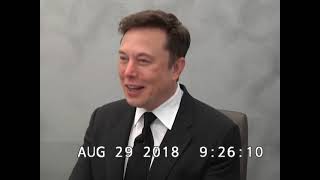 202659:14
 20231:04:02
 20221:10:53